9 Insider Secrets Restaurant Servers Know but Diners Miss
Working in the service industry comes with its fair share of wild stories, and servers across the country know a lot more than they’ll ever share with their tables. From hidden shortcuts to strategic timing, experienced waitstaff have developed an arsenal of insights that could transform your next dining experience. These industry veterans have perfected the art of reading customers, managing expectations, and navigating the complex ecosystem of restaurant operations. Whether you’re a frequent diner or someone who rarely ventures out, understanding these behind-the-scenes realities will change how you approach your next meal out.
Your Server Knows When You’re Going to Be a Problem Customer
Servers who’ve worked in the business for 30 years can spot difficult customers the moment they walk through the door. Servers discuss how customers tip, and if you show your face at least once a month and tip less than 18% consistently, expect to wait longer for service. The reality is that your reputation precedes you more than you realize. When restaurants are clearly busy and struggling to keep up, the difference between customers deciding to stay or leaving often comes down to how they’re greeted initially.
Coffee Becomes Decaf After 8 PM Whether You Order It or Not
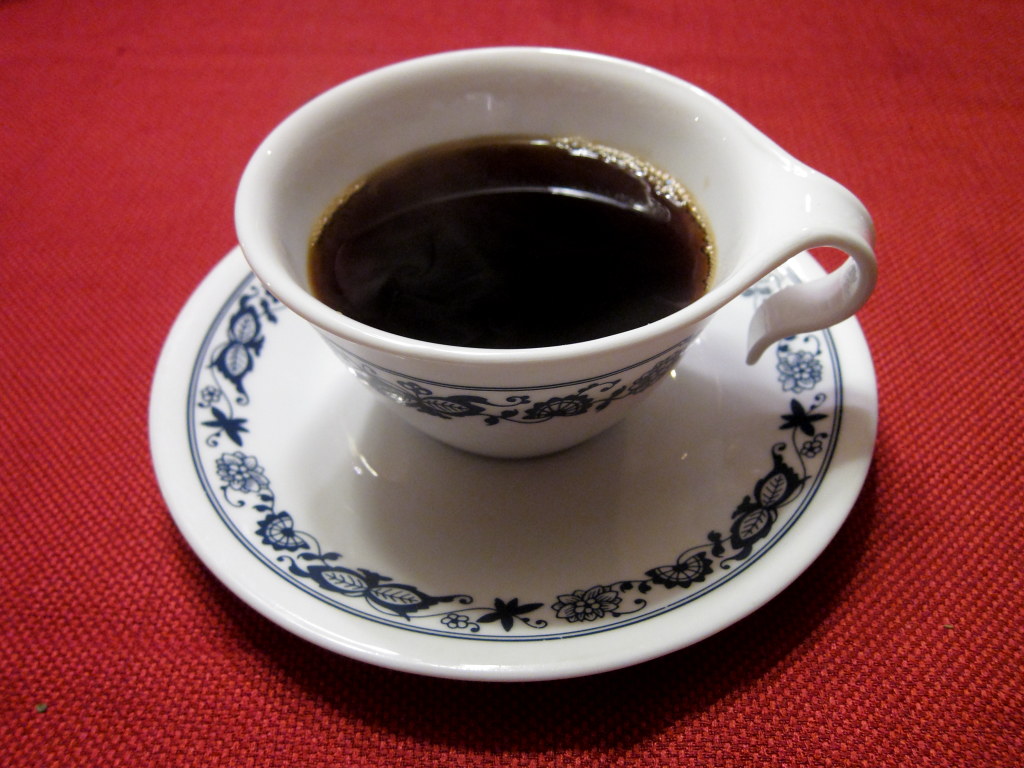
In most restaurants, some restaurants reportedly switch to decaf only after 8 p.m. to reduce cleaning tasks, so servers bring out trays with 12 coffees and give some to customers who ordered regular, others to those who ordered decaf, but they’re all decaf. This widespread practice saves time and labor costs during closing procedures. When you order ginger ale at some fast-casual restaurants, many of them don’t have it available on the soda fountain. Similarly, drink substitutions happen more frequently than diners realize, especially during busy periods when efficiency trumps exact order fulfillment.
The Secret Language of Acknowledgment Buys Time
Just letting a table know that you see them and will be right over can buy an extra five to 10 minutes of patience. This simple gesture transforms potentially frustrated customers into understanding ones. When servers can’t get to tables right away, honestly explaining the situation often works better than avoiding eye contact. The psychological impact of feeling acknowledged versus ignored dramatically affects how customers perceive their overall experience. Professional servers understand that managing expectations early prevents complaints later.
Your Milk Options Are More Limited Than You Think
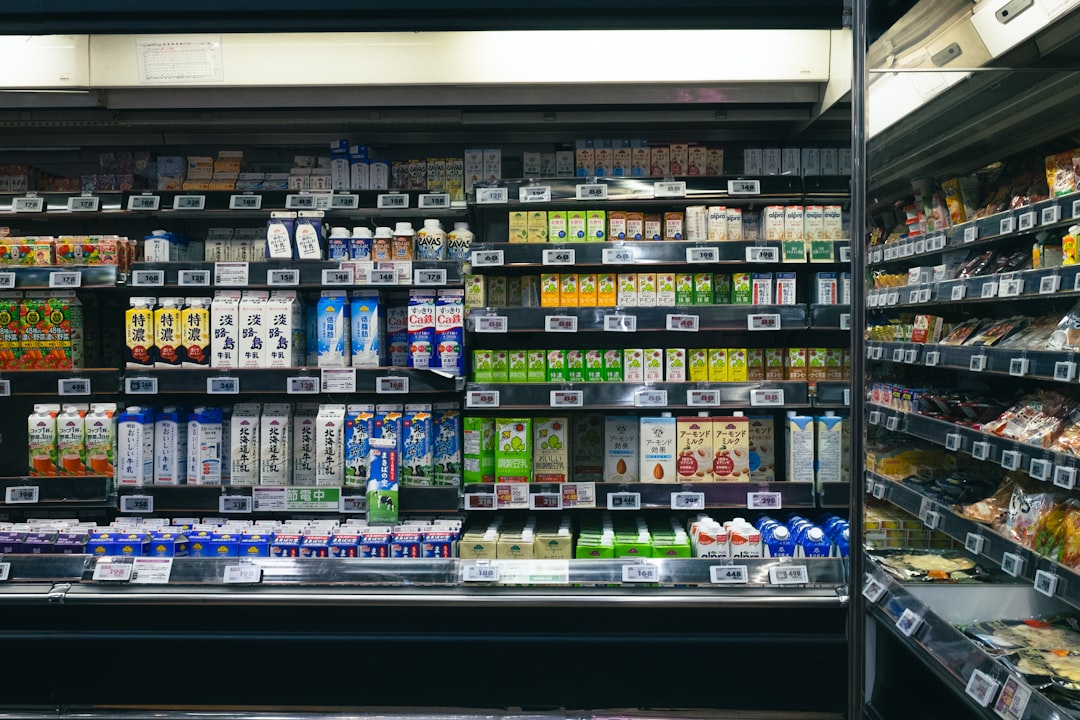
Skim milk is almost never skim milk, as many restaurants limit their milk variety due to storage and cost considerations because it’s just not practical. Most establishments stock only one or two types of milk due to storage constraints and spoilage concerns. When you request a specific milk type, servers often substitute whatever they have available without mentioning the switch. This practice extends beyond dairy to many beverage modifications that seem simple but require inventory restaurants don’t maintain.
Strategic Positioning Reveals Restaurant Priorities
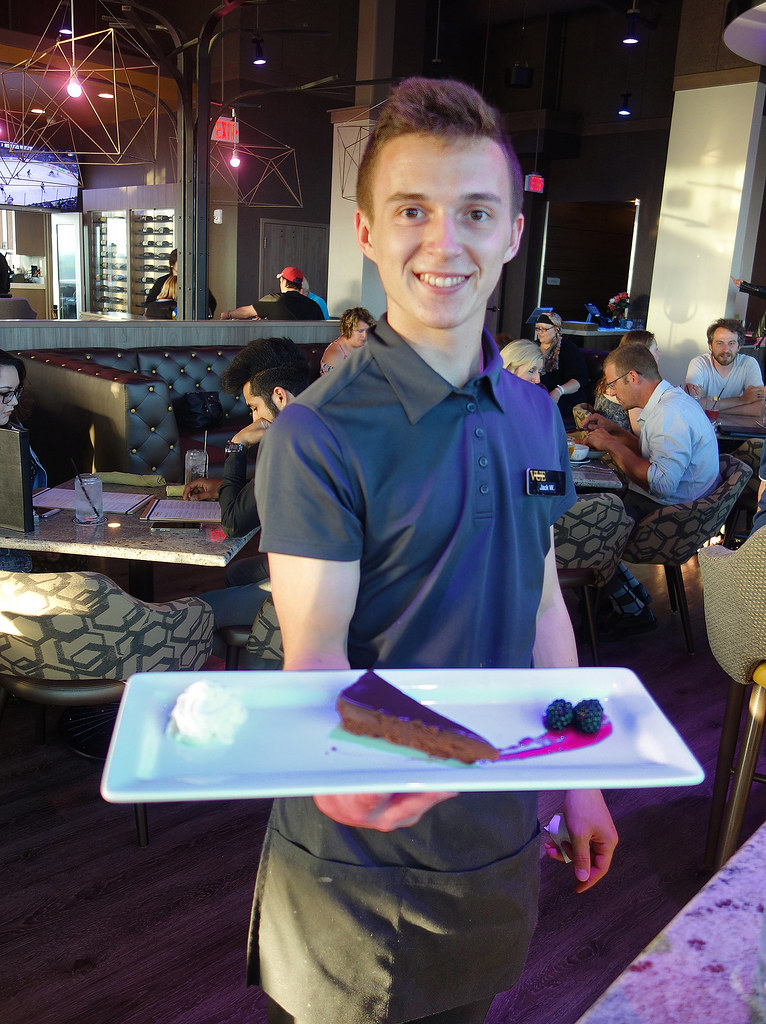
When servers get double-seated with a two-top and four-top, it might seem logical to visit the larger table first to secure a better tip from the bigger party. However, experienced servers know that smaller tables often turn over faster and can be just as profitable per minute. Guests who stay at their table for long periods after paying, known as ‘campers,’ represent one of servers’ biggest pet peeves because they disrupt ideal table turnover rates. Smart servers develop subtle techniques to encourage table turnover without making guests feel rushed.
Food Safety Shortcuts Happen More Than You’d Expect
When contamination occurs, proper food safety protocols require discarding affected items or using the product. Restaurants are notorious for demanding schedules and lack of paid sick leave, forcing many employees to work while ill, even handling food, creating real cross-contamination risks in high-pressure kitchens. Everything gets cleaned much less often than it should, with dusty ledges, salt and pepper shakers that never get wiped down, and probably ketchup from last year dried on lampshades.
The Economics of Drink Margins Drive Server Behavior
Restaurants make significantly more profit on drinks than food, with margins on beverages being significantly higher than food costs. This explains why servers push drink specials and refills so aggressively. Sometimes, if customers have been especially nice, servers might tell bartenders to make frozen margaritas without charging for them, which helps with tips even though it hurts the company’s bottom line. Understanding these economic incentives reveals why certain menu items get more enthusiastic recommendations than others.
Kitchen Timing Creates Invisible Pressure on Service
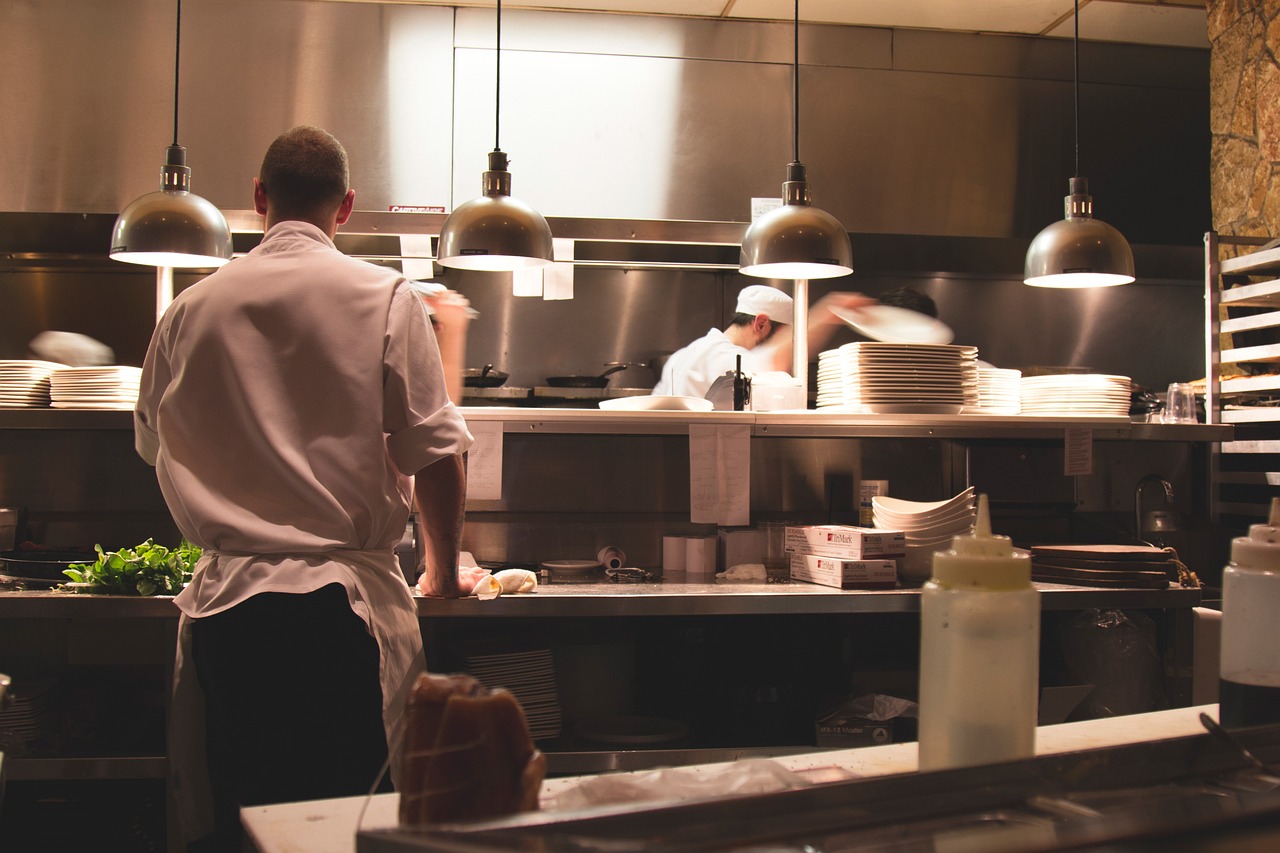
Servers are always running behind in commercial kitchens, so they have to find creative ways to do quality jobs much faster. Restaurant cooks use screaming-hot pans to get beautiful sears on steaks or caramelize vegetables, and from time to time, pans get too hot and catch on fire, with salt being the best way to extinguish them quickly. The intense pace means servers constantly juggle multiple priorities while maintaining friendly facades. Success requires years of iteration, drills, and military-style precision, with each cook having defined roles and every tray, portion, and movement accounted for.
Industry Veterans Never Mess with Food Despite Urban Legends
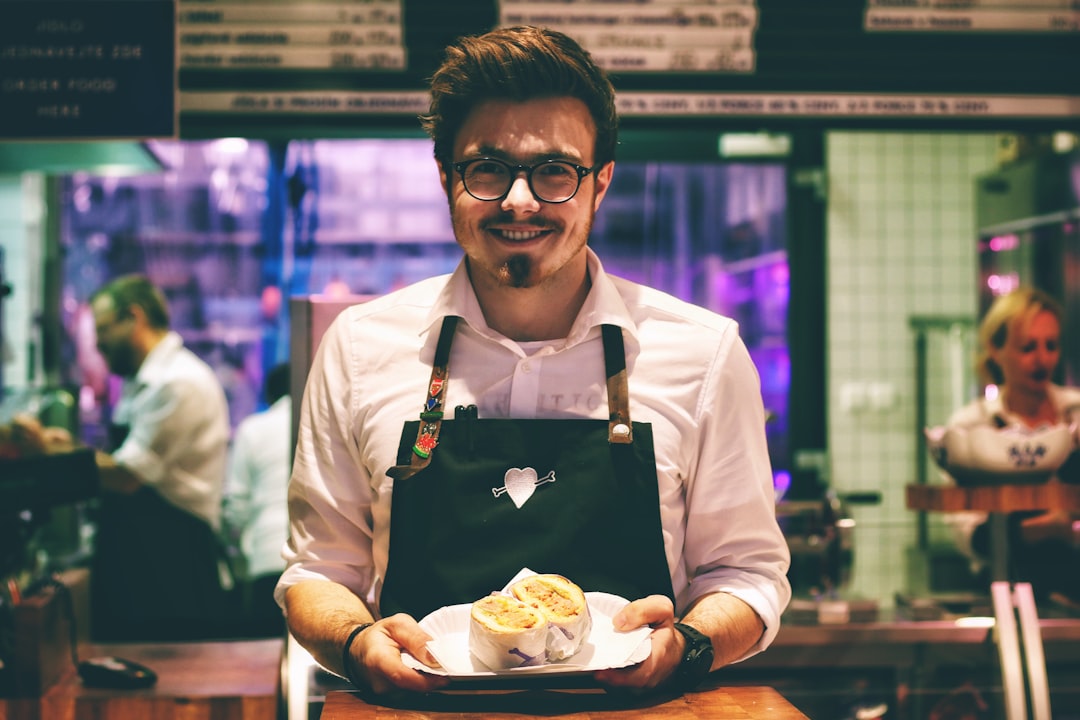
While most servers have dealt with customers who treat them poorly, they rarely retaliate, and despite urban legends about spitting in food, experienced servers report never seeing anyone mess with food out of spite or malicious intent. Food contamination happens occasionally, but chefs work hard to ensure food is free of contaminants, and it’s not like movies where cooks do weird stuff to food. The reality is that professional pride and health department regulations create strong incentives for maintaining food safety standards. When servers encounter difficult customers, they often practice empathy, imagining that rude guests might be dealing with personal trauma or stress.
What do you think about these restaurant secrets? Tell us in the comments.