Before You Retire: 9 States Where Living Costs Are Rising the Fastest
Retirement planning demands more than calculating your nest egg. You also need to know where your dollars will actually stretch, and right now, that’s becoming harder to predict in certain parts of America. While you’re envisioning your golden years, some states are quietly experiencing cost increases that could seriously dent your fixed income.
Nearly half of Americans report struggling to afford basic necessities such as groceries, housing, and healthcare, and consumer sentiment has fallen to a near-record low as of late 2025. Let’s be real, the landscape has shifted dramatically since the pandemic, with some traditionally affordable retirement destinations now feeling the squeeze. Here are nine states where living expenses are climbing fastest.
Vermont: Real Estate Prices Surge Beyond Expectations
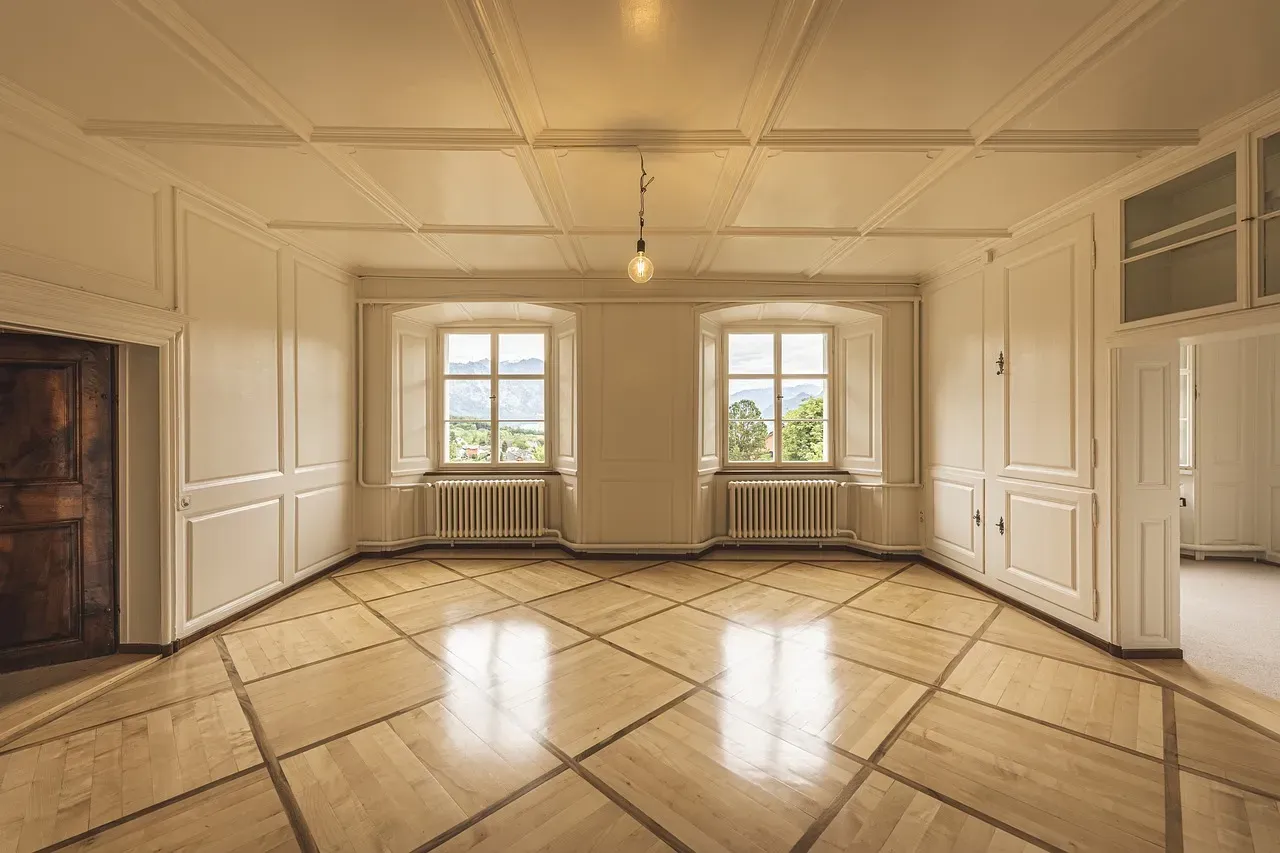
Vermont’s surge in popularity during the COVID-19 pandemic brought much-needed population growth but also significantly increased housing costs, with real estate prices rising faster here than in any other state, climbing 12.8% over the 12 months between Q1 2023 and Q1 2024. Think about that for a moment: more than one-tenth of your housing budget evaporated in just a single year. Vermont is one of the most expensive US states to live in with a cost of living index of 117.1. Healthcare expenses further compound the financial pressure on Vermonters, particularly those entering retirement who need predictable budgets.
Florida: Insurance Crisis Reshapes Retirement Paradise

Florida has long been synonymous with retirement dreams. Yet those dreams are colliding with harsh economic realities in 2024 and 2025. Home prices in Florida were up 3.1% year over year as of May 2024, according to Redfin. That’s just the beginning, honestly.
There is an insurance crisis in Florida delaying home buying, with an April 2024 Redfin survey finding that 70% of Florida homebuyers have seen a rise in their insurance costs or have experienced a change in coverage. Florida homeowners have faced significantly larger insurance increases due to outsized hurricane exposure, with annual premiums now exceeding $10,000 in some parts of the state. For retirees on fixed incomes, these unpredictable spikes can be devastating.
Montana: Housing Costs Defy Rural Expectations
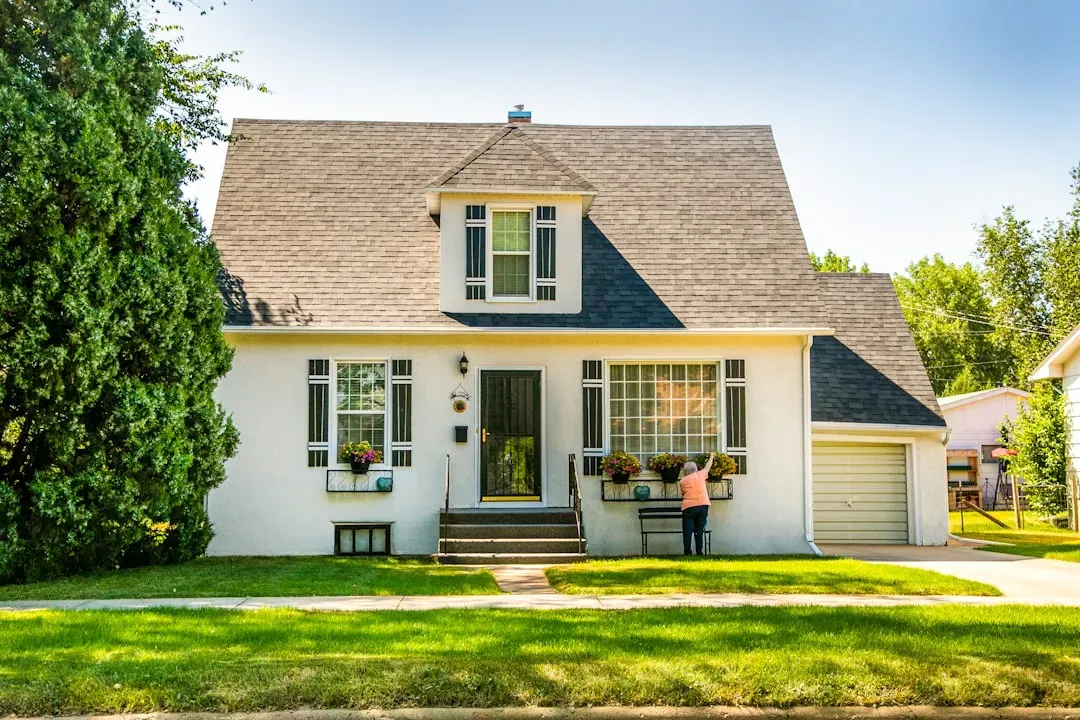
Montana might seem like an affordable escape, but appearances deceive. Montana’s typical home value was $451,402 in December 2024, according to Zillow. Let that sink in: nearly half a million dollars for a home in what many consider a remote, sparsely populated state.
Montana does not appear to be one of the more affordable states to live in, ranking 14th in U.S. News & World Report’s Affordability Rankings, while MERIC views Montana as a bit rougher on the wallet, ranking it the 22nd most affordable state. The state’s breathtaking scenery comes with a price tag that’s increasingly difficult to justify for budget-conscious retirees.
Idaho: Population Growth Drives Costs Skyward
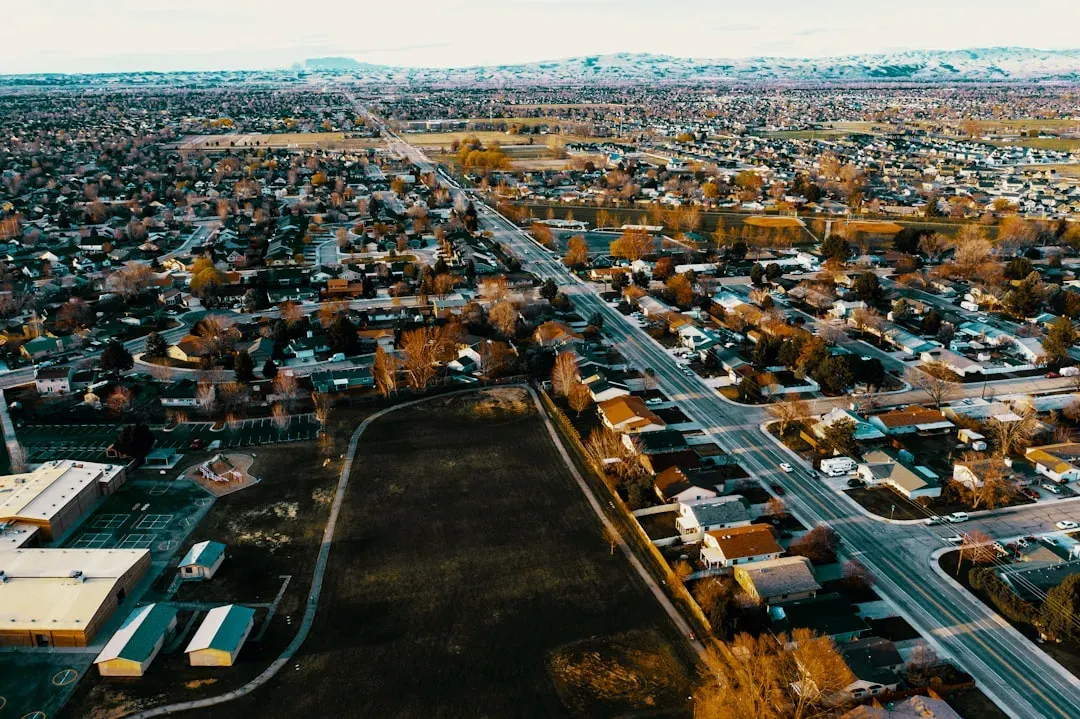
Idaho leads the nation in housing price increases, with housing prices increasing 112 percent since 2016 and by 37 percent in just the last year alone. Those numbers aren’t typos, and they represent one of the most dramatic transformations in American real estate. Renters are also feeling the squeeze, with average rents growing 31 percent from March 2020 to August.
Before the pandemic, Idaho was considered just middle of the pack when it came to cost of living, ranking 20th among all the states in 2019, but pandemic-related effects on top of the state’s rapidly growing population are increasing the cost of simply getting by in Idaho. It’s hard to say for sure, but this trajectory shows no signs of reversing anytime soon.
Washington: Tech Economy Pushes Everything Higher
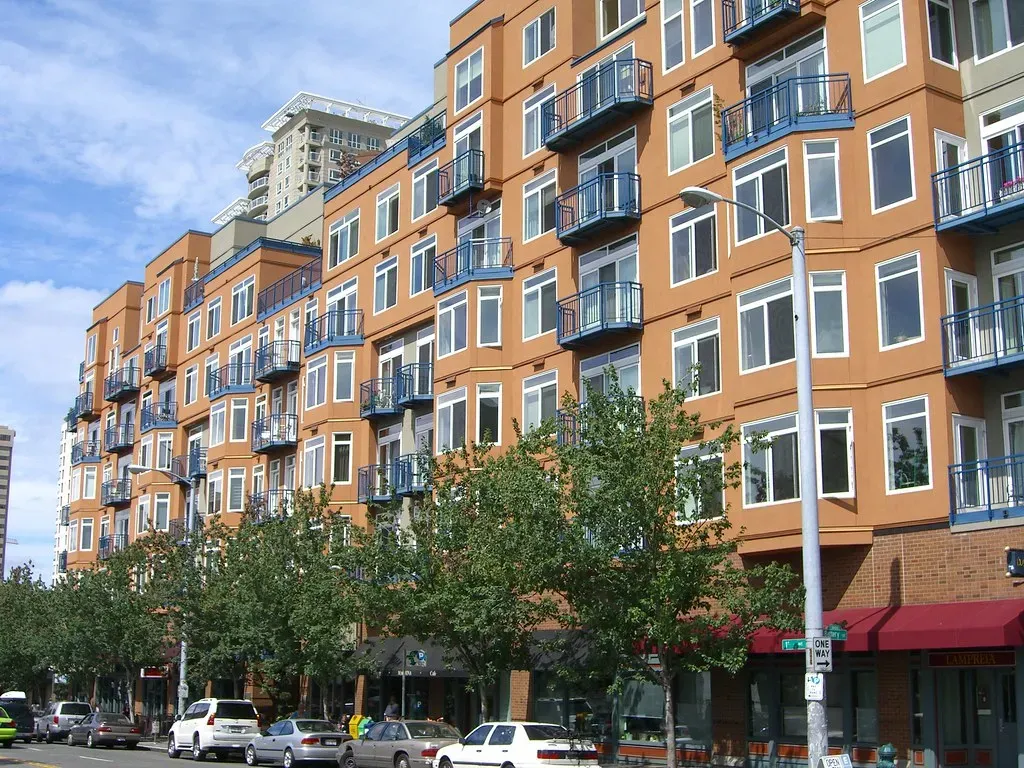
The cost of housing, grocery, transportation, and healthcare has been on a steady rise in Washington for some years now, resulting in an overall cost of index 16% higher than the national average in the United States. Seattle’s booming technology sector might create high-paying jobs, but it also inflates costs for everyone, including retirees who aren’t benefiting from those tech salaries. The median home value in Washington is $576,000, with median housing costs for homeowners at $2,396 per month according to the Census Bureau.
Maryland: Housing Surge Strains Budgets
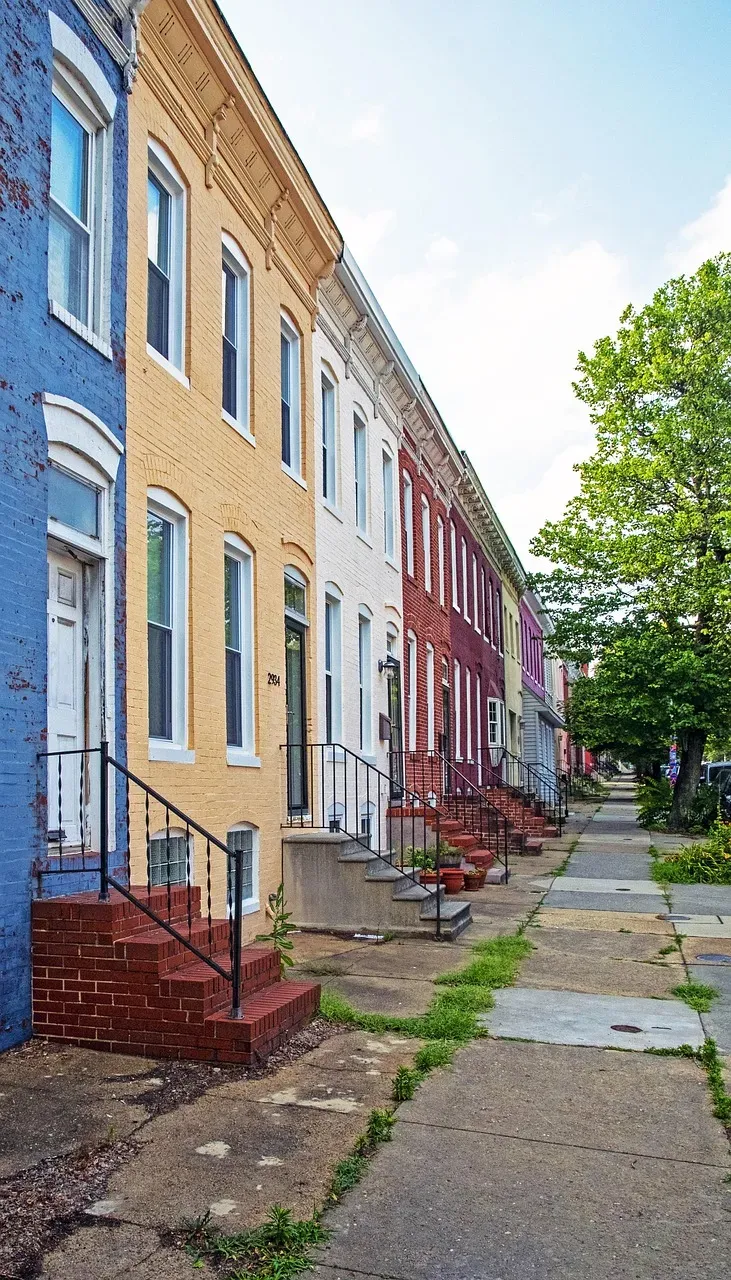
The cost of housing is surging in Maryland, and in 2023 was 46.4% higher than the national average. Housing represents the biggest chunk of most retirees’ budgets, so when it jumps nearly half above national norms, everything else suffers. A worker earning Maryland’s $15 hourly minimum wage would need to work almost 90 hours a week to rent a one-bedroom apartment and pay for living expenses, while the average Maryland home costs more than $435,000 as of September 2025.
Groceries and utilities also remain stubbornly expensive, creating a triple threat for retirees attempting to maintain their standard of living on fixed retirement income.
Alaska: Remote Location Creates Price Premium

The primary reason behind Alaska’s high cost of living is its scarce farmland, comprising less than one million acres, which has meant that much of the food in the state comes from other regions in the United States, with groceries 23%, utilities 58%, and healthcare 48% more expensive than America’s national average. Geography matters enormously, and Alaska proves that point dramatically. Alaska’s sparse population and remote geography mean high transportation costs for goods, making groceries in cities like Juneau and Fairbanks the highest in the nation, with utility costs also the highest in the U.S.
Massachusetts: Building Costs Reach Extremes

The cost of building a starter home in Massachusetts is the second highest in the U.S., 22% above the national average, with the average down payment on a house in Boston at $109,000 as of October 2024, above the city’s median household income. Picture that: the down payment alone exceeds what most households earn annually. Massachusetts is one of the costliest states to live in the United States, with housing more than twice as expensive as the national average, where for every $100 you pay in rent elsewhere in the country, it costs you $218.5 in Massachusetts.
New York: Tax Burden Compounds High Costs

Living in the Empire State comes with the nation’s highest combined tax burden at 12.02%, with even New Yorkers who don’t own property paying the highest state income tax in the U.S. at 4.63%. Taxes represent money that simply vanishes from your retirement account, never to be seen again. The state’s median home value is almost $40,000 more than the national median at $420,200 versus $372,600, with median property taxes more than double the national amount at $6,325 versus $3,057.
It costs a household of four an average of $6,137 to meet their expenses every month in New York, exclusive of rent, with housing, transportation, utilities, and healthcare all considerably higher than the national average. Manhattan alone drives much of this expense, but even upstate areas aren’t immune.
The retirement landscape has fundamentally changed. States that once offered affordable havens now challenge even well-prepared retirees with escalating costs in housing, insurance, utilities, and healthcare. Smart planning means looking beyond the postcard views to the actual numbers that will define your daily life. Did you expect the shifts to be this dramatic in traditionally retirement-friendly states?