10 Beloved Chain Restaurants That Disappointed Loyal Customers, Data Shows
Chain restaurants once dominated America’s dining landscape with promises of consistency, value, and comfort food that customers could rely on. Yet recent data paints a troubling picture of beloved brands struggling to maintain their loyal customer base. Customer traffic at full-service restaurants in the third quarter of 2024 was down 3% from a year ago and is 17% below the same period in 2019, while countless establishments have filed for bankruptcy or shuttered locations nationwide.
What makes these disappointments particularly striking is how they’ve affected restaurants that customers considered dependable favorites for decades. Let’s dive into the chains that have left their most devoted patrons feeling let down.
TGI Friday’s
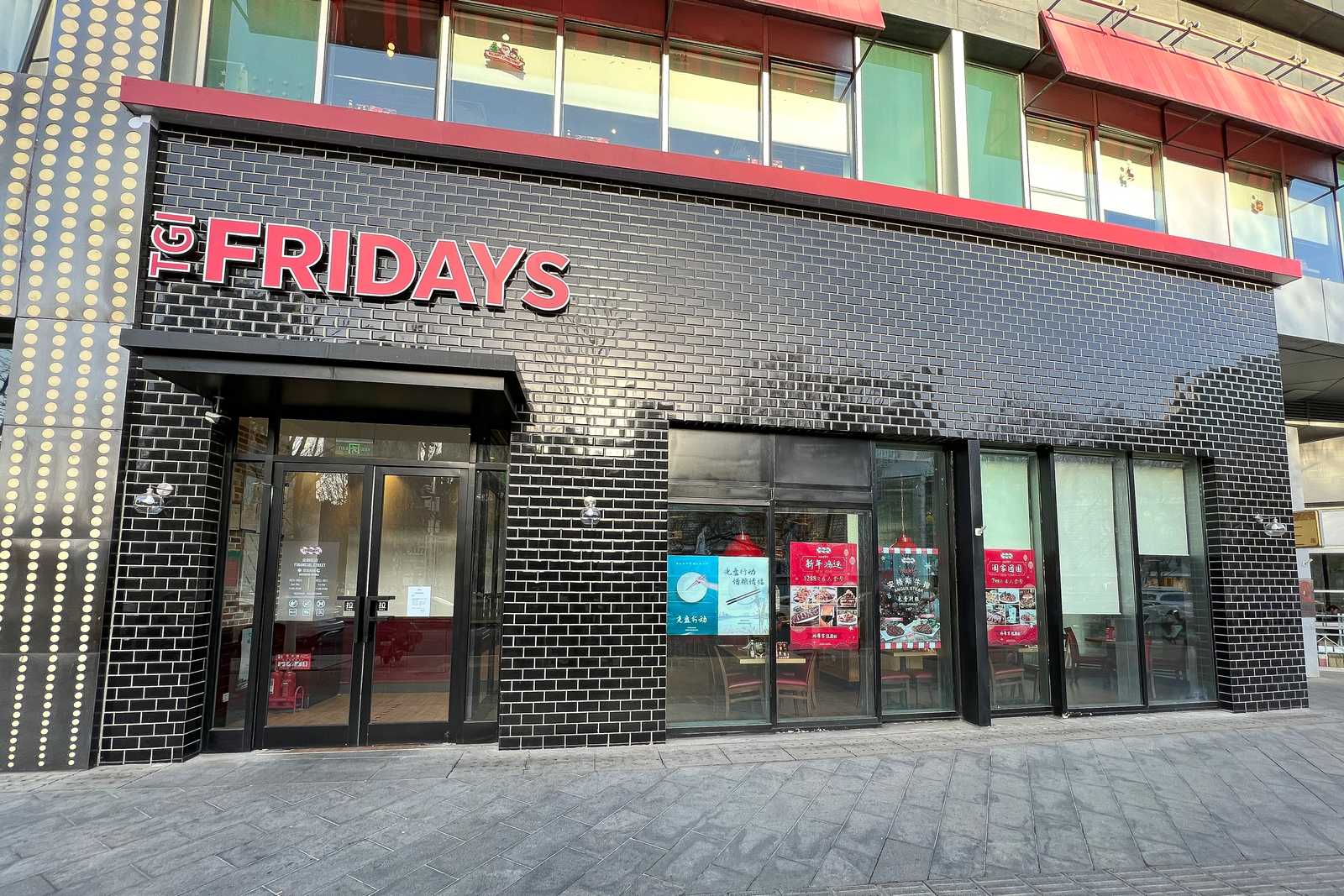
The casual dining stalwart that once symbolized fun and celebration has become a cautionary tale of brand decline. TGI Friday’s confirmed it filed for Chapter 11 bankruptcy in 2024 and has continued shuttering restaurants in 2025. According to its website, only 85 remain open. The chain’s dramatic downsizing represents one of the most significant disappointments for customers who grew up celebrating milestones at their neighborhood Friday’s location. TGI Fridays closed nearly 50 locations abruptly in October, then filed for bankruptcy in early November, leaving loyal patrons scrambling to find new celebration spots.
McDonald’s
Even the Golden Arches couldn’t escape customer dissatisfaction in recent years. McDonald’s recently experienced disappointing quarterly results, with U.S. same-store sales falling 1.5% globally, the first decline since Q4 2020. The chain’s struggles stem largely from pricing concerns, as after raising prices by about 10% in 2023, the chain has faced a mountain of social media backlash over the cost of Egg McMuffins, Hash Browns, and other menu items. Last-place McDonald’s dips 1% to an ACSI score of 70 in customer satisfaction surveys, reflecting widespread disappointment among once-loyal customers.
Starbucks
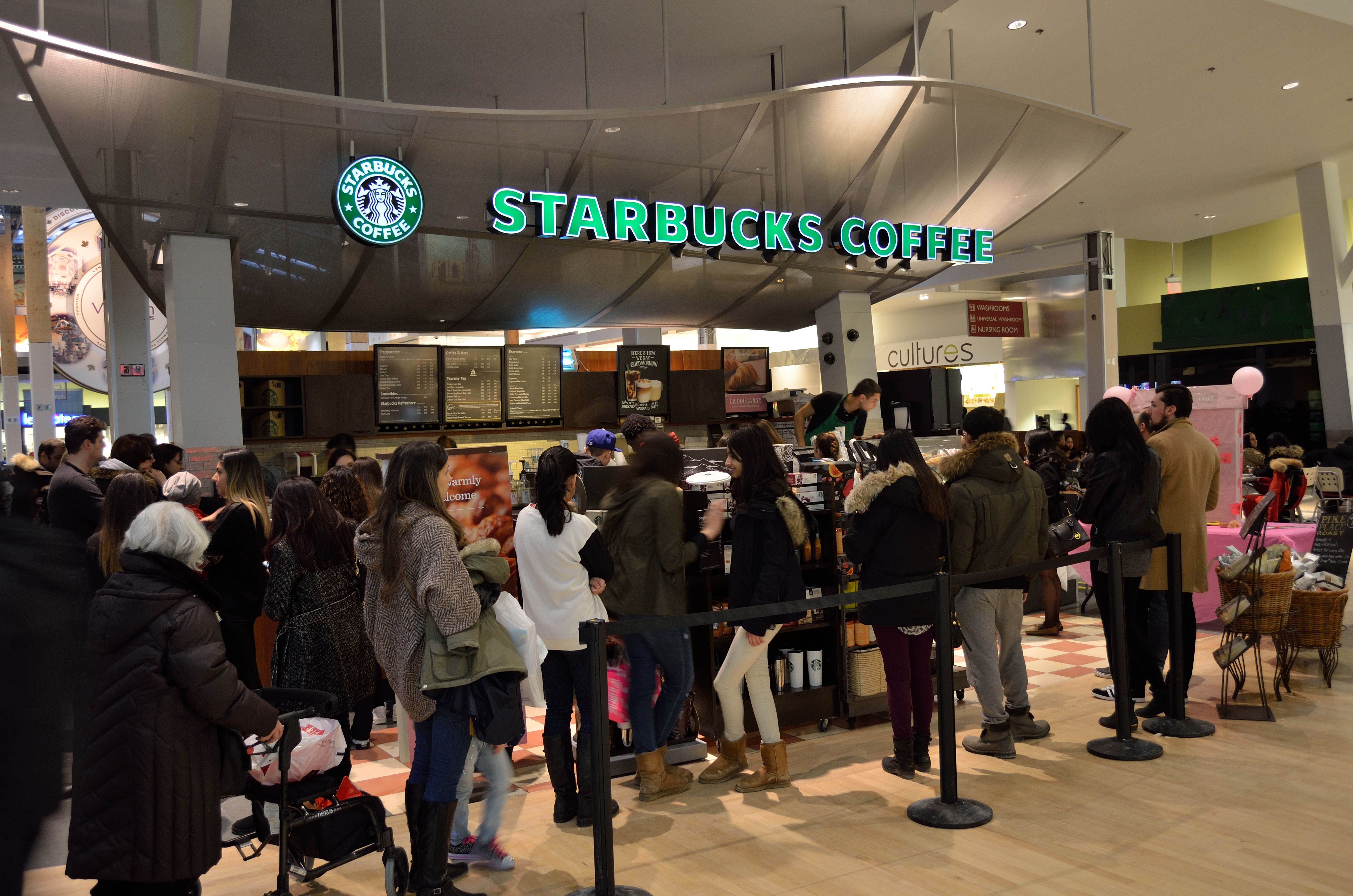
The coffee giant that redefined American caffeine culture has faced mounting criticism from its core customer base. Starbucks operating results have been disappointing over the past year, with CEO Brian Niccol acknowledging that “Our financial results were very disappointing, and it is clear we need to fundamentally change our strategy to win back customers”. A new survey of Starbucks baristas released today shows broad concerns with the coffee giant’s direction, with 9 in 10 respondents reporting understaffing at their stores, which they say leads to long wait times for customers. Customer wait time complaints have surged, with almost 16% of Starbucks customers reporting longer than usual wait times in 2022, rising to 26% by 2024.
Buffalo Wild Wings
The sports bar chain known for its wings and lively game-day atmosphere has continued to struggle with customer satisfaction. Buffalo Wild Wings’ satisfaction score dropped by 4% to 76, placing it near the bottom of the industry. In 2024, the company closed sixty locations across the United States, disappointing loyal fans who had long relied on the chain as a go-to spot for watching big games with friends. The impact of these closures has been especially felt in communities where Buffalo Wild Wings served as the primary sports-viewing destination.
Denny’s
America’s diner faced significant challenges that disappointed longtime customers who viewed it as an always-available comfort food destination. Even budget standby Denny’s said in October that it would close about 150 stores in the next two years, citing “choppy economic conditions” and the fast pace of inflation for food away from home. This breakfast chain got a little bit smaller in 2023, closing 57 locations because of inflation-related challenges. Specifically, a Denny’s location previously needed $1 million to break even and stay open. Now, it requires $1.2 million. The chain’s satisfaction score has also declined, as Denny’s slips 1% to 75 in customer satisfaction rankings.
Red Lobster
The seafood chain’s dramatic collapse shocked customers who had celebrated special occasions there for generations. Red Lobster filed for bankruptcy in May 2024, and Red Lobster was another chain that struggled mightily in 2024, experiencing a sales drop of nearly 23 percent to USD 1.68 billion, while its restaurant count plunged 20 percent to 518. The bankruptcy filing came as a particularly harsh blow to customers who considered Red Lobster their go-to destination for anniversary dinners and birthday celebrations. Many loyal patrons expressed disappointment on social media about losing their neighborhood locations.
Boston Market
The rotisserie chicken chain’s precipitous decline left customers who relied on its home-style meals feeling abandoned. The fast-casual chain known for its rotisserie chicken and other comfort food staples has experienced a tumultuous few years, facing mass store closures, numerous lawsuits, and other financial issues. According to Restaurant Business Magazine, the restaurant chain has shrunk from about 300 locations down to just 27 since the start of 2023. Boston Market drastically reduced its number of restaurants from around 300 to just 27 by March 2024, driven by landlord evictions, unpaid bills, and state shutdowns due to unpaid sales taxes. The chain’s rapid collapse disappointed customers who valued its convenient, homestyle meals for busy families.
KFC
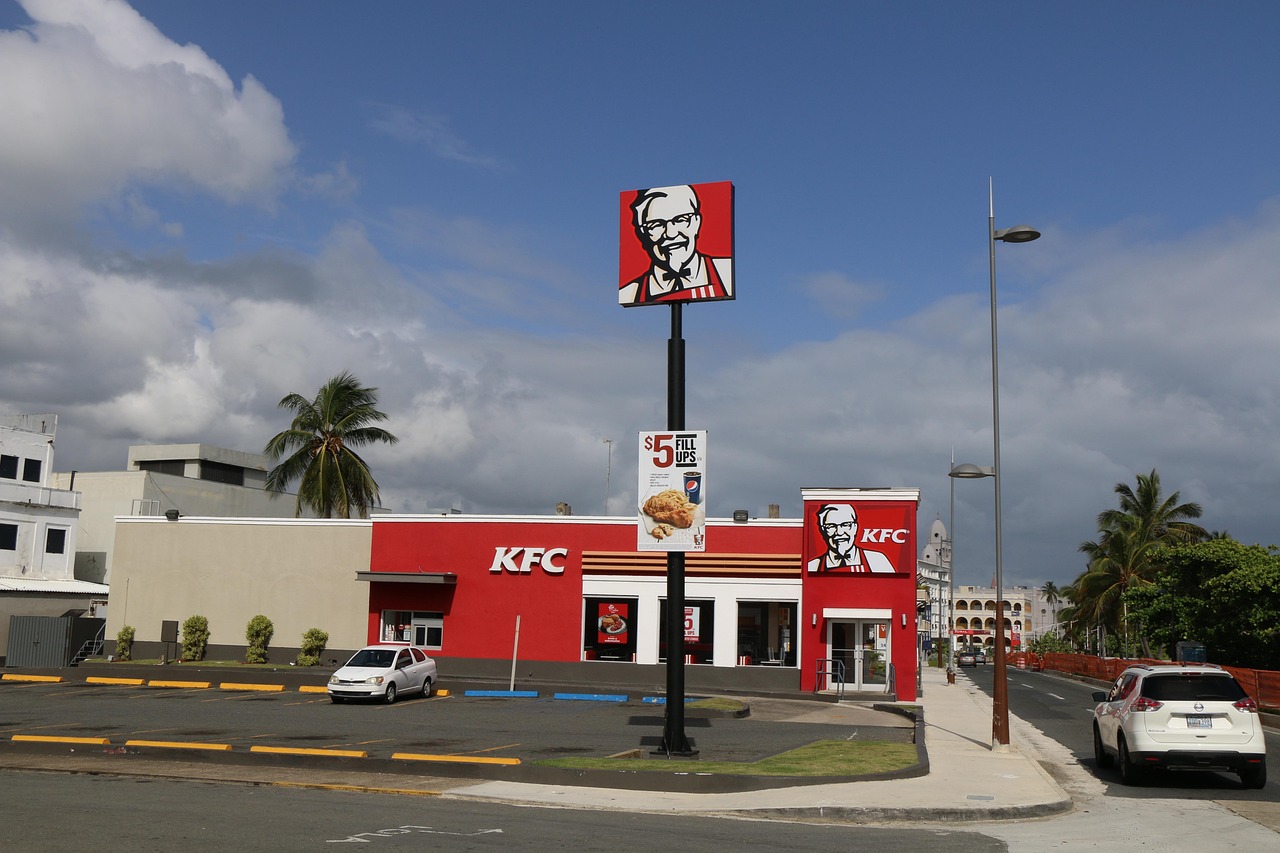
The Colonel’s empire has lost some of its luster in recent years, disappointing customers who expected consistency from the fried chicken pioneer. Among other chicken chains, KFC stumbles 5% to 77 as it faces competitors who are adapting to shifting preferences more quickly. KFC faced an erosion of its customer satisfaction, down 5% to 77, as other chicken chains – like Raising Cane’s, Wingstop and Popeyes – gained ground. Many longtime customers have expressed frustration with inconsistent food quality and service compared to newer chicken chain competitors that have gained market share.
Chili’s
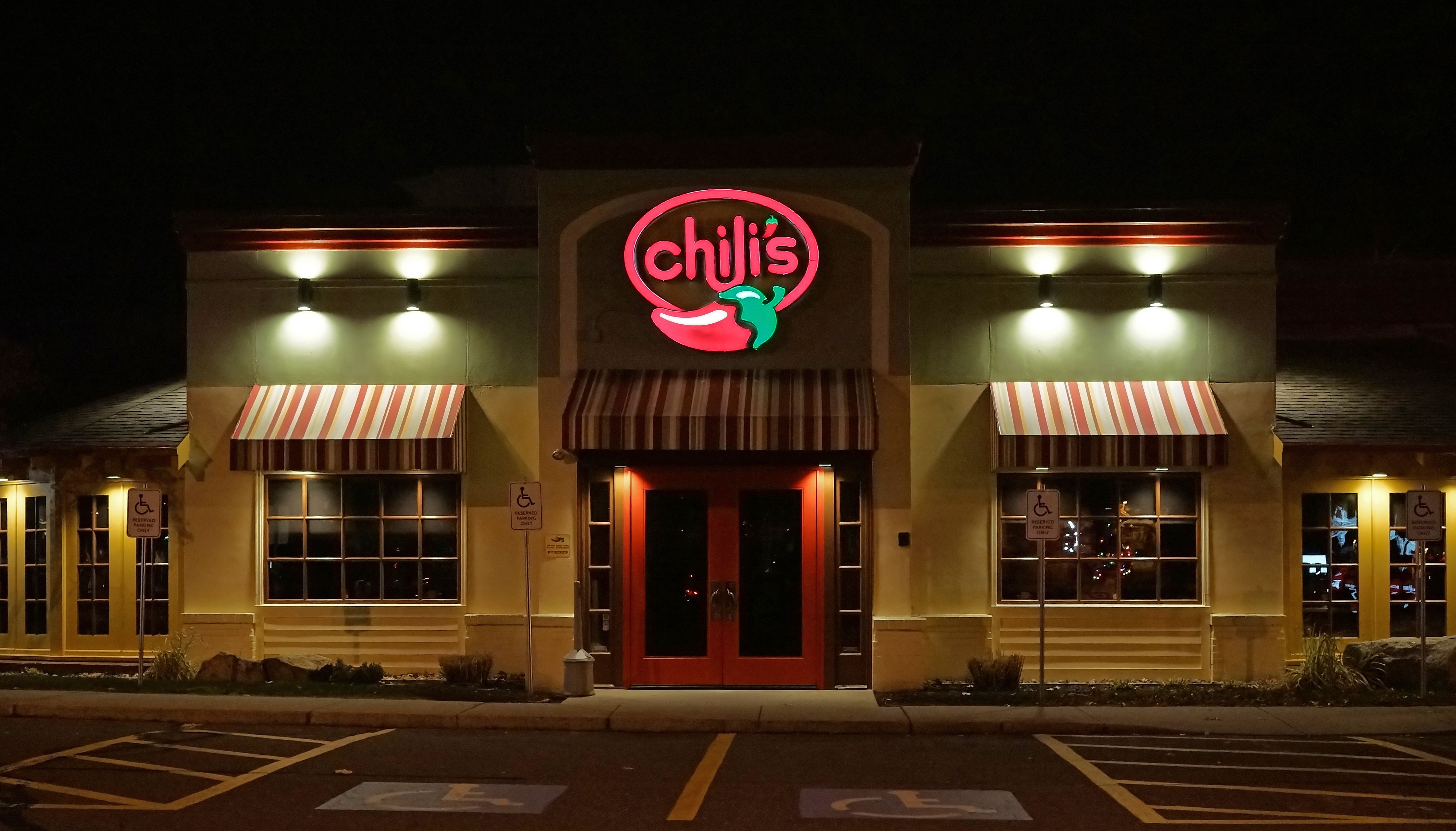
Despite some financial success, the casual dining chain has disappointed customers with service issues. Chili’s, which saw average unit volumes increase 16% in 2024, experiences a 3% satisfaction drop to 78. This lower satisfaction was largely driven by its carry-out performance during spring 2024, when it began targeting McDonald’s with products and messaging. The disconnect between financial performance and customer satisfaction has left many loyal diners feeling that the chain prioritizes profits over the dining experience they once cherished.
IHOP
The International House of Pancakes has struggled to maintain its position as America’s breakfast destination. IHOP (International House of Pancakes) will wind down 100 locations as part of ongoing restructuring efforts. The closures have disappointed families who made IHOP a weekend tradition, particularly affecting suburban locations where the chain served as a community gathering place. Many customers have expressed frustration with reduced hours and inconsistent service quality at remaining locations, making their once-reliable breakfast outings less predictable.
Looking at these disappointing declines, it’s clear that “A whole lot of these companies are finding their sales aren’t turning out to be as strong as expected”. The combination of inflation, changing consumer preferences, and operational challenges has created a perfect storm that even beloved chains couldn’t weather. What’s particularly heartbreaking for loyal customers is watching places that held personal memories transform into shadows of their former selves or disappear entirely.
What do you think about these restaurant disappointments? Have you experienced letdowns at your formerly favorite chains?