Realtors Say Buyers Are Now Avoiding These 8 Once-Trendy Home Features – A Worrying Shift for Sellers
The housing market in 2025 and 2026 is a completely different beast compared to just a decade ago. Buyers have become sharper, more discerning, and frankly less forgiving when they walk through a home and see something that screams “2014 Pinterest board.” What once sold a house in a weekend can now quietly kill a deal before the agent even finishes the tour.
Sellers who haven’t kept up with shifting buyer preferences are finding themselves in a tough spot. Many features that once defined stylish American homes have rapidly fallen out of favor, as changing lifestyles, maintenance costs, and updated building standards mean that design trends from the 80s, 90s, and early 2000s no longer match what today’s buyers want. The surprises on this list might just make you look at your own home a little differently. Let’s dive in.
1. The Jetted Jacuzzi Tub: From Luxury Symbol to Deal-Breaker
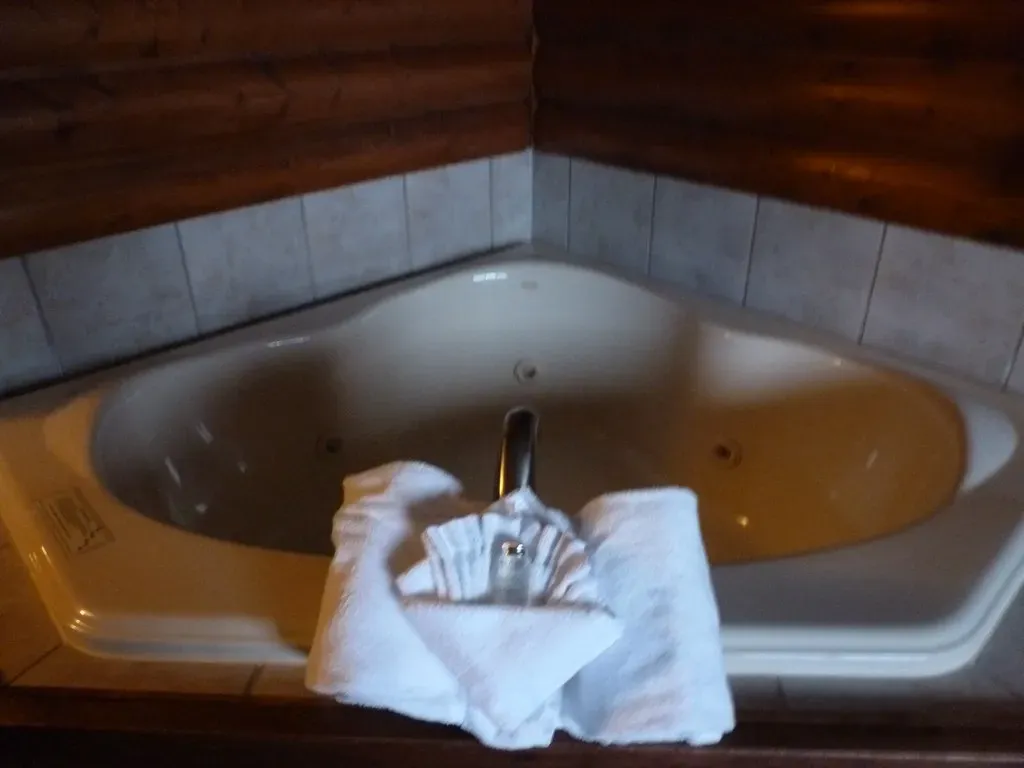
There was a time when a jetted tub in the master bath was the ultimate symbol of having “made it.” It was the kind of feature that got listed in capital letters in property brochures. Honestly, I remember thinking as a kid that anyone with a Jacuzzi tub must be incredibly wealthy.
Once a symbol of luxury, the Jacuzzi tub has fallen out of favor with many modern buyers. With its larger size and impracticality for those who prefer showers, it may be time to remove a Jacuzzi tub and opt for a more modern shower design. In a recent Redfin survey, Redfin Premier Agents shared that the vast majority of buyers are not at all interested in this feature.
Large jetted tubs once symbolized luxury, but many buyers now consider them impractical. They consume significant space and require extensive cleaning because the jets can accumulate bacteria. They also increase water and energy usage compared to standard tubs. Real estate agents report that homeowners often remove them in favor of large walk-in showers, which better match current bathroom trends.
2. Linoleum Flooring: A Relic That Buyers Simply Won’t Accept
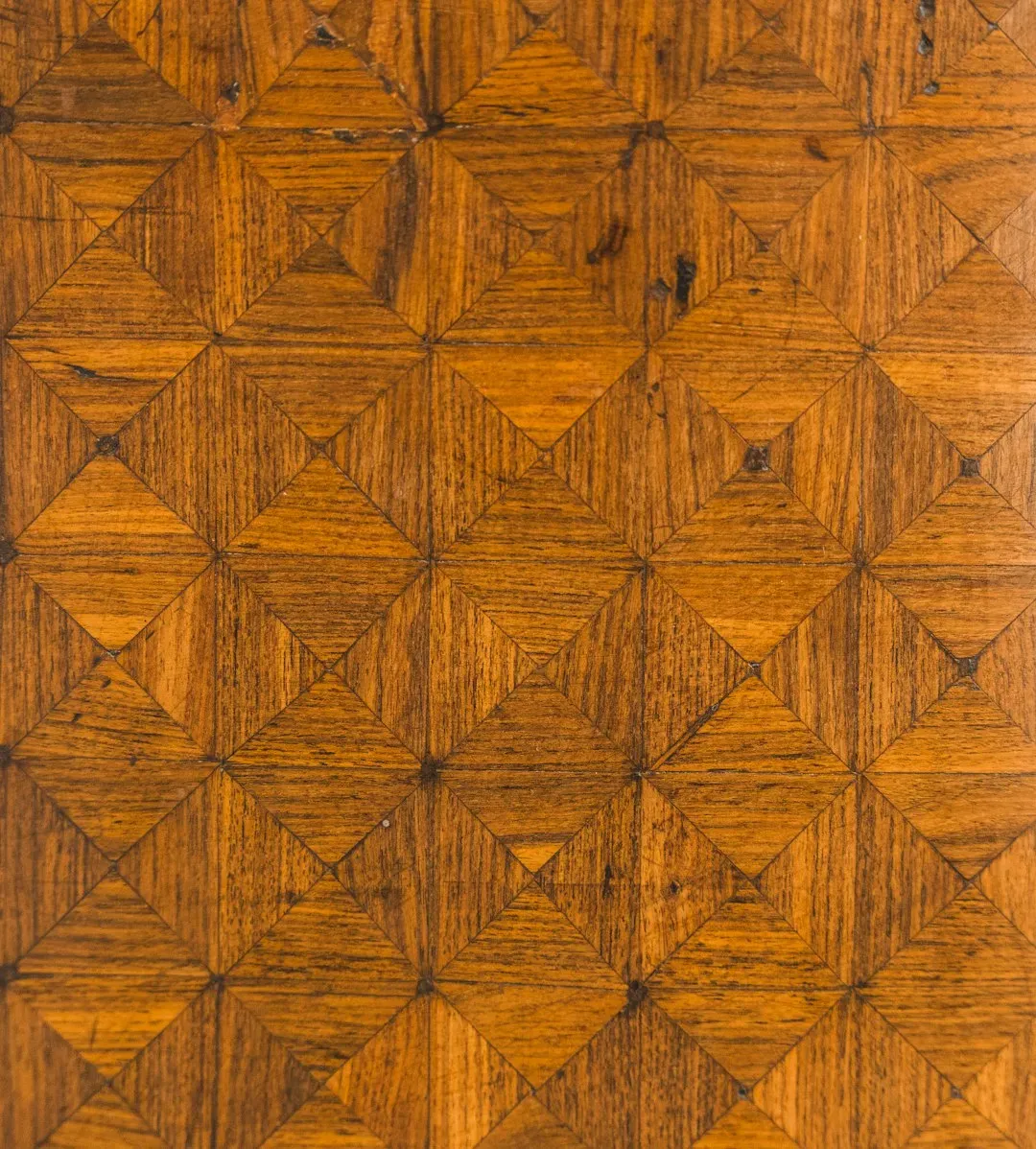
Linoleum had a good run. It was affordable, practical, and once came in so many patterns that it felt almost fun. But walk into a home today with linoleum floors and watch buyers’ faces change. It’s like showing up to a job interview in a leisure suit from 1978.
Linoleum floors were once a popular and practical choice for homeowners. However, they are now widely considered an outdated home trend. With a staggering share of buyers expressing no interest, it’s clear that this flooring option can significantly deter interest.
Upgrading to hardwood, tile, or laminate flooring can offer a more modern appeal and pique buyer interest. It’s hard to say for sure what the exact dollar-for-dollar ROI is in every market, but most buyers prefer hardwood, and carpet that shows wear and harbors allergens is also a red flag – the latest 2024 Cost vs. Value Report data shows that even simpler exterior door replacements can offer enormous return on investment. The lesson? Flooring matters enormously to modern buyers.
3. All-Gray Everything: The Trend That Aged Overnight
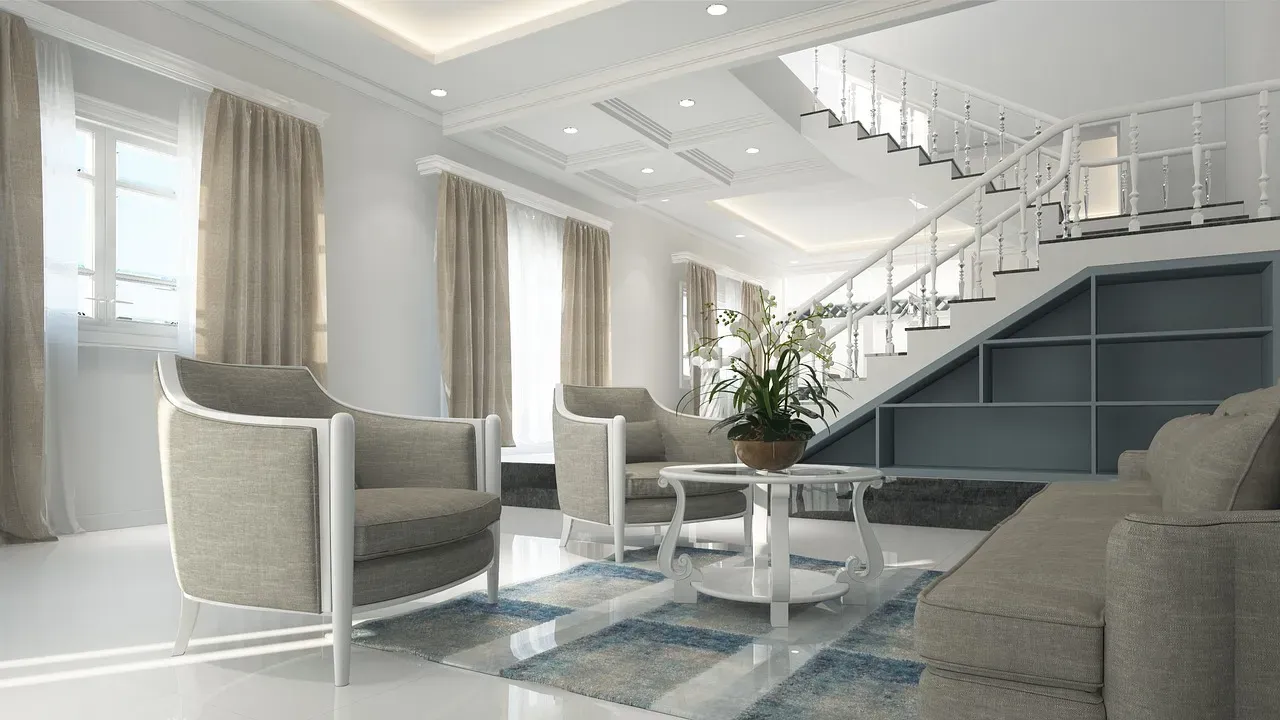
For years, gray was the safe bet. Gray walls. Gray cabinets. Gray floors. It was everywhere, and for a while, it genuinely looked clean and sophisticated. Then something shifted, and suddenly all that gray started feeling like a waiting room.
For years, real estate investors and home flippers relied on gray walls, gray flooring, and gray cabinets to create a “modern” look. But in 2025, this trend is dead. Buyers now see all-gray interiors as cold, outdated, and overdone.
For years, gray was the safe choice. Now, buyers are ready for warmth again. All-gray floors, walls, and finishes can feel cold and impersonal, especially when overused. Warm neutrals like soft beiges, taupes, and earthy tones are now what buyers prefer instead. Natural wood finishes and subtle color variation help homes feel more inviting and easier to imagine living in.
4. Brightly Painted Accent Walls: A Bold Choice That Backfires
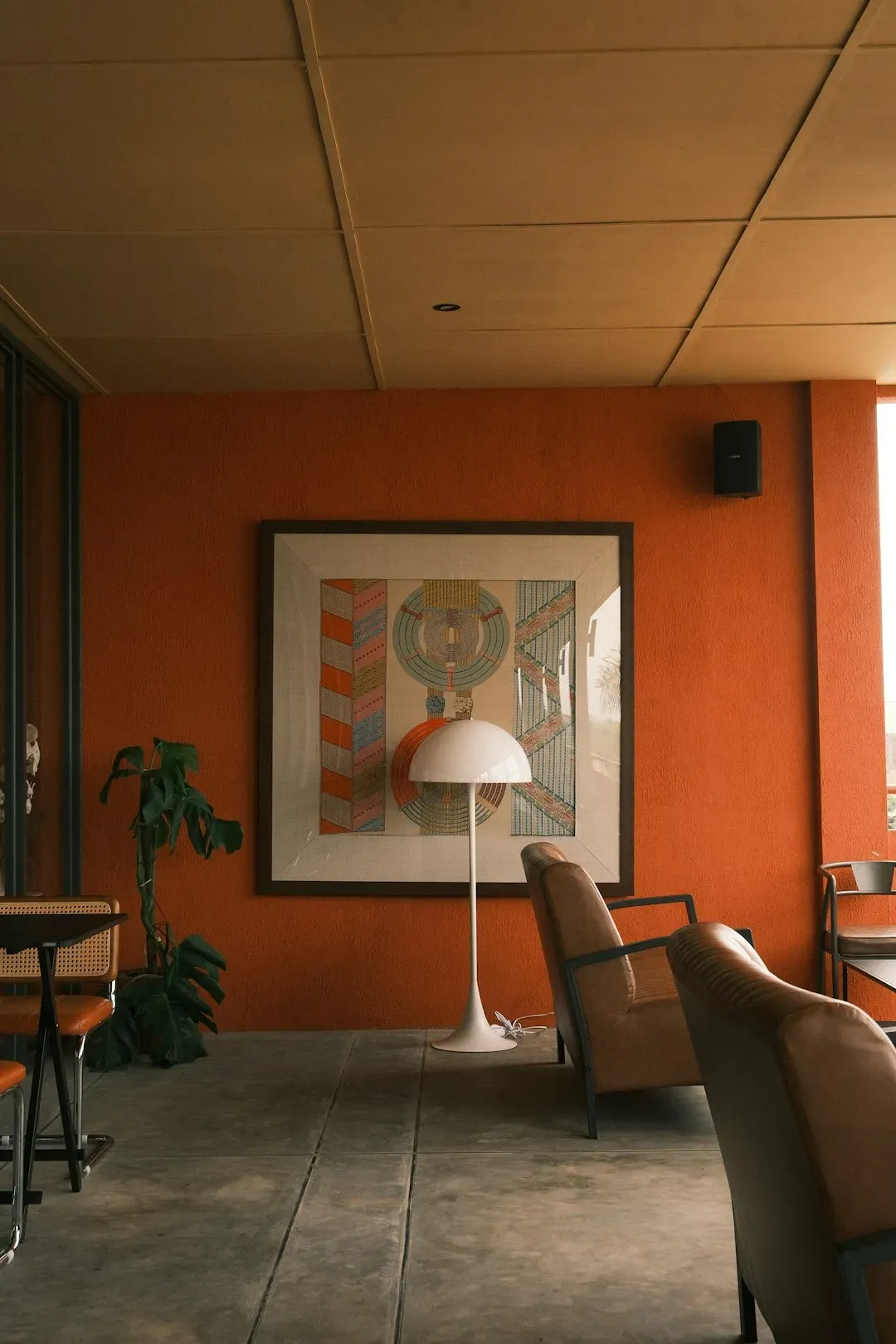
The single bold accent wall was once the interior design shortcut that every homeowner loved. Pick one wall, slap on a deep red or electric blue, and suddenly your room had “personality.” It looked great on home improvement TV shows. In person, walking through a home for sale? Not so much.
Bold and bright accent walls and wallpaper were once popular design choices, but tastes have shifted towards more neutral and sophisticated aesthetics. Based on the Redfin Premier agent survey, a significant share of buyers indicated that they are not at all interested in brightly painted accent walls, and a similarly large portion are not interested in wallpapered rooms.
Big, bold features can overwhelm a space. Extreme accent walls, dramatic colors, or overly trendy fixtures can turn buyers off. Neutral-painted walls appeal to a larger pool of buyers and help them envision a space to which they can bring their own interests. Think of it like a blank canvas. Buyers want to paint their own story, not try to emotionally untangle yours.
5. The Farmhouse Aesthetic: Shiplap, Barn Doors, and the Style That Overstayed Its Welcome
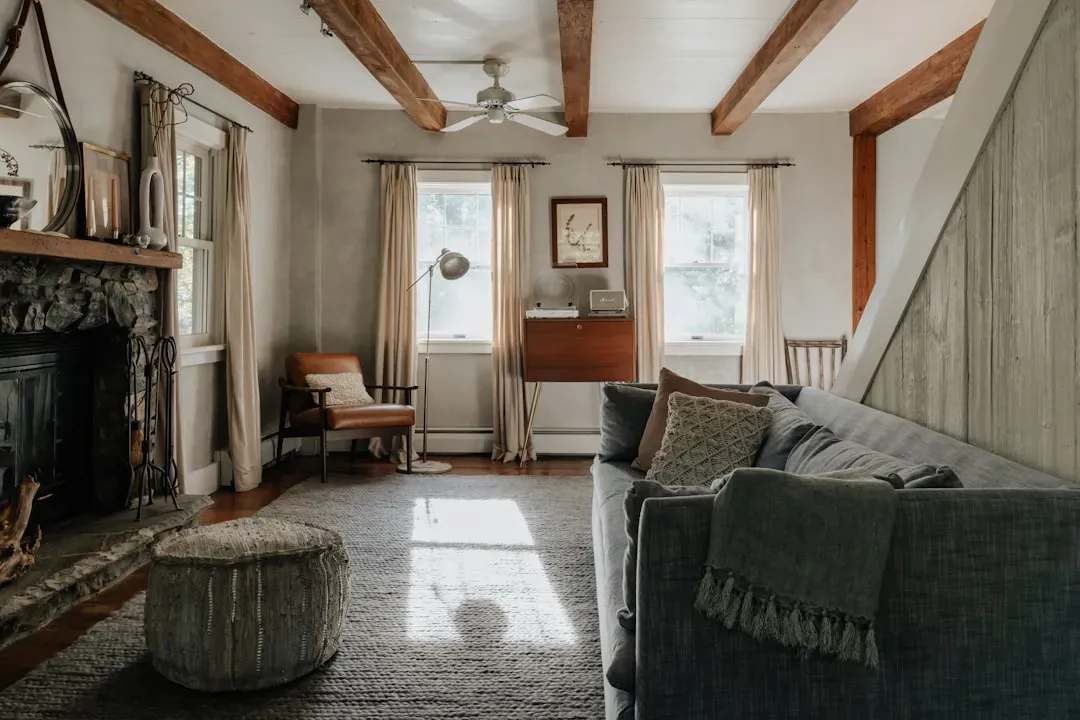
Few design movements swept the nation quite like the modern farmhouse look. Shiplap walls, sliding barn doors, mason jar light fixtures, and distressed wood on everything. It was charming. It was everywhere. Then it became suffocating.
For the last decade, farmhouse design dominated house flips, with shiplap walls, barn doors, and rustic beams defining the look. But in 2025, the overly rustic-chic aesthetic is officially outdated. Buyers are moving towards sleek, modern, and transitional designs that feel less theme-heavy.
Once trendy, barn doors are now increasingly polarizing. They don’t offer much privacy or sound control, and buyers are noticing. What buyers prefer instead are pocket doors, traditional hinged doors, or modern sliding options that blend better with the architecture of the home. The sliding barn door trend of the 2010s was one of the biggest modern farmhouse elements copied everywhere, but buyers began realizing there was little practical reason to replicate a barn in a home, especially on bathrooms where the sliding door never really closed or provided any privacy.
6. Open Kitchen Shelving: Pretty in Photos, Painful in Real Life
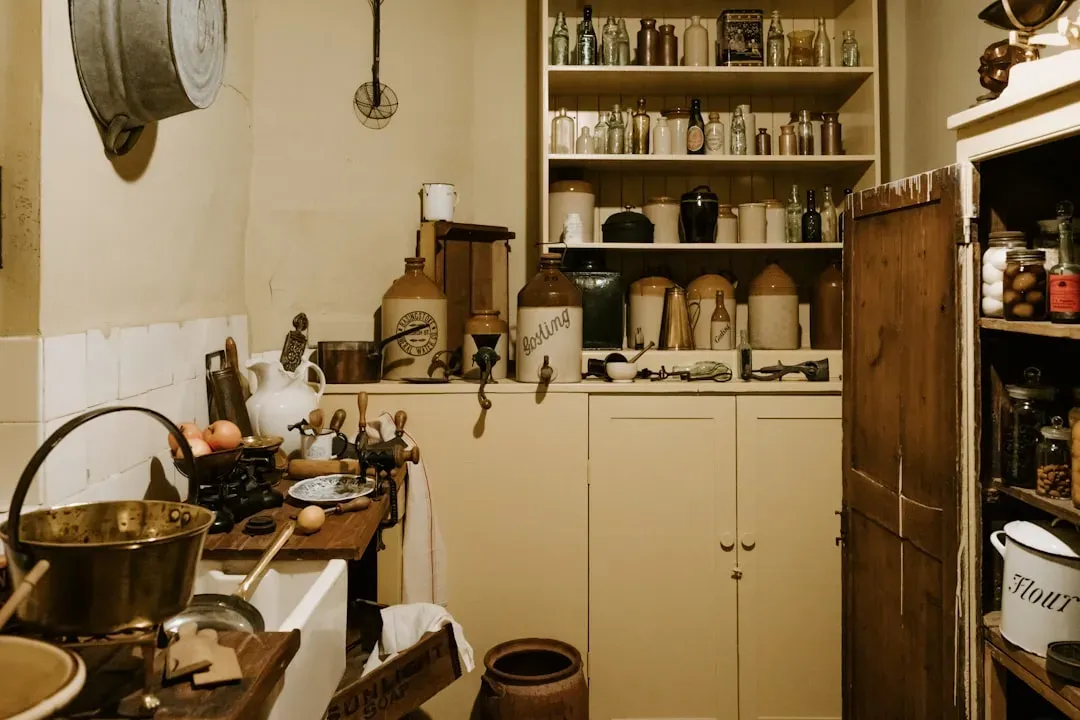
Open shelving in the kitchen had a golden era that lasted roughly a decade. Interior designers raved about it. Food bloggers styled their shelves with beautiful dishes and artisan jars. It looked stunning in every magazine spread. The problem is, real life is nothing like a magazine spread.
Open shelving in kitchens was once considered stylish and modern. But buyers have had enough of dusty dishes and cluttered walls. Homebuyers in 2025 are prioritizing functional storage over aesthetics, making upper cabinets a must-have again.
Open shelving was trendy for people who wanted to showcase their dishware, but now it’s become an impractical decor trend where clutter is no longer ideal. Buyers now prefer a balanced approach, with a few open shelves for character paired with plenty of closed storage to keep everyday life functional and tidy. Let’s be real. Nobody wants to dust their plates before every dinner party.
7. Wall-to-Wall Carpeting: Comfort Feature or Buyer Red Flag?
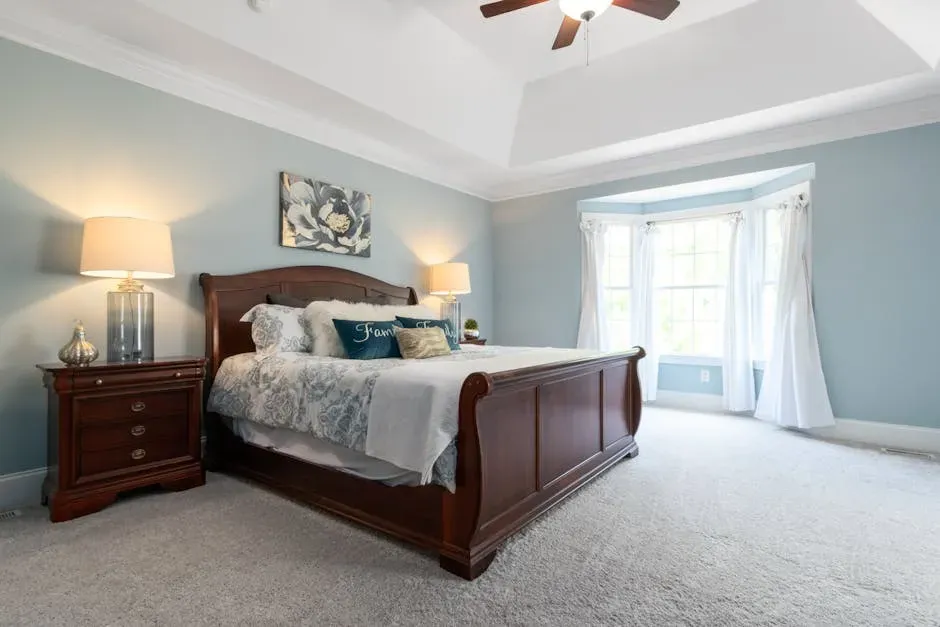
Carpet in the bedroom used to feel cozy and luxurious. Soft underfoot on a cold morning, quiet, warm. A lot of homeowners still love it. The problem is that the pool of buyers who agree with them is shrinking fast, especially among younger generations who have grown up with hard floors and area rugs.
Carpeting used to be a staple in home design, but buyers in 2025 expect hard flooring in main living areas. Carpet is seen as high-maintenance, prone to stains, and less durable than modern flooring options.
What was once considered a luxury is now widely regarded as a dust trap that’s a nightmare to keep clean. Thankfully carpeting is mostly gone from the main living areas of the house, but it still persists in bedrooms. Wall-to-wall carpeting is known for trapping all kinds of dust, mites, and other allergens, which creates less-than-ideal breathing conditions. Buyers now view shag or older carpeting as unsanitary and difficult to maintain. Flooring specialists note that buyers overwhelmingly prefer hardwood, vinyl plank, or low-pile carpeting, which offer better durability and easier cleaning.
8. The Ultra-Sterile All-White Kitchen: Spotless but Soulless
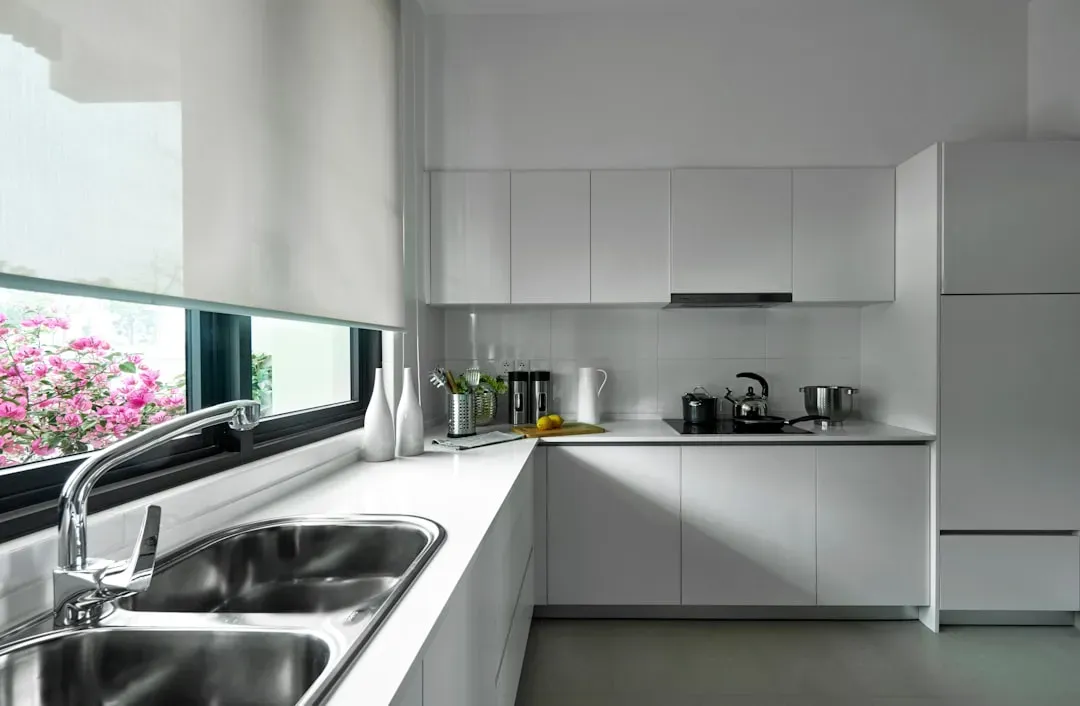
The all-white kitchen was the design world’s equivalent of a standing ovation for about fifteen years straight. White cabinets, white countertops, white subway tile backsplash, stainless appliances. It felt clean, fresh, and timeless. Except now it just feels cold, and buyers are noticing that a kitchen with zero personality can feel more like a hospital break room than the heart of a home.
The once-beloved all-white kitchen is starting to feel sterile and outdated. While still a classic choice, buyers are moving toward more personality in their kitchen designs. The stark contrast of cold white paint colors paired with bright white quartz countertops and matte black hardware is definitely out of style. It wasn’t the most extreme trend, and it could almost pass for a classic look, but it was so overdone that it now feels cold, sterile, and lifeless.
Color predictions heading into 2025 leaned into bold, nature-inspired hues. White kitchens are being replaced with warmer wood tones. Two-toned cabinetry, statement islands, and bold countertops are the preferred alternatives. Warm wood cabinets mixed with painted elements like deep green, navy, or beige are making kitchens feel more unique and inviting. Think of it as the difference between a luxury boutique hotel lobby and a fluorescent-lit office corridor. Buyers want to feel the former the moment they step into a kitchen.
What This Means for Sellers in 2026
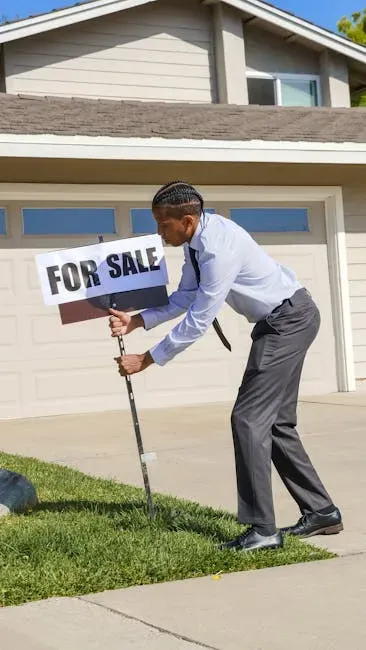
Here’s the thing. The housing market right now is not giving sellers any extra grace. Sales of previously occupied homes hit a nearly 30-year low in 2024, according to the National Association of Realtors. That means sellers are competing harder for fewer active buyers, and those buyers have options they didn’t always have before.
Design trends come and go, but the homes that sell best are the ones that balance style, function, and livability. Heading into 2025 and beyond, there is a clear shift in what today’s buyers value and what’s starting to feel dated. Real estate professionals consistently report that outdated features reduce a home’s appeal and resale value. Understanding these shifts can help sellers upgrade strategically and avoid deals falling through.
The good news? None of these updates require a complete renovation budget. Many of them, like repainting walls, swapping out flooring, or removing that jetted tub, are surprisingly affordable relative to the damage they can cause if left alone. A home design trend usually starts to feel dated after five to ten years, and it really depends on how saturated the design trend became. The more something is copied, the quicker we get tired of it. The sellers who move fast and adapt wisely are the ones who will win in this market.
Did you spot any of these features in your own home? What do you think – would you renovate before listing, or take your chances with buyers? Drop your thoughts in the comments below.