The 6 Legal Papers Every Homeowner Needs but Most Never Read
You keep your tax returns in a file cabinet somewhere. You probably even know where your social security card is. Yet there’s a folder stuffed with legal documents from your home purchase gathering dust in some corner, completely ignored. Most homeowners treat these papers like old receipts. They signed where they were told, nodded through the closing, and filed everything away without a second thought.
Here’s the thing though. Those documents aren’t just bureaucratic clutter. They’re your financial safety net, your legal protection, and sometimes the only thing standing between you and a lawsuit or massive unexpected expense. Let’s be real, nobody wants to spend a Saturday afternoon reading legal jargon. Still, understanding what you actually own and what obligations you’ve signed up for could save you from genuine financial disaster down the road.
Your Property Deed and Title Insurance Policy

When you purchase your home, you receive a document usually called a deed, which shows the seller transferred their legal ownership, or “title” to their home, to you. Think of the deed as the single most important piece of paper you own. Without it, you can’t prove the house is yours. Yet most homeowners couldn’t tell you where theirs is right now if you asked.
Title insurance protects you from nightmares you didn’t even know existed. Title insurance can protect you if someone later sues and says they have a claim against the home from before you purchased it, with legal claims potentially coming from a previous owner’s failure to pay taxes, or from contractors who say they were not paid for work done on the home before you purchased it. According to the FBI’s 2024 Internet Crime Report, reported losses exceeded $16 billion – a 33% increase from 2023 – including real estate-related fraud.
A 2025 survey reportedly found 63% of real estate professionals reported awareness of title fraud in their markets within just the past 12 months. Even more concerning, seniors aged 65 and older reportedly make up 42% of title theft victims, often because they own homes outright and might not be monitoring property records regularly. Your title insurance policy, buried somewhere in that closing folder, is what stands between you and financial ruin if someone challenges your ownership. Dig it out. Know what it covers.
Homeowners Insurance Policy Documents

Your insurance policy isn’t just a formality. It’s a contract with fine print that determines whether you get help or get stuck when disaster strikes. About one in 18 insured homes has a claim, which means the odds are better than you think that you’ll eventually need this document.
Homeowners filed more claims in 2023 than in 2019. Meanwhile, the average homeowners insurance premium rose by 11.2 percent in 2022 from 2021, according to a May 2025 study by the National Association of Insurance Commissioners, and costs keep climbing. The problem is that most people don’t actually read what’s covered until they file a claim and discover their specific situation isn’t included.
Wind and hail cause the most claims. In 2023, homeowners filed more than 1 million wind and hail claims – about 21% of the total claims filed that year. Water damage comes second. Knowing what your policy actually says about these common disasters matters because claim severity increased to $18,311 in 2022, up from $16,801 in 2021. That’s real money. Read through your policy exclusions. Understand your deductibles. Know what requires additional coverage.
Property Survey and Boundary Documentation
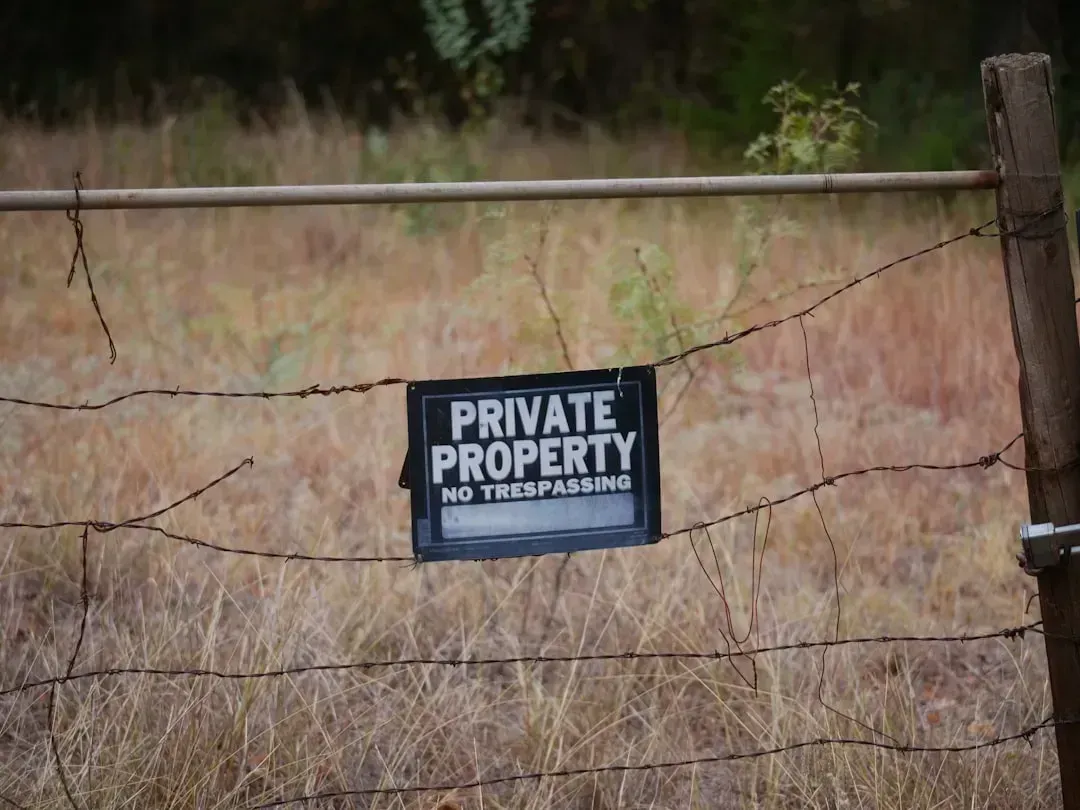
Nobody thinks about property lines until the neighbor builds a fence three feet onto your land. Or until you want to add a deck and discover your lot is smaller than you thought. The property survey you received at closing shows exactly where your land starts and stops, but honestly, how many homeowners have even looked at it since they signed the paperwork?
Boundary disputes are surprisingly common and brutally expensive to resolve without documentation. Your survey is the only objective record of what you actually own. It shows easements, encroachments, and setback requirements that affect what you can build and where. You and your lender will want to make sure that you will remain the true owner and that no one will have liens, claims, or encumbrances on your property – other than the mortgage you agreed to pay, local property taxes which are due annually, as well as other common encumbrances that do not affect the value of your property such as neighborhood restrictions and utility easements which are common in most developed areas.
If you’re planning any construction, this document becomes essential. Building over a property line or within restricted setback zones can force you to tear down what you built. Cities and counties require surveys for permits. Keep this paper accessible and know what it says about your boundaries.
HOA Covenants, Conditions, and Restrictions

Approximately 75.5 million Americans lived in HOA communities, and developers were expected to create 3,000 new HOAs in 2024. If you’re one of them, you agreed to a whole set of rules when you bought your house. The Declaration of Covenants, Conditions, and Restrictions is a legally binding contract that controls everything from your mailbox color to whether you can rent out your property.
The covenants are typically outlined in the Declaration of Covenants, Conditions, and Restrictions (CC&Rs), and your homeowners association enforces these rules with legal authority. The problem is that most people never actually read them until they get a violation notice. Then they’re shocked to discover they can’t paint their house that color, can’t park their RV in the driveway, or can’t have more than two pets.
These documents aren’t suggestions. An HOA’s “Covenants, Conditions, and Restrictions” (CC&Rs) is a legal document that describes what you can and can’t do with your home, including limiting what color you can paint your house, prohibiting you from leaving your laundry out to dry, or describing what type of mailbox you may install. Violating them can result in fines, liens on your property, and even foreclosure in extreme cases. Before you make any exterior changes to your home, check what your CC&Rs actually say. The peace of mind is worth the thirty minutes of reading.
Mortgage Documents and Promissory Note

You signed a mountain of paperwork at closing, but two documents in that pile legally obligate you to pay back hundreds of thousands of dollars. The promissory note is your personal promise to repay the loan. The mortgage or deed of trust gives the lender the right to foreclose if you don’t. Most homeowners couldn’t distinguish between these two documents if asked, yet they’re fundamentally different.
Your promissory note spells out the interest rate, payment schedule, and what happens if you default. It’s your contract with the lender. The mortgage attaches that debt to your property. Understanding both documents helps you know your options if you face financial hardship. Can you modify the loan? What triggers foreclosure? What are your rights during the process?
First-time buyers experienced a gradual decline in their market share, which reached 28% in late 2024, down from 32% in 2023. With fewer first-time buyers entering the market and financial pressures mounting, knowing the exact terms of your mortgage matters more than ever. These aren’t documents you need daily, yet when financial trouble hits, they become critical. Store them safely and know what they say.
Home Warranty Contract and Builder’s Warranty

If you have a home warranty or bought new construction, you’ve got warranty documents promising to cover repairs when things break. The catch is in what those warranties actually cover versus what you think they cover. According to the Hippo Insurance 2023 national survey of U.S. homeowners, 46% of respondents reported that something unexpected went wrong in their homes in the past 12 months, with HVAC, plumbing, and appliances topping the list.
Home warranty companies have developed a reputation for finding reasons not to pay. In Ohio, where there is no specific law for home warranty companies, the attorney general filed lawsuits in 2023 and 2024 against companies for violating the state’s deceptive sales act because the companies rarely paid the consumers’ claims, and since 2019, at least eight other states have taken action. Reading your warranty contract before you need it reveals the exclusions, limitations, and maintenance requirements that could void your coverage.
One common issue is a disagreement over whether a problem is covered under the warranty, often arising due to unclear language in the contract or a misunderstanding of the coverage. Knowing what’s actually covered prevents nasty surprises when your air conditioner dies in July. Check if pre-existing conditions are excluded. Understand what maintenance you’re required to perform. These contracts are designed to protect the company, not you, so reading them carefully is your only defense.