The Tiny Passport Detail Getting Travelers Denied at the Gate
You might think your passport is ready for that dream vacation. After all, it’s still valid, right? Yet thousands of travelers each year find themselves stranded at the gate, ticket in hand, while their passport gets flagged for reasons they never saw coming. In 2023, thousands of passengers were denied boarding on U.S. flights due to passport details that seemed minor until they weren’t.
These aren’t just expired documents or missing visas. The issues tripping up travelers are often subtle, tucked away in fine print that most people never read. We’re talking about validity rules that vary wildly by destination, damage that doesn’t look like damage, and blank pages that apparently aren’t blank enough. The detail that causes most gate denials is the validity window printed on the passport, tied to both the expiration date and, in some places, the issue date. Let’s dive in.
The Six-Month Rule Nobody Remembers
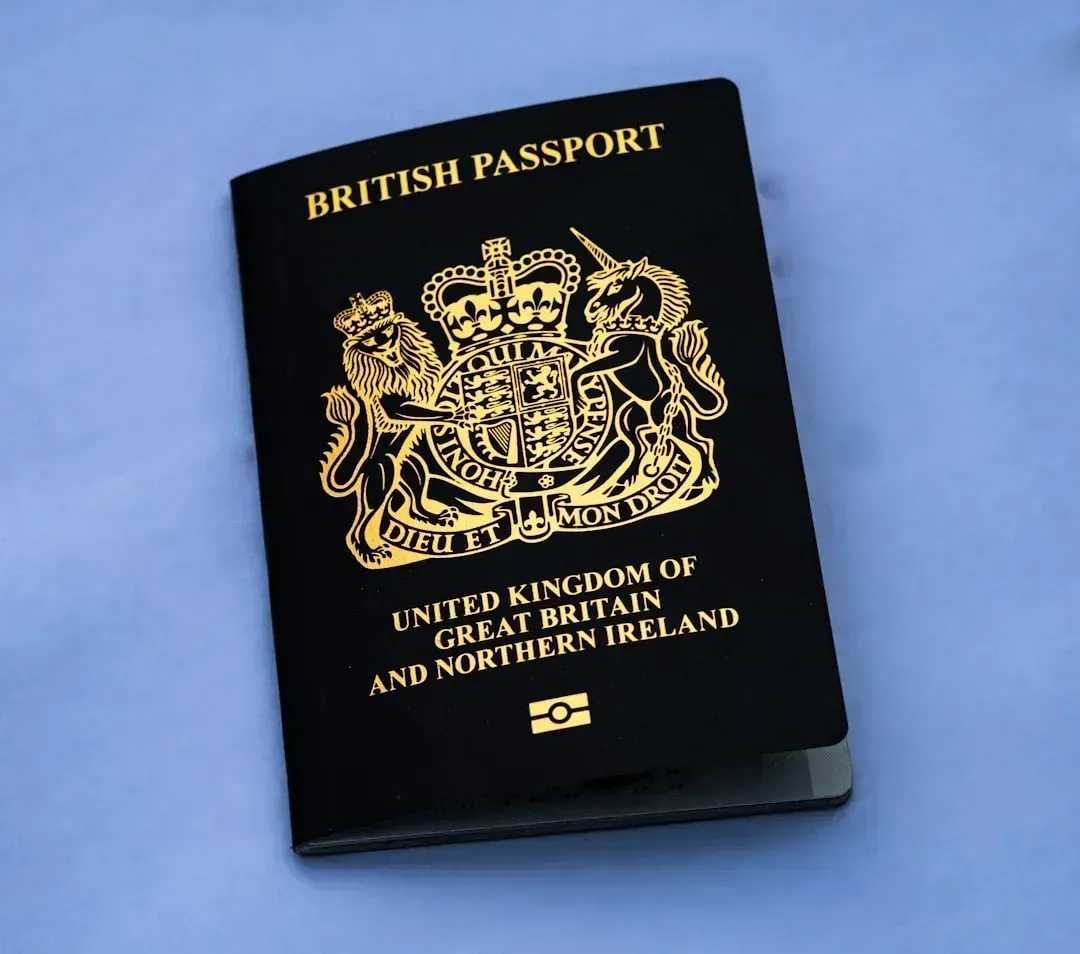
Here’s where things get tricky. The “six-month rule” means your passport must be valid for at least six months beyond your intended date of departure from the foreign country. This rule isn’t universal, though, which makes it even more confusing. Some countries requiring six months of passport validity include mainland China, Mongolia, Vietnam, Cambodia, Laos, Thailand, Malaysia, Singapore, Indonesia, Burma, India, Nepal, Pakistan, Russia, Kuwait, Saudi Arabia, Bahrain, Qatar, the United Arab Emirates, Oman, Jordan, and Egypt.
A passport that has five months and three weeks left may still be treated as invalid, and airlines won’t budge on this. Airlines do not round up to the next month or accept verbal assurances. A single day short can block boarding because the carrier would be responsible if entry is refused. The rationale behind this makes sense when you think about it. Countries want to ensure visitors won’t end up stranded with an expired document if travel plans change unexpectedly.
Europe’s Ten-Year Twist
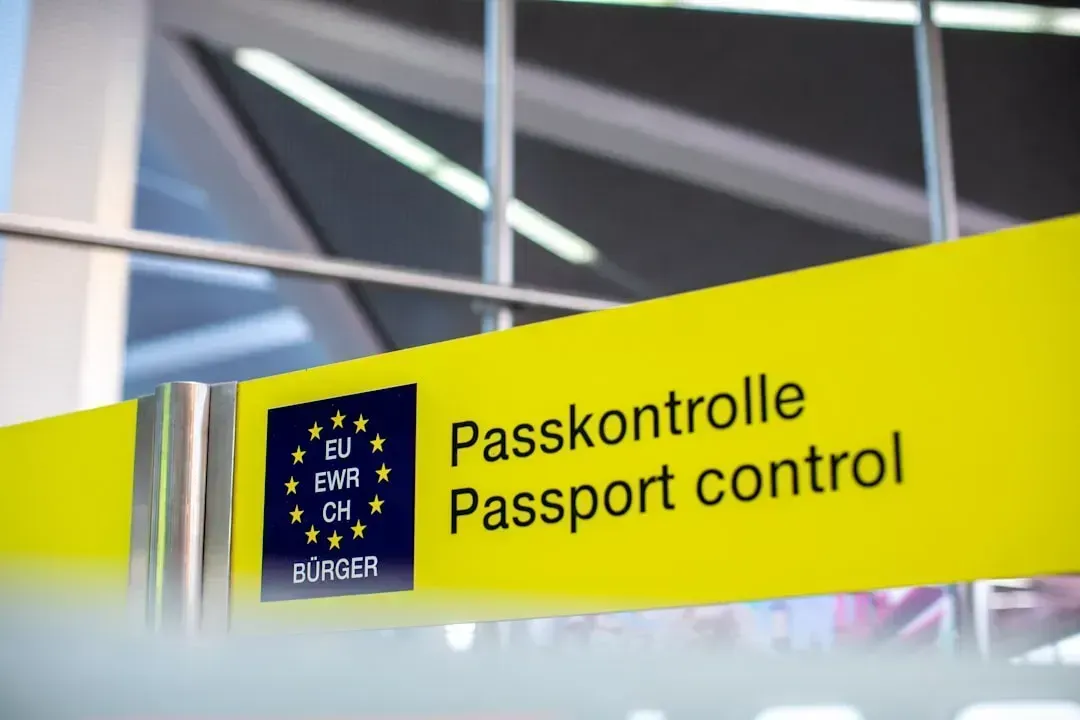
Travel to the Schengen Area throws in another curveball that catches people off guard. For most non-EU visitors, the passport must have been issued within the last ten years and remain valid for at least three months after the planned date of leaving the Schengen zone. This dual requirement is surprisingly sneaky.
A passport can have time left yet still fail if it was issued too long ago, including cases where an early renewal created an expiry date beyond ten years from issue. It’s close to five years since Britain left the EU but many UK travellers are still being tripped up by the passport validity rules that came into force since Brexit. Last summer, hundreds of travellers were caught out when immigration officials told them they didn’t have enough months left on their passport. Gate agents rely on automated systems to check these rules, and when the computer says no, there’s rarely room for negotiation.
Damage You Didn’t Think Was Damage
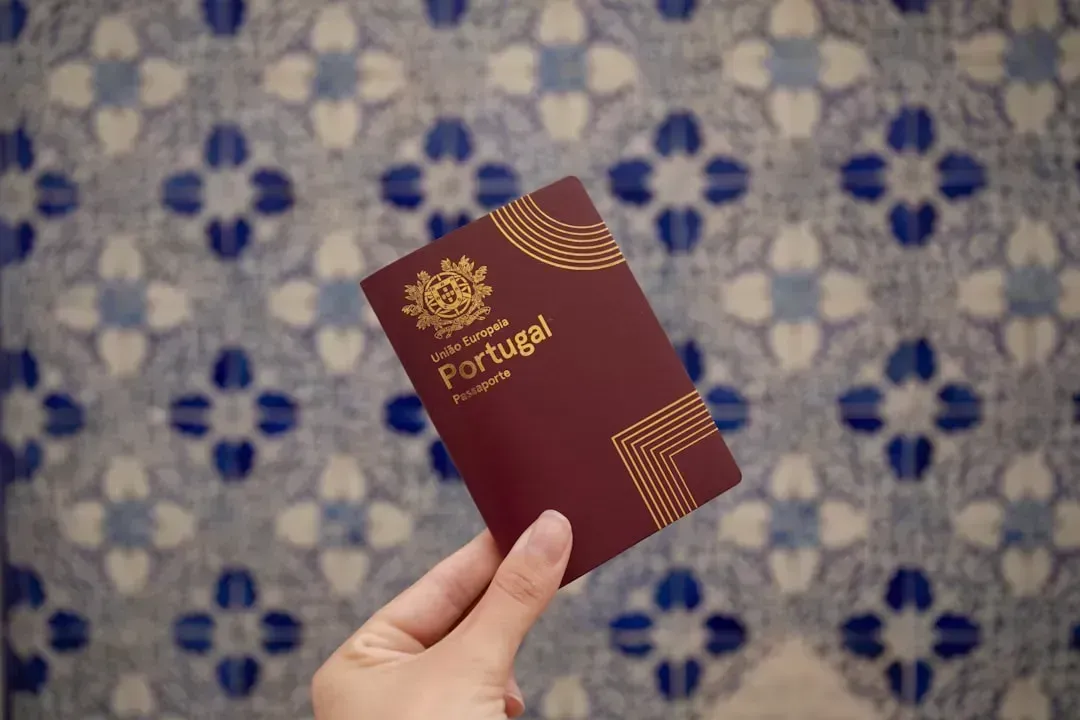
Let’s be real. Most of us toss our passports into bags without a second thought. A little wear and tear seems normal, right? Wrong. Damaged passports may be considered invalid and can result in denied boarding or entry. Damaged, heavily worn, or altered passports may be considered invalid and result in denied boarding or entry.
Your passport doesn’t have to be severely damaged to be rejected by an airline or at a border crossing. A clerk said the passport was unacceptable because of strings hanging off the sides and splitting seams. The airline explained that the customer’s passport was damaged and the State Department does not permit them to allow passengers with damaged documents to travel. Even something as simple as water damage or a crumpled page can trigger a denial. The U.S. State Department warns that any significant damage beyond everyday wear and tear – such as a torn page, laminate peeling, or unauthorized markings like stickers or stamps – can lead to delay or denial of boarding.
The Blank Page Problem
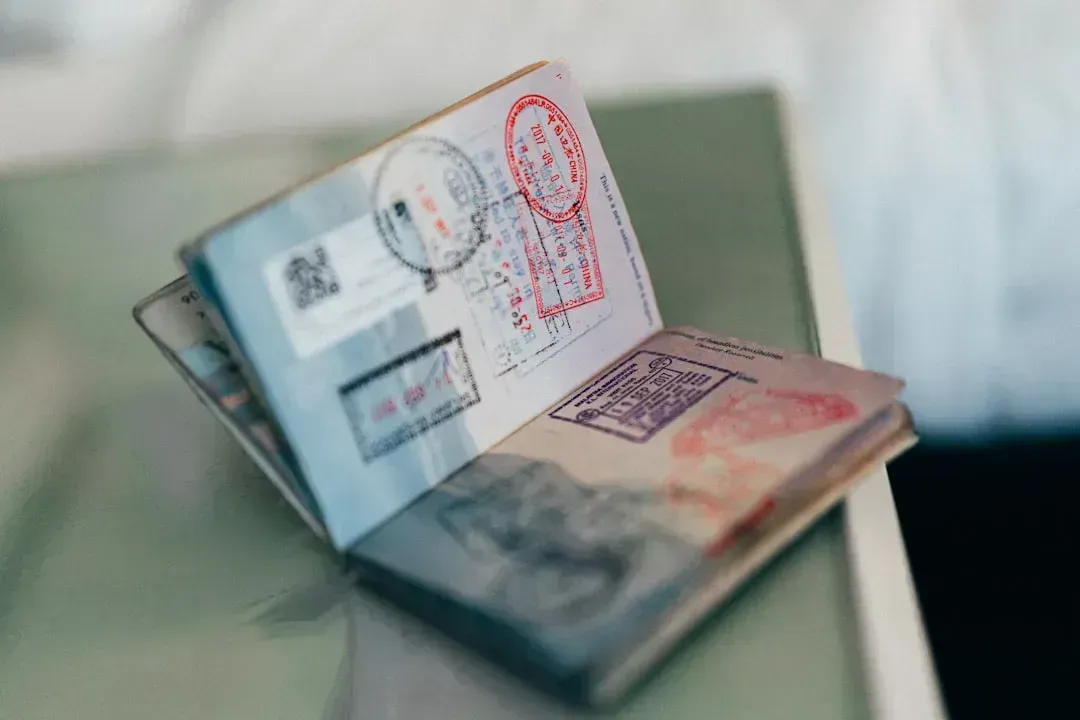
This one surprises nearly everyone. Some countries require that your passport has two to four blank visa or stamp pages. Some airlines will not allow you to board if this requirement is not met. The definition of “blank” is stricter than you’d imagine. When countries request blank visa pages, they’re specifically referring to unstamped visa pages – not endorsement pages, amendment pages, or pages with partial stamps. A true visa page is typically marked “Visas” and is meant for full-page stamps or visa stickers.
Most countries require only one blank page, while dozens require two or more and a few have no specified requirements. Some countries require passports to have at least two to four blank visa or stamp pages, and thus, some airlines will not allow you to board if this requirement is not met. If you’re planning a multi-country trip, those blank pages disappear fast. Border agents in some countries use entire pages for stamps, and running out mid-trip can derail your entire itinerary.
The Gate Check Reality

Boarding can be refused even with a confirmed ticket because airlines must verify travel documents before the aircraft departs. If a passport fails an entry requirement for a destination or a transit country, the carrier can face penalties and may have to transport the traveler back. For that reason, checks are done at the counter and repeated at the gate, where a final review is common.
Most large carriers use IATA Timatic data inside their check-in systems, so agents follow what the database returns for the exact itinerary. When it shows a mismatch, the decision is made quickly because there is no time to argue with border rules. This automated verification means human discretion rarely enters the equation. When the system flags noncompliance, agents must deny boarding even if the traveler expects to clear immigration on arrival. That surprise is common. The financial and emotional cost of being turned away at the gate can be devastating, especially when you’ve already invested in non-refundable hotels and tours.
What’s your biggest passport worry when planning international travel? Have you ever been caught by one of these unexpected rules? The more prepared we are, the fewer surprises we’ll face at those airport gates.