I’m a Sommelier: 5 Cheap Grocery Store Wines That Taste Like They Cost $100
Most people assume that a great bottle of wine has to come from a specialty shop, chosen by someone with an advanced degree in sniffing things. Honestly? That’s one of the biggest myths in the wine world. The grocery store aisle is hiding some genuinely jaw-dropping bottles – and the professionals who spend their careers around $500 Burgundies are quietly shopping right there alongside you.
Let’s all stop turning our noses up at grocery store wines. While most of us look forward to a leisurely trip to a boutique wine shop, sometimes a wine lover just needs to go to the most convenient stop – and that includes supermarkets. What follows might actually change how you shop forever. Let’s dive in.
The Science Behind Why Cheap Wine Can Fool Everyone (Including Experts)
Before we get to the actual bottles, here’s something that might blow your mind. The idea that price equals quality in wine is more of a brain trick than an objective fact. Research from Caltech and Stanford found something remarkable about how we experience wine.
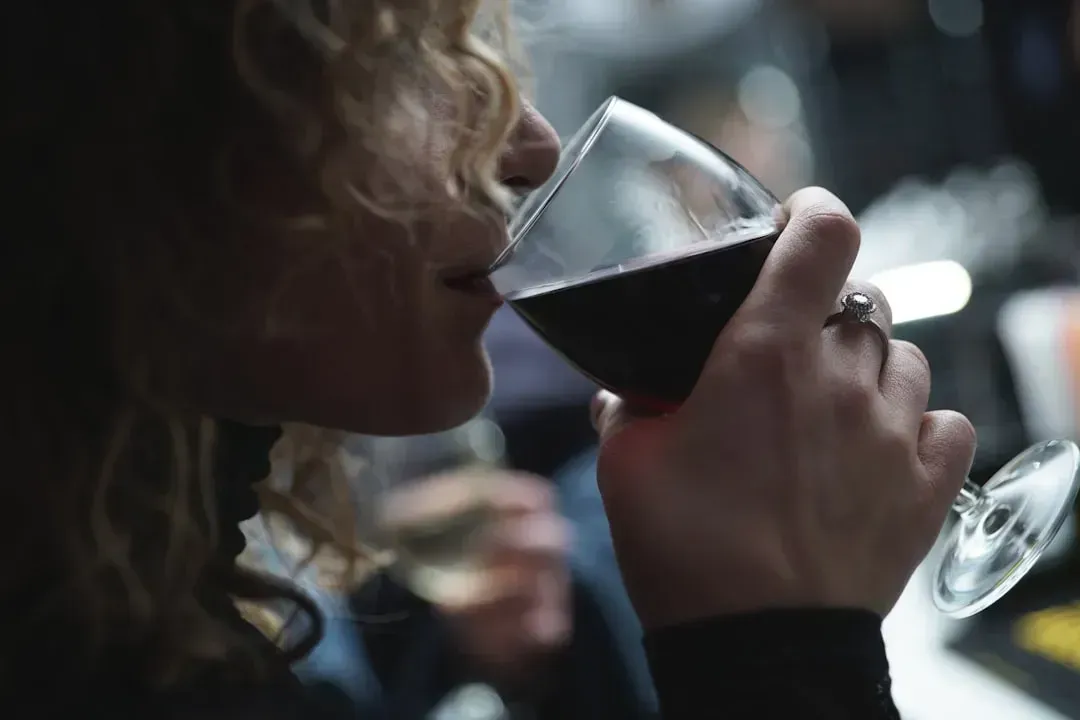
Scientists at Caltech found that changes in the stated price of a sampled wine influenced not only how good volunteers thought it tasted, but the activity of a brain region that is involved in our experience of pleasure. Think about that. The wine didn’t change. The price tag did.
In the experiment, one wine was presented as a $90 bottle and also as a $10 bottle. When subjects were told the wine cost $90 a bottle, they loved it. At $10 a bottle, not so much. The same exact wine. Two completely different reactions. Research examining more than six thousand blind tastings found that individuals who are unaware of the price do not derive more enjoyment from more expensive wine, and the correlation between price and overall rating was actually small and negative.
Price is one of the most important product-extrinsic factors influencing consumers’ response to wine – which is somewhat ironic, since the research tends to highlight either no, or else even a slightly negative, relationship between price and liking when people taste wines blind. So the next time you feel intimidated by the wine aisle, remember: science is quietly on your side.
Miraval Rosé, Côtes de Provence (Around $22)
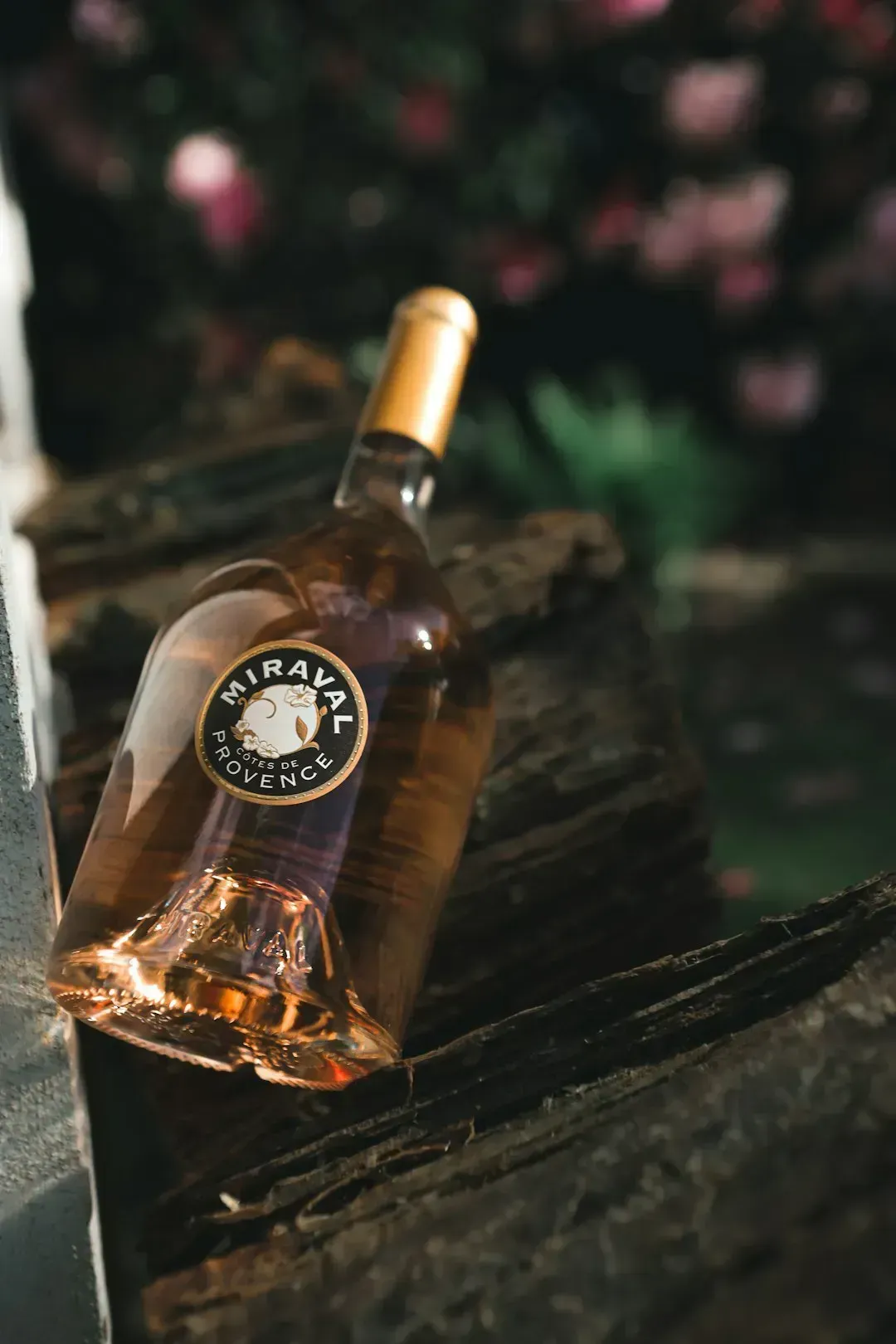
This is the one that always gets a double take at dinner parties. People assume it costs twice what it does. Domaine Triennes, Château de Campuget, and Miraval are nearly ubiquitous offerings at grocery stores and are consistent in quality from vintage to vintage, delivering a classy buzz at an optimal price-to-value ratio.
The wine is grown on an excellent piece of land in Provence and has always been made by the Perrin family of Château Beaucastel, famous for its Châteauneuf-du-Pape. The 2024 vintage Cinsault, Grenache, Syrah, and Rolle blend is sleek with silky smooth textures, citrus, red fruits, watermelon, and a savoury, mineral, stony finish.
Miraval Rosé comes from the estate’s best plots. The vines are planted in clay-calcareous soil, at an altitude of 350 metres above sea level, and are cultivated using fully ecological methods. The grapes are harvested at optimum ripeness, always in the morning, and undergo a double selection process. I think this is the single easiest recommendation I can make to someone who wants to look like they know wine without studying for it.
Martín Códax Albariño, Rías Baixas, Spain (Around $13–$16)
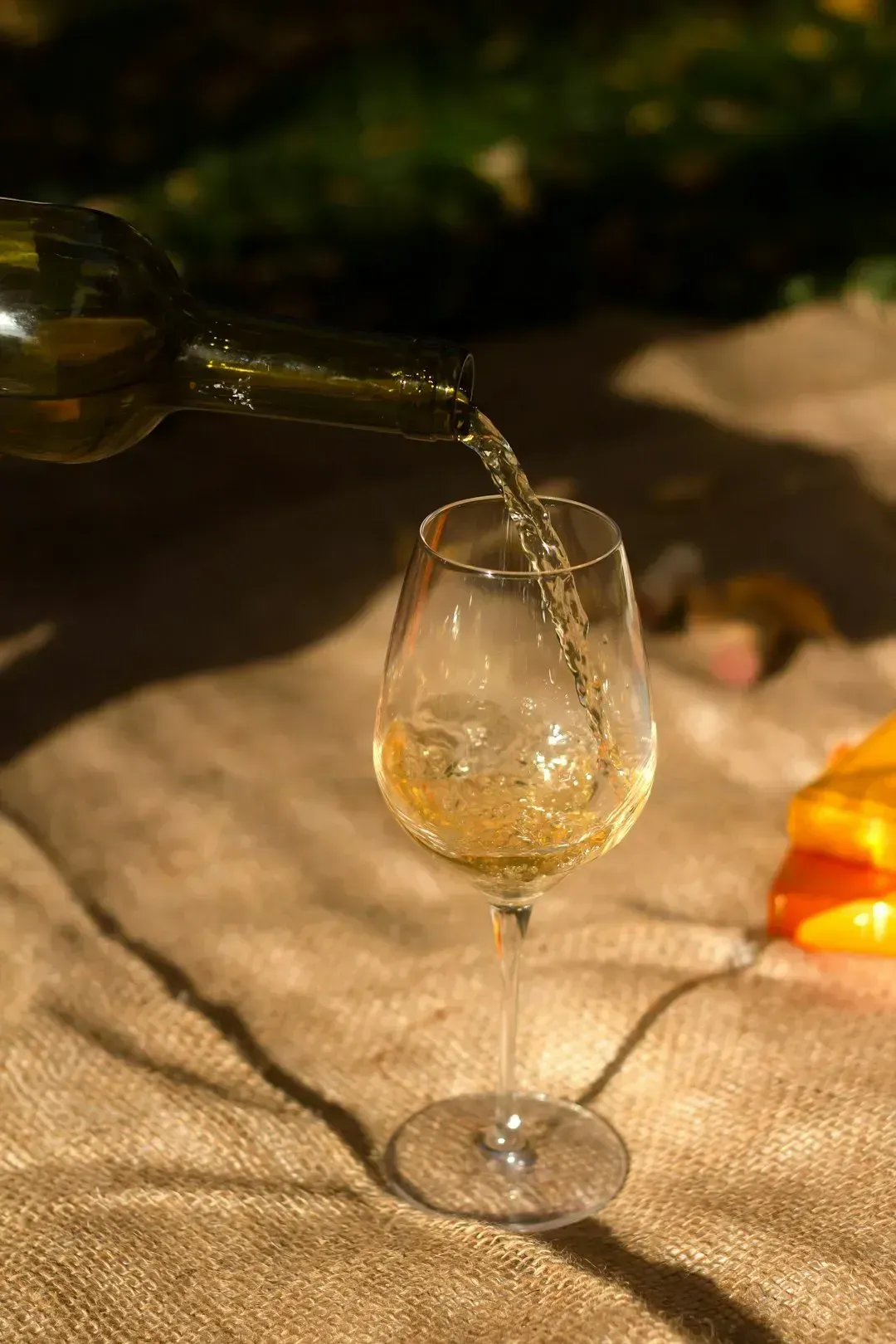
Here’s the thing about Albariño – it punches so far above its price it should be embarrassing. When it comes to easy and accessible wine shopping, Albariño is the wine that’s zippy, zesty and a little flirtatious. It ultimately becomes the “why don’t I drink this more often?” wine. Albariño is also one of the best values out there. You can find it in most supermarkets these days, usually tucked between the Pinot Grigios and Sauvignon Blancs, quietly outperforming them both.
Sommelier Cassandra Felix throws Martín Códax Albariño into her Publix cart for just $13, noting that the creaminess goes with the lees character that Albariño sometimes has, and the salinity cuts through cheese. That’s a certified sommelier who spent a decade at The Breakers in Palm Beach giving you her go-to bottle. Hard to argue with that.
Sommelier Carl McCoy gravitates toward Vinho Verde in Portugal in the summer with seafood or any kind of fair food, reinforcing that these coastal Atlantic whites consistently deliver freshness and vibrancy at a fraction of what comparable complexity would cost elsewhere. Martín Códax sits in that same world of ocean-breeze-influenced whites and, honestly, it belongs on every table.
Marqués de Riscal Reserva Rioja, Spain (Around $16)
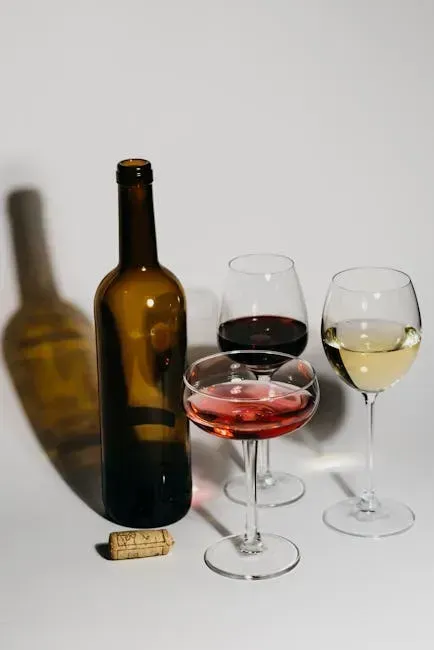
Spanish Rioja is one of the most criminally underpriced wine categories in the entire world. Full stop. Wine enthusiast Eduardo Bolaños, a sommelier who worked for years in San Sebastián, Spain, opens a bottle of Marqués de Riscal Reserva Rioja from Trader Joe’s at around $16 when there are lamb chops or steaks on the grill.
A Reserva designation in Rioja is not casual. It means the wine has spent a minimum of three years aging, including at least one year in oak. You’re getting structured, complex wine that drinks like something far more expensive. For a New World-style Spanish offering, sommeliers also recommend the fresh, vibrant fruit of the Marqués de Cáceres Crianza at just $15. Both bottles from the same region and both absolutely steal at their prices.
Experts advise seeking out regions that are less well-known when shopping on a budget. South American and Spanish wines tend to get overlooked, but they offer fantastic quality for value. Rioja is one of those underdog appellations that, if you take the sommelier advice and stick with it, will rarely let you down.
J. Lohr Seven Oaks Cabernet Sauvignon, Paso Robles (Around $16–$18)
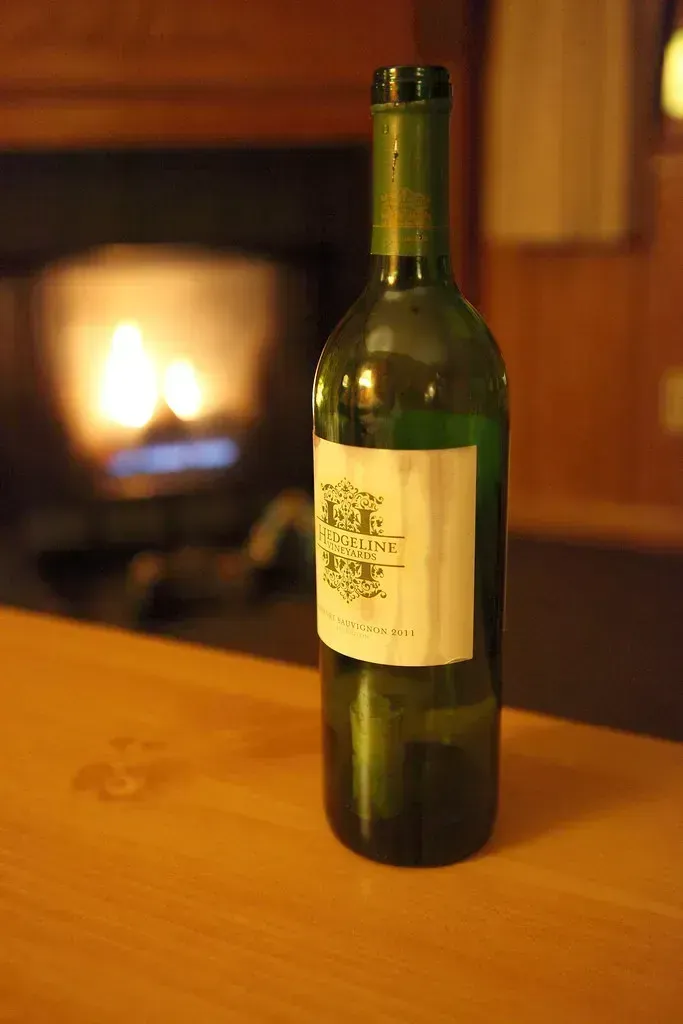
California Cabernet Sauvignon usually comes with a California price tag – which is to say, a painful one. But Paso Robles has long been the region where serious winemakers make genuinely impressive red wine without the Napa Valley markup attached.
Smith, a sommelier, notes that this Paso Robles Cab is a significant value for a wine from the region – a classic California Cabernet that is opulent but approachable at an early age with some decanting, releasing Mediterranean nuances of olive, fig, fennel, pomegranate, and thyme. Those are flavors you’d expect to read off a tasting note for something that costs five times as much.
Every year, Wine Enthusiast rounds up the Top 100 Best Buys, a globe-spanning list of wines that overperform for their price point of $20 or under. It’s one of their favorite annual features because it’s so eye-opening for readers stuck on the false notion that more money automatically means better wine. J. Lohr Seven Oaks has appeared on prestigious best-buy lists repeatedly, and for good reason. Notably, in Wine Enthusiast’s 2024 review of over 23,000 blind-tasted wines, 96 of the top-100 best buys received scores of 90 points or higher.
Stolpman Vineyards “Love You Bunches” Sangiovese, California (Under $25)
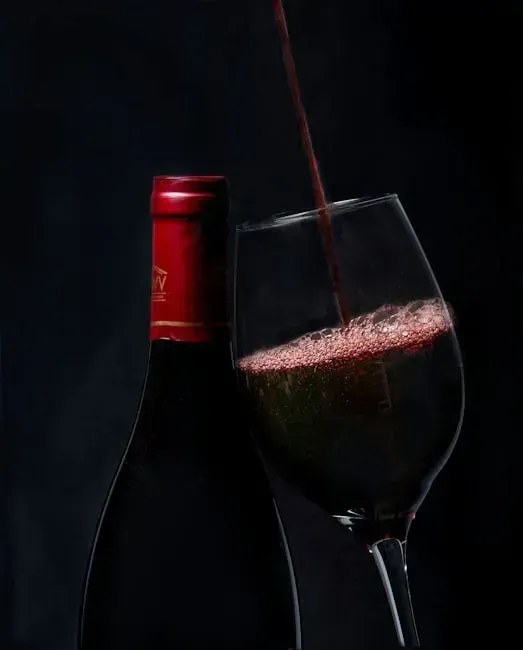
If you want one bottle that genuinely surprises wine drinkers – people who think they know what to expect – this is it. The “Love You Bunches” series is an artisan and sustainably farmed set of wines that offers tremendous value for the quality while holding its own on a world stage. The organic, dry-farmed red made in a whole-cluster style of Sangiovese is fresh with crunchy red fruit and chillable – crushable on its own and great with a myriad of foods.
The “Love You Bunches” rosé is a whole-cluster style of Grenache with aromas of rose petal and dripping strawberry red fruit, finishing with refreshing acidity. Think Provence. Both wines are under $25 a bottle. This is the kind of bottle you open without telling anyone the price and watch them guess it costs triple.
Consumers are increasingly discovering affordable gems made from indigenous and less-mainstream grape varieties, which offer unique flavors and high quality at lower price points. Many value-driven wines are also produced using sustainable or organic viticulture, proving that responsible production does not necessarily lead to higher costs. Stolpman is the living proof of that principle. It’s available at Whole Foods nationally, which means no treasure hunt required.
How to Shop Smarter in the Wine Aisle From Now On

The real secret that sommeliers carry around quietly is this: grocery stores have gotten dramatically better at wine. Most supermarkets won’t stock first-growth Bordeaux or grower Champagnes, but many have upped their game in the wine aisle, providing a global range of affordable wines that deliver on quality. The selection has genuinely expanded over the past several years.
Sommeliers say the more details a label includes about where the grapes come from, how they’re sourced, or who makes the wine, the better. Specificity on labels is a good indication of quality. If it says “red wine” and tells you nothing more on the back label, that is a warning sign. Basically: the vaguer the label, the lower the likely quality.
Store-brand or private-label wines are also worth trying. The store’s reputation is on the line, so the wines need to be solid. Often, the wineries themselves have wines under their proprietary names sitting on the shelf next to the store brand – from the same winemaker and the same lots of grapes, but at a reduced price because it is the store label. That is genuinely one of the best-kept secrets in affordable wine shopping, and most people walk right past those bottles every single week.
The bottles on this list prove something important. Quality, complexity, and genuine pleasure in a glass do not require a three-digit price tag. Affordable wine can deliver bright flavors, balance, and complexity if you know where to look and choose trusted producers. Affordable wine is all about smart sourcing, efficient production, and careful winemaking, with wineries that prioritize grape quality and vineyard selection so every bottle offers flavor and consistency. The best value in wine has always been about knowing what to look for – not how much to spend. What’s your go-to grocery store wine? Drop it in the comments.