Ghost Mansions: Why the 5-Room “Forever Home” Is Getting Harder to Sell for Boomers
Think about it for a second. There are millions of large family homes sitting across America, quietly accumulating dust in extra bedrooms while their owners contemplate an impossible question: How do you leave the place where you raised your children without losing everything you worked for? By far, the most common answer is never, with 61% of boomer homeowners saying they plan to live in their homes for the rest of their lives. That’s up seven percentage points from 2024. The houses built for big dreams are becoming financial prisons, standing empty in all but a few rooms while younger families desperate for space scroll past them online.
The numbers tell a story most would rather ignore. Empty-nest baby boomers own nearly 3 in 10 (28.2%) large U.S. homes with three or more bedrooms. That’s twice as many as millennials with kids, who own just 14.2% of the country’s large homes. Let’s be real, this imbalance wasn’t always the case. Just a decade earlier, young families were nearly as likely as empty nesters to own these properties.
The Lock-In Effect Is More Than Just Interest Rates

Everyone talks about mortgage rates like they’re the only thing holding boomers in place. The truth is messier than that. Half of baby boomers own their home outright, so the rate lock-in doesn’t even apply to them. They just aren’t downsizing. Even if it is just one or two people, or a couple. For those who own their home outright, the median monthly cost of owning a home, which includes insurance and property taxes, among other costs, is just $612.
The emotional attachment runs deeper than spreadsheets can capture. These aren’t just houses with extra square footage. They’re the physical containers of decades worth of memories, family holidays, first steps, and graduation photos still hanging in hallways nobody walks through anymore. It’s not easy to walk away from the home where your children grew up, where you celebrated milestones, or where you’ve lived for decades. Boomers often delay downsizing because the emotional cost feels too high. Meanwhile, younger families with actual children are cramming into apartments or settling for homes in distant suburbs they can barely afford.
What Nobody Tells You About Selling a Million-Dollar Memory

Here’s where things get truly complicated. Imagine you bought a home for under a hundred thousand dollars back in the day. Now it’s worth well over a million. Sounds like a dream scenario, right? If those same homebuyers lived for 37 years in an area that has seen enormous growth in home values – as is the case for many parts of California – and their home now sells for $2 million dollars, that’s nearly $1.9 million in profit, of which only $500,000 is excluded from taxes. The taxable gain of $1.4 million at 20% would mean those homeowners are facing a $280,000 tax bill. In a state like California with additional tax, the overall payment would be over $450,000.
This isn’t a problem most people dream of having until they’re actually facing it. Older homeowners who want to downsize have been scared into staying put by how expensive a smaller home would be in the current market. A homeowner who keeps all the profit of a home that sells for $500,000, for example, may find that a condo in their same area, where they can age in place, is $450,000. You do the math on what’s left after taxes, moving expenses, and realtor fees. Suddenly that big house doesn’t feel so burdensome anymore, at least not financially.
The Geographic Mismatch Problem
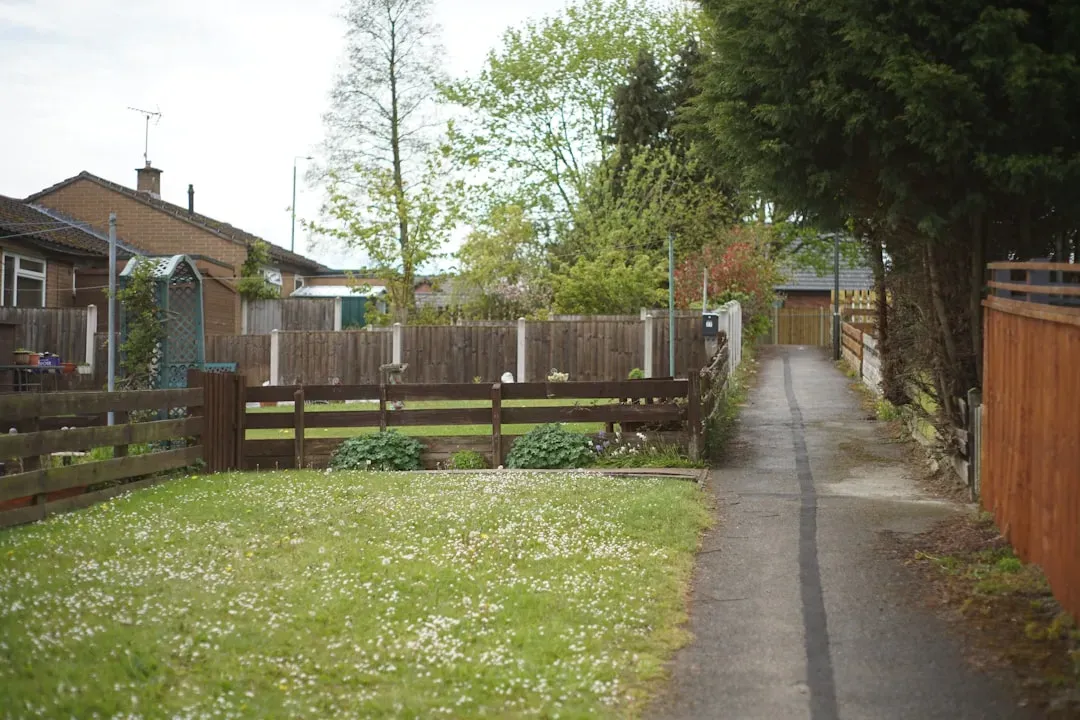
New research from Zillow shows that there are nearly 21 million empty nester households – those are homes with at least two empty bedrooms, no kids, and that have been owned and occupied for more than a decade by folks over 55. Sounds promising, except for one critical detail. One of the big reasons is that younger people simply don’t want what older people are selling. The empty nesters are located in places where job prospects for their younger children are not as good. Empty nesters are most common in Buffalo, Cleveland or Detroit.
Pittsburgh had the greatest percentage of empty-nest households (22%), followed by Buffalo, NY (20%), Cleveland (20%), Detroit (19%), St. Louis (19%), and New Orleans (18%) among the 50 largest U.S. metro areas. Even if we did see a ‘silver tsunami,’ a look at the map tells me it wouldn’t really move the needle in terms of solving our housing affordability crunch. These empty-nest households are concentrated in more affordable markets, where housing is already more accessible – not in the expensive coastal job centers where young workers are moving and where more homes are most desperately needed. The supply exists, but it’s in all the wrong places for the people who need it most.
Days on Market Tell the Real Story
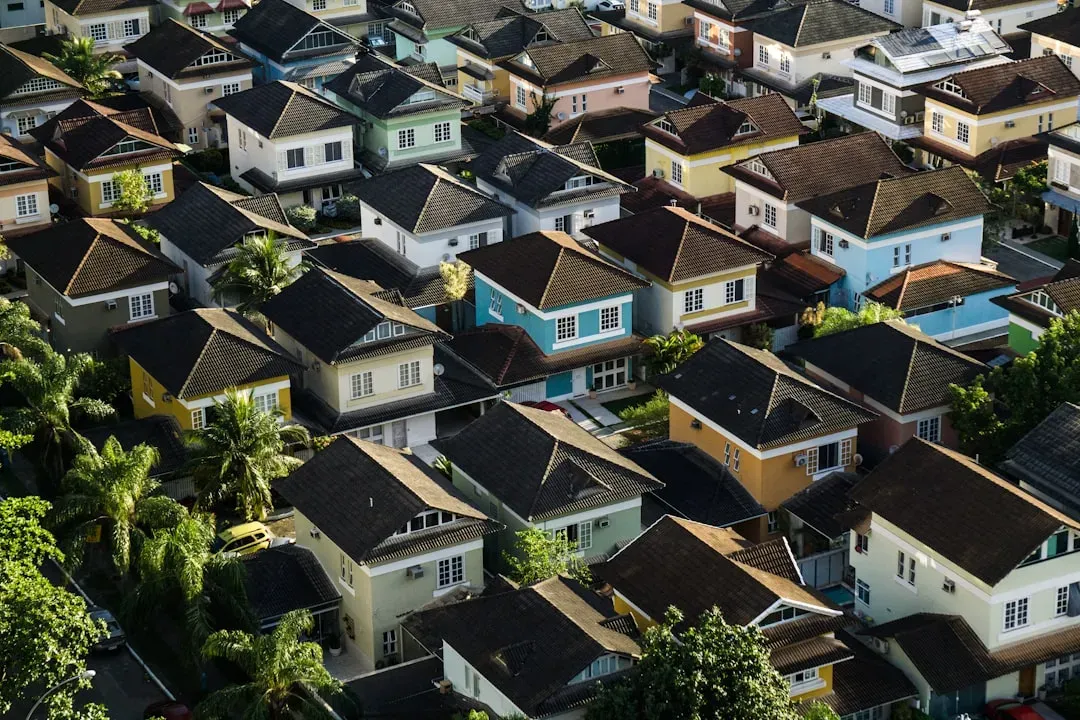
Something fundamental shifted in 2025. As buyers remained wary of sky-high prices, unbudging mortgage rates and festering economic uncertainty, the typical home sold last month spent 43 days on the market – the longest span for any July since 2015 – before buyer and seller closed a deal on it. In July 2024, the typical U.S. home sold after about 35 days on the market. In July 2023 and 2022, it was 30 and 22 days, respectively. In July 2021, at the height of the pandemic homebuying frenzy, a home would sit on the market for an average of 16 days before going under contract.
Longer listing times reveal buyer psychology changing in real time. Properties that once would have sparked bidding wars now sit week after week, price cuts quietly appearing in the listing details. There is a simple reason homes are spending more time on the market before being sold: There are not as many interested buyers as sellers. When time stretches, leverage shifts. Buyers who once felt desperate now take second looks, measure rooms twice, and walk away from deals that don’t feel quite right. That urgency that defined the market for years has evaporated like morning fog.
What Younger Buyers Actually Want
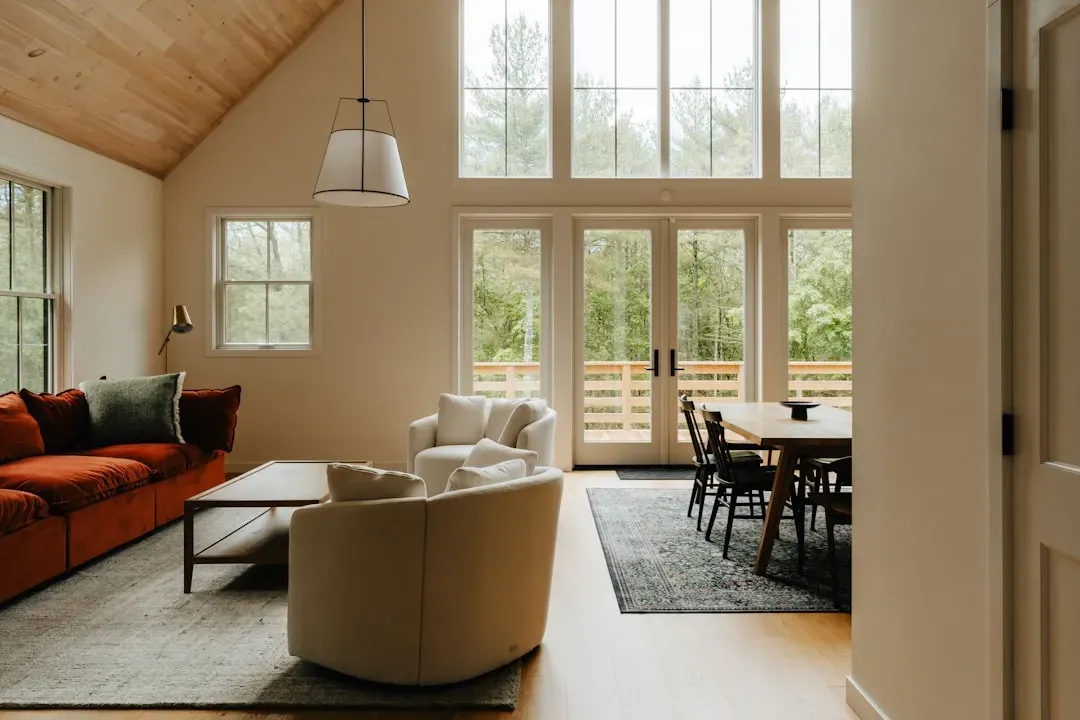
The generational divide extends beyond just who owns what. It’s about fundamentally different visions of home. A new analysis from the National Association of Home Builders (NAHB) reveals that while millennials express a strong desire for spacious homes, many are now prioritizing quality and amenities over square footage – offering builders a new directive amid affordability concerns. According to NAHB research, millennial buyers – now the largest group of home purchasers – have their sights set on homes with a median size of 2,408 square feet. This figure represents the highest desired interior space across all generational groups. Here’s the thing, though. A majority of millennial homebuyers (52%) state that they would prefer to buy a smaller home with better features and products than a larger one with fewer features.
Millennials prefer larger homes, with a median of 2,408 square feet, while boomers are looking to downsize to an average of 1,869 square feet. The cruel irony is obvious. Boomers have the big homes millennials theoretically want, but many of those homes are outdated, located in the wrong areas, or priced at levels that make zero financial sense after decades of appreciation. After remaining stable at 2,300 square feet from 2019–2022, the median home size fell from 2,200 square feet in 2023 to 2,150 square feet in 2024, the lowest level in 15 years. Builders are adding patios and porches on the outside of homes to expand the entire living area. Due in part to concerns about housing affordability, home builders are building smaller homes. Builders are responding to what buyers can actually afford, not what sits collecting cobwebs in suburban cul-de-sacs.
The housing market finds itself in a strange holding pattern. The upshot is that housing inventory will remain limited as boomers are less inclined to downsize to smaller homes and have the financial means to stay put. That means the housing market will continue to be very different from before. More than 54% of homes are owned by seniors, up from 44% in 2008. She added that 79% of seniors own their homes, and three-fourths of them don’t have a mortgage, meaning they have an enormous amount of equity that can help cover rising homeownership costs, such as insurance. This has made it easier for seniors to hold on to their homes by tapping into some of this built-up equity. The ghost mansions will remain, rooms echoing with the footsteps of children long grown and gone, while younger families search endlessly for space that exists but remains just out of reach. Did anyone really expect it to turn out this way?