8 Household Items Gaining Resale Value in Today’s Market
Most of us think of secondhand as a last resort. Something you do when money is tight, not something you plan around. But here’s the thing – the resale market has quietly transformed into a serious economy of its own, and the stuff sitting in your garage, basement, or kitchen might genuinely be worth more today than when you first bought it.
The global resale market has been expanding at a breakneck pace, fueled by shifting consumer habits and emerging technologies. From secondhand fashion to refurbished electronics, more people are seeing the value in buying and selling pre-owned items. Whether you’re clearing out clutter or building a side income, knowing which household items are quietly appreciating is the kind of knowledge that pays off. Let’s dive in.
1. Vintage Mid-Century Modern Furniture
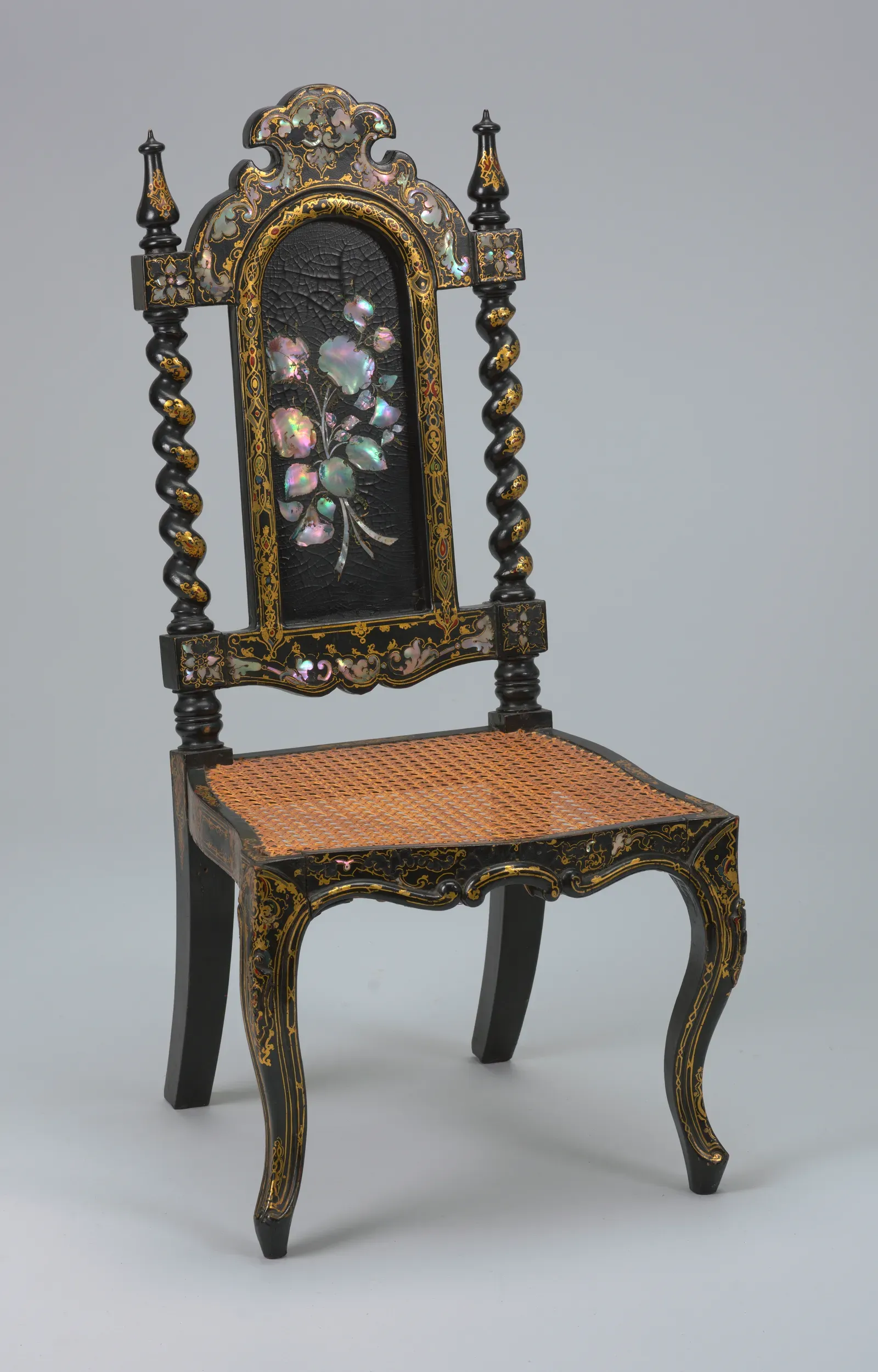
Let’s be real – old furniture used to mean heavy, ugly, and unwanted. That narrative has completely flipped. Mid-century modern and bohemian styles continue to be popular, with customers seeking unique, sustainable pieces. Think of it like vinyl records: people rediscovered they wanted the original format, not the streaming substitute.
The global market for secondhand furniture is expected to double over the next decade, from $40.2 billion in 2024 to $87.6 billion in 2034, according to market research firm Market.US. That’s not a niche trend. That’s a structural shift in how people furnish their homes.
The vintage furniture market is revealing an unprecedented dynamic: an Eames chair or a Prouvé table can surpass the value of new contemporary creations. This increase in value can be explained by structural elements that transform a simple second-hand object into a heritage asset. Even unexpected names are getting in on it. The VILBERT Chair from 1994, designed by Danish icon Verner Panton, was a limited release with only 4,000 units made. Today, this colorful and modern piece is highly collectible, selling for $1,018 on Billy.forsale.
According to B-Stock, a B-to-B recommerce marketplace, furniture brands sold 85% more units in 2024 than the year before. The momentum is real, and it is accelerating.
2. Cast Iron Cookware
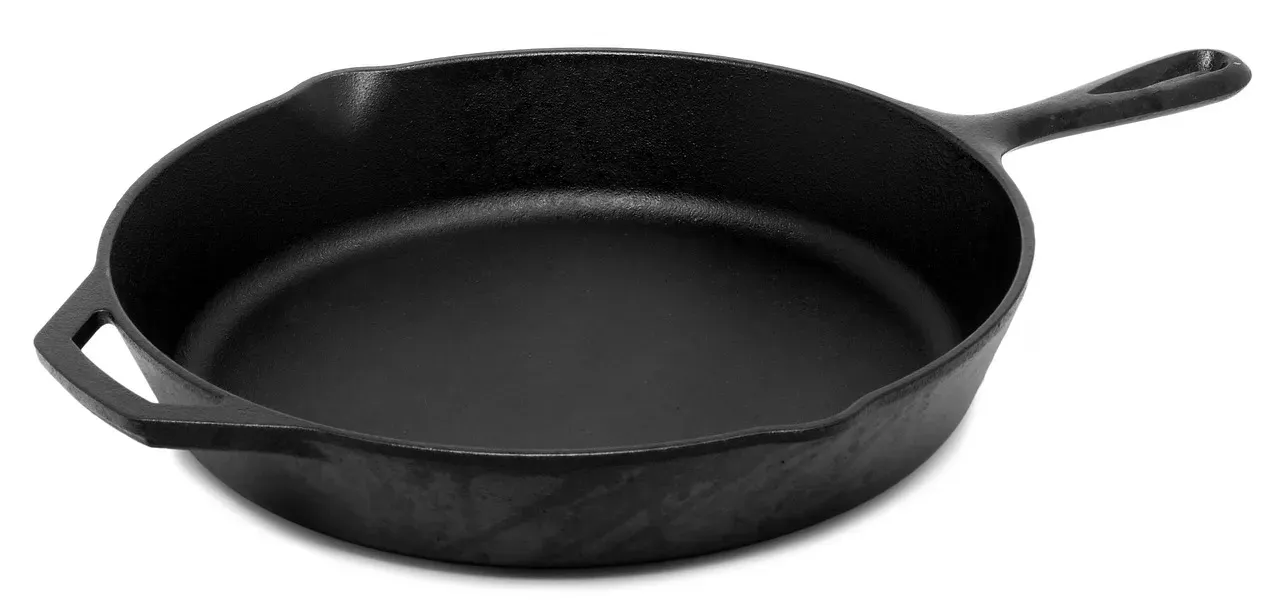
Honestly, few household items have had a more unexpected second life than the humble cast iron skillet. What grandma used for Sunday suppers has become one of the hottest collectible categories in the kitchen. Cast-iron pans are all the rage in both the cooking and antiquing communities. Vintage cast iron is especially prized for its weight, craftsmanship, and naturally nonstick surface that comes from decades of use. Collectors seek out early makers like Griswold and Wagner, whose skillets and Dutch ovens can sell for anywhere from $100 to several hundred dollars, depending on size and condition.
There’s a thriving resale market for cookware, for use and for display, and vintage and antique items can be worth quite a bit. Vintage copper pots to decorate a kitchen, vintage Tupperware to store food, and vintage cast-iron skillets to cook with can go for hundreds or even thousands of dollars today.
The global cast iron cookware market reached $5.08 billion in 2023 and is projected to grow at 8.9% annually through 2030, with skillets representing over two fifths of all cast iron cookware sales. The resale side of this market is riding that wave hard, with collector demand pushing prices on rare pieces well above what you’d ever expect from a frying pan.
3. Vintage Pyrex Glassware
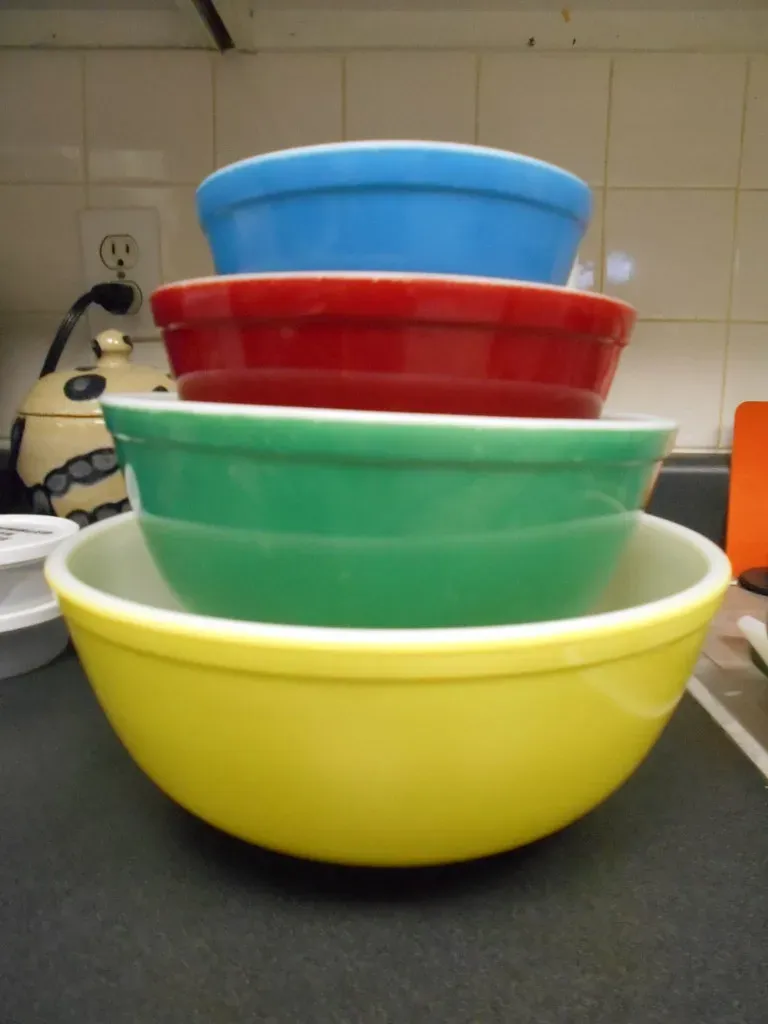
That stack of patterned bowls buried in the back of your cabinet? It might be worth far more than you think. Vintage Pyrex has made a major comeback in recent years, especially among millennials and Gen Z collectors on TikTok. With its cheery colors, whimsical patterns, and durable designs, it’s the kind of vintage item that looks great on a shelf and still works perfectly in the kitchen.
Vintage Pyrex surged in popularity in the mid-20th century thanks to its colorful patterns and sturdy design, and certain early pieces now fetch eye-opening prices. Sets like the Golden Sunflower Daisy and Bluebelle Delphite bowls have sold for thousands of dollars on auction sites, while rare divided plates and Cinderella mixing bowls regularly bring in big money.
A green “Spring Blossom” butter dish and lid sold for $20.99 in December 2024. Compare this to a rare orange “Barcode” casserole dish that sold for $1,995 in November 2024, or a rare “Butterprint” dish that sold for $3,050. Complete sets regularly sell for upwards of $500. The range is staggering, and that’s exactly what makes hunting for Pyrex feel like a treasure hunt worth going on.
4. Vintage Turntables and Audio Equipment

The vinyl revival is not a passing fad. It has been building for years and the resale market for vintage audio equipment is reflecting that with numbers that are hard to ignore. The vintage stereo turntables market was valued at $300 million in 2024 and is estimated to grow at a healthy pace. The market is experiencing a notable resurgence, driven by a growing appreciation for analog sound and retro aesthetics among consumers.
Between October 2024 and January 2025, 23 vintage receivers sold for over $3,000 on eBay. Seven of those sales were Sansui G-9000s, and most went for more than $4,000. The Sansui 9090 is also trading at around $3,500. That’s more than double what they were just two years ago.
The Marantz 6300 and the Dual 1229 are now getting nearly double what they were going for just a year or two ago. A clean Marantz 6300 sold for $1,000 about a year and a half ago. Now, some are selling for $2,500 or more. The market rewards condition and rarity fiercely here, so storage matters as much as the gear itself.
5. Vintage KitchenAid Stand Mixers
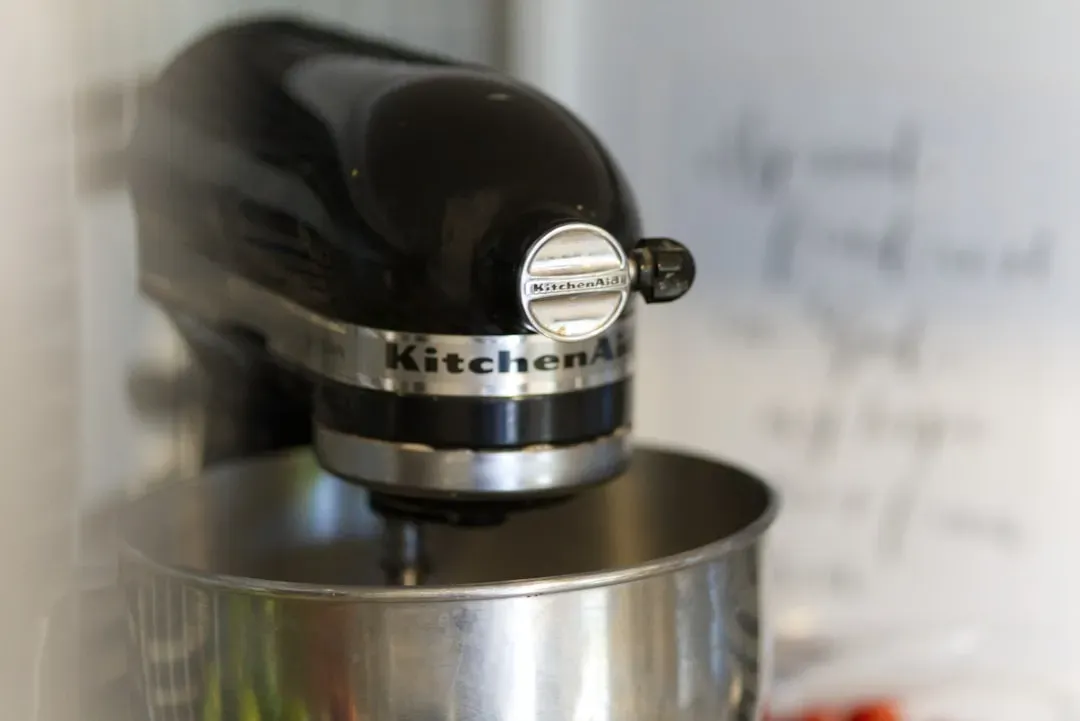
The KitchenAid stand mixer is an iconic and beloved kitchen appliance. With its instantly recognizable silhouette and rainbow of color options, it’s a staple on wedding registries and a must-have for retro-style kitchens. What’s surprising is that the older versions are now trading at premium prices, not the newer ones.
Some vintage KitchenAids are now worth far more than modern models. Older mixers in popular colors can fetch $150 to $500 on sites like eBay, while rare Hobart versions, like the H-5 and G, can sell for even more if they’re in good condition. Even later vintage models without the Hobart label can be valuable, thanks to their durable construction and timeless design.
A green K5-A – considered one of the best models KitchenAid ever made – is currently listed on eBay for nearly $800. Older units stamped with the Hobart name are especially sought after. It sounds crazy that a mixer can command collector pricing, but the build quality of those early machines is genuinely in a different league from what gets manufactured today.
6. Vintage Le Creuset and Enamel Cookware
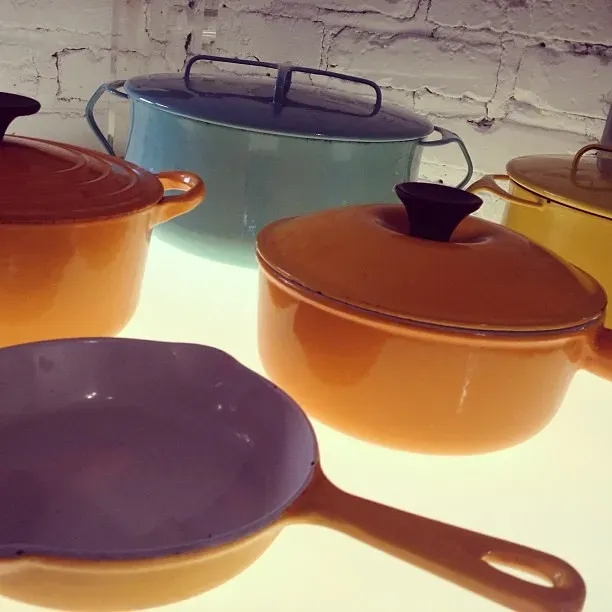
Not all cookware is created equal in the resale market, and Le Creuset has carved out a legendary space. Le Creuset is a modern collectible because it marries performance with design. Recent and vintage pieces both hold value, but certain discontinued colors and limited editions appreciate significantly.
A little wear and tear isn’t enough to put a Le Creuset Dutch oven out of commission – when well-cared for, they can be used for decades. Age doesn’t always knock down the value. For one, the company has gone through a lot of colors in its time, some of which have been discontinued, making them rare and collectible.
The most valuable pieces tend to be discontinued styles and designer collaborations. The rare Bean Pot model sells for around $300, while a Dutch oven in the discontinued petite fruits pattern recently fetched $400. Collaborations with designers like Raymond Loewy and Enzo Mari are especially collectible. One pink Loewy pot was listed at $800, and a brown Enzo Mari “La Mama” is also on sale at $550. These are not garage sale finds anymore – they are investment-grade cookware.
7. Vintage Home Décor and Jadeite Glassware

There is something almost magical about the market for jadeite – that soft, milky green glassware that used to line Depression-era and postwar kitchens. Vintage jadeite glassware, made by companies like Fire-King and McKee, became a staple in Depression-era and postwar kitchens thanks to its cheerful hue and durable design. Collectible jadeite ranges from everyday plates and cups to rare finds, and sets with the coveted Swirl pattern can sell for $300 or more, depending on condition.
Fire King jadeite can sell for as little as $5 or as much as $1,000, and pristine limited-manufacture pieces can go north of $5,000. That is an extraordinary spread for a glass dish that once held someone’s scrambled eggs.
More broadly, furniture and décor are becoming increasingly popular resale categories on all major marketplaces. Small decor pieces like candles, wall art, throw pillows, picture frames, and decorative bowls sell well everywhere – especially in trends like mid-century modern and vintage aesthetics. The home décor resale ecosystem is thriving across every platform and price point right now.
8. Secondhand Luxury Watches
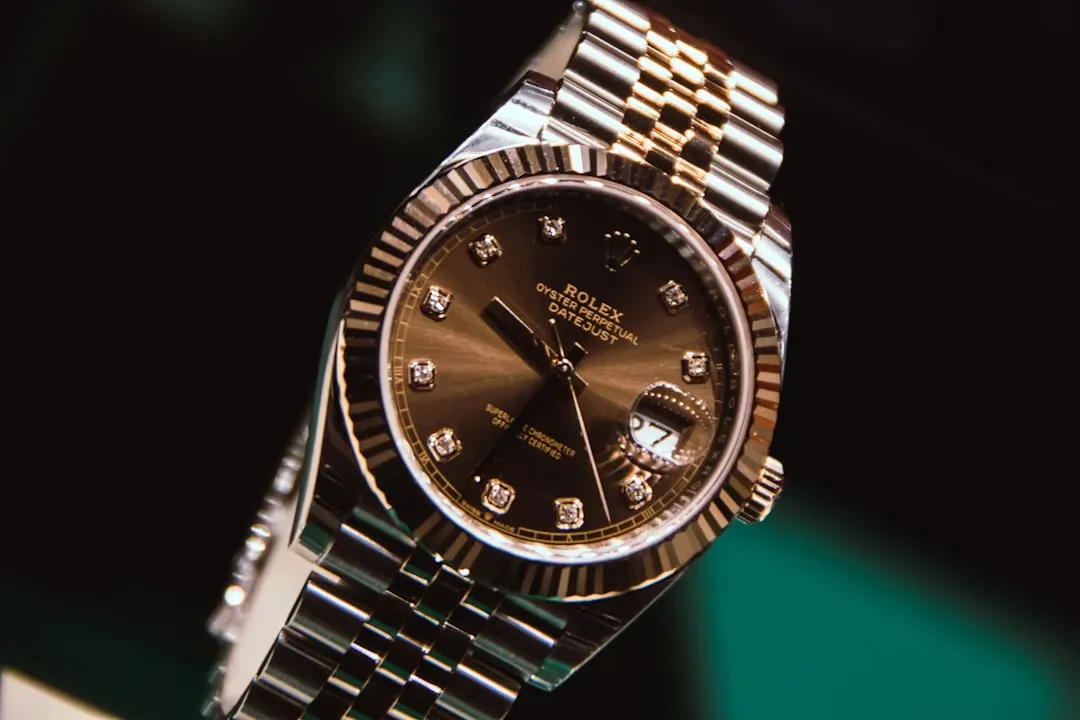
I think of all the items on this list, luxury watches are the one that most closely mirrors a traditional financial investment. These are not just household items with sentimental value – they are assets that can appreciate with age, rarity, and provenance. Authentic luxury items can retain strong resale value, and platforms like The RealReal and Vestiaire Collective specialize in verifying authenticity.
The luxury resale market was valued at $25.78 billion in 2024 and is expected to grow at a rate of 15.53% from 2026 to 2032, with the market size projected to reach $82.82 billion in 2032. Watches represent a major slice of that activity. Auction houses reported that rare luxury items – for example, specific vintage watches – achieved multi-million dollar sales outcomes in recent biennial events.
Surveys found that roughly more than half of luxury consumers under 35 now actively purchase pre-owned luxury goods, reshaping demographic engagement. This younger buyer base is not just driving fashion resale – they are snapping up high-end timepieces too, and that sustained demand is keeping prices elevated across the category. It’s hard to say for sure where the ceiling is, but the data suggests it hasn’t been reached yet.