The Retirement No-Go List: 10 Places Seniors Say Aren’t Worth It
Every retiree has a dream destination – maybe somewhere warm, quiet, or simply cheaper than where they spent their working years. The problem? That dream can turn into a financial and logistical nightmare if the wrong state ends up on your moving truck’s final destination slip.
Retirement is one of the most personal decisions a person can make. The right location can dramatically stretch your savings and improve your quality of life. The wrong one can drain your nest egg faster than you’d ever expect. A recent AARP study found that roughly one in five adults ages 50 and older have no retirement savings, and more than half are worried they won’t have enough money to support themselves in retirement. That makes location more critical than ever.
So before you start packing boxes and calling moving companies, let’s take a real, data-backed look at ten places where seniors say retirement simply isn’t worth the trouble. Let’s dive in.
1. Louisiana – Dead Last, Almost Every Time

There’s no gentle way to say this: Louisiana consistently ranks at the very bottom of nearly every major retirement study published in the last two years. In 2025, Bankrate named Louisiana the worst U.S. state to retire in, after it placed 48th in neighborhood safety, 43rd in affordability, 39th in weather, and 37th in healthcare access. That’s an almost clean sweep of the wrong kind.
Only about 16% of Louisiana’s nursing homes have high ratings, which is the lowest in the entire country, and the state has a shortage of geriatric doctors, with only about 22 registered geriatric clinicians per 100,000 residents aged 65 or older. For seniors who will eventually need medical support, that shortage is deeply alarming.
While housing and utility costs in Louisiana are relatively low, with the average home costing around $209,000, insurance expenses can be extremely high. Car insurance rates average close to $4,000 per year, and home insurance rates continue to rise due to storm damage. The low sticker price on a home here does not tell the full financial story.
Louisiana has the highest rate of food insecurity among seniors in the country at about 14%, and the third-highest senior poverty rate. The state’s air quality is rated below average and it has the second-worst drinking water in America. Honestly, the data here is difficult to ignore.
2. New Jersey – Beautiful Coastline, Brutal Bills
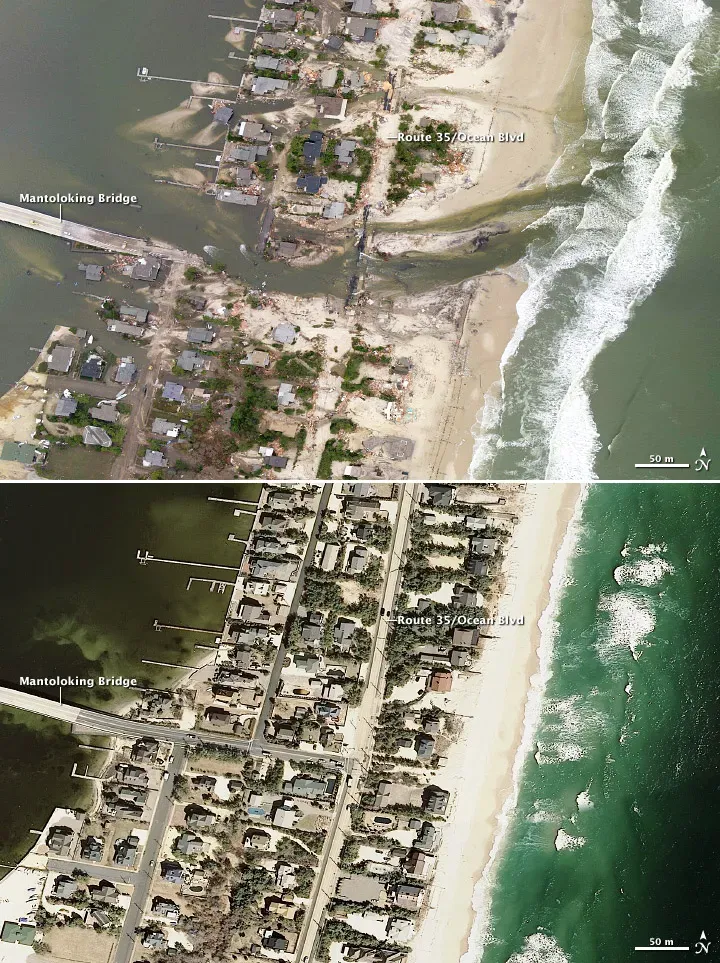
New Jersey has a lot going for it visually. Miles of coastline, proximity to New York City, vibrant communities. Retirement-wise, though, it’s a different story entirely. New Jersey is the worst state to retire according to Seniorly’s 2025 rankings, driven by its high cost of living and income tax rate of 10.75% for top earners.
Though Social Security income isn’t taxed at the state level in New Jersey, the state has the highest property tax in the country at an effective rate over 2% according to the Tax Foundation. Homeowners in the state pay a median of $9,345 in annual property taxes, meaning even retirees who’ve paid off their mortgages may still face hefty housing costs. Think about that – a paid-off house still costs you nearly ten thousand dollars a year just to hold.
The Garden State also has the sixth-highest cost of living of all the states. When you’re working with a fixed income, that sixth-place ranking for expensive living is essentially a financial penalty for choosing to stay.
New Jersey lands in the middle of the pack when it comes to the size of its older community at 17.7%, its Supplemental Security Income payment of $660, and the availability of arts and recreational facilities. So you don’t even get great amenities to compensate for the eye-watering cost of staying.
3. New York – World-Class City, Retirement Nightmare
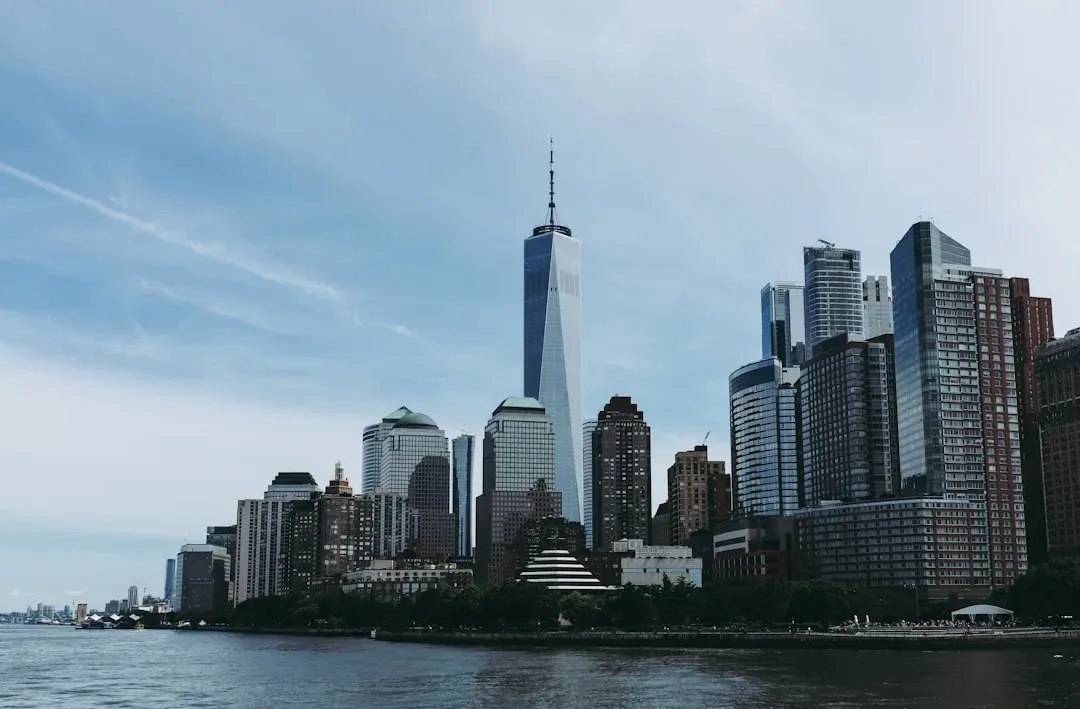
New York is one of the most iconic places on earth. Museums, restaurants, culture, energy – all incredible. For retirees on a fixed income? It’s close to unlivable for many. Retirees in New York need over $1,037,000 in savings to live comfortably, while the state’s 10.9% income tax and high property tax rate of 1.6% chip away at fixed incomes. The senior poverty rate stands at 14.3%, underscoring how difficult it can be to retire here.
If you’re looking for major tax savings in retirement, you may want to cross New York off your list. New York doesn’t tax Social Security benefits, but property taxes, income taxes, and sales taxes are among the steepest in the nation. It’s the kind of state where the tax man never really takes a vacation, even if you do.
In the Motley Fool’s study, New York garnered the worst tax score in the country, scoring zero out of 100. The exorbitant cost of housing in New York, even outside urban areas, could also deter retirees with a more modest retirement fund. There’s no real escape hatch here – even the suburbs carry sticker shock.
Safety is another concern in New York, with both violent and property crime rates exceeding those in many other states. For retirees with the means, New York offers rich cultural experiences and diverse living options, but for most, the financial tradeoffs are hard to ignore.
4. California – The Golden State With a Golden Price Tag

California has sunshine, ocean views, and world-class food. It also has a tax burden that can make a retiree’s head spin. Let’s be real: California is stunning, but it’s built for the wealthy. The state has the highest income tax rate in the country topping out at 12.3% as of 2025, and a base sales tax of 7.25%, the highest state sales tax in the nation, with local additions potentially pushing it even higher.
Income from retirement accounts and pensions are fully taxed at some of the highest state income tax rates in the country. Social Security retirement benefits are exempt, but given the state’s high cost of living, it will be difficult for most seniors to afford to live in California on Social Security income alone.
The annual spending for a comfortable retirement in Hawaii is the highest of all 50 states, but California is not far behind. While the weather might be beautiful and the thought of a California retirement sounds ideal to many people, it is one of the most expensive states to both live and retire in. The cost-of-living pressure is relentless.
California ranks among the worst states in the nation for housing affordability for retirees. That’s a brutal reality check when you’re hoping to downsize. Property tax rates in California are relatively low at an effective rate of 0.71%, but high home values mean the cost of property taxes is still higher than in most other states, with the average homeowner paying $5,369 in property taxes.
5. Texas – Low Taxes, Hidden Costs

Texas is a state people love to champion. No income tax, wide open spaces, friendly communities. Yet even Texas has landed squarely in the bottom ten for retirement destinations. Texas is ranked among the worst states to retire in after Louisiana. While Texas did well in the taxes category, that was a notable outlier when compared to the state’s performance in other categories. It fared low in affordability, arts, healthcare, and safety.
While Texas ranked seventh for taxes, it finished last for healthcare and 49th for population of similar age. That healthcare ranking is a serious problem. Retirement is a phase of life where medical access matters enormously – and Texas simply cannot deliver on that front compared to competitors.
Eight of the 10 worst states for retirees are in the Sun Belt, including Alabama, Arkansas, Florida, Louisiana, Oklahoma, California, New Mexico and Texas. The warm-weather retirement dream has officially collided with a wall of difficult data, and Texas is part of that collision.
Here’s the thing about no-income-tax states: that savings can be quickly swallowed up by high property taxes, rising home insurance premiums, and a struggling healthcare infrastructure. Texas is a classic example of a retirement destination that looks better on paper than it feels in practice.
6. New Mexico – America’s Most Dangerous Retirement Destination
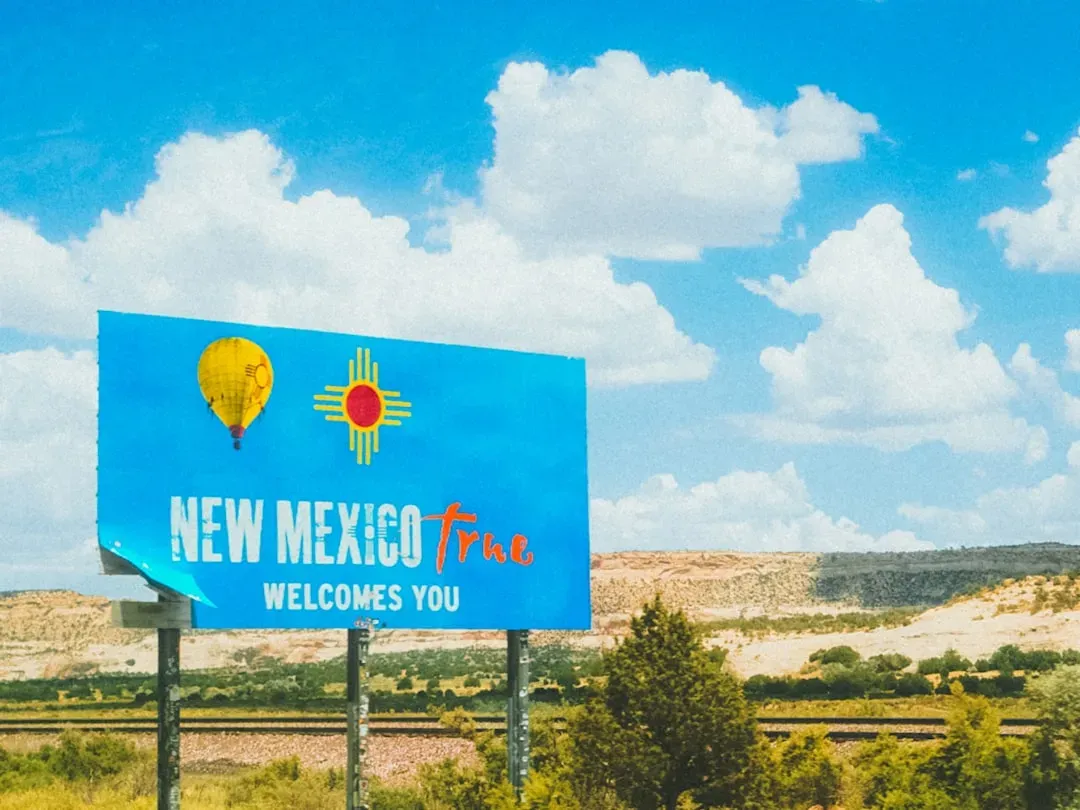
New Mexico doesn’t make the typical bad-retirement shortlist for taxes or cost of living. It actually scores reasonably on those metrics. The problem is something far more immediate: personal safety. New Mexico has the worst crime rate nationwide, with a crime score of 0 out of 50 states. The state also nabbed the second-lowest quality-of-life score in the Motley Fool’s retirement study.
According to FBI data, New Mexico has one of the highest rates of violent crime against older adults in the nation. On average, violent crimes against seniors in the state occur at a rate of 212.2 per 100,000 individuals. That statistic alone should give any prospective retiree serious pause.
New Mexico consistently reports high crime rates, which can affect not only personal safety but also real estate values. When crime drives down property values, it becomes a compound financial problem as well. Your home investment shrinks even as you pay to live there.
The Motley Fool’s analysis takes the top spot for worst places to retire as New Mexico, followed by California, New York, Arkansas, and Nevada. When a state leads a list like that, it’s telling you something worth paying attention to. Safety in retirement is not optional. It’s foundational.
7. Arkansas – Beautiful Nature, Broken Systems
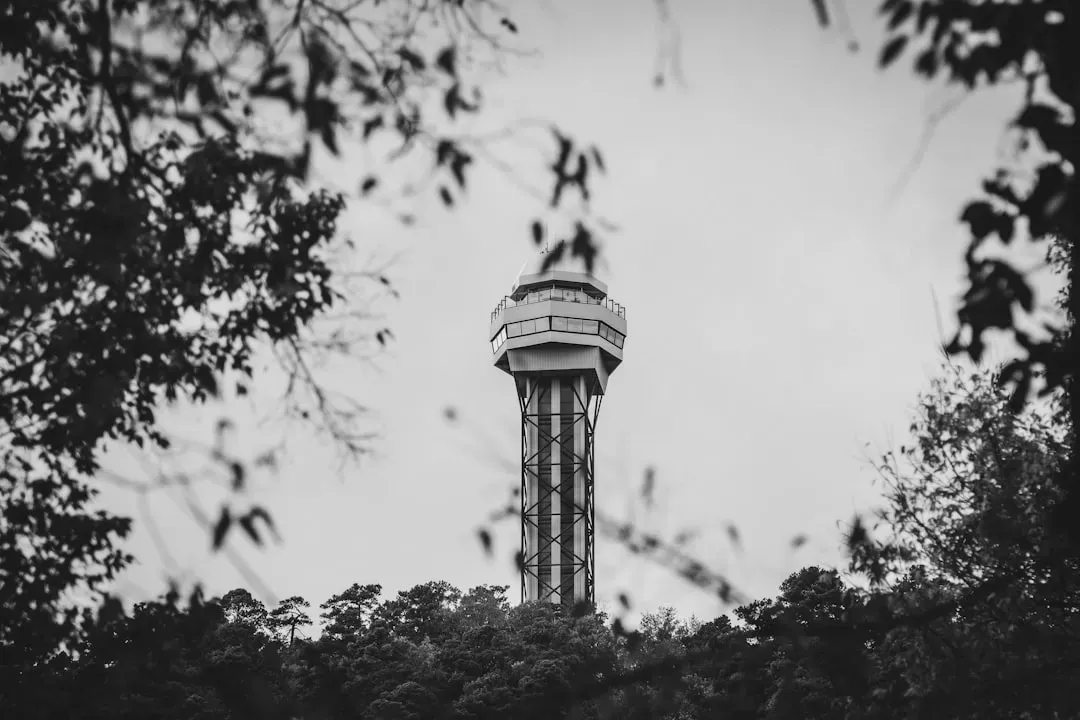
Arkansas has genuine natural beauty. Rivers, mountains, forests, and iconic hot springs that have attracted visitors for well over a century. Unfortunately, stunning scenery doesn’t make up for deeply troubling scores in healthcare and personal safety. Arkansas ranks as the fourth worst state to retire in. While it performed well in the weather category at ninth place, it came in 33rd for affordability and in the bottom rankings for healthcare, safety, and arts. In particular, Arkansas ranked fourth-worst in the violent crimes metric.
Arkansas did well in weather but performed poorly in safety at 46th, healthcare at 42nd, and arts and entertainment at 48th. Violent crime rates are among the nation’s highest. The contrast is almost jarring – lovely scenery, genuinely dangerous streets.
It’s hard to say for sure whether Arkansas will improve its safety and healthcare rankings anytime soon, but for now, the numbers tell a clear story. Arkansas puts up scores in healthcare, safety and arts that rank among the very bottom of all states. In particular, Arkansas ranked fourth-worst in the violent crimes metric that formed part of the safety category.
Think of it this way: retiring in Arkansas is like buying a house with gorgeous windows but a leaky roof. The views are wonderful, but the structure underneath has serious problems that will affect your daily quality of life.
8. Hawaii – Paradise With an Astronomical Price Tag

Everyone’s dream, right? Warm breezes, volcanic landscapes, the Pacific Ocean at your doorstep. Hawaii is genuinely extraordinary. It is also, without question, one of the most financially punishing places in the United States to grow old in. Hawaii is considered to be the worst state to retire in based purely on cost, with the annual spending for a comfortable retirement at the highest of all 50 states, at $117,724.18 per year.
While the weather might be beautiful and the thought of an island retirement sounds ideal to many people, Hawaii is one of the most expensive states to both live and retire in. That dream of sipping something cold on a lanai becomes considerably less relaxing when you’re doing math on a $117,000 annual budget just to live comfortably.
Hawaii demands higher spending in almost every category, from food to healthcare services. The remoteness of the islands amplifies costs in ways that the mainland simply doesn’t experience. Shipping goods across the Pacific is never free, and someone always passes that cost to consumers – including retirees on fixed incomes.
Hawaii does have a low violent crime rate, abundant green spaces, and a peaceful, scenic environment. For retirees with a generous budget, Hawaii can offer a truly tranquil place to enjoy their golden years. The keyword there is “generous.” Most Americans simply cannot afford to retire in Hawaii, full stop.
9. Oklahoma – Healthcare Gap in a Low-Cost State
Oklahoma often gets held up as an affordably priced state, and on housing alone, that’s not a wrong observation. The deeper picture is considerably more complicated, especially when it comes to healthcare outcomes for seniors. U.S. News and World Report ranks Oklahoma among the worst states for living, a rank that has fluctuated little since 2018, driven by healthcare concerns and crime rates. Oklahoma faces a high premature death rate and one of the lowest rates of adults meeting federal physical activity guidelines, while suicide deaths have climbed significantly since 2010.
Oklahoma received poor scores on healthcare metrics, including the number of doctors, Medicaid spending on long-term care, and the health of Medicare beneficiaries. A state where you can afford the house but can’t access timely medical care presents a very particular kind of problem for retirees – one that worsens with age.
Oklahoma has the 17th highest murder rate in the country and has seen a rise in violent crimes. The state also has the nation’s fourth-highest incarceration rate, with 563 out of every 100,000 people behind bars. Crime and a stretched correctional system rarely signal a peaceful retirement environment.
Economic strain also affects health outcomes in Oklahoma, reflected in a high economic hardship index score and a growing housing cost burden. Although the state benefits from high per-capita public health funding, lower-income adults report frequent physical distress nearly five times more often than higher-income adults. That gap between rich and poor in terms of wellbeing is particularly troubling for seniors living on modest, fixed incomes.
10. Lake Havasu City, Arizona – Sun and Sand, But Little Else
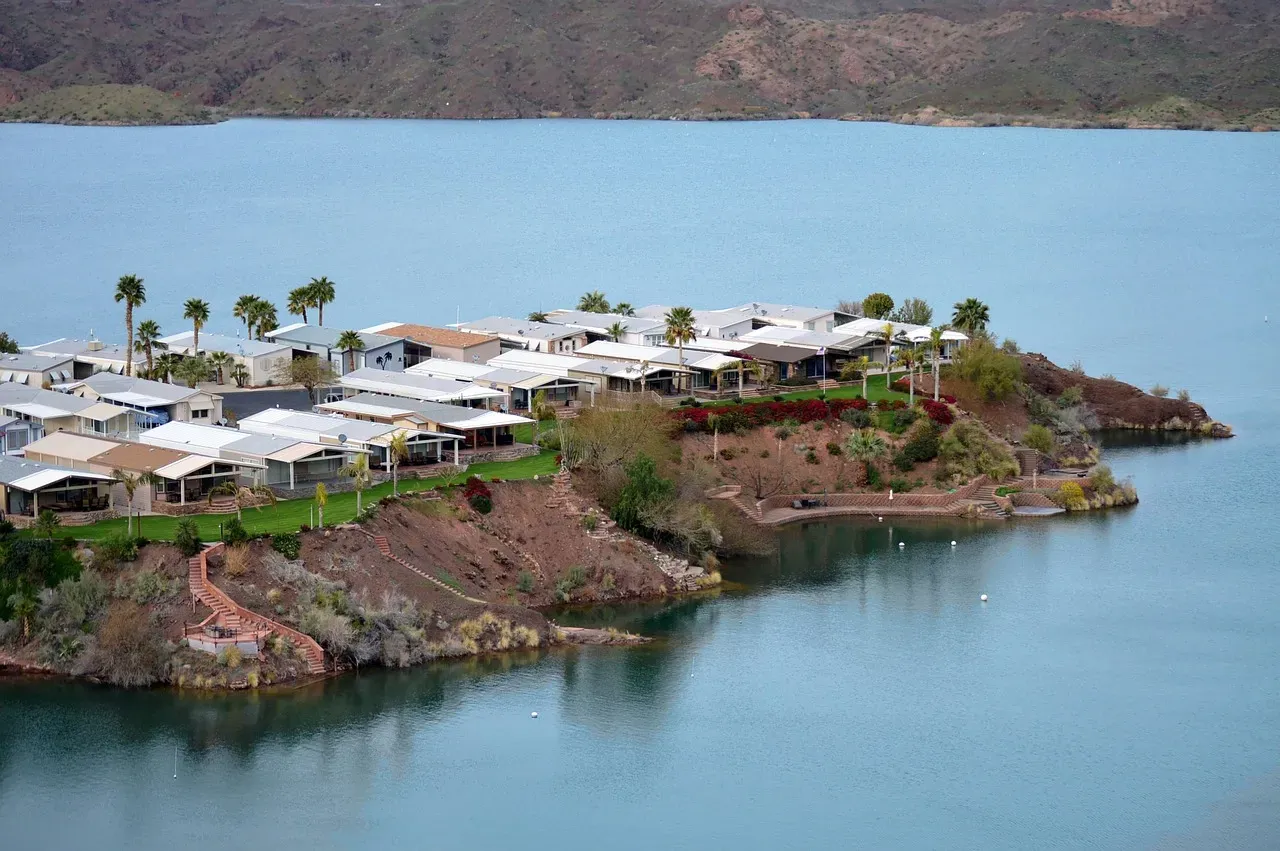
Lake Havasu City might not be a household name in retirement planning circles, but it made research headlines for a stark reason. Lake Havasu City, Arizona, earns the lowest spot on one major study’s list as the worst city for retirement, because of its higher cost of living and low score on a community well-being index. The well-being score might sound abstract, but it captures everything from social connection to access to services – and those things matter enormously to seniors.
Summers in Lake Havasu City are brutally hot, routinely pushing well above 110 degrees Fahrenheit. For older adults with cardiovascular issues or limited mobility, extreme heat is not just uncomfortable – it’s medically dangerous. The area’s isolation from larger urban centers compounds the problem, making access to specialized medical care a real logistical challenge.
Experts suggest visiting any prospective retirement location before making a decision to get a feel for the community and lifestyle. It’s also valuable to connect with locals, both retirees and residents, to gain insights into the daily life and challenges of the area. That advice is especially relevant for smaller, isolated cities like this one, where the reality on the ground can be very different from the brochure photos.
It’s important to choose wisely when picking where to retire, as many retirees are on a fixed income. The best cities for retired people are those that minimize taxes and expenses, as well as have good opportunities for retirees to continue paid work for extra income, if they choose to do so. Lake Havasu City scores poorly on nearly all of those criteria, making it a cautionary tale about chasing the idea of “desert sunshine” without checking the full picture first.