As a Chef, These 4 Steakhouse Dishes Are My Go-Tos – and These 2 Aren’t
There’s something about stepping into a great steakhouse that feels almost ceremonial. The low lighting, the smell of sizzling meat somewhere in the kitchen, the sound of ice hitting a cocktail glass. It’s a whole mood, honestly. But here’s something most diners don’t think about: not everything on that menu deserves your attention or your money.
Steakhouse dining remains wildly popular, with roughly seven out of ten adults reporting they’ve visited a steakhouse in the last six months. Over nearly a quarter of diners visited four or more times in the last month alone, according to the Restaurant Market Potential 2024 report by Esri. Yet even dedicated steakhouse fans keep making the same ordering mistakes, dish after dish. So let’s talk about what a chef actually orders, and what gets a hard pass. Be surprised by how it changes your next dinner out.
Go-To #1: The Bone-In Ribeye – The Real Star of the Menu
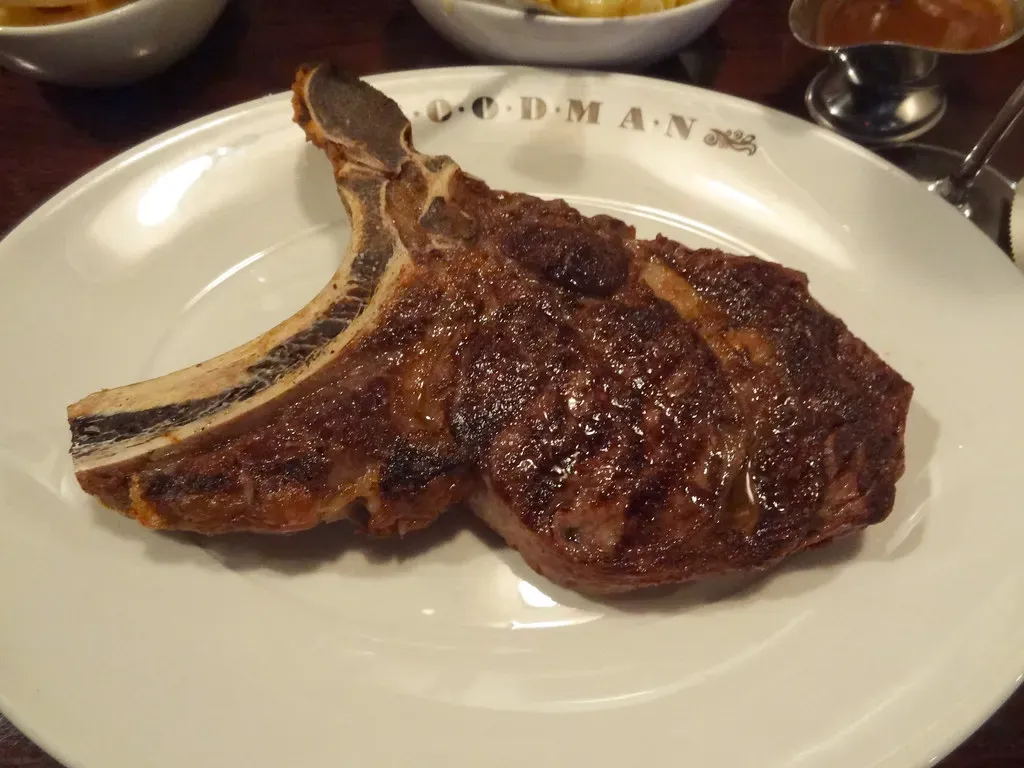
Ribeye is undoubtedly one of the most popular and sought-after cuts of steak. It’s often strongly critiqued because restaurant-goers expect a lot from the chef when they order one. Honestly, that pressure is deserved. When a kitchen gets it right, there is nothing else like it on the menu.
Bone-in ribeyes are nicely marbled with interior fat. The fat melts during cooking and bathes the entire cut in rich, beefy goodness. That marbling is doing all the heavy lifting here. Think of it like a self-basting system built right into the meat itself.
According to chef Michael Lomonaco from New York City’s Porter House, the superior option is a bone-in ribeye. His favorite for the grill is a thick-cut one and a half inch Prime Rib Steak on the bone – reliably juicy and beefy, with marbling that adds to the overall palate-pleasing experience and inherent tenderness that is always memorable. Hard to argue with that. Most steak experts advocate for cooking a good ribeye medium-rare to medium, to allow the delicious fat to melt through the steak while still remaining beautifully moist.
Go-To #2: Shrimp Cocktail – The Smartest Starter You Can Order
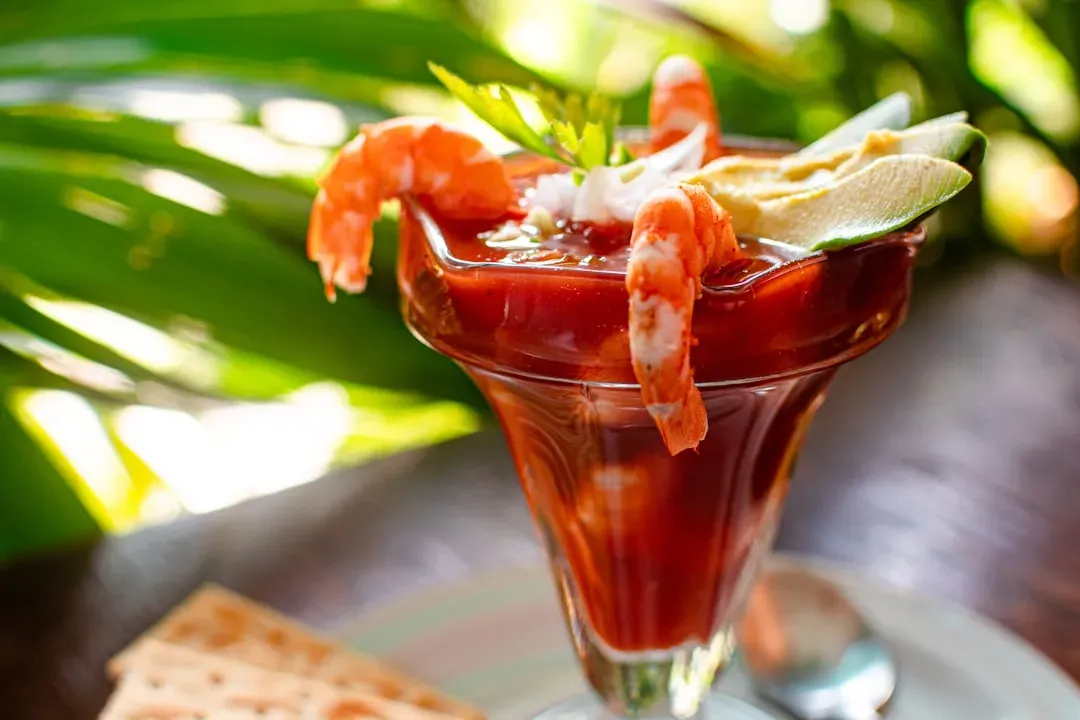
Here’s the thing: shrimp cocktail feels old-fashioned to some people. Almost retro. But I think that’s actually why it works so well. It’s clean, cold, and perfectly calibrated to wake up your palate before the main event.
Shrimp cocktail is a simple but iconic appetizer. A well-made version usually involves just three things: fresh jumbo shrimp that is cooked, peeled, and chilled, lemon wedges, and a side of horseradish-infused cocktail sauce for dipping. It’s a straightforward dish that proves a recipe doesn’t have to be complicated to be delicious.
Shrimp cocktail has managed to fight off its bad reputation. Those kitschy glasses are a thing of the past, and the cocktail has returned to its origins, involving large shrimp hanging off the side of the glass with a lush cocktail sauce. The combination is usually amped with a healthy dose of horseradish. Many restaurants have ditched the dish, but the best steakhouses still stand as the most reliable bastions where shrimp cocktail is heralded. That tells you something.
Go-To #3: The Wedge Salad – Simple, Crunchy, and Wildly Underrated
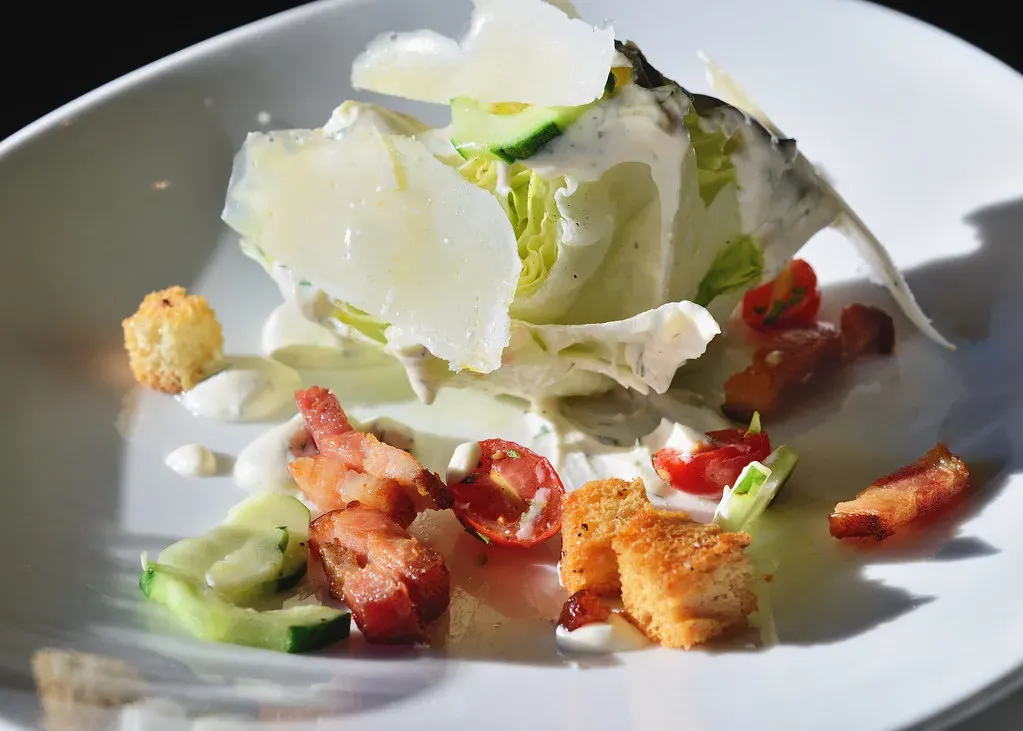
I know it sounds crazy, but the wedge salad is genuinely one of my favorite things to order at a steakhouse. People overlook it completely. They’re too busy scanning for the most expensive thing on the menu. That’s their loss.
A classic wedge salad has creamy blue cheese dressing, crispy bacon, sliced cherry tomatoes, and extra blue cheese crumbles. It’s a simple salad, yet packs such a flavor punch. The iceberg lettuce is crunchy and refreshing, and the fresh tomatoes are wonderfully juicy. On top of that, you get a nice salty finish from the crisp bacon pieces and the tangy blue cheese crumble.
A classic steakhouse will most likely include a classic cocktail menu, and dishes like potatoes au gratin, creamed spinach, and a wedge salad fall under the classic category. There is something to be said for a menu where everything has purpose. The wedge isn’t accidental. It’s architecture, in salad form.
Go-To #4: Dry-Aged New York Strip – A Cut That Rewards Experience
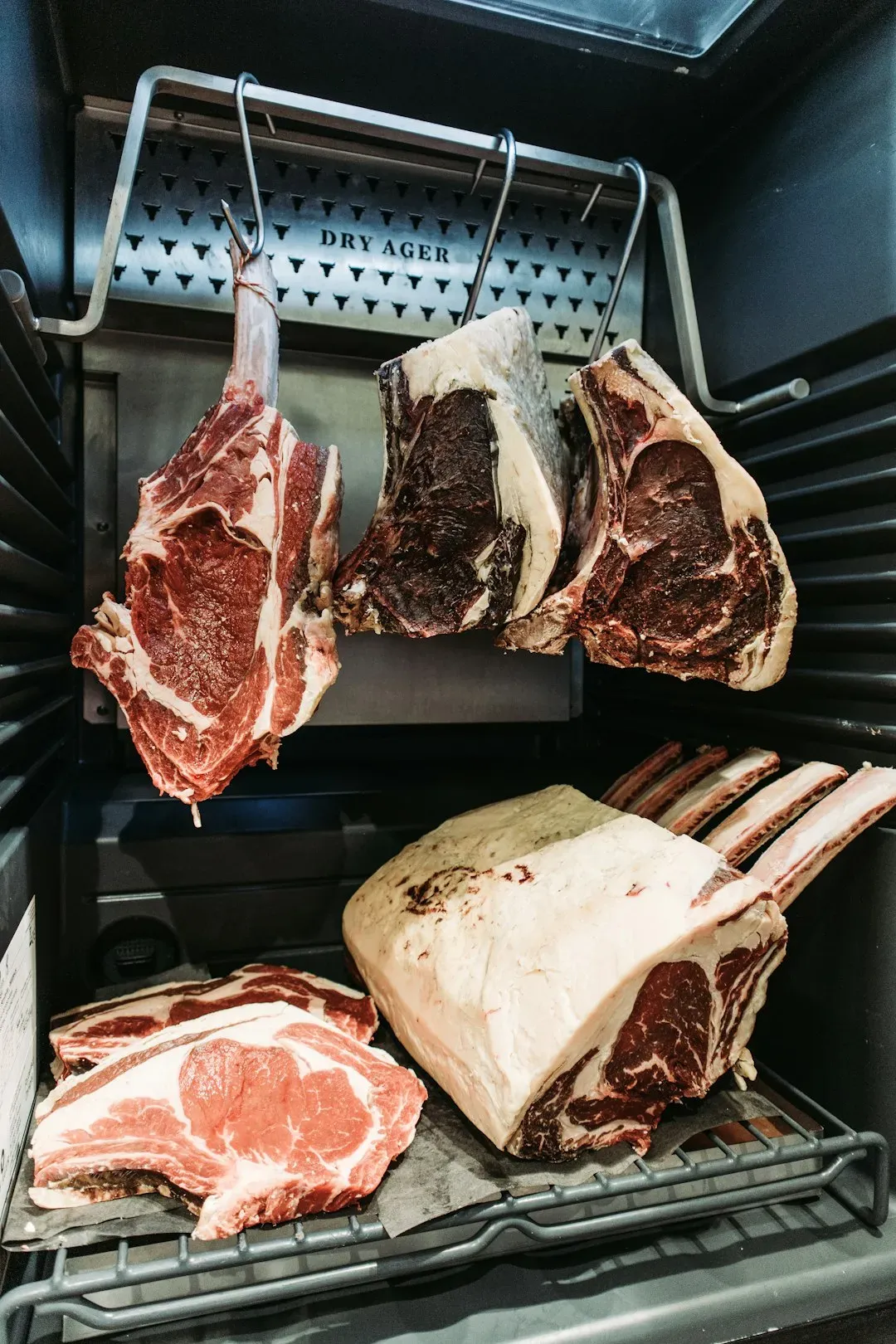
Let’s be real: the New York strip doesn’t get the glamour that the ribeye or filet does. That’s a shame, because in a proper steakhouse setting, the dry-aged strip is genuinely extraordinary.
Strip steak is a flavorful cut from the short loin, located between the rib and sirloin. It’s well-marbled but not as fatty as a ribeye, and it’s perhaps slightly chewier but has a more beef-forward flavor. That difference matters. If you actually want to taste beef, the strip delivers in a way the filet simply can’t.
A premium strip’s aging process, which can range from 18 to 24 days, really maximizes the steak’s flavor. The chefs handling these steaks at top-tier restaurants are especially talented when it comes to preparing this kind of meat. Despite the fact that this steak is on the pricier side, it’s absolutely worth a try. Experts like executive chef Josh Mouzakes specifically recommend a char-broiled dry-aged New York strip with Béarnaise sauce as a benchmark order.
Skip It #1: Fish at a Steakhouse – An Expensive Afterthought
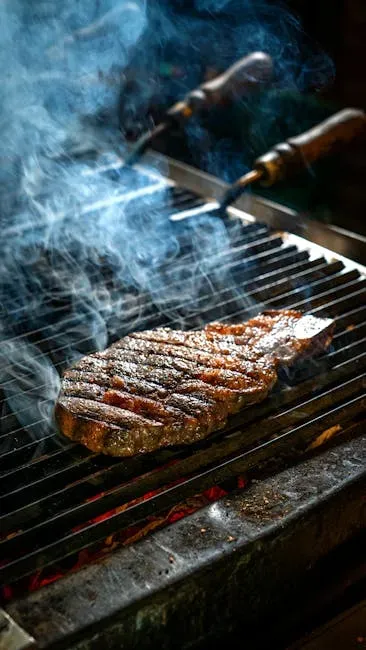
This is where I get a little opinionated, and honestly, I make no apologies for it. Ordering fish at a steakhouse is almost always a mistake. It’s not that the chefs can’t cook fish. It’s that everything in that kitchen is built around beef.
The reason is simple: if you’re dining at a steakhouse, you’re dining at a place that specializes in steak, with chefs who are likely pros at cooking red meat. Although they’re probably able to rustle up a decent fish dish, there’s a risk of these being somewhat of an afterthought. Steakhouses typically spend a good amount of time building relationships with suppliers that provide the best meat, but their relationships with seafood suppliers may not be so robust, leading to an inferior product.
When you add in the fact that steakhouses are often located inland, hundreds or even thousands of miles away from the coast, it’s easy to question how good that fish will be. If you want a premium fish dish, you’re far better off heading to a seafood restaurant, where you’ll get far more for your money. Executive chef Jeremy Shigekane of 100 Sails & Bar at the Prince Waikiki Hotel agrees plainly: never order fish at a steakhouse.
Skip It #2: Pasta and Loaded Side Fillers – Wasted Money, Wasted Appetite
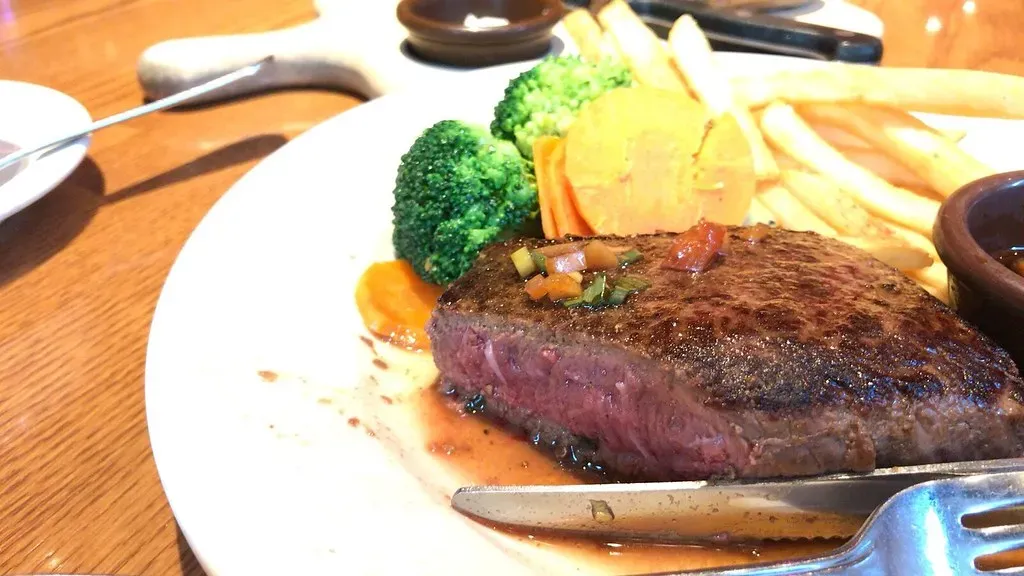
Ordering pasta at a steakhouse is like going to a sushi bar and ordering a burger. The infrastructure just isn’t designed for it. And yet people do it constantly, especially at chain steakhouses where the menu tries to be everything to everyone.
As one chef puts it, when dining at a steakhouse, pasta is often a misstep. Dishes made with alfredo sauce pasta or deep-fried macaroni and cheese bites, while trendy at chain restaurants, simply don’t pair well with a high-quality steak. That’s coming from a professional. Honestly, it’s freeing once you hear it.
Executive chef Josh Mouzakes advises sticking to the classics. He says: if you find yourself at a steakhouse, do order the classics, and stay away from any kind of pasta or vegan options they threw on the menu for diversity. Steakhouses are designed to grill, so eat off the grill. Even the loaded baked potato gets a skeptical look from some chefs. Most steakhouse baked potatoes end up dry and under-seasoned, drowning in generic sour cream and pre-shredded cheese from a bag. Spend those calories on something the kitchen actually cares about.