10 South American Destinations Travelers Say Aren’t Worth the Crowds Anymore
South America has long been the kind of place that shows up in people’s dreams. Jagged Andean peaks, the world’s largest salt flat, ancient ruins buried in jungle mist, coastlines that go on forever. There’s genuinely no continent quite like it. But here’s the uncomfortable truth that’s been building for several years now: some of the most iconic destinations on the continent have quietly crossed a threshold where the crowds are no longer just inconvenient. They’re ruining the thing people came to see.
Overtourism has become a full-blown crisis across South America. Across multiple countries, overtourism manifests in overcrowded trails, degraded ecosystems, overburdened communities, and weakened cultural heritage. Travelers are returning home and saying, honestly, it just wasn’t what they expected. So let’s dive in.
1. Machu Picchu, Peru – The Crown Jewel That’s Cracking Under the Weight
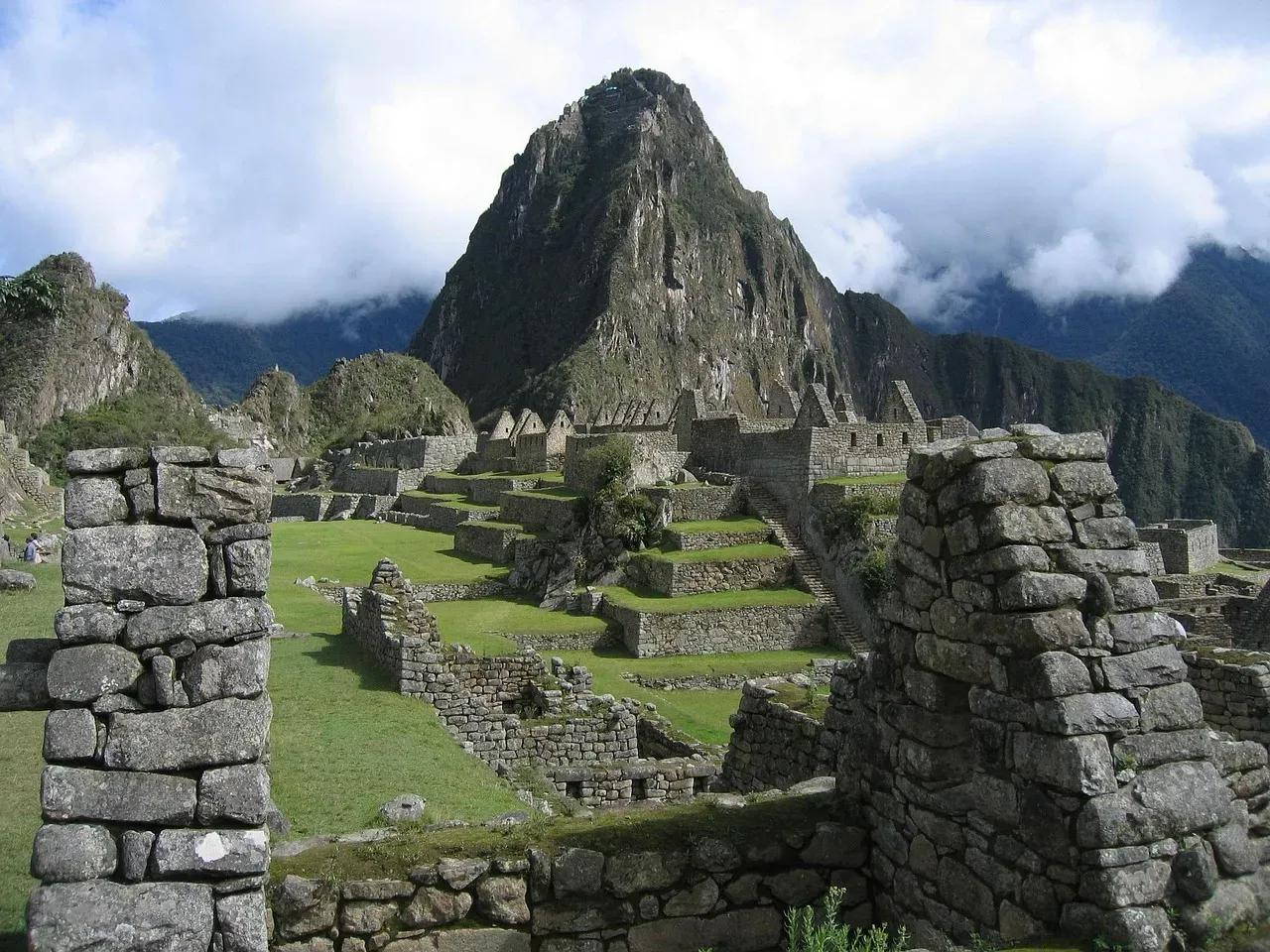
In 2024, Machu Picchu received 1.5 million visitors, matching 2019 levels and marking a nearly 60% increase over 2023. That’s not a recovery stat. That’s a warning sign. The site is one of the most stunning places on Earth, but getting there now feels less like a journey and more like queuing for a theme park ride.
The sanctuary receives up to 5,600 visitors daily during peak season. Foot traffic compacts the soil and erodes stone steps laid centuries ago. Terraces built for agriculture now face weathering accelerated by repeated contact and vibration, while surrounding vegetation suffers disturbance.
In September 2025, Machu Picchu’s designation as one of the 7 Wonders of the World was at risk, with the organization New7Wonders urging Peru to urgently step up efforts to improve the management of the sanctuary. Think about that for a second. The world’s most famous ruin, potentially losing its Wonder status because of us, the visitors.
To manage the crowds, Peru now requires all tickets to be bought online in advance. Each visitor can stay up to four hours, and groups must stay small, with no more than ten people per guide. The government divided entry into three time slots to spread out visitors. Planning a trip now takes months of coordination. The spontaneity is completely gone.
2. The Galápagos Islands, Ecuador – Paradise With a Price Tag to Match
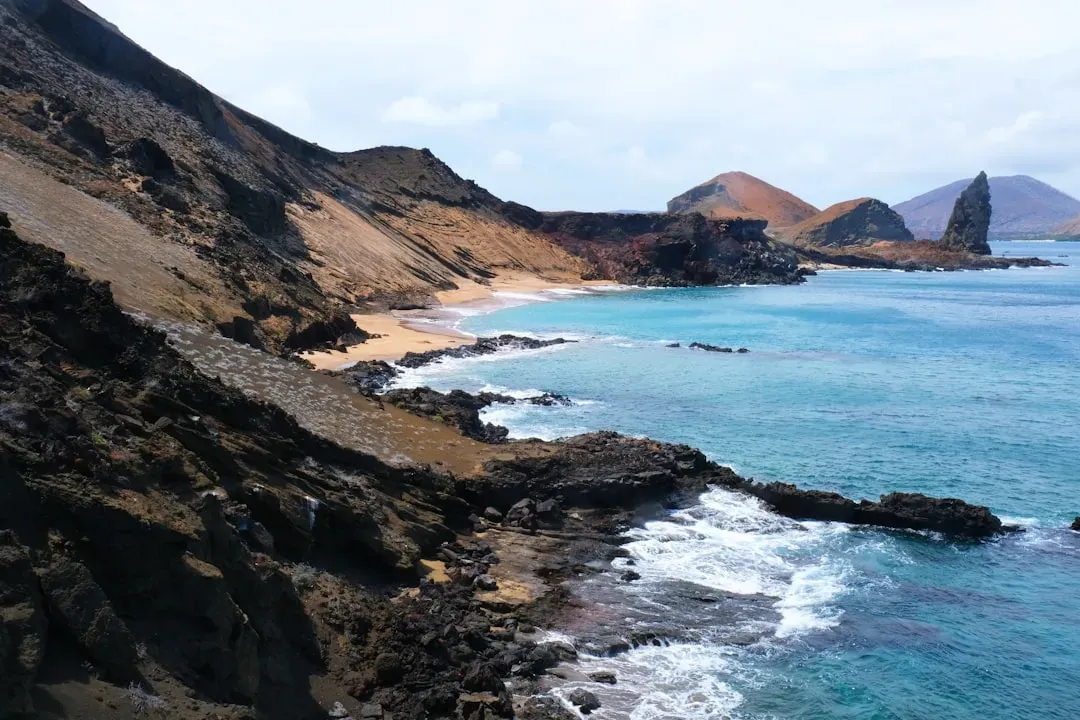
The Galápagos were always going to be a victim of their own legend. Darwin made them famous. Social media made them a bucket list fixture. The Galápagos Islands have experienced a 260% increase in tourism arrivals over the past two decades. That is a staggering number for an archipelago that was never designed to absorb it.
In 2024, a total of 279,277 tourists arrived at the archipelago, four percent more than in 2022. More than half were foreigners who generate carbon emissions and waste management problems. Although tourism generates funds and provides the local community with an economic motive to care for wildlife, it also brings negative impacts including carbon emissions, over-use of resources, waste management issues, pollution, and the introduction of non-native species.
From August 2024, visitors from most countries are required to pay $200, up from $100 previously. The Ecuadorian archipelago is the latest destination to crack down on overtourism with a hike in tourist tax. The fee increase was controversial, but the pressure on the islands was impossible to ignore any longer.
3. Easter Island (Rapa Nui), Chile – Sacred Stones, Tired of Being Selfie Props
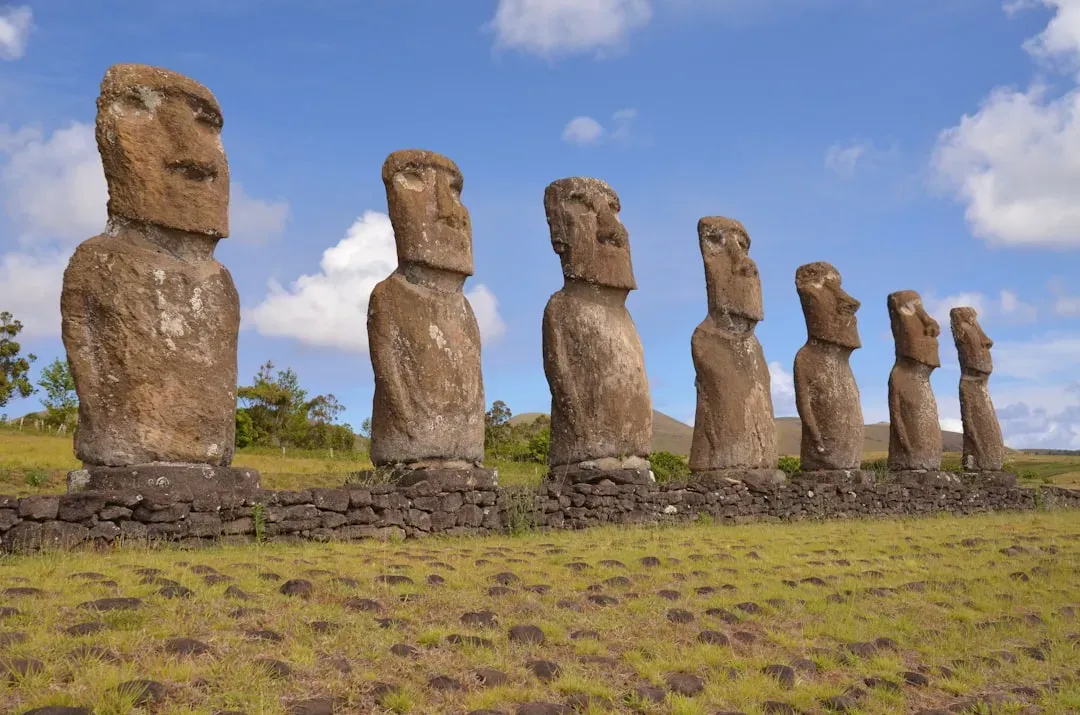
The very thing that keeps the island’s economy going strong may be the thing that ultimately causes its ruin: mass tourism. Recently, a wave of bad behavior by travelers on Easter Island has spurred new conversations about how visitors should behave. I think we’ve all seen the viral photos of tourists pretending to “pick the noses” of the ancient moai statues. It’s genuinely depressing.
The island’s famous moai statues face erosion from increased rainfall and wind, while overtourism strains the fragile ecosystem. With only 5,000 residents and limited infrastructure, Easter Island struggles to balance preservation of its archaeological treasures with the economic benefits of tourism.
Although visitors in the past were able to roam the national park freely and get close to all the moai, the crush of overtourism has come with restrictions and now travelers must stick to a prescribed path and only view a few of the statues. Chile confronts escalating damage to the sacred moai of Easter Island, and the situation is only growing more urgent. The island now battles overtourism and rising sea levels simultaneously, a double threat few places face.
4. Salar de Uyuni, Bolivia – The Mirror That’s Starting to Crack
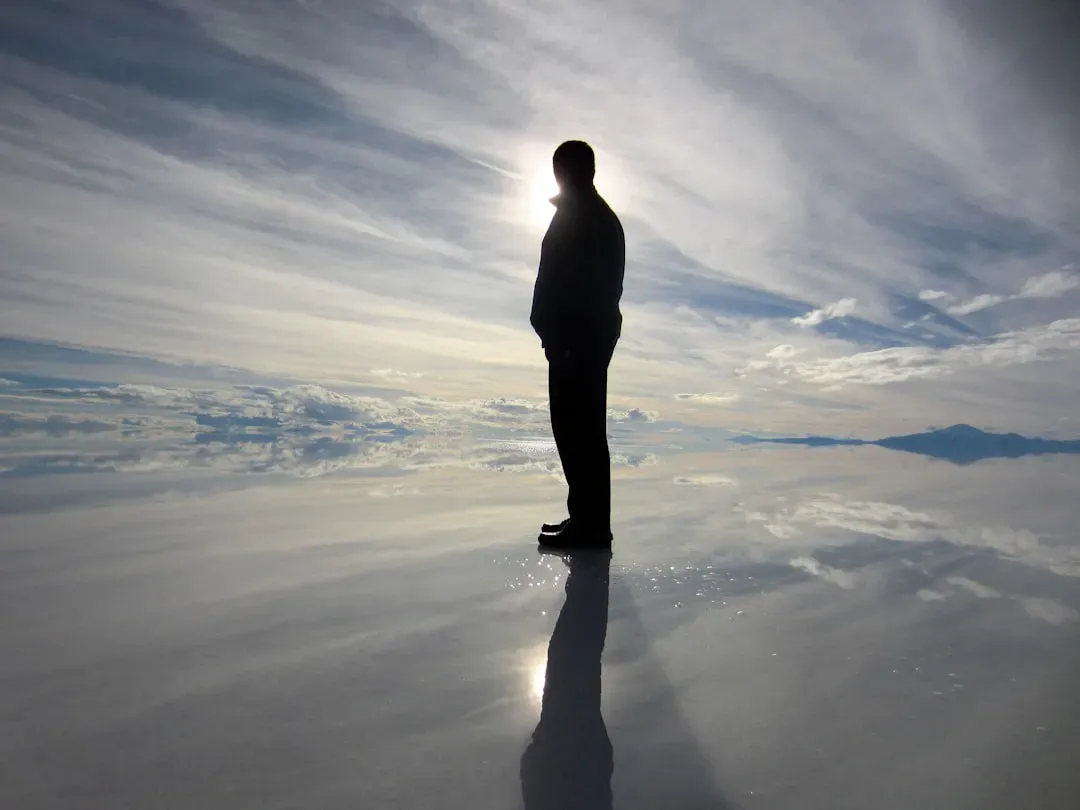
There is no photograph on earth quite like the Salar de Uyuni during rainy season, when the world’s largest salt flat transforms into a perfect mirror of the sky above. It’s ethereal. It’s also under serious threat. Thousands of vehicles drive across the salt crust each year, leaving tyre marks that fracture its delicate surface. These scars take decades to heal. Waste accumulates near key tourist access points, harming the environment and diminishing the natural purity that defines the region.
Salar de Uyuni is a place of surreal beauty. Its blinding-white expanse stretches beyond the horizon, while during the rainy season, a thin sheet of water turns it into a flawless mirror reflecting sky and clouds. This otherworldly scenery has made Uyuni an international phenomenon, especially on social media. But this growing popularity comes at a heavy cost.
Think of it like a pristine white tablecloth that thousands of people are dragging their boots across. Bolivia faces tourism-driven deterioration at the Salar de Uyuni, where vehicles leave scars across the salt crust. Uyuni stands as a stark reminder that environments shaped over millennia can be damaged in years without thoughtful management.
5. Iguazu Falls, Argentina and Brazil – Nature’s Greatest Show, Ruined by the Queue
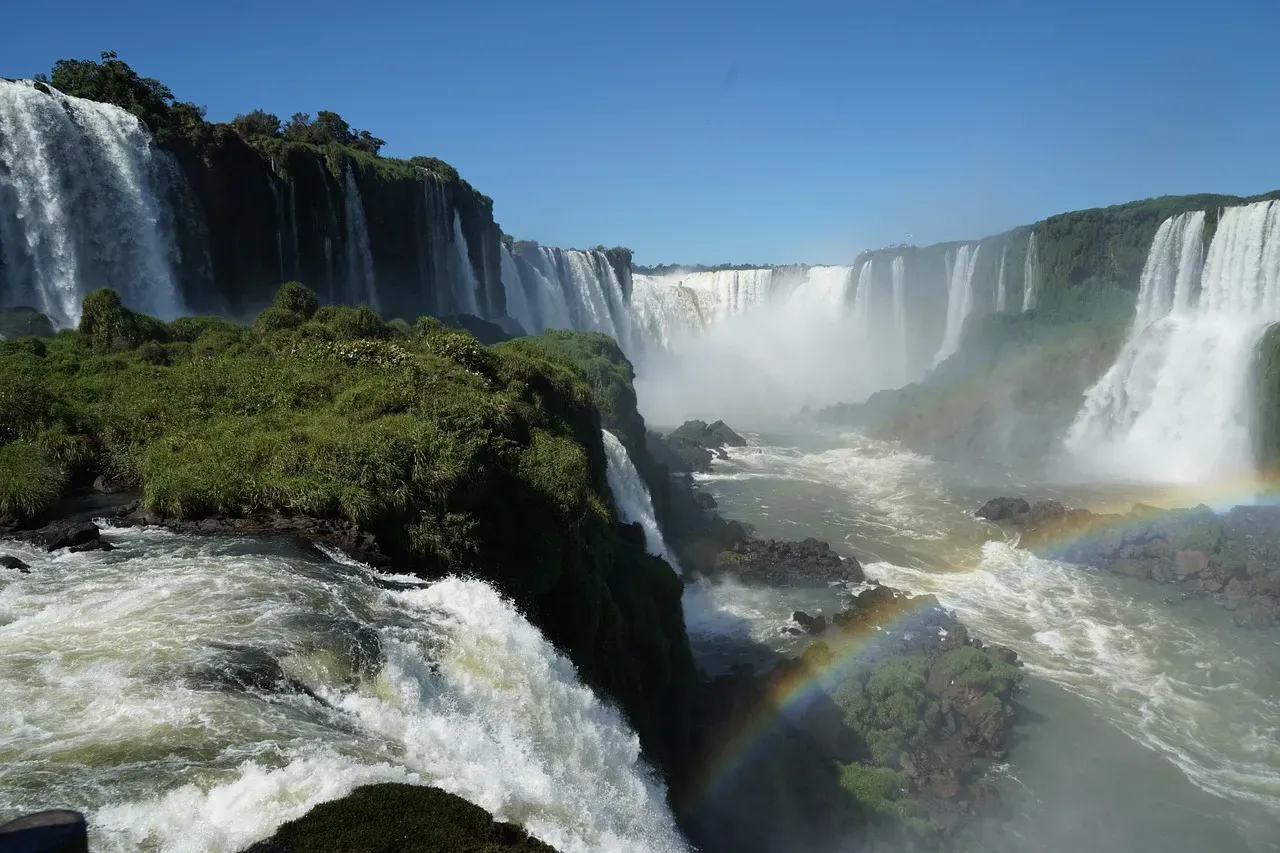
Iguazu Falls makes Niagara look modest. The world’s largest waterfall system straddles the border between Argentina and Brazil, and both countries offer their own national parks and perspectives on the falls. Argentina puts you right in the middle of the falls on elevated walkways, while Brazil gives you the sweeping panoramic view. It sounds incredible. It is incredible. It’s also jam-packed.
Brazil and Argentina struggle with congestion and ecological stress around the Iguazú Falls. The problem is that both sides of the falls have become so popular that peak season visits feel more like crowded airport terminals than encounters with nature. The sound of the water is increasingly competing with the sound of tour groups.
Crowded trails, long lines, and limited accommodation availability are common during peak season. As a result, travelers are encouraged to explore less crowded natural alternatives. Still, for those willing to visit outside of peak months, it remains one of the most jaw-dropping spectacles in the natural world.
6. Cusco, Peru – The Gateway City That Became the Bottleneck
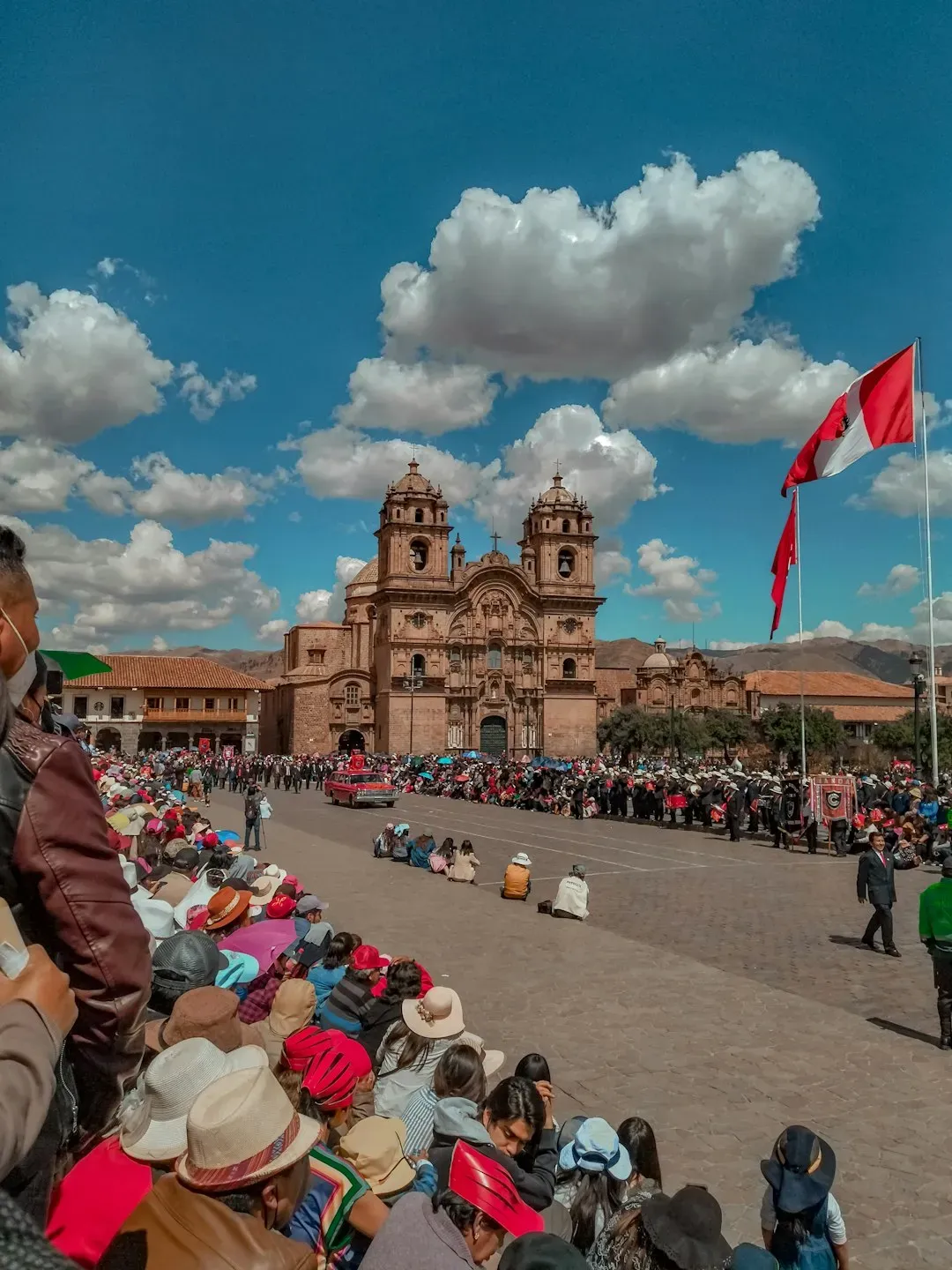
Cusco was always going to be caught up in the Machu Picchu machine. It’s the launching pad for nearly every visitor heading to the ruins, and that constant flow of people has transformed the city in ways that many travelers and locals find unsettling. Cheap flights, social media exposure, and the lure of bucket-list experiences drive tourists to the same small set of locations, all at once. Cusco sits at the very center of that vortex.
The Plaza de Armas is now almost entirely lined with overpriced restaurants targeting foreign visitors. The colonial streets that once felt magical are now clogged with tour groups moving in tight formations. Not only do natural landscapes and historic sites suffer, but local communities often pay the price too, with rising costs of living and disruptions to everyday life.
It’s hard to say for sure whether Cusco has fully lost its soul, but the transformation is undeniable. Once-idyllic places can turn into overrun tourist traps, losing their unique charm and becoming unpleasant to visit. Many seasoned travelers now skip the city entirely and head straight to lesser-known Andean towns.
7. Rio de Janeiro, Brazil – The Postcard That Doesn’t Always Match Reality

Brazil remains one of South America’s top destinations with masses of visitors drawn to Rio de Janeiro, São Paulo, and the Amazon region. Rio alone sees millions annually for its beaches, Carnival, and iconic landmarks like Christ the Redeemer. The city is magnetic. But “magnetic” and “overwhelming” aren’t mutually exclusive.
During Carnival, the numbers become almost absurd. If you want to experience the intense side of Rio, go during Carnival. You’ll be packed alongside roughly two million other revelers from around the world in the week leading up to Lent. For some, that’s exactly the appeal. For many others, it’s exactly the problem.
The tension between tourism and local life has become very real. Favelas near tourist hotspots are under increasing pressure, rents in popular neighborhoods have spiked, and the gap between the postcard version of Rio and the city’s everyday reality grows wider each year. This tourism boom comes at a cost: overtourism is overwhelming iconic destinations, damaging natural environments, driving up local living costs, and negatively affecting the visitor experience.
8. Cartagena, Colombia – The Walled City Bursting at Its Seams
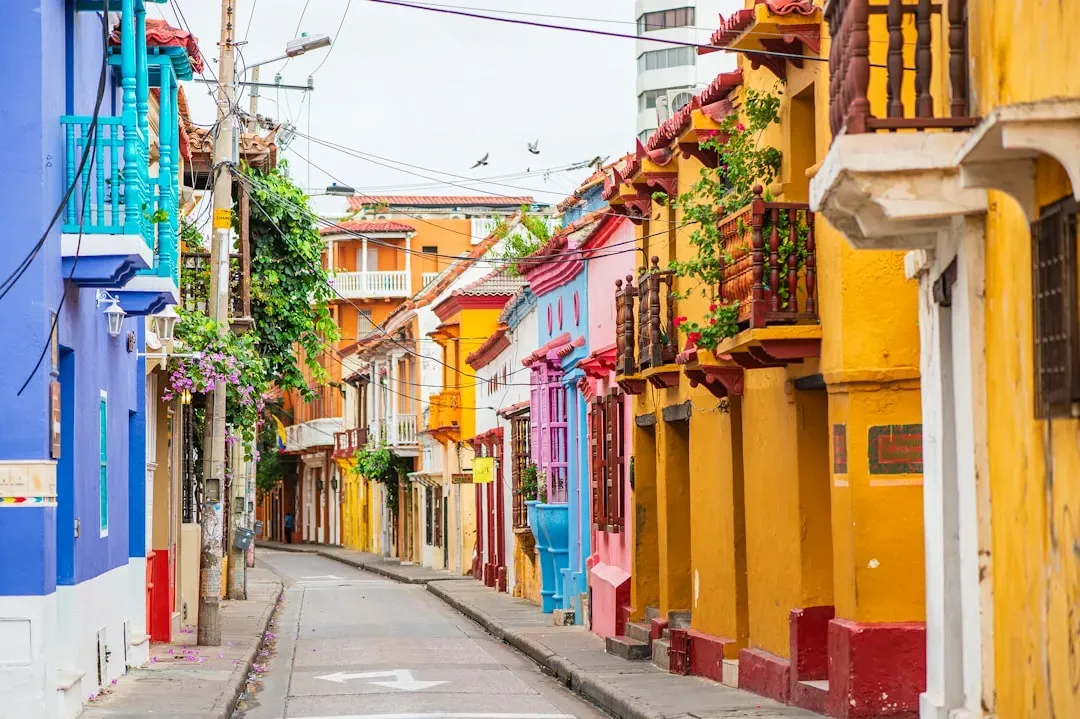
Colombia has broken tourism records with about 6 to 7 million visitors in 2025, a huge increase reflecting rising global interest in its culture, cities, beaches, and coffee region. Cartagena has absorbed a large chunk of that surge, and the cracks are starting to show.
Colombia’s most popular port city is one of the most charming cities in South America. The buildings are painted in bright colors. You can wander aimlessly through cobblestone streets, go to the beach, or enter an old church. Cartagena is on UNESCO’s list as a World Heritage Site. The historic walled center was never designed to handle the volume of visitors it now receives daily.
Let’s be real: the Old City is gorgeous. But navigating it in peak season now resembles rush hour in a pedestrian shopping mall. Property prices have surged dramatically, long-time residents have been pushed out of the walled city entirely, and many of the authentic local businesses that once gave Cartagena its character have been replaced by souvenir stalls. Overtourism accelerates erosion, strains infrastructure, increases pollution, and can destroy the authentic character that originally attracted visitors. Local communities often face displacement as short-term rentals replace permanent housing.
9. Torres del Paine, Chilean Patagonia – Too Many Tents, Too Little Wilderness
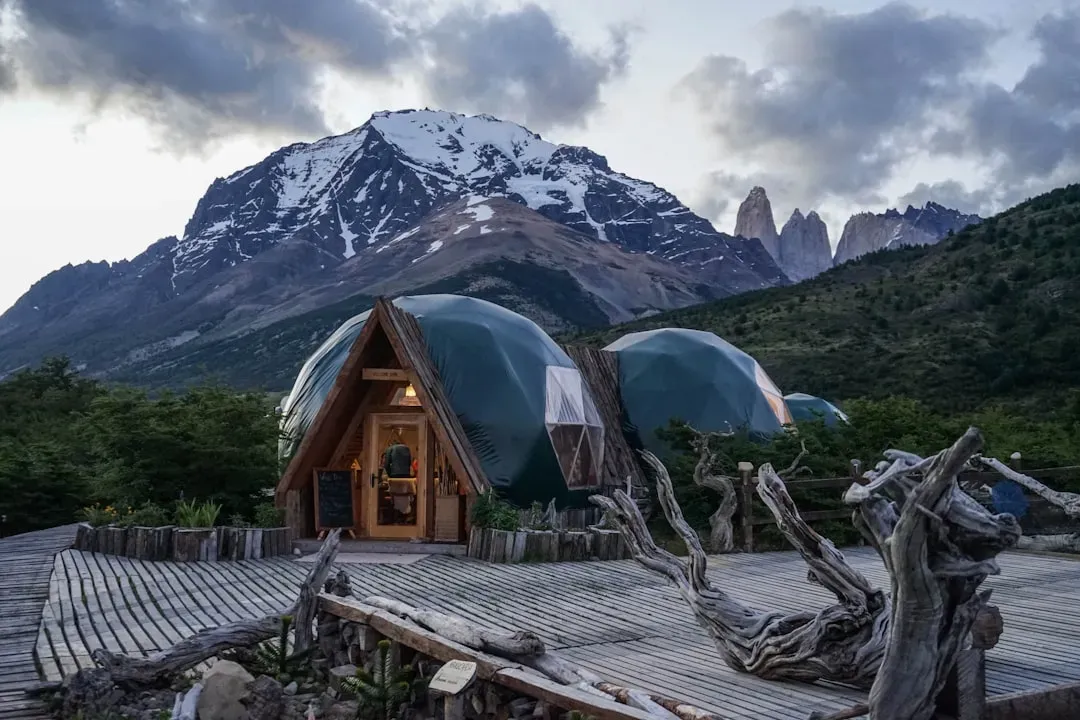
Torres del Paine is, without any exaggeration, one of the most beautiful places on the planet. The jagged granite towers, the turquoise lakes, the glaciers and the condors, it reads like a fantasy landscape. The problem is that roughly everyone with a hiking boot and an Instagram account now knows this. South America is booming with coordinated tourism growth, and Patagonia has become one of the continent’s fastest-growing hotspots.
The W Trek and the O Circuit, once the domain of serious adventurers, have become so overrun during summer months that campsites must be booked many months in advance. Trails that were once quiet and raw now see near-constant foot traffic. The wilderness feeling, which was always the whole point, has become genuinely difficult to find during peak season.
Tourism experts warn about destinations overwhelmed by overtourism, where visitor numbers exceed local capacity, creating social and environmental problems and less rewarding experiences. Torres del Paine is now a textbook example of that warning becoming reality. The park authorities have tried to manage it, but the demand outpaces every new measure.
10. Buenos Aires, Argentina – The Paris of South America, Now Feeling the Pressure
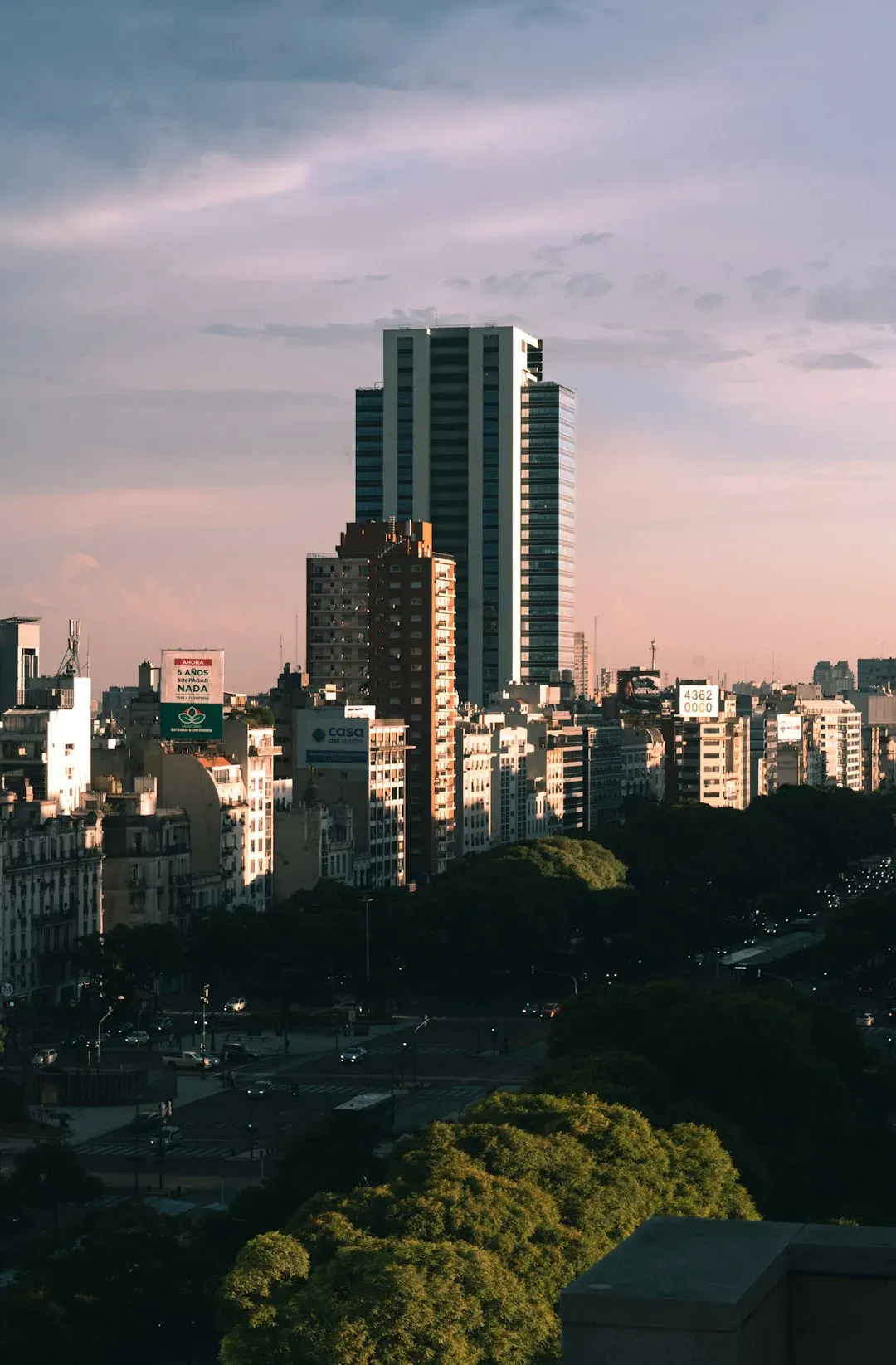
A blend of Spanish culture and European architecture, Buenos Aires is the birthplace of tango. Visitors can explore Puerto Madero’s shops and restaurants, admire art at the Museo Nacional de Bellas Artes, and relax in the Botanical Garden. Landmarks like El Obelisco and Recoleta Cemetery showcase the city’s history. It’s a city that has always punched above its weight culturally.
However, Buenos Aires has been dealing with a complicated combination of economic turmoil and a surge in foreign visitors who are attracted precisely by the favorable exchange rates. The result is a city experiencing a kind of tourism boom that feels slightly unhinged. Neighborhoods like Palermo and San Telmo have seen rapid gentrification, with local businesses and longtime residents being priced out. Overtourism is becoming an increasingly common frustration for travelers. Destinations that once offered serenity and culture have become overcrowded hotspots, damaging local environments and communities.
With roughly 80% of travelers flocking to just 10% of global destinations, the threat to the authenticity and sustainability of travel is very real, and Buenos Aires is starting to feel that squeeze. The city is still extraordinary, but its most popular pockets are beginning to lose the effortless, lived-in quality that made them special in the first place.