Everything You’ve Been Taught About “Fearless” Dictators Is Wrong: 5 Hidden Phobias Revealed
We grow up learning that history’s most ruthless dictators were ironclad tyrants, devoid of human weakness. These were men who commanded armies, ordered executions without flinching, and held entire nations hostage through sheer force of will. They seemed superhuman in their cruelty, immune to the everyday anxieties that plague ordinary people.
Here’s the thing, though. Scratch beneath the surface of their carefully constructed public images, and you’ll find something unexpected. Dictators wield total control and the power of life and death, yet they are prone to anxiety, paranoia, and feelings of defensiveness and inadequacy. Recent psychological research from 2023 to 2025 has shed fascinating light on just how vulnerable these supposedly fearless leaders actually were. The contrast between their projected strength and their hidden terrors is almost shocking.
Stalin’s Crippling Paranoia
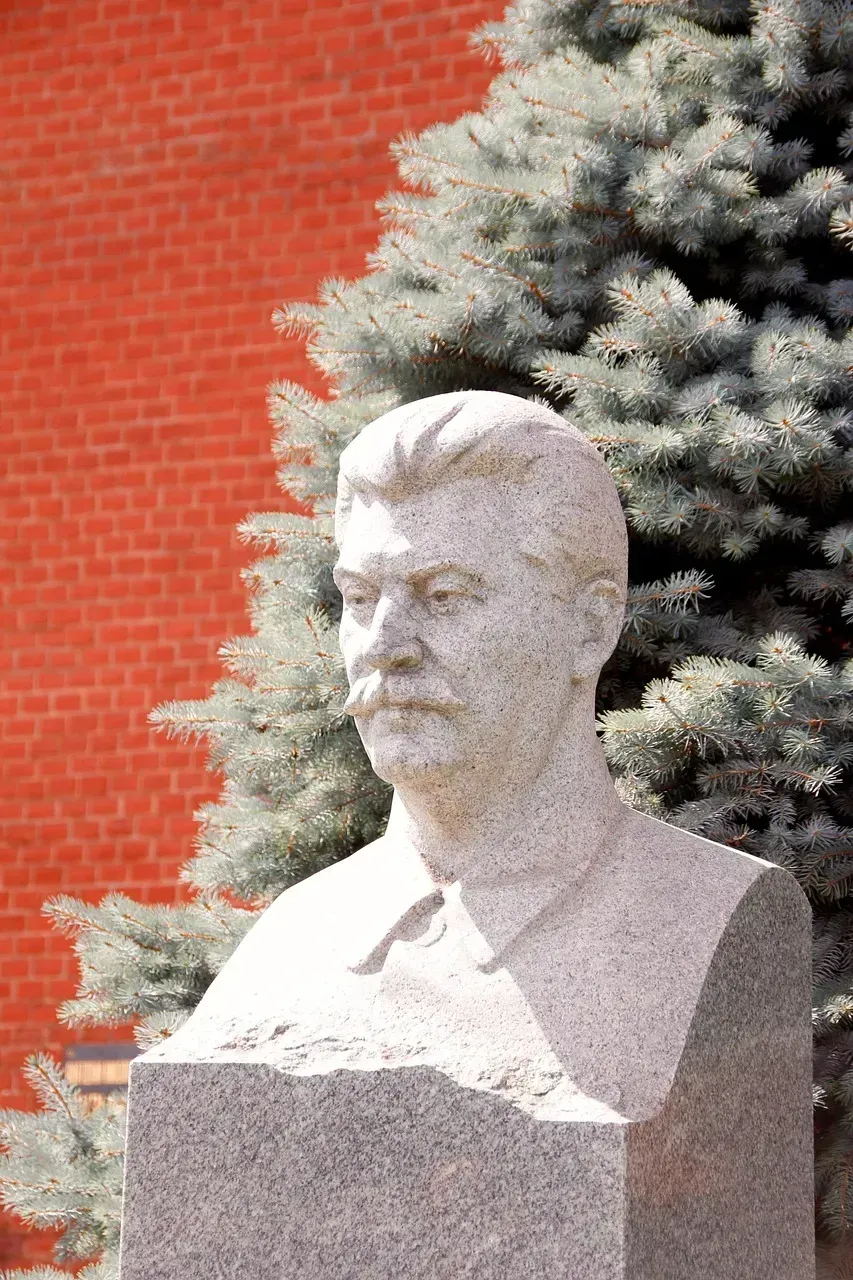
Let’s start with Joseph Stalin, whose name alone still evokes dread decades after his death. It was through Russian leader Josef Stalin’s insecurities, jealousies, lies, and paranoia that his army was nearly beaten by a superior German force. His fear of betrayal wasn’t just a personality quirk. It was an obsession that shaped Soviet history.
Stalin purged his own military because he lived in fear of a coup attempt and reportedly never trusted a single branch of the military. Think about that for a second. This man controlled one of the most powerful nations on earth, yet he couldn’t sleep soundly knowing his own generals existed. Stalin’s fears and deep-rooted suspicions of anyone trying to improve the Russian Army prompted him to arrest, imprison, torture, and eventually kill Tukhachevsky.
Paranoia often begins during childhood in a situation in which the child feels both dependent on and threatened by the father, and Stalin indeed experienced this situation with his drunken and abusive father. Stalin’s personality cult existed precisely because Stalin knew that he was replaceable and feared that he might be replaced, and so needed to bolster his authority as much as possible.
Hitler’s Paranoia and Personality Disorders
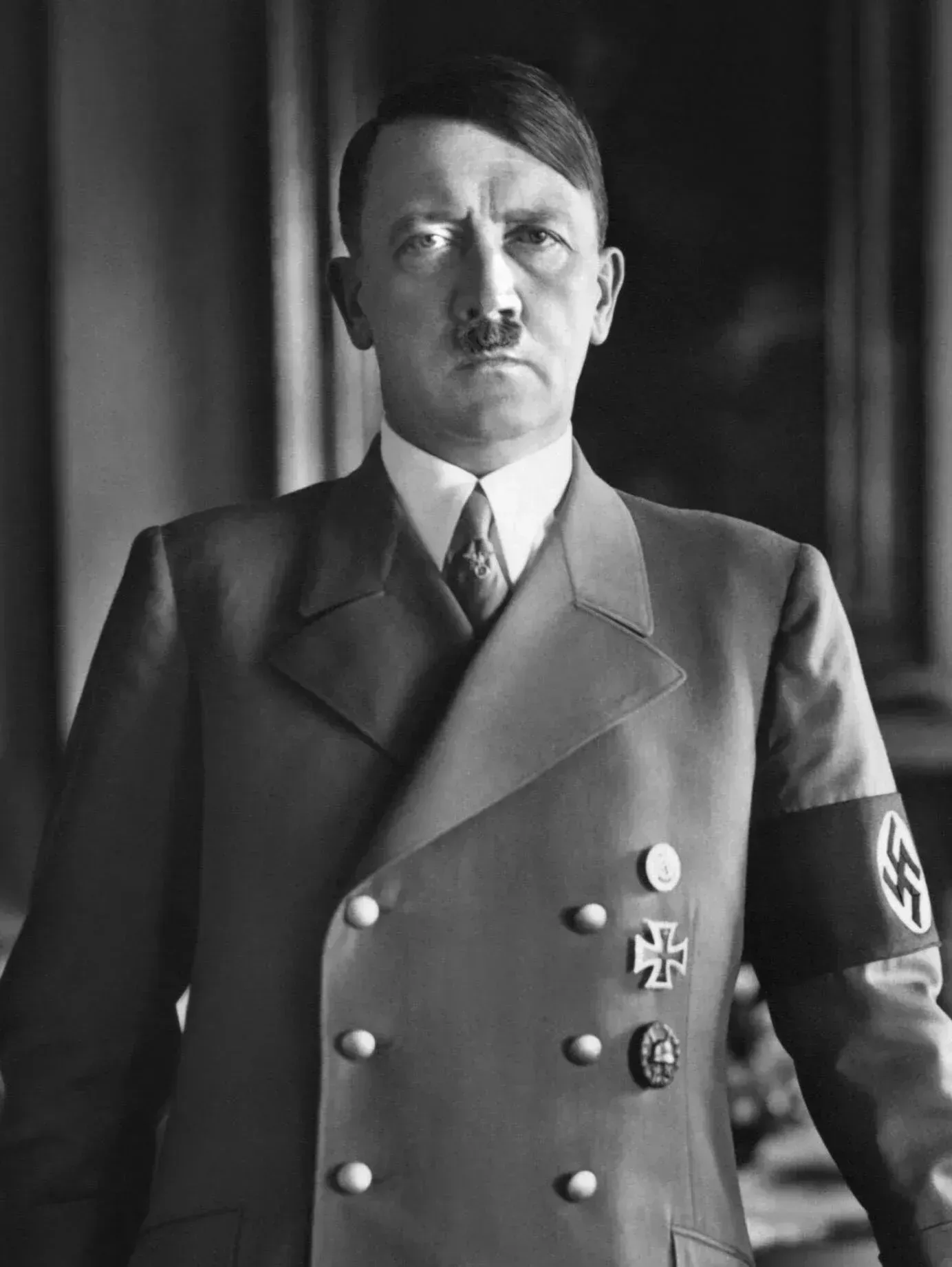
Adolf Hitler wasn’t far behind Stalin in the fear department. Psychiatrists diagnosed Hitler with paranoid and histrionic personality disorders. His entire worldview was built on perceived threats, enemies lurking in every shadow, conspiracies requiring preemptive strikes.
Hitler’s paranoia helped him influence the German masses who felt confronted with an insoluble problem following Germany’s defeat in World War I. He weaponized his own psychological disturbance, turning it into a tool of manipulation. Hitler trusted no one, not even his closest advisers.
The man who orchestrated the Holocaust and plunged the world into catastrophic war was himself consumed by fear. The paranoid delusions of manic-depressives lead to induced psychosis, and had Hitler succeeded in his grandiose ambitions he would have been on course to exterminate every human being, for ultimately everyone would have become his enemy.
Napoleon III and His Cat Phobia
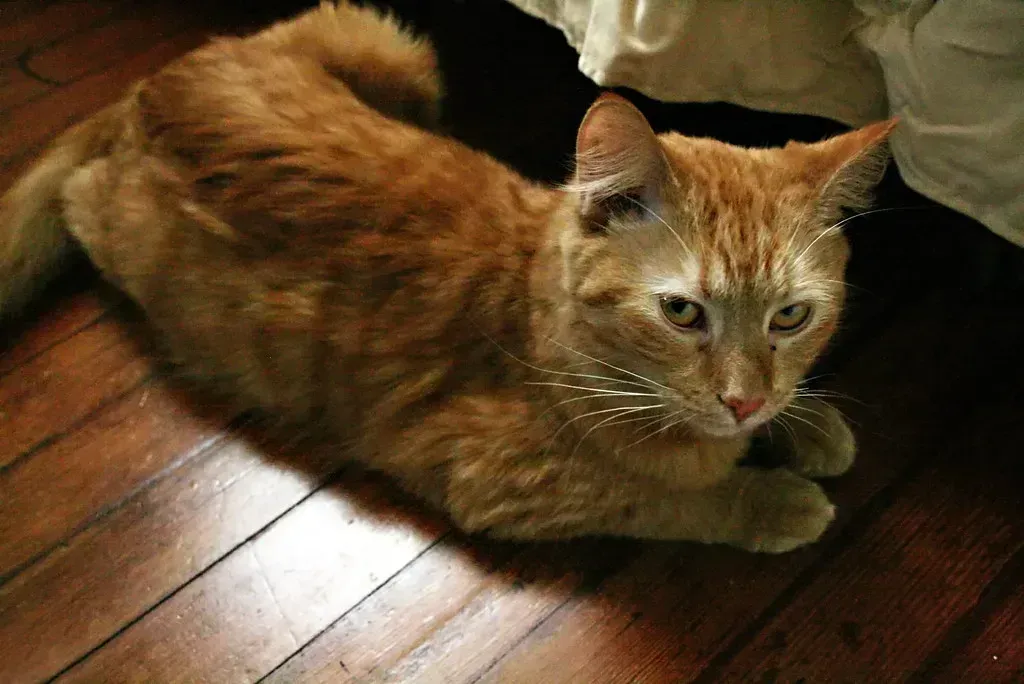
Now we get to something truly bizarre. Napoleon Bonaparte, that legendary conqueror, is often said to have been terrified of cats. Here’s where it gets interesting. Napoleon III had such a severe and irrational fear of cats that he would jump onto a piece of furniture if he saw a cat when he entered a room and would not come down until the cat was removed, and over time the first Napoleon was the one everyone remembered and his nephew’s phobia was eventually ascribed to him.
The confusion is understandable, honestly. Napoleon III’s ailurophobia was so intense that just seeing a cat would trigger a nervous response, and he was said to have jumped up on the furniture if a cat entered the room and would refuse to come down until the animal had been removed. Meanwhile, Napoleon Bonaparte was not afraid of cats, but he did not like or respect them because he liked dogs and appreciated their slavish loyalty to their masters.
Mussolini’s Fears and Mood Swings
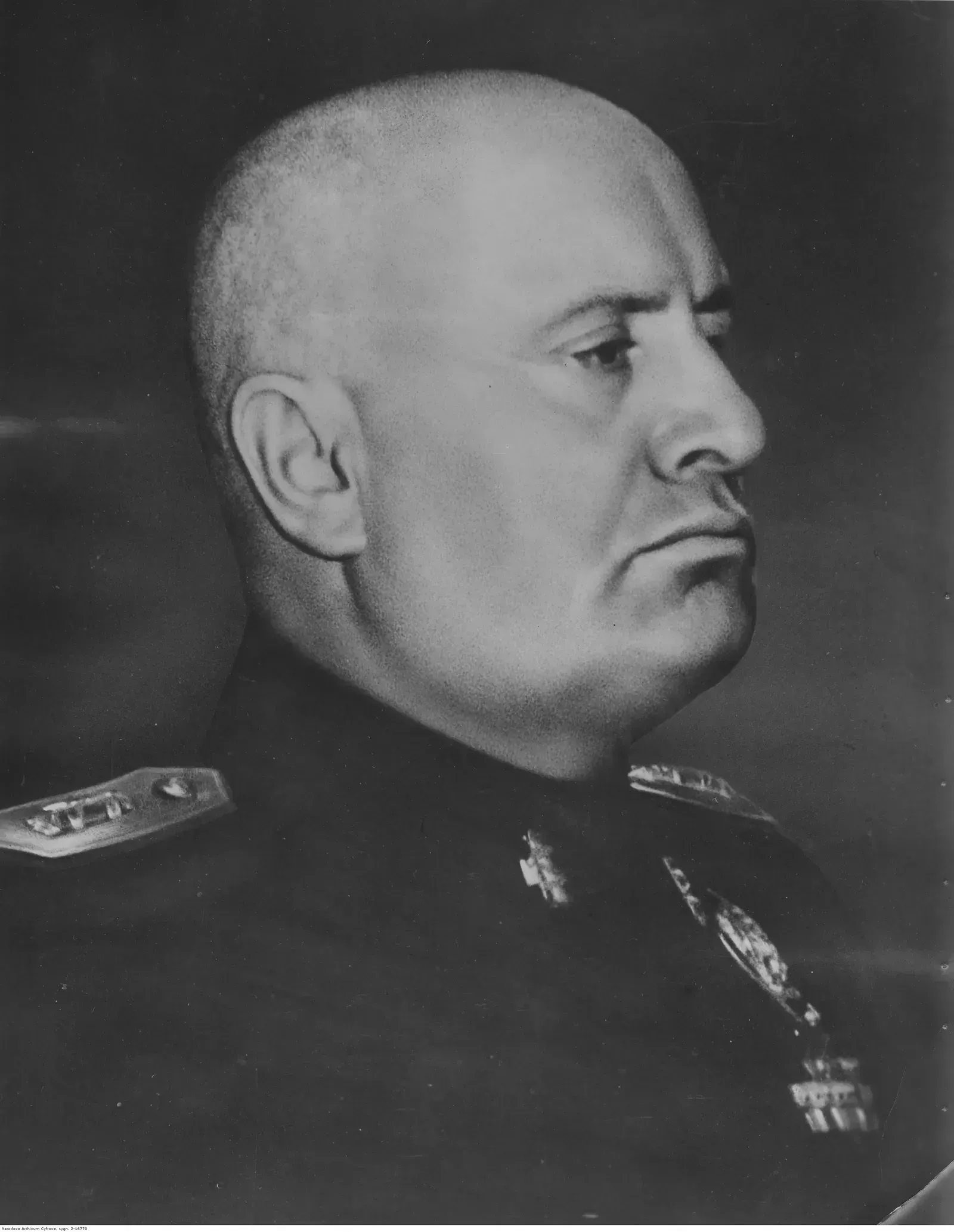
Benito Mussolini, Italy’s fascist dictator, projected an image of invincibility. In his euphoria and egotism Mussolini felt himself invincible. Yet beneath that bombast lurked something much more fragile.
Mussolini was a hypomanic who also had a paranoid streak characterized by intolerance and belligerency which he displayed even toward Italy itself. Mussolini’s moods sometimes swung to depression, and he was afraid a great deal of the time, and often said he knew not why.
This fear wasn’t rational or targeted at specific threats. It was pervasive, floating anxiety that contradicted everything he wanted the world to believe about him. Fascism has been described to be based on mass psychology and a personality with a mixture of paranoid, aggressive, and schizoid personality traits.
Mao’s Complex Relationship with Swimming
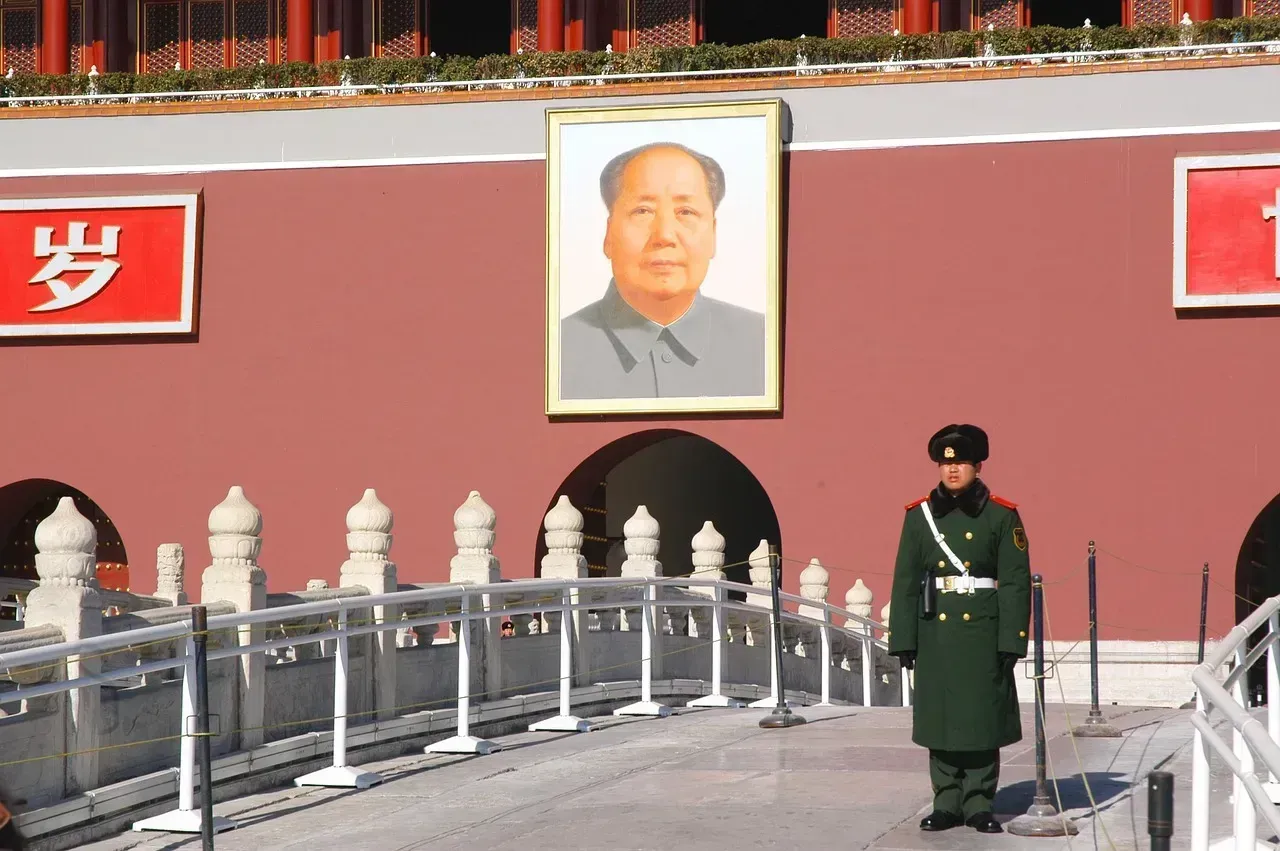
Mao Zedong presents a different case. Rather than exhibiting traditional phobias, he used physical activity to combat fears and project strength. Mao had a genuine love for swimming that began as an adolescent, when he would swim in freezing river water during the winter as a form of physical training.
The 72-year-old Chairman Mao chose to join 5,000 other swimmers in Wuhan’s annual Cross-Yangtze Competition to demonstrate that he was still vigorous, fit to lead his last revolution, and surrounded by six swimming bodyguards he stayed in the water for 65 minutes, drifting some ten miles downstream with the powerful current. Most of his advisers thought these swims were terrible ideas, and his personal physician described the panic among Mao’s security team and provincial officials, equally fearful of the Chairman’s wrath and what would befall them were Mao to be injured or drown.
Still, Mao’s fearlessness in dirty waters masked other anxieties about his political legacy and control.
Why Understanding Their Fears Matters Today
You might wonder why any of this matters in 2026. Here’s why it should concern us. History is rife with examples of seemingly benevolent leaders who transformed into ruthless dictators after seizing power, such as Joseph Stalin, Pol Pot, Muammar Gaddafi, and Mao Zedong, and these violent leaders throughout history highlight the dangers of assuming that an ostensibly benevolent dictator will rule with compassion.
Authoritarianism and autocracy thrive by exploiting universal psychological vulnerabilities, and the psychological toll of authoritarianism and autocracy is profound and destabilizing. When we mythologize dictators as superhuman monsters, we miss the warning signs that ordinary humans with deep insecurities can become extraordinary threats.
Research from 2023 shows that authoritarian followers were more likely to vote for Trump in the previous two elections, and authoritarian followers are a powerful force within the MAGA movement. The psychology hasn’t changed, only the names have.