Why Small-Date Lincoln Cents Are Gaining New Collector Interest
Rising Price Trends Are Turning Pocket Change Into Real Money
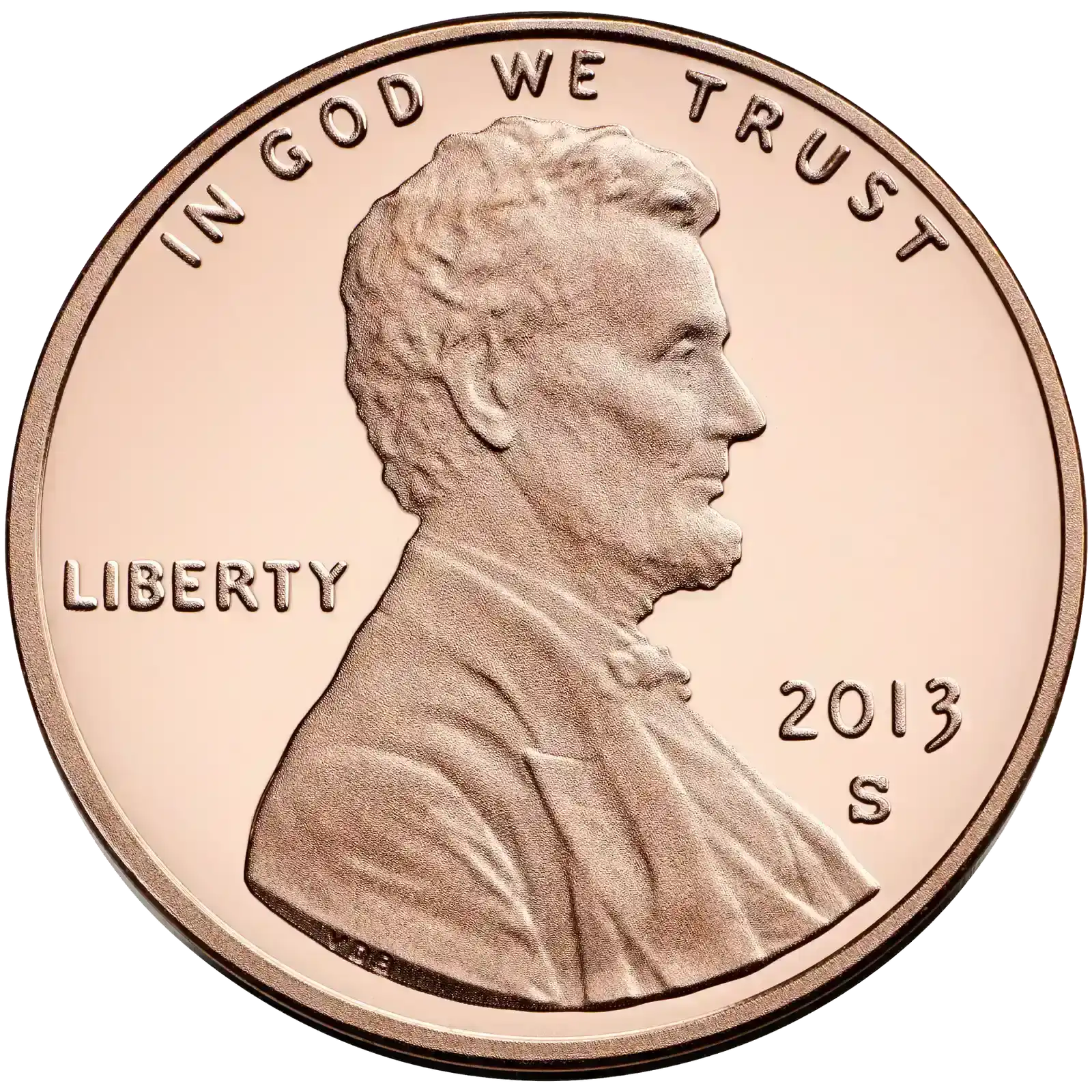
In the last few years, several small-date Lincoln cents that circulated as ordinary change for decades have started to show real price movement, especially in certified high grades. Auction records from 2023 and 2024 showed that top-population coins, like the 1960 small date cent in Mint State and proof formats, brought strong four-figure results, drawing attention from collectors who had once ignored them. Price guides and major dealers have noted that demand for high-quality small-date varieties has outpaced supply, particularly for coins graded at the very top of the scale with attractive color and minimal spots. This combination of modest mintages for certain varieties, relatively low survival of truly high-end examples, and more collectors chasing them has created a noticeable upward price trend that feels very different from a decade ago.
Key Small-Date Varieties Are Better Defined And Easier To Attribute
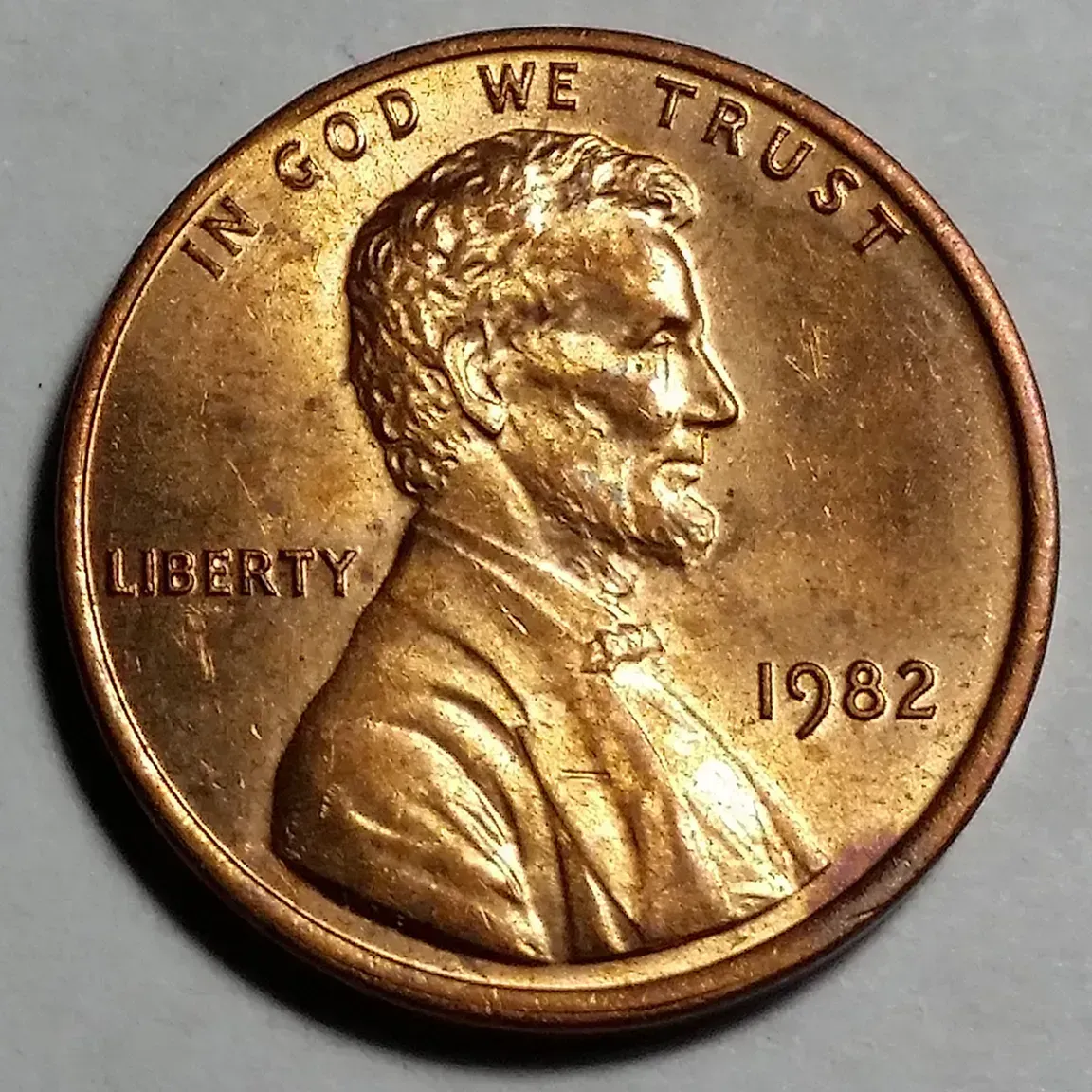
One reason small-date Lincoln cents are getting more attention is that the major varieties are now clearly documented and standardized across grading services and reference books. The classic example is the 1960 small date versus large date cent, where differences in the height and shape of the numerals are now illustrated in modern digital guides and dealer websites, making it easier for newer collectors to learn the diagnostics. The same is true for other date-size and style differences within the memorial cent era, where high-resolution images and third-party certifications reduce confusion that once discouraged casual hobbyists. As a result, more people feel confident hunting for these varieties in rolls, change, and online listings, because they can quickly confirm what they have instead of guessing.
Online Roll Hunting And Social Media Are Fueling Grassroots Hype
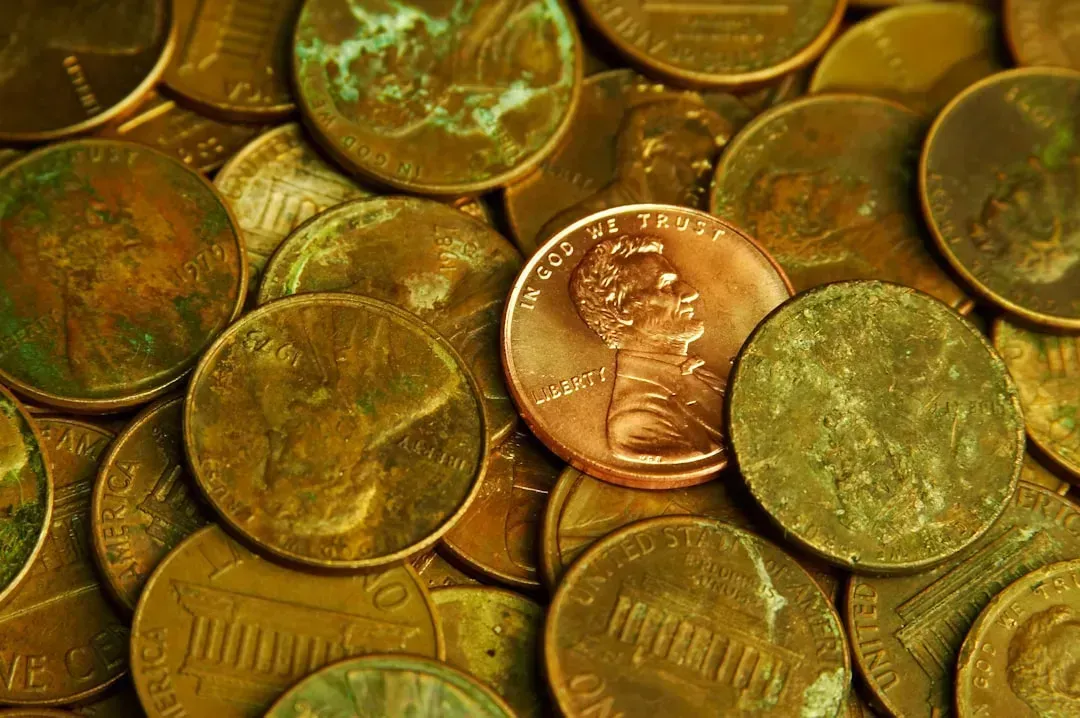
From around 2020 through 2024, online coin-roll-hunting videos and short-form social media posts have repeatedly highlighted small-date Lincoln cents as “sleeper” finds, especially when they show up in bank-wrapped rolls. Creators demonstrate side‑by‑side comparisons of small-date and large-date coins and then reference recent auction results or population reports to show why the smaller date style can be more desirable. This kind of content spreads quickly, and even if only a fraction of viewers become serious collectors, the overall effect is more people checking their jars and boxes of old cents for small-date examples. That grassroots energy, combined with easy access to online marketplaces, has created a steady stream of new buyers who might never have walked into a traditional coin shop.
Population Reports Reveal How Scarce True Top-Grade Pieces Really Are
Another factor driving renewed interest is the way third‑party grading data from services like PCGS and NGC highlight the genuine scarcity of superb small-date cents, even for dates that were originally minted by the billions. When collectors look at population reports for specific small-date varieties, they often see that only a very small fraction of certified coins reach the highest Mint State or proof designations with full red color. This stands in contrast to the perception that modern Lincoln cents are all common, prompting some buyers to treat the finest graded small dates as condition rarities worthy of registry set competition. As registry collecting has grown from roughly the early 2000s into the mid‑2020s, that competition for the best-graded examples has translated into strong premiums, which in turn draws even more attention back to these specific small-date issues.
New Generations See Small-Date Cents As An Affordable On-Ramp
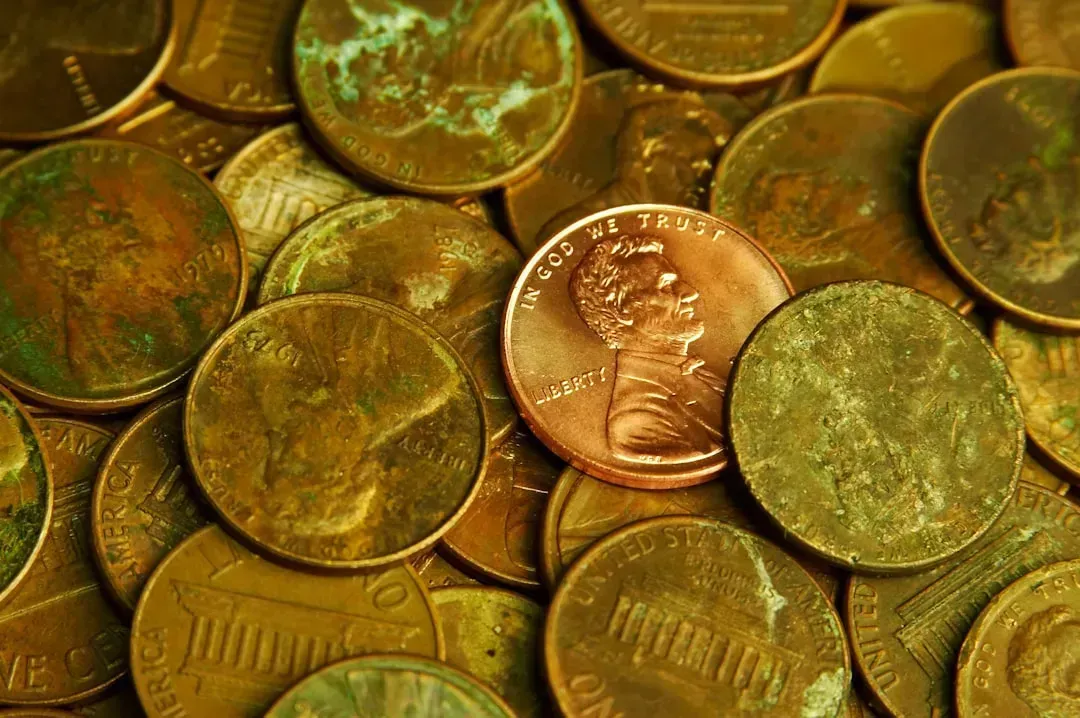
Finally, small-date Lincoln cents appeal to newer and younger collectors because they sit at an accessible price level while still offering real depth for study and investment. Compared to classic key dates that can cost hundreds or thousands of dollars even in modest grades, most small-date varieties remain affordable in circulated condition and can literally be found in pocket change or bulk cent lots. This lets people build mini-sets focused on a single year or design style, experiment with grading, and learn how small design changes affect value without risking large sums of money. In a hobby where major headlines often go to six‑figure rarities, small-date Lincoln cents provide a more approachable path, and that sense of attainable challenge is a big part of why collector interest has quietly but steadily increased into the 2023–2025 period.