8 Places That Offer More Than Just Scenic Views
Some destinations are easy to admire from a distance. You see the photos, you recognize the landscape, and you think you already know the place. The reality, though, is that the most memorable travel experiences tend to arrive not from the view itself, but from what lives just beneath it: the history, the human story, the craft, the quiet surprise of realizing a place is far more layered than you expected.
The eight places below share one common thread. They’re all genuinely beautiful. But beauty, in each case, is almost the least interesting thing about them.
Petra, Jordan: A City Built for the Living, Not Just the Dead
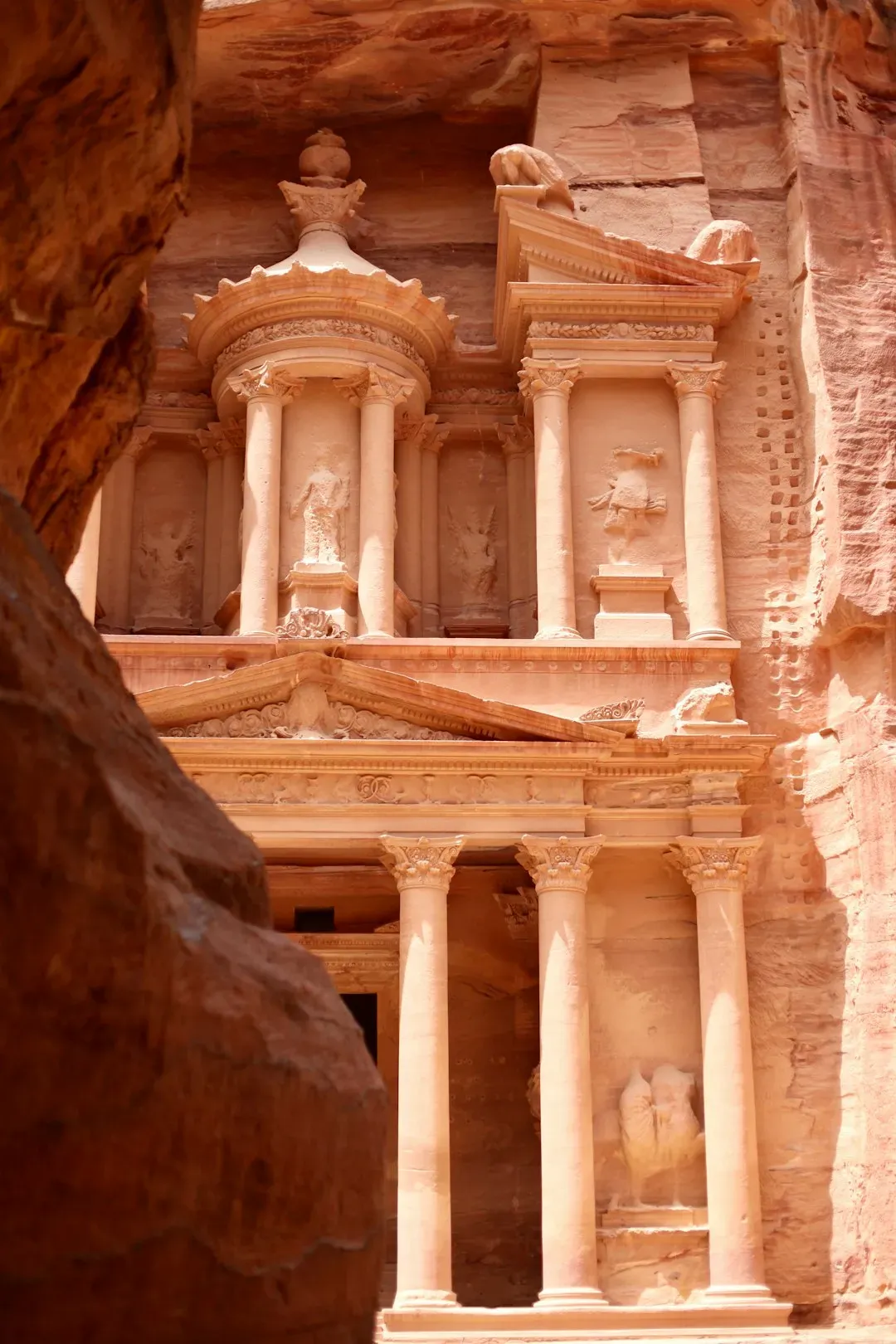
As visitors enter Petra through the winding gorge known as the Siq, they first behold the towering Treasury, carved from rosy-hued sandstone. For many tourists, the visit ends there. Yet Petra has much more to offer, including more than 600 stone facades and an intriguing list of clues about its past residents. Archaeologists have explored only around fifteen percent of the site, meaning the vast majority of the ancient city still waits underground.
Petra served as the capital of the Nabataean people for hundreds of years before the Romans annexed the kingdom around 106 AD. The ancient trade center once housed tens of thousands of people. Many of Petra’s monuments also align with celestial events. The Treasury catches sunlight during winter solstice, while the Monastery is illuminated during specific astronomical occurrences, suggesting intentional astronomical planning. That level of engineering intelligence, from a civilization most visitors couldn’t name before arriving, tends to stay with you long after the rose-red cliffs fade from view.
Marrakech, Morocco: A Living Museum That Refuses to Stand Still
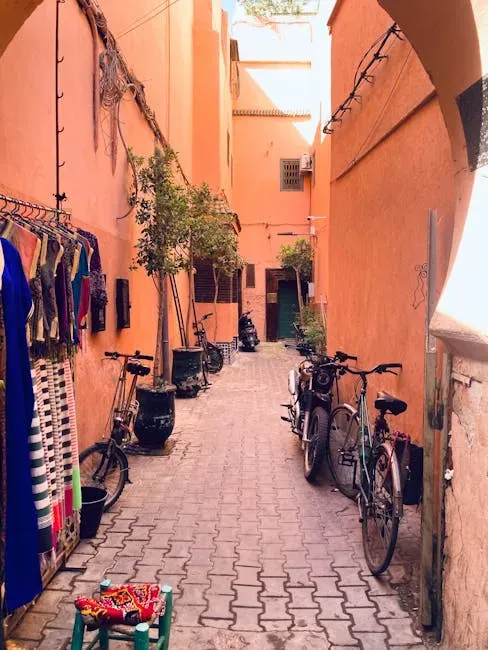
The heart of Marrakech lies in its historic city center, a UNESCO World Heritage site. For centuries, the medina acted as a political and economic hub whose influence radiated throughout the Middle East. Royals resided here, international trade took place here, and cultures developed here. As you stroll through this 11th-century labyrinth of alleyways, Marrakech’s history remains viscerally intact.
These UNESCO World Heritage sites offer far more than shopping. They’re pedestrian-only urban centers where artisans practice ancient crafts, families gather in hidden courtyards, and Islamic architecture tells stories spanning 900 years. The absence of cars creates acoustic environments where you hear conversations, craftwork, and calls to prayer instead of traffic noise. Donkeys and handcarts remain the primary transport for goods, maintaining logistical practices from medieval times. It’s one of the few places in the world that genuinely sounds different from anywhere else.
Gilgit-Baltistan, Pakistan: Where Altitude Meets Ancient Culture
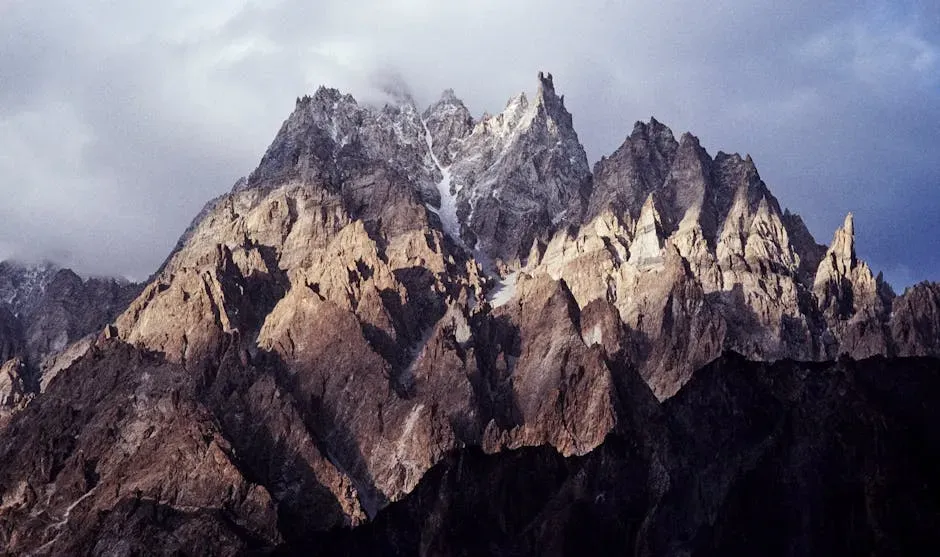
The Karakoram Mountains contain an outsized number of natural wonders: five of the world’s fourteen peaks above 26,000 feet, more than 7,000 glaciers, and one of the highest and most scenic roads on earth, the Karakoram Highway. Yet this part of northern Pakistan drew only eleven thousand visitors in 2023, or roughly seven percent of the international travelers who flock to the Himalayan towns and trails of nearby Nepal each year.
Gilgit-Baltistan is where the Karakorams and Hindu Kush converge, forming some of the world’s highest mountains. The region is home to Khowar, Shina, Wakhi, and Balti speakers, as well as those using Burushaski, a language related to no other. People throughout the region are quite warm and welcoming, often inviting visitors to stay in their homes and offering meals. The linguistic and cultural diversity alone makes a visit feel like crossing through several different worlds within a single landscape.
Kyoto, Japan: Ceremony as a Way of Life
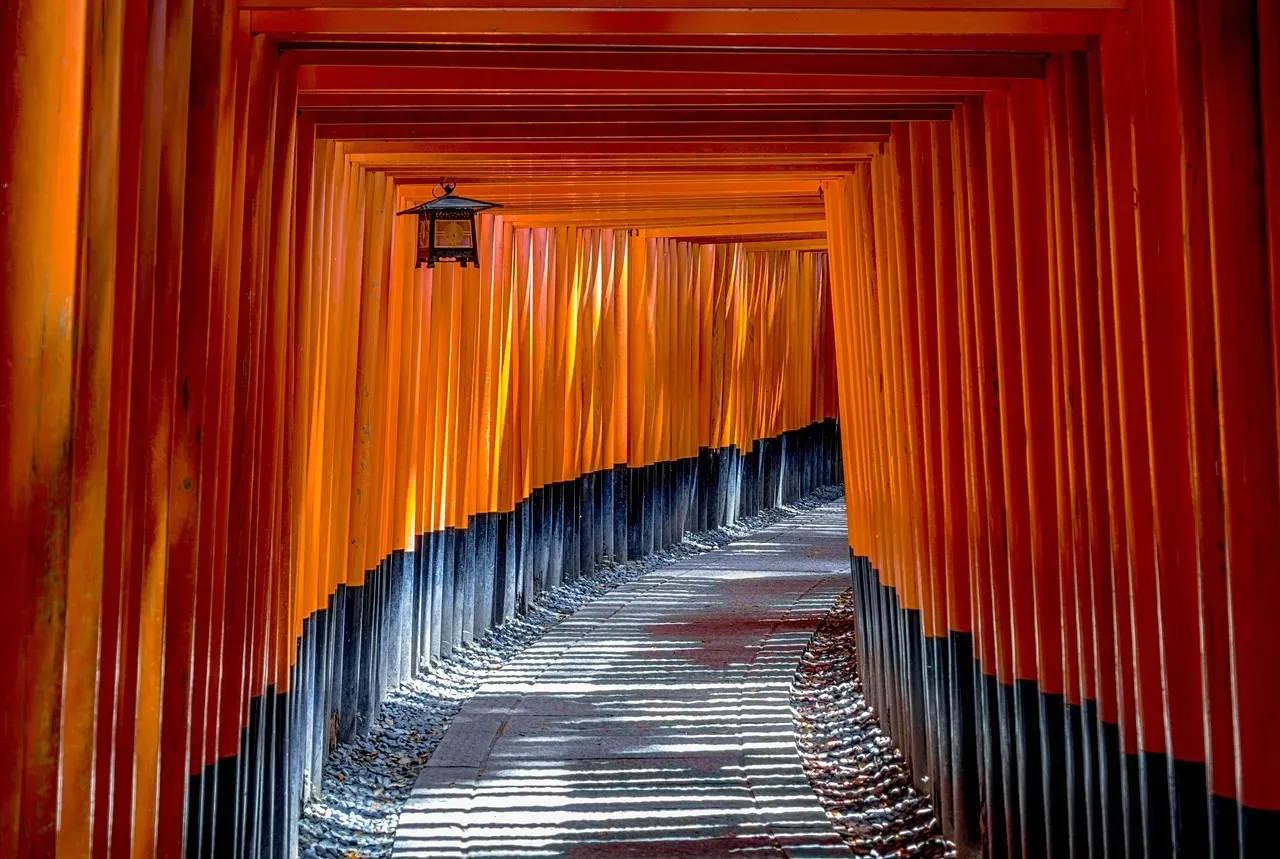
Kyoto, Japan’s ancient imperial capital, remains a cultural treasure trove. Its serene temples, traditional wooden teahouses, and bustling geisha districts provide a glimpse into Japan’s rich tradition. The Fushimi Inari Shrine’s iconic torii gates, the golden splendor of Kinkaku-ji, and the tranquil Arashiyama Bamboo Forest are must-visit heritage sites.
For culinary enthusiasts, Kyoto’s kaiseki dining, an intricate multi-course meal, showcases the artistry of Japanese cuisine. Visiting in summer allows travelers to experience the breathtaking Gion Matsuri, one of Japan’s most famous traditional festivals. Kyoto has become so overtouristed, however, that city officials are now closing certain streets in the historic Gion quarter, which is itself a reminder of how deeply the city’s cultural rhythms are felt by those who live within them.
Bosnia and Herzegovina: History Written Into Every Stone
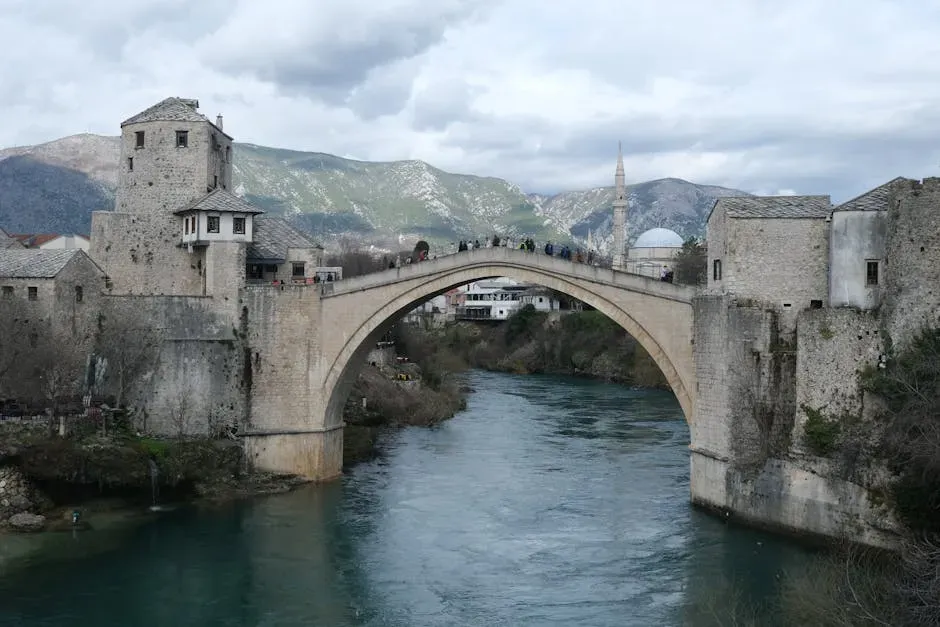
Bosnia and Herzegovina is being heralded as one of the rising stars of the Balkans and as a less-crowded alternative to Croatia. It offers a unique blend of cultures, historical significance, and outstanding landscapes, including the famous Stari Most bridge in Mostar and the untouched nature of the Dinaric Alps.
Bosnia and Herzegovina has a rich mix of Eastern and Western cultures, and its turbulent history has left it touched by a fascinating cultural heritage. While Sarajevo and Mostar are undoubtedly the jewels in its crown, there is so much to see and do here, with fine wines, glorious landscapes, delicious food, and much more. The country carries its history without polishing it into a comfortable narrative, which makes it one of the more honest travel experiences Europe currently offers.
Boone, North Carolina: A Mountain Town With Surprising Depth
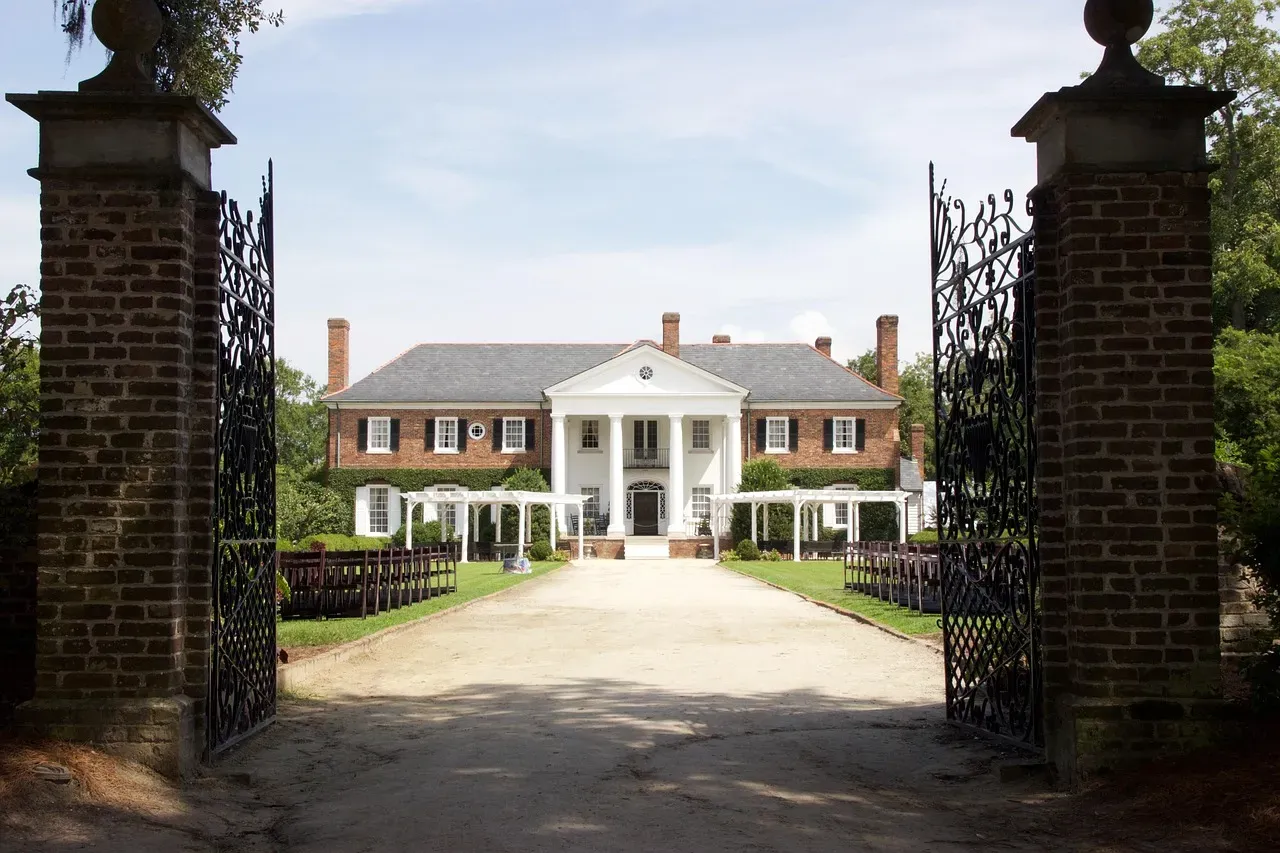
Cradled within North Carolina’s Blue Ridge Mountains, Boone emerged from geographical isolation with the arrival of the Tweetsie Railroad in 1919. Wealthy industrialists, such as Gilded Age denim magnate Moses H. Cone, built summer estates in the area, turning the sleepy village into a coveted destination. Today, Boone’s appeal endures as a gateway to outdoor adventure, about two hours north of Asheville.
Come for the scenic trails; stay for the Gilded Age history, flourishing creative arts scene, and river snorkeling. From a base in the spirited mountain town, you can hike the trails of 5,946-foot Grandfather Mountain, take in scenic stretches of the Blue Ridge Parkway by car, and go tubing, kayaking, and fishing in the New River. For a place that rarely makes international travel lists, it punches well above its weight in cultural texture and natural variety.
Luang Prabang, Laos: Quiet Depth in Southeast Asia
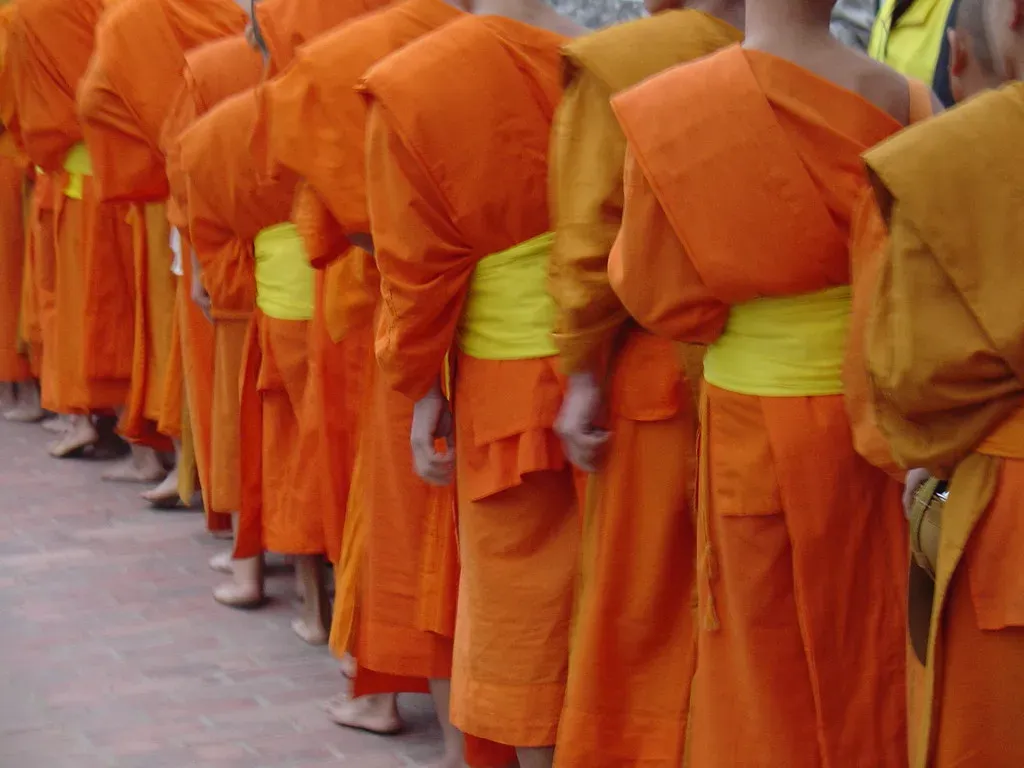
Tucked away in the heart of Laos, Luang Prabang is a tranquil town that feels like a world away from the hustle and bustle of Southeast Asia’s larger cities. The town sits at the confluence of the Mekong and Nam Khan rivers and has been a UNESCO World Heritage Site since 1995, recognized for its remarkably intact traditional architecture and its living Buddhist culture, including the daily almsgiving ceremony where monks walk in silent procession through the streets at dawn.
The experience of witnessing that ceremony, known locally as tak bat, is not a performance staged for visitors. It’s a practice that has continued without interruption for centuries. Immersing yourself in captivating traditions, vibrant festivals, and authentic encounters can genuinely ignite the senses, broaden horizons, and create memories that last a lifetime. Discovering the true essence of a culture as you explore its rich heritage and connect with locals brings centuries-old customs to life. Luang Prabang is among the quieter, more sincere settings in which to do that.
Guadalajara, Mexico: The City That Invented an Icon

The quintessentially Mexican music of mariachi, featuring costumed bands playing stringed instruments and trumpets, originated in Jalisco in the 19th century and has been added to UNESCO’s list of Intangible Cultural Heritage. You can experience it firsthand in Guadalajara, Jalisco’s state capital, which hosts the International Mariachi and Charrería Festival for two weeks every August and September.
Some 500 mariachis perform in the Teatro Degollado and public squares, with parades, music workshops, and thrilling rodeo competitions of charrería, Mexico’s national sport. Beyond the festival, Guadalajara holds its own as a city of museums, colonial architecture, and one of Mexico’s most vibrant food scenes. It’s the kind of place that consistently rewards visitors who take a little more time than the obvious itinerary demands.
Travel, at its best, is about the layer beneath the layer. Scenic beauty is the opening line; the story, the culture, and the people are what the rest of the book is made of.