6 Grocery Items That Are a Waste of Money, According to Experts
Grocery bills have become a genuine source of stress for millions of households. According to the Bureau of Labor Statistics Consumer Expenditure Survey, the average American household spent about $6,220 on food at home in 2024, which works out to roughly $518 per month. That is a serious chunk of any family’s budget, and a large portion of it gets spent on items that financial and nutrition experts say simply are not worth what you are paying.
The tricky part? Most people do not even realize it is happening. They roll down the aisles, toss in the same items they always buy, and never stop to ask whether those choices actually make sense. Some of the biggest money-wasters in your cart may surprise you. Let’s dive in.
1. Pre-Cut and Pre-Washed Vegetables
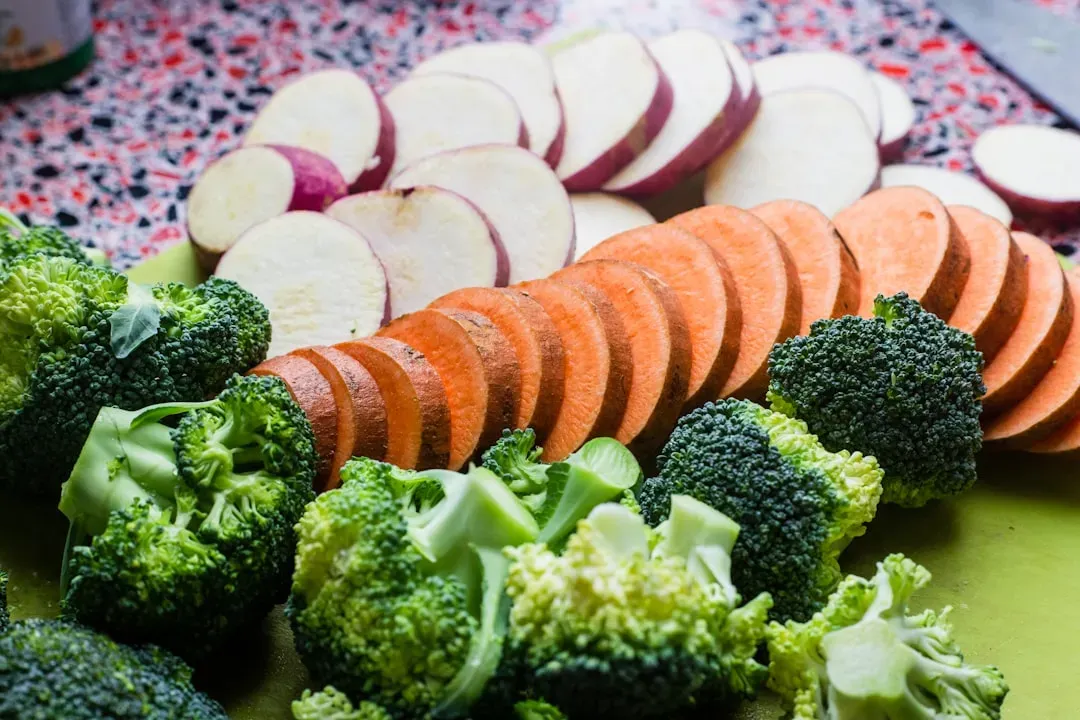
Let’s be real, the idea of grabbing a bag of ready-to-cook broccoli florets or a tray of neatly diced onions feels like a lifesaver on a Tuesday evening. But that convenience comes at a steep price. The fact is you are paying a significant premium for pre-cut vegetables, and the top reason for that higher price is labor, pure and simple.
Those pre-cut veggies get extra washes, they are sometimes peeled, and they are sliced and diced for you. On top of that, they need to be packaged since they cannot just roll freely on the shelves. That is extra time and extra material cost along with the extra labor, tallying up fast and leaving you saying goodbye to a bigger chunk of your wallet.
More consumers are turning to value-added produce, including pre-cut and washed vegetables and packaged salads, which provide convenience but typically come with a higher price point per pound. Think of it this way: spending ten minutes with a knife on a Sunday afternoon is the equivalent of giving yourself a meaningful pay raise each week. The whole vegetable is almost always a far better deal.
2. Name-Brand Products Over Store Brands
This one stings because we all have our favorites. The box of cereal with that familiar tiger on it. The pasta sauce that sat on grandma’s shelf. Honestly, it is mostly marketing and nostalgia doing the heavy lifting here. When it comes to quality, many store-brand items are manufactured by the same companies that produce the name-brand versions. Some generic products come from the same production lines, meaning you are getting the same product without the hefty price tag.
Studies consistently demonstrate that shoppers save roughly one-third or more on grocery and household items by selecting store brands over national brands. That is a genuinely significant number when applied across an entire grocery cart. It is estimated that U.S. consumers save more than $40 billion a year on grocery and household purchases by opting for the store brand over the national brand version of their favorite products.
Most store brands contain the same ingredients and nutrient counts as national counterparts. Appearance may be the only difference. Store-brand cornflakes might be slightly smaller. The pasta might not be as uniform. Who actually cares? Your wallet certainly does not.
3. Bottled Water
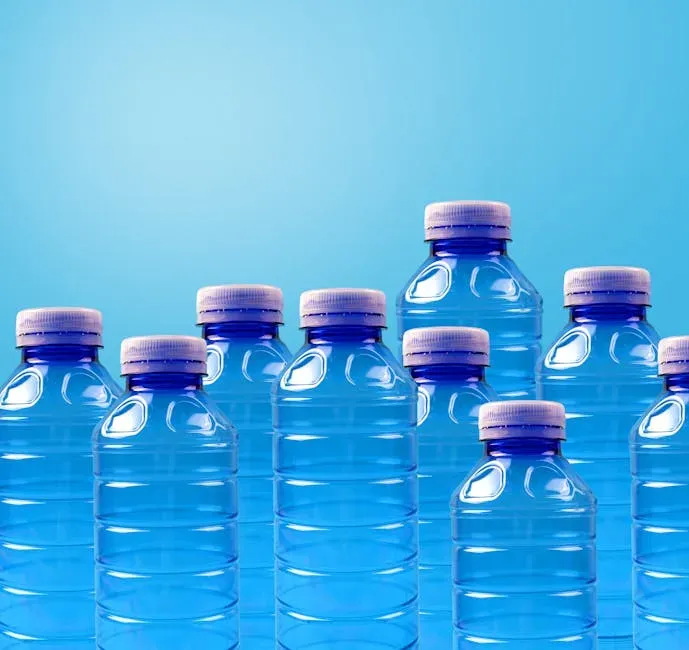
Here is the thing: buying cases of single-use plastic water bottles at the grocery store is one of the most quietly expensive habits a household can have. It does not feel expensive in the moment because you are just grabbing a case for twelve or fifteen dollars. Over a full year, though, the bill is shocking. Families still spend roughly thirty to sixty dollars monthly on bottled water delivery or store purchases, and a switch to filtered water systems could save a family of four approximately $1,416 each year.
While many people prefer the taste of bottled water over tap water, what they may not realize is that their bottled water comes at a premium hundreds or even thousands of times higher than the equivalent cost of tap water. Daily consumption of tap water as the primary drinking water source costs around one dollar for males on average throughout the United States. In contrast, even the lowest estimates for the average cost of bottled water make it hundreds of times more expensive.
The environmental dimension makes this even harder to justify. Americans throw away about 60 million plastic water bottles every day, and less than thirty percent get recycled. Beyond the environmental toll, a groundbreaking 2024 study published in the Proceedings of the National Academy of Sciences found that a single liter of bottled water contains, on average, 240,000 microscopic plastic fragments. Investing once in a reusable bottle and a basic water filter is both smarter and dramatically cheaper.
4. Organic Produce Across the Board
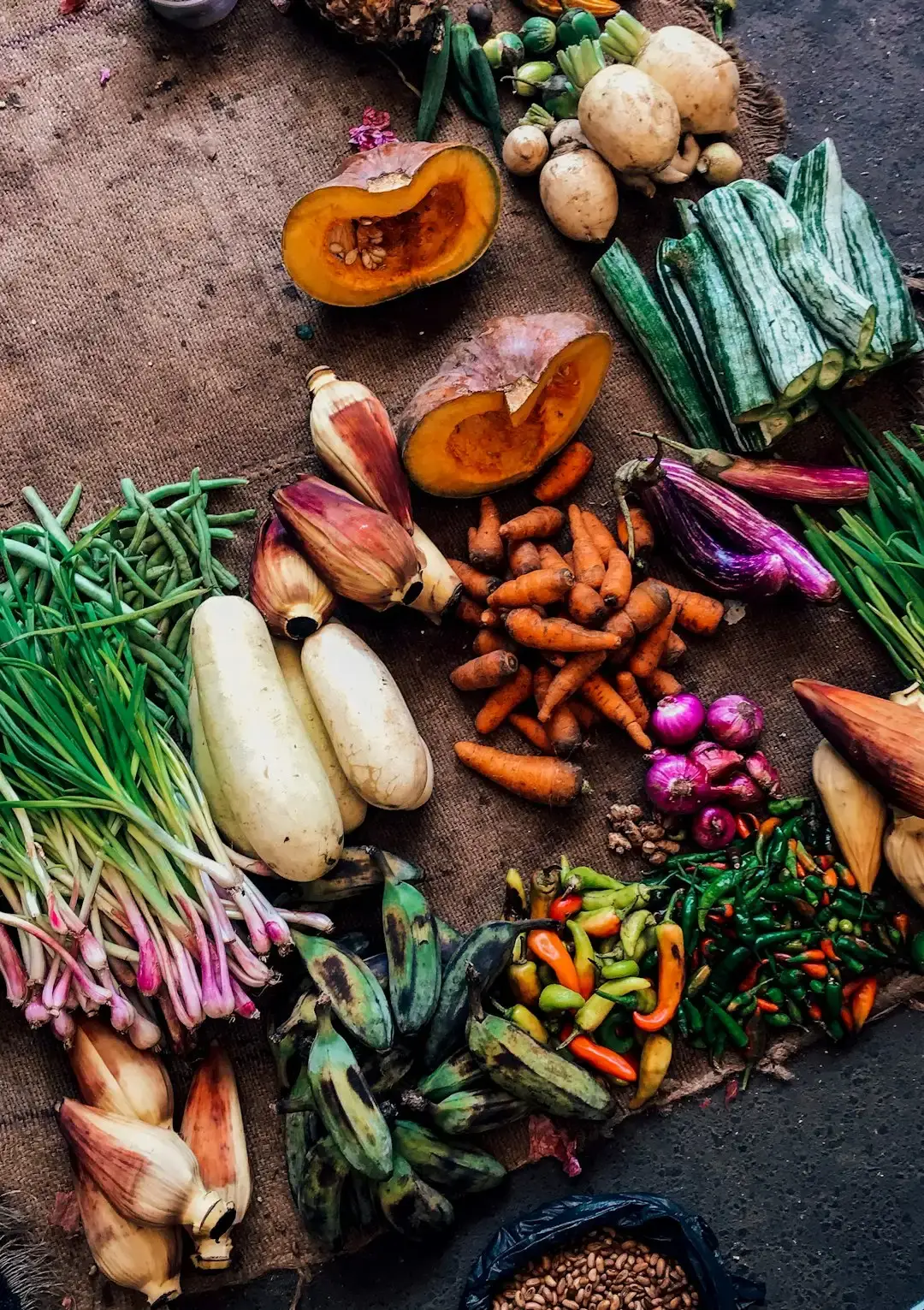
Organic food carries an almost aspirational quality in grocery stores today. The label signals health, responsibility, and care. The price, however, is something else entirely. Organic fruits and vegetables cost an average of 52.6 percent more than their conventional produce counterparts, according to an analysis of late January 2024 and January 2025 USDA data.
It’s hard to say for sure whether it is always worth that premium, because the health science is genuinely murky. There are conflicting reports about the health benefits of organic fruits and vegetables, and apart from lowering your exposure to pesticide residues, it is unclear whether organic food is actually better for you. There is no strong evidence that organic food is universally better for you. That said, organic farming may be good for the environment and can reduce your exposure to pesticides. Ultimately, eating more fruits and vegetables is more important for your health than choosing organic options.
The smarter play is targeted rather than blanket organic buying. Certain items, particularly those with thick outer skins you peel away anyway, offer little advantage when purchased as organic. Items like pineapple, avocados and onions have the lowest amount of pesticides, so these foods do not necessarily need to be labeled organic. Foods with a higher amount of pesticides include potatoes, blueberries, spinach and kale, so if you are concerned about pesticides, those may be where you focus your organic spending.
5. Out-of-Season Fresh Produce
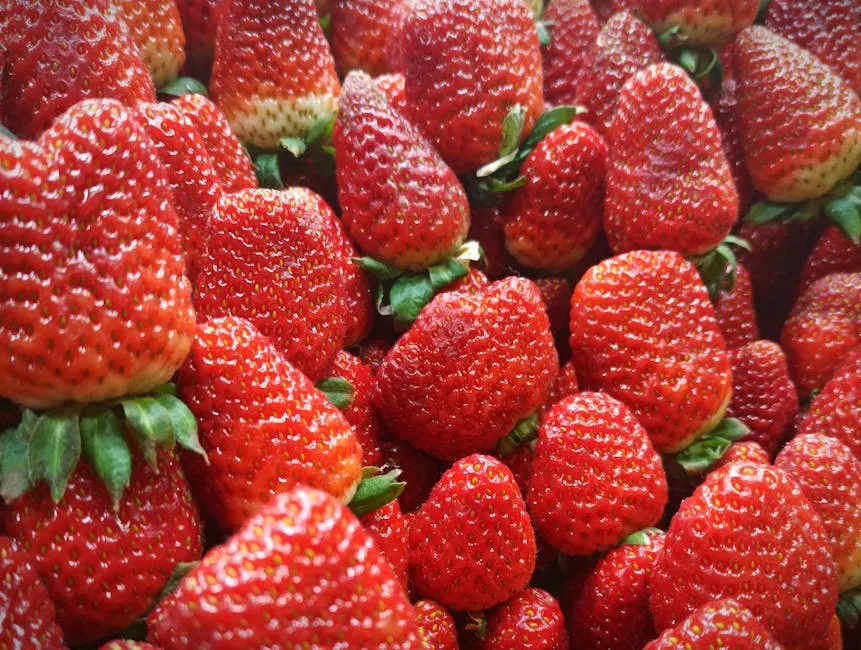
Strawberries in January. Watermelon in November. These purchases feel innocent enough, but experts say buying fresh produce completely out of season is one of the fastest ways to drain your grocery budget without realizing it. Buying summer fruits like strawberries, blueberries and melons in the winter will cost you a significant premium since they are being shipped from farther away. For example, at one grocery store, a pint of strawberries priced at $1.99 over the summer jumped to $4.99 in October.
The cost of strawberries skyrockets every winter. Between June 2023 and January 2024, strawberry prices per pound increased by 46 percent to $3.66 per 12 ounces, before dropping back to $2.34 per 12 ounces by August 2024. That price swing is staggering. Think of it as the grocery store charging you a travel tax because someone put those berries on a truck from thousands of miles away.
The smarter alternative is not to go without. Frozen fruits and vegetables are frozen at peak ripeness, which often makes them nutritionally comparable or even superior to fresh produce that has traveled long distances. Financial experts recommend purchasing only items that are in season: ditch strawberries in fall in favor of seasonal fruits like apples and pears. In winter, it is time to switch to oranges and pineapples. Buy fresh in season, buy frozen the rest of the year. Simple, cheaper, and honestly just as good.
6. Single-Serving and Individually Packaged Snacks
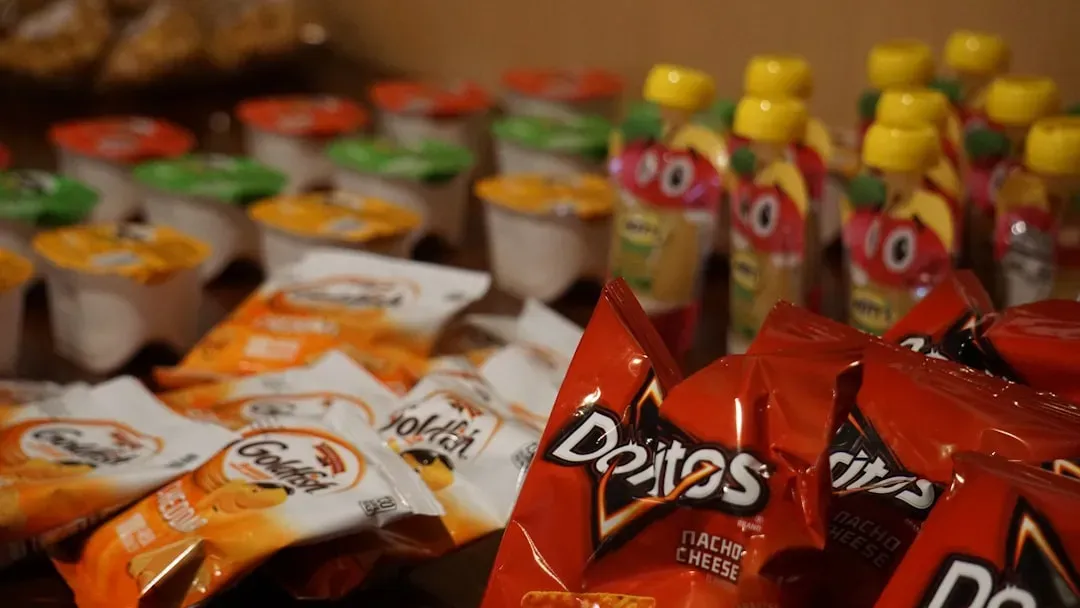
Walk through any grocery aisle and you will see it: tiny packs of crackers, individual-portion bags of chips, snack-sized servings of everything imaginable. They are brilliant from a marketing standpoint. From a budget standpoint, they are genuinely ridiculous. You are essentially paying the grocery store for someone to have already grabbed a handful from a bigger bag and wrapped it for you.
Buying nuts and beans in bulk makes sense per pound. Compare pricing to snack packs or smaller bags, and stash them in a cool, dry place. The cost difference between a bulk container and its individually packaged equivalent is often dramatic. Think of it like buying coffee by the cup versus buying a bag of beans. You would never pay café prices at home every single morning.
In 2026, overall food prices are predicted to rise another 3.6 percent, which means every dollar of unnecessary spending adds up even more quickly than it did a year ago. Convenience packaging is one of the most invisible budget drains in the grocery cart. Investing in a set of small reusable containers and buying in bulk from a larger package takes five extra minutes and can save a meaningful amount each month. It sounds too simple. That is exactly why it works.