9 Things Bartenders Notice Before You Even Order
You walk into a bar, scan the room, maybe pull out your phone or lean against the counter. You think nobody’s watching. Here’s the thing, though – someone absolutely is. The moment you cross that threshold, a trained pair of eyes has already started reading you like an open book.
Bartenders are, professionally speaking, among the sharpest people-readers alive. They have to be. Years behind the bar builds an almost instinctive radar for human behavior, and what they clock about you before you even open your mouth might honestly surprise you. Let’s dive in.
1. How You Walk Through the Door
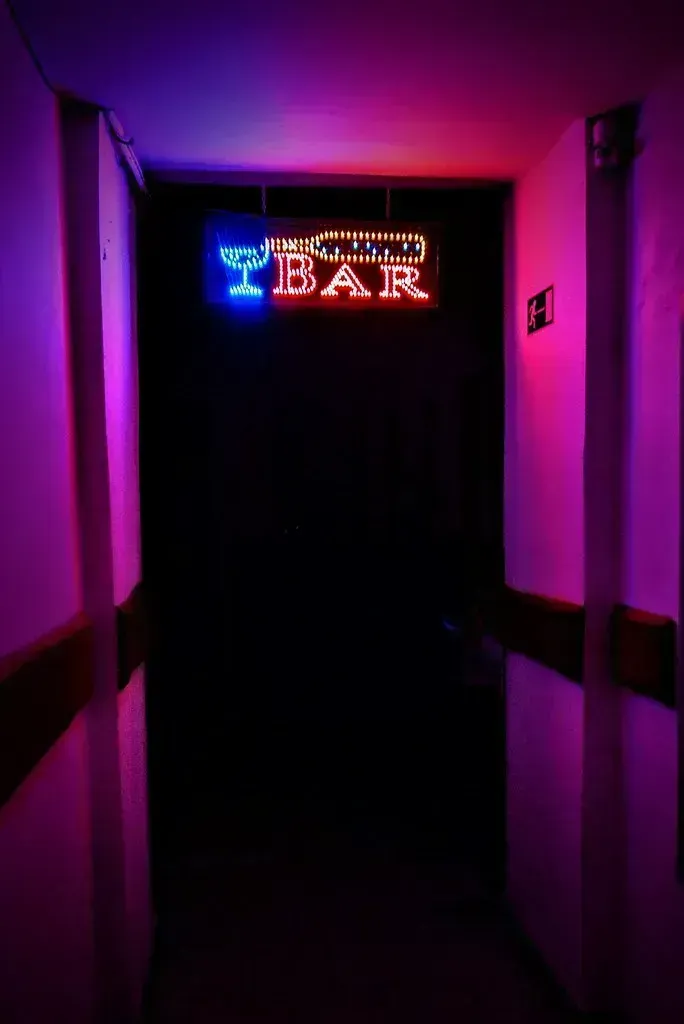
It sounds almost too simple, but your walk tells a bartender a tremendous amount in the very first second. One of the first things bartenders scan for is how inebriated someone is when they come in. If you’re disheveled, slurring your words, or walking in a strange way, a good bartender will likely offer you water or a nonalcoholic drink rather than serve you another round.
This isn’t just intuition either. Bartenders must observe customers, identify those who are intoxicated or underage, and deny them service – it’s literally part of the job description according to the U.S. Bureau of Labor Statistics. It should be common practice for bartenders to presume customers have been consuming alcohol prior to entering the venue, and to proceed with caution.
2. Your Body Language and Posture
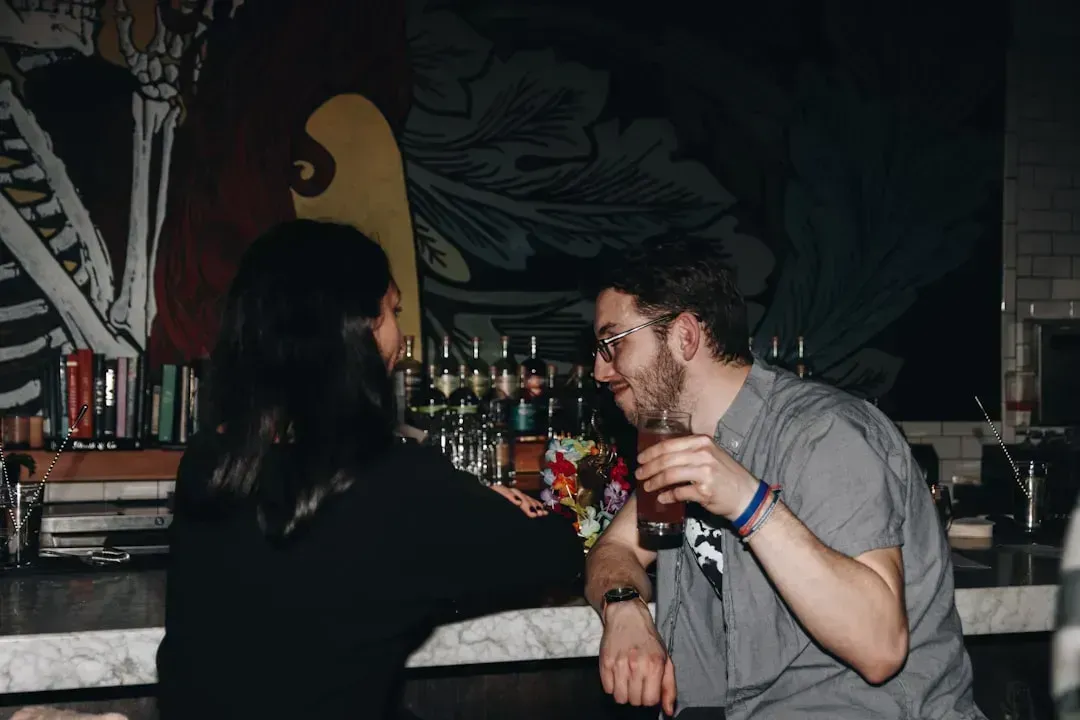
Beyond intoxication, the way you carry yourself signals confidence, mood, and even intent. It’s not just your level of inebriation they’re noticing. The way you enter a bar and your overall body language can show whether you’re comfortable there and know what you want, or if you might need a drink suggestion or other guidance.
Think about it like this. A person who strides in, plants themselves at the bar, and scans the menu is sending one signal. Someone who hovers near the entrance looking nervous is sending another. A bartender must understand the body language of customers as well as their verbal cues so that they can adjust accordingly. That adjustment starts before a single word is spoken.
3. Whether You Make Eye Contact

Eye contact is a quiet but powerful communication tool in a bar setting – probably more powerful than most customers realize. Eye contact is a tool. Brief eye contact helps you get noticed in a busy bar. It also signals you are ready to order. Staring intensely feels demanding, while looking away every time the bartender glances over can make you seem unsure or uninterested.
The way to get attention is to be attentive. If you pay attention while waiting, a bartender will notice. When making drinks, they are scanning the bar for all the eyes on them and making eye contact with everyone who’s looking at them. Honestly, this is one of the most straightforward ways to get faster, better service – and most people completely overlook it.
4. How You Treat People Around You
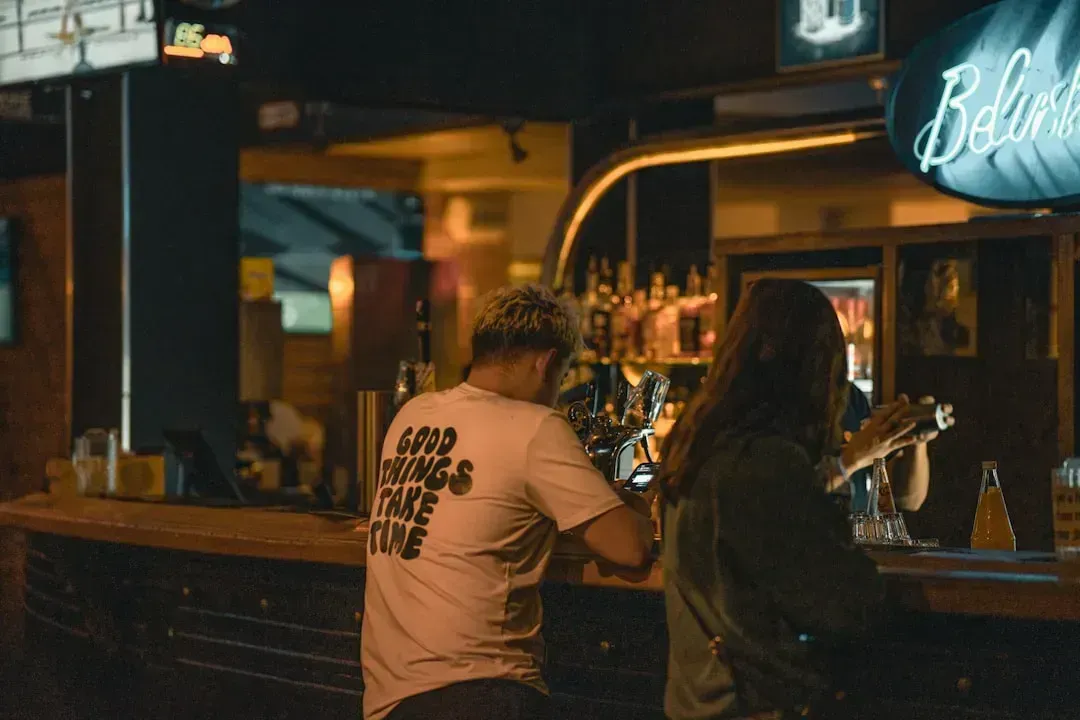
Bartenders don’t just observe you in isolation. They watch how you interact with whoever you came with, how you treat the people around you, and whether you seem like someone who’s going to add to or subtract from the energy in the room. When you’re with friends, your hello becomes a group signal. If you approach as a unit and one person barks the order, the bartender may assume the whole group runs hot. If one person says they’re all set to order when the bartender is ready, the group comes across as easygoing.
It’s hard to say for sure, but many seasoned bartenders will tell you they can spot a difficult table before anyone has even sat down. Bartenders are a combination of mixologist, server, nurse, janitor and therapist, so their people-watching skills are top-notch. That empathy and awareness get applied immediately, in those first few seconds.
5. Whether You Seem to Know the Venue
There’s a real difference between someone who walks in like they’ve been here a hundred times and someone who walks in completely lost. A venue and its vibes can be appropriate for first dates and particular occasions. If you’re there on a first date, bartenders often know from the moment you pass through the doors. They can see how uncomfortable a person feels with someone they are meeting for the first time.
Whether it’s a first date, a work function, or a solo visit to decompress, the context of your arrival tells bartenders what kind of service you’ll likely need. Bartenders anchor to baseline cues. If it’s a customer’s first visit, they anchor to demographic and environmental cues like time of day, group size, and attire. It’s not guesswork – it’s pattern recognition honed over thousands of shifts.
6. The Science Behind It – “Thin Slicing”

What bartenders do instinctively has an actual name in psychology. Thin-slicing is a term used in psychology and philosophy to describe the ability to find patterns in events based only on narrow windows of experience. The term refers to the process of making very quick inferences about the state, characteristics, or details of an individual or situation with minimal amounts of information.
Research has found that brief judgments based on thin-slicing are similar to those judgments based on much more information. Judgments based on thin-slicing can be as accurate, or even more so, than judgments based on much more information. The term “Thin Slice,” first coined and defined by Ambady and Rosenthal (1992), is a brief sample of behavior, not exceeding five minutes in length, extracted from the full-length behavioral stream. Bartenders, whether they know this term or not, are master thin-slicers.
7. Your Level of Urgency and Patience
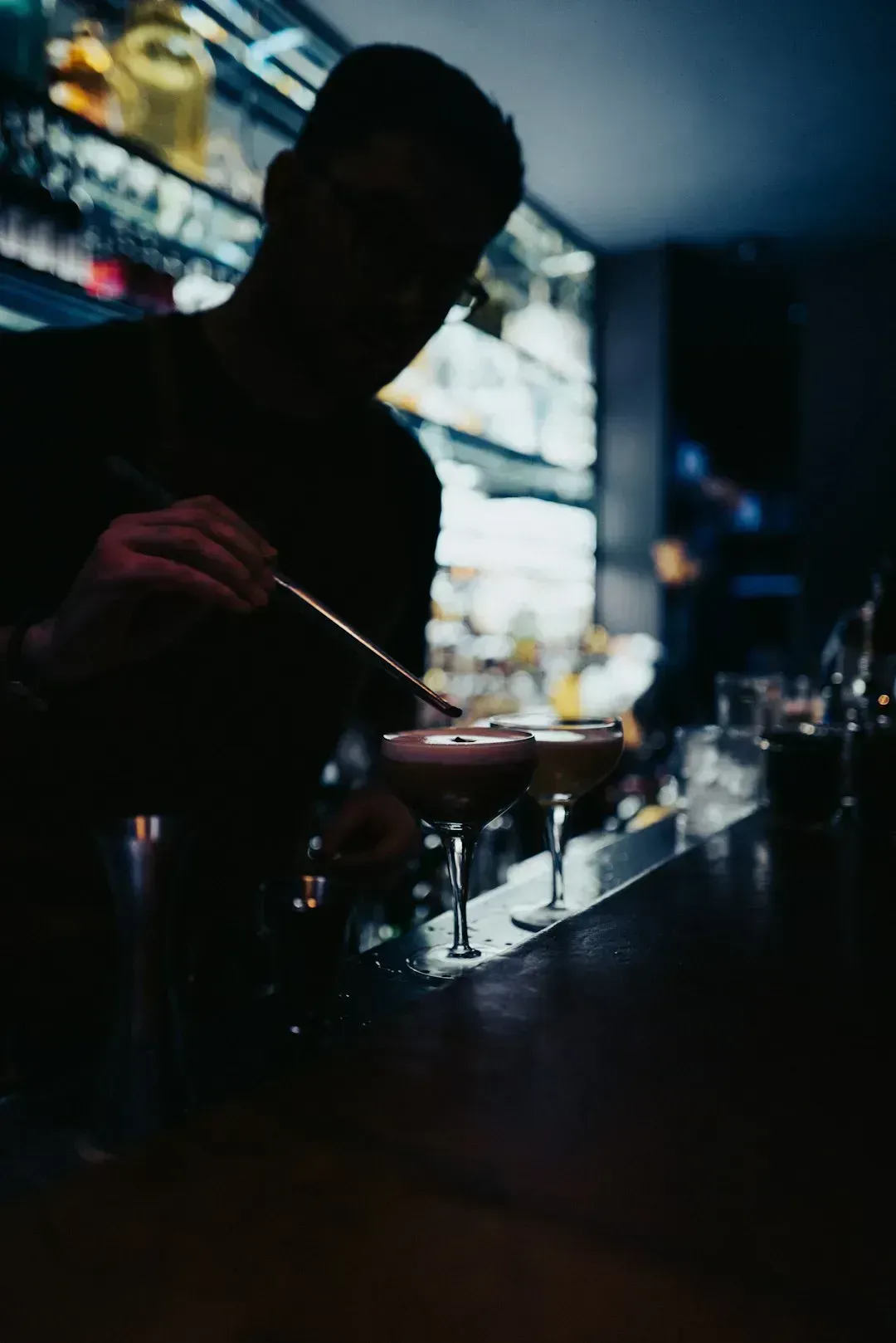
Let’s be real – impatience radiates. A bartender can read the difference between someone who is calm and ready versus someone about to snap their fingers or wave a hand in the air from clear across the room. If you lean in while the bartender is mid-pour and say “Excuse me” five times in a row, it can feel like pressure. If you catch their eye and lift a finger slightly, it reads as patient and socially aware.
The words you choose before you even place an order can set the entire tone of the interaction. Your choice of words can signal respect. “Whenever you have a second” is a small phrase that tells someone you see the workload. Bartenders remember that kind of courtesy. Small gestures like this stick, and they influence how attentive your service will be for the rest of the night.
8. Whether You’re on Your Phone
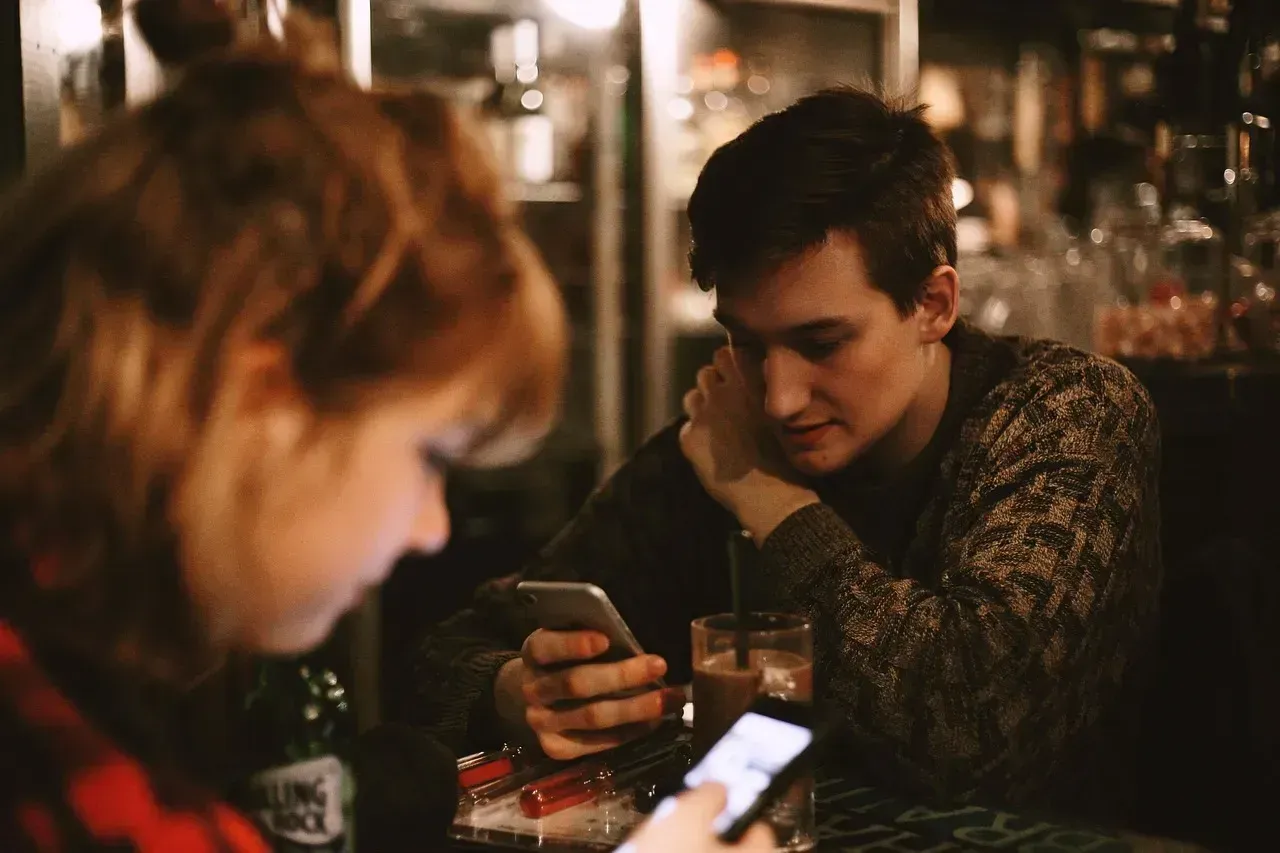
Phones are everywhere, obviously. Still, a customer who walks up to the bar and immediately buries their head in a screen sends a very specific message. It signals distraction, and it can actually delay your service. It can be very frustrating when you arrive at a busy bar and feel like the bartender has no idea you’re waiting. No matter how busy it is, bartenders know it’s important to always acknowledge when a new customer has arrived – but they also need you to be present when they finally do come over.
There’s also a social dynamic at play. The longer you work a bartending job, the better you get at reading people. Understanding the customer not only helps serve them better, but it’s also about getting to know people. A customer glued to their phone is harder to read and harder to connect with – and connection is literally what this profession runs on.
9. The Vibe You Bring Into the Room
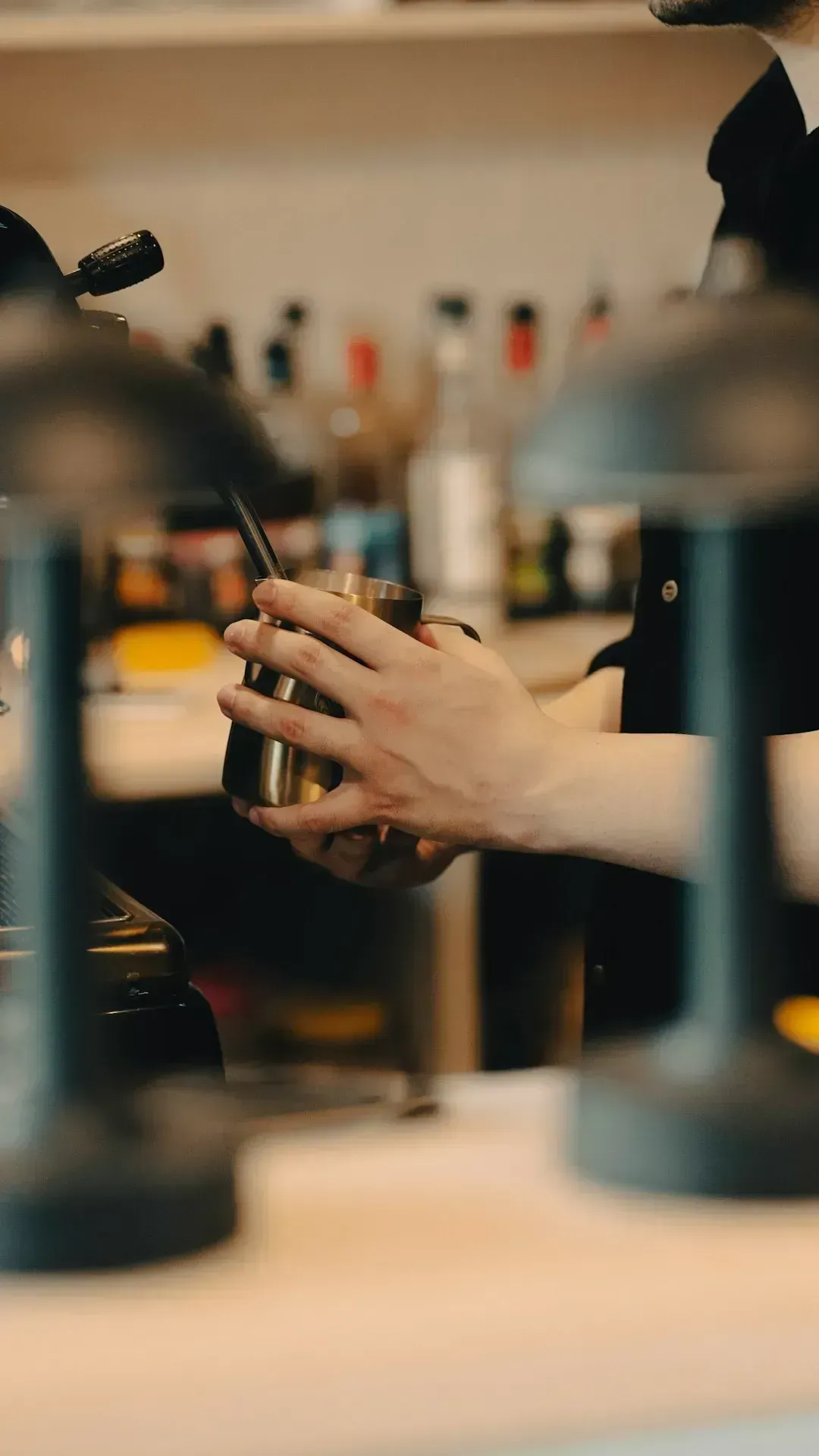
This one is the most abstract, but arguably the most powerful. Every person who walks through a bar door brings an emotional energy – and bartenders pick up on it immediately. We all make split-second assessments. What bartenders demonstrate is how to slow those assessments down just enough to let empathy enter the equation – to see the person not as a demand, but as a quiet invitation to witness someone’s humanity.
Personality is the business. A bartender can turn a mediocre drink into a great night, because service is part of the flavor. The emotional read a bartender takes in those first few seconds shapes everything that follows – how proactive they are, how much care goes into your drink, whether they check in on you. Psychological research highlights the primacy and recency effects, which suggest that people tend to remember the first and last moments of an experience most vividly. A warm welcome and a fond farewell are often the key components where good communication leaves a strong impression.