14 Reasons Americans Are Reconsidering Cruises – and If the Concerns Hold Up
Millions of Americans book cruises every single year without a second thought. The ships are bigger, the onboard waterslides are taller, and the marketing has never been shinier. AAA and Tourism Economics forecast that the American segment of the cruise market reached 20.7 million passengers in 2025, growing to 21.7 million in 2026. That is a staggering number.
Still, a quiet but growing crowd of Americans is pumping the brakes. They have questions, they have concerns, and honestly, some of those concerns are worth taking seriously. Others? Not so much. Let’s work through all 14, one by one.
1. The Norovirus Nightmare Is Very Real
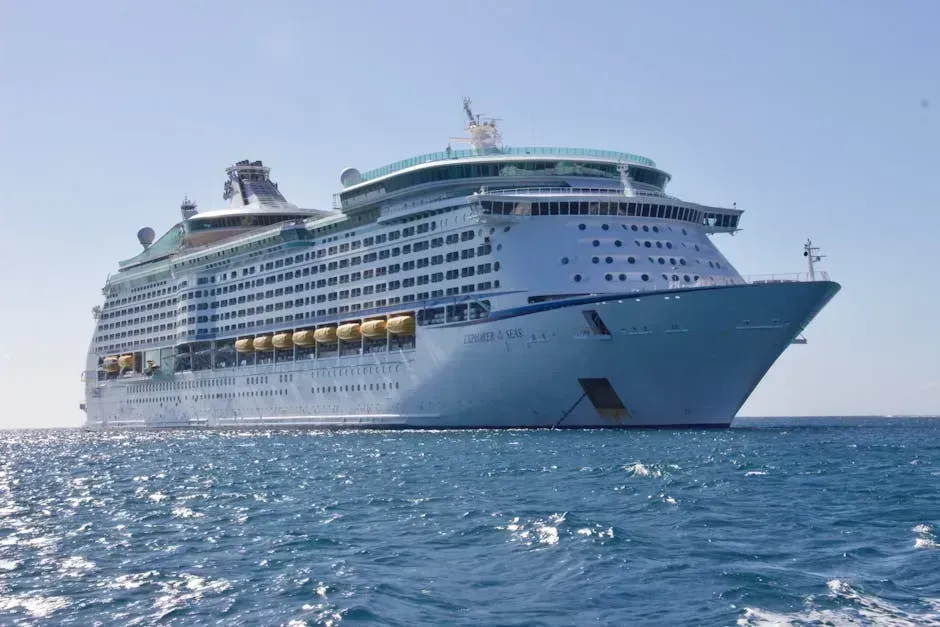
Few things sound worse than spending your Caribbean vacation hunched over a toilet. This isn’t an urban legend. The latest data from the US Centers for Disease Control and Prevention suggests 2024 was the worst year for cruise ship-based gastrointestinal outbreaks in over a decade. That is a headline worth reading twice.
Eighteen cruises had an outbreak in 2024, defined as at least 3% of passengers and crew members reporting symptoms of gastrointestinal illness to medical staff. There were 14 reported outbreaks in 2023. The outbreaks were mostly attributed to norovirus. The trend is clearly moving in the wrong direction.
Here’s where the concern has to be put in context though. The CDC also notes that outbreaks are found and reported more quickly on a cruise ship than on land, thanks to reporting protocols. On cruise ships, more than 90% of gastrointestinal illness outbreaks with a confirmed cause are due to norovirus, a virus with characteristics including a low infective dose, easy person-to-person transmissibility, and the ability to survive routine cleaning procedures. The concern is legitimate, though not unique to cruising.
2. The Environmental Guilt Is Hard to Shake
This one sits uncomfortably with a lot of eco-conscious travelers, and honestly, I think it should. Carnival Corporation alone emits 9.5 million tonnes of CO2 annually, more than the entire city of Glasgow, with the industry carrying 33.7 million passengers in 2025. That kind of scale creates a serious footprint.
Calculations show that an average cruise ship emits about double the CO2 per passenger compared to an airplane over the same distance, and four times more than a gasoline car. Think of it like driving a highway in a semi-truck when a sedan would get you there equally well. In 2022, Europe’s 218 cruise ships emitted as much sulfur oxide as one billion cars.
It is estimated that about 50 tons of solid waste are generated during a one-week cruise, and that some 24% of the solid waste generated by vessels worldwide comes from cruise ships. The concern absolutely holds up. What’s less clear is whether the industry’s pledges to clean up will actually arrive on schedule.
3. Hidden Fees That Blindside Your Budget
The cruise brochure shows a dreamy price. The final credit card charge tells a completely different story. Until recently, the upfront price of a cruise was often hardly reflective of the final price, because hidden fees such as port fees and taxes on cruise lines lurked like unwelcome stowaways. That comparison is painfully apt.
Port fees and taxes often range from 10 to 20 percent of your base cruise fare. On top of that, rounding out the top five complaints among American cruisers are expensive onboard essentials such as sunscreen, toiletries, and medication, and hidden fees and mandatory charges including gratuities, service fees, and port taxes.
There is some relief on the horizon. A California junk fee law banishing surprise charges went into effect on July 1, and it changed how people nationwide see cruise fares displayed. Under California Senate Bill 478, companies can no longer advertise one low cost for a product or service only to impose additional mandatory fees later. Though the law is specific to California, many major cruise operators have recently adopted transparent pricing models that all U.S. shoppers can see, with Royal Caribbean, Carnival Cruise Line and Holland America beginning to include all mandatory taxes, fees, and port expenses. Progress, finally.
4. Overcrowding at Sea and on Shore
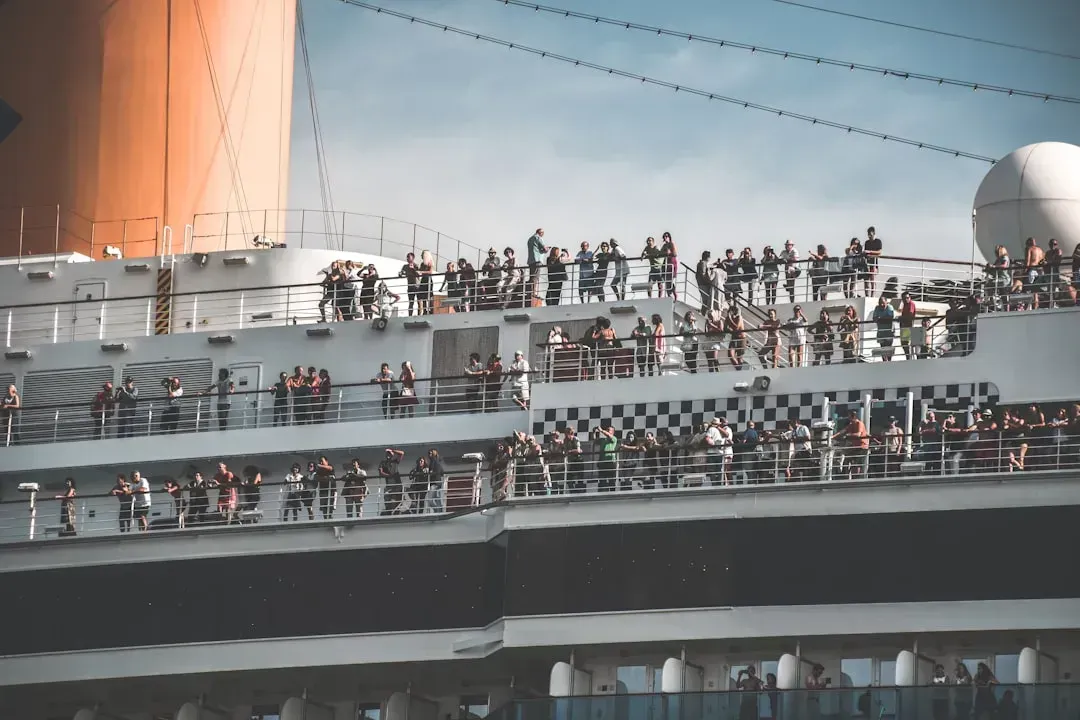
Picture this: you just docked in Dubrovnik. You’re there to experience a medieval Croatian gem. Then you look around and realize you’re sharing that gem with six thousand other passengers from two enormous ships. Many European destinations are implementing visitor caps to combat overtourism, a growing concern among local communities. Popular cruise hubs such as Dubrovnik, Santorini, and Mykonos are imposing stricter daily passenger limits and docking schedules to prevent overcrowding.
In Spain, Barcelona closed one of its two city center cruise terminals in 2023, capping daily arrivals to seven ships at a time, down from 10. Valencia plans to ban mega ships in 2026, and in the Balearic Islands, Majorca is considering new restrictions. Ibiza implemented a limit of two simultaneous cruise ship dockings in October 2024.
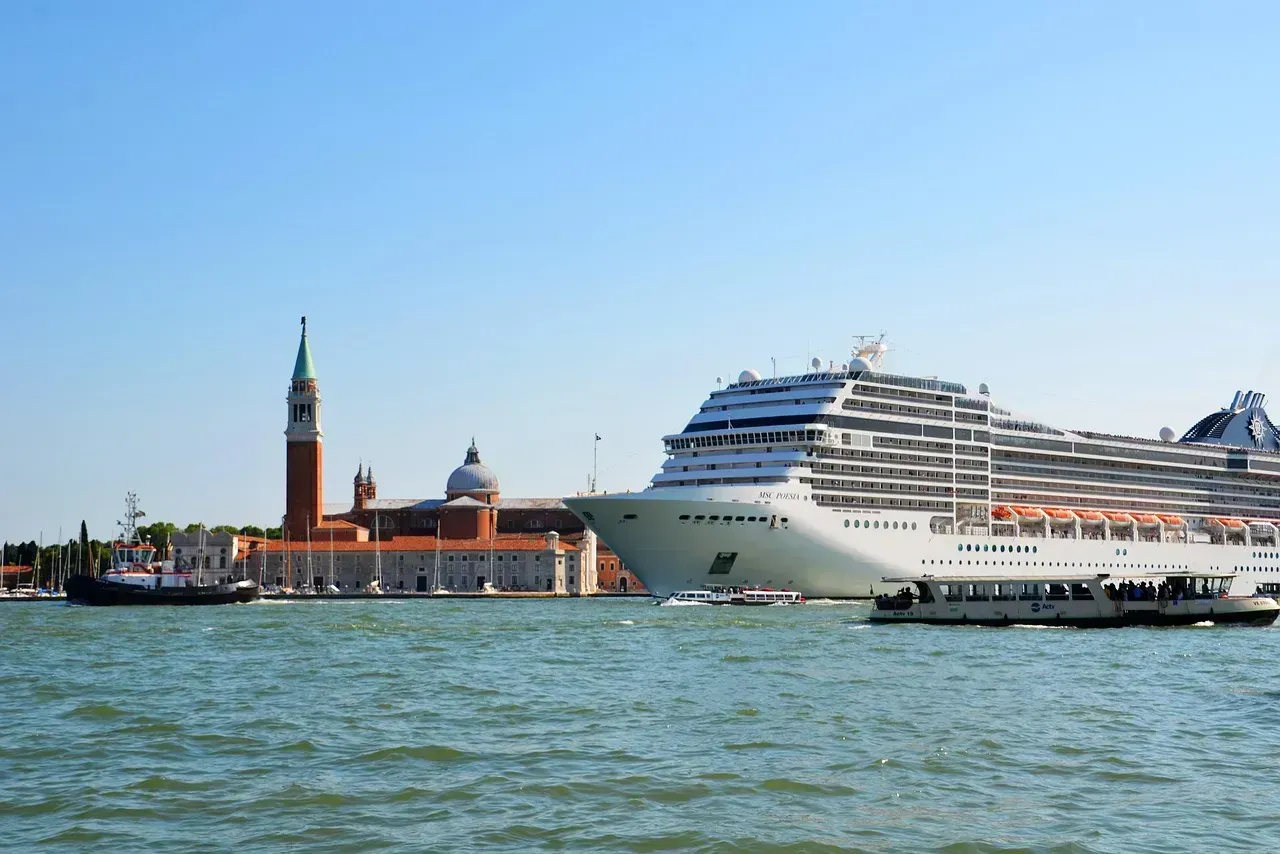
Venice banned cruise ships from docking at its port. Many cruise lines still offer Venice itineraries, but they now dock in nearby cities such as Trieste or Ravenna and bus passengers into the city. The ports themselves are pushing back, and that matters. This concern absolutely holds up.
5. Crime Onboard Is Under-Discussed
Nobody in the marketing materials mentions this part. In the first three months of 2025, there were 48 criminal cases reported on a cruise ship. That works out to roughly four to five reported incidents every single week. Most cases were sexual assaults, while others were theft and violent assault issues.
The Cruise Vessel Security and Safety Act of 2010 prescribes security and safety requirements for most cruise ships that embark and disembark in the United States, and the act mandates that reports of criminal activity be reported to the Federal Bureau of Investigation. The fact that federal law had to step in to mandate basic crime reporting tells you something about how these incidents were handled before.
It’s worth noting that tens of millions of passengers sail each year, and the vast majority have incident-free trips. Still, the gap between what cruise advertising shows and what the incident reports reveal is jarring. This concern is real, even if it rarely affects the average traveler’s experience directly.
6. Worker Exploitation Behind the Scenes
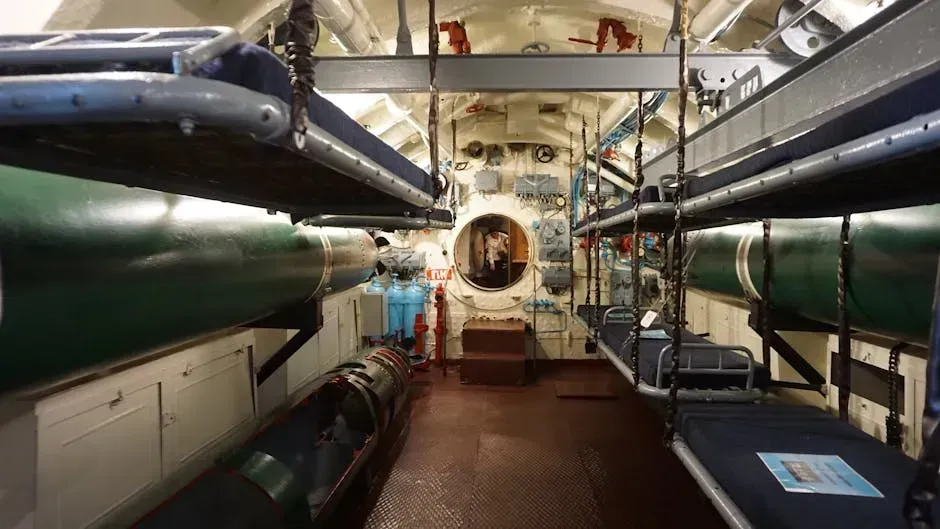
Every smiling waiter topping off your cocktail is living a very different reality below decks. Working on a cruise ship often entails shifts of more than 12 hours a day, working 7 days a week for several months without a break, and inadequate resting periods. Overtime is often not compensated. Most staff work on temporary contracts, which do not include holidays.
Cruise lines say that since they have foreign flags, they are not subject to the regulations of the United States. Instead, workers are subject to the law of the country of the ship’s flag, and their contracts generally dictate that any labor issues won’t be resolved in court, but through an arbitration panel paid for by the cruise line. That structure is breathtaking, not in a good way.
A 2024 survey by IHRB and Turtle found that 31% of seafarers surveyed were asked to pay a recruitment fee, and nearly half of those paid between US$500 and US$5,000, with some paying over US$10,000. Seventy-four percent of those asked paid the fee, often because they felt they had no choice. For travelers who care about ethical consumption, this concern is very difficult to dismiss.
7. The Environmental Greenwashing Problem
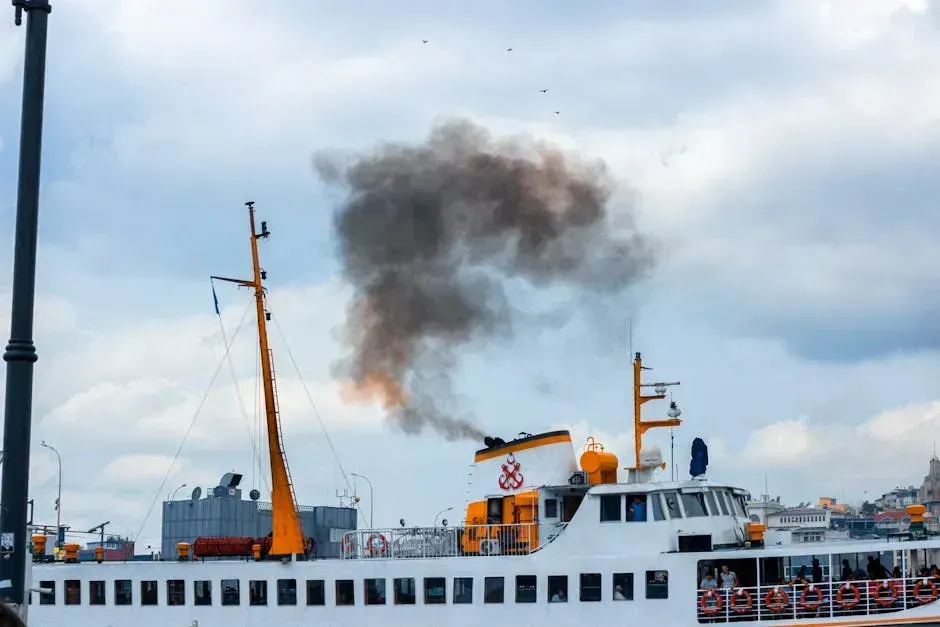
The cruise industry loves to talk about sustainability. It loves it even more than it practices it. The Dutch Advertising Board ruled that adverts for MSC Cruises, the world’s fourth-largest cruise line, claiming that LNG is a sustainable alternative to existing marine fuel and that the company is on track to meet its 2050 net zero target were untrue and misleading. A national advertising board calling out a major cruise line. That is significant.
The 2024 Cruise Ship Report Card from Friends of the Earth takes a continued hard look at the cruise industry to see if clean cruising is possible, and in most cases the answer is still a resounding no. The group evaluated 21 major cruise lines and 243 cruise ships, finding widespread shortfalls in environmental performance.
Scientists estimate that the cruise industry discharges approximately 1.5 gigatons of toxic exhaust gas scrubber wastewater annually. That number sits alongside industry promises of greener tomorrows in an uncomfortable contrast. Some real investment is happening, but the pace of change lags very far behind the pace of the promises.
8. The Sheer Scale of Modern Ships Feels Inhuman
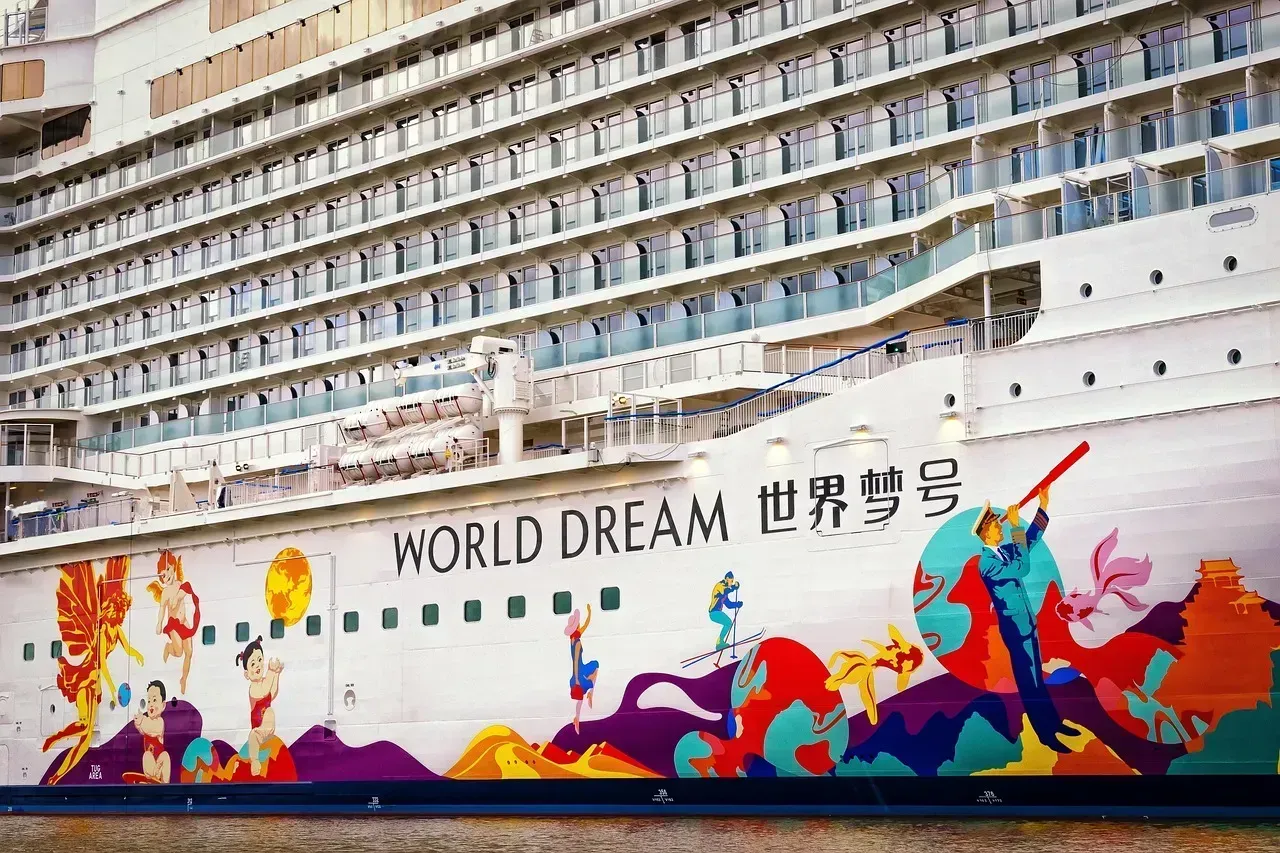
Let’s be real. There is something philosophically strange about boarding a floating city with 7,000 fellow passengers and calling it a vacation. Much of the industry’s growth momentum is being driven by the introduction of new, high-capacity ships designed to deliver richer experiences in shorter durations. As of 2025, the global fleet has expanded to include over 310 ocean-going vessels offering more than 650,000 lower berths worldwide.
The question of whether megaships deliver a satisfying travel experience is genuinely subjective. For families with kids who want waterparks and endless buffets, it might be paradise. For someone hoping for cultural immersion and genuine discovery, it might feel like a suburb floating past a postcard. The number one complaint among American cruise passengers surveyed was rude or inconsiderate behavior by other passengers, including drunkenness, loud arguing, and inappropriate attire in dining areas.
The concern about megaship culture is real and reasonable, even if millions of passengers genuinely love the experience. It is a matter of fit, not a universal flaw.
9. The Risk of Itinerary Changes and Limited Recourse
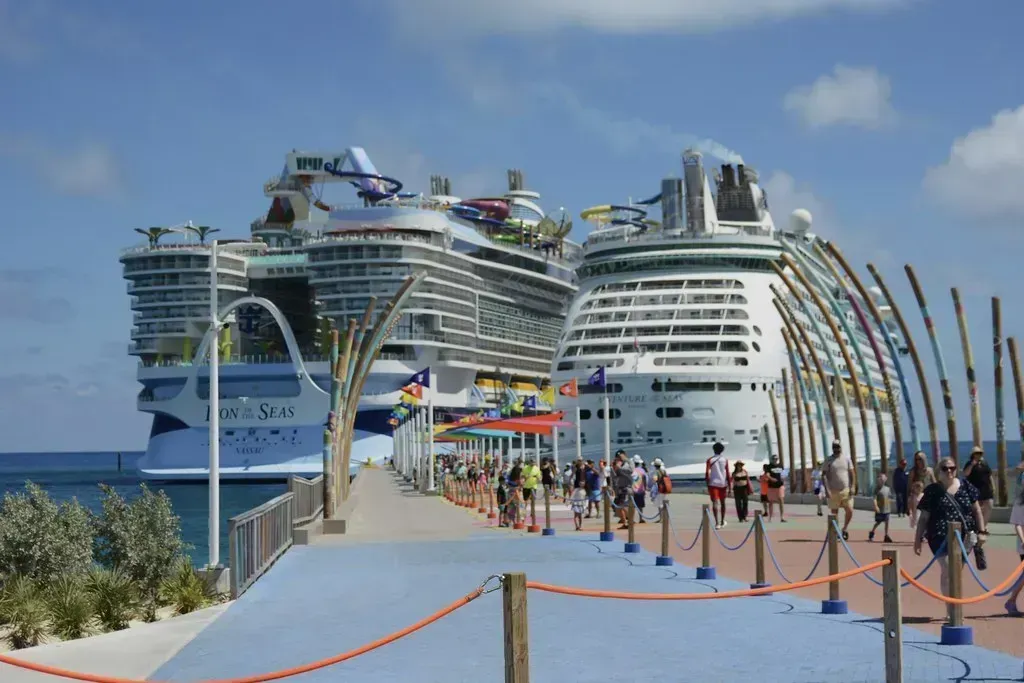
You book a trip to see the Norwegian fjords. Then geopolitical tensions, weather, or a mechanical issue reroutes you to a completely different set of ports. Flexibility you never expected to need suddenly becomes essential, and cruise contracts historically offer limited compensation for itinerary changes outside of the cruise line’s control. That is the fine print that most people skip.
The cruise industry operates in an environment of genuine unpredictability. Weather in the Caribbean can shut down port access entirely. Some ports have responded to growing cruise traffic by implementing tourist fees, limiting the number of ships in port, or prohibiting ships from docking altogether. When that happens mid-voyage, your carefully planned excursions simply disappear.
This is a legitimate concern that is easy to underestimate during the booking excitement. Reading the cancellation and modification clauses carefully before sailing makes a real difference in knowing what you are actually signing up for.
10. Health Risks for Vulnerable Passengers
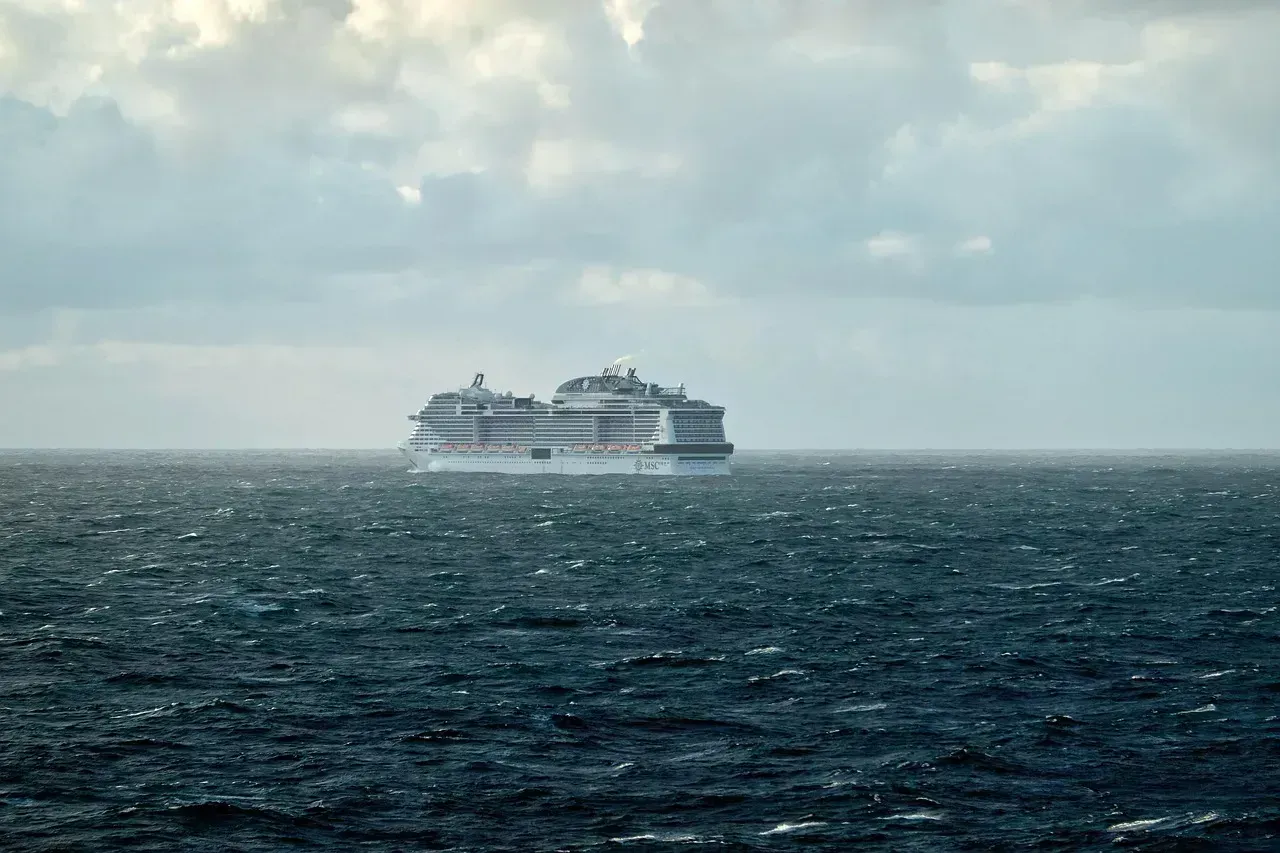
The close-quarters environment of a cruise ship poses heightened risks for certain groups of people. Cruise ship travel presents a unique combination of health concerns, and travelers from diverse regions brought together in the often crowded, semi-enclosed shipboard environment can facilitate the spread of person-to-person, foodborne, and waterborne diseases.
Some people, including those with chronic health conditions or who are immunocompromised, older people, and pregnant women, merit additional considerations when preparing for a cruise. Because travelers at sea might need to rely on a ship’s medical capabilities for an extended period, potential cruise passengers with preexisting medical needs should prepare accordingly.
Ship-to-shore medical evacuations to facilities capable of providing higher levels of medical care can present logistical challenges and pose additional risks to ill patients. It’s hard to say for sure how often this becomes a true emergency, but for anyone managing a serious health condition, the isolated nature of ocean travel is a consideration that deserves honest reflection.
11. The Port Community Backlash
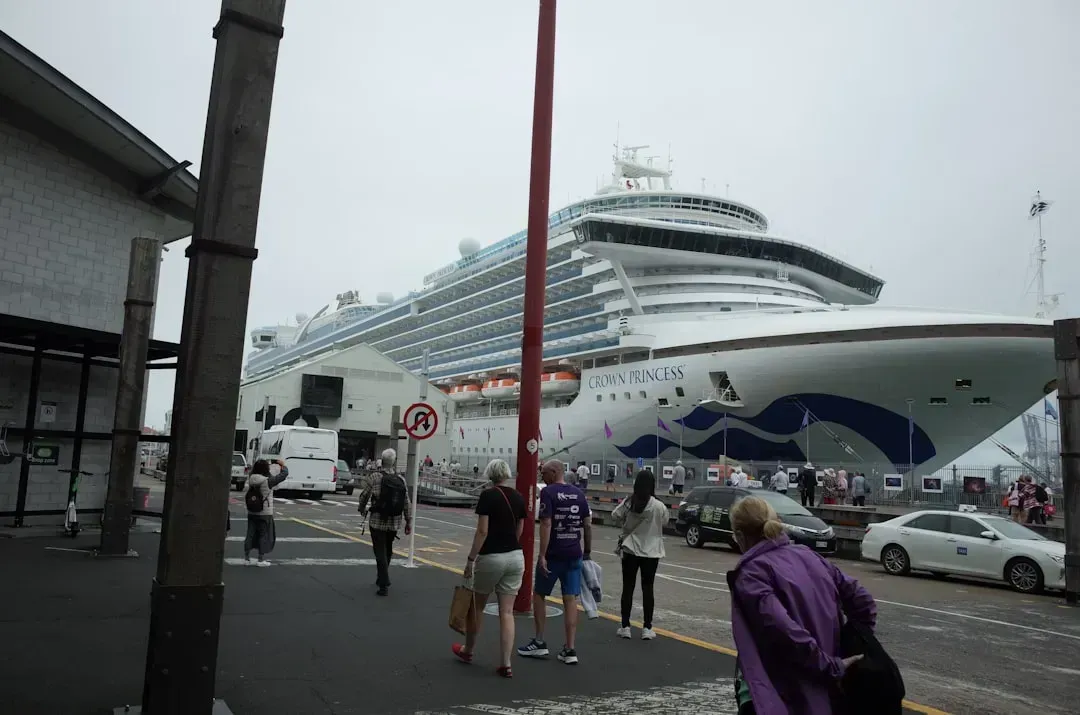
Many Americans picture cruise tourism as a universally welcomed economic boost for port towns. The reality is more complicated. The growth in demand for cruising has led to tensions in ports across Europe, resulting in the implementation of levies, port restrictions, and even outright bans. These are not activist fringe reactions. These are municipal governments making formal policy choices.
The resurgence of cruise travel has rekindled the debate over its environmental impact and strain on popular destinations. Local residents in cities like Marseille, Santorini, and Dubrovnik have organized protests and petitions against the wave of daily cruise visitors who spend comparatively little locally while causing significant congestion and pollution.
Think of it like a small town that gets overwhelmed every Friday night by crowds from a big sports stadium nearby. The money helps, but the cost to daily life is real. The concern from a traveler’s ethical standpoint holds up, and it is one the industry is slowly being forced to reckon with.
12. The True Value Proposition Is Murkier Than It Looks
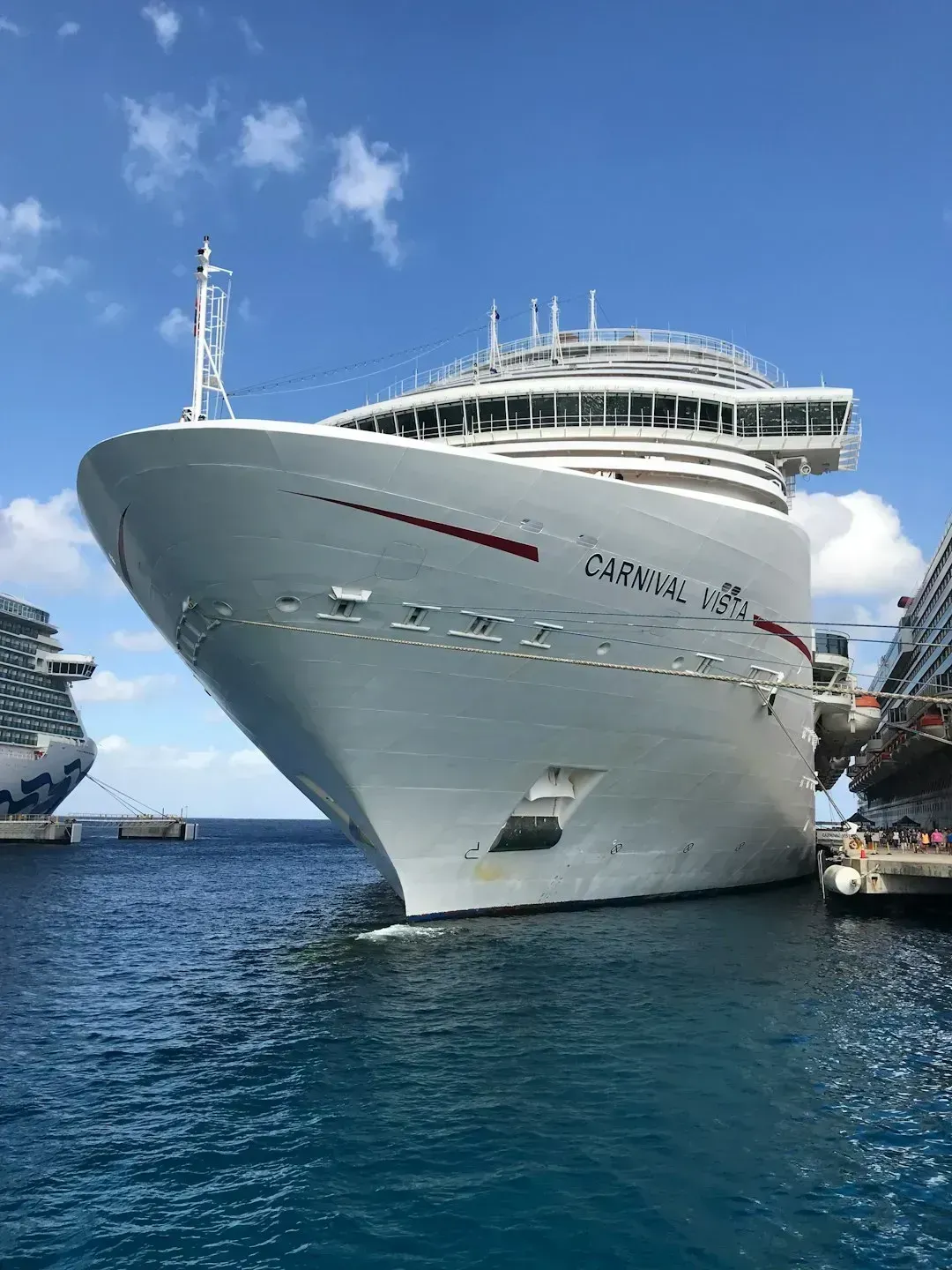
Cruises market themselves as all-inclusive bargains. Once you actually price it out, that argument starts to get shaky. The second biggest complaint among American cruisers is the high cost of drink packages. Drink packages were added by cruise lines 10 to 15 years ago and the price of them has steadily risen over the years.
While most U.S. cruise lines now disclose mandatory fees, many still charge for certain nonessentials such as specialty restaurants, entertainment, alcohol, or Wi-Fi, and some of these charges are subject to dynamic pricing, meaning they might get more expensive if you wait to add them to your reservation. That’s an important caveat buried in the fine print.
Shore excursions booked through the cruise line can cost dramatically more than the same activity booked independently. On a Caribbean cruise, shore excursions through cruise lines are typically about $50 to $100 per person. For a family of four, that adds up fast. The value argument holds only if you go in with a very detailed budget, not a vague sense that it’s a deal.
13. Passenger Loyalty Is High, But First-Timer Expectations Get Shattered
Here is an interesting tension. The intent to cruise, on a global basis, is strong, with 82% of those who have cruised saying they plan to cruise again. That loyalty is striking. Yet alongside it, the number of first-timers being surprised by the reality of cruising has become a documented pattern.
In 2024, 31% of cruisers over the past two years were new-to-cruise, an increase from 27% in 2023 and 24% in 2019. A growing portion of those first-timers arrives with expectations shaped entirely by advertising, which means reality has further to fall. When you board expecting Mamma Mia and find a mall floating in the ocean, the gap can sting.
The irony is that passengers who repeat tend to love cruising. The experience rewards people who know how to play it. For those going in cold, the learning curve is steeper than the brochures suggest. This concern is not about cruising being bad. It is about the mismatch between marketing and reality.
14. The Tax Avoidance Angle Raises Ethical Questions
Here is the one that rarely makes it into casual conversation but probably should. The cruise industry largely registers its ships under foreign flags, a practice known as flags of convenience. This is what it’s like to work on a cruise ship: contracts of up to nine months, usually with 70-hour weeks, no vacation or days off, no family nearby, and no going home at night. Employees live where they work, on a huge ship with an American logo, but often under the flag of Panama or the Bahamas.
Cruise ships often sail under the flags of countries with lower labour standards, and the responsibility to investigate violations lies with the authorities in the country where the ship is registered, making it very difficult for employees to access grievance mechanisms. This arrangement also has significant tax implications, with major cruise corporations largely avoiding U.S. corporate income taxes despite serving overwhelmingly American customers.
For travelers who think carefully about where their money goes and what it supports, this structural reality is hard to ignore. The concern is legitimate, well-documented, and largely unknown to the average American booking their first Caribbean cruise.