A TSA Agent Reveals 6 Passenger Mistakes That Guarantee a Longer Wait
You’ve probably been there. You’re standing in the security line, running a little close on time, and then the whole queue just… stops. Someone’s bag gets pulled. A bin gets emptied. An agent reaches in and starts digging. And you silently beg the universe: please, not today.
Here’s the uncomfortable truth: most of what slows down that line is completely avoidable. In 2024 alone, the TSA screened roughly 904 million passengers and over 2 billion carry-on items. With numbers that big, agents are pattern-recognition machines. They see the same mistakes every single shift. So if you want to know what’s actually getting people pulled aside and slowing down the entire checkpoint, read on.
1. Breaking the 3-1-1 Liquids Rule – Yes, Still in 2026
It’s been in place since 2006. It’s printed on signs all over every airport. Yet this rule continues to trip up travelers at an almost shocking rate. A 2019 study found that nearly roughly two in every five passengers were still unaware of the specific liquid volume restrictions. Two in five. That’s not a small number.
Each passenger may carry liquids, gels and aerosols in travel-size containers that are 3.4 ounces or 100 milliliters, limited to one quart-size bag. Common travel items that must comply with the 3-1-1 liquids rule include toothpaste, shampoo, conditioner, mouthwash and lotion. It sounds simple. The execution, however, is where people keep fumbling.
Non-compliance with the 3-1-1 rule can lead to manual bag searches, delays, and even disposal of non-compliant items. Think about what that means in practice: your shampoo gets confiscated, your bag gets searched by hand, and the ten people behind you all miss a few extra minutes of their lives. You’re waiting in the Transportation Security Administration line, only to hear agents call for a “bag check,” and oftentimes it’s because a traveler has a liquid product in their carry-on that exceeds the allowed limit. The ensuing process can slow things down, particularly when there’s heavy passenger volume during peak travel times such as the holiday season.
One sneaky detail almost nobody knows: if you have a partially consumed sports beverage bottle that’s labeled 16 ounces but only have 3 ounces of liquid left, this doesn’t follow the 3-1-1 rule. The container’s volume exceeds the allowable 3.4-ounce volume limit. The container size is what matters, not how full it is. Honestly, that catches a surprising number of frequent flyers off guard.
2. Packing a Chaotic, Overstuffed Carry-On Bag
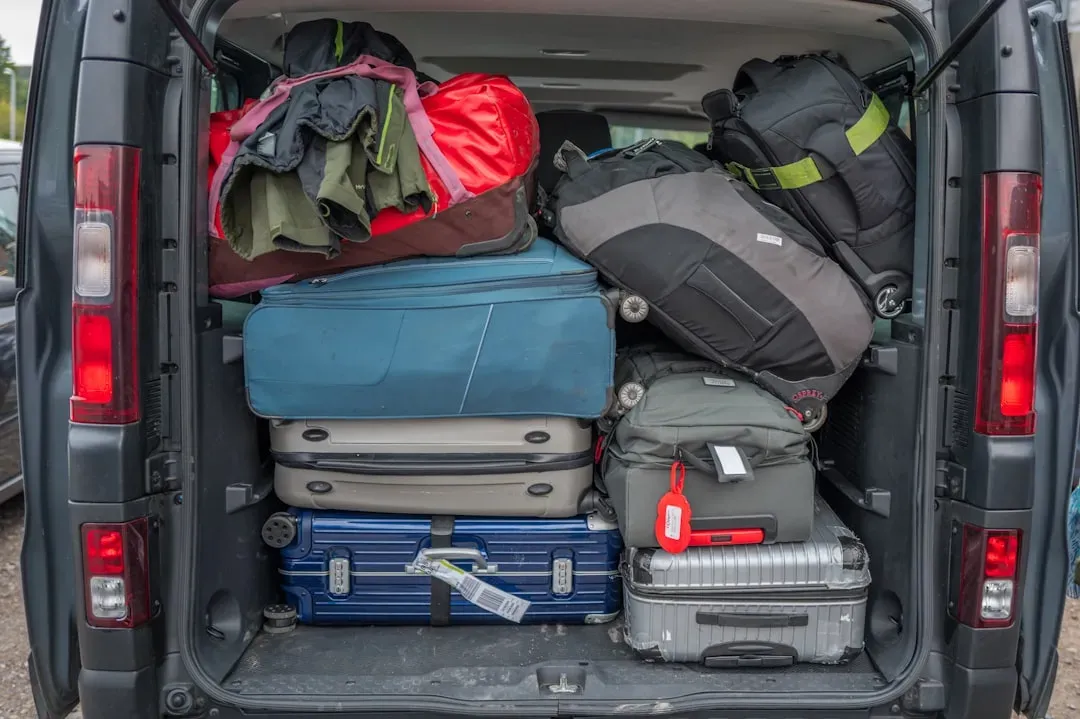
Here’s the thing most people don’t realize: it’s not just what is in your bag that causes problems – it’s how it looks on the X-ray screen. Think of a carry-on like a puzzle. When everything is layered and chaotic, the agent effectively has to solve that puzzle live, in seconds, with a queue building behind you.
TSA officers may instruct travelers to separate other items from carry-on bags such as foods, powders, and any materials that can clutter bags and obstruct clear images on the X-ray machine. The TSA recommends keeping your bag organized to help ease the screening process, as it takes time for officers to make sure a jam-packed, cluttered, overstuffed bag is safe.
TSA screens approximately 3.3 million carry-on bags for explosives and other dangerous items daily. With that volume, anything that slows down the image analysis gets flagged instantly for a second look. The TSA even recommends packing items in layers – shoes one layer, clothes one layer, electronics one layer – to make screening smoother. It sounds basic. Very few people actually do it.
And powders are a whole separate issue now. Since 2024, TSA has increased its focus on powders – like protein mixes, spices, and cosmetics – especially in quantities over 12 ounces, and in 2025, this is being enforced more strictly, especially on international flights. Officers may swab or test large powder containers. To avoid delays, pack them in checked bags if possible.
3. Wearing the Wrong Clothes Through the Scanner
Nobody tells you this before your first real business trip. Nobody. What you wear to the airport genuinely changes how long you spend at the checkpoint. I’ve seen people show up in full metal-buckled boots, layered jackets, and belts with buckles the size of a dinner plate. It never ends well.
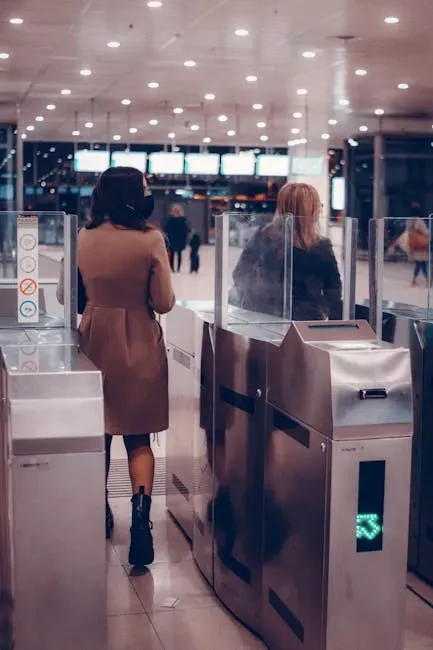
What you wear to the airport matters more than most people realize. According to travel experts, anything too loose, too tight, or with too much metal can set off the TSA scanners and lead to pat-downs and extra security checks. A pat-down doesn’t just affect you – it takes an agent away from the main flow and can create a visible backup in the lane.
TSA uses millimeter wave advanced imaging technology and walk-through metal detectors to screen passengers. Millimeter wave advanced imaging technology safely screens passengers without physical contact for metallic and non-metallic threats, including weapons and explosives, which may be concealed under clothing. The scanner doesn’t care about your fashion choices. It just cares about what it can and can’t see clearly. Keep it simple: wear slip-on shoes, skip the belt, lose the heavy jewelry.
4. Putting Lotions and Sunscreen on Right Before the Security Line
This one is genuinely surprising, even to seasoned travelers. You might have done everything right – no oversized liquids, organized bag, sensible clothes – and still get flagged. Why? Because of what’s on your skin.
Even travelers who aren’t carrying certain creams and gels can encounter an unexpected issue: these products sometimes trigger extra security after they have already been applied to the individual. Sunscreen, thick moisturizer, or certain body lotions can actually set off trace-detection swabs – something almost nobody expects.
Pat-down procedures are used to determine whether prohibited items or other threats to transportation security are concealed on the person. You may be required to undergo a pat-down procedure if the screening technology alarms, as part of unpredictable security measures, for enhanced screening, or as an alternative to other types of screening. It’s hard to say for sure exactly which products trigger alarms most consistently, but the advice is clear: apply thick creams and sunscreen well before you get to the airport, not in the car on the way there.
5. Forgetting to Remove Electronics From Your Bag
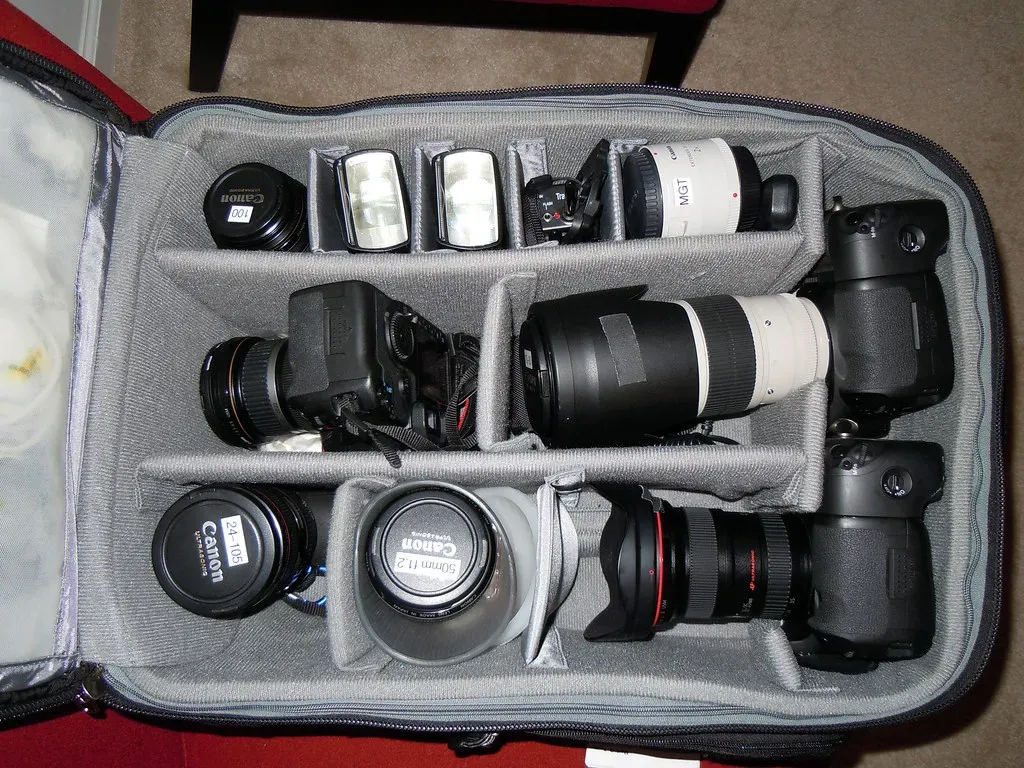
Most travelers know laptops need to come out. In practice, a surprisingly large number of people still forget – or assume the rule doesn’t apply to them. You will be asked to remove personal electronic devices larger than a cell phone from your carry-on bag and place them into a bin with nothing placed on or under them for X-ray screening. This is not optional, and it causes one of the most common and most avoidable delays at standard security lanes.
There is good news on the horizon, though. New CT scanners are rolling out at more TSA checkpoints, and at major airports, you may no longer need to remove laptops or tablets from your bag. The caveat? These scanners aren’t everywhere yet, and TSA officers may still ask you to unpack. To be safe, pack electronics near the top of your bag so they’re easy to access if needed.
Until that technology is fully universal across every airport, assume you need to pull that laptop out. A good rule of thumb: pack electronics so they can slide out in under five seconds. If you need to dig for your laptop, you’ve already lost that race.
6. Not Having Your ID and Boarding Pass Ready – at All
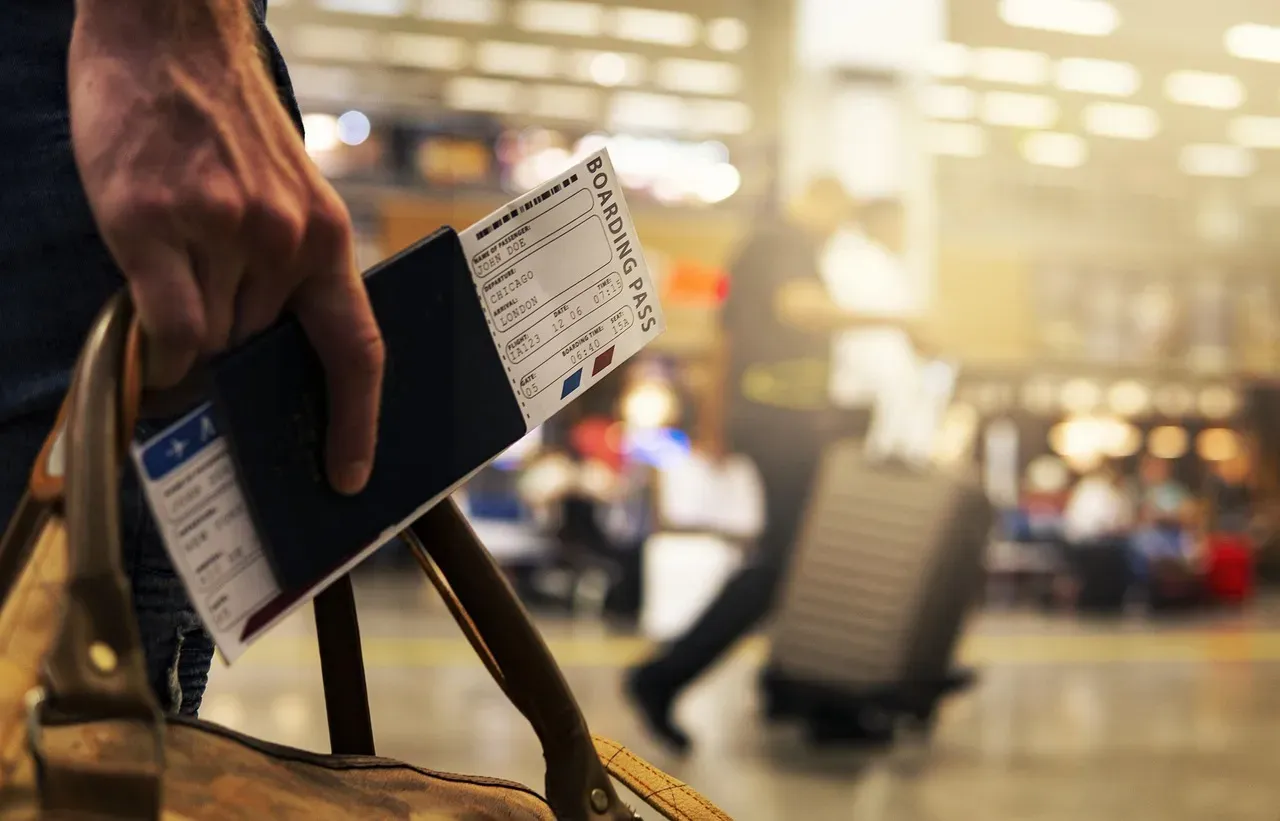
This might be the most maddening one to watch from behind in line. The person reaches the podium, is asked for their ID and boarding pass, and then spends forty-five seconds fishing through a backpack, a tote, three coat pockets, and eventually finds it crumpled at the bottom of a water bottle side pocket. Every. Single. Day.
Because TSOs deal with boarding-pass information, many passengers mistakenly think TSA agents can help them check in, upgrade their flight or change flight reservations. That’s a separate frustration entirely. But even for passengers who understand the process, simply not having documents in hand creates real delays. At best, this increases the wait for everyone while the agent explains the situation, and if there is an error in your boarding pass, you’ll need to get out of the security line and go back to ticketing to fix it.
There’s also a newer wrinkle to think about: REAL ID enforcement began May 7, 2025, and passengers must present a REAL ID-compliant license or an accepted alternative such as a passport or DHS Trusted Traveler card at all checkpoints. If your license isn’t REAL ID compliant and you don’t have a passport handy, you’re not getting through. TSA is rolling out widespread digital ID acceptance, and in select airports, you can now use a mobile driver’s license or passport stored in Apple Wallet or Google Wallet to clear security. Worth checking ahead of time whether your airport supports it.
The bottom line is painfully simple: have your documents ready before you reach the podium, not when you get there. Treat the checkpoint like a checkpoint, not like a surprise quiz.