10 Things You Should Never Flush, Pour, or Drain at Home (Yet Most People Still Do)
The pipes beneath your home are a lot like your arteries. You don’t think about them until something goes wrong. Then suddenly, you’re ankle-deep in backed-up water, staring at a repair bill that makes your stomach turn. Here’s the thing most people don’t realize: the majority of plumbing nightmares are completely preventable. We just keep making the same mistakes, day after day, thinking nothing bad will happen. Let’s be real, you’ve probably flushed or poured at least one of these things down the drain this week.
Cooking Grease and Oil

Think pouring bacon grease down the drain is no big deal? Think again. The EPA found that grease from kitchens is the number one cause of sewer blockages, responsible for about 47% of reported sewer system blockages. The stuff might look harmless when it’s hot and liquid, flowing smoothly like water. Once you dump your cooking oil and grease waste into your sink’s drain, the fats break down into fatty acids and glycerol, then gradually bind to the calcium found in sewers and form a waxy, soap-like compound.
Here’s where it gets nasty. As people flush more grease down their drainpipes, these solid compounds gradually accumulate on the ceiling of sewer pipes and form stalactites of fat called “fatbergs,” which form when people pour grease and oil down the drain. A fatberg weighing 17 tons was once removed from a sewer system in England. This isn’t a problem that just goes away. When fat, oil, and grease are constantly poured down into your drain, they can cause buildup in your pipes, and over time, this buildup can cause your pipes to back up, meaning your house might fill with nasty, smelly sewage, and water can’t break down fat, oil, or grease.
Wet Wipes and So-Called Flushable Wipes
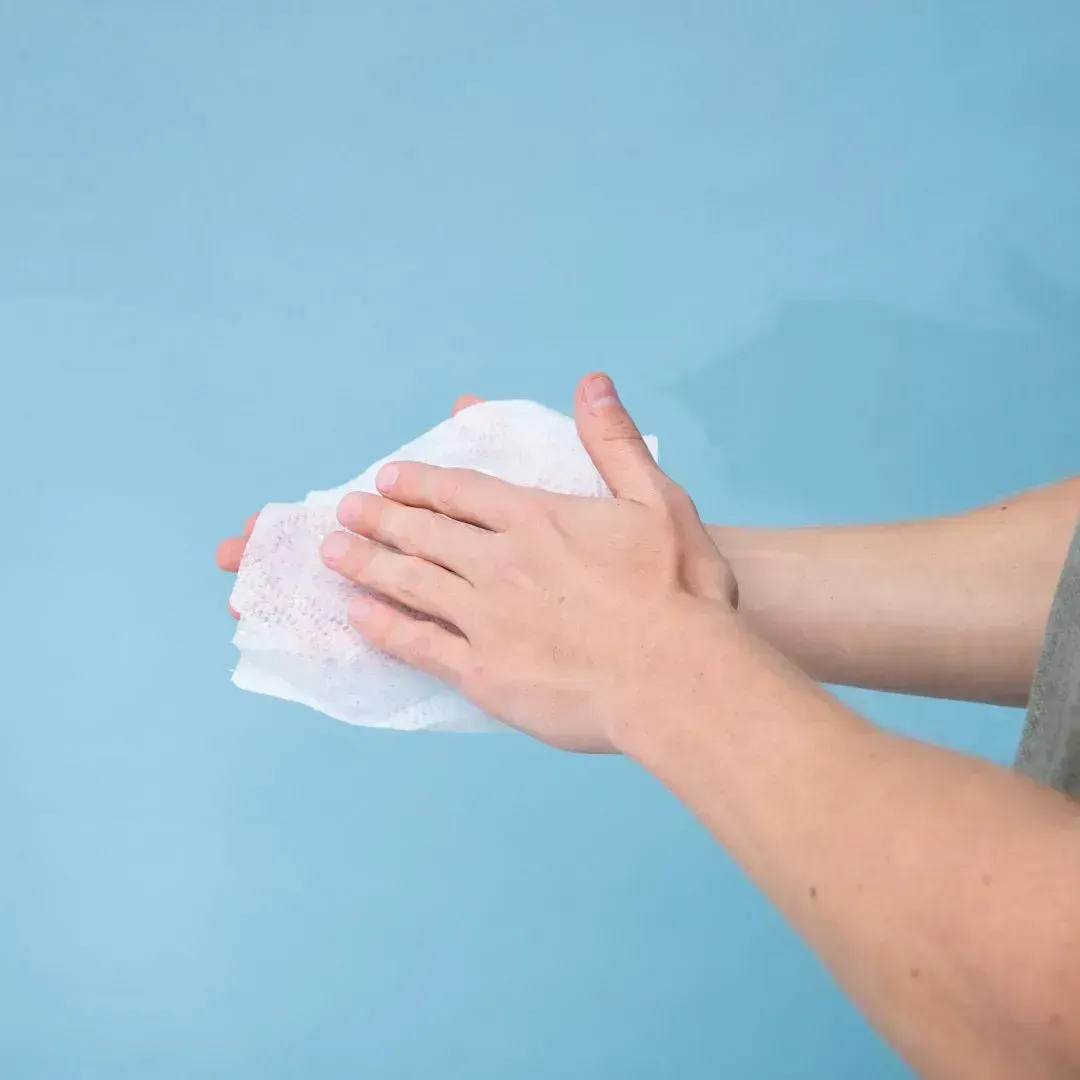
The label says flushable. Marketing tells you it’s totally fine. Your plumber says otherwise, and they’re the ones who have to deal with the mess. Unfortunately, “flushable” wipes are not actually flushable, don’t disintegrate and break down like toilet paper, and when these wipes build up in pipes, it can lead to clogs or back-ups. According to the National Association of Clean Water Agencies, U.S. municipalities spend an estimated $441 million annually to remove clogs caused by wipes.
The numbers don’t lie, and they’re getting worse. Thames Water removed a 100-tonne, 125-metre-long mass of wet wipes congealed in fat, oil and grease from a sewer in Feltham, West London, and every year the company removes 3.8bn wet wipes that have been flushed, at a cost of £18 million. Every year the UK uses approximately 11 billion wet wipes, and according to research, more than 90% of fatbergs found in our sewers are made up of wet wipes. Even if the wipe makes it past your toilet, it becomes someone else’s problem downstream. It clogs municipal systems, pollutes waterways, and costs taxpayers millions.
Coffee Grounds
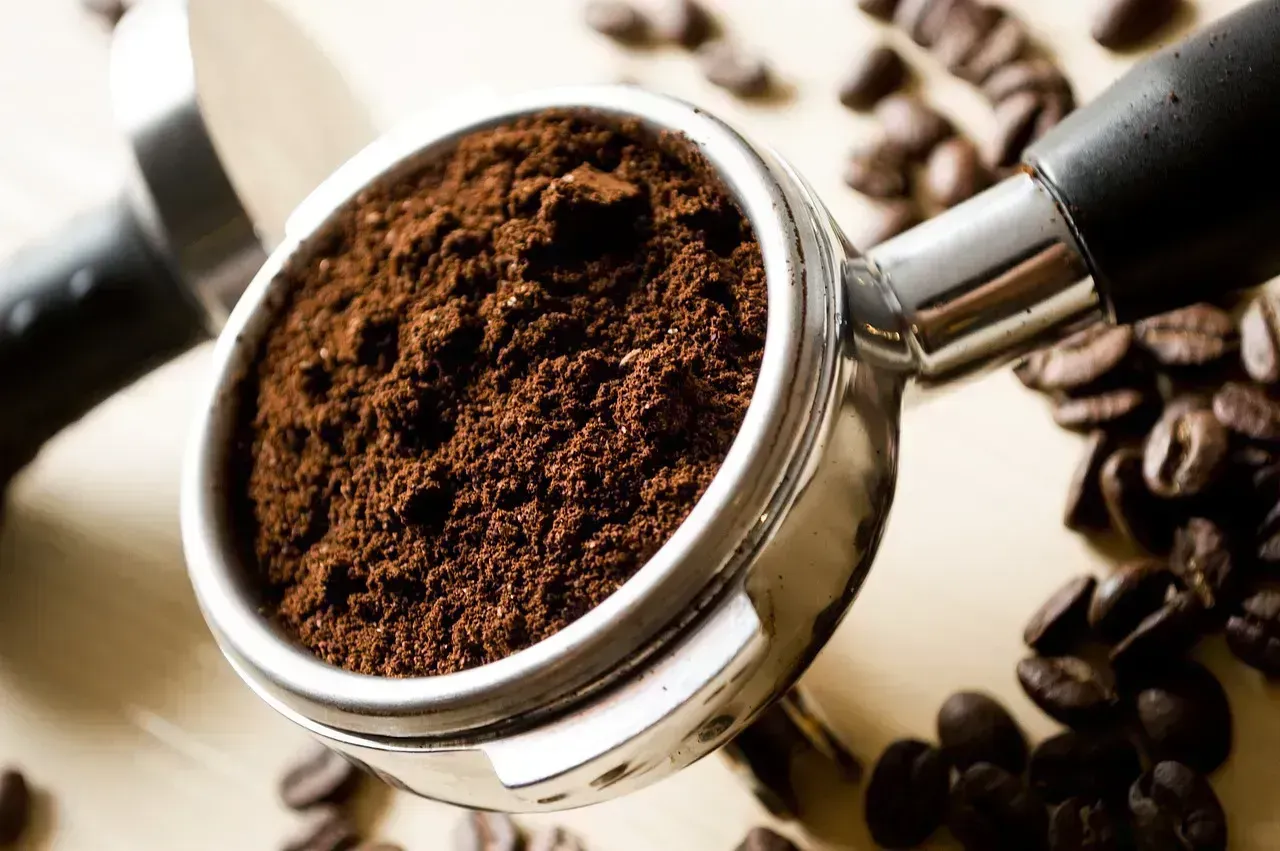
Coffee grounds might seem harmless because they’re small and organic, but plumbers reported in 2024 that they were one of the top three causes of kitchen sink blockages. Honestly, the idea that they just wash away is one of those myths that refuses to die. The National Association of Home Builders found that coffee grounds don’t break down in water like you’d expect – instead, they clump together and create cement-like masses in your pipes.
Most plumbers will tell you that coffee grounds are the most likely cause of clogs in kitchen pipes, as when you dump a clump of wet grounds down the drain, they turn into an impassable, cement-like substance that won’t break down. Running your garbage disposal doesn’t help either. A garbage disposal is designed to chop and shred food, not to dissolve it, and when you put coffee grounds into a disposal, it simply grinds them into even finer particles that are more likely to slip past the blades and settle deeper into the pipe system. Just toss them in the trash or compost.
Prescription Medications and Pills
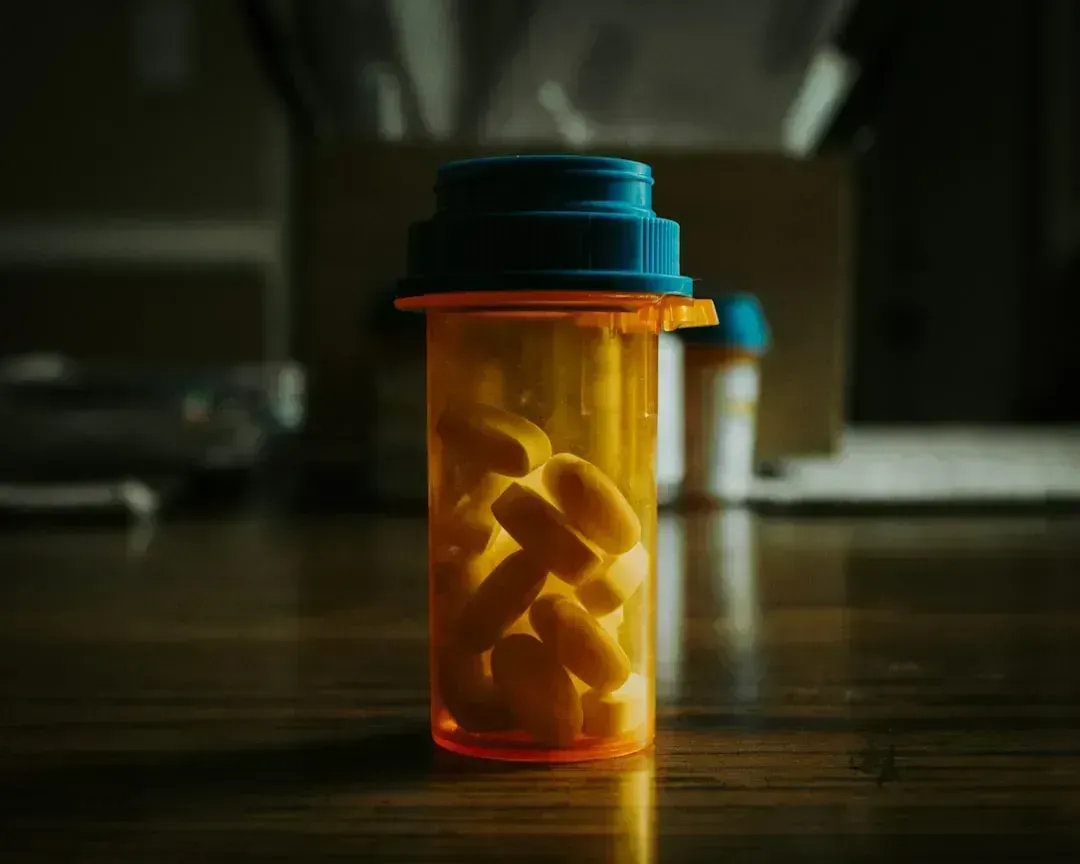
When you flush old medications, you’re not just getting rid of them. You’re sending them straight into the water supply where treatment plants can’t remove them. In cities and towns where residences are connected to wastewater treatment plants, prescription and over-the-counter drugs poured down the sink or flushed down the toilet often pass through these treatment systems and enter surface water, as water treatment plants are generally not equipped to remove medicines. The consequences are bigger than most realize.
Research shows that pharmaceuticals entering the environment through flushing or other means negatively affect aquatic ecosystems, including fish and animal populations. The U.S. Geological Survey’s 2023 study detected pharmaceutical compounds in 80% of tested water samples across American rivers and streams, with flushed medications being a primary source. Even trace amounts of antibiotics contribute to antibiotic-resistant bacteria, which is a growing public health crisis. Some pharmaceuticals in the environment increase the presence of antibiotic-resistant bacteria, and the Centers for Disease Control and Prevention estimates that, annually, at least two million illnesses and 23,000 deaths in the U.S. occur because of this.
Cat Litter

Despite marketing claims, no cat litter is truly safe for your plumbing system, according to the American Veterinary Medical Association’s 2024 guidelines, as clay-based litters expand when wet and can create concrete-like blockages in pipes, while even biodegradable versions cause problems in septic systems. It might seem convenient to scoop and flush, especially with those “flushable” varieties on the market. They’re lying to you.
There’s also a disturbing environmental angle here. Cat waste contains Toxoplasma gondii, a parasite that survives water treatment processes and poses risks to marine life when it reaches waterways. The California Coastal Commission reported in 2023 that cat litter flushing contributes to sea otter deaths along the Pacific coast, as these marine mammals are particularly vulnerable to toxoplasmosis. Throw it in the trash like you’re supposed to.
Hair and Dental Floss
One strand of hair seems totally harmless. Hundreds of strands over weeks and months? That’s a different story. A single strand of hair might seem insignificant, but plumbers remove massive hair clogs from residential drains daily, with long hair being the primary culprit in 65% of bathroom drain blockages. Hair doesn’t dissolve, doesn’t break down, and loves to tangle itself into an impenetrable web inside your pipes.
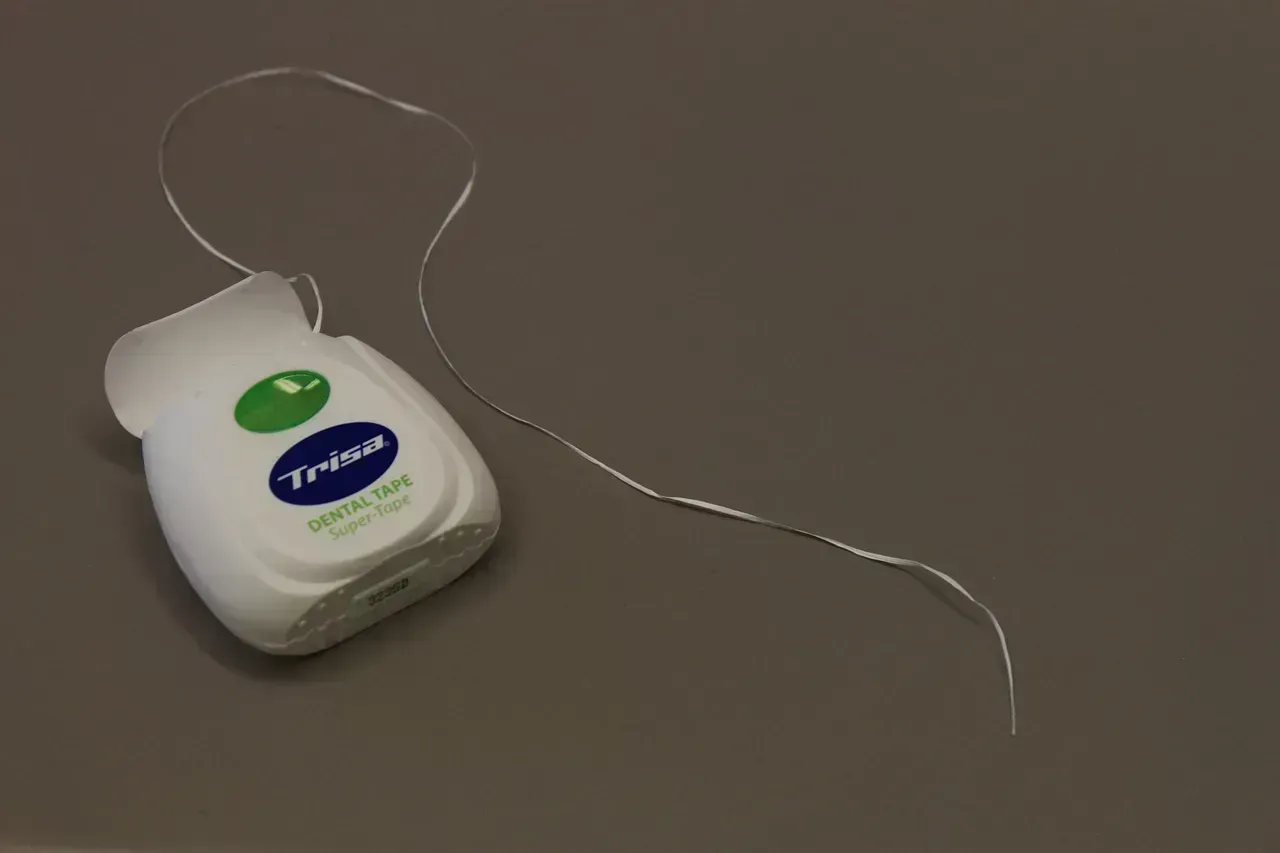
Dental floss is particularly problematic because it doesn’t break down and acts like a net, catching other debris and creating larger obstructions over time, and the American Dental Association’s 2024 survey found that 42% of Americans admit to flushing dental floss. The floss wraps around pump equipment at sewage treatment facilities, causing expensive mechanical failures. Use a drain catcher for hair and toss the floss in the bin.
Paint, Solvents, and Household Chemicals
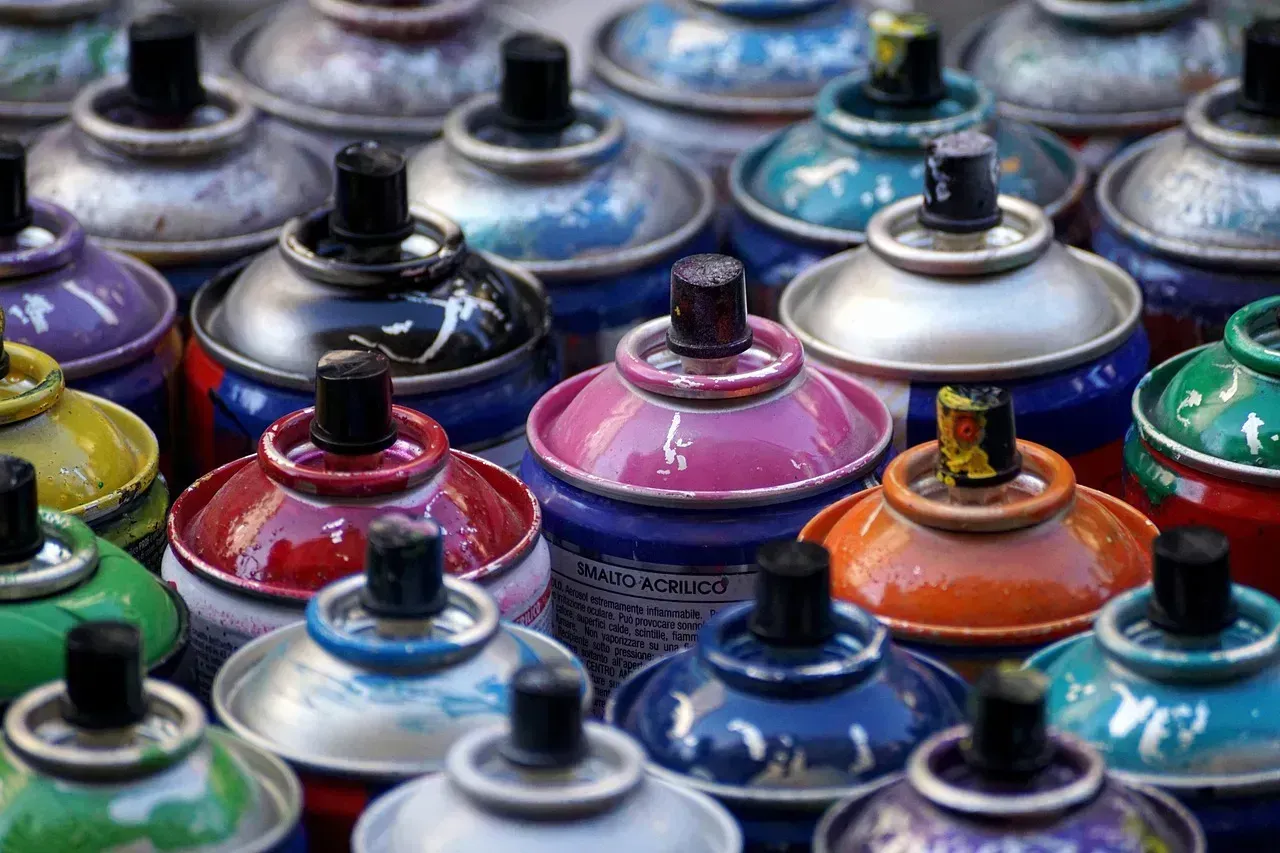
House paint contains heavy metals and volatile organic compounds that water treatment plants can’t effectively remove, according to EPA testing conducted in 2023. Pouring leftover paint or paint thinner down the drain isn’t just bad for your pipes. It’s toxic to the entire water system. Even small amounts of paint thinner or cleaning solvents can kill the beneficial bacteria that wastewater treatment facilities rely on to break down organic waste.
Pouring bleach or similar substances down the drain can lead to pipe corrosion, seal deterioration, and even structural damage to your plumbing infrastructure. These chemicals don’t just disappear. They corrode pipes from the inside, leak into groundwater, and contaminate drinking water sources. Take them to a hazardous waste facility instead. Seriously, it’s worth the extra effort.
Paper Products Beyond Toilet Paper
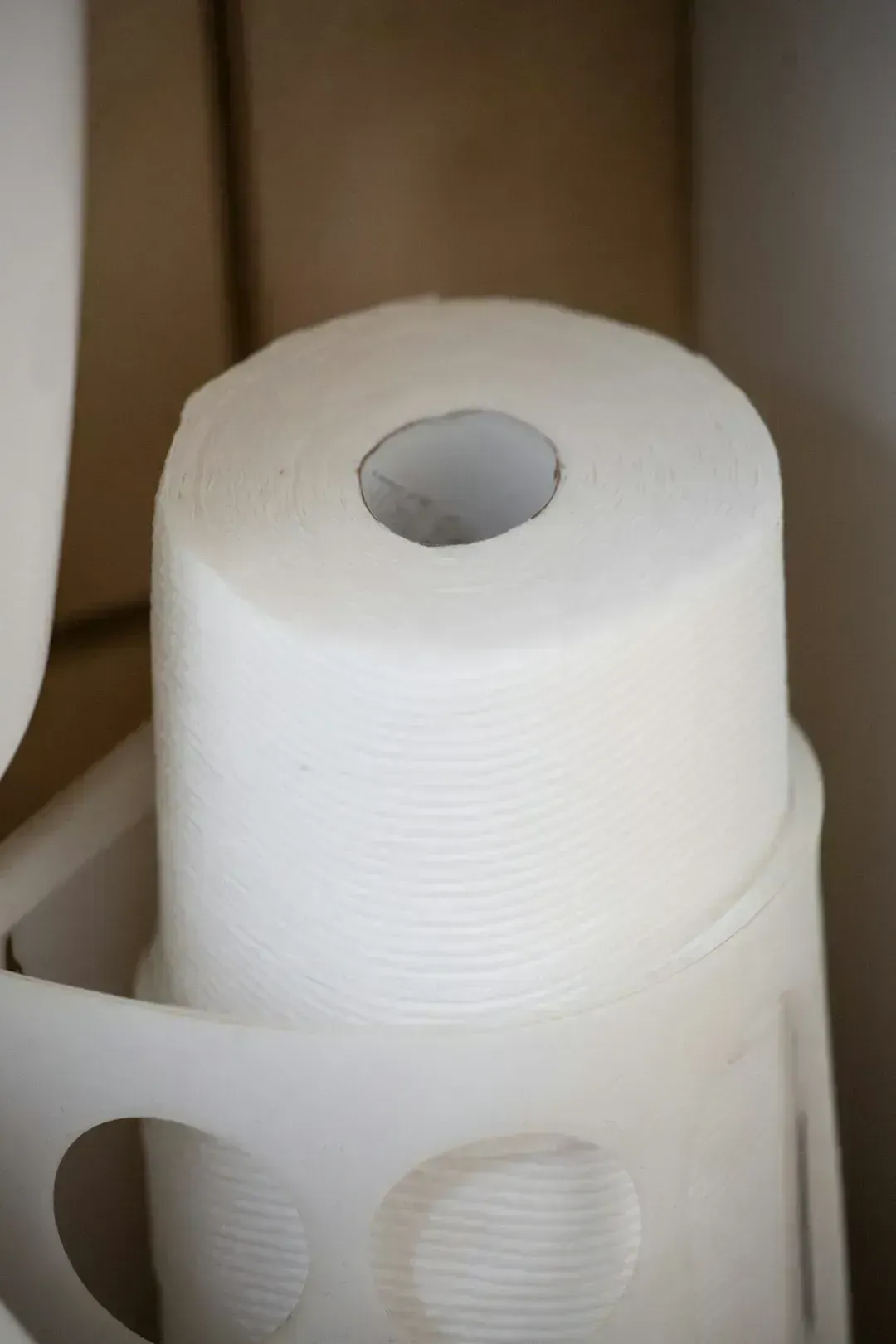
Paper towels, facial tissues, and “flushable” wipes don’t break down like toilet paper and cause massive problems in sewer systems, according to the National Association of Clean Water Agencies’ 2024 infrastructure report. Your toilet is designed for three things only: human waste, toilet paper, and nothing else. Only flush the 3 Ps down the drain: pee, poo and (toilet) paper.
Paper towels are thicker, more absorbent, and engineered to stay intact when wet. That’s great for cleaning spills, terrible for your plumbing. They swell up, get stuck in bends, and combine with other debris to form blockages that require professional intervention. Keep a small trash can next to the toilet and use it.
Food Scraps and Eggshells
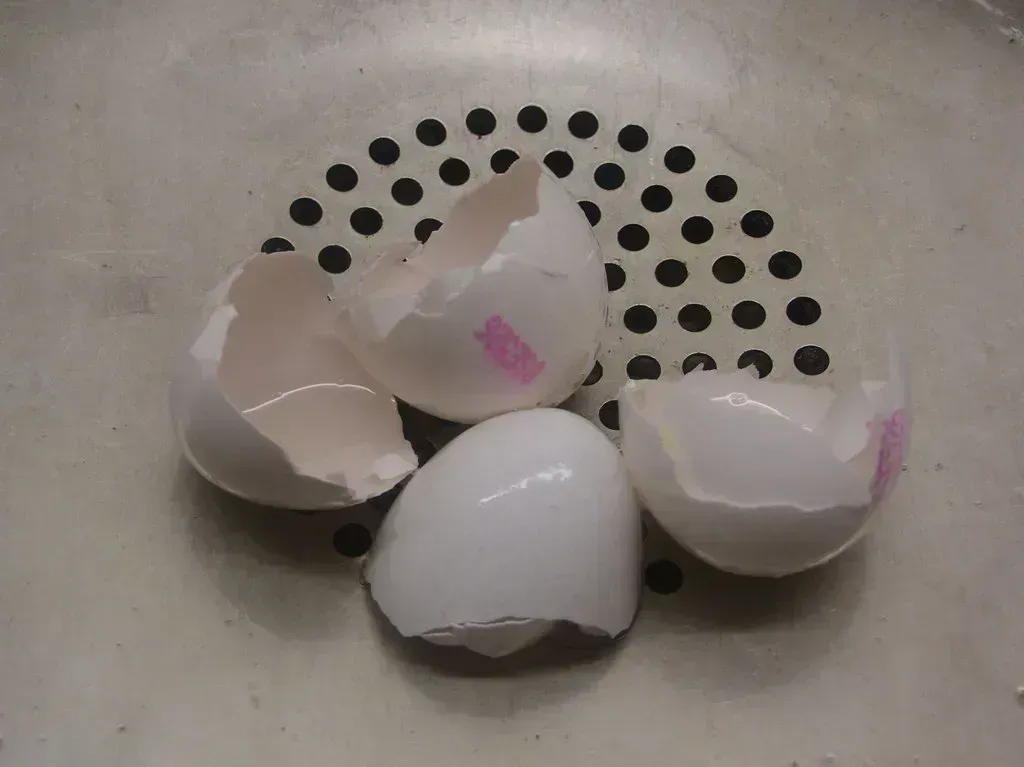
Garbage disposals create a false sense of security. People assume if it grinds up, it must be safe to send down the drain. Not quite. Certain foods are plumbing kryptonite. Eggshells, for instance, have a membrane that wraps around disposal blades. Potato peels turn into a starchy paste. Pasta and rice expand when they absorb water, creating gummy clogs.
Garbage disposals are powerful tools for breaking down food, but they’re not designed to dispose of solidified grease or fats or buildup from liquid cooking oils, and excessive use of your garbage disposal can also contribute to further blockages. Even ground-up food particles accumulate over time. They settle in pipe traps, mix with grease, and harden into obstructions that are tough to remove. Scrape plates into the trash or compost before rinsing.
Feminine Hygiene Products and Cotton Swabs
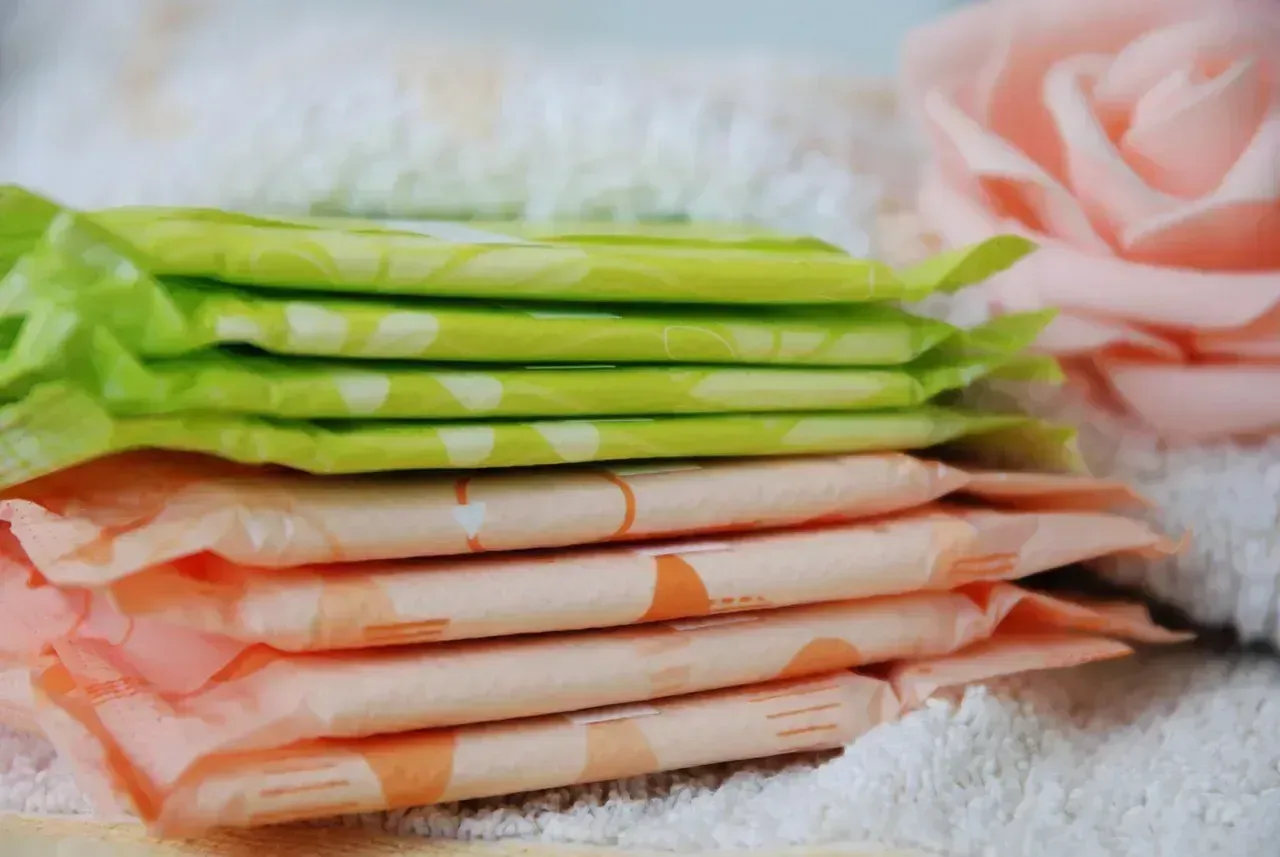
Never ever flush tampons, pads, applicators or plastic wrappers, as these items get caught in your pipes and treatment systems, leading to messy backups or problems with sewer pipes. These products are designed to absorb moisture and expand. That’s literally the opposite of what you want happening inside your pipes. They don’t break down, they don’t dissolve, and they definitely don’t belong in your plumbing.
Items like cotton balls and swabs do not break down in water and can cause clogs, and it’s best to dispose of them in the trash instead of flushing them. Even small items add up. Cotton swabs get stuck in bends. Cotton balls clump together. Every little thing you flush increases the chances of a blockage. Keep a lidded trash can in the bathroom and use it religiously.
Your pipes aren’t invincible, and they’re not forgiving. Every shortcut you take today is a potential disaster tomorrow. The stuff we’ve talked about here causes millions in damage every year, clogs thousands of municipal systems, and pollutes waterways that affect everyone downstream. It’s not complicated: if it’s not human waste or toilet paper, it doesn’t go in the toilet. If it’s not water or biodegradable liquid soap, it doesn’t go down the sink. Follow those two rules and you’ll save yourself a fortune in plumber bills. What do you think? Have you been guilty of any of these? Let us know what surprised you most.
Conclusion
Many of the items people flush or pour away aren’t done out of carelessness – but out of habit, convenience, or outdated advice. Unfortunately, what disappears down the drain doesn’t truly go away. It can damage plumbing, strain wastewater systems, and even violate local disposal laws. Taking a moment to rethink what goes into your pipes can prevent costly repairs and environmental harm. In the long run, responsible disposal protects not just your home, but the infrastructure and waterways we all rely on.
What to Do Instead: Smart Disposal Alternatives That Actually Work
Now that you know what not to flush or pour, you’re probably wondering where all this stuff is supposed to go. The good news? Most alternatives are surprisingly simple once you get into the routine. For cooking oils and grease, let them cool and solidify in a container – an old coffee can works perfectly – then toss it in the trash. Medications can be returned to participating pharmacies or mixed with coffee grounds in a sealed bag before trashing. Many communities now offer hazardous waste collection days for paint and chemicals, and some hardware stores even accept leftover paint year-round. As for those coffee grounds and food scraps, they’re actually gold for your garden or compost bin. Hair caught in drain catchers goes straight in the garbage, and feminine products belong wrapped and binned, not flushed. The reality is that proper disposal takes maybe thirty extra seconds, but it can save you hundreds or thousands in plumbing bills down the road.