I Worked in Retail for 10 Years – These Habits Make Employees Dread You
There’s a version of every retail shift that nobody ever talks about. Not the cheerful “how can I help you?” moment, not the satisfied customer walking out with the right product. The version I’m talking about is the one where an employee watches a certain type of customer walk through the door and quietly braces for impact. After a decade on the shop floor, I can tell you that feeling is more common than you’d ever guess.
The relationship between shoppers and retail workers has gotten genuinely harder in recent years. The habits that make employees dread certain customers aren’t always dramatic or obvious. Some of them are so normalized that the people doing them have no idea they’re causing real harm. Let’s get into it, because a few of these might surprise you.
Treating Staff Like They’re Invisible – Until You Need Something

You know the type. They walk in, brush past the greeting, stare straight ahead, and generally act as though the employees around them are furniture. Then the second something goes wrong, or they can’t find what they need, there’s a snap of the fingers, a sharp tone, and suddenly full eye contact. It’s honestly jarring every single time.
This kind of selective acknowledgment isn’t just rude. It creates a dynamic where the employee feels used rather than respected. Retail employees often have to manage their own emotions and can be exposed to threats and harassment in face-to-face interactions with customers. Being ignored and then suddenly demanded of in the same transaction is a small but persistent version of exactly that emotional toll.
Talking on Your Phone Through the Entire Transaction

Honestly, I cannot stress this one enough. When a customer steps up to the register mid-call and proceeds to hold a full conversation while being rung up, it puts the employee in a genuinely awkward position. Do you interrupt? Do you just silently complete the transaction while being barely acknowledged? The answer, by the way, is usually the latter, and it feels awful.
It’s not just about manners, either. It slows the line, creates confusion about what the customer actually wants, and often leads to errors that the employee then gets blamed for. Think of it like trying to have a conversation with someone who keeps turning away. Nothing lands correctly. The ripple effect goes further than most people realize.
Dumping Merchandise Anywhere You Please
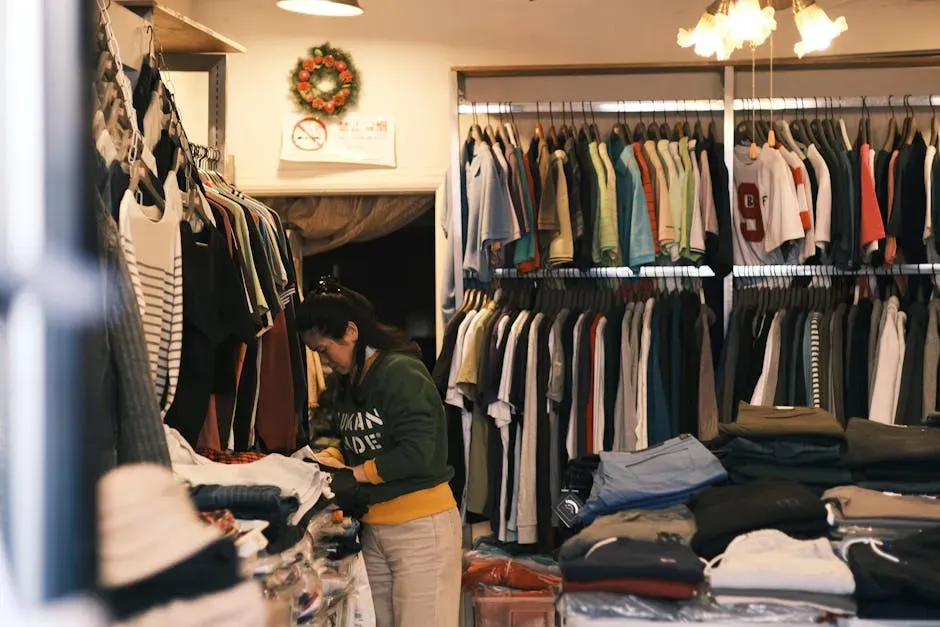
This one has a deceptively casual feel to it. A customer picks something up, decides it’s not for them, and sets it down in whatever spot is nearest. No big deal, right? Multiply that by a hundred customers over an eight-hour shift, and you have a store that looks like a very organized tornado hit it. Employees spend hours each day re-sorting, re-hanging, and re-shelving items that didn’t need to move in the first place.
What makes this habit particularly frustrating is that it often happens right in front of staff who just finished tidying that exact section. It’s a little like watching someone drop a candy wrapper three feet from a trash can. There’s a quiet defeat in it. It’s not malicious, but it communicates, loudly, that the employee’s effort simply doesn’t matter.
Demanding That Staff Override Policies They Have No Power to Change
Few things drain an employee faster than a customer who insists there must be some secret button that makes store policy disappear. Return windows, price matching rules, coupon restrictions – these exist above the pay grade of the person standing at the register. Pushing them to “just make an exception” puts them in an impossible spot. They can’t say yes, but saying no risks the customer’s wrath.
Associates get blamed for everything: prices, out-of-stocks, short staffing, return policies. They didn’t make those decisions, but they’re the face of the brand, so they take the hit. This is the exhausting reality of the role. When customers direct that frustration at the employee who literally has no authority to change anything, it’s a lose-lose situation that leaves staff feeling helpless and demoralized.
Being Hostile When You Have to Wait

Lines. Everybody hates them. But here’s the thing – the cashier didn’t design the store layout, decide the staffing levels, or choose how many registers to open. They’re moving as fast as they physically can. When customers direct their frustration about wait times at the employee, they’re essentially punishing someone for a problem that person didn’t create and can’t fix.
Nearly three-quarters of retail employees report queues and long waits as a problem at work, with almost one in five saying this is a daily issue. Frontline workers say that long wait times are the top reason customers get frustrated. Employees are already keenly aware of the lines forming. They feel that pressure every second. Sighing loudly, making pointed comments, or snapping at the cashier doesn’t speed anything up. It just makes their shift measurably harder.
Belittling Staff in Front of Other Customers

This is the one that genuinely crosses a line. Some customers, when something goes wrong, choose to make a scene. Loudly. In public. The employee gets called out, talked down to, or mocked right there on the floor, with other shoppers watching. It’s humiliating in a way that doesn’t wash off when the shift ends.
A survey of 500 frontline workers in the U.S. confirms how widespread the issue has become: roughly three in four say they deal with difficult customers daily or weekly. The psychological weight of that frequency is enormous. Research has found that being the target of incivility, or even just witnessing it, can trigger a fight-or-flight response that reduces cognitive processing power away from the task at hand. In plain terms: public humiliation doesn’t just hurt feelings. It literally impairs the worker’s ability to do their job for the rest of the day.
Making Unreasonable Demands Right Before Closing Time
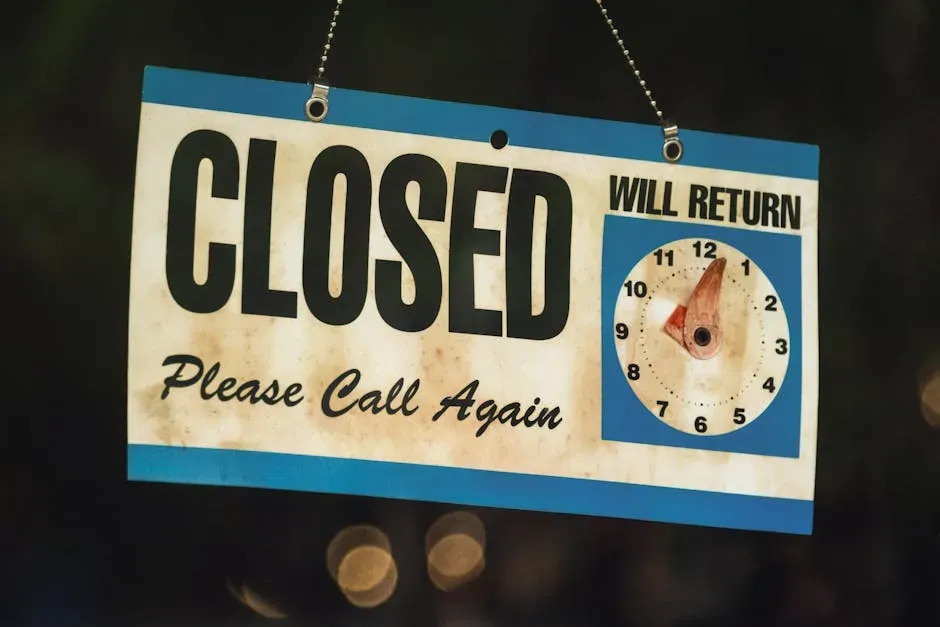
It’s 9:58 PM. The store closes at 10. A customer strolls in, grabs a cart, and begins a leisurely shop as though they have all the time in the world. Or worse, they arrive at the register with a complicated return, a stack of coupons, and a list of questions. The employees who were mentally clocked out, who have been on their feet for eight hours, now have to reset completely and stay late on top of it.
I’m not saying don’t shop near closing time. But awareness matters. Coming in one minute before close with a full cart sends a clear message that your convenience outweighs everyone else’s time. Most retail workers won’t say a word about it, because they can’t. But they remember it, and it absolutely makes the dread list.
Treating “The Customer Is Always Right” as an Absolute Truth

This phrase has done a lot of damage over the years. Customers who wield it like a weapon – who use it to justify bad behavior, push for unearned discounts, or intimidate staff – are leaning on a concept that was never meant to justify personal rudeness in the first place. The original idea was about product preferences, not interpersonal conduct.
Research published in the Journal of Consumer Psychology found that people treat retail workers worse when they’re looking for bargains. When customers complain or show dissatisfaction, they are often rewarded under the assumption that “the customer is always right,” which effectively incentivizes bad behavior. That cycle is genuinely corrosive. It teaches a certain kind of customer that aggression works, and it leaves employees with no real recourse. The toll is real: the increase in verbal and physical confrontations is driving burnout among store associates and causing a significant portion to leave the retail industry entirely.
Snapping, Pointing, or Using a Dismissive Tone

Nobody gets into retail expecting to be spoken to like a subordinate. Yet there’s a particular kind of customer who snaps their fingers to get attention, points instead of speaks, or uses a tone that belongs in a heated boardroom argument rather than a shop floor. It communicates, clearly and instantly, that they view the employee as less than. And employees notice.
Around roughly four in five people in a major survey said customers being rude to employees is more common than it was five years ago, and nearly three in four said bad behavior is “not unusual,” compared to a 2012 survey when that number was significantly lower. The trend is moving in the wrong direction. A dismissive snap might feel like nothing to the person doing it. To the employee receiving it, it’s one more small cut in a shift that might already have dozens of them.
Ignoring the Human Being Behind the Counter
Here’s the quiet truth underneath all of these habits: they all share the same root. They treat retail workers as a service function rather than a person. No greeting, no thanks, no acknowledgment that the interaction involves two actual humans. It’s transactional in the coldest possible sense.
Retail workers are the most likely of any industry group to encounter unruly customers, and research involving tens of thousands of frontline workers has shown that those who face difficult customers are significantly more likely to be actively looking for a new job. That’s the real cost. Nearly half of frontline workers report feeling burned out, and more than one in four have considered leaving their industry altogether. A simple hello, a thank you, a moment of basic human recognition – these things genuinely matter on a shift that might otherwise feel relentless. It costs nothing to be decent, and it makes more difference than most shoppers will ever know. What would you do differently the next time you walk through those doors?