6 Things to Know Before Booking Flights During Peak Seasons
Peak season travel is exciting. There’s a reason millions of people flock to the same beaches, cities, and ski resorts at roughly the same time every year. The problem is, that collective enthusiasm costs you real money – sometimes a lot of it – if you aren’t prepared.
The good news is that booking smart during high-demand travel windows is absolutely possible. It’s just not as simple as typing your destination into a search bar and hoping for the best. There are real strategies, real patterns, and real tools that can make the difference between a great deal and an overpriced headache. So let’s dive in.
1. Prices Don’t Rise Gradually – They Can Spike Fast

Here’s the thing most casual travelers don’t realize: airfares during peak windows don’t inch upward politely. They can jump dramatically within a very short time frame. Fares typically jump by $100 to $200 within 21 days of travel as airlines capitalize on procrastinators. That’s not a small margin – that’s potentially an extra weekend away’s worth of spending, gone just because you waited.
While airfare pricing can seem random, the process is actually influenced by many factors including demand, supply, and dynamic pricing. Airlines use advanced algorithms to adjust ticket prices in real time based on these factors, leading to frequent price fluctuations. Think of it less like a store shelf where prices stay put, and more like a live auction where the bids only go up the longer you wait. Contrary to popular belief, last-minute tickets are rarely cheaper. Prices typically increase about three weeks before departure, with occasional exceptions for filling flights.
2. The Booking Window Is Totally Different During Peak Season

During off-peak travel, you have considerably more breathing room. If it’s an off-peak season – not middle of summer, Christmas or New Year’s – booking about one to three months in advance is typically when cheap flights have the highest likelihood of popping up. Peak season completely rewrites those rules, and that surprises a lot of people.
For popular travel periods such as summer vacations or winter holidays, plan to book four to ten months in advance for international travel, and three to five months in advance for domestic travel, to avoid price hikes. Honestly, that might sound extreme if you’re used to booking a few weeks out – but peak season is a fundamentally different game. For major events like Carnival or Lunar New Year, aiming for six to twelve months ahead is recommended. The earlier you act, the more control you keep.
3. Peak Season Varies Dramatically by Destination

A lot of travelers assume “peak season” is just summer. It isn’t. Peak travel seasons vary depending on the destination, and knowing these regional patterns can help you plan smarter. Europe’s busiest times are summer and the winter holiday season, with events like Oktoberfest, Christmas markets, and St. Patrick’s Day causing additional localized fare increases, often requiring bookings five to six months in advance.
In Asia, major events like Lunar New Year and seasonal attractions such as cherry blossom season in Japan and Korea drive up demand significantly. Flights to Tokyo during cherry blossom season can cost significantly more than at other times. South America has its own rhythm too. The Southern Hemisphere’s summer running from December through March, alongside Carnival season in February or March, sees higher fares – with coastal cities like Rio de Janeiro being especially pricey around New Year’s. Matching your booking strategy to your specific destination is everything.
4. Flying on the Holiday Itself Can Save You Serious Money

This one feels almost counterintuitive, which is probably why so few people do it. Flying on the holiday itself – Christmas Day or Thanksgiving Day – is almost always significantly cheaper than the surrounding days. Most travelers want to arrive before the celebration, which leaves the actual holiday date surprisingly light on demand.
Flying on less popular days such as Christmas Eve, Christmas Day, or New Year’s Eve can save you money, as can early-morning, late-night, or red-eye flights. Meanwhile, if you can shift your return date, that matters too. After Christmas, waiting until the 28th or 29th to head home, or after New Year’s aiming for January 5th or 6th, can result in additional savings. It takes a little flexibility, but the payoff is real.
5. Midweek Flights Are Still Meaningfully Cheaper

The day you actually fly – not just the day you book – has a measurable impact on price. According to a 2025 Google report, the cheapest days to travel are still Monday through Wednesday, roughly 13% cheaper than flying over the weekend. During high-demand stretches of travel, that percentage gap translates into serious dollar savings.
The best days to fly are midweek, specifically Tuesdays and Wednesdays, and Saturdays for cheaper fares. During peak season, this can be an especially effective lever to pull when the destination and dates themselves are locked in. Flying on Tuesdays and Wednesdays during these off-peak periods can save you as much as $60 per ticket compared to weekend departures. During summer, that saving per ticket can climb even higher. Every dollar counts when fares are already elevated across the board.
6. Price Tracking Tools Are Non-Negotiable During High Season
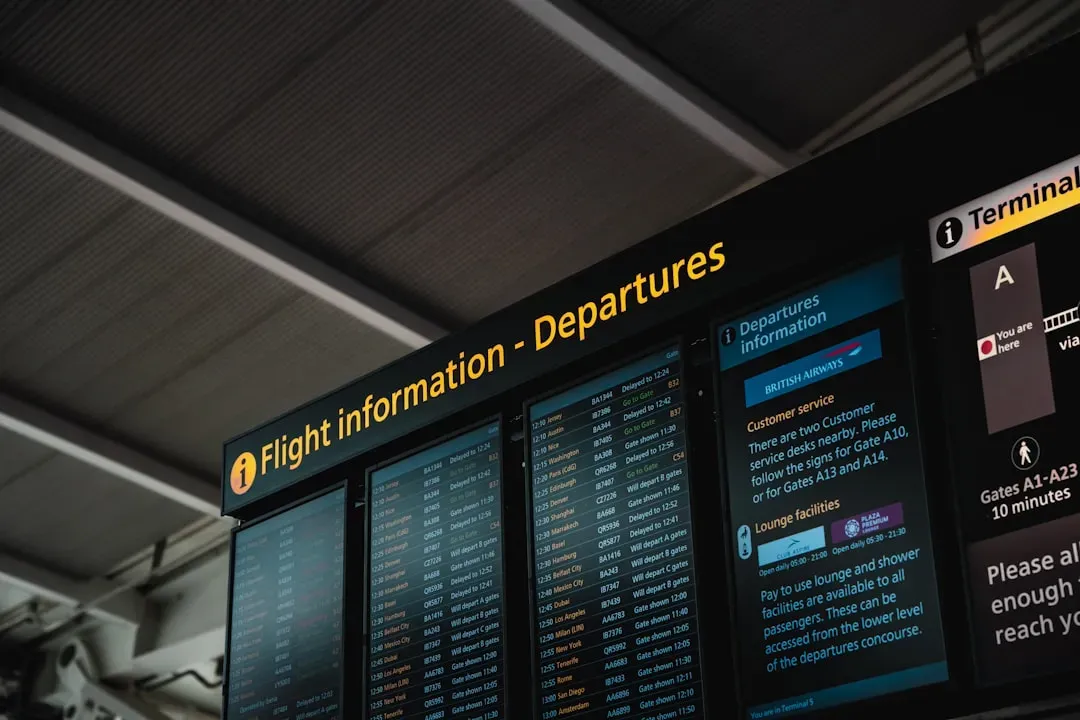
Let’s be real – manually checking flight prices every few days is exhausting, and frankly, it’s not even the most effective way to do it. Airlines use advanced algorithms to adjust ticket prices in real time, leading to frequent price fluctuations. Trying to out-time an algorithm with manual searching is a losing game. Price alert tools level that playing field considerably.
Using a price monitoring tool such as Google Flights’ “Track prices” or Hopper’s “Watch This Trip” can give you real-time updates to help you decide when to travel for the lowest fare. Setting up alerts means you don’t have to be glued to your screen. By starting your search five to seven months out, you can track prices and know exactly when to jump on a deal when it appears. When a price drops into your comfort zone, you’ll know immediately – and during peak season, that kind of speed matters.
Booking flights during peak season doesn’t have to feel like a gamble. The difference between overpaying and getting a solid deal almost always comes down to how early you started watching, how flexible you stayed, and whether you understood that peak season rules are genuinely different from everything else. What about you – have you ever scored an unexpectedly great deal during peak season? Tell us in the comments.