20 Novels That Shaped Entire Genres
Some books are good. Others are unforgettable. Then there is a rare, almost mystical category of novels that didn’t just entertain readers – they restructured the entire DNA of storytelling itself. These are the books that made other writers say, “I want to do that,” and then proceed to spend entire careers trying. The most powerful novels shifted what types of fiction got read and written, launched or served as turning points for particular , opened the doors for whose work could be published, and changed the rules of what we could write about and how we could write about it.
Think about that for a second. Not just bestsellers – but genre-builders. Stories that gave birth to entire traditions still thriving today. Genre fiction developed from various sub of the novel during the nineteenth century, along with the growth of the mass-marketing of fiction in the twentieth century: this includes the gothic novel, fantasy, science fiction, adventure novel, historical romance, and the detective novel. The 20 titles below are ground zero for all of that. Let’s dive in.
1. Don Quixote by Miguel de Cervantes (1605/1615) – The Birth of the Modern Novel
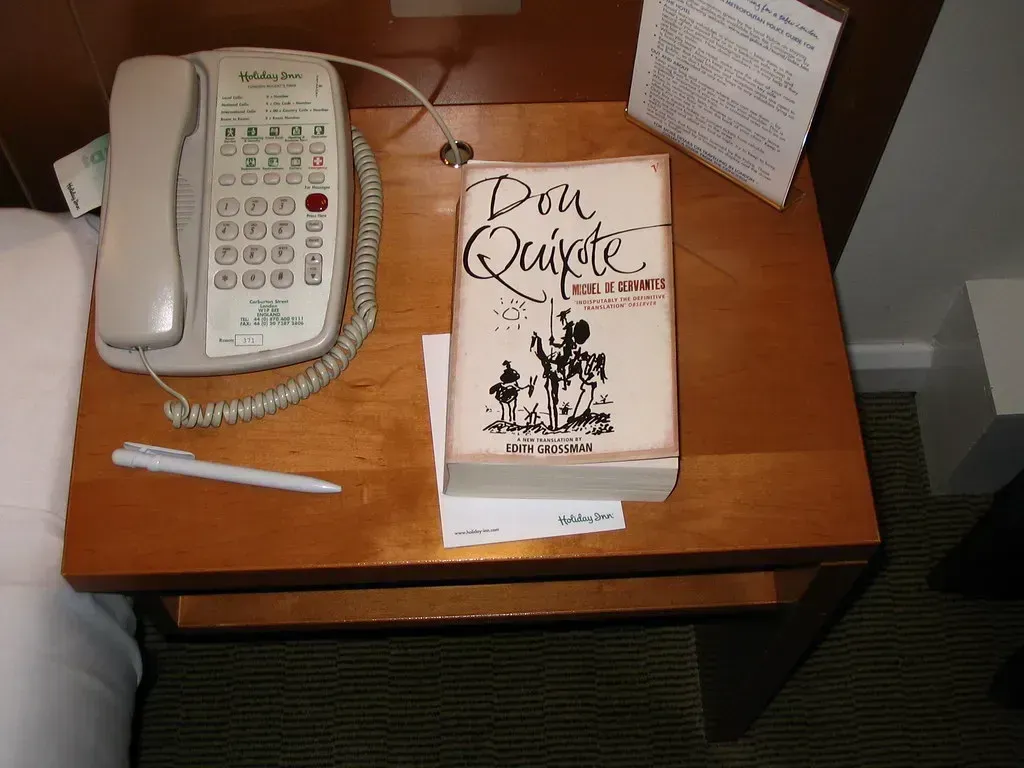
Here’s the thing: before Cervantes, storytelling had a different contract with readers entirely. Miguel de Cervantes’s Don Quixote, perhaps the most influential and well-known work of Spanish literature, was first published in full in 1615. It told the story of a man so obsessed with chivalric romances that he declared himself a knight and set off to live them out – a premise that sounds almost absurdist, but was in fact revolutionary.
“Don Quixote” by Miguel de Cervantes is considered the first modern novel, showcasing the blending of even in earlier literary works. The character of Don Quixote has become an idol and somewhat of an archetypal character, influencing many major works of art, music, and literature since the novel’s publication. The text has been so influential that a word, “quixotic,” was created to describe someone who is foolishly impractical in the pursuit of ideals. No other book can claim to have literally contributed a word to modern language in quite the same way.
2. Frankenstein by Mary Shelley (1818) – Mother of Science Fiction
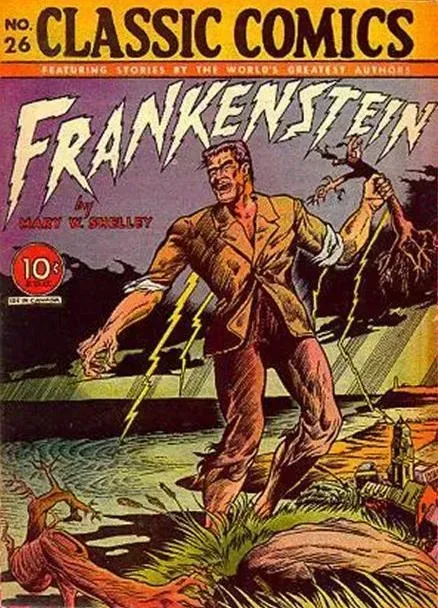
Mary Shelley was just eighteen years old when the idea came to her. The 1816 “Year Without a Summer,” caused by a volcanic eruption, led to ghost-storytelling at Lord Byron’s villa, inspiring the novel. What emerged from that stormy lakeside retreat was something nobody had ever read before. Frankenstein; or, The Modern Prometheus is a Gothic horror novel by English writer Mary Wollstonecraft Shelley that was first published in 1818. The epistolary story follows a scientific genius who brings to life a terrifying monster that torments its creator. It is considered one of the first science-fiction novels.
Frankenstein is one of the best-known works of English literature. Infused with elements of the Gothic novel and the Romantic movement, it has had a considerable influence on literature and on popular culture, spawning a complete genre of horror stories, films, and plays. A cross between the Gothic and Science Fiction, Frankenstein highlights the overlay in genre that many Gothic novels feature, often leading to the intersect of the Gothic genre with Horror, Science Fiction, even Fantasy and Historical Fiction . It did what no single book had done before: it invented a new way of being afraid.
3. The Murders in the Rue Morgue by Edgar Allan Poe (1841) – The First Detective Story
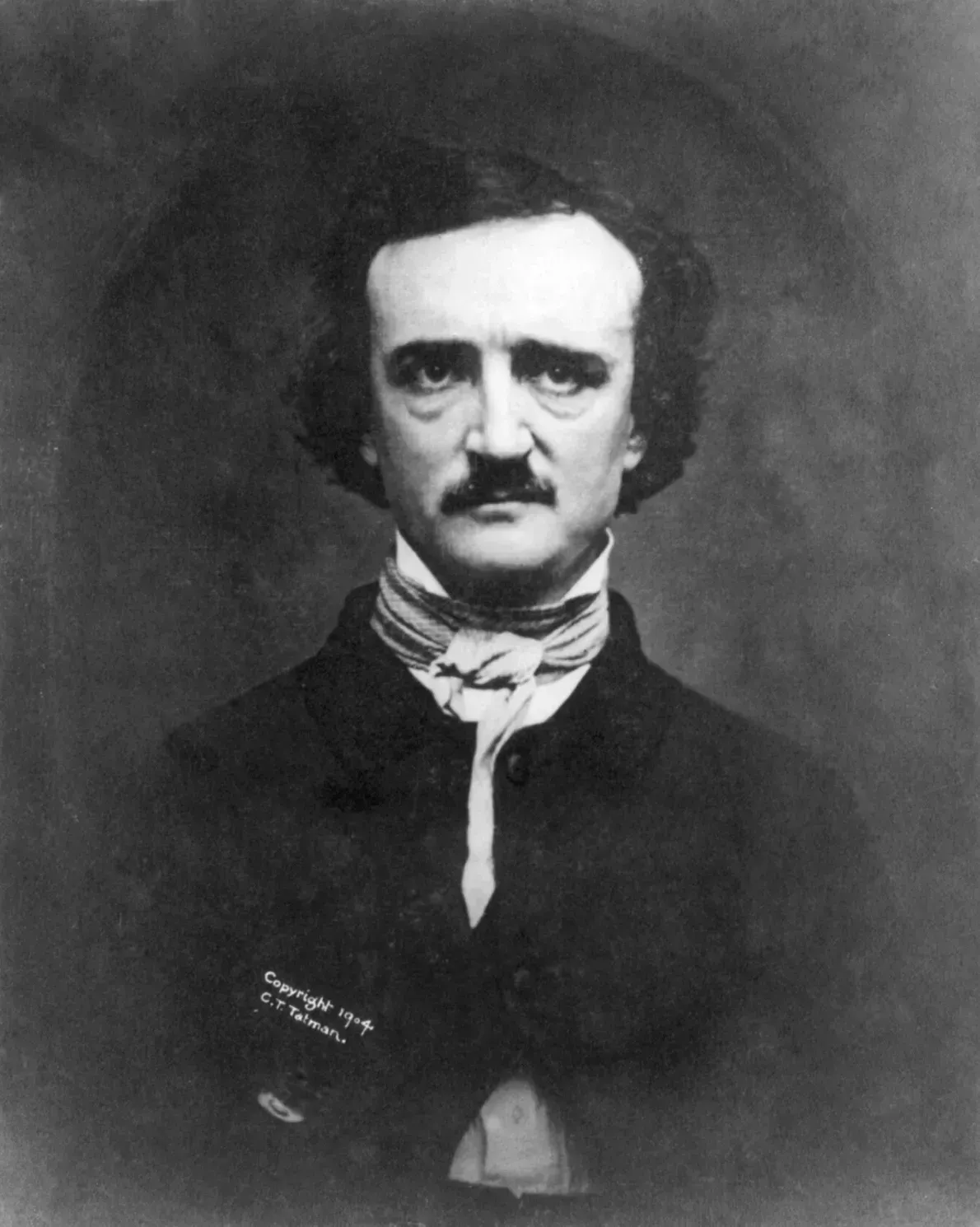
Imagine a world without Sherlock Holmes, Hercule Poirot, or Philip Marlowe. Honestly, it’s hard to picture. All of them owe a quiet debt to a short story published in a Philadelphia magazine in April 1841. With “The Murders in the Rue Morgue,” Edgar Allan Poe introduced the literary world to a new kind of story: the detective story – where as the reader, you get to play along with the detective as they work to solve the case, as if the whole story were some highly entertaining logic puzzle.
In addition to being the first detective story ever, The Murders in the Rue Morgue was also the first locked-room mystery, another genre that has become a favorite for mystery readers in the years since Poe first introduced the concept. The mystery fiction genre started to take shape in the mid-nineteenth century, with Edgar Allan Poe being credited as one of its pioneers through this very story. Without Poe, there is no golden age of crime fiction. Full stop.
4. Jane Eyre by Charlotte Brontë (1847) – Pioneer of Romantic Literary Fiction

Published in 1847 under the male pseudonym Currer Bell, Jane Eyre was a shock to Victorian readers. It gave the world a heroine who spoke her mind, refused to be diminished, and demanded to be treated as an equal – even as a governess with no money and no status. Jane Austen’s and Charlotte Brontë’s masterful command of dialogue and nuanced character development make them influential fiction writers whose appeal remains undiminished.
The novel effectively built what we now recognize as the “romantic literary fiction” tradition – the deeply interior, morally courageous female protagonist navigating a world designed to silence her. Some scholars see precursors to the genre fiction romance novels in literary fiction of the 18th and 19th centuries, including the novels of Jane Austen and Charlotte Brontë. Countless novels that followed – from Rebecca to Wide Sargasso Sea – can be traced back, in spirit and in structure, to Jane Eyre’s beating heart.
5. A Study in Scarlet by Arthur Conan Doyle (1887) – Blueprint of the Detective Novel
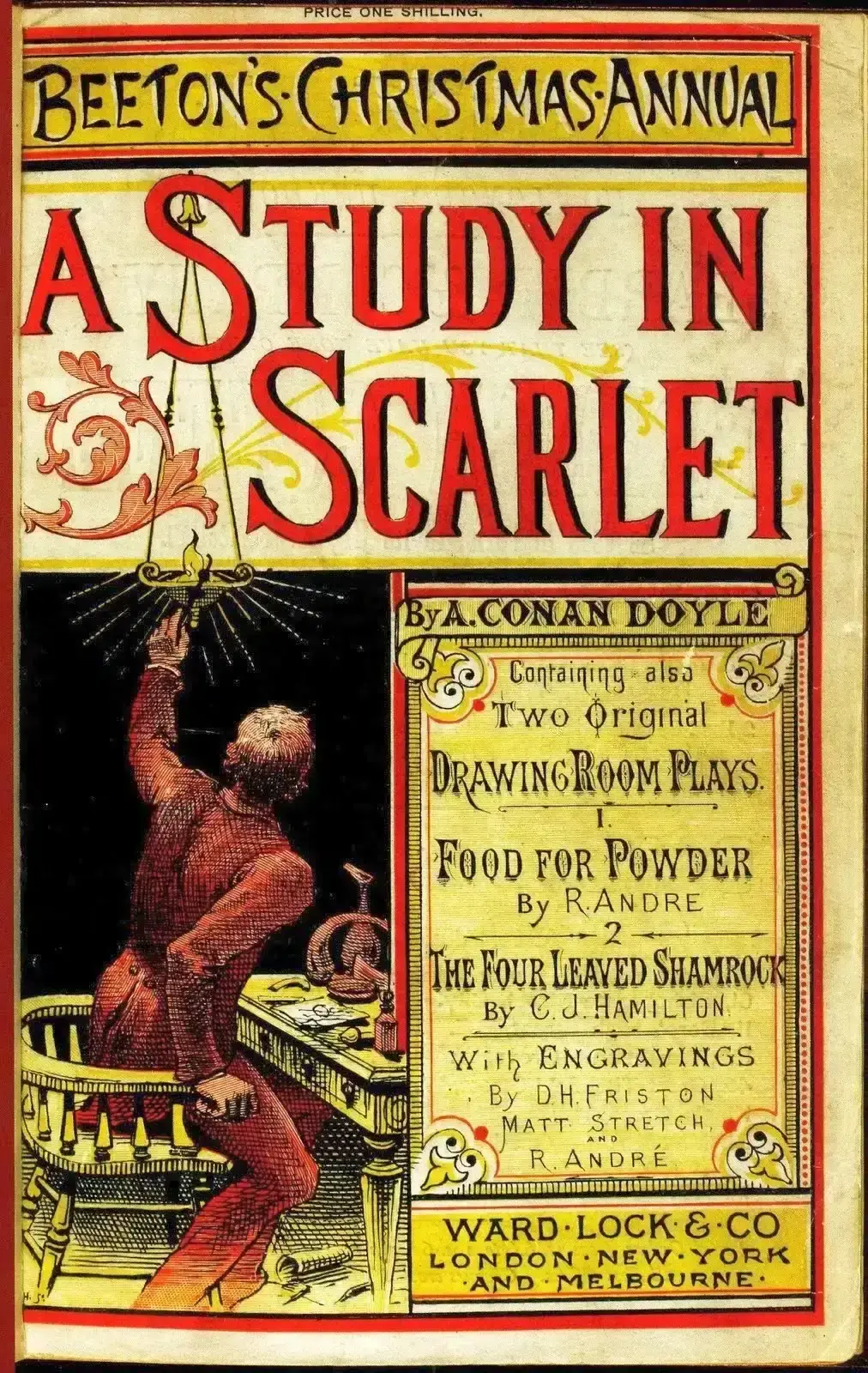
When a “shilling shocker” was published in a Christmas annual in 1887, nobody predicted it would rewrite the rules of fiction for the next century and beyond. Sherlock Holmes is a series of detective stories created by Arthur Conan Doyle, centering on the iconic character of Sherlock Holmes, a brilliant consulting detective known for his keen powers of observation and logical reasoning. The character was first introduced in the novella “A Study in Scarlet,” published in 1887, where he solves a complex murder mystery with the help of his friend Dr. John Watson.
Doyle introduced three devices into detective fiction narrative which have become major conventions in the genre. One is the so-called “idiot friend,” who must have everything explained to him, thus informing the reader. Dr Watson, of course, is such a companion in the Holmes stories. The character of Sherlock Holmes has become an icon for detection and intelligence, and even his trademark deerstalker cap and magnifying glass have become universal symbols for mysteries. The figure of Holmes is regularly used in signs, print advertising, cartoons, and other formats. That’s not influence – that’s cultural saturation.
6. Dracula by Bram Stoker (1897) – Defining Gothic Horror

Bram Stoker’s 1897 novel didn’t immediately storm the bestseller lists. Published in 1897, Dracula by Bram Stoker is one of the most influential Gothic horror novels ever written. It was not an immediate bestseller but grew in popularity through stage adaptations, most notably the 1924 play that inspired Bela Lugosi’s iconic 1931 film portrayal. Once it caught fire, however, it became unstoppable.
The novel established many vampire tropes: vulnerability to sunlight, garlic, and holy objects; shape-shifting abilities; the need for an invitation to enter a home; and immortality combined with blood-drinking. Those conventions became the bedrock of an entire genre. Since then, Dracula has appeared in countless films, TV shows, and novels, ranging from faithful adaptations to modern reimaginings. From Anne Rice’s vampire chronicles to the Twilight saga to modern television shows like What We Do in the Shadows, the genre Stoker created is still very much alive – and undead.
7. The Hound of the Baskervilles by Arthur Conan Doyle (1902) – The Gothic Mystery Crossover
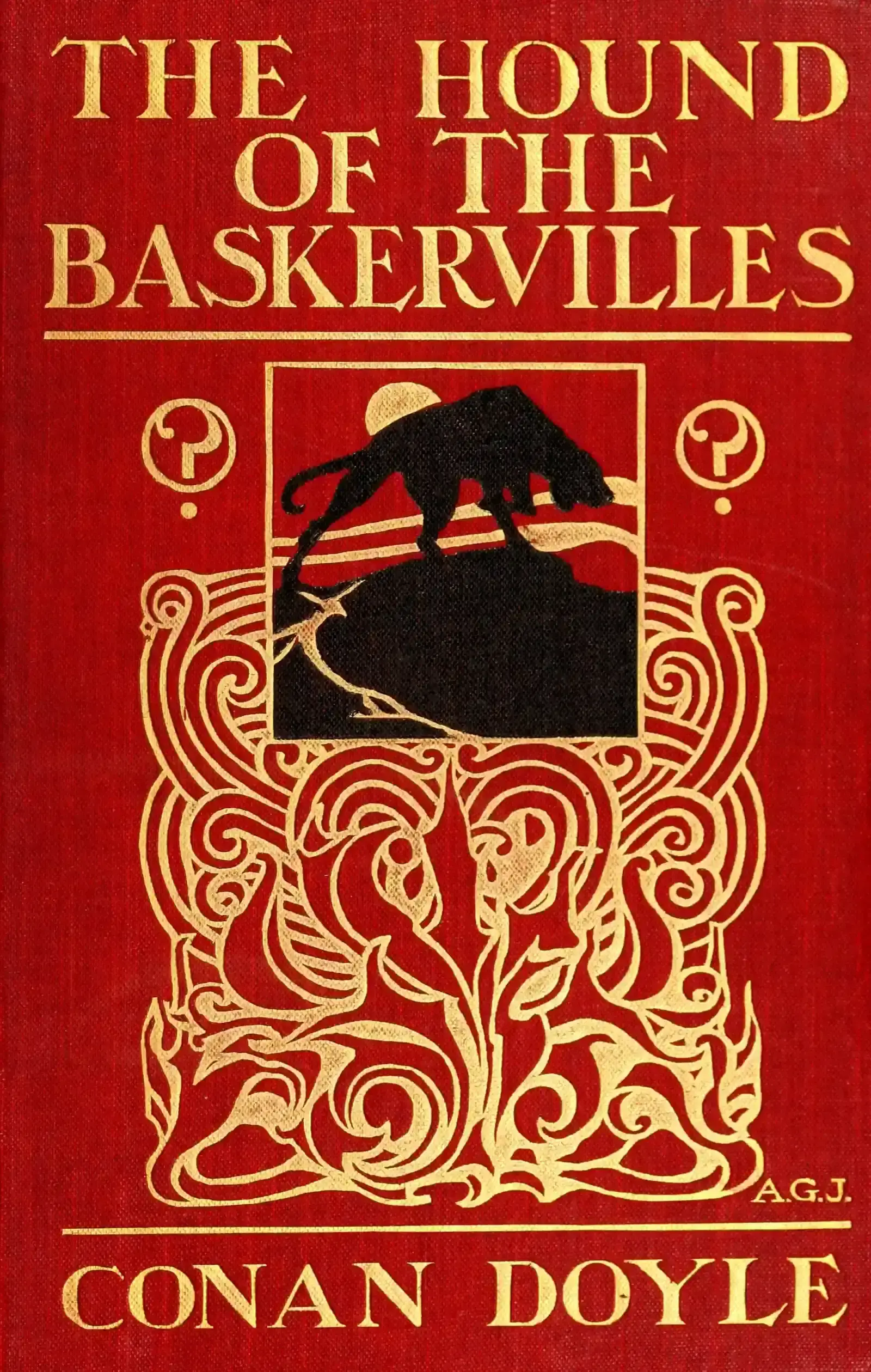
I think of this novel as the genre-bender that the Victorian literary world didn’t know it needed. Coming after the apparent “death” of Holmes at the Reichenbach Falls, The Hound of the Baskervilles dragged detective fiction into gothic territory and made the marriage feel completely natural. The story of the cursed Baskerville family on the misty Dartmoor moors combined supernatural dread with rational deduction in a way that had never quite been done before.
The most famous of all fictional detectives is, of course, Sherlock Holmes, introduced by Sir Arthur Conan Doyle in “A Study in Scarlet” and the subject of four novels and 56 short stories. Sherlock Holmes has been called one of the three most famous characters in fiction, alongside Hamlet and Don Quixote. Few writers in history have had such an impact as Conan Doyle. The Hound remains the finest single example of how those stories could transcend their genre and become something close to myth.
8. The Murder of Roger Ackroyd by Agatha Christie (1926) – Reinventing Mystery

Agatha Christie was already famous by 1926. Then she published this novel and broke the mystery genre open like a puzzle box nobody had seen before. Christie’s works, particularly those featuring the detectives Hercule Poirot or Miss Marple, made her one of the most important and innovative writers in the development of the genre. Her most influential novels include The Murder of Roger Ackroyd (1926), one of her most controversial novels, whose innovative twist ending had a significant impact on the genre.
Dame Agatha Christie was an English author known for her 66 detective novels and 14 short-story collections, particularly those revolving around fictional detectives Hercule Poirot and Miss Marple. She is widely regarded as one of the greatest writers, particularly in the mystery genre, and has been called the “Queen of Crime.” Her novel And Then There Were None remains one of the best-selling books of all time, and as of 2018, the Guinness World Records listed Christie as the best-selling fiction writer of all time. That’s an astonishing legacy built, in large part, from one audacious narrative gamble in 1926.
9. The Great Gatsby by F. Scott Fitzgerald (1925) – The American Literary Novel
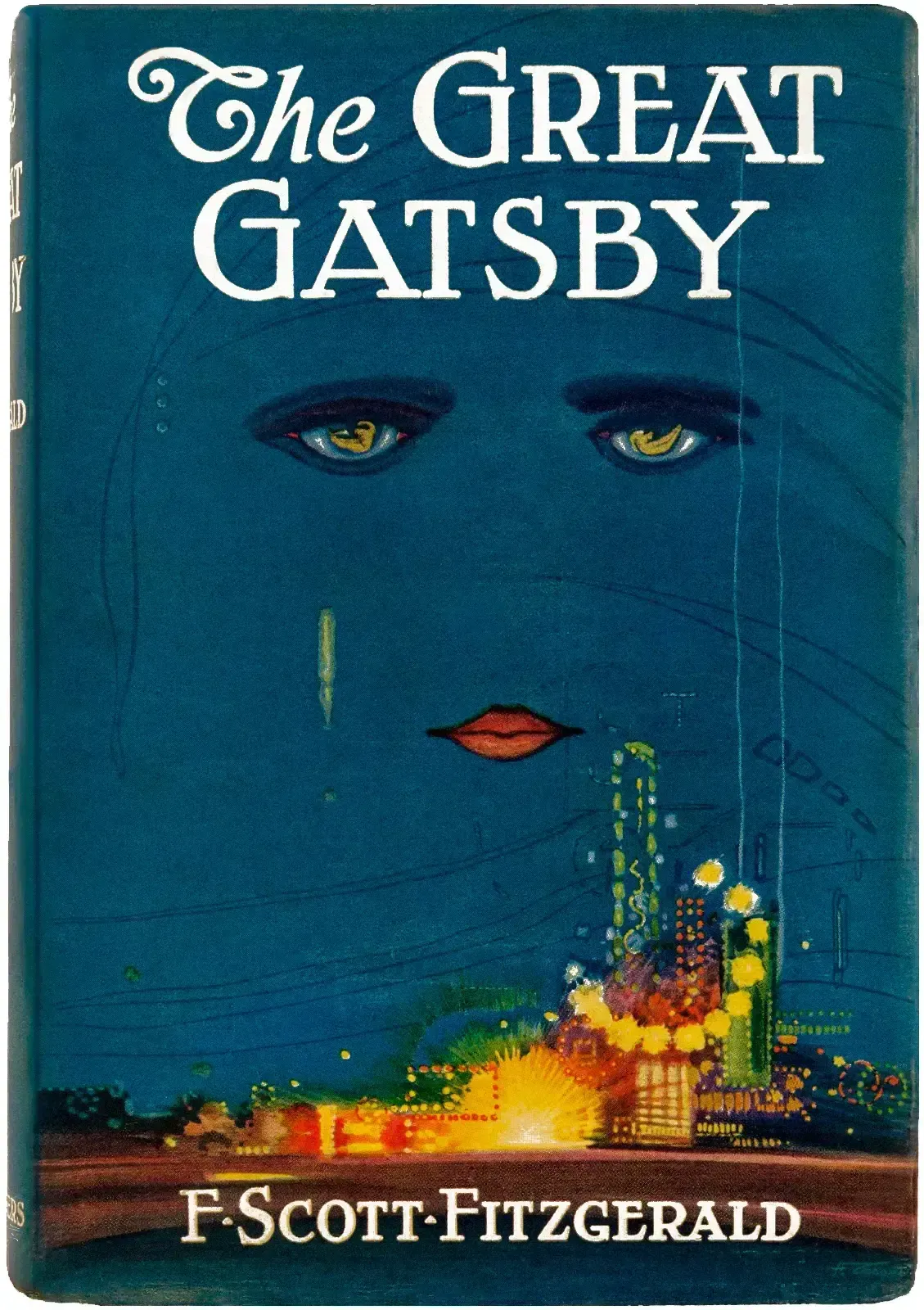
There are American novels. Then there is The Great Gatsby – a book so compressed with meaning it practically hums when you hold it. The Great Gatsby provides an insider’s look into the Jazz Age of the 1920s in United States history while at the same time critiquing the idea of the “American Dream.” That dual function – entertainment and cultural criticism simultaneously – is what the literary novel has been trying to achieve ever since.
Fitzgerald showed a generation of writers what prose could do when stripped of excess and aimed directly at the emotional center of a story. The novel redefined what “American fiction” meant as a concept. The most impactful books shifted what types of fiction got read and written, changed the rules of what we could write about and how we could write about it, inspired feverish searches for “the next” of their kind, or affected societal change far beyond the world of literature. Fitzgerald’s Gatsby did all of those things. The search for the “next Great Gatsby” hasn’t stopped since.
10. Brave New World by Aldous Huxley (1932) – The Dystopian Template
Before George Orwell, there was Huxley. Brave New World arrived in 1932 and established the vocabulary for a type of fiction that would become one of the most enduring of the twentieth and twenty-first centuries: dystopia. Brave New World by Aldous Huxley is often considered one of the great novels of the 20th century. Huxley’s novel looked unfavorably on the loss of an individual’s identity through futuristic technological advancements. Huxley’s own fears of commerciality and the emerging youth culture are fully on display in the novel.
Honestly, reading Brave New World in 2026 feels more relevant than ever. The pleasure-saturated, conformity-driven society Huxley imagined – where control comes not through pain but through distraction and comfort – reads less like fiction and more like a warning that kept being ignored. From the essential formula Huxley helped establish: a brilliant scientist invokes the powers of science, but fails to control the forces unleashed, with dire consequences for himself and mankind. That formula planted the seed for every dystopian novel that followed, from The Handmaid’s Tale to The Hunger Games.
11. 1984 by George Orwell (1949) – Defining Political Dystopia

If Huxley gave us the velvet dystopia, Orwell gave us the iron one. Set in a dystopian future, the novel presents a society under the total control of a totalitarian regime, led by the omnipresent Big Brother. The protagonist, a low-ranking member of “the Party,” begins to question the regime and falls in love with a woman, an act of rebellion in a world where independent thought, dissent, and love are prohibited.
1984 by George Orwell is a dystopian novel that describes life in a totalitarian regime that has stripped the people of their rights. The terms Orwell invented – Big Brother, doublethink, Newspeak, Room 101 – passed directly from the novel into everyday political language around the world. That’s something beyond influence. That’s a writer who rewired the way entire societies talk about power. Almost no other novel in history can claim the same.
12. The Lord of the Rings by J.R.R. Tolkien (1954) – High Fantasy’s Founding Text
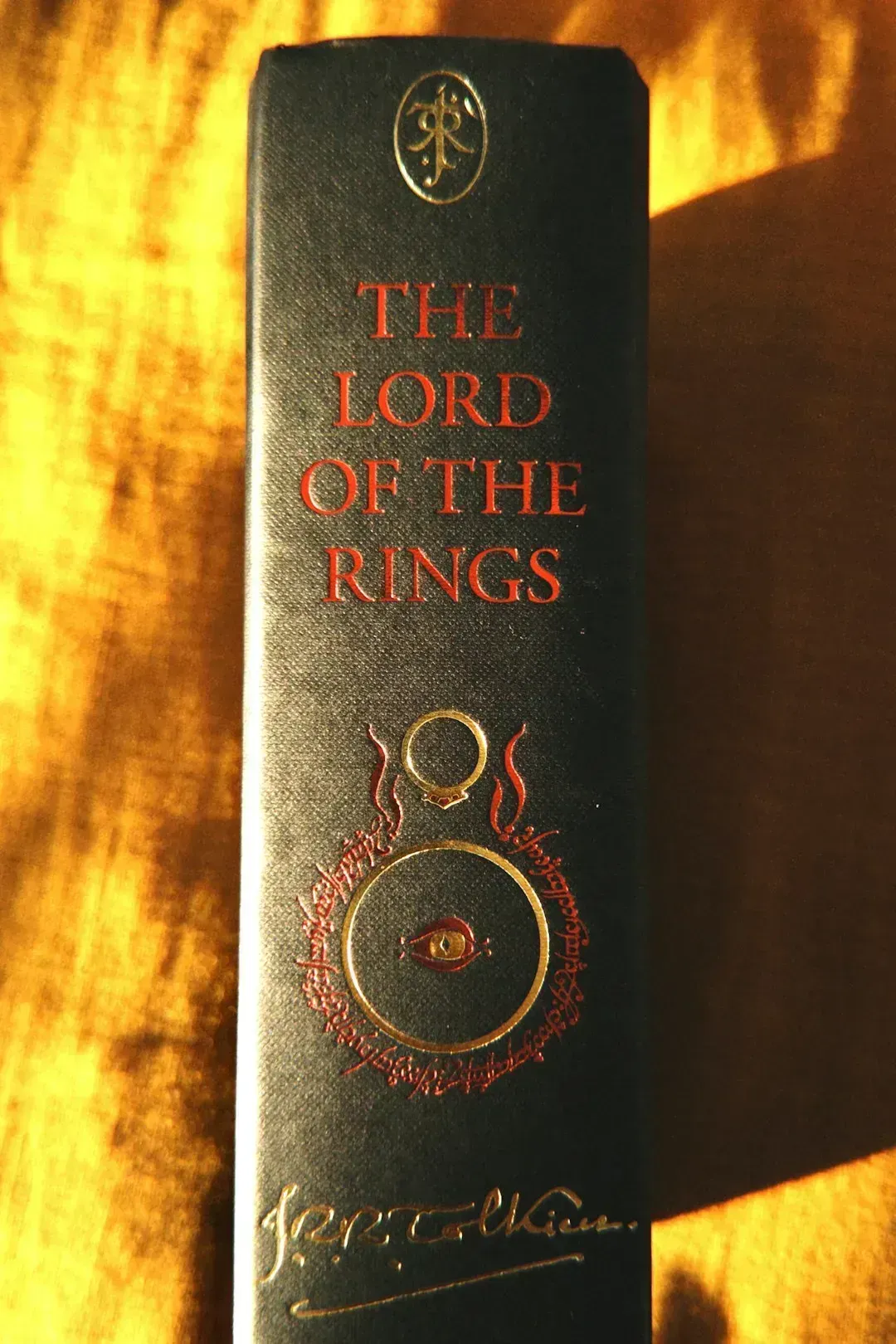
Let’s be real: without Tolkien, the fantasy genre as we know it simply does not exist in its current form. The Lord of the Rings by J.R.R. Tolkien is not only one of the best-selling novels in the world, it also helped form and shape the high fantasy genre. While many of the themes were adapted from earlier mythologies, The Lord of the Rings itself became the foundational text for all fantasy readers and authors.
Science fiction, fantasy and horror became well-defined thanks to the works of authors like H.G. Wells, J.R.R. Tolkien (“Lord of the Rings”), and H.P. Lovecraft. Fantasy and speculative fiction have enjoyed a remarkable resurgence in recent years. Readers continue to crave immersive, imaginative worlds that offer an escape from the monotony of everyday life. From high fantasy to urban fantasy, speculative fiction provides a playground for writers to explore themes of power, destiny, magic, and alternate realities. Every map, every invented language, every quest narrative in modern fantasy carries Tolkien’s fingerprints.
13. One Hundred Years of Solitude by Gabriel García Márquez (1967) – Magical Realism

There are books that feel like they arrived from another dimension. One Hundred Years of Solitude is exactly that. This novel is a multi-generational saga that focuses on the Buendía family, who founded the fictional town of Macondo. It explores themes of love, loss, family, and the cyclical nature of history. The story is filled with magical realism, blending the supernatural with the ordinary as it chronicles the family’s experiences. The book is renowned for its narrative style and its exploration of solitude, fate, and the inevitability of repetition in history.
Considered one of the most significant novels in the Spanish literary canon, One Hundred Years of Solitude tells the story of the Buendía family over several generations. The style and themes in the novel are seen as representative of a unique Latin American literary movement of the 1960s: Magical Realism. The novel tells the story of seven generations of the Buendía family and follows the establishment of their town Macondo until its destruction. In fantastical form, the novel explores the genre of magic realism by emphasizing the extraordinary nature of commonplace things while mystical things are shown to be common. That genre then rippled outward and changed world literature permanently.
14. Things Fall Apart by Chinua Achebe (1958) – Postcolonial Literature
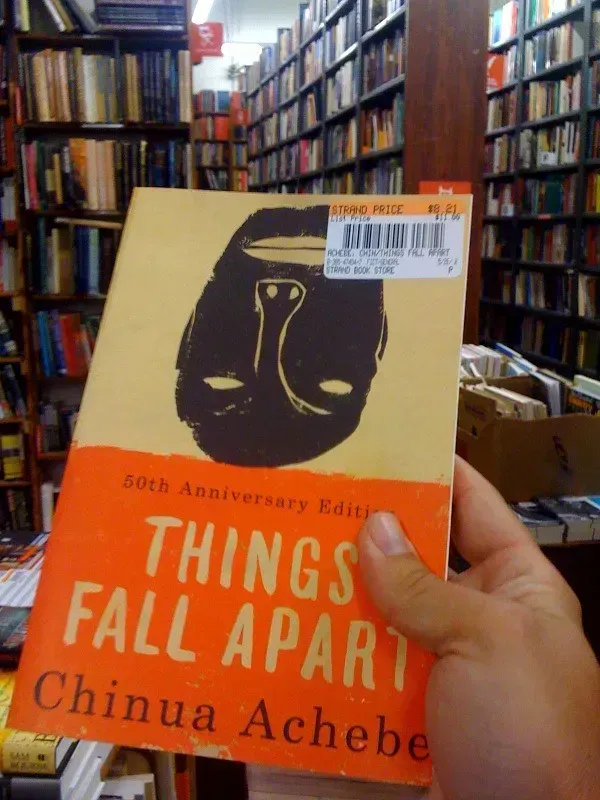
Chinua Achebe didn’t just write a novel. He constructed an entirely new lens through which African stories could be told, on African terms. Chinua Achebe’s Things Fall Apart, published in 1958, is one such work of Nigerian literature that had to overcome the bias of some literary circles and that has been able to gain recognition worldwide despite it. The novel follows an Igbo man named Okonkwo, describing his family, the village in Nigeria where he lives, and the effects of British colonialism on his native country.
The novel is an example of African postcolonial literature, a genre that has grown in size and recognition since the mid-1900s as African people have been able to share their often unheard stories of imperialism from the perspective of the colonized. The novel is frequently assigned for reading in courses on world literature and African studies. It proved, with startling clarity, that the Western literary canon had been telling only a fraction of the human story – and invited the rest of the world to speak.
15. To Kill a Mockingbird by Harper Lee (1960) – Southern Gothic and Social Conscience Fiction
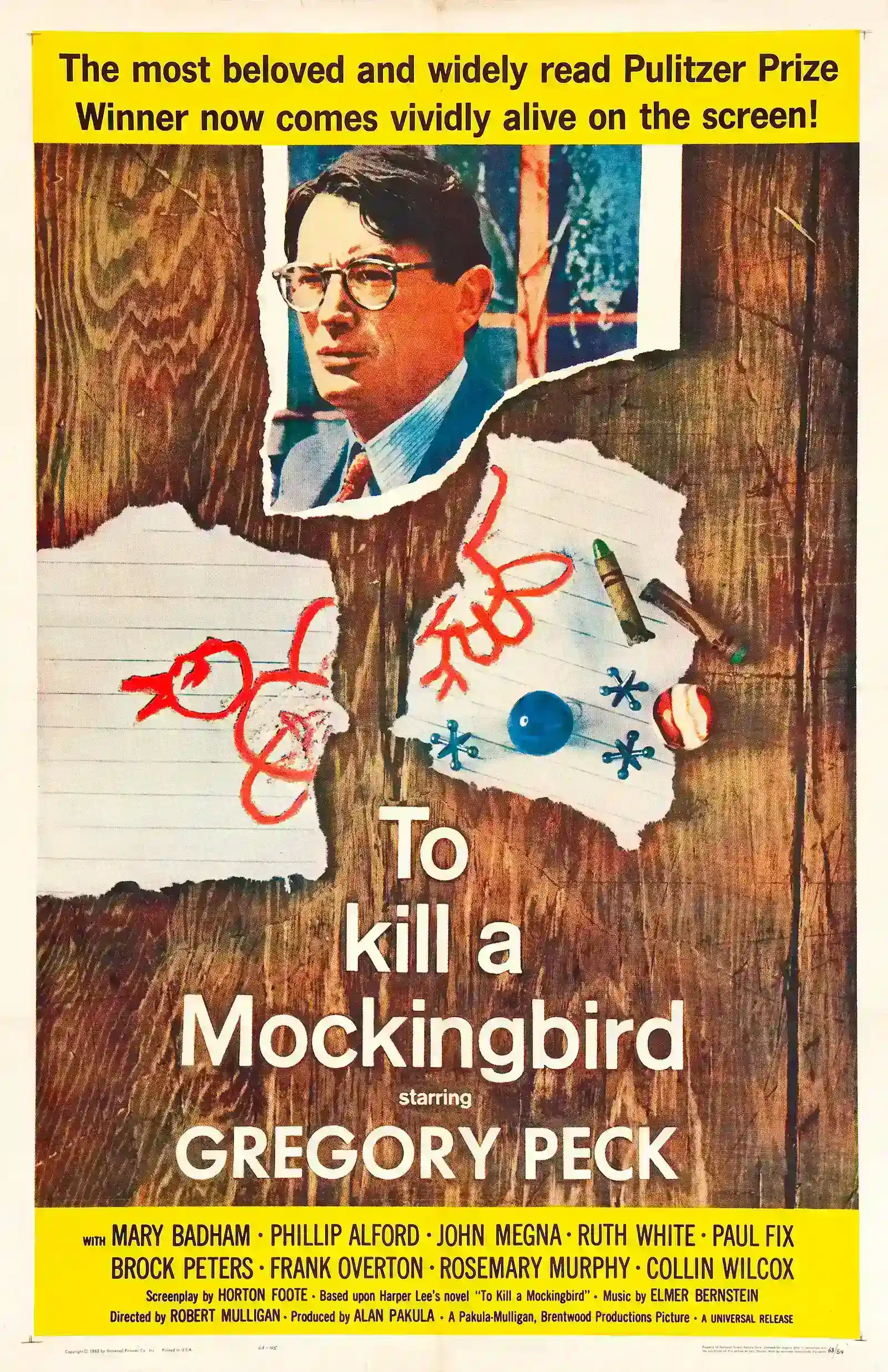
To Kill a Mockingbird is a novel by Harper Lee that found instant success when published in 1960. A coming-of-age story set in the Great Depression, the whole book is narrated by a six-year-old girl called Jean Louise “Scout” Finch over the timeframe of three years. She lives with her brother, Jem, and their widowed father and lawyer, Atticus. Throughout the book, Harper Lee explores with exuberant humour the irrationality of adult attitudes to race, violence, and class in the Deep South of the 1930s.
The novel became the defining text for a tradition of socially conscious fiction told through the eyes of a child – a perspective that disarms the reader and makes hard truths impossible to dismiss. It redefined what Southern Gothic literature could accomplish in terms of moral urgency. Readers are more interested in narratives that uncover hidden histories, especially those from marginalized groups, women, and people of color. Novels like this set a new standard by blending personal stories with larger historical events. Lee’s legacy is that standard – still being set today.
16. Beloved by Toni Morrison (1987) – Redefining African American Literary Fiction
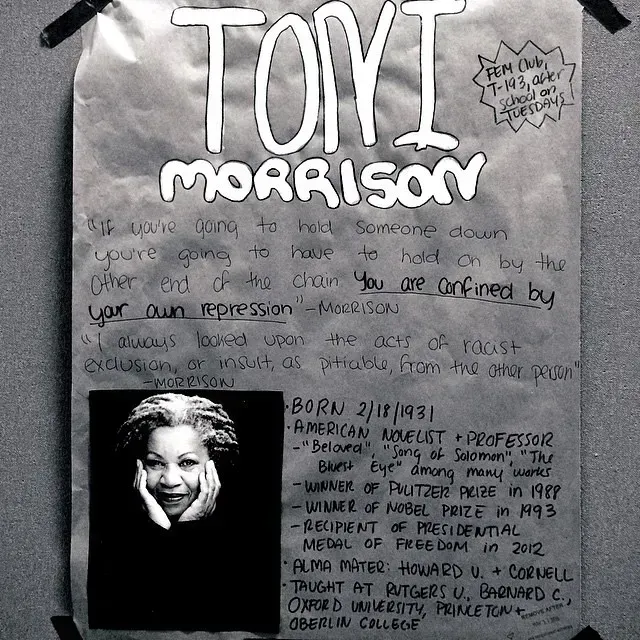
Toni Morrison described writing Beloved as an act of necessity – a story she felt the world could not afford not to have. Set in the aftermath of American slavery, the novel follows Sethe, a formerly enslaved woman haunted, literally, by the ghost of her dead daughter. Morrison’s novels, including Beloved, Song of Solomon, and The Bluest Eye, are celebrated for their rich symbolism, complex narratives, and stunning literary artistry. Morrison’s unparalleled ability to weave historical realities with deeply personal struggles, and her unique narrative style established her as one of the most influential fiction writers and a vital literary master.
The novel won the Pulitzer Prize in 1988 and is widely credited with establishing a new tradition: one that approached the Black American experience not as background context but as the central, urgent subject of serious literary fiction. Readers are drawn to narratives that uncover hidden histories, especially those from marginalized groups. Novels like this have set a new standard by blending personal stories with larger historical events. Morrison’s impact on contemporary literary fiction – in terms of both style and permission – is immeasurable.
17. The Handmaid’s Tale by Margaret Atwood (1985) – Feminist Dystopia
Margaret Atwood was precise about one thing when writing this novel: every element of the dystopian society of Gilead was drawn from real historical precedents. Nothing was invented. That decision made the novel something different from traditional speculative fiction – not a warning about a possible future, but a mirror held up to patterns already existing in history. Science fiction is a genre of speculative fiction dealing with imaginative concepts such as futuristic science and technology. Science fiction often explores the potential consequences of scientific and other innovations, and has been called a “literature of ideas.”
The Handmaid’s Tale founded what we now recognize as feminist dystopia – a subgenre defined by the systematic control of women’s bodies and identities as the central mechanism of oppression. Horror and speculative fiction will continue to grow with experimental approaches blending literary fiction, folk horror, and techno-horror, where AI and surveillance blur the line between the real and the terrifying. As societal fears shift, horror will increasingly focus on the psychological and existential aspects of fear. Atwood opened the door to all of it – and the TV adaptation in recent years confirmed that her novel only grows more resonant with time.
18. Mrs. Dalloway by Virginia Woolf (1925) – Stream of Consciousness Fiction
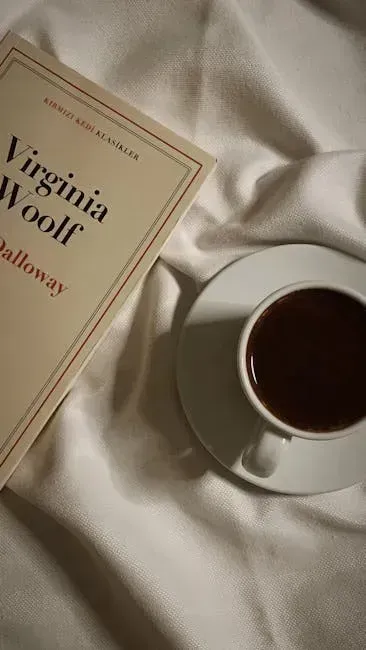
Virginia Woolf essentially dismantled and rebuilt the novel from the inside out. A pivotal figure in modernist literature, Virginia Woolf fundamentally reshaped the novel form through her groundbreaking use of stream of consciousness and her exploration of inner psychological landscapes. Novels such as Mrs. Dalloway, To the Lighthouse, and Orlando delve deep into the intricate inner lives of her characters, exploring themes of identity, time, memory, and gender with lyrical prose and profound psychological acuity.
Mrs. Dalloway covers a single day in the titular character’s life as she prepares for a party. Going about her errands and chores, Mrs. Dalloway reflects on the choices that led her to this particular moment and wonders about what the future will hold. Virginia Woolf’s famous work is significant because it demonstrates that novels don’t only have to be about extraordinary adventures, but can be about everyday life. Woolf’s experimental approach challenged traditional narrative structures, pushing the very boundaries of the novel. Her profound influence makes her one of the greatest novelists and an author who defined .
19. War and Peace by Leo Tolstoy (1869) – The Epic Historical Novel

Few novels in the history of literature have attempted what Tolstoy accomplished here: a complete portrait of an entire society at war, told across hundreds of characters, years, and battlefields. Though Tolstoy was hesitant to call it a novel, War and Peace is often included in the discussion of the best novels of all time. Chronicling the French invasion of Russia in 1812, the book looks at the psychological effects of the war and the philosophical discussions that it created.
Set in the backdrop of the Napoleonic era, the novel presents a panorama of Russian society and its descent into the chaos of war. It follows the interconnected lives of five aristocratic families, their struggles, romances, and personal journeys through the tumultuous period of history. The narrative explores themes of love, war, and the meaning of life as it weaves together historical events with the personal stories of its characters. The ambition of War and Peace set a standard for what historical fiction could dare to attempt. Every sweeping historical saga since – from Hilary Mantel’s Wolf Hall to Ken Follett’s Pillars of the Earth – operates in Tolstoy’s enormous shadow.
20. The Tale of Genji by Murasaki Shikibu (c. 1000 CE) – The World’s First Novel
![20. The Tale of Genji by Murasaki Shikibu (c. 1000 CE) - The World's First Novel (Image Credits: Ishiyama-dera Temple, in Ōtsu in Japan's Shiga Prefecture, [1], Public domain)](https://nvmwebsites-budwg5g9avh3epea.z03.azurefd.net/amagicalmess/13f8ffdf32e61608fe34caeb17d37d2b.webp)
We end, fittingly, at the beginning. Or rather, at what many scholars consider the very origin point of the novel as a form. The Tale of Genji by Murasaki Shikibu, written in the beginning of the 11th century, is often called the first novel. While it does not have a plot by definition, the story does have many elements of a modern novel, including a main character, a supporting cast, and characterization.
Written by a lady-in-waiting at the Japanese imperial court, the story follows the romantic and political adventures of the son of a Japanese emperor. It’s extraordinary not just for its age, but for its emotional sophistication – its portrayal of grief, longing, jealousy, and beauty feels as alive today as it must have in the year 1000. Over the course of the 18th and 19th centuries in the West, the spread of elementary education brought about a more expansive reading public, and the novel emerged as a popular form, especially for middle-class readers. But fiction was being told in sophisticated narrative form in Japan centuries before that. Murasaki Shikibu didn’t just write a novel. She invented the form that every writer on this list would eventually inhabit.