Why I Stopped Visiting Cancún – and Why You Might Want to Reconsider It
Cancún used to be on my list every single year. The pristine beaches, the warm turquoise water, the endless sunshine. It felt like paradise was waiting just a few hours away by plane. Then something shifted. Maybe it was that trip where I spent more time staring at mounds of rotting seaweed than swimming. Or perhaps it was the third time I heard sirens wailing through the Hotel Zone at midnight. Whatever the exact moment, I realized the Cancún I fell in love with wasn’t the same place anymore. Here’s the thing: I’m not here to tell you never to go. That’s your call. Yet if you’re weighing your options for your next beach escape, there are some realities about modern Cancún you should probably know before you book that nonrefundable flight.
Safety Concerns Have Escalated Beyond Tourist Brochures
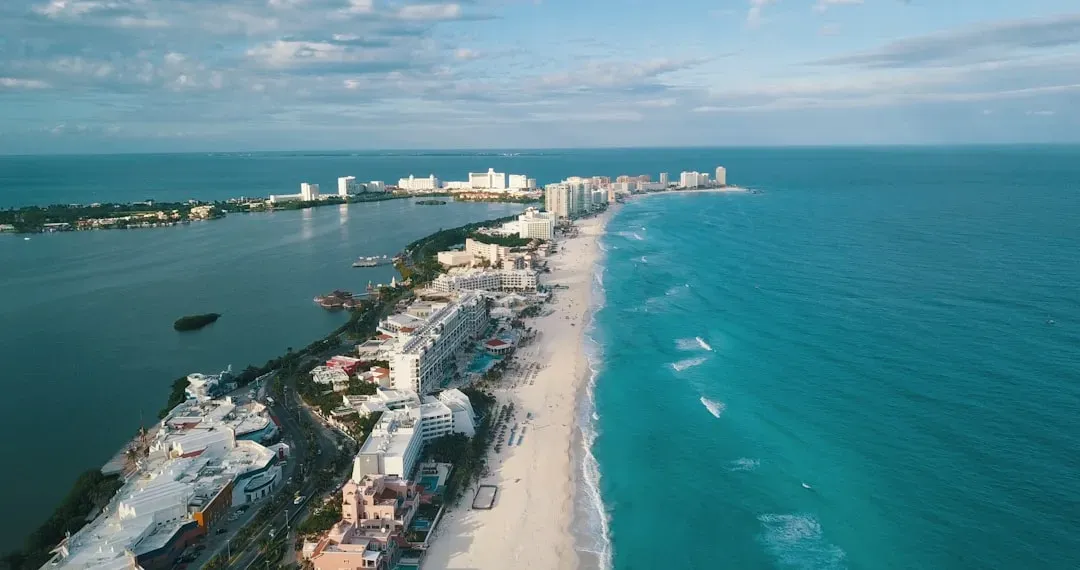
Let’s be real. The U.S. Department of State has issued a Level 2 advisory for the state of Quintana Roo, which includes Cancun, encouraging travelers to “exercise increased caution” due to rising crime rates, particularly petty thefts and occasional violent incidents. In the summer of 2024, a young boy fell victim to cartel crossfire on the beach in Cancun near the Riu Cancun Hotel when gunmen on jetskis approached and opened fire on a rival drug dealer, and a stray bullet killed the 12-year-old. That’s not something you expect when you’re lounging with a piña colada.
In February 2024, the most common crimes in Cancún were robberies with nearly 27 percent of the total documented crimes, domestic violence, and property damage both with over 10 percent of cases. Theft inside hotels is the main crime incident reported by national and international tourists during their vacations, and only 18 percent proceed legally, according to a survey by the consulting firm Marketing Consultants. I know it sounds crazy, but you’re statistically more likely to have valuables lifted from your resort room than you might think.
Sargassum Seaweed Has Become an Unbearable Annual Nightmare
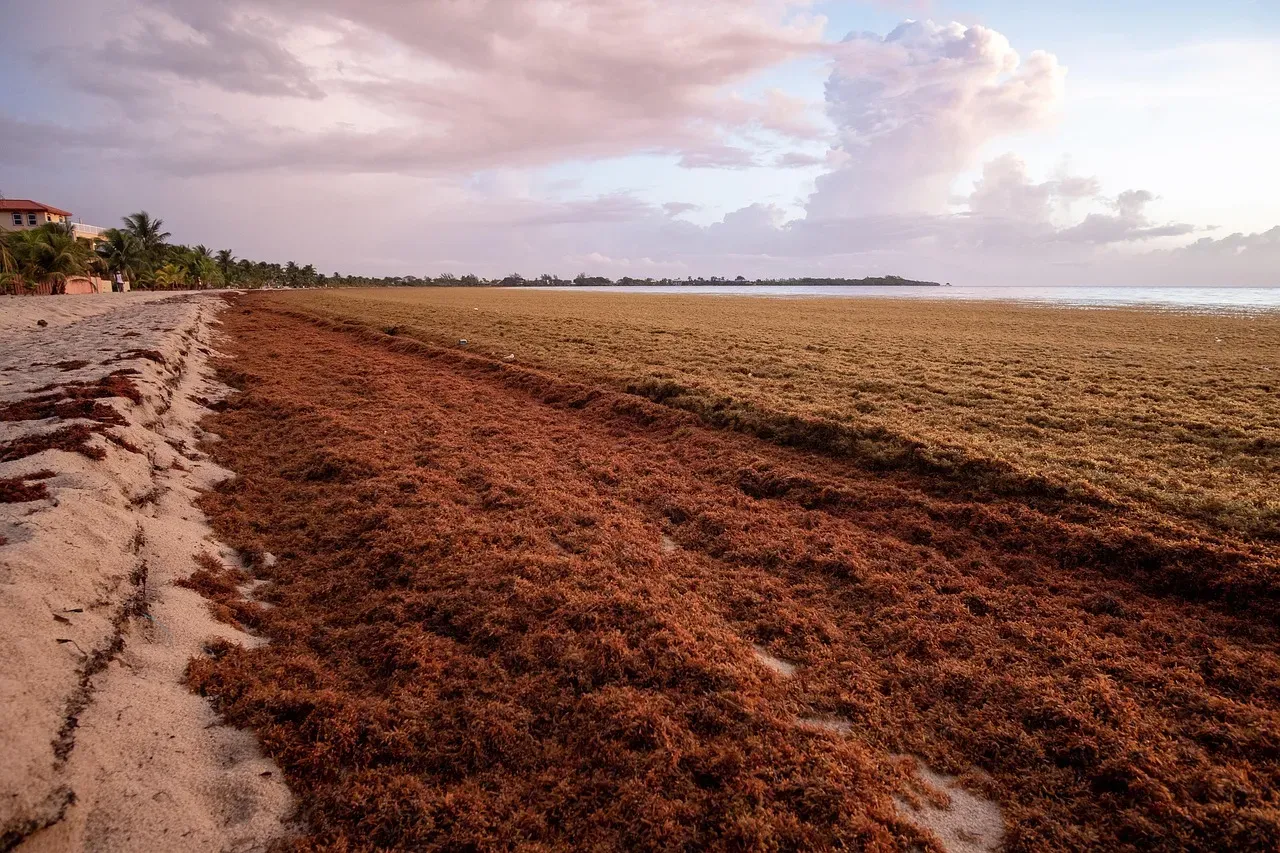
Remember those postcard shots of crystal clear water? Well, they’re becoming seasonal at best. A record amount of sargassum is currently impacting shores throughout the Caribbean, and nearly 38 million metric tons of sargassum have been observed in the Caribbean, breaking historical records, according to a report released by the University of South Florida. Satellite images from January 2025 reveal a vast sargassum mass drifting in the Atlantic Ocean, expected to reach the Mexican Caribbean by March or April 2025.
The municipality of Cancun expects to close the 2025 season with over 16,500 tons of sargassum collected, a huge jump from around 3,000 tons in 2024. The smell alone is enough to ruin a vacation. Seaweed in Playa del Carmen has a tendency to get trapped and decompose, releasing dangerous gases such as hydrogen sulfide gas, a colourless, poisonous gas with an unpleasant rotten-egg odor. Honestly, walking the beach during peak seaweed season feels less like a tropical vacation and more like navigating a landfill.
Environmental Destruction Is Eating Away at What Made It Beautiful
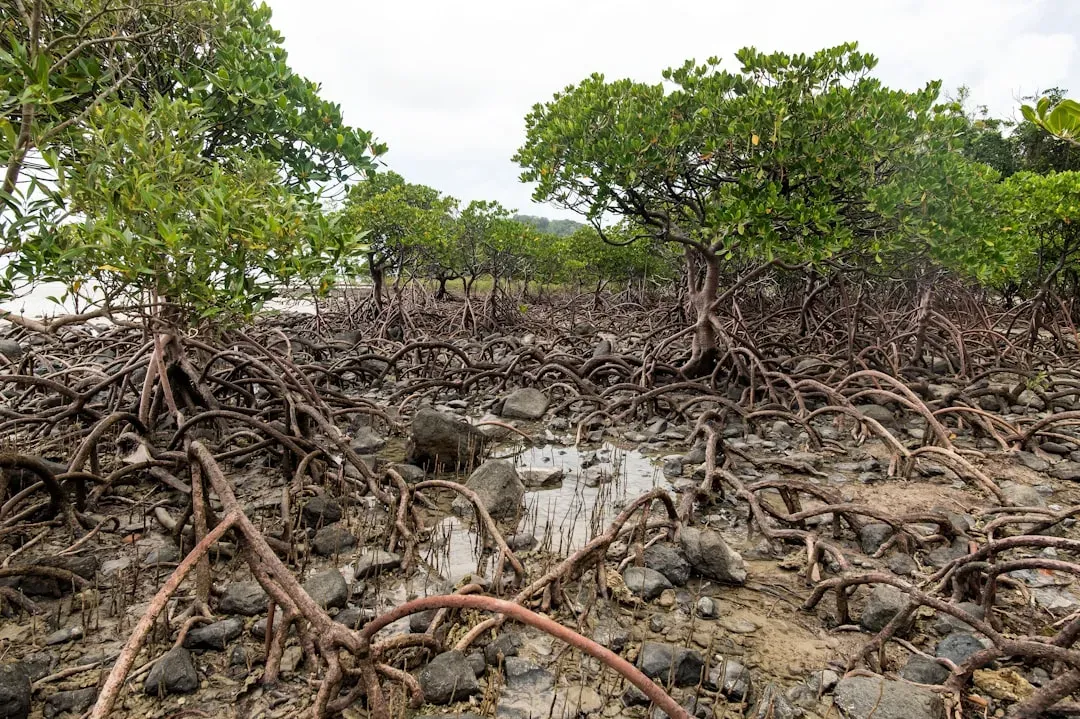
Cancún’s tourism boom led to pollution and erosion affecting Nichupté Lagoon, beaches and coastal ecosystems, necessitating almost-constant artificial beach replenishment. The extent of mangroves had decreased since the 1970s due to the booming of the tourism industry and infrastructures have caused environmental upheaval and compromised the ecosystem services provided by mangroves, including protection against coastal erosion, fish nurseries, buffers for ocean storms, and carbon capture. In 2009, Cancún spent 20 million dollars shipping in sand for beach replenishment as mangroves and their ability to protect erosion were lost.
One of the biggest issues is water pollution due to sewage from hotels, about 95 percent of all sewage from the area, significantly more than the local treatment plants can handle, and untreated sewage ends up in the sea and becomes a threat to aquatic ecosystems, sometimes introducing pathogens that affect coral growth. Even though Mexico’s government has passed laws protecting mangroves since the 2000s, Cancún’s rapid development poses threats to ecosystems, such as pollution from runoff, blockage of water flows, and a lack of wildlife corridors. The paradise is being paved over, one resort at a time.
Water Quality Issues Are More Common Than You’d Think
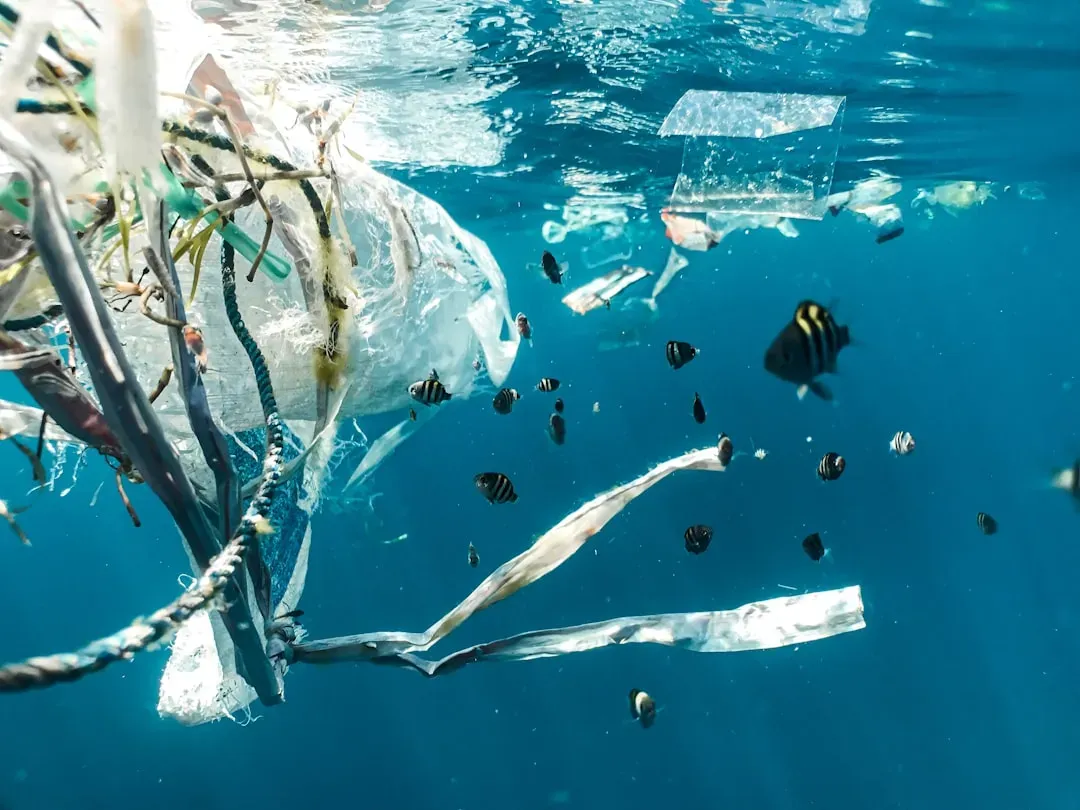
In 2023, 200 incidents of contaminated water caused by sewage or fecal matter were reported, mainly in urban areas of Quintana Roo. The president of the Snorkelling and Trash Association reported that feces contaminants have been found in the hotel area of Cancun, both on the beach and in the marinas, and after being reported in January and February of 2024, the federal government has now been alerted and is warning tourists to remain vigilant.
Government sewage plants reportedly process and purify all water before discharge to meet health standards, but in Cancun’s early days, older development discharged sewage directly into the lagoon with little to no processing, and outside of the main Cancun Hotel Zone, many resorts may have their own septic systems that in recent years have resulted in contamination and seepage into the waterways due to the porous soil and rock conditions of the Yucatan. It’s hard to say for sure, but swimming in questionable water isn’t exactly my idea of relaxation.
The Authentic Experience Has Been Swallowed by Mass Tourism

Where small indigenous Maya communities once lived, there are now 5,000-room resorts that receive guests from all over the world, and the falling cost of air travel and the rise of package tourism has made Cancun airport the second busiest in Mexico, placing incredible pressure on communities and the environment. The city has transformed considerably over the years; before the 1970s, the Cancún area had a population of approximately 100 inhabitants, and by 2022, it had ballooned to nearly one million.
There are around 50,000 hotel rooms on the Riviera Maya, and there are plans to double this number in the next few years, and according to one source, each hotel room brings 18 migrants to the area thanks to direct and indirect employment opportunities, meaning 900,000 more permanent residents in an area that already has serious problems in managing both solid and liquid waste, plus the destruction of forests and mangroves to build housing and hotels. Most hotel groups look for a return on investment of two to three years, and as a result of this short-term thinking, investors have no interest or commitment to the future of the destination. The soul of the place has been traded for quick profits.
Look, I’m not saying Cancún is irredeemable. Plenty of people still visit and have a fantastic time, especially if they stay locked inside all-inclusive compounds. The beaches can still be gorgeous during certain months, and the government has ramped up security in tourist zones. Still, for me personally, the combination of safety worries, environmental decay, and overwhelming commercialization has tipped the scales. There are too many other incredible coastal destinations that haven’t been loved to death quite yet. What do you think? Does Cancún still hold its magic for you, or have you noticed the cracks starting to show?