10 Underrated U.S. Mountain Towns Seeing a Surge in Remote Workers
Something quietly significant has been happening across America’s mountains. While everyone’s been watching real estate markets in Miami, Austin, and Nashville, a different kind of migration has been unfolding on the slopes, in river valleys, and tucked behind national park borders. Remote workers, freed from the tyranny of the office commute, have been discovering places that most people only dreamed about visiting on vacation.
Between 2020 and 2024, more than 36 million Americans moved, according to U.S. Census data, and many of these moves were sparked by the rise of remote work paired with the search for affordability, space, and lifestyle upgrades. The towns on this list aren’t the Aspens or the Jackson Holes of the world. These are the places flying slightly under the radar – for now. Let’s dive in.
Whitefish, Montana: Glacier’s Best-Kept Secret Is Out
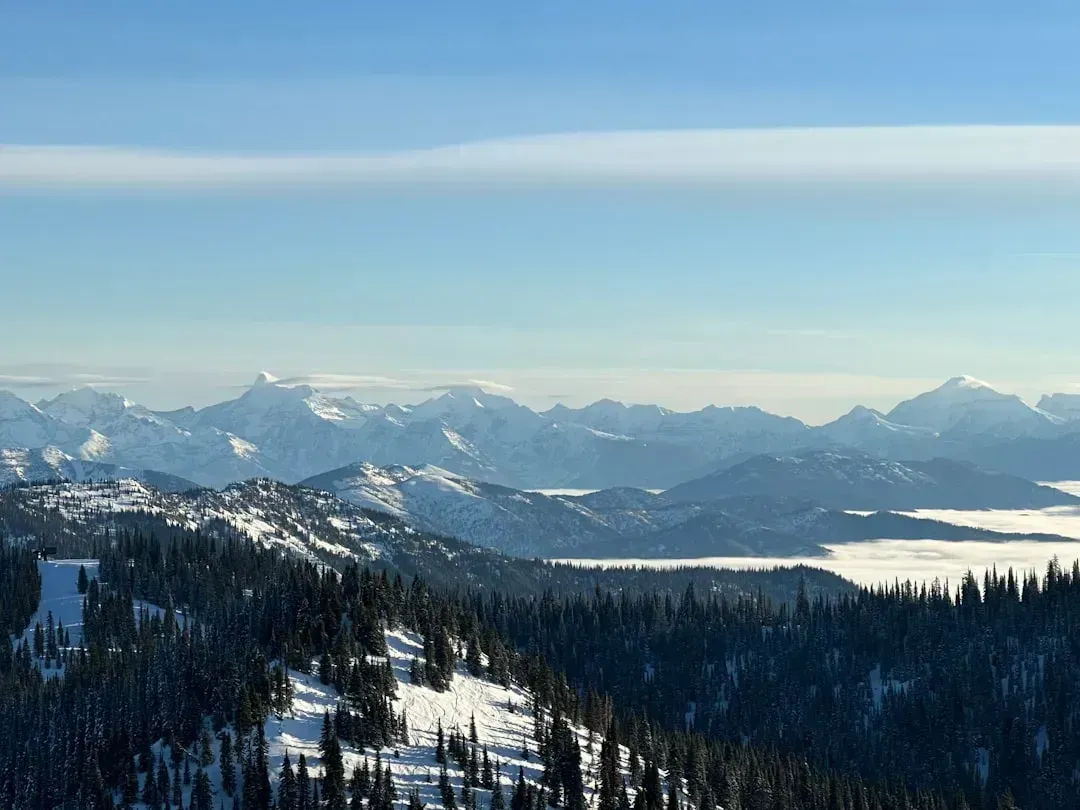
Here’s the thing about Whitefish – once you see it, you can’t unsee it. Whitefish borders Glacier National Park and draws remote workers who want mountain views with reliable service, with fiber lines supporting video calls while the walkable downtown gives easy access to coffee, printers, and quick lunches. It’s one of those rare places where you can take a Zoom call in the morning and be hiking in the backcountry by afternoon.
Between 2020 and 2023, Whitefish’s population increased by roughly 16.65%, compared to just 1.02% for the United States overall during the same period – a staggering difference that tells the whole story in one number. Between 2010 and 2020, Whitefish experienced a remarkable population growth of approximately 25%, and this growth has accelerated even further since 2020, with estimates suggesting a 6 to 7% annual growth rate in recent years, as remote workers and wealthy urbanites sought refuge in the mountain paradise. The downside? Housing affordability has reached crisis levels for long-time residents and workers in service industries. Growth has its costs.
Livingston, Montana: Art, Rivers, and a Thriving Remote Community
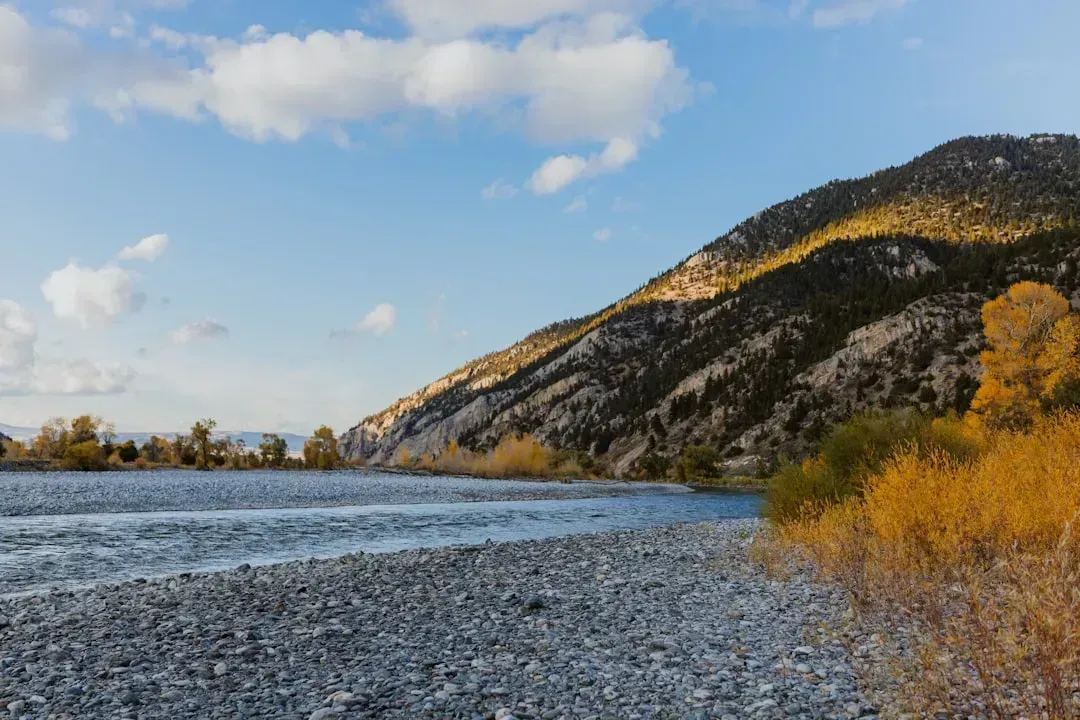
Livingston sits along the Yellowstone River, and it has a personality unlike anywhere else in Montana. Named one of the “6 Most Beautiful Small Towns in Montana” by World Atlas in 2024, Livingston’s stunning natural beauty and thriving arts scene make it a haven for creative remote workers. Writers, designers, developers – they’ve all been finding their way here.
Livingston faces the Yellowstone River and gives remote workers mountain views with a strong community core, where people rent near downtown to stay close to coffee, bookstores, and shared offices that allow drop-in days, with broadband reliability continuing to improve. After work, residents fish, hike, or drive a short distance for ski laps, and local groups host readings, river cleanups, and gear swaps that bring newcomers into the fold. Honestly, it sounds almost too good. Smaller communities like Livingston are gaining popularity for their proximity to larger cities while maintaining a small-town feel with lower costs.
Sandpoint, Idaho: The Lake Town That Tech Workers Are Discovering
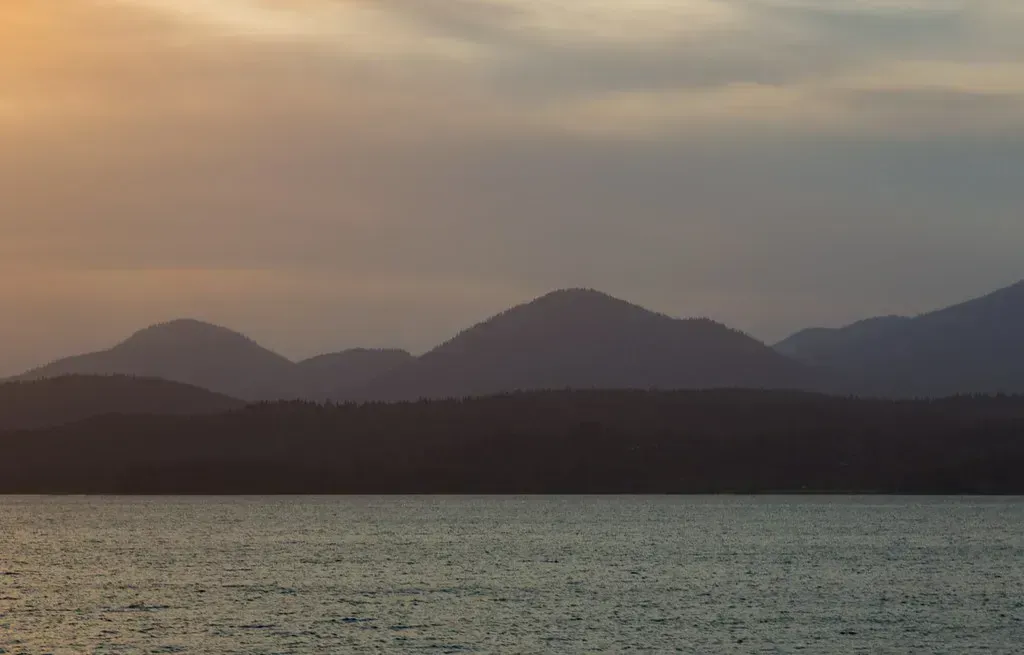
Most people couldn’t point to Sandpoint on a map. That’s exactly what makes it interesting. Sandpoint lines the shore of Lake Pend Oreille and offers steady broadband that supports long upload days and live meetings, with people setting up offices near downtown so they can walk to errands between calls. It has the kind of quiet confidence that comes from a town that never needed to try too hard.
Idaho has emerged as a significant domestic migration magnet over the past four years, with both Idaho and South Carolina gaining over 3.0% of their populations through domestic migration between January 2021 and 2025. Sandpoint, with its stunning lake and nearby skiing, is seeing rising demand, with tech workers moving from pricier states fueling that demand. It’s a town where the mountain lifestyle is real, not performative, and that distinction matters more than people realize.
Taos, New Mexico: High Desert, High Altitude, High Creativity
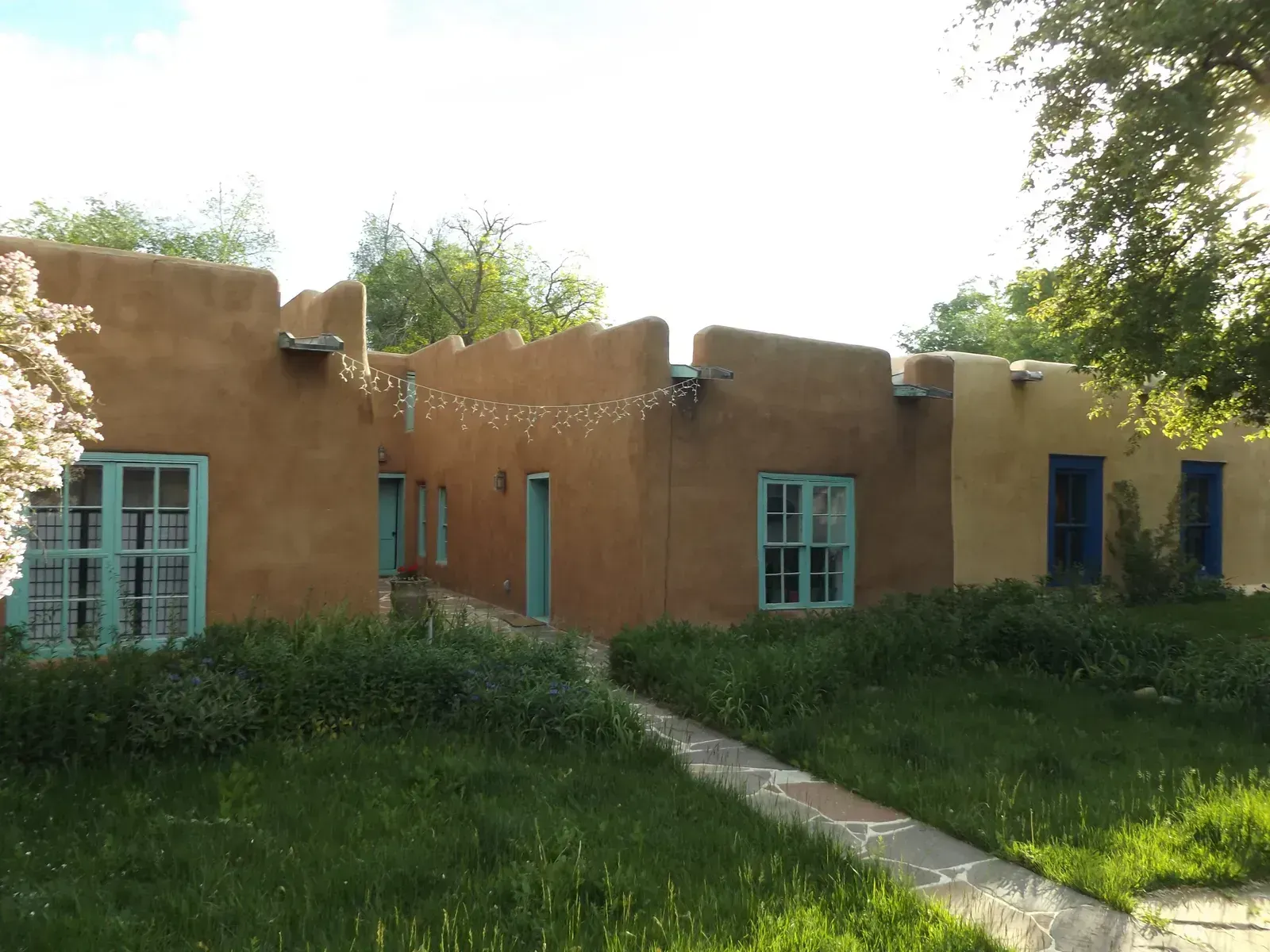
Taos operates on its own frequency. There’s something about the quality of light, the adobe architecture, and the layered cultural history that pulls in a very specific kind of remote worker. Taos draws writers, designers, and developers who want clear light, quiet mornings, and strong ties to art, with recent internet upgrades making code pushes and long video calls reliable in most areas, while newcomers often rent small casitas and choose neighborhoods based on winter sun and distance to the plaza.
Schools in Taos include the Taos International School where students can earn an International Baccalaureate Program, and the town is home to Taos Pueblo, a living Native American community containing 19 pueblos, offering a unique blend of Native American culture and a laid-back lifestyle. That kind of cultural richness is rare in small towns. Areas near mountains, particularly the Northern Rockies, the Ozarks, and the Southern Appalachians, attracted new residents at high rates in 2023, and the high desert of New Mexico follows a similar pull for those seeking something genuinely different.
Brevard, North Carolina: The Appalachian Town That Made the List
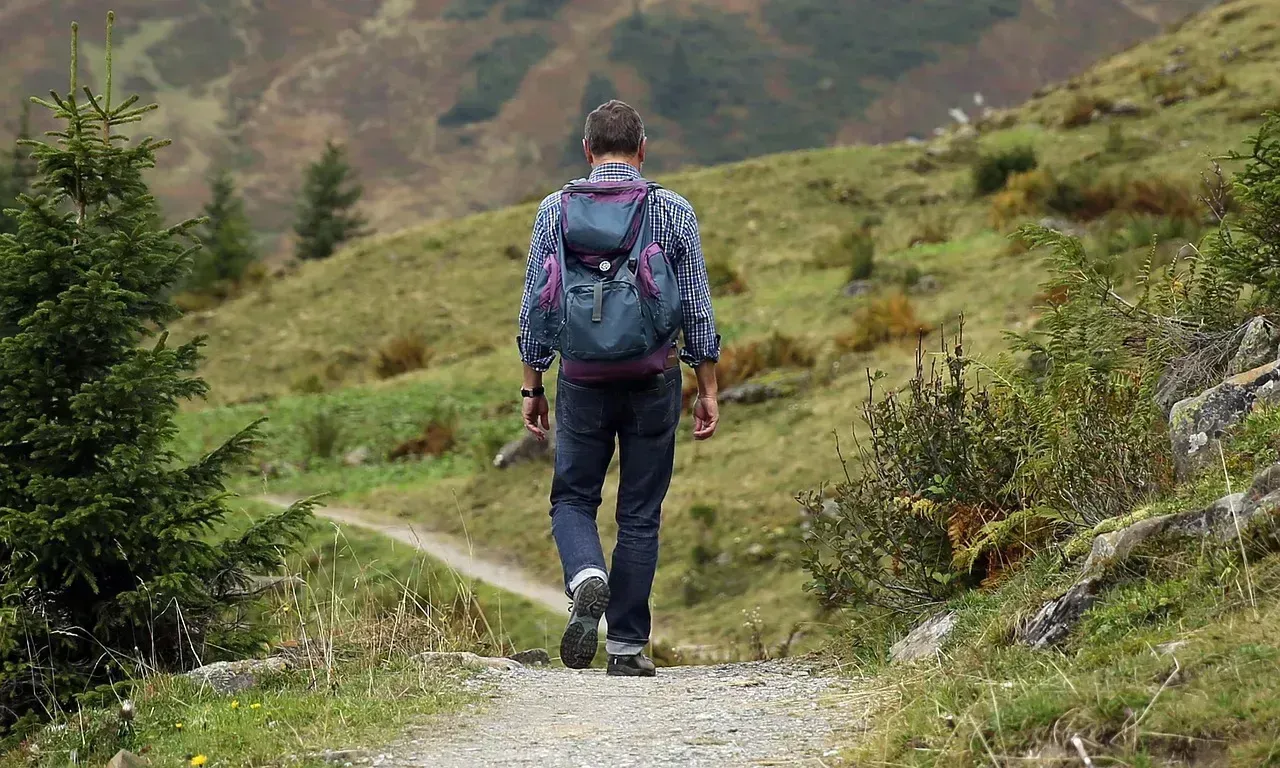
Brevard is the kind of town that sneaks up on you. Nestled in the Blue Ridge Mountains, it’s got waterfalls within walking distance, a serious arts community, and increasingly, a broadband infrastructure that supports professional remote work. Named one of the “50 Best Places to Live in the U.S.” by Money Magazine in 2024, Brevard offers an outdoor enthusiasts’ paradise without sacrificing connectivity.
Transylvania County Schools are known for their focus on technology integration, which is the kind of detail that matters enormously to families making a permanent move. Areas near mountains, particularly the Southern Appalachians, attracted new residents at high rates, and Brevard sits right in the heart of that gravitational pull. It’s not trying to be Asheville’s trendy neighbor. It’s simply itself, and that’s proving to be enough.
Stowe, Vermont: The Ski Town That Became a Year-Round Remote Hub
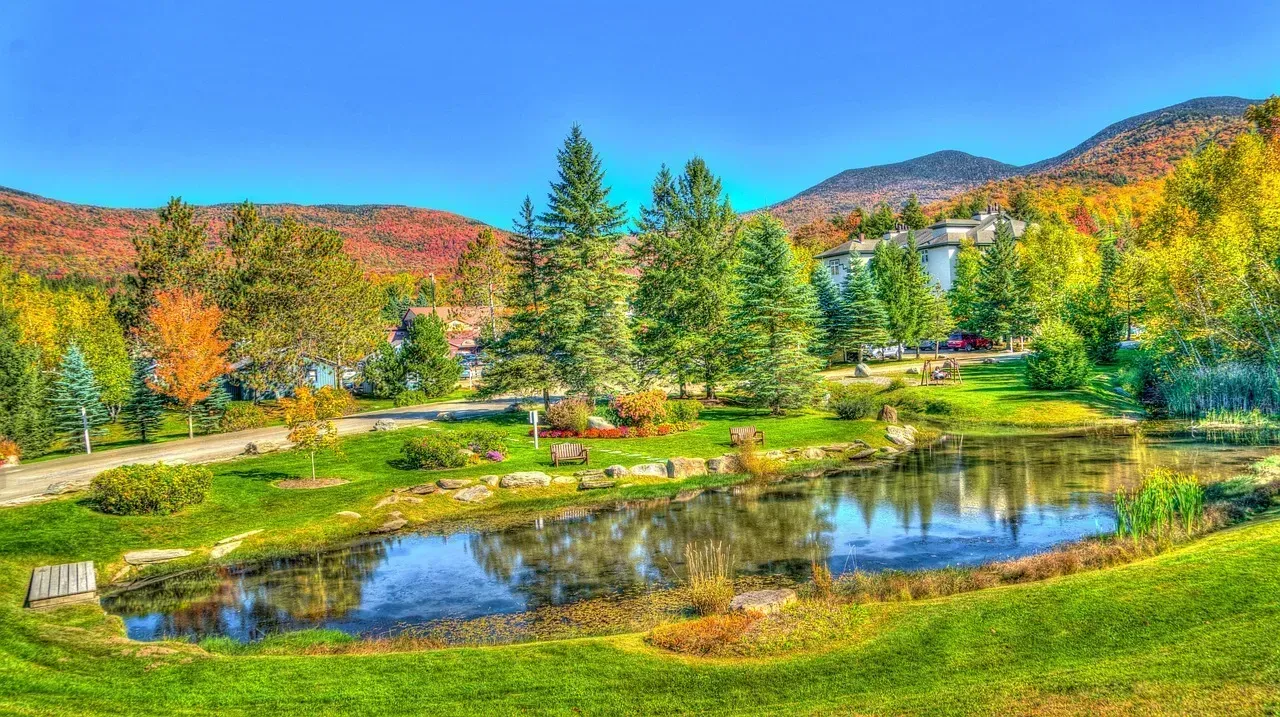
Stowe has always been famous, but its relationship with remote workers is newer and more interesting than its ski resort reputation suggests. Stowe first attracts visitors with ski terrain and green hills, and then many return to live there once they see the school quality and healthcare access, with broadband supporting full-time roles, and families planning weeks around practice, library time, and mountain days while staying connected to teams in other states.
Housing is tight, so shoppers work early with local agents and consider nearby villages for value, but year-round events and trail groups make it easy to meet neighbors, and Stowe pairs small-town care with the services remote professionals need to stay effective. Vermont as a whole is seeing something of a quiet resurgence. Much of the Northeast had been marked by regions losing prime-age workers, with the notable exception of New Hampshire and Maine, which show strong gains – and Vermont’s mountain towns are increasingly joining that conversation.
Bozeman, Montana: The “Zoom Town” That Keeps Growing
Let’s be real – Bozeman is getting harder to call underrated every year. Still, compared to Denver or Salt Lake City, it remains a mountain-town experience without full metropolitan prices. Bozeman has become one of the most talked-about “Zoom Towns” in the country, known for skiing, trails, and proximity to Yellowstone, having attracted professionals who can work from anywhere and prefer life in the mountains to city living, with the term “Zoom Town” now having its own definition as towns that saw notable growth due to remote work opportunities.
Research from the Federal Reserve System shows that remote work remains far above pre-2020 levels, with nearly 45% of workers with remote-capable jobs working remotely at least part-time by 2024. Bozeman has capitalized on exactly that shift. From Boise to Bozeman, communities once considered “lifestyle destinations” are increasingly becoming full-time homes for remote professionals. The question now isn’t whether Bozeman is on the map – it is. The question is whether it can manage its growth thoughtfully.
Reno, Nevada: The Mountain-Adjacent City Rewriting Its Own Story
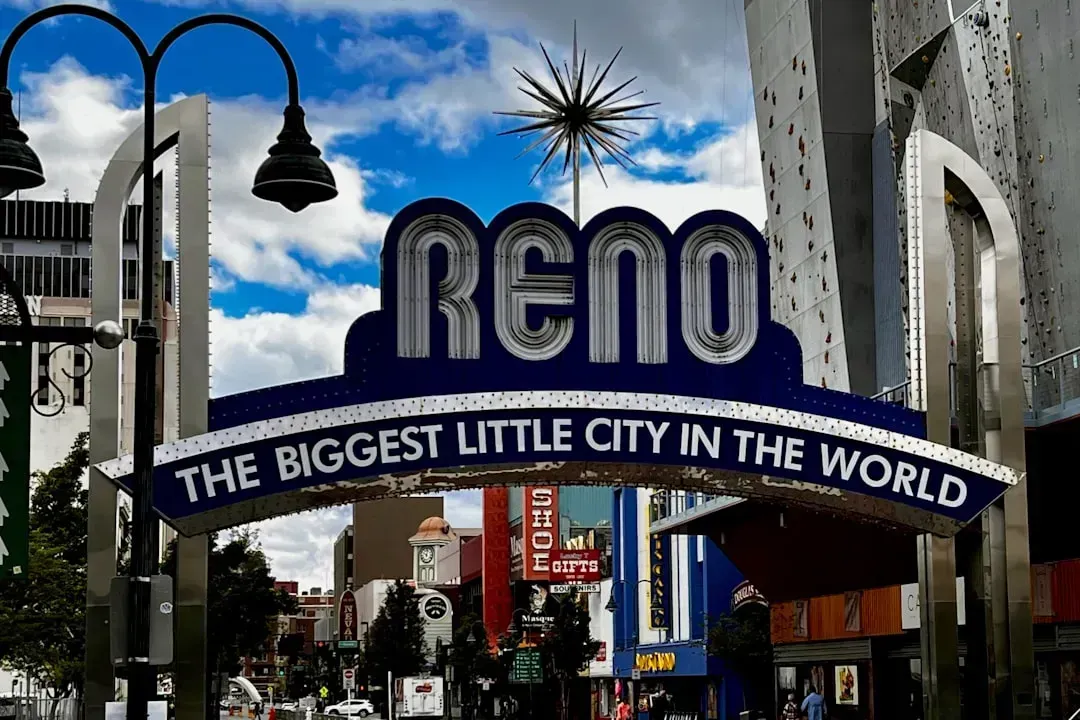
Reno gets a bad reputation it hasn’t fully deserved for years. It’s not Vegas-lite. It’s a genuinely evolving city with serious mountain proximity and a compelling value proposition. Nestled in the Sierra Nevada mountains and known as the “Biggest Little City in the World,” Reno offers remote workers a unique blend of urban amenities and outdoor adventure, with a growing tech sector, an affordable housing market, and proximity to Lake Tahoe, providing an ideal environment for remote professionals seeking a vibrant yet laid-back lifestyle.
Nevada has no state income tax, which is a detail that high-earning remote workers absolutely notice. Seven states have no income tax, including Nevada, and for high earners working remotely, that can translate into tens of thousands in annual savings. Economists call this “amenity migration,” choosing where to live based on lifestyle and environment rather than employment necessity, and in the Mountain West it’s not just a trend – it’s becoming a driver of long-term economic change. Reno is living proof of that shift.
Fort Collins, Colorado: The College Town That Became a Remote Worker Magnet
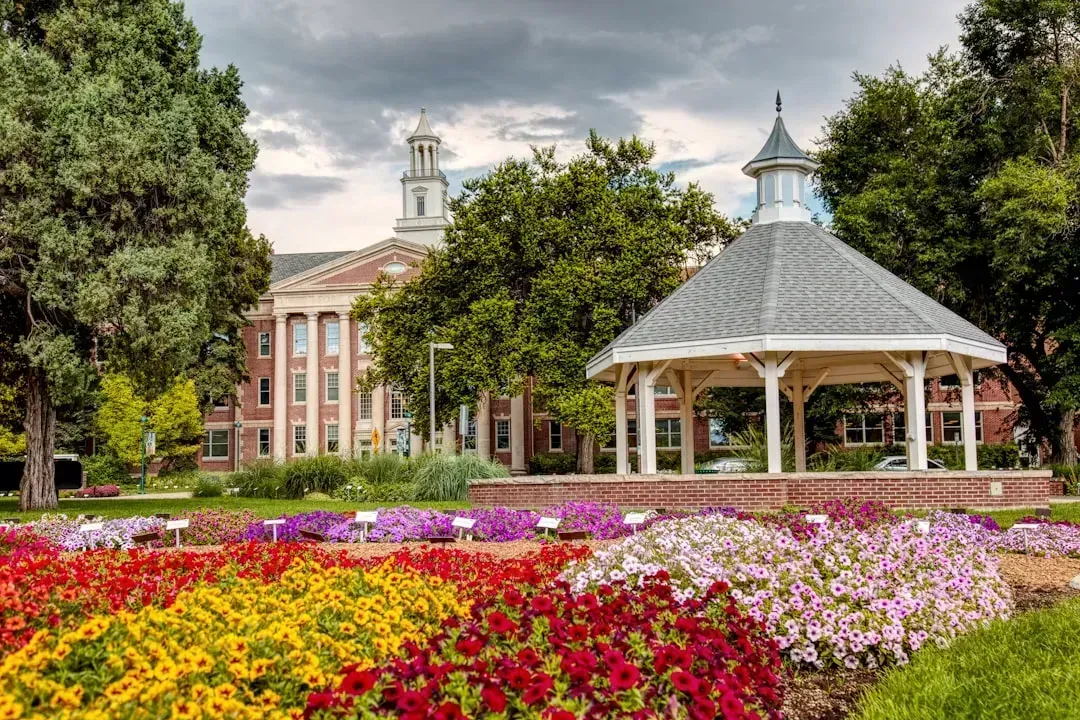
Fort Collins doesn’t scream “underrated” – it quietly earns that label. Tucked against the foothills of the Rocky Mountains and home to Colorado State University, Fort Collins offers remote workers an idyllic setting for work and play, with a vibrant craft beer scene and an abundance of outdoor recreational opportunities along an extensive trail system, providing a perfect balance of adventure and tranquility.
Top growth markets include mountain towns in Colorado, and Fort Collins sits at the more accessible end of that market – still affordable relative to Denver, with solid infrastructure and a genuinely active community. With roughly a third of workdays being done remotely in 2023, Americans have more geographic flexibility and have been increasingly willing to move far from large population centers, and communities with easy access to outdoor recreation opportunities have seen a spike in the number of people moving to them. Fort Collins checks every single one of those boxes.
Blairsville, Georgia: Appalachian Quiet With Growing Digital Backbone
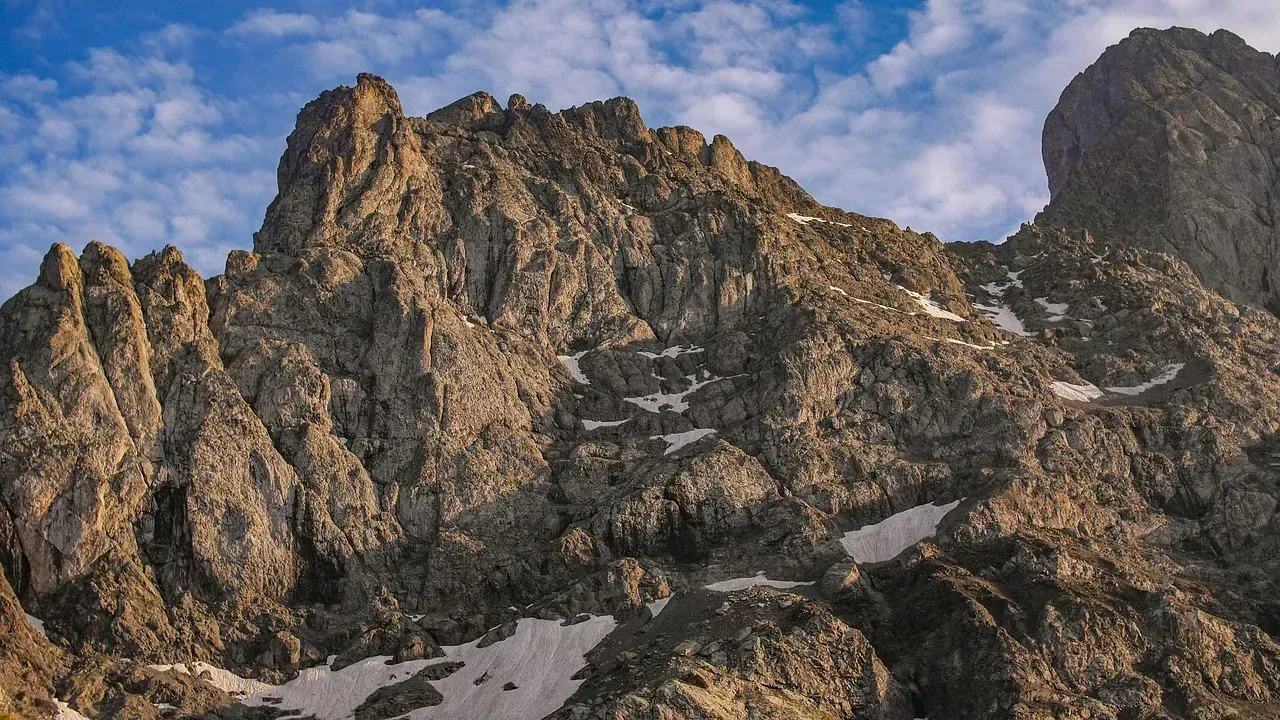
Blairsville might be the most surprising name on this list. Tucked into the North Georgia mountains, it rarely shows up in national conversations – which is precisely why it belongs here. Nestled in the North Georgia mountains, Blairsville is a tiny town that offers natural serenity, affordability, and a growing digital infrastructure, combining stunning scenery close to Vogel State Park and the Appalachian Trail with improving broadband access and tranquility without complete isolation.
The Southeast is known for its lower living expenses, and Blairsville is no different, functioning as something of a mountain tourist destination because of its lakes, trails, and access to the Appalachian foothills, which means its cafés and public library are more connected than you might expect for a rural town. An estimated 291,400 people migrated from other areas into America’s small towns and rural areas in 2023, and that number exceeded net migration into larger areas for the first time since at least the 1970s. Blairsville is one of the quiet beneficiaries of that historic shift. It won’t stay quiet for long.