15 Secret National Parks That Are Better Than Yellowstone
Yellowstone gets all the glory. Nearly five million people descended on it in 2024 alone, making it the fourth most visited national park in the country, according to official National Park Service data. The traffic jams are real. The parking lots fill before sunrise. Old Faithful erupts on schedule, but so do the crowds.
Here’s the thing – the United States has 63 national parks, and in 2024, more than half of all recreational visits to a national park went to just the top ten. That leaves dozens of breathtaking, genuinely wild places sitting largely untouched. Some of them honestly put Yellowstone to shame. Let’s dive in.
1. Wrangell–St. Elias National Park, Alaska – The Colossus Nobody Talks About
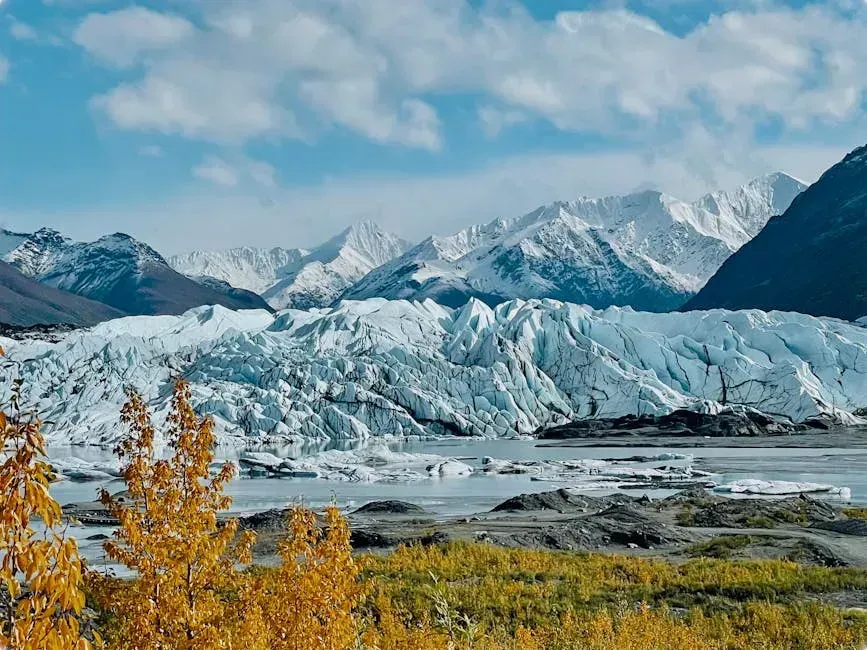
I know it sounds crazy, but most Americans have never even heard of the largest national park in the country. Wrangell–St. Elias stretches across 13.2 million acres, making it the same size as Yellowstone National Park, Yosemite National Park, and Switzerland combined. Think about that for a second. That is genuinely hard to wrap your head around.
The Wrangell and St. Elias Ranges contain some of the largest volcanoes and the greatest concentration of glaciers in North America, and with habitats ranging from temperate rainforest to tundra, the park is home to an incredible diversity of animals. Despite all of this, Wrangell–St. Elias welcomed only 81,670 visitors in 2024 – a fraction of what Yellowstone sees on a single summer weekend. If raw, untamed wilderness is what you’re after, this is the park that delivers it without compromise.
2. North Cascades National Park, Washington – The Most Underrated Park in America
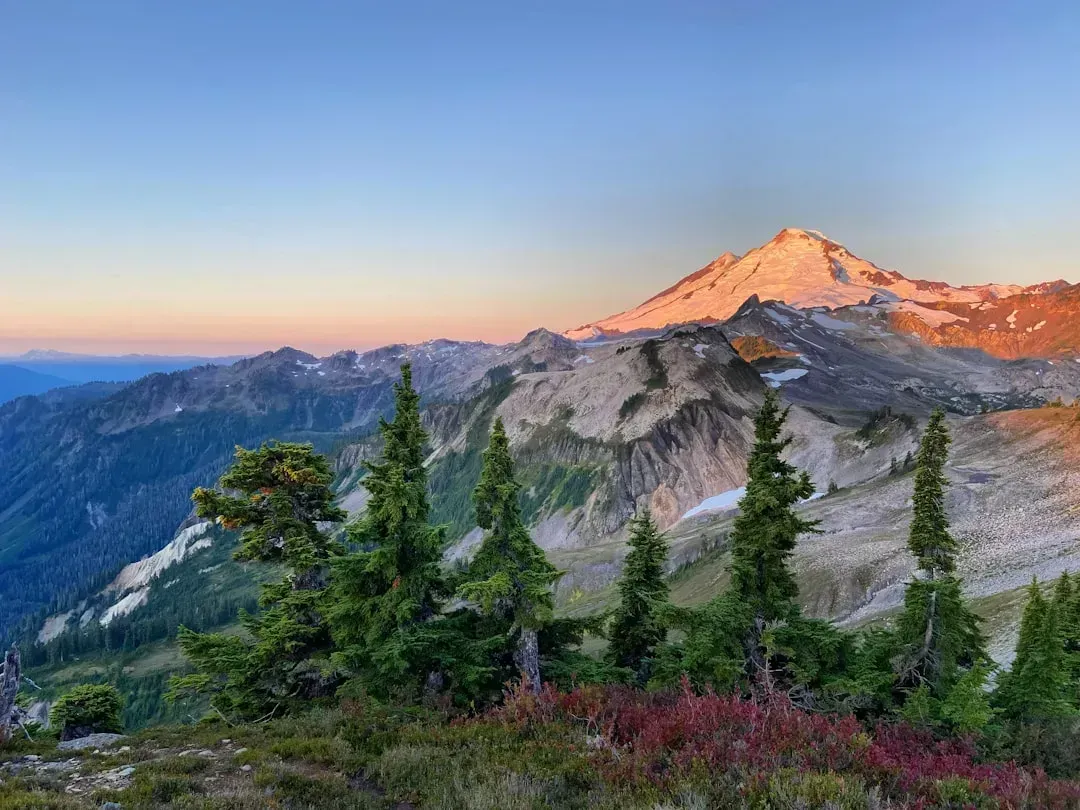
Honestly, it’s almost shocking how overlooked this place is. North Cascades, about two hours from Seattle, offers absolutely stunning hiking for many different levels and is so off the beaten path that it gets only 0.5% of the visitors that Yellowstone or Yosemite get. That’s not a misprint.
If you’ve never heard of North Cascades, you’re not alone – it’s one of the least-visited national parks in the country despite being only a three-hour drive from Seattle. In 2024, North Cascades recorded just 16,485 visits as an official national park unit, making it one of the quietest places in the entire system. The park also has gorgeous blue glacier-fed lakes, and the Thunder Knob trail offers spectacular views of the iconic Diablo Lake – an easy to moderate 3.4-mile hike that starts in a lovely alpine forest.
3. Voyageurs National Park, Minnesota – Water, Stars, and Almost No One Else
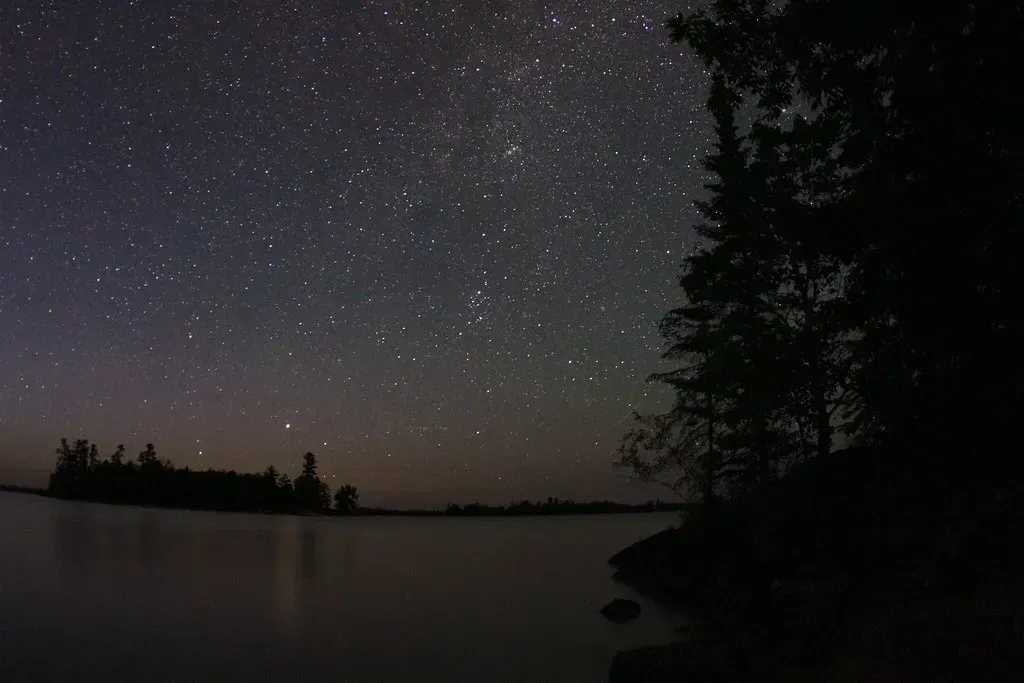
With only 199,030 visitors in 2024, Voyageurs National Park along the Canadian border in Minnesota doesn’t always get the attention it deserves, despite being a wonderland for aquatic activities as well as a certified International Dark Sky Park. The star-gazing alone is worth the trip.
Nearly 40 percent of the park is water – a series of interconnected waterways plus lakes including Rainy, Kabetogama, Namakan, and Sand Point – and there is evidence that for more than 10,000 years, humans have centered life in this area around the waterways. As for stargazing, Voyageurs offers visitors a rare opportunity to glimpse the aurora borealis in the lower 48 states. You will not find that at Yellowstone.
4. Isle Royale National Park, Michigan – The Island That Wants to Be Left Alone
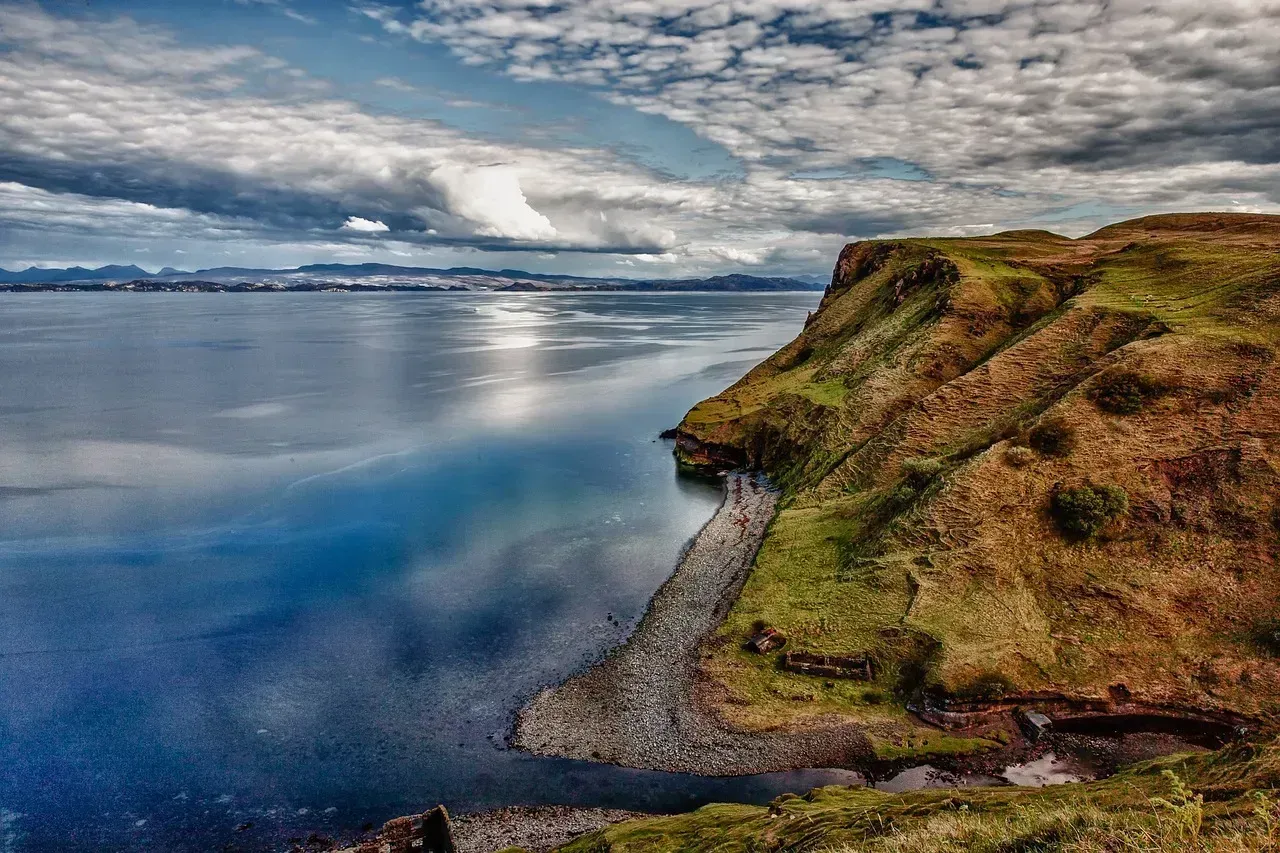
There’s something poetic about a park that is only accessible by boat or seaplane and still chooses to remain a secret. Isle Royale attracted just 28,806 visitors in 2024, making it one of the least-visited parks in the entire country. It is, in fact, the least visited national park in the lower 48 states.
The island sits in Lake Superior, straddling the border between Michigan and Minnesota, and it’s a paradise for serious hikers and wolf watchers. The absence of roads connecting it to the mainland creates a kind of natural filter – only those who truly want to be there make the effort. The result is a rare, almost eerie silence that most parks can only dream about. If you’ve ever wanted a national park that feels genuinely wild and unobserved, Isle Royale is it.
5. Dry Tortugas National Park, Florida – Fort, Fish, and the Most Brilliant Blue Water
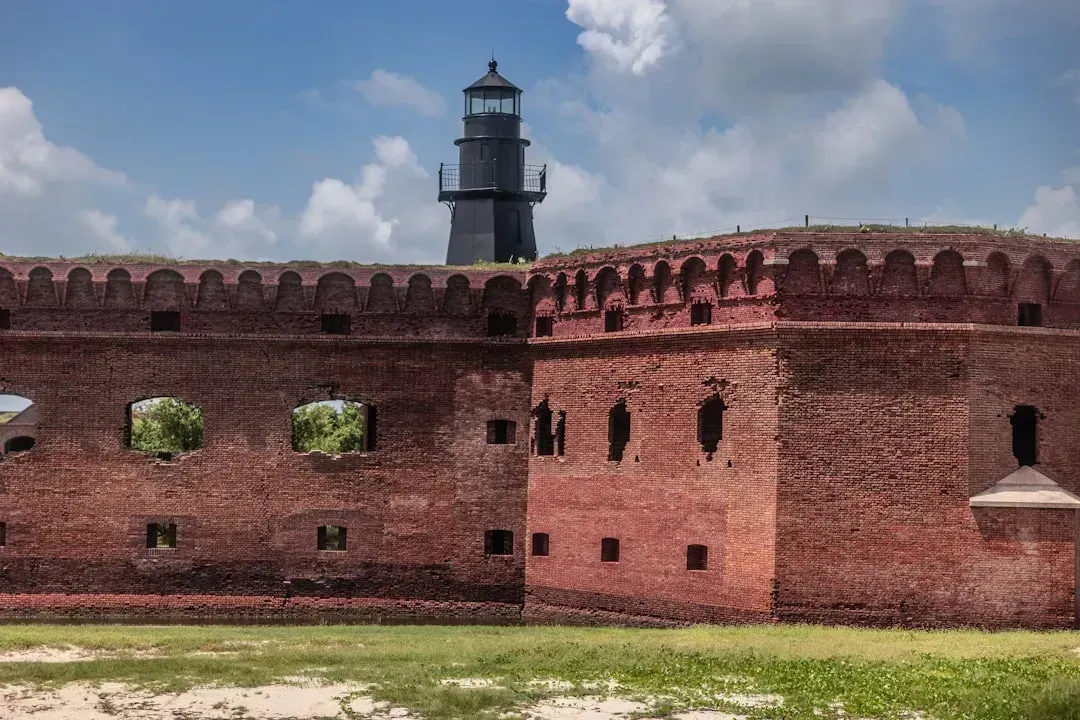
Almost 70 miles west of Key West lies the remote Dry Tortugas National Park – a 100-square-mile park mostly made up of open water with seven small islands, accessible only by boat or seaplane, and known the world over for its magnificent Fort Jefferson, picturesque blue waters, superlative coral reefs and marine life, and a vast assortment of bird life.
Garden Key is home to one of the nation’s largest 19th-century forts, Fort Jefferson, and the park hosts nearly 300 species of birds. Bush Key closes every year from February to September so that sooty terns and brown noddies can breed there undisturbed. In 2024, Dry Tortugas welcomed only 84,873 visitors – a number that feels almost impossible given how spectacular it is. Getting there requires real effort, which is exactly what keeps it special.
6. Canyonlands National Park, Utah – Red Rock Solitude at Its Finest
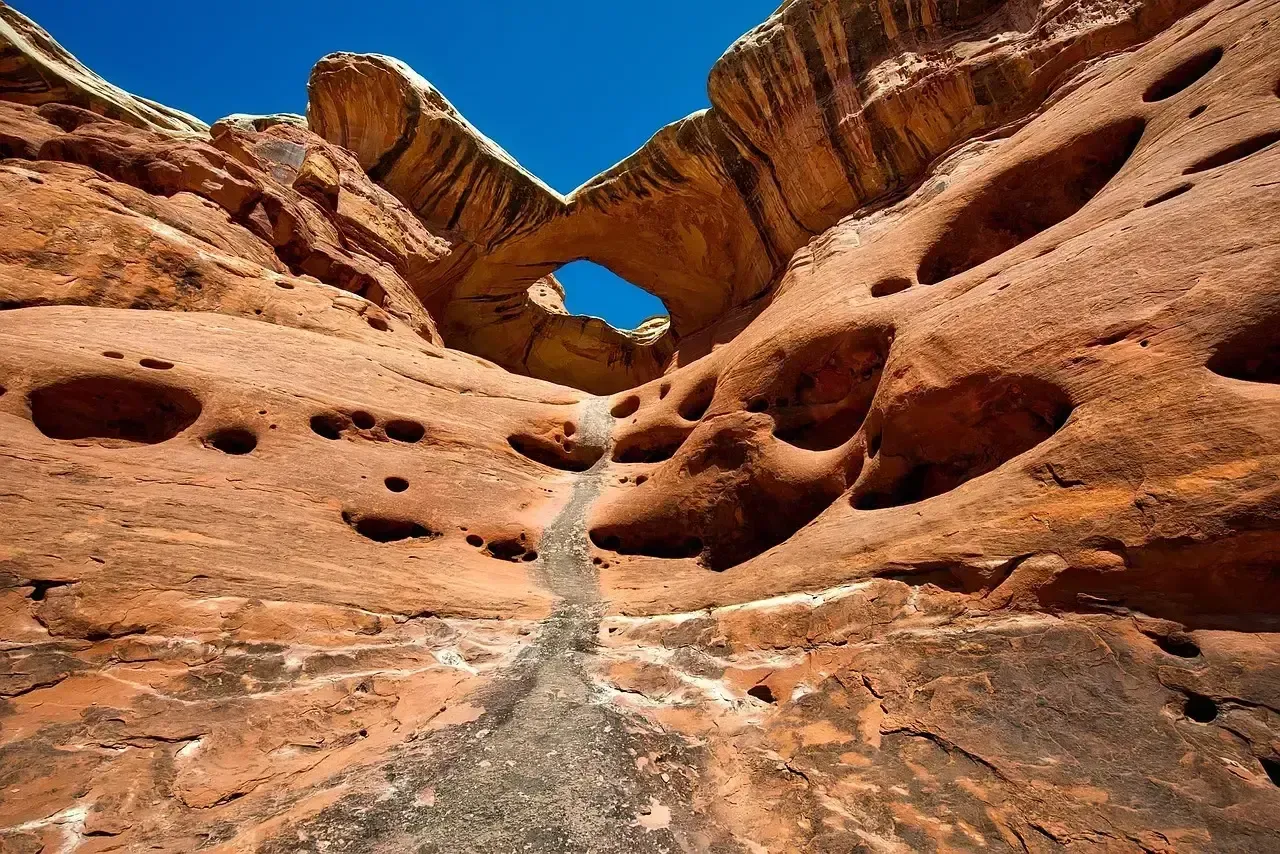
Canyonlands has roughly one fifth the number of visitors of Yellowstone, meaning you actually feel some solitude on the trails. That comparison alone should have adventurous travelers rerouting their plans immediately. The landscape here is jaw-dropping in a way that photographs genuinely struggle to capture.
Canyonlands is considered one of the top parks for those who crave adventure, with landscapes, hiking trails, and off-the-beaten-path experiences that are hard to match anywhere in the system. The Needles area of the park, with its sandstone spires, is a fascinating area to explore, and the Grand View with snow-capped mountains in the background is nothing short of spectacular. Think of it as the Grand Canyon’s wilder, quieter, less famous sibling.
7. Great Basin National Park, Nevada – Ancient Trees and Endless Dark Skies
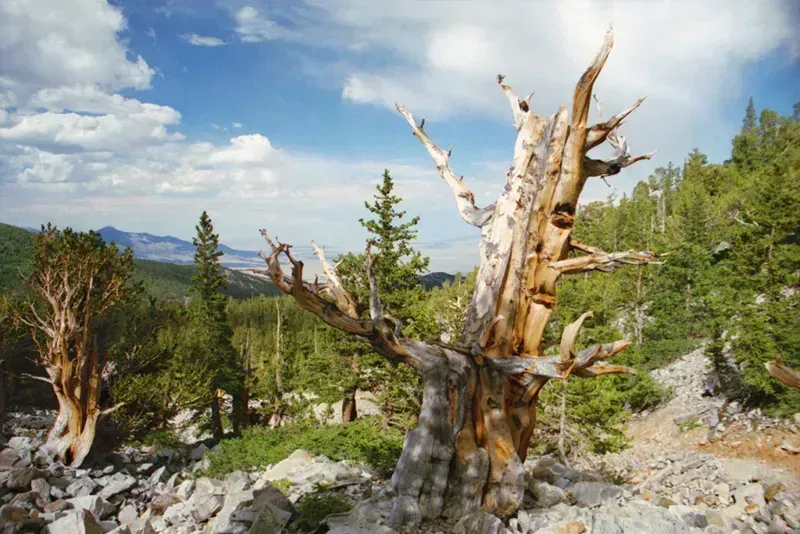
Nevada is not a state you typically associate with ancient forests and pristine mountains. That’s exactly the point. You wouldn’t think of Nevada as a place for alpine lakes and towering mountains, but Great Basin is full of surprises – it’s home to some of the oldest trees on Earth (the ancient bristlecone pines), an underground cave system, and one of the best stargazing spots in the country, thanks to its total lack of light pollution.
Great Basin National Park is home to the 13,063-foot Wheeler Peak, ancient bristlecone pines, about 40 caves, and a wide array of plants and animals. In 2024, only 152,068 people visited the park – a number that is almost comically small for a place this extraordinary. The Lehman Caves alone are worth the detour, and the bristlecone pines, some over 4,000 years old, create an atmosphere that feels genuinely ancient.
8. Lassen Volcanic National Park, California – Yellowstone’s Forgotten Twin
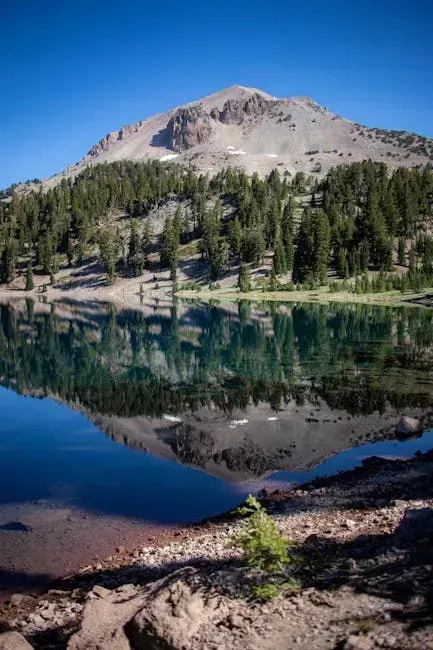
Here is a park that does everything Yellowstone does, just without the crowds spilling onto every overlook. Lassen is essentially Yellowstone’s lesser-known little sibling – it has bubbling mud pots, steaming fumaroles, and a massive volcano right in the middle, but without the busloads of tourists, and the park’s landscape is a gorgeous mix of alpine lakes, meadows full of wildflowers, and rocky volcanic terrain.
For a real adventure, you can hike up Lassen Peak for panoramic views of the entire park, or visit Bumpass Hell – a geothermal area with bright turquoise pools and steaming vents. In 2024, Lassen Volcanic received 357,651 visitors, which sounds like a lot until you remember that Yellowstone gets more than ten times that number. The geothermal features here are genuinely world-class, and the trails are refreshingly uncrowded.
9. New River Gorge National Park, West Virginia – America’s Newest Park with Ancient Charm
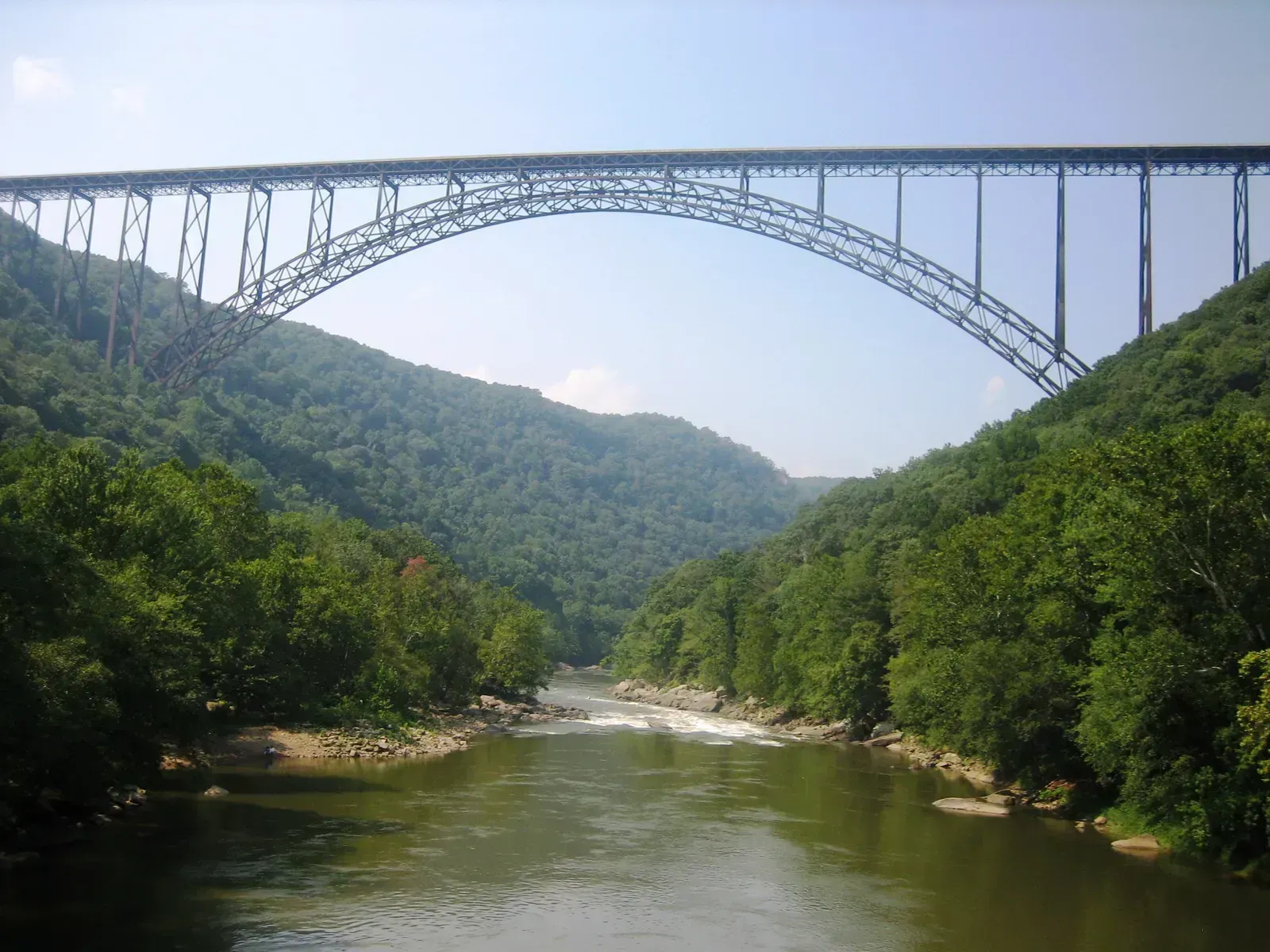
In early 2021, New River Gorge became a national park and preserve, making this West Virginia park the newest in the United States. With 1.8 million visitors in 2024, it’s the 17th most visited park – yet it’s still freshly on many outdoor enthusiasts’ radars. The fact that it’s still building its audience is part of the appeal.
Encompassing more than 70,000 acres of rugged Appalachian canyon, New River Gorge has something for everyone: rock-climbing routes on sandstone cliffs for climbers of all levels, rafting along 53 miles of whitewater that include Class IV and V rapids, and hundreds of miles of hiking and mountain-biking trails. It’s the kind of park that rewards people who show up without expectations and leave completely blown away. Yellowstone has geysers. New River Gorge has gravity-defying cliffs and roaring rapids. Different thrills entirely.
10. Theodore Roosevelt National Park, North Dakota – The Badlands Nobody Books
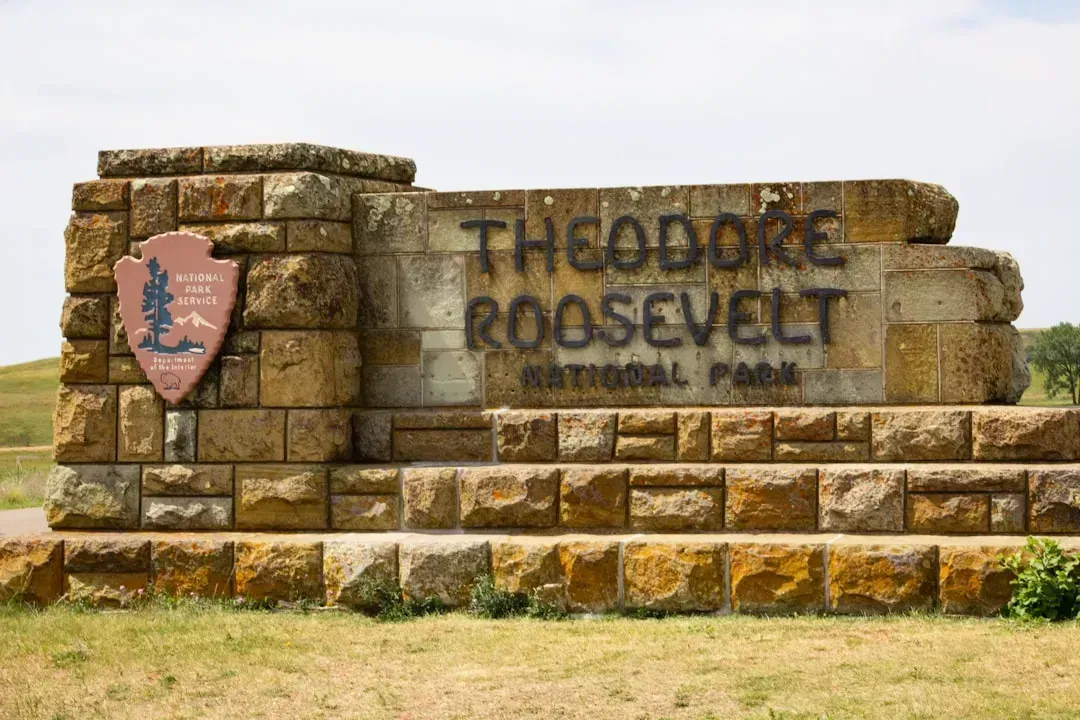
The North Dakota Badlands were recently named one of the best places in the world to travel to in 2026, handpicked by National Geographic’s editors, photographers, and adventurers. Still, most travelers drive right past. In 2024, Theodore Roosevelt National Park received just 732,951 visitors – a modest number for a park of this caliber.
Theodore Roosevelt National Park is the only American national park named after a single person. The park is divided into three units – the South, the North, and the Elkhorn Ranch. The South Unit features dramatic buttes, winding canyons, and colorful hillsides, while the 36-mile South Unit Scenic Loop takes about two hours and offers expansive views of the Badlands. The North Unit feels noticeably greener, with views of the river gorge and tree-covered hills. Wild bison, feral horses, and petrified wood all feature heavily. The park contains the third largest deposit of petrified wood in the United States, following Yellowstone and Petrified Forest national parks.
11. Grand Teton National Park, Wyoming – Right Next Door and Wildly Better
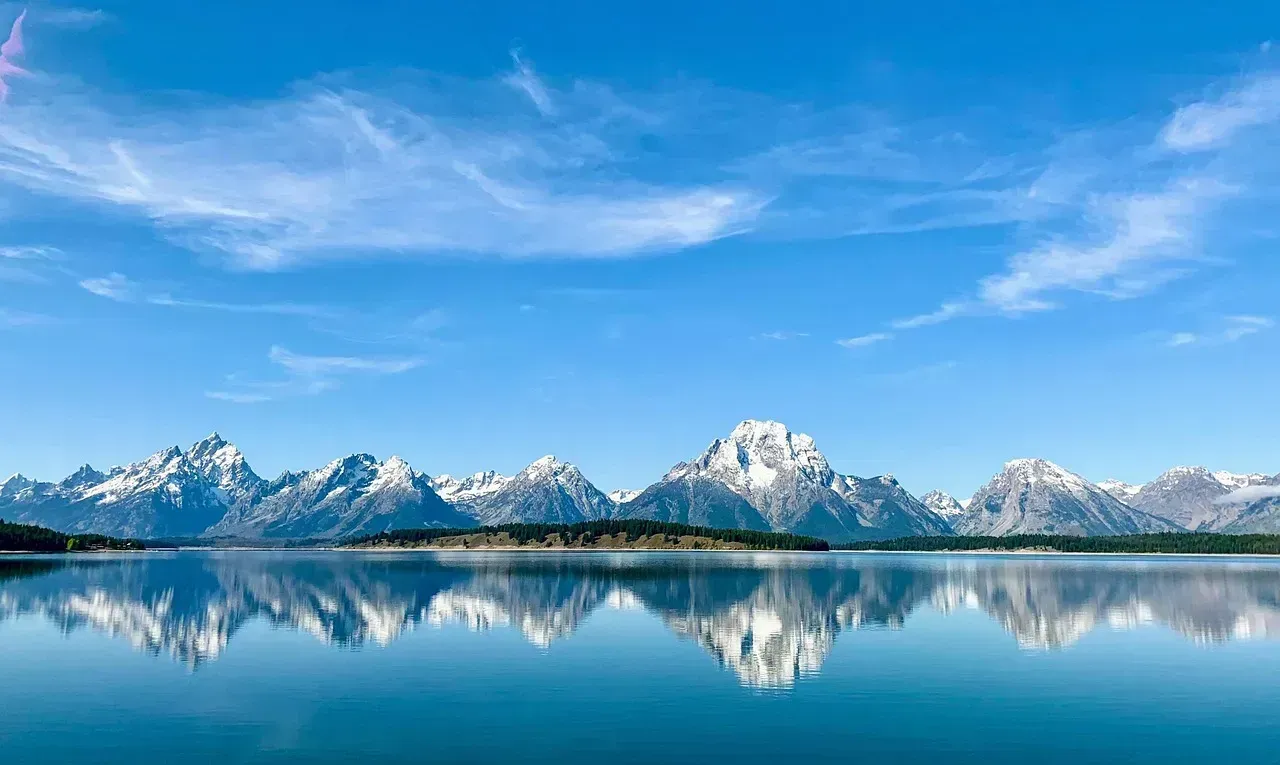
Let’s be real – if you’re driving to Yellowstone, you’re already driving past one of the most stunning mountain ranges on Earth. Grand Teton National Park is truly iconic, and thanks to strong management has avoided the overcrowding more characteristic of its neighbor to the north. Here you’ll find the spectacular Teton mountains, the winding Snake River, gorgeous lakes and valleys, and some of the best wildlife viewing opportunities in the entire national park system.
According to the NPS visitor report, U.S. national park sites saw a record-breaking 331.9 million visits in 2024. Yellowstone alone welcomed nearly 4.75 million visitors, a 5.25 percent increase year over year. Despite being right next door, Grand Teton welcomed one million fewer visitors than Yellowstone in 2024. That gap in crowd size translates directly into a better, calmer, more immersive experience for everyone who shows up there.
12. Guadalupe Mountains National Park, Texas – The Highest Point in Texas You’ve Never Climbed
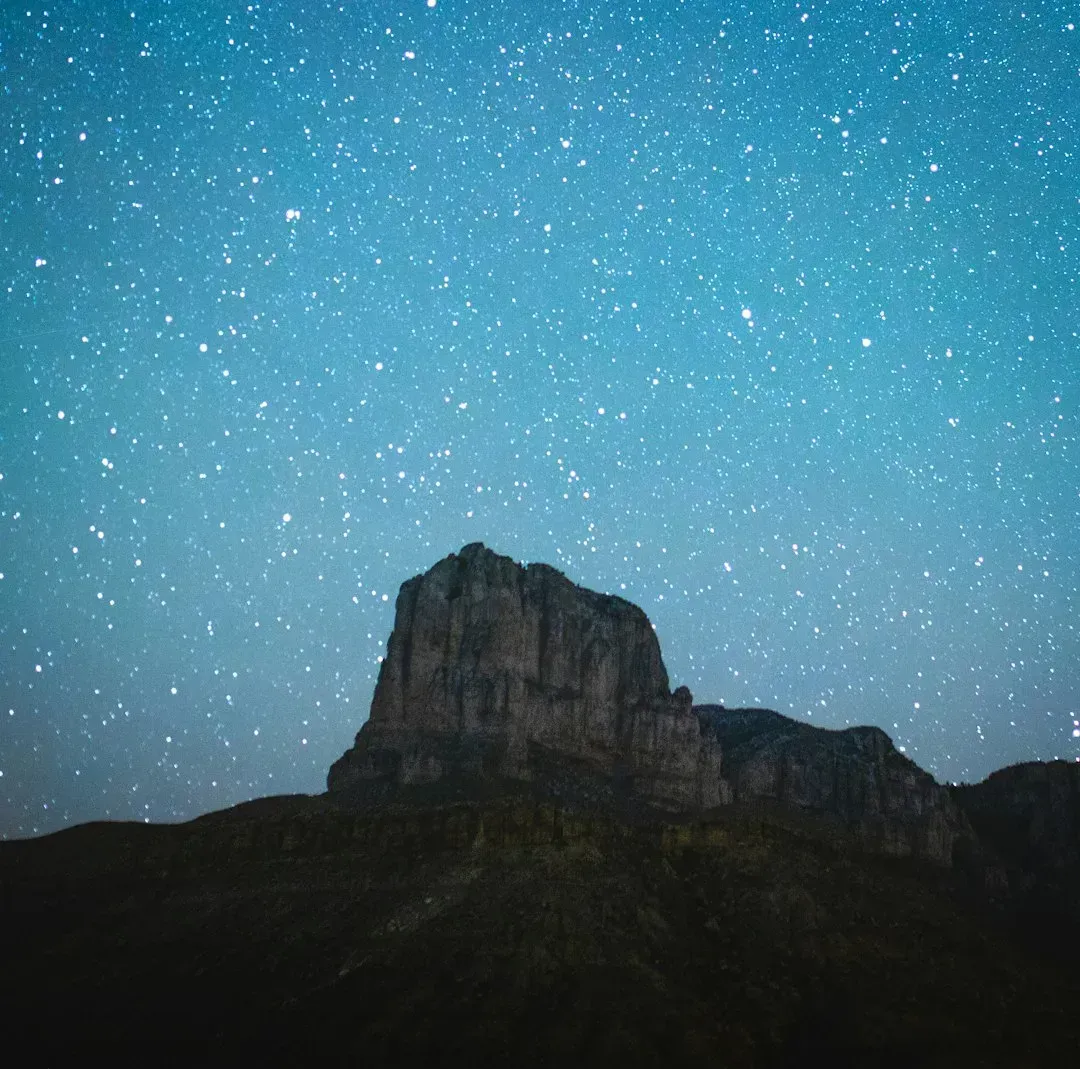
Texas is famous for many things, but this hidden gem rarely makes the highlight reel. Guadalupe Mountains National Park boasts the four highest peaks in Texas and the world’s most extensive Permian fossil reef. That last fact alone is extraordinary – this park sits atop what was once an ancient ocean floor, and the geology here tells a story that stretches back 250 million years.
The park boasts the four highest peaks in Texas, and Guadalupe Mountains Wilderness has more than 80 miles of trail, including a hike through the Salt Basin Dunes that rise 100 feet from the desert floor. In 2024, only 226,134 people visited Guadalupe Mountains, making it one of the most undervisited parks in the lower 48. It’s the kind of place where you can hike for hours without crossing paths with another soul.
13. Congaree National Park, South Carolina – Old-Growth Forest That Defies Belief
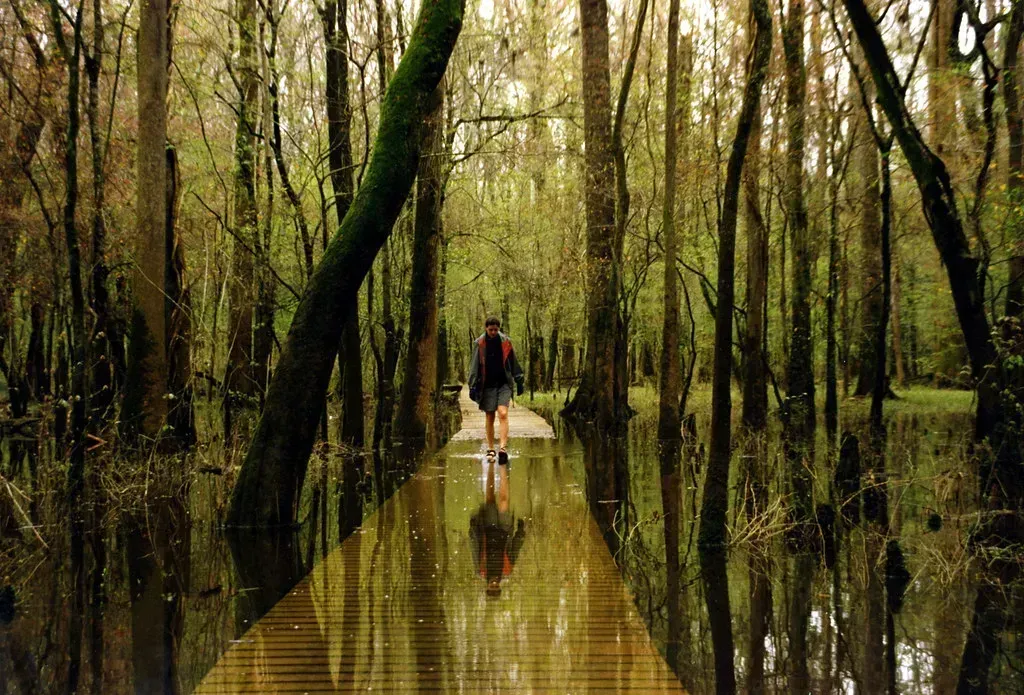
Congaree is the kind of park that tends to finish last in national rankings while simultaneously being the park that most surprises the people who actually go. Congaree National Park’s landscape is defined by the presence of both flood and flame. Floodwaters from the Congaree and Wateree rivers regularly cover the park’s old-growth bottomland hardwood forest, and canoeing and kayaking are popular ways to explore. There is a 15-mile marked canoe trail.
In 2024, Congaree recorded just 242,049 visitors, leaving its cathedral-like old-growth forest largely to the birds and the bold. The park sits about two hours from Charleston and half an hour from Columbia, South Carolina, making it easily visited as a day or weekend trip from either city. The towering loblolly pines here rank among the tallest trees in the eastern United States. Walking beneath them feels less like a hike and more like stepping into a living museum.
14. Badlands National Park, South Dakota – The Martian Landscape You Can Actually Explore
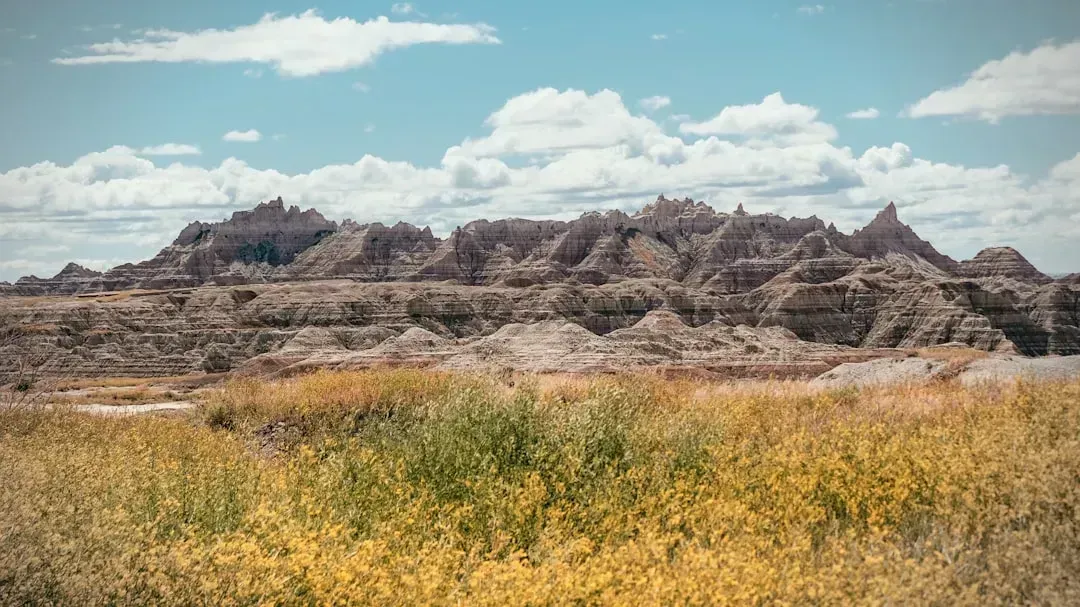
The Badlands is the one place where the park service actually encourages you to hike anywhere. There are very few designated trails, meaning there’s so much exploring you can do and real solitude looking into all the nooks, crannies, and spires. It feels like a martian landscape and is an underrated national park compared to Yellowstone.
There’s also a very good chance of seeing bighorn sheep – some visitors have spotted a ram within the first ten minutes of entering the park, near Cedar Pass. It’s also excellent for families, with hikes for all levels and areas for kids to explore freely. The open-roaming philosophy here is genuinely rare in a national park system that often funnels visitors down specific corridors. At Badlands, the whole landscape is the trail.
15. Cuyahoga Valley National Park, Ohio – The Hidden Gem Between Two Cities
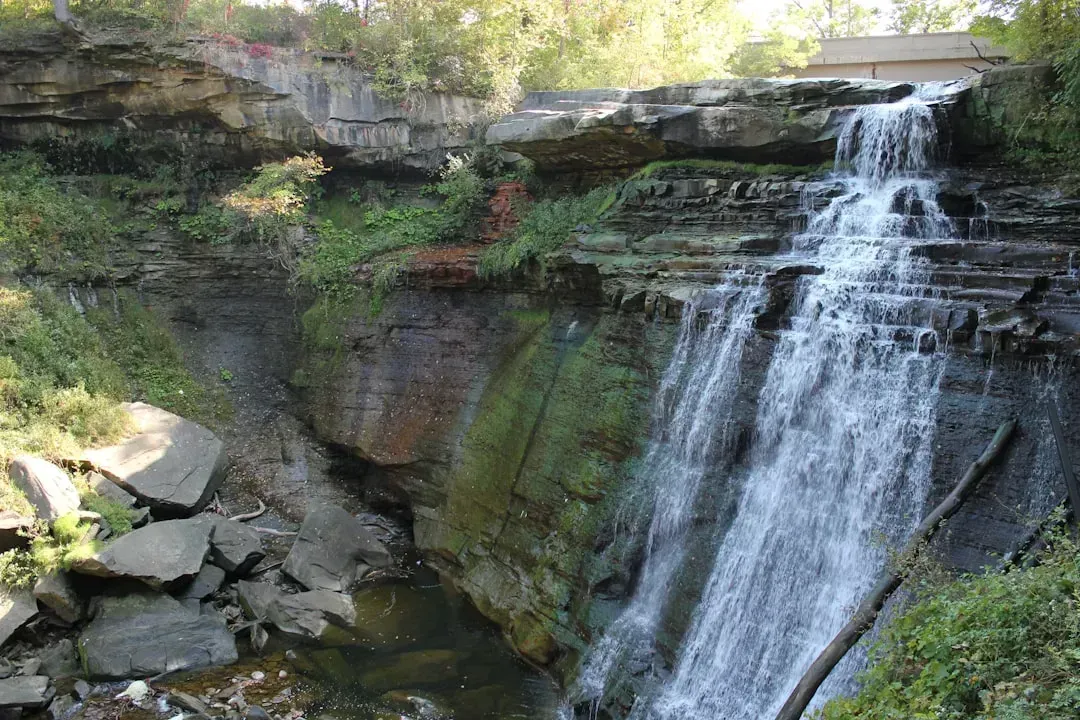
A national park just outside Cleveland might not sound exciting, but Cuyahoga Valley is a total hidden gem – full of waterfalls, rolling hills, and miles of biking and hiking trails, and it’s super accessible. The park sits right between Cleveland and Akron, making it one of the most uniquely positioned parks in the country. In 2024, it recorded 2,912,454 visitors, which places it far below the top ten despite being extraordinarily easy to reach.
The best time to visit is fall, when the entire park turns into a sea of red, orange, and gold leaves. For a park that requires no flight, no permit, and no two-week planning expedition, the payoff here is remarkable. It’s a reminder that some of the most rewarding places in the national park system don’t require you to cross three time zones to find them. Sometimes the secret is hiding in plain sight.