Homebuyers Are Avoiding Properties With These Once Must-Have Features
The real estate market moves in mysterious ways. What’s considered luxurious one decade becomes a liability the next. Right now, in 2026, we’re witnessing a fascinating shift in buyer preferences that would have shocked homeowners just five years ago. Features that once commanded premium prices are now sending buyers running for the exits, and honestly, some of these surprises might hit close to home if you’re thinking about selling.
In November, Zillow predicted 4.3 million home sales in 2025, up from 4.1 million in 2023 and a projected 4 million in 2024. Competition is heating up. That means sellers need to pay closer attention to what modern buyers actually want versus what we think they want. Let’s be real: the housing market has fundamentally changed since the 2020 pandemic, and buyers today are more practical and more selective than ever before.
Swimming Pools Have Become a Deal Breaker

Swimming pools may seem like attractive luxury features, particularly in warm climates, but they’re also expensive to maintain and have safety risks, with a pool going straight to the “cons” section of a homebuyer’s list. This one surprises a lot of sellers. The backyard oasis that once represented summer fun and neighborhood status now represents dollar signs and liability concerns to many buyers.
For parents, especially those with young kids who can’t swim, a backyard pool often raises serious safety concerns, and the thought of unsupervised access can quickly turn a dream feature into a dealbreaker. Think about it from their perspective: they’re already stretching their budget to afford the home itself, and now they’re staring at roughly a thousand to eighteen hundred bucks in annual maintenance costs. For homes that sell for less than $200,000, a pool is often negative as it adds extra costs for the homeowner, while for homes in the $700,000 to $1,000,000 price range, the pool maintenance costs become more negligible for buyers who can afford it. So unless you’re in a luxury neighborhood where pools are expected, that sparkling blue water might actually be scaring away your best offers.
Open Floor Plans Are Losing Their Appeal
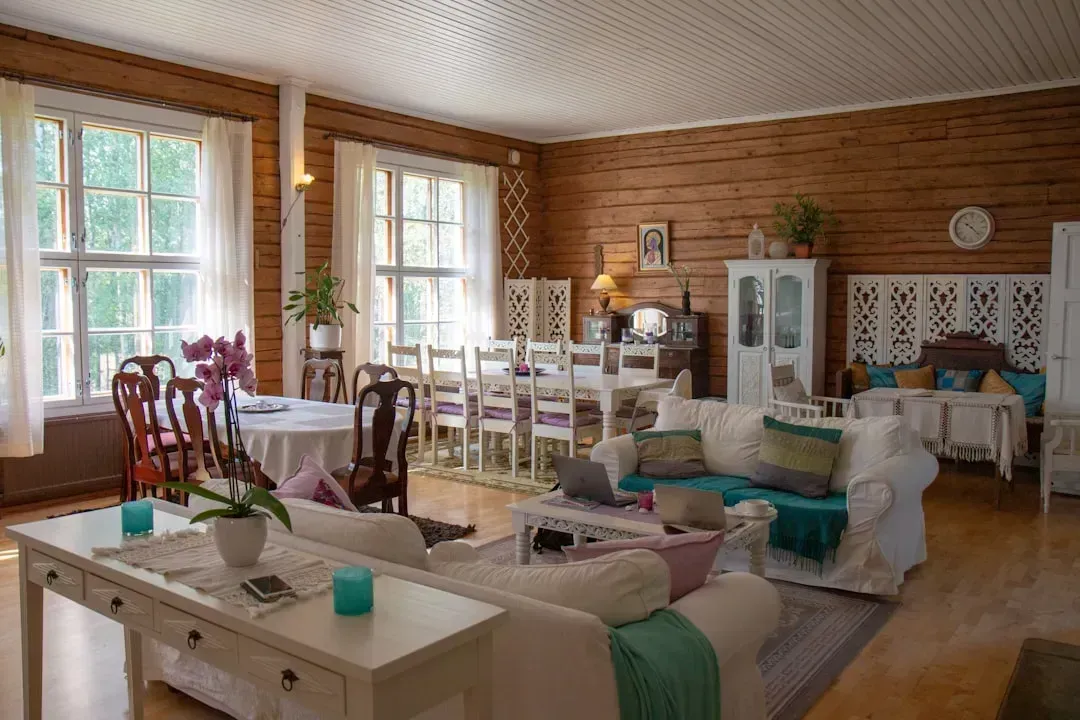
Real estate expert Brad Ramsey says he’s ready for a break from the trend of homes having one large open room that functions as the living, dining, and sitting rooms, in addition to the kitchen and breakfast nook, because this kind of design removes a lot of the character and intimacy of a home. Remember when everyone wanted to knock down walls and create those massive great rooms? That trend is reversing, and it’s happening faster than most people realize.
The average home size has more than doubled since the 1950s, and Americans are now expressing challenges about defining spaces in open floor plans, with the typical home in 2020 being around 2,300 square feet, where homeowners found that there weren’t enough room dividers to designate what part of the kit-living-den combo is for what. The 2020 pandemic really accelerated this shift. When families were suddenly working, schooling, cooking, and relaxing all in the same visible space, they realized the downside of having zero privacy or separation. More interior designers than ever are promoting separate rooms as a hot design trend for 2024, with formal dining rooms and separate living rooms, which have long been considered outdated, now coming back.
Overly Trendy Design Choices Turn Buyers Off

Real estate expert Elizabeth Dodson warns that any overly trendy feature with a short design life span can represent a hurdle for some buyers, and for every aggressive design choice, you reduce the number of buyers who will ultimately be interested. That bold wallpaper on the ceiling or the ultra-modern industrial kitchen that costs a fortune? Not the selling point you think it is.
Here’s the thing: buyers want to picture themselves in your home, not spend their first year undoing your design decisions. Personalized kitchens that aren’t remotely practical for those who really want to cook can be a dealbreaker for many homebuyers, according to Dodson. Neutral doesn’t mean boring anymore; it means smart. It means giving buyers a blank canvas they can work with rather than a finished portrait they need to paint over. I think we’ve all walked into a home where the sellers went wild with trendy finishes and immediately started calculating demolition costs in our heads.
Formal Dining Rooms Without Flexibility

Formal dining rooms are uncommon in open floor plan designs, and a smaller home simply costs less to build because less building materials and labor is required to construct these homes. Wait, didn’t we just say separate rooms are coming back? Here’s where it gets nuanced. Buyers want rooms with flexible uses, not rigid formal spaces that sit empty except for Thanksgiving.
Despite the increase in working from home since the 2020 pandemic, most homebuyers still prefer a bedroom over an office, or at least want to have the choice, and adding built-in shelving to an office restricts the next buyer’s ability to convert the room back into a bedroom. That formal dining room is fine if it can double as a home office or playroom. It’s the inflexibility that kills value. Modern buyers need spaces that adapt to their lives, which might include remote work, kids’ activities, or hobbies. A room that can only serve one purpose feels wasteful in a market where every square foot counts.
Converting Garages Into Living Space

Real estate experts note that customers who converted a garage into a workout space struggled with their car situation, as converting a garage can be challenging, and if you add shelving or other permanent features, you may create space issues that prevent you from adding a car back into the equation. This seems like a great idea until you try to sell. Buyers really, really want their garages for actual cars, especially in suburban and rural areas.
Think about the average buyer’s perspective: they’re juggling two vehicles, sports equipment, lawn tools, and all the stuff that accumulates in life. Sacrificing parking and storage for a home gym or extra bedroom might work for you, but it significantly narrows your buyer pool. Experts note that pools require expensive maintenance and increase insurance costs while limiting your buyer pool, with many families with young children viewing them as safety hazards. Similarly, garage conversions create practical problems that buyers don’t want to inherit or fix.
Built-In Features and Overly Custom Spaces
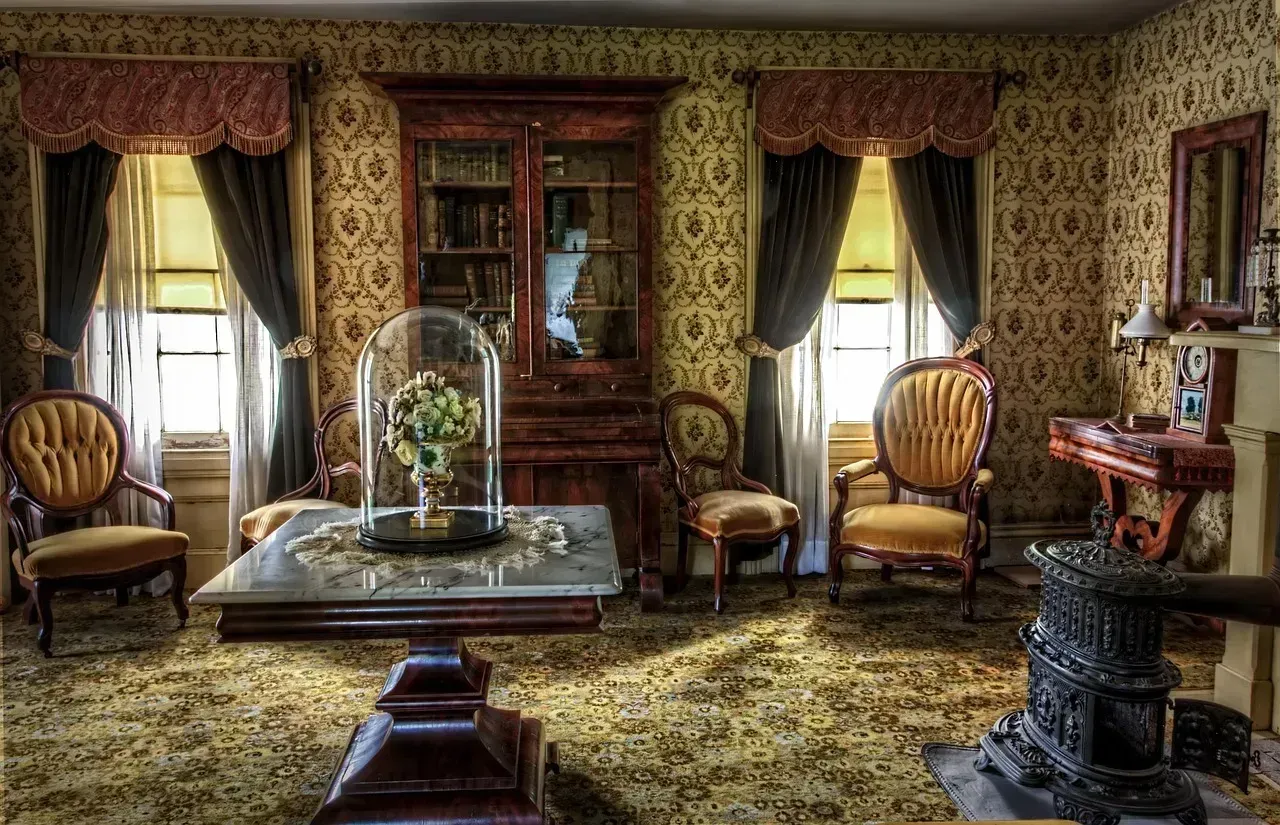
Real estate experts warn to be discerning when considering add-ons like an extra sink or a built-in appliance, as these may seem like bonuses, but often homebuyers want something simple that doesn’t require extra maintenance or take up valuable space. Those custom built-ins you spent thousands on? They might actually be costing you buyers. Hard to believe, but true.
When areas of a room are fixed, buyers have trouble understanding how their furniture and vision for the room will fit, which forces them to start calculating the added cost of creating the room they really want, and a home with built-in shelving could restrict your pool of potential buyers. We want our homes to feel special and customized, but the next owner wants to make it their own. Custom wine cellars, elaborate entertainment centers, or that perfect-for-you home office setup with floor-to-ceiling built-ins becomes someone else’s expensive headache. Flexibility wins in today’s market. Buyers would rather have the space and the budget to customize it themselves than inherit your vision, no matter how expensive or well-executed it was.
What do all these shifting preferences tell us? Homebuyers in 2026 are prioritizing practicality, adaptability, and lower ongoing costs over flashy features and rigid luxury. There were an estimated 47.1% more home sellers than buyers in the U.S. housing market in December, the largest gap in records dating back to 2013, up 7.1 percentage points from the previous month. With more sellers than buyers, understanding these preferences isn’t just interesting – it’s financially critical. What surprised you most? Are you sitting in a home with one of these once-desirable features, reconsidering your renovation plans?