The Lemon Wedge Warning: 11 Reasons Servers Avoid Citrus in Their Own Drinks
There is something quietly unsettling about what sits on the rim of your glass at a restaurant. That cheerful yellow wedge, perched right where your lips will touch, looks like a symbol of freshness. It practically radiates health. Honestly, it might be one of the most deceptive garnishes in the food service world.
Industry insiders, food scientists, and experienced servers have known for years what most diners never think to question. The truth about restaurant lemon wedges is part science, part kitchen reality, and entirely worth knowing before you order your next glass of water. Let’s dive in.
1. The Landmark Study That Changed Everything
A 2007 study published in the Journal of Environmental Health tested the flesh and rinds of 76 lemon slices tucked on the glass rims of 21 restaurants, and the results were staggering. The data collected over 43 visits indicated that nearly 70% of the lemon slices had microbial growth on them. That’s not a small anomaly. That’s an overwhelming majority.
The study found that nearly 70% of the lemon wedges sampled produced some form of microbial growth from the rind and/or the flesh, encompassing a total of 25 different microorganisms including bacteria and yeasts. Twenty-five distinct species. On something that is supposed to make your drink feel cleaner.
The study noted that the microbes found on the lemon samples all have the potential to cause infectious diseases at various body sites. That is a direct statement from the researchers themselves, and it is not easy to dismiss.
2. Servers See What You Don’t

In a viral PSA that accrued over 144,000 views, server Adrianahlee explained why people should not get a lemon in their water at a restaurant. She said she realized this the minute she became a server and decided she would never ask for a lemon in her water ever again, because servers put the garnish on themselves while touching money and other people’s plates. This is the kind of on-the-ground knowledge that no food safety manual captures quite as vividly.
In her account, servers are often required to cut the lemons themselves, and she personally always wore gloves when doing so. However, she could not account for what anyone else did. She also stated that the produce is never washed at restaurants. That last point is the one that sticks.
3. Lemons Arrive Unwashed and Stay That Way
At restaurants, lemons are often treated like garnish, not food. That means there is no standard for cleanliness. They arrive in bulk from distributors, usually unwashed. Think about that supply chain for a moment. Fields, trucks, warehouses, distribution centers, and then straight onto your drink rim.
Restaurants often rinse lemons rather than scrub them thoroughly, leaving plenty of bacteria living inside untouched. A quick rinse under cold water does very little to remove surface contamination that has built up over days of handling. Lemons go through dozens of hands from the tree to the table, most probably handled by workers in the fields.
4. Bare Hands Are the Biggest Culprit
Lemon wedges are way more likely to have bacteria than the food you order on a plate because restaurant health standards tend to be less strict for garnishes. An ABC investigation noticed that restaurant workers often grabbed lemons without gloves or tongs. If they did not scrub their hands thoroughly after using the bathroom or touching another germ-ridden spot, there is a good chance they could leave that bacteria on the lemon in your drink. Plus, restaurants might just rinse the skin instead of giving each fruit a good scrub.
Philip Tierno, PhD, clinical professor of microbiology and pathology at NYU Langone Medical Center, conducted an experiment commissioned by ABC News which found that half of lemon wedges collected from various restaurants were contaminated with human fecal matter. What’s more, the ABC cameras caught employees handling lemons with their bare hands. Half. That number is genuinely hard to read without feeling a little queasy.
5. The Human Fecal Matter Problem
Good Morning America tested lemon wedges from six popular family restaurants, and what they found was more frightening than refreshing. At four restaurants, the lemons were contaminated with fecal matter, including one sample contaminated with E. coli. Four out of six restaurants. In a single investigation.
In the 2012 experiment commissioned by ABC News, Professor Philip Tierno found that lemon wedges were the third germiest place in a restaurant. In his test results, one of the most frequently occurring contaminants was fecal matter, with over half of the lemon wedges being tainted with human waste. Third germiest place. Not the floor. Not the trash can. The lemon wedge sitting on your glass.
6. Cross-Contamination from Every Direction
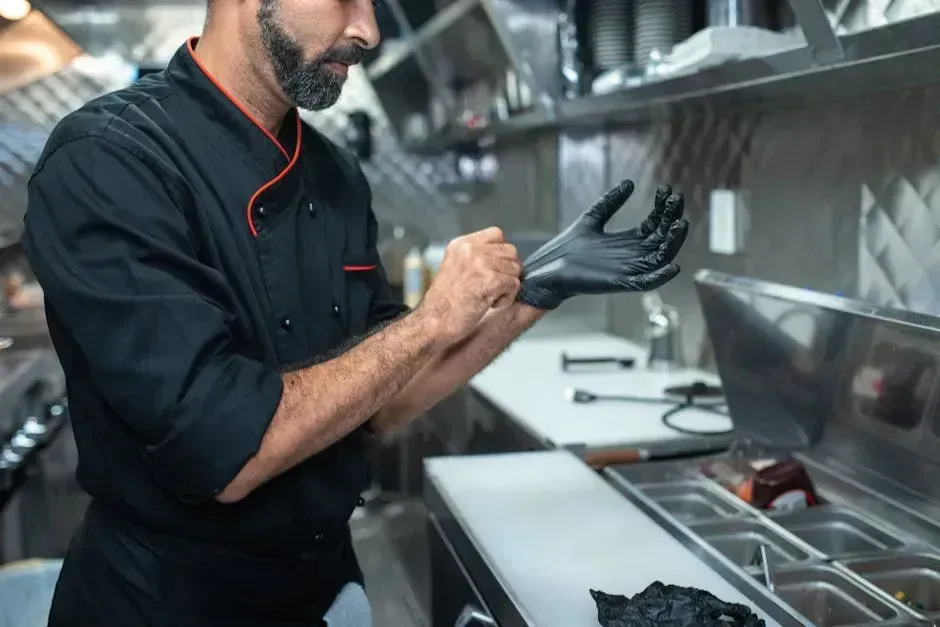
In the experience of researchers, restaurants may not be diligently washing lemons, or they rinse them but do not scrub. It is also easy for a worker’s hands, whether a bartender serving a drink or a chef slicing the fruit in the kitchen, to cross-contaminate after dealing with patrons, washing glasses, and handling food. Bartenders handle everything. Money, glasses, menus, raw garnishes, ice. It is a constant carousel of contact.
In most restaurants studied, data collectors observed at least one food worker action that could lead to contamination of food. This finding indicates that restaurants should consider focusing on improving their cross-contamination prevention practices. Poor hand hygiene when preparing ready-to-eat food was observed in over a third of restaurants and was the most common potential cross-contamination action observed.
7. Open Fruit Trays at the Bar: A Bacterial Buffet
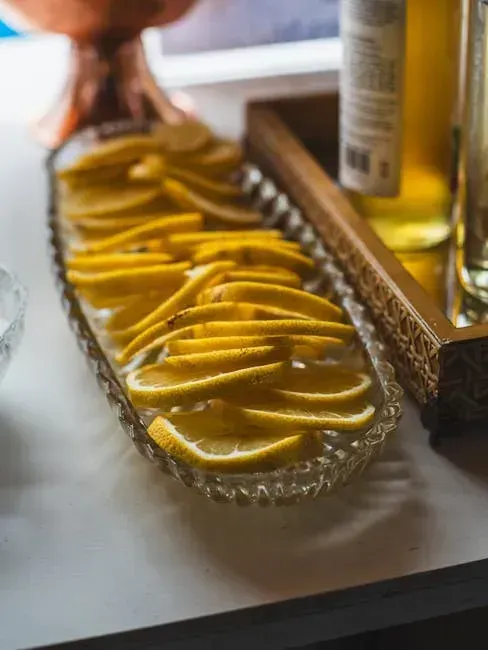
In many restaurant bars, lemons are sliced in advance and stored in a tray with chilled soda water to keep them hydrated and ready for use. If servers are not using tongs to fish them out, there are a lot of hands going in and out of that dish, which means a lot of germs are likely going into customers’ drinks. Picture those open trays at a busy Saturday night bar. Imagine how many times someone reaches in without thinking.
While food preparation areas are often carefully scrutinized, the bar can sometimes get forgotten about. Servers on Reddit shared hair-raising anecdotes about lemons getting dropped on the floor and then sliced and added to drinks, or servers clearing dirty tables and then handling lemon slices without washing their hands. The bar is, in many ways, the least supervised food prep zone in a restaurant.
8. Alcohol in Your Cocktail Will Not Save You
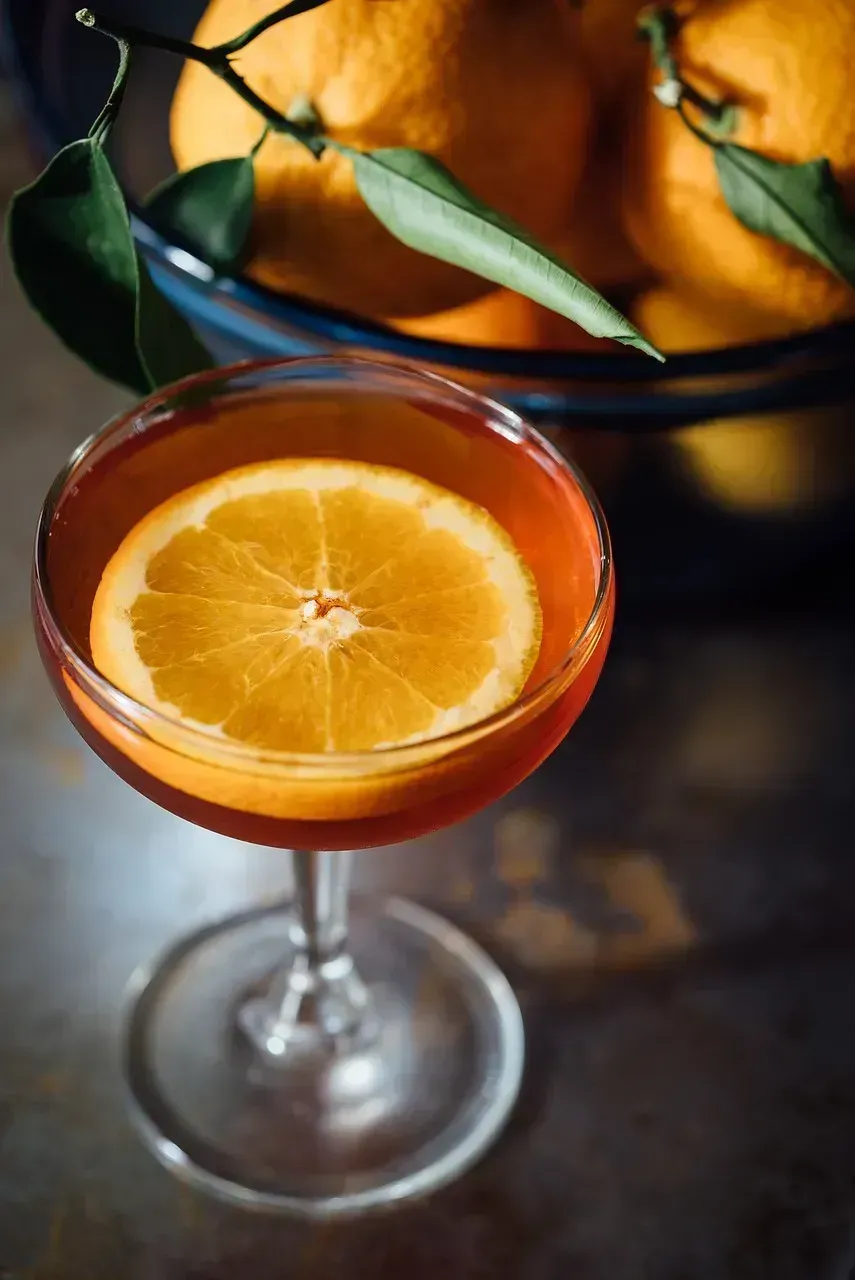
A lot of people assume that if there is vodka or gin in their drink, any bacteria on the lemon wedge will be neutralized. This is a widespread and genuinely dangerous myth. Alcohol kills germs, but most cocktail ingredients do not have enough alcoholic strength to ignore the possibilities of food-borne illness. For example, adding a splash of vodka to a syrup might help it last longer before spoiling, but it is not enough to make it bacteria-free and shelf-stable. According to the CDC, alcohol at an ABV of over 50% significantly kills bacteria, but 60 to 90 percent alcohol is optimal.
A 2022 study published in Food Microbiology tested E. coli, Salmonella, and Listeria in simulated cocktail matrices at 15% ABV. After 5 minutes of contact, pathogen reduction was just 0.3 to 0.7 log10, meaning between half and four-fifths of bacteria remained viable. Your gin and tonic is not a disinfectant. Not even close.
9. The Rind Is the Real Risk

Most people assume that if they just squeeze the lemon juice into their drink and discard the wedge, they have avoided the problem. The truth is more nuanced. Although lemons have known antimicrobial properties, the results of the Journal of Environmental Health study indicate that a wide variety of microorganisms may survive on the flesh and the rind of a sliced lemon.
Germaphobe lemon lovers might opt to squeeze the juice directly into the water instead of letting the wedge float about for the duration of a meal. Doing so will reduce exposure, though not eliminate it, as Tierno points out that even the flesh of the lemon can be contaminated. Squeezing is safer, yes. Safe? Not entirely. The rind is essentially a sponge that has absorbed everything it has touched from tree to table.
10. Self-Service Stations Are Even Worse
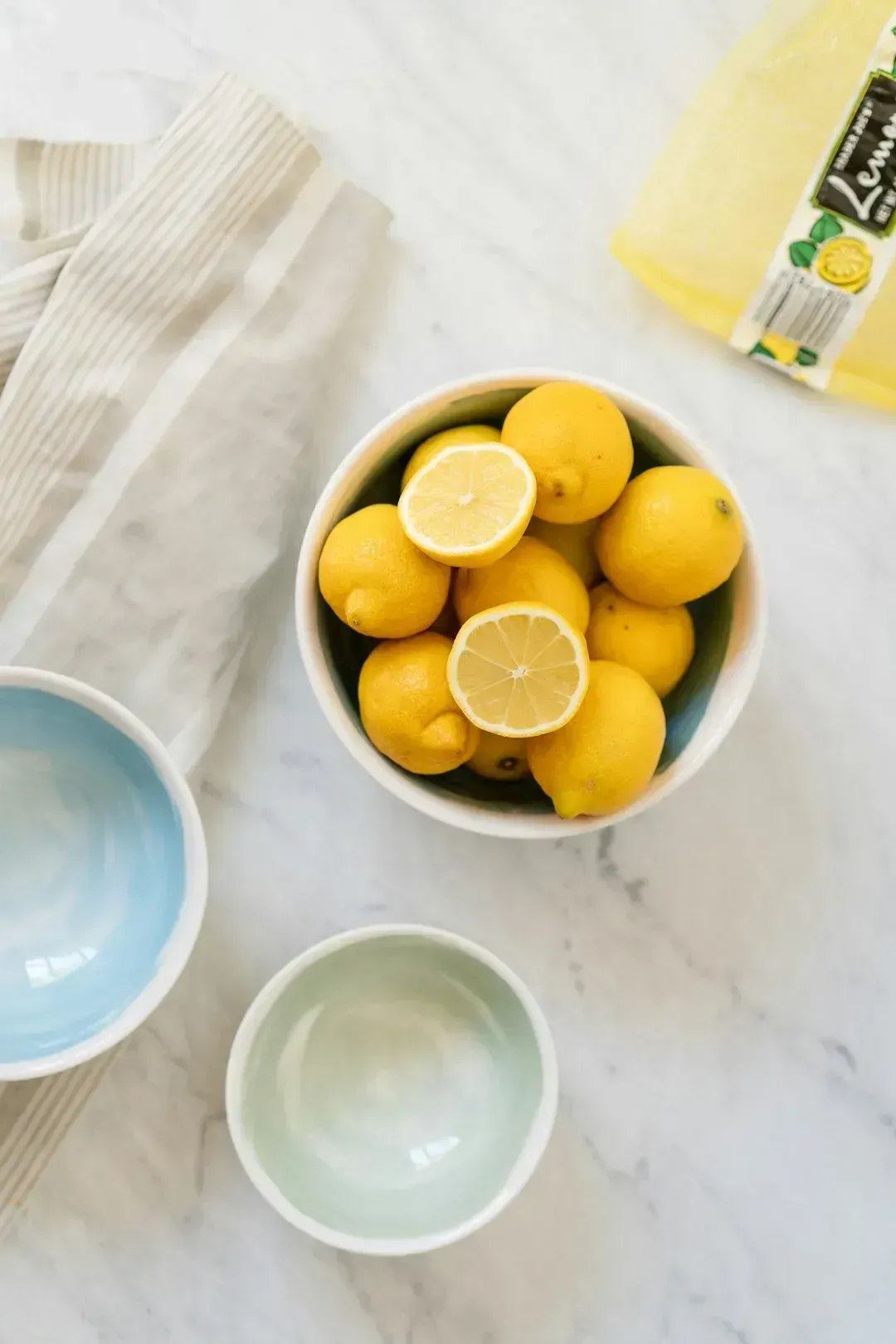
Think the cut lemons sitting in a bowl at a self-service drinks station are a better bet than what a server brings to the table? Think again. Those lemons are even more likely to be contaminated, since not only are they exposed to bacteria while being chopped, but customers can spread bacteria to them as well. If the lemons are not being kept at the right cold temperature, an E. coli infestation can occur.
There is something almost darkly logical about this. A communal bowl of lemon wedges, touched by dozens of strangers across a lunch rush, sitting at room temperature, with zero oversight. It is the kind of setup that makes food safety professionals wince. Lemon wedges are way more likely to have bacteria than the food you order on a plate because restaurant health standards tend to be less strict for garnishes.
11. The Lemon Myth of Purification: Pure Fiction
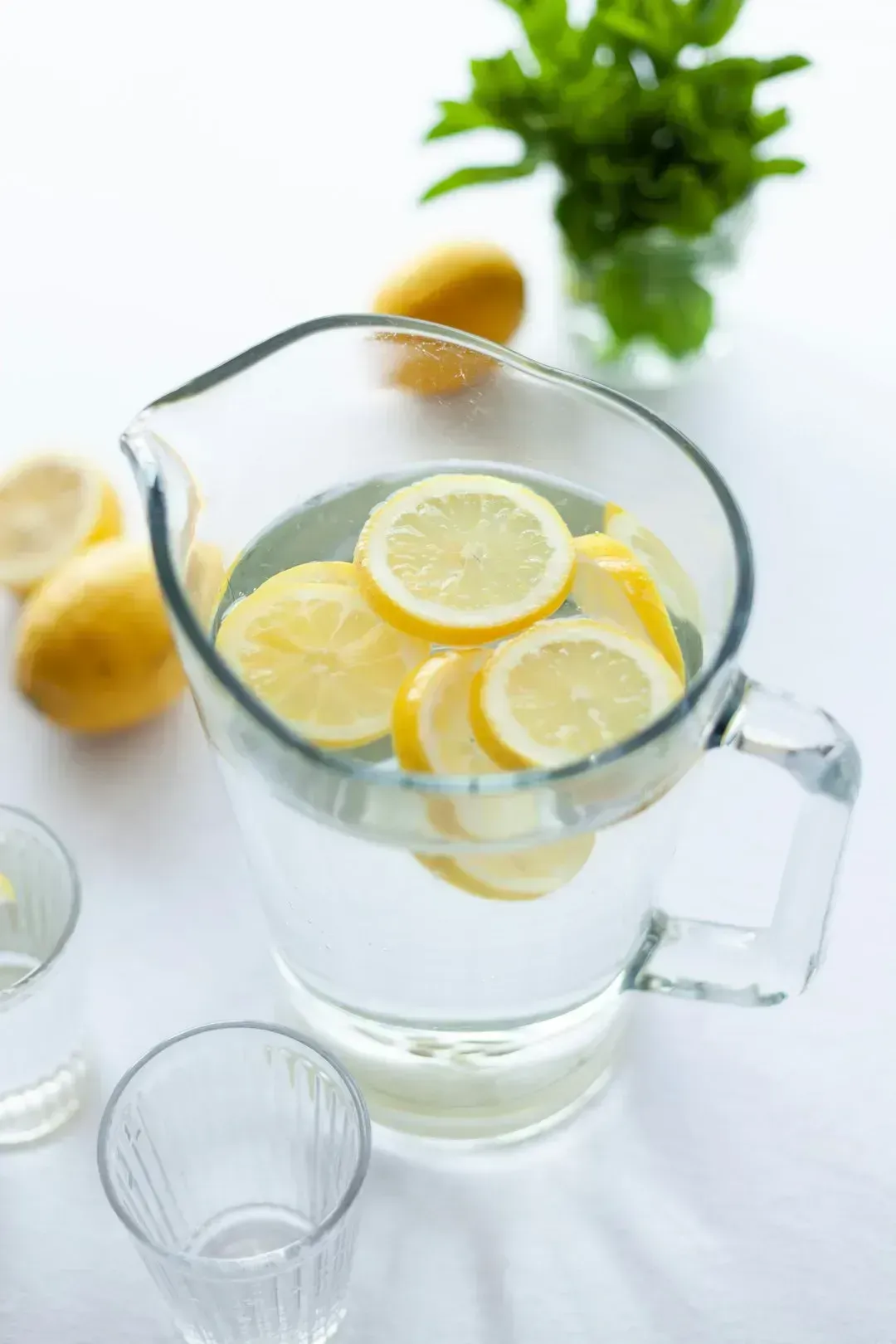
Here is the final irony worth sitting with. A large part of why lemon wedges became so embedded in restaurant culture is the perception that citrus is clean, fresh, and health-promoting. One of the most enduring beliefs about lemon in water is that it cleanses or purifies the drink. Some people believe the citric acid kills bacteria, making tap water safer to consume. While lemon juice does have mild antimicrobial properties, its effect in a glass of water is negligible. Studies show that citric acid can inhibit certain pathogens like E. coli and Salmonella, but only under controlled conditions involving prolonged exposure and high concentrations. A single lemon slice in a glass of water does not come close to achieving those levels.
The practice of putting lemon in restaurant water endures not because it purifies, prevents illness, or dramatically enhances nutrition, but because it looks good, smells inviting, and feels like care. Perception is powerful. Ironically, the lemon itself may introduce contamination. Research published in the Journal of Environmental Health found that nearly 70% of lemon slices served in restaurants carried bacteria such as Klebsiella and Pseudomonas, often due to improper handling by staff or cross-contamination. The very thing diners believe signals hygiene and wellness is often the dirtiest item in their glass.