A Gate Agent Shares 7 Passenger Habits That Can Quietly Get You Upgraded
Most people think a free upgrade is basically a lottery. You either win or you don’t, and luck decides everything. Honestly, that’s a comforting story – but it’s not quite accurate.
There are real, observable habits that gate agents notice, quietly and without saying a word, long before you ever approach the desk. And these habits genuinely shift the odds in your favor. There are real, observable behaviors that gate agents notice – quietly, without saying a word – that can tilt the odds in your favor. The system is more human than people assume. Let’s dive in.
1. Being Genuinely Polite – Not Performatively Nice
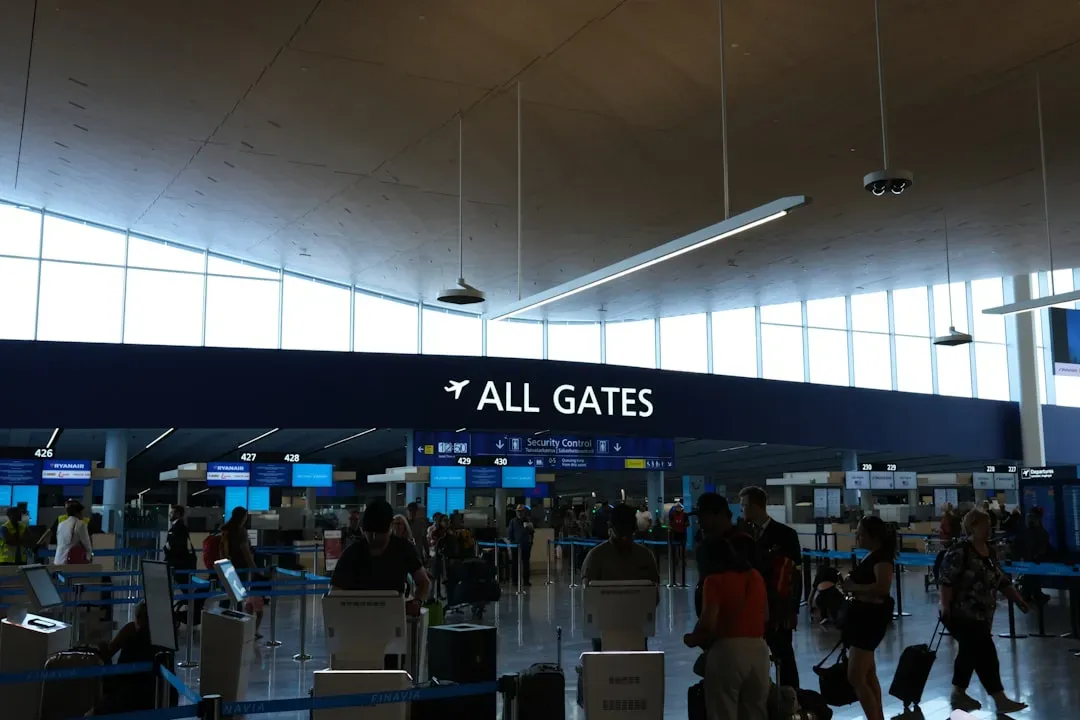
Here’s the thing most travelers completely miss: gate agents aren’t fooled by sudden, switched-on charm. Gate agents can read people within seconds. They deal with hundreds of passengers per shift, and they can tell the difference between someone who is authentically kind and someone who turns on the charm only when they want something. It’s a bit like walking into a coffee shop and only smiling at the barista when you’re placing a complicated order. People notice.
Gate agents simply don’t upgrade the kind of people who look like they are going to sit around and complain and annoy other passengers. It means your upgrade chances are being quietly assessed long before you ever open your mouth to ask. Think of it like a silent audition happening in the background while you scroll your phone at the gate.
A friendly smile and pleasant demeanor can genuinely trump certain rules at the gate. The key is that this warmth has to be consistent, not just switched on when you reach the desk. Simple, but surprisingly rare in a crowded, stressed-out terminal.
2. Arriving at the Gate at Exactly the Right Time
Timing, it turns out, is almost everything. Arrive too early and the gate agent won’t be servicing your flight yet. Too late? Someone else already snagged those open seats. If you want to be upgraded, get there around one hour before boarding. Much earlier, and the gate agents won’t be servicing your flight yet. Any later and other people will have taken all of the good seats already.
There’s a practical window here, almost like a golden hour. Try asking politely about half an hour before departure to see if you can move out of that middle seat at the back of the plane. It’s a slim window, but it’s real and it’s consistent. Think of it like catching a wave – paddle too early or too late and it passes you by.
If you’re going to try to ask for an upgrade in person, you’re better off checking with the gate agent before boarding. Once boarding begins, the window closes fast and the paperwork is being finalized. You’ve missed your moment.
3. Flying Solo on Off-Peak Flights
This one genuinely surprised me. It sounds almost unfair at first, but the data backs it up completely. Recent findings from the 2024 Delta upgrade data point to a clear trend favoring individuals. Statistical analysis suggests that solo travelers enjoy a significantly higher likelihood of being moved to first class on late-night flights, reportedly experiencing upgrades 23 times more often than couples.
The rationale offered by airline personnel is quite pragmatic: single passengers present a far simpler logistical proposition. Particularly on flights departing during less popular hours, airlines appear focused on operational efficiency. Accommodating a lone flyer in an available first class seat is less complicated than trying to manage seating arrangements for pairs. It’s really just math – one empty seat is easier to fill than two adjacent ones.
Upgrades sought during off-peak hours such as late-night or early-morning flights seem to have a higher acceptance rate, likely related to reduced overall passenger demand during these time slots. If you’re flying alone on a Tuesday red-eye, your odds look very different than a couple on a Friday afternoon departure. Worth knowing.
4. Building Genuine Loyalty Status – Especially Now That the Rules Changed
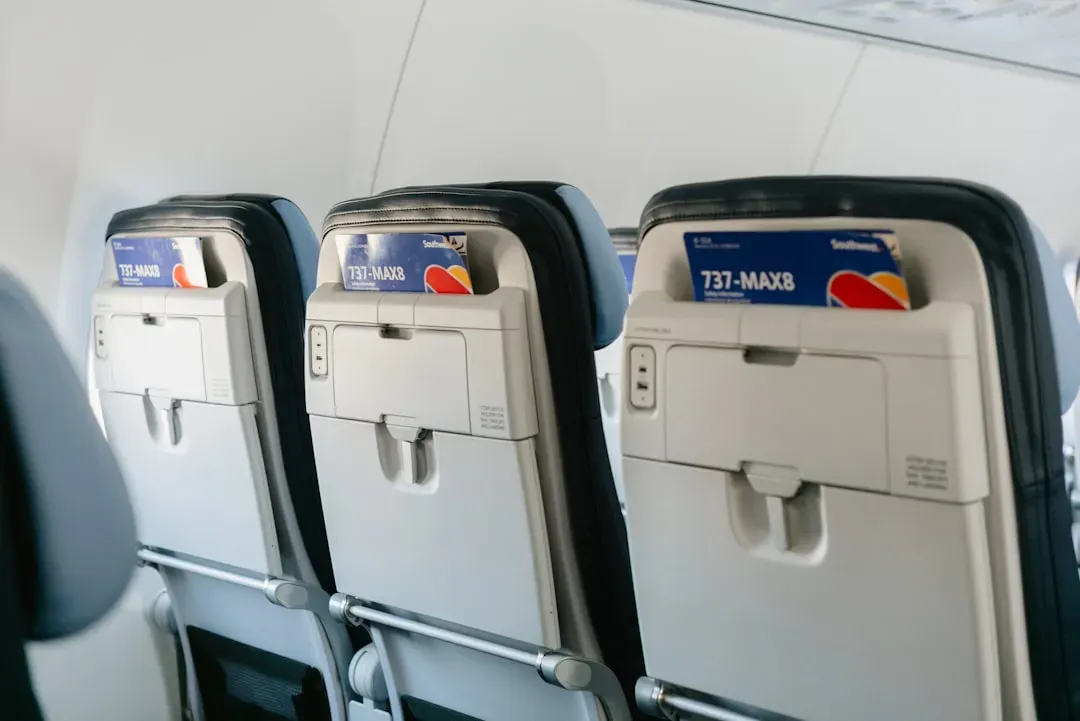
Let’s be real here. Loyalty status is the single most reliable upgrade trigger in modern aviation. It’s not glamorous advice, but it’s the truth. The entire system is built to reward people who fly frequently and spend consistently with one airline. No soft skill or charm offensive beats this one.
Studies have shown that elite status holders are up to three times more likely to receive complimentary upgrades compared to non-elite passengers, highlighting the significant advantage of reaching higher tiers in airline loyalty programs. That’s a massive gap. It’s not a small edge – it’s a completely different game.
The programs themselves have also changed dramatically in recent years. All three airline elite programs used to award elite status based on distance flown. Now, as of January 2024, all three award elite status based primarily on how much money you spend with the airline. American, United, and Delta have all recently overhauled their loyalty programs to reward big spenders, with passengers earning more points and elite status based on how much they spend, not how far they fly. The rules have shifted significantly – and knowing this matters.
5. Volunteering to Be Bumped – and Doing It Smartly
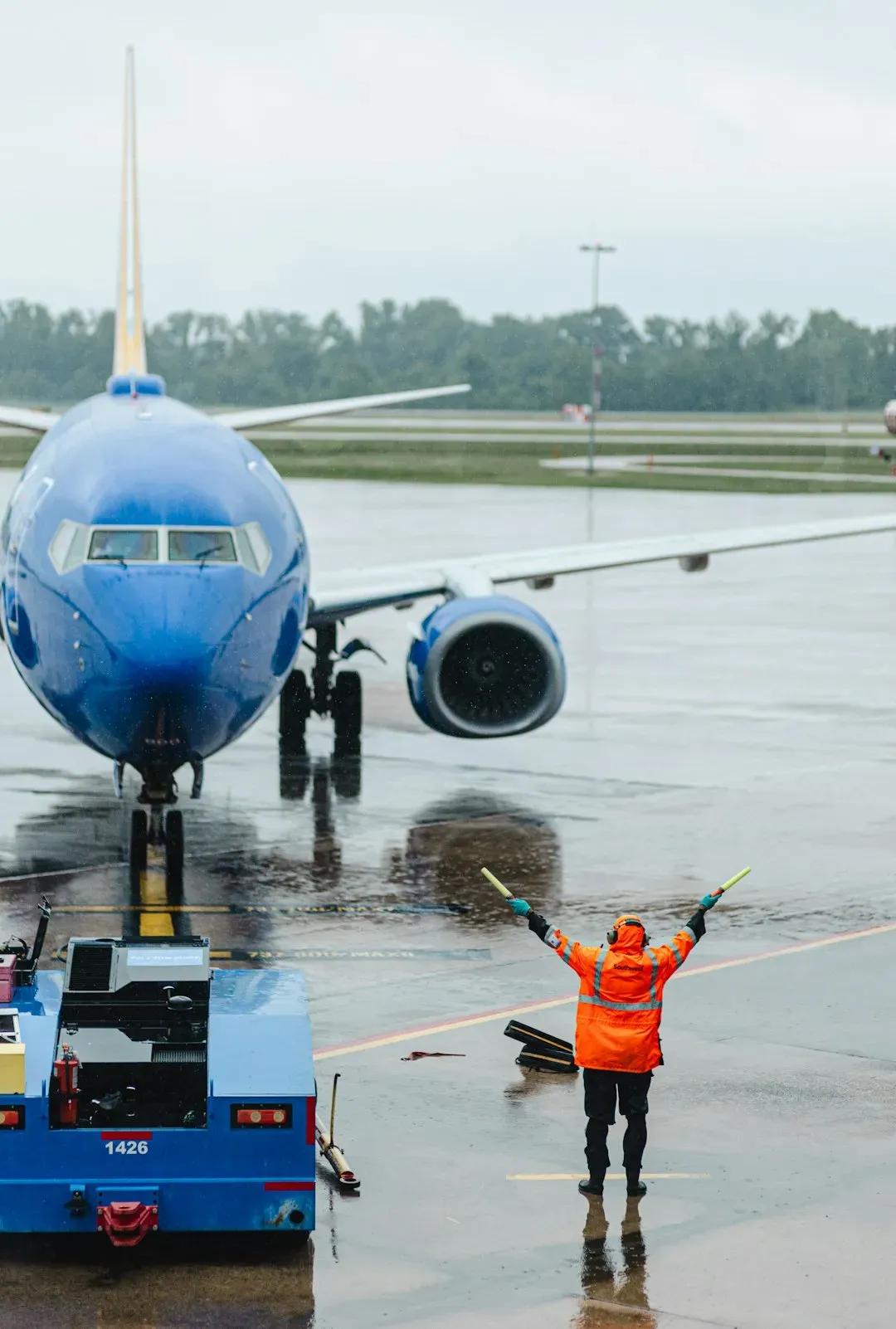
This is the one behavior that most passengers overlook entirely, yet it might actually be the most powerful of all. When a flight is overbooked and the gate agent is looking for volunteers to take a later flight, the passenger who steps forward calmly and willingly becomes an instant VIP. There’s something almost counterintuitive about it – giving up your seat to get a better one.
Volunteering to be bumped to a later flight often comes with perks like travel vouchers, meal credits, and – yes – an upgraded seat on your rescheduled flight. Airlines may offer passengers incentives, such as money or vouchers, to volunteer. There is no limit to the amount of money or vouchers that the airline may offer, and passengers are free to negotiate with the airline. That negotiation part is key – most passengers don’t realize they can push back.
Passengers without checked baggage will often have an advantage over those that have. This is because unloading baggage from the hold creates more delays for an airline, so they will generally approach passengers without checked baggage first. Travel light if you want to play this game effectively. It genuinely helps.
6. Keeping Calm When Things Go Wrong
It’s a stressful moment – delays, gate changes, a screaming child three rows over, a completely inexplicable boarding process. But the way you handle chaos is being watched. If you are on the list, and it looks possible, it doesn’t hurt to go up and chat with the gate agent, be nice and friendly, and make sure they do something that alerts them to your name and where you are on the list.
Only check in once. Hovering around the podium or constantly approaching the agent is a sure fire way to hurt your case. It’s a bit like a job interview – desperation rarely works in your favor. One calm, well-timed interaction is worth more than five anxious ones.
Gate agents are managing a deeply complicated puzzle under real time pressure. Flexibility, in other words, is a currency. The more of it you show, the more valuable you become to an overwhelmed gate agent trying to solve a seating puzzle under time pressure. The passenger who helps them solve the problem is the one who gets remembered – and rewarded.
7. Knowing When and How to Ask – Then Actually Asking
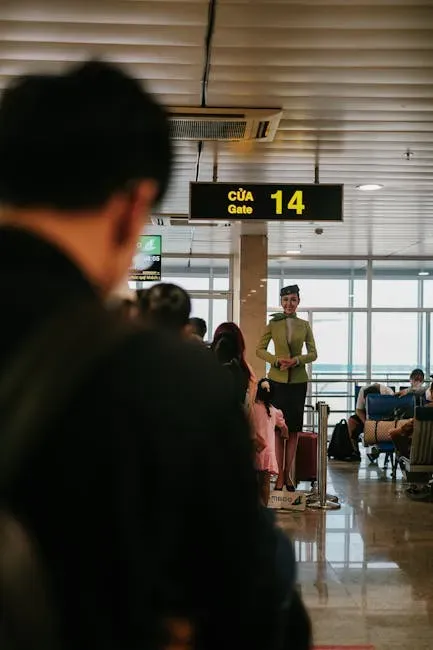
Most people never ask at all. They sit quietly, staring at the first class curtain, and wonder why someone else got moved up. Here’s an uncomfortable truth: requesting an upgrade at the gate is common and often possible even when you have already checked in online and have an assigned seat. The success rate and procedures depend on airline, fare class, elite status, aircraft load, and timing.
Last-minute upgrade opportunities have become more accessible in recent years, with airlines offering various ways to snag a first-class seat just before departure. As of 2024, many carriers have introduced dynamic pricing for upgrades, allowing passengers to bid or purchase upgrades at check-in or even at the gate. The system has genuinely opened up. But you still need to engage with it.
When things are quiet, politely ask the gate agent if there are any upgrades available for a single passenger. It’s still a long shot, but if you keep your expectations low, it doesn’t hurt to ask and see if they invite you to wait at the gate until they know if they have any empty seats you could use. Closed mouths don’t get fed, as they say. One calm, low-pressure question can open a door that most passengers never even try.