Everything You Think You Know About History May Be Wrong: 8 Mysteries Experts Can’t Explain
Think you’ve got history figured out? That ancient civilizations were primitive, that we understand how the pyramids were built, that every archaeological puzzle has a logical explanation? Think again. Despite centuries of research and breakthrough technologies, some historical enigmas remain stubbornly unsolved, challenging everything we thought we knew about our ancestors. From impossibly precise stone monuments to unexplained ancient artifacts, these mysteries suggest our predecessors may have possessed knowledge and capabilities we’ve yet to fully comprehend. Let’s be real, the more we discover, the less certain we become about what really happened thousands of years ago.
The Stonehenge Altar Stone Traveled 450 Miles From Scotland
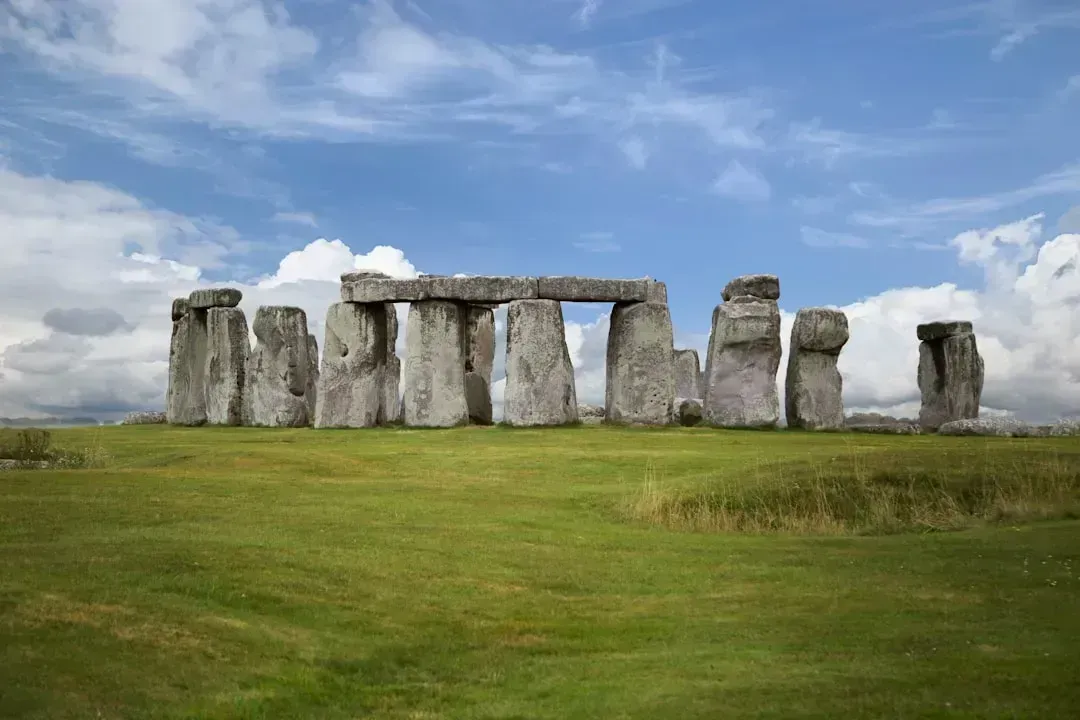
Researchers at Curtin University discovered in 2024 that Stonehenge’s six-ton Altar Stone originated from northeast Scotland, over 450 miles away from the monument site. This finding completely upends previous assumptions that the stone came from Wales. The troubling part? This roughly 12,000-pound, 16-foot long rock somehow traveled hundreds of miles from Scotland to England well before the invention of the wheel, likely installed around 2620 BC to 2480 BC. Recent studies from Curtin University offer the most convincing evidence yet that the stones were carried to the site by people rather than by moving ice, with researchers finding that glaciers almost certainly didn’t move the stones. The mystery deepens when you consider that moving such massive cargo through heavily forested prehistoric Britain would have been nearly impossible by land.
Over 300 New Nazca Lines Discovered Using AI in 2024
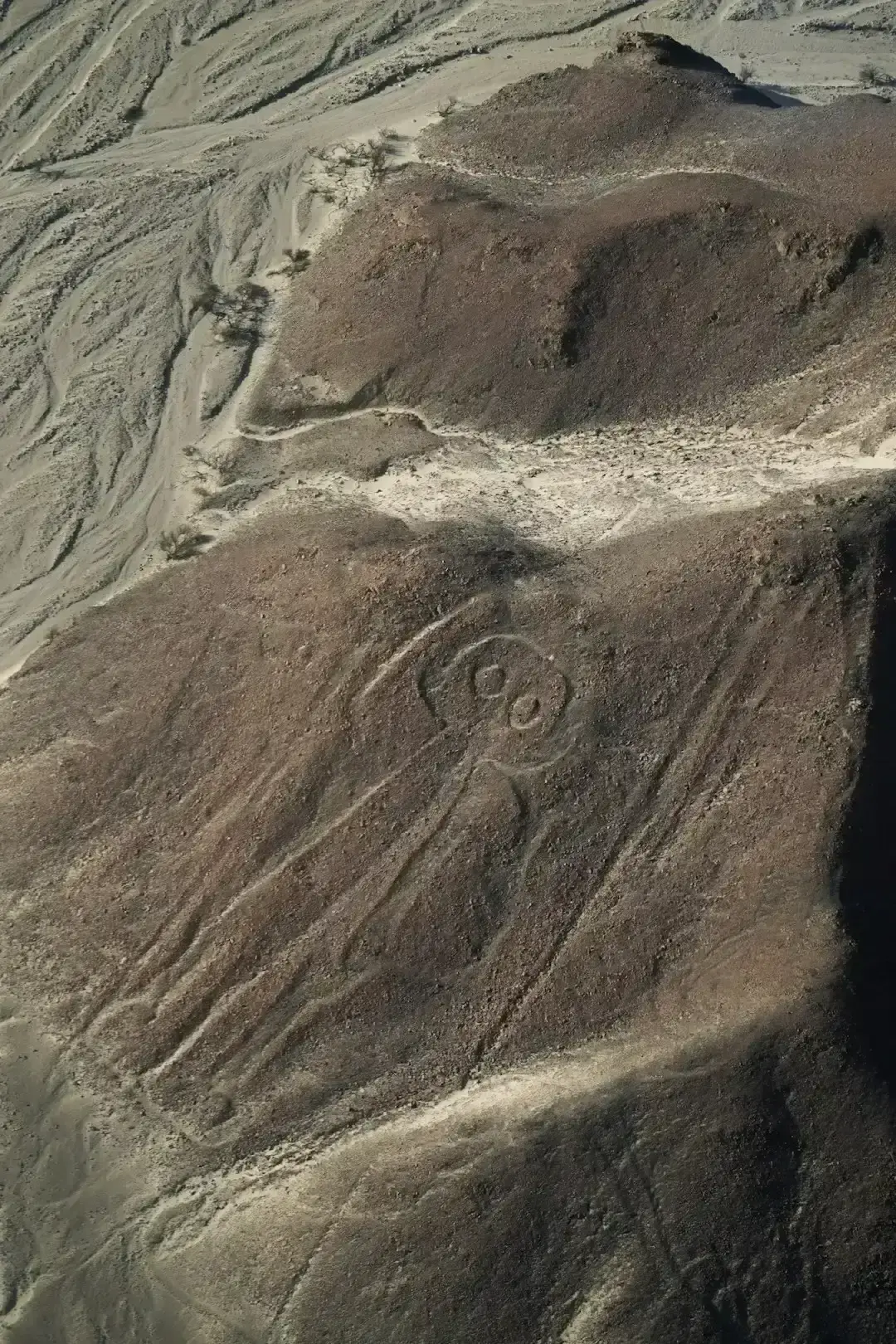
In 2024, archaeologists from Yamagata University’s Nazca Institute, collaborating with IBM Research, used artificial intelligence to discover 303 previously unknown geoglyphs near the Nazca Lines in Peru, depicting parrots, cats, monkeys, killer whales, and even severed heads. What’s astonishing is that the AI model dramatically sped up the identification process by 20 times faster than traditional methods, identifying 303 new geoglyphs in just six months – compared to the 430 discovered over nearly a century. Here’s the thing: experts still have absolutely no consensus on why these massive drawings were created. While some researchers believe the lines had spiritual or astronomical significance and others suggest they may have been linked to agricultural or irrigation practices, no single theory has been universally accepted. The discovery of a 72-foot-long orca wielding a knife adds another layer of disturbing ritualistic significance we’re only beginning to understand.
Ancient Neolithic Amphitheater Built 11,000 Years Ago Challenges Everything
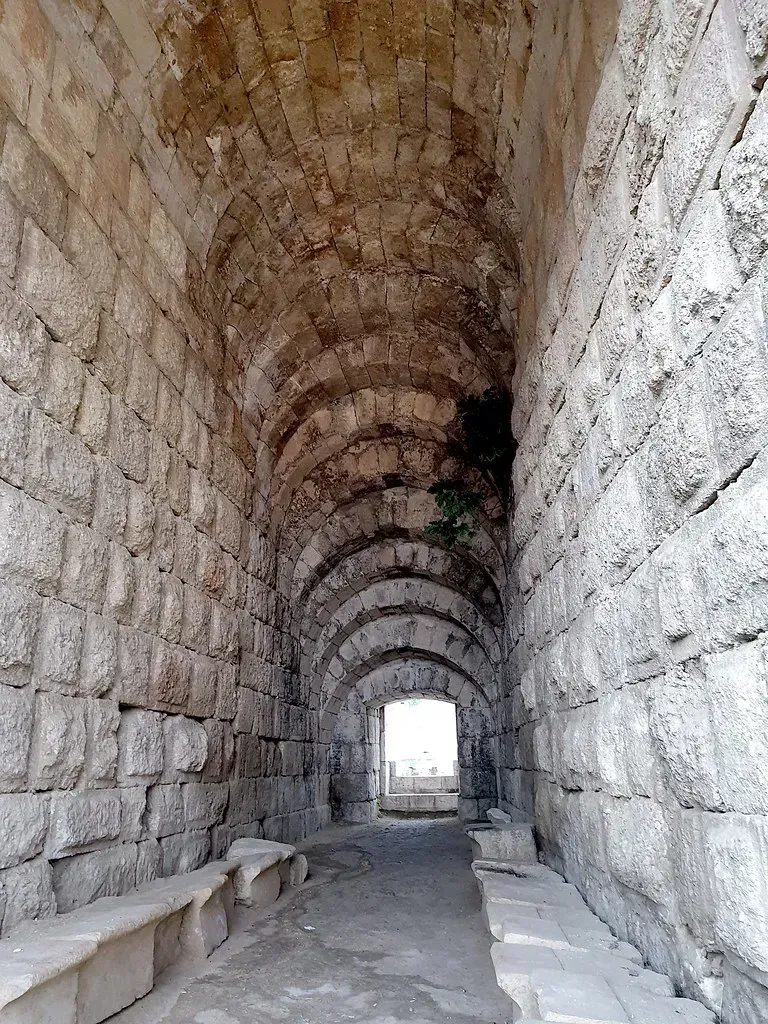
At Karahantepe in southeastern Turkey, archaeologists uncovered a massive circular structure resembling a modern amphitheater, dating back roughly 11,000 years and featuring tiered stone seating along with carved human and animal figures. Let’s pause on that. This structure was built thousands of years before farming supposedly enabled complex societies. The structure suggests that hunter-gatherer societies were capable of organizing large-scale construction projects and maintaining complex social and ritual systems, challenging the long-standing belief that large permanent structures only emerged after farming societies developed. Honestly, this discovery forces us to rethink the entire timeline of human social organization. The amphitheater’s size indicates it could accommodate hundreds of participants, implying a level of communal planning we never credited to prehistoric nomadic groups.
The 43,000-Year-Old Neanderthal “Face” Found in Spain

The oldest-known art appears on a 43,000-year-old stone from a rock shelter in central Spain, made when Neanderthal humans lived there, with one side having an ancient fingerprint in the middle made with red ochre that was placed there on purpose so the rest of the stone looked like a face. Researchers say that the stone is “one of the oldest known abstractions of a human face in the prehistoric record”. This discovery shatters our assumptions about Neanderthals being primitive and uncreative. The deliberate artistic intent behind this 43,000-year-old creation suggests these ancient humans possessed abstract thinking and aesthetic sensibilities far more sophisticated than most textbooks acknowledge.
Linear A Script Remains Completely Undeciphered After 3,400 Years
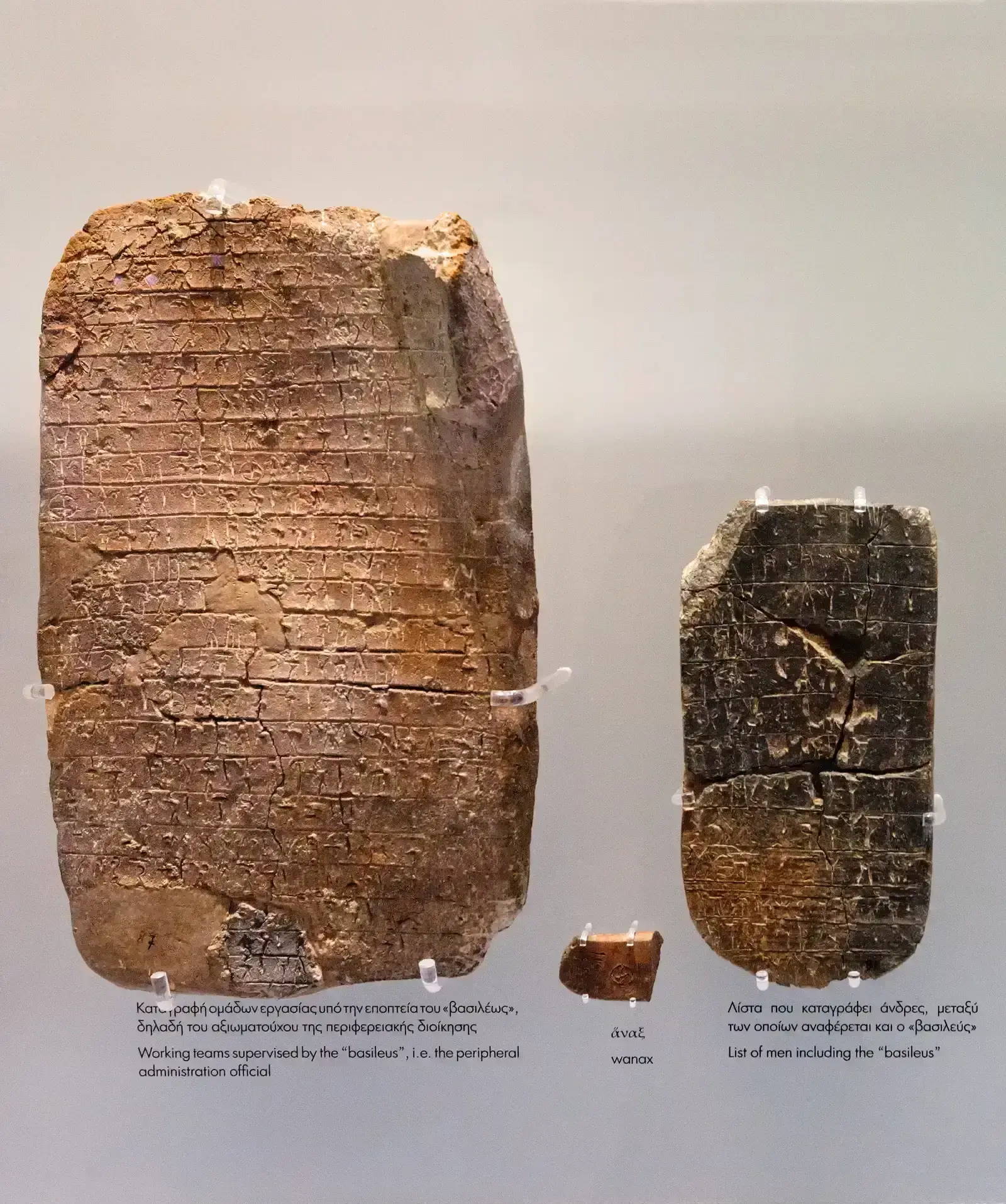
Two distinct writing styles – Linear A and B – have been found on ancient Minoan relics, but while Greek-based Linear B was cracked in 1952, Linear A, which was used between 1800 and 1450 BC, remains an unsolved ancient mystery. Think about that for a moment. We’ve deciphered Egyptian hieroglyphics, we’ve cracked cuneiform, yet this Bronze Age script continues to baffle linguists and cryptographers. The only kind of written language the Minoan civilization left behind was Linear A, and if it can be cracked, it can open the door to a better understanding of the Minoan people and their untimely fate. The frustrating part is we have hundreds of inscribed artifacts, yet without a Rosetta Stone equivalent, we’re essentially reading gibberish from a sophisticated Mediterranean civilization that simply vanished.
The Viking Ulfberht Sword That Shouldn’t Exist
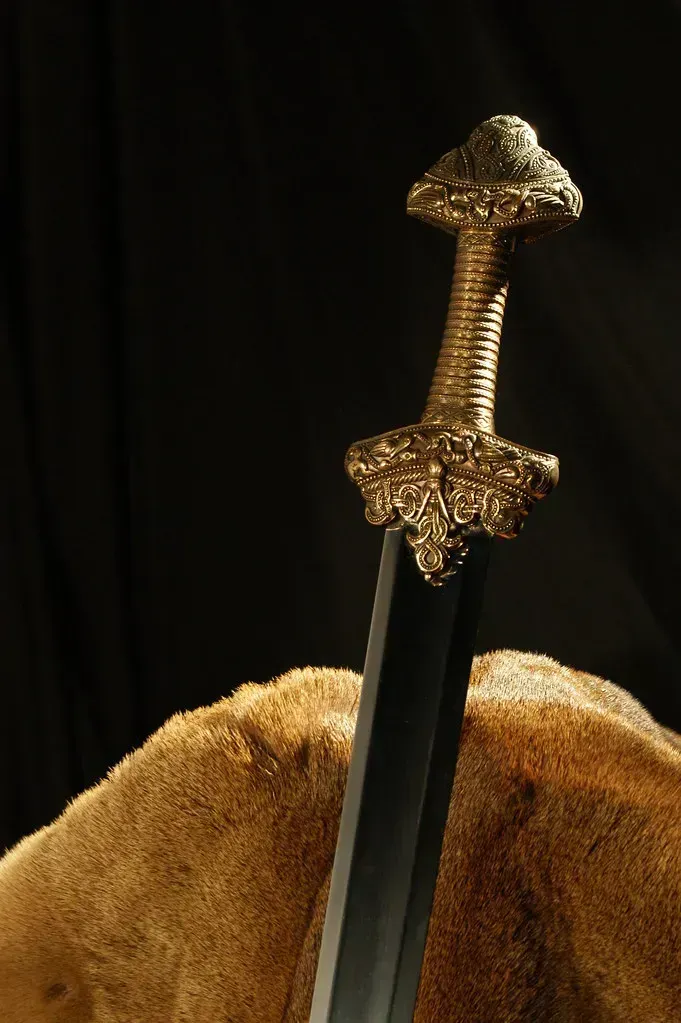
When archaeologists found the Viking sword Ulfbert dating from 800 to 1000 AD, they were stunned because they couldn’t see how the technology to make such a sword would have been available until the Industrial Revolution 800 years later, with its carbon content three times higher than other swords of its time and impurities removed to such a degree that iron ore must have been heated to at least 3,000 degrees Fahrenheit. This isn’t just impressive metalwork – it’s supposedly impossible metalwork. Modern blacksmiths have struggled to recreate these swords even with contemporary knowledge and equipment. The Vikings somehow mastered metallurgical processes that required temperatures and techniques we associate with 19th-century foundries. Where did this knowledge come from? How did it disappear?
The Plain of Jars Mystery Remains Unsolved and Dangerous to Study
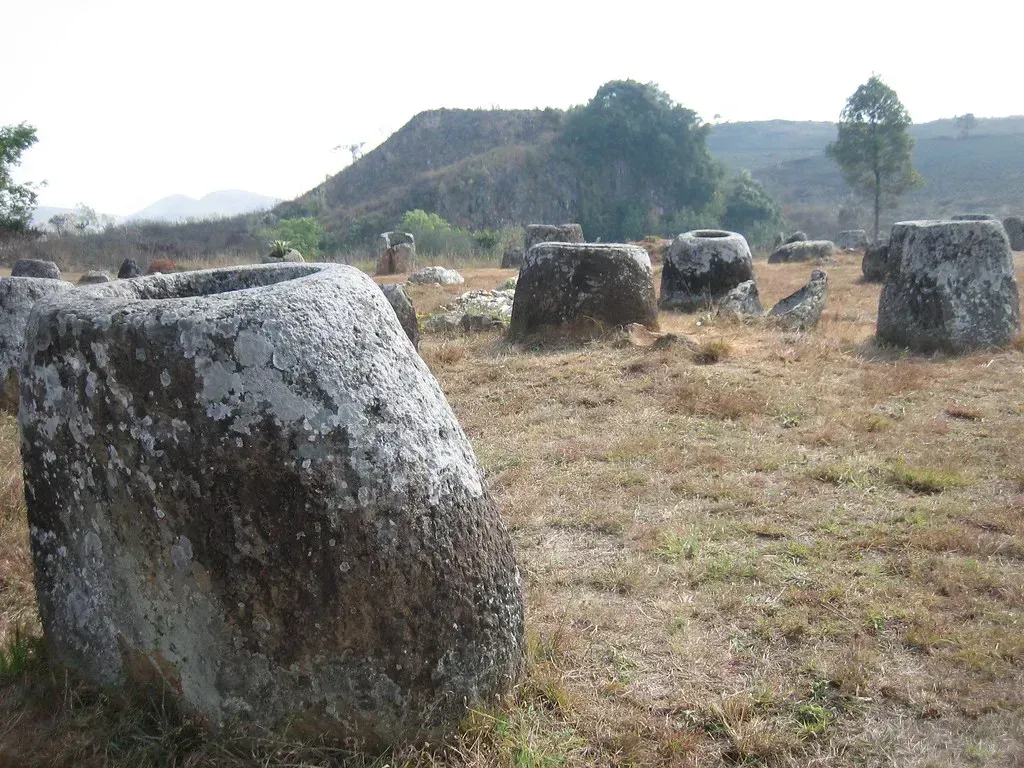
Thousands of lichen-covered stone jars from the Iron Age, some standing close to 10 feet tall and weighing several tons, dot the mountainous landscape of northern Laos, carved largely from sandstone and found in groups ranging from just one to 400, with many archeologists believing they served as funerary urns though much remains unknown about their purpose. The truly bizarre aspect? Recent research dates at least some of the stone jars to as early as 1240 BC, which would make them far older than the human remains buried nearby, and many of the jars stand in fields of unexploded munitions from US bombing campaigns during the Vietnam War and therefore cannot be safely studied. It’s hard to say for sure, but the fact that we can’t even properly investigate these megalithic containers because of modern warfare adds a tragic irony to this ancient puzzle.
Japan’s Yonaguni Monument: Atlantis or Natural Formation?
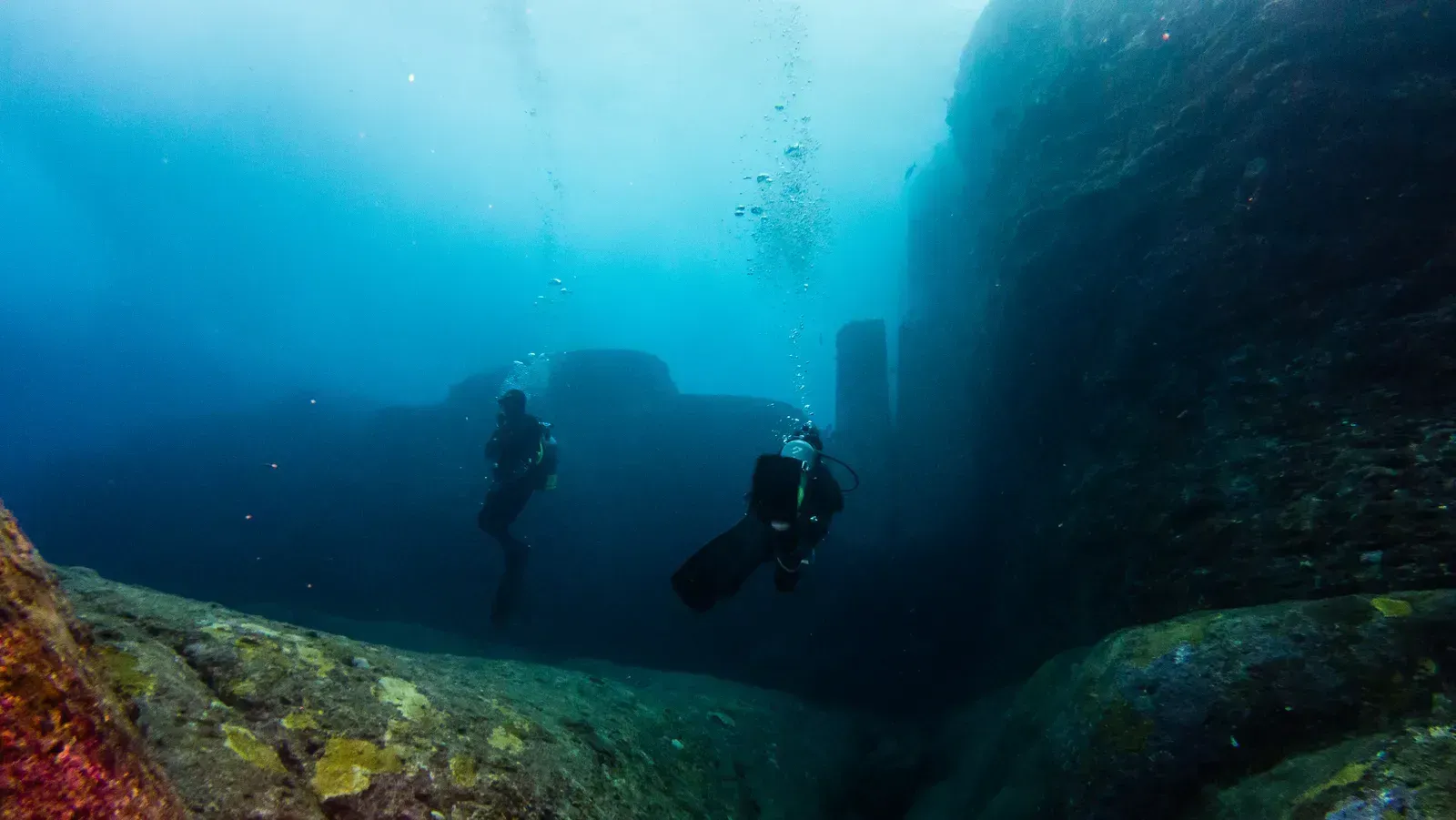
Off the coast of Japan’s Yonaguni Island lies an underwater rock structure, at least 165 feet long and 65 feet wide, that resembles a manmade step pyramid, discovered in the 1980s and now known as the Yonaguni Monument, believed by some researchers to be the ruins of an ancient civilization while many other researchers contend it is nothing more than a curious natural phenomenon. This debate has raged for decades with no resolution in sight. The structure features what appear to be carved steps, right angles, and even apparent tool marks. Yet geologists argue that natural tectonic forces could create such formations. I know it sounds crazy, but the possibility that an advanced civilization existed and was submerged millennia ago fundamentally challenges our understanding of human history. The stakes are high: if it’s artificial, we’re missing entire chapters of human development.