The No-Go List: 12 U.S. Destinations Travelers Say Aren’t Safe or Worth the Risk
Let’s be honest, nobody wants to deal with crime when they’re traveling. You’re supposed to be relaxing, exploring, taking photos. Yet some American cities have developed reputations that make even seasoned travelers think twice before booking a flight. We’re talking about places where crime statistics aren’t just numbers on paper – they’re daily realities that shape how locals and visitors alike move through neighborhoods.
The data from recent years paints a complex picture. While national crime rates dropped considerably between 2023 and 2024, certain metropolitan areas continue to struggle with violence, property theft, and safety concerns that travelers simply can’t ignore.
Memphis, Tennessee: When Blues City Hits a Sour Note

Memphis holds the unfortunate distinction of having the highest violent crime rate among cities with over 100,000 residents, recording 2,501 violent crimes per 100,000 people in 2024. Walking down Beale Street at night might sound romantic until you realize the city’s reality. Memphis reports nearly 98 incidents per 1,000 residents, making it statistically one of the riskiest places you could choose for your vacation.
Crime concentrates heavily in neighborhoods like Downtown, Frayser, and Whitehaven, while suburbs such as Germantown and Collierville rank among Tennessee’s safest. The good news? Memphis saw 184 murders in 2025, representing a 26% decrease from 249 murders in 2024. Progress is happening, slowly. Still, the question remains whether you want to be a tourist in a city working this hard to turn itself around.
Detroit, Michigan: Motor City’s Ongoing Battle

Detroit follows closely behind with 1,781 violent crimes per 100,000 residents, placing it among the nation’s most dangerous metropolitan areas. The city’s economic decline over decades created fertile ground for criminal activity that hasn’t disappeared overnight. Detroit recorded 11,599 violent crimes in 2024, including 203 homicides, 605 rapes, and 1,195 robberies.
Here’s the thing – Detroit is trying. Detroit finished 2024 with 203 homicides, the fewest on record since 1965. That’s genuinely impressive. Property crime resulted in 4,305 incidents per 100,000 residents, with larceny-theft accounting for 15,263 cases and motor vehicle thefts reaching 8,194. If you’re planning a visit, certain neighborhoods like Sherwood Forest and Palmer Woods are relatively safe, while others require serious caution.
Baltimore, Maryland: Charm City’s Dark Side

Baltimore has been fighting its reputation for years. More than 11,000 vehicles were stolen in Baltimore during 2024, roughly one car every hour in early 2024. That’s not a typo – car theft has become so epidemic that it drives much of the everyday fear residents experience.
Baltimore logged a 36% decline in homicides and 30% fewer non-fatal shootings between 2023 and 2024, which sounds great until you realize the baseline was catastrophically high. Baltimore and St. Louis have some of the highest homicide rates per 100,000 residents, with both cities facing ongoing challenges with gun violence and gang-related activity. Tourists stick to the Inner Harbor and Federal Hill for good reason.
St. Louis, Missouri: Gateway to What, Exactly?
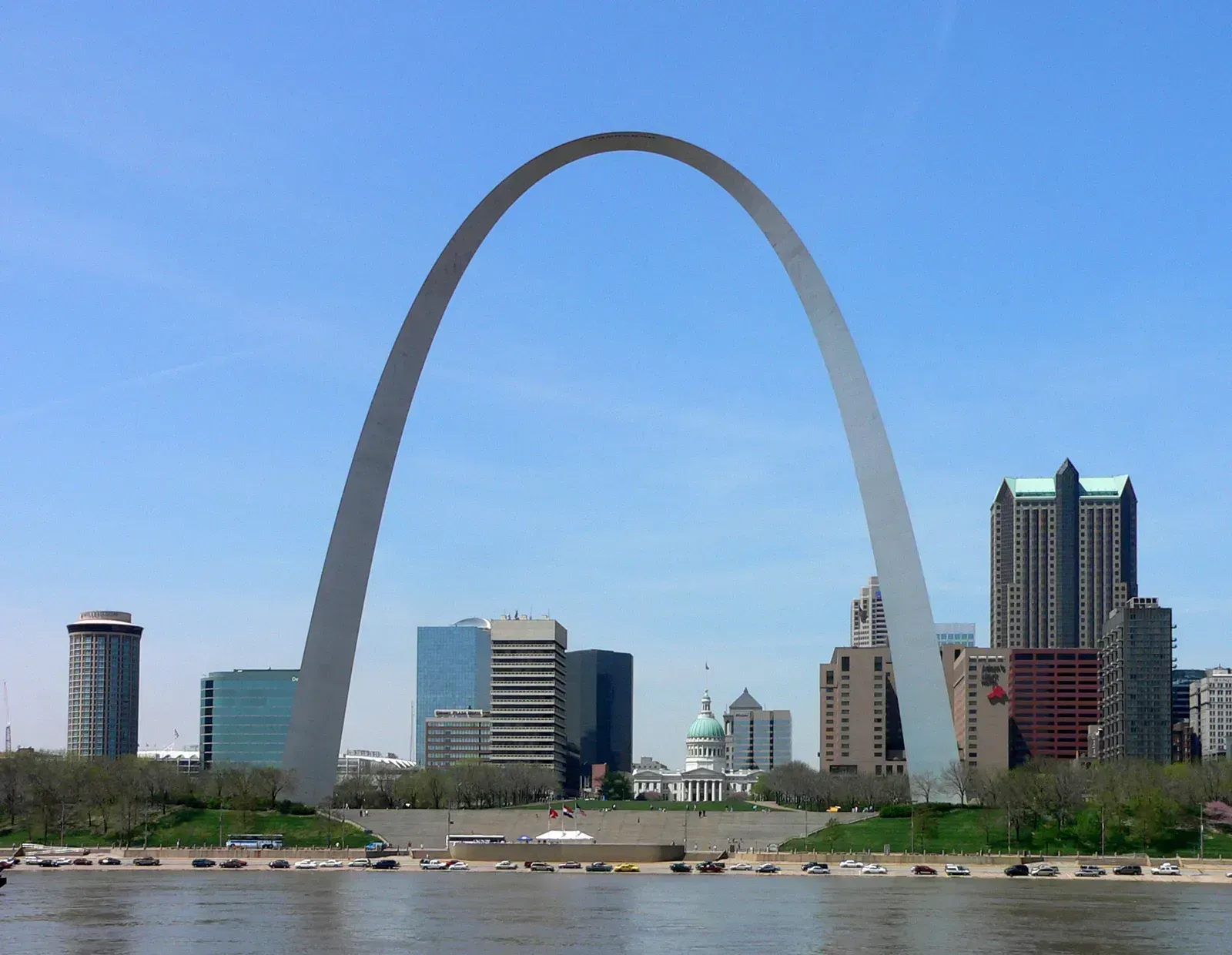
St. Louis maintains one of the highest murder rates in America, with rates exceeding 80 per 100,000 residents, earning it the designation as the murder capital of the U.S. in 2025. The iconic Gateway Arch might draw visitors, yet the surrounding city battles violence that makes many reconsider their travel plans.
Honestly, it’s jarring. You’ve got this beautiful piece of American history sitting in a city where violent crime remains stubbornly elevated. The contrast between tourist zones and struggling neighborhoods couldn’t be sharper. Travelers who venture beyond carefully curated downtown areas often find themselves in situations they didn’t anticipate.
Oakland, California: Bay Area’s Troubled Sibling

While San Francisco gets most of the attention, Oakland deals with serious crime issues. Oakland led in property crime rates with 7,230 crimes per 100,000 people, followed by Memphis at 6,899. That’s astronomical. Oakland topped multiple categories, leading all medium-sized cities in aggravated assault, robbery, larceny-theft, and motor vehicle theft.
Property crime dominates the statistics here. Rental cars get broken into with alarming frequency, especially near popular tourist spots. Leave anything visible in your vehicle, even for five minutes, and you’re taking a gamble. Locals know this. Visitors often learn the hard way.
Cleveland, Ohio: Rust Belt Struggles Persist

Cleveland continues wrestling with elevated crime despite some improvements. Homicides in Cleveland dropped nearly 30% in the first half of 2025 versus the same period in 2024, with murders falling 37% during summer 2024 compared to summer 2023. That’s meaningful progress.
Cleveland’s violent crime rate remains well above the national median, which sits around 4 incidents per 1,000 residents for violent crime. The Rock and Roll Hall of Fame might be worth seeing, but visitors need to stay alert. Downtown areas are generally fine during daytime hours, while certain neighborhoods remain problematic regardless of when you visit.
Albuquerque, New Mexico: Breaking Bad Wasn’t Fiction

Albuquerque recorded 1,182 violent crimes per 100,000 residents in 2024, with 94 homicides reported – three fewer than the previous year. The city’s position along drug trafficking routes contributes heavily to ongoing violence and property crime.
Tourism brings people for the hot air balloons and Southwestern charm. What they don’t always anticipate is the property crime that affects visitors. Car break-ins near hiking trails and tourist attractions happen frequently enough that rental agencies specifically warn travelers. The natural beauty is undeniable; the safety concerns are equally real.
Milwaukee, Wisconsin: Frozen Tundra, Hot Crime Statistics

Milwaukee had 1,431 violent crimes per 100,000 residents, with police recording 100 homicides and 293 rapes through 2025, marking a 10% and 1% year-over-year increase respectively. Wisconsin’s largest city battles violence that belies its Midwestern reputation.
Milwaukee saw 132 homicides in 2024, a 23% drop from 2023, with Wisconsin Governor Tony Evers creating a statewide violence prevention office and investing $66 million into support services for victims. The government is trying, throwing serious money at the problem. Whether that translates into safer streets for travelers remains uncertain.
Kansas City, Missouri: More Than Just Barbecue
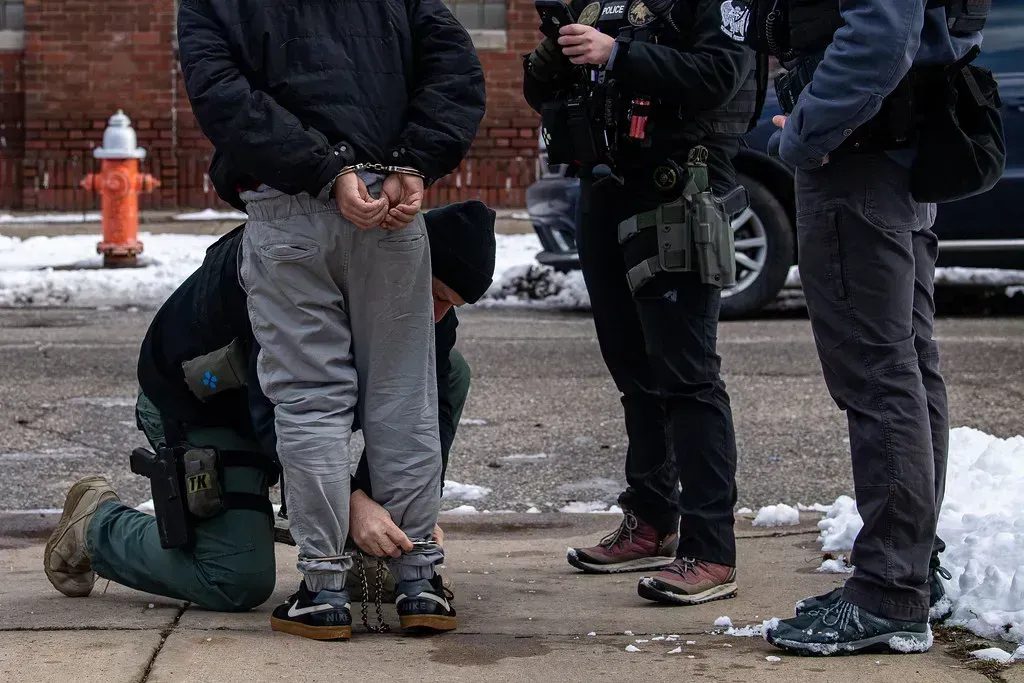
Kansas City faces a troubling homicide situation. In the first half of 2025, Kansas City recorded 84 homicides, up from 75 in the same period of 2024, representing roughly a 12% increase. This runs counter to declining violent crime trends in many other cities.
Kansas City saw 1,547 violent offenses per 100,000 people in 2024, with a 12% increase in nonfatal shootings and 144 homicide cases. The city’s famous jazz history and excellent food scene can’t completely mask safety concerns that affect both residents and visitors. Certain entertainment districts see concentration of incidents, particularly late at night.
New Orleans, Louisiana: Big Easy or Big Risk?
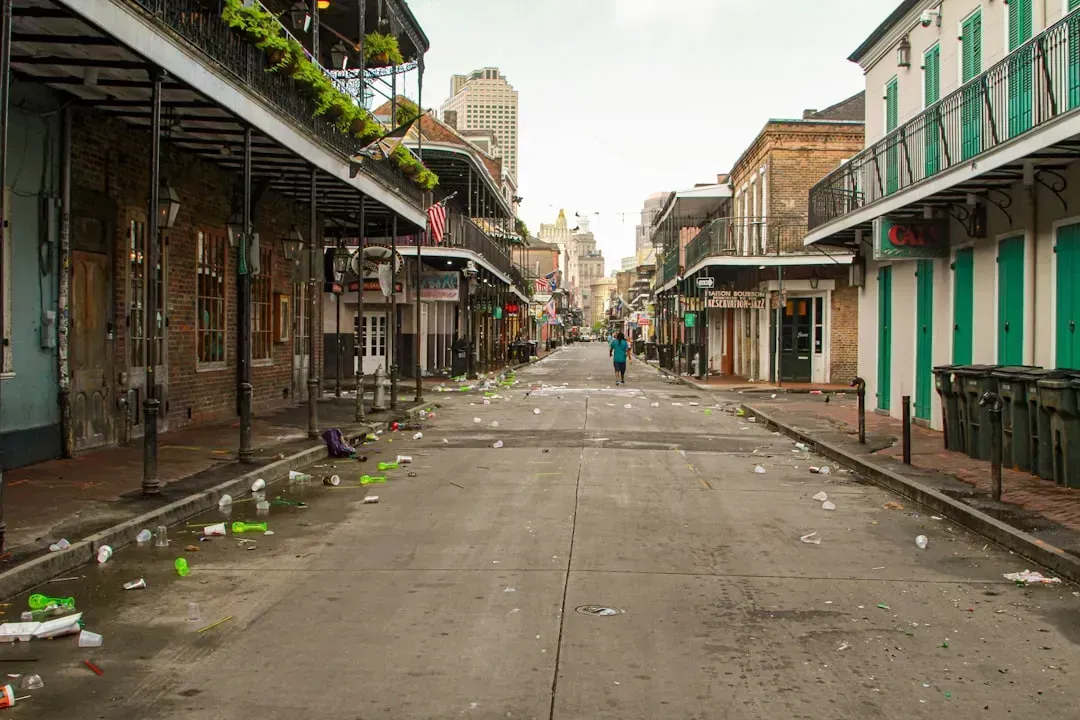
New Orleans presented a paradox. Overall crime in New Orleans dropped 29% in 2024 compared to 2023, with this trend continuing into 2025, showing crime down 26% compared to the 2023 baseline, including 20% fewer person crimes and 27% fewer property crimes. That’s genuinely encouraging news.
Yet perception lags reality. New Orleans has a crime index rating of 2 out of 100, with the community reporting 20,722 crimes annually to the FBI and a crime rate of 54.97 per 1,000 residents. Mardi Gras sees predictable spikes in criminal activity. French Quarter tourists generally stay safe by remaining in well-traveled areas, avoiding side streets after dark, and traveling in groups.
Houston, Texas: Everything’s Bigger, Including Crime
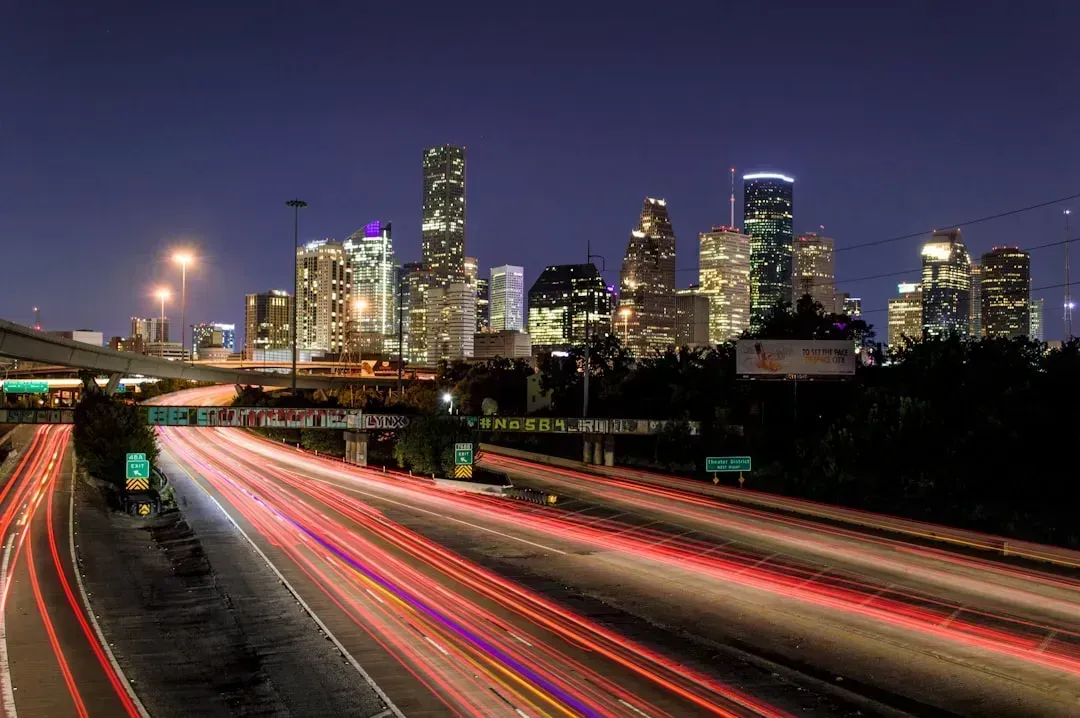
Houston saw 1,148 crimes per 100,000 people in 2024, with violent crime increasing approximately 4.5% from 2023 to 2024, totaling 320 murders and 13,354 burglaries. Texas’s largest city battles crime associated heavily with its nightlife scene.
Much of Houston’s crime associates with nightlife, prompting Mayor John Whitmire to form a specialized police unit targeting bars and clubs with citations, resulting in five club closures within three days. The city’s sprawling geography makes policing challenging, with certain areas remaining relatively safe while others see concentrated criminal activity.
Washington D.C.: The Capital’s Crime Problem
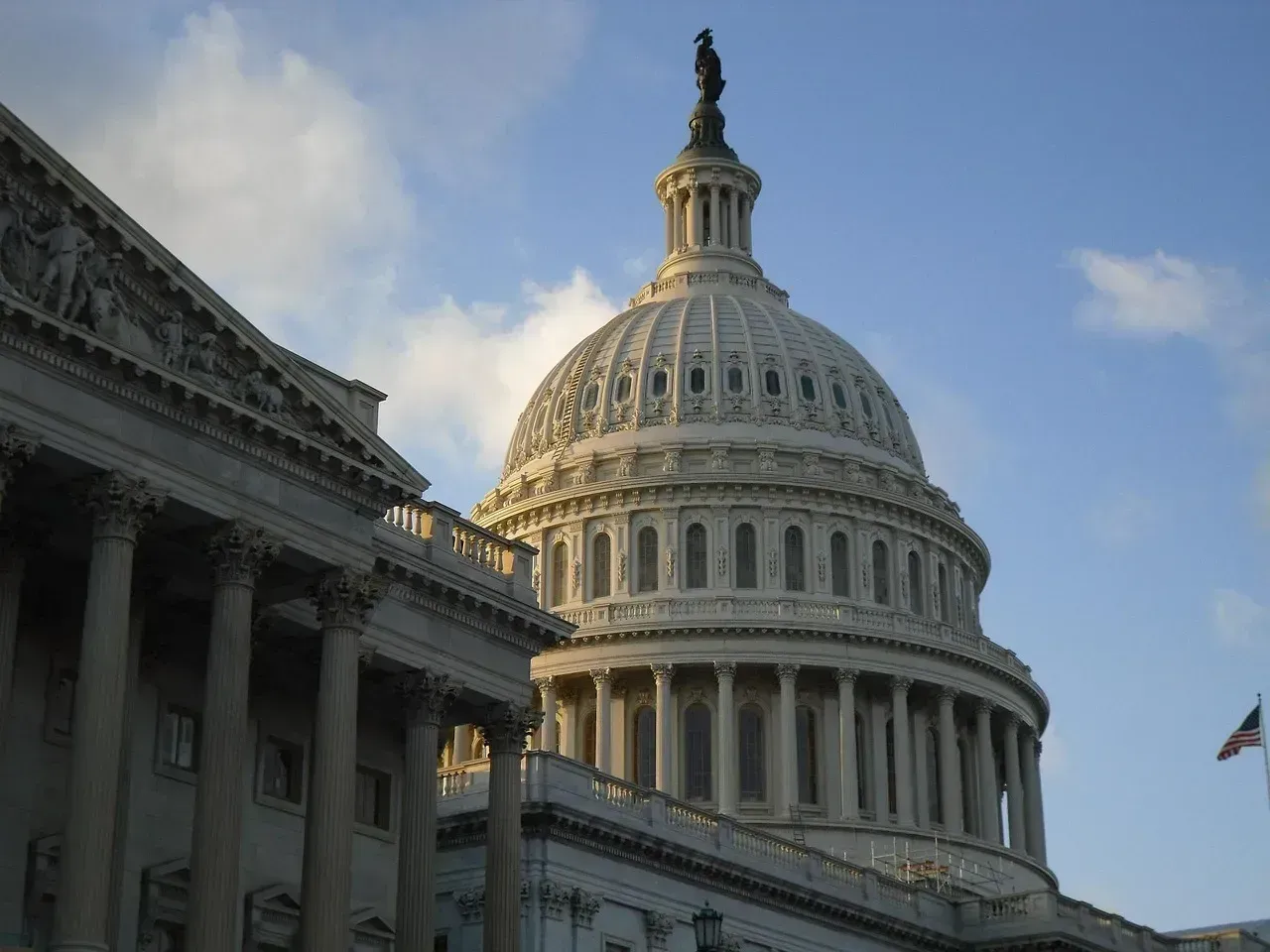
Even the nation’s capital hasn’t escaped scrutiny. In August 2025, Donald Trump declared a public safety emergency in Washington D.C., deploying 800 National Guard troops and assuming federal control of the Metropolitan Police Department. That’s unprecedented.
The FBI’s data shows homicides in D.C. fell from 156 in 2023 to 129 in 2024, with robberies dropping nearly 30% and violent crime nationwide falling 4.5% between 2023 and 2024. Crime is declining, yet the political response suggested crisis levels. Tourist areas around the National Mall remain heavily patrolled and generally safe, while other neighborhoods present legitimate concerns.
The data tells us something important: crime in America isn’t uniformly distributed, and neither is the improvement. Some cities are genuinely turning corners while others continue struggling with deep-rooted problems that won’t disappear quickly.
What’s your take on these statistics? Would crime numbers alone stop you from visiting somewhere you’ve always wanted to see?