6 Home Renovations That Are Actually Illegal (But People Attempt Them Anyway)
Every weekend, thousands of homeowners across the country pick up a hammer, pull out a drill, or hire a buddy-of-a-buddy contractor and get to work on a home improvement project without ever asking one critical question: is this actually legal? The answer, in more cases than most people realize, is a firm no. Permit requirements exist to ensure that home renovations comply with safety codes and standards, and failure to obtain the necessary permits can lead to legal and financial consequences, including fines or having to redo work that was not permitted. From knocking down walls to rerouting plumbing, here are six renovations that are technically illegal when done without proper authorization – yet happen every single day.
1. DIY Electrical Work Without a Permit or License
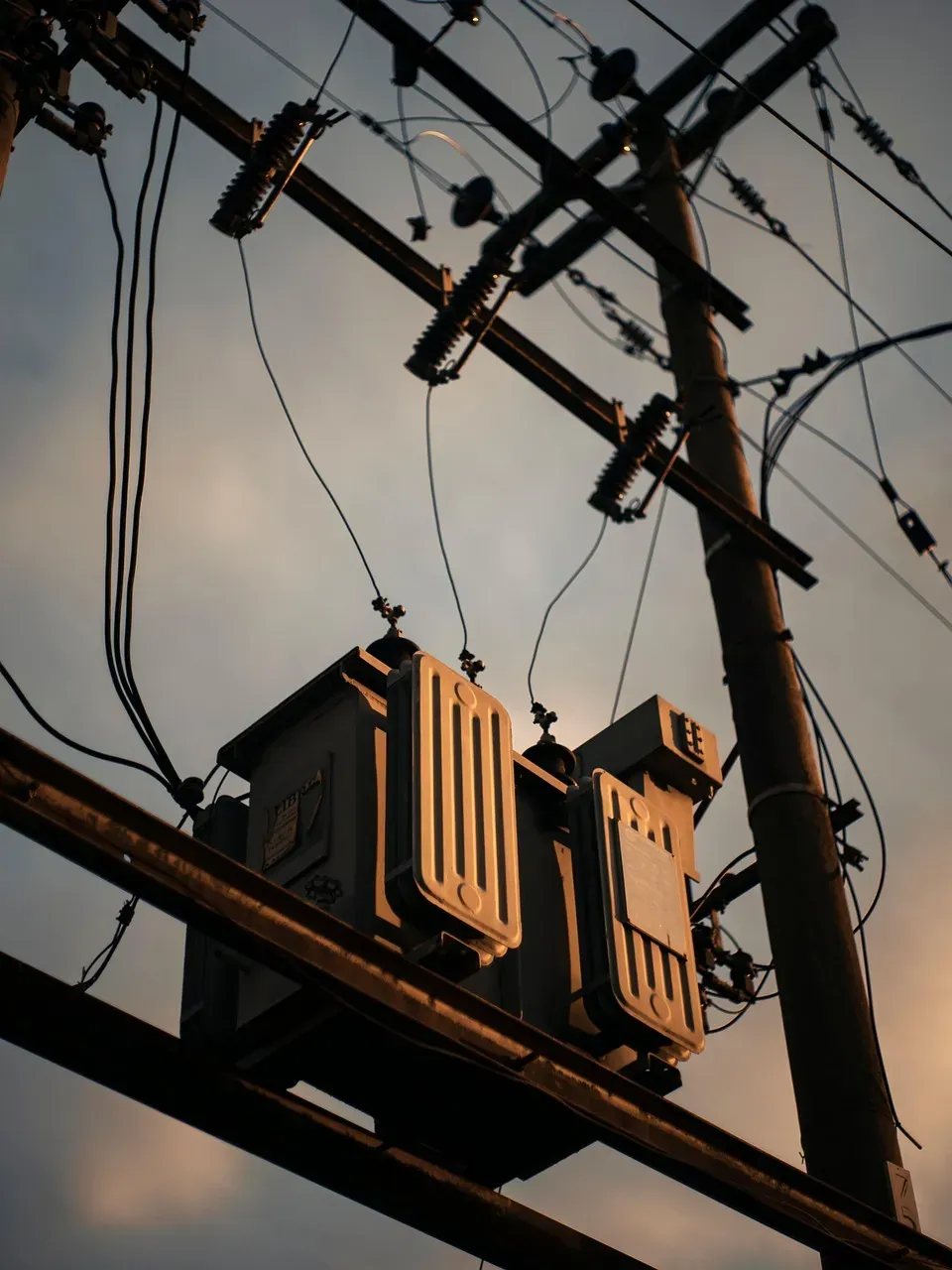
Rewiring a room, adding new outlets, or upgrading an electrical panel might seem like a satisfying weekend project, but in most jurisdictions it is legally off-limits without a permit and, in many states, without a licensed electrician. Every year, more than 51,000 electrical fires occur in U.S. homes, and many of them are caused by faulty wire connections, overloaded circuits, or improperly installed light fixtures – the exact issues that tend to arise from DIY repairs. The risks are not just theoretical. A single wire installed incorrectly can energize surfaces unexpectedly, overheat behind walls, or disable essential safety mechanisms like GFCIs and AFCIs.
The legal landscape around this type of work is strict and getting stricter. Many states and municipalities require permits for electrical work – even something as simple as installing a new dimmer or relocating an outlet. If you attempt electrical repairs without a permit or inspection, you could be violating local building codes or the National Electrical Code (NEC), which becomes a significant problem when you sell your home. On top of that, you may also lose eligibility for certain rebates, tax credits, or homeowner’s insurance benefits if non-professional work is discovered after a claim. Simply put, the “savings” from skipping the licensed electrician rarely hold up.
2. Removing a Load-Bearing Wall Without Structural Authorization
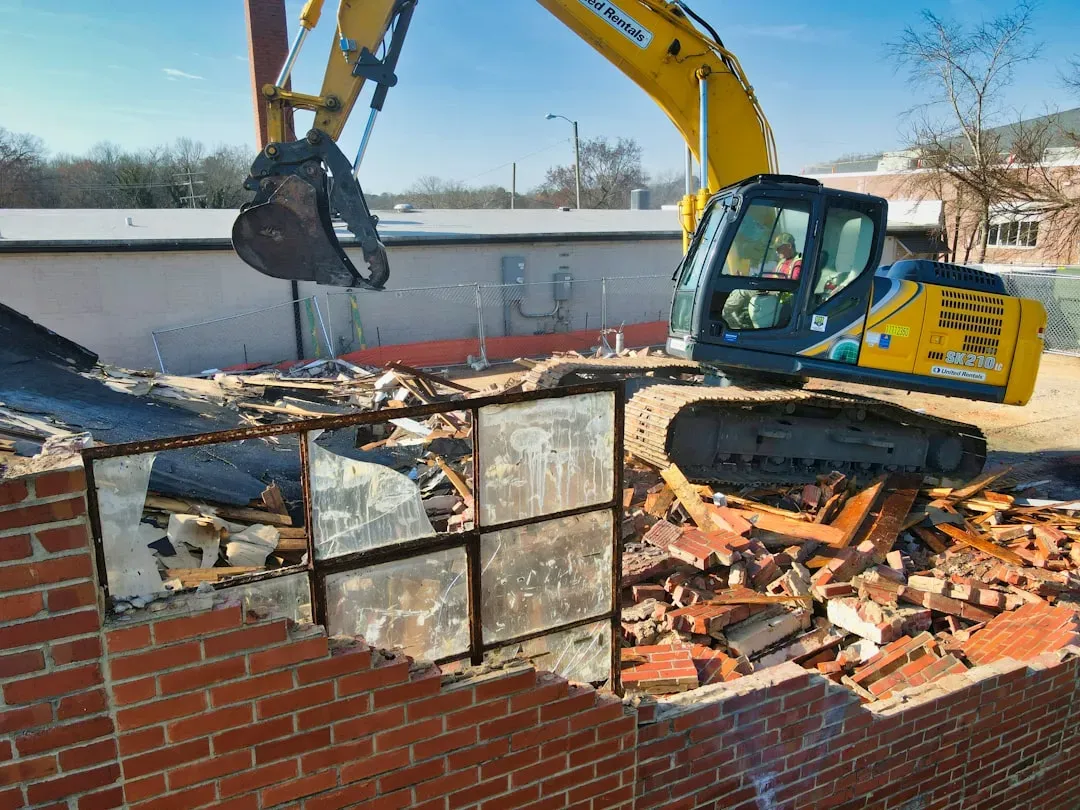
Open-concept living is incredibly popular, and the appeal of tearing down a wall to create a flowing floor plan is easy to understand. What many homeowners don’t realize is that removing a load-bearing wall without a permit is not only illegal – it can be catastrophic. Planning open-concept spaces through load-bearing wall removal might seem straightforward, but one wrong move could compromise your entire home. The devastating consequences of removing a load-bearing wall without a permit range from collapsed ceilings to foundation failures that cost tens of thousands to repair. The structure of a home relies on these walls in ways that aren’t always visible to the untrained eye.
The legal fallout is just as serious as the structural risks. Penalties are among the most obvious risks of not getting a load-bearing wall removal permit. Homeowners often avoid getting a permit because it can cost anywhere between $100 to $500 or more – but when caught, they face steep penalties of $1,000 or more. Beyond fines, insurance companies typically void coverage for any damage traced back to unpermitted structural changes. Some communities will even require the homeowner to reverse the entire modification, meaning the costs of demolition pile on top of the original renovation expense.
3. Finishing a Basement Without the Required Permits
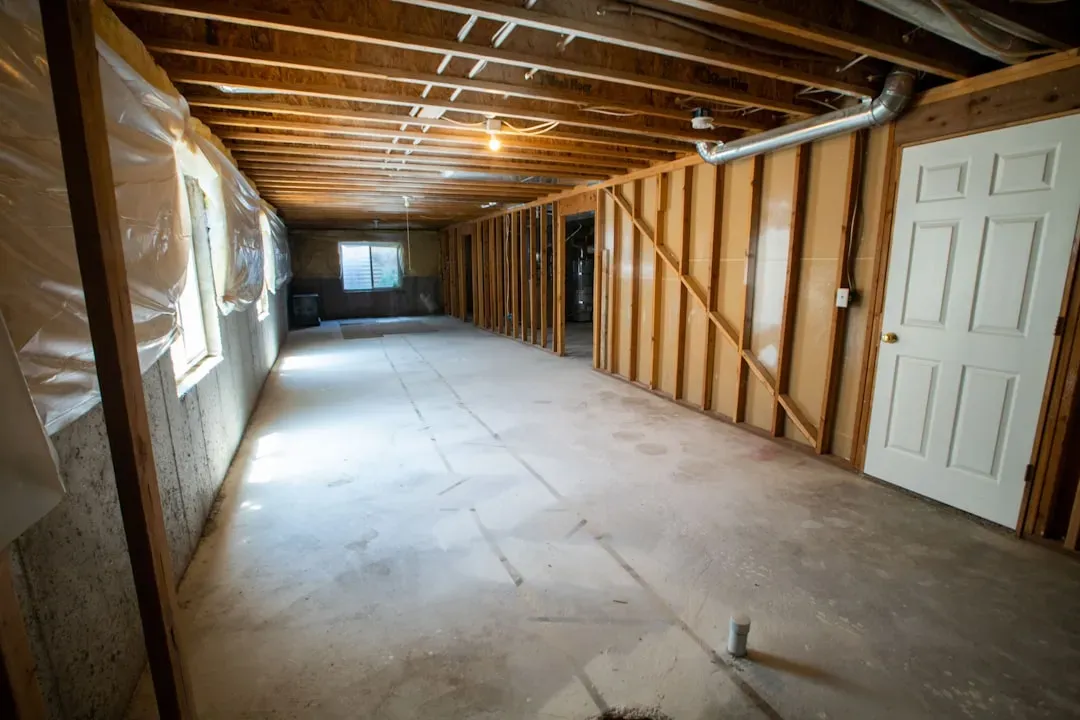
Converting an unfinished basement into a livable space is one of the most common unpermitted renovations in the country. It looks simple from the outside – add some drywall, lay down flooring, maybe put in a bathroom – but the law disagrees with that casual approach. If a basement project includes electrical, plumbing, HVAC modifications, or structural changes, a permit is required. Even simple additions like built-in walls or extra outlets may need approval. Homeowners who skip this step are gambling with far more than just a fine.
Unpermitted basement work can create serious problems: if a fire, flood, or other damage occurs in an unpermitted basement, the insurance provider may deny the claim. Local authorities can also issue fines and order construction to halt until proper permits are obtained. On the real estate side, things get equally complicated. Any room additions not up to code will be excluded from the square footage stated in home listings, which means potential buyers may think the home is smaller than it actually is. That directly affects the home’s appraised value and its eventual sale price.
4. Plumbing Modifications and Illegal Septic System Alterations

Rerouting pipes, adding bathroom fixtures, or modifying a septic system without authorization is one of the more serious categories of unpermitted renovation. It might seem like a private matter buried underground, but regulators take it very seriously. An illegal septic system is any system that was installed without a permit, modified without authorization, or is actively discharging untreated wastewater into the environment. Across the United States, enforcement has intensified significantly as regulators address groundwater contamination, nitrogen runoff into waterways, and public health risks linked to failing onsite wastewater systems. The consequences extend well beyond the homeowner’s property line.
The financial penalties for illegal septic and plumbing modifications are staggering. The penalties for operating an illegal septic system vary widely by state – ranging from modest civil fines of a few hundred dollars in some jurisdictions to criminal misdemeanor or even felony charges with daily fines exceeding $50,000 in others. In nearly every state, fines are assessed per day of violation, meaning a single non-compliant system can accumulate tens of thousands of dollars in penalties before a homeowner is even aware of the problem. Repair costs compound the situation further, ranging from $3,000 for minor repairs to $30,000 or more for a full system replacement.
5. Building Unauthorized Additions or Room Conversions
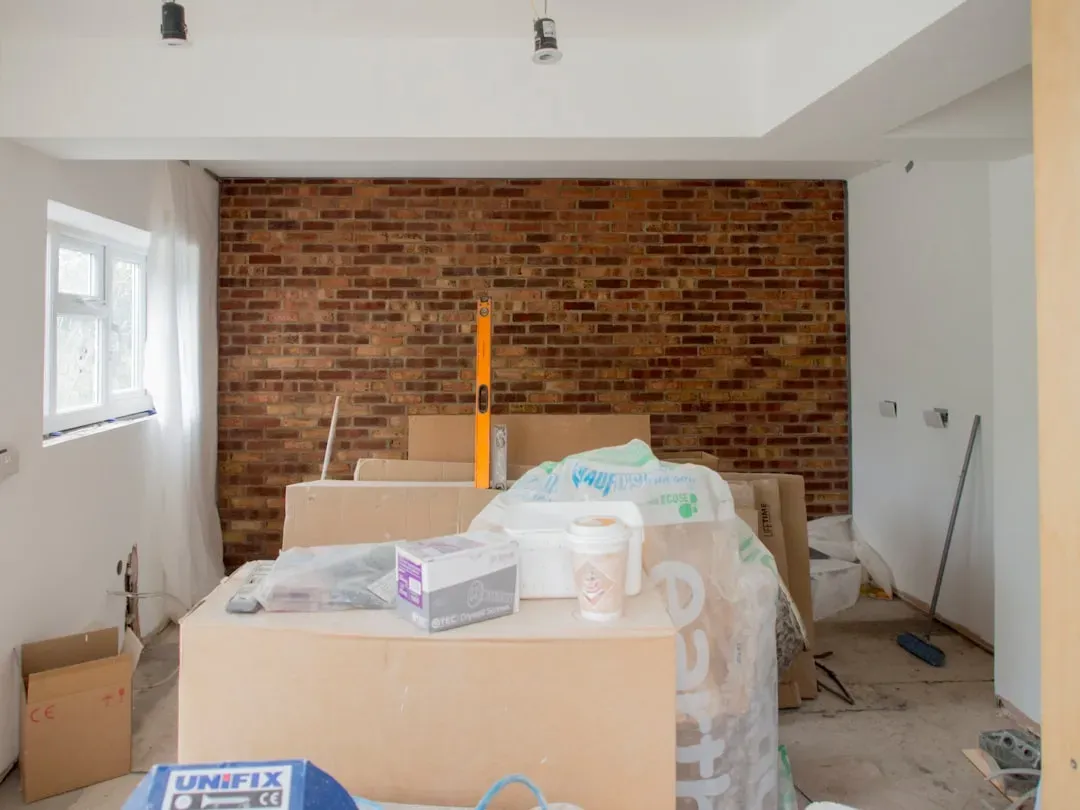
Adding a sunroom, converting a garage into living space, or constructing a backyard accessory dwelling unit without permits is remarkably common – and remarkably risky. Unpermitted work is especially common in inherited homes and historic homes, and the rules can become very messy. Garage conversions and room additions are among the most frequently flagged projects during home inspections, often discovered only when the property changes hands. Unpermitted additions include any form of remodel or renovation on a home where the owners did not obtain the proper permits from the city’s building department, even though a permit was required to begin work. Little projects like painting or updating flooring don’t require permits, but most larger-scale projects do.
When it comes time to sell, the consequences of unpermitted additions hit hardest. Having to tear down the addition and build a new, up-to-code replacement is by far the biggest risk. Buyers can often apply for a permit for the addition after it’s completed – however, if the city inspects the new room and finds it’s not up to code, they will likely ask the buyer to tear it down. The price tag for that scenario is significant: tearing down and rebuilding a new addition can cost as much as $21,927 to $83,339 depending on the scope of the project. Meanwhile, many financial institutions hesitate to approve loans for properties with unpermitted work due to the inherent risks involved, including possible legal issues and insurance complications.
6. Unpermitted Roofing Replacements and Structural Exterior Work

Most homeowners assume that replacing a roof or making significant exterior structural modifications is a straightforward hire-a-contractor situation. In reality, most construction projects, including new buildings, additions, and significant renovations, require a building permit. Roofing replacements, in particular, are frequently carried out without the required permits – either because the contractor suggests skipping the paperwork or because the homeowner simply doesn’t know it’s needed. When things go wrong on an unpermitted roof, the financial exposure is enormous.
If damage occurs to a home as a result of renovations done without a permit, the homeowner’s insurance company can deny the claim when they try to file it. This applies to any work done without a permit, and these large costs are simply not worth the risk. There is also a cascading legal liability to consider. If the insurer gets wind of an unpermitted project, the homeowners insurance agency could cancel the coverage entirely. Getting new coverage could then be challenging because insurers often share information with one another. In some jurisdictions, homeowners may be charged $500 or more daily for violating building permit laws, and the county can also place a lien on the home if the fine goes unpaid.