The Silent Slide: Why 9 Household Antiques Are Losing Value Almost Overnight
The marketplace for once-treasured household heirlooms has undergone a shocking transformation. What your grandparents proudly displayed, polished, and passed down is now gathering dust in estate sales, selling for pennies on the dollar. According to The New York Times, prices are down 80% from where they were twenty years ago. This isn’t a slow decline. It’s more like watching something you thought was solid simply crumble away.
Here’s the thing most people don’t realize until they try to sell: sentiment doesn’t equal value. The crystal vase that once commanded thousands might not even cover shipping costs today. Baby boomers downsizing are facing a harsh reality as younger generations politely decline their heirlooms. Let’s dig into the nine categories taking the biggest hit right now.
Brown Furniture: The Fall from Grace
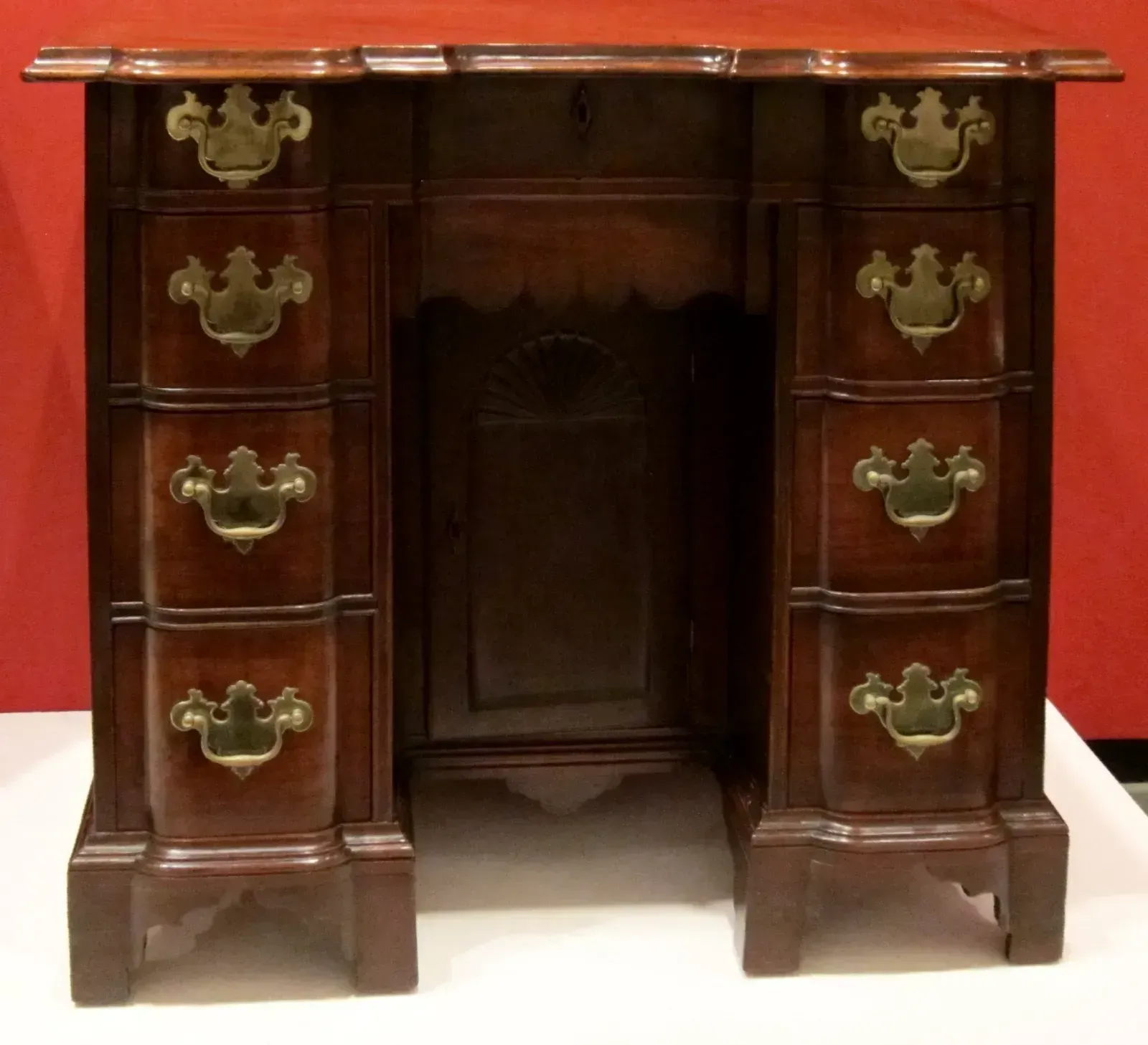
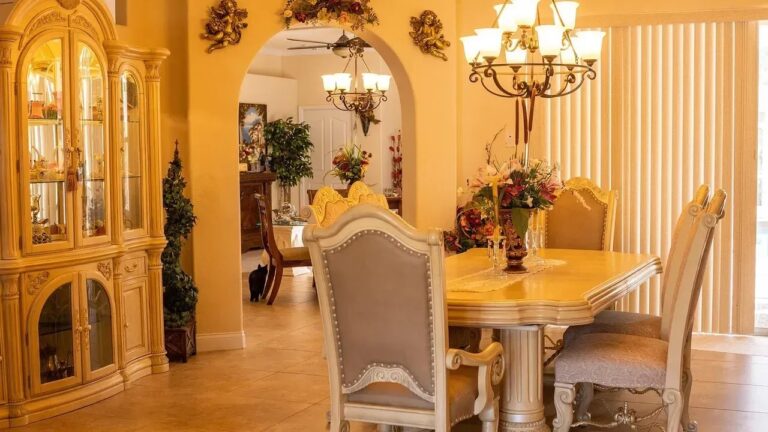
A desk that sold in 2004 fell almost 80 percent in market value by 2018, illustrating just how dramatic this collapse has been. Mahogany dining sets, Victorian sideboards, and Georgian secretary desks once symbolized refinement and wealth. Today, they’re practically unsellable. A cherry Pennsylvania House dining room set with table, 8 chairs, hutch and buffet in perfect condition recently sold for $325 at auction, with the seller netting around $200 after fees.
Mahogany furniture fell out of favor several years ago when gray and white furniture came into vogue. The younger generation simply doesn’t want it. Millennials have big student loans and little money, and young people just starting out will grab some Ikea furniture and move on. Open-concept homes don’t accommodate massive armoires or imposing dining room sets the way traditional floor plans once did.
China Dinnerware Sets: From Heirloom to Headache
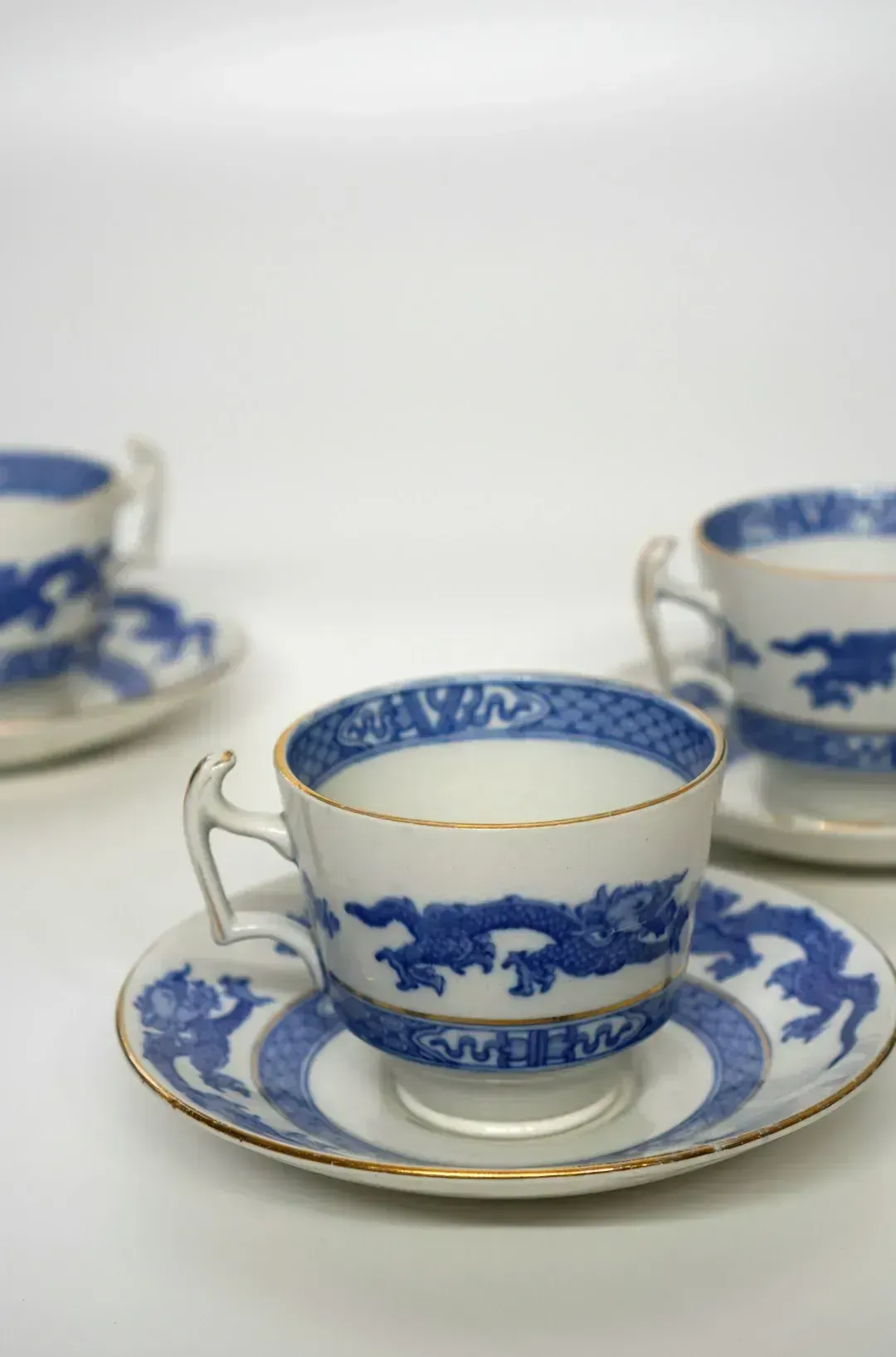
Remember when fine china was the pride of every household? Due to supply being up and demand being down, the value of china is down significantly, with fair market value for most china sets around $3 per piece, varying from $2 to $4 only. That’s right. Your grandmother’s elaborate service for twelve might fetch less than a hundred dollars total.
China sets, vases, and crystal collections are suffering a similar fate because the market’s flooded, and millennials simply don’t have the space or desire to fill their cupboards with dishware sets. Even beautiful patterns from respected makers like Noritake or Wedgwood struggle to find buyers. What was sentimentally valuable china to your family is worth $5 to $20 a plate in most cases. The days of inheriting a complete set and proudly using it for special occasions have largely vanished.
Sterling Silver Flatware and Silver Plate: Tarnished Dreams
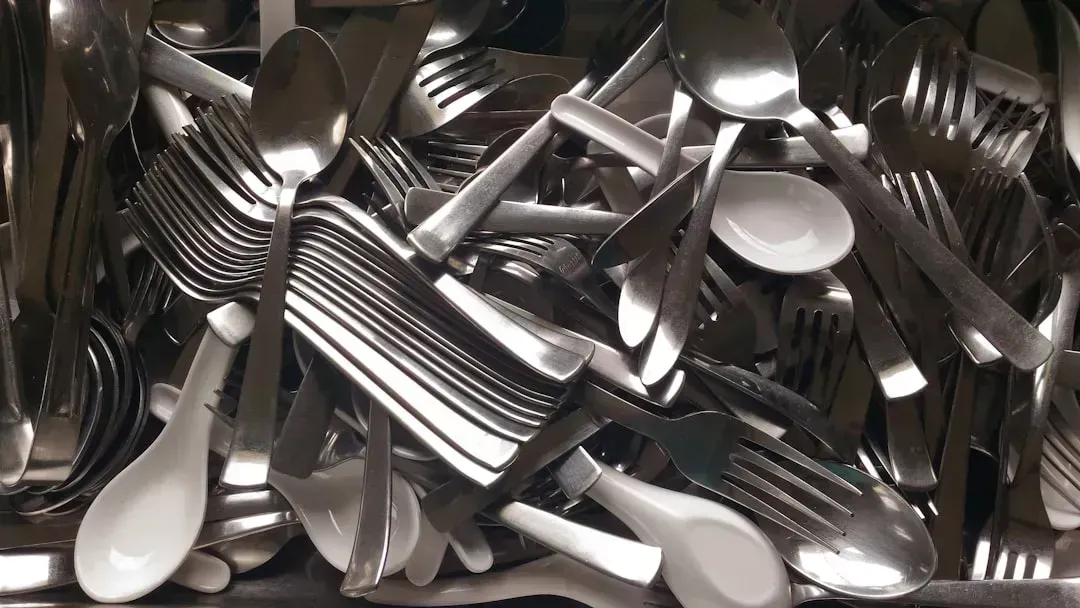
Silver has split into two distinct categories, and neither is performing well. Sterling silver flatware still has intrinsic metal value, but silver-plated pieces have virtually collapsed. From a metal standpoint, silver plated flatware has little intrinsic value because the silver layer is extremely thin and cannot be economically recovered, with any value coming from collectibility, design, age, or condition rather than from silver content.
Even when you have genuine sterling, you’re fighting an uphill battle. Silverplate flatware is one of the more common and least valuable items because there is an oversupply, as pretty much every family owned a set in the 1950s. Silver-plated items from brands like Rogers Brothers might sell for fractions of their original retail price. Silver plate flatware sets that sell for $2,000 to $4,000 in sterling are going under $300 in silver plate. The high maintenance required to keep silver polished has driven most households toward stainless steel, further depressing demand.
Crystal and Cut Glass: Shattered Values
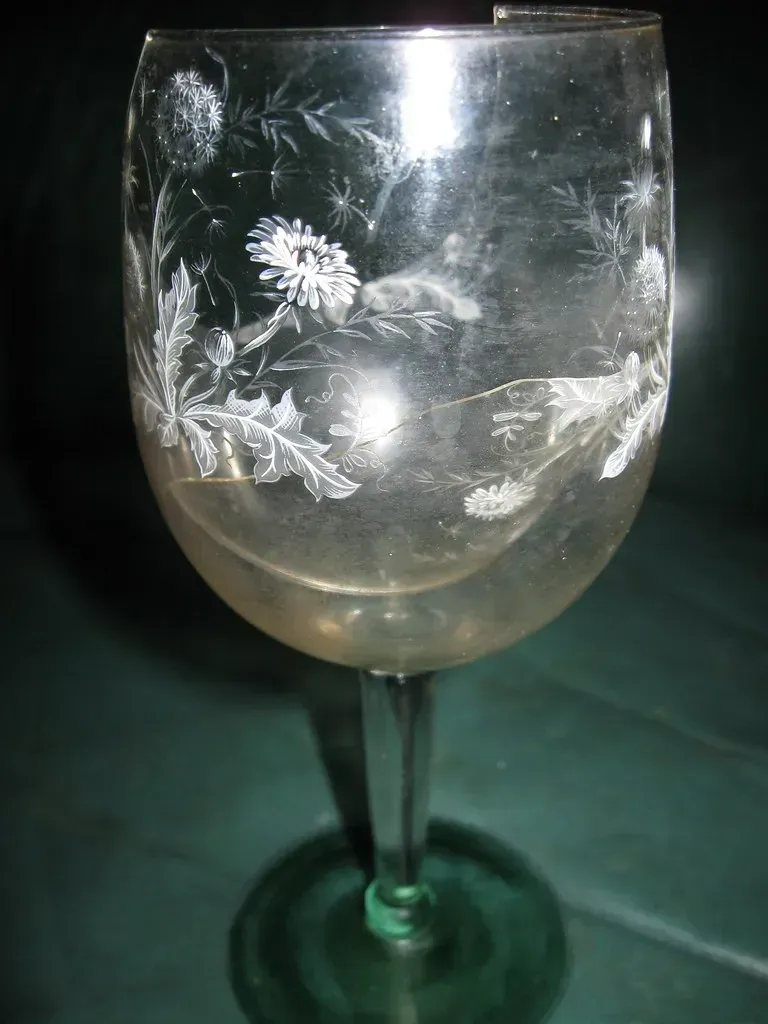
Most glassware, especially clear glass and antique cut glass crystal, has hit rock bottom. Brands that once commanded premium prices have seen their values plummet. Crystal in particular has seen a drastic fall in value, with once sought-after brands like Heisey now barely worth half of what they once were.
It’s hard to watch, honestly. Crystal stemware, elaborate punch bowls, and decorative vases that families treasured for generations are now ending up in donation bins. Some dealers have resorted to sending unwanted crystal to rage rooms where people pay to smash things. That’s how little value remains in most crystal collections, except for truly rare art glass pieces.
Antique Mantel Clocks: Time’s Up
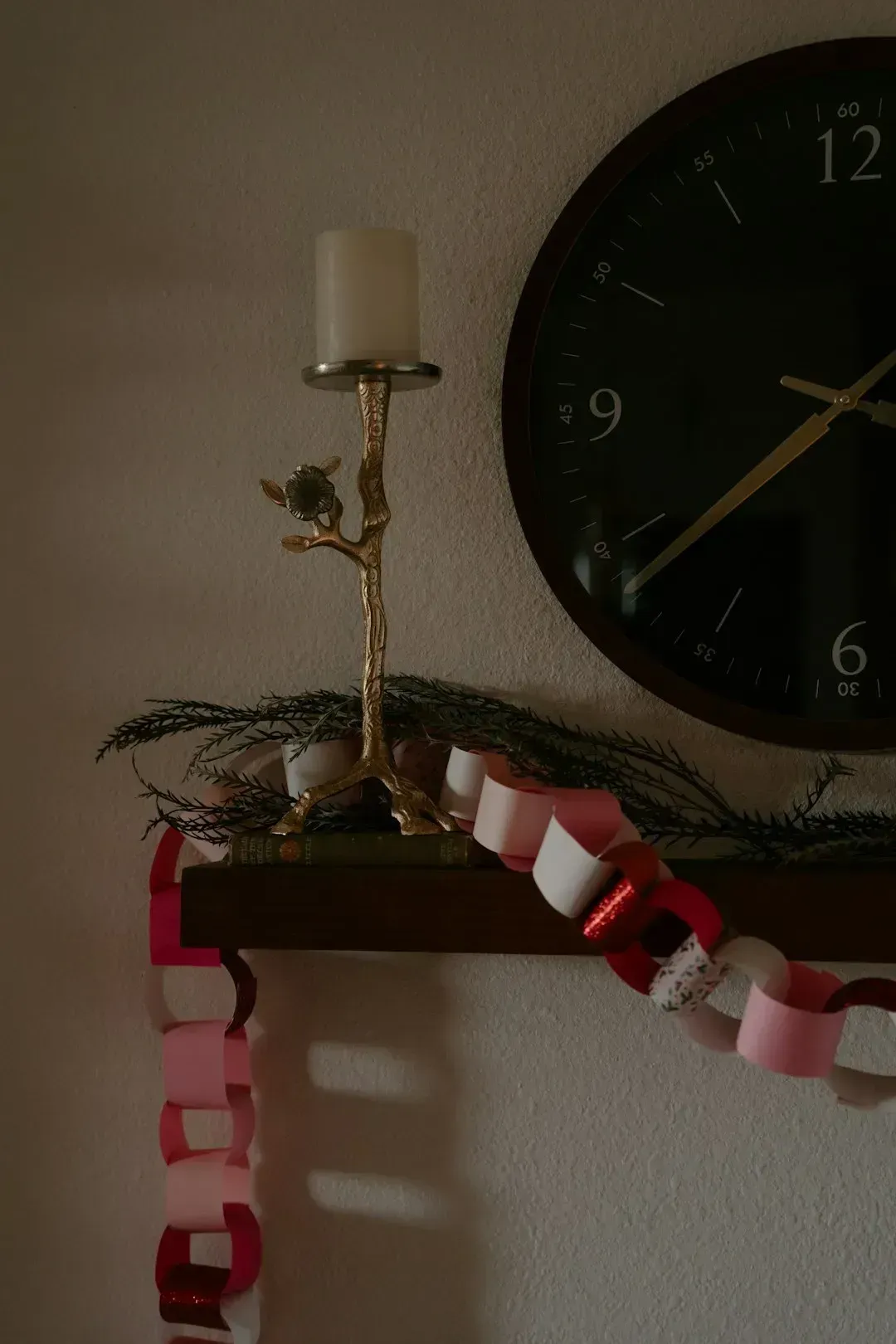
With the rise of smartphones and other forms of technology that make it easy to stay up to the minute, the demand for antique and vintage mantel clocks has dramatically fallen. This category has experienced one of the sharpest declines in recent years. Even in the last 25 years, intricately-made antique and vintage timepieces from makers like William Gilbert, Junghans, and Sessions could demand upwards of $1,000, but now many of these once sought-after styles are selling for less than a hundred dollars.
Think about it. Why would someone buy a bulky wooden clock that needs winding when their phone displays the time constantly? Traditional mantel clocks, especially those with wood cases, have seen a massive decline in interest because there’s a clock on every phone and appliance, so fewer people want a separate timepiece taking up space. The craftsmanship and history mean little when functionality has been replaced by technology.
Vintage Dolls: No Longer Playing Around
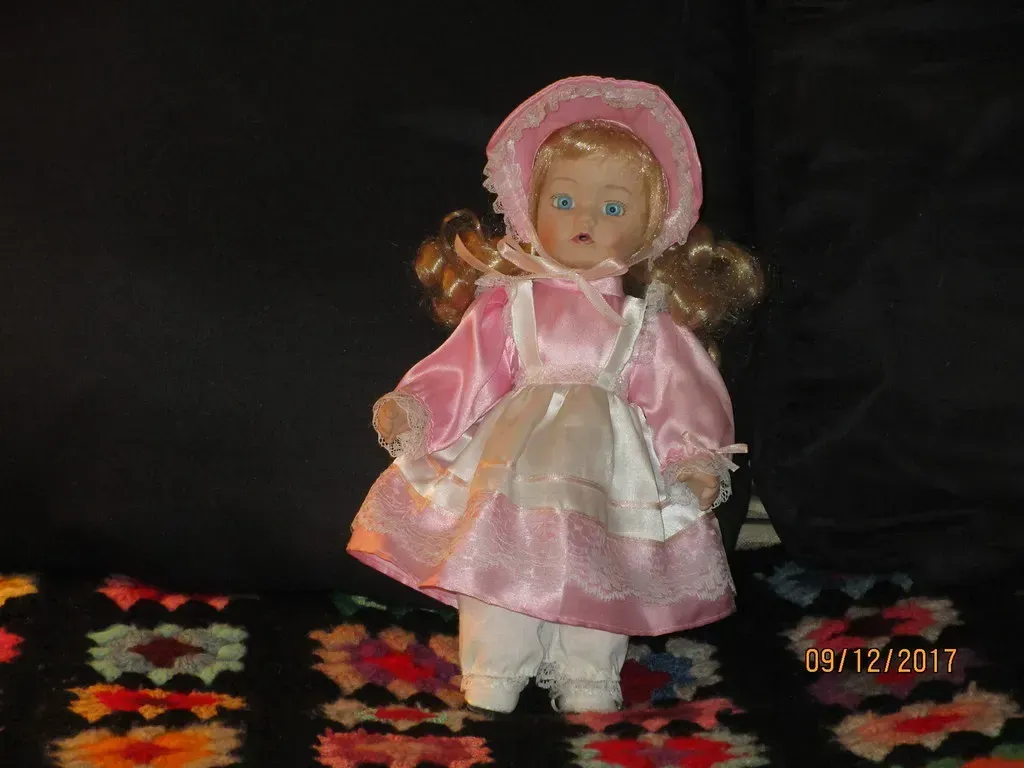
The collectible doll market has taken a beating. Dolls, once beloved and highly collectible, have taken a hit, with Madame Alexander dolls and similar brands that were once worth a lot now nearly impossible to sell. Even special edition dolls have lost their luster. Special-edition Barbies from the late 1990s and 2000s were churned out in staggering numbers, and both the primary market and secondary market are saturated, so unless the doll is tied to a true rarity, prototype, or pristine early edition, resale demand is low.
After the blockbuster success of the Barbie movie in 2023, sales cooled dramatically, with Mattel reporting a 19% drop in Barbie and doll category revenue in Q2 2025 compared to the previous year. Boxes of mint-condition dolls that collectors saved for decades are now heading to flea markets for a couple of dollars each. The dream of dolls as investment pieces has mostly evaporated.
Victorian Furniture: Heavy and Unwanted
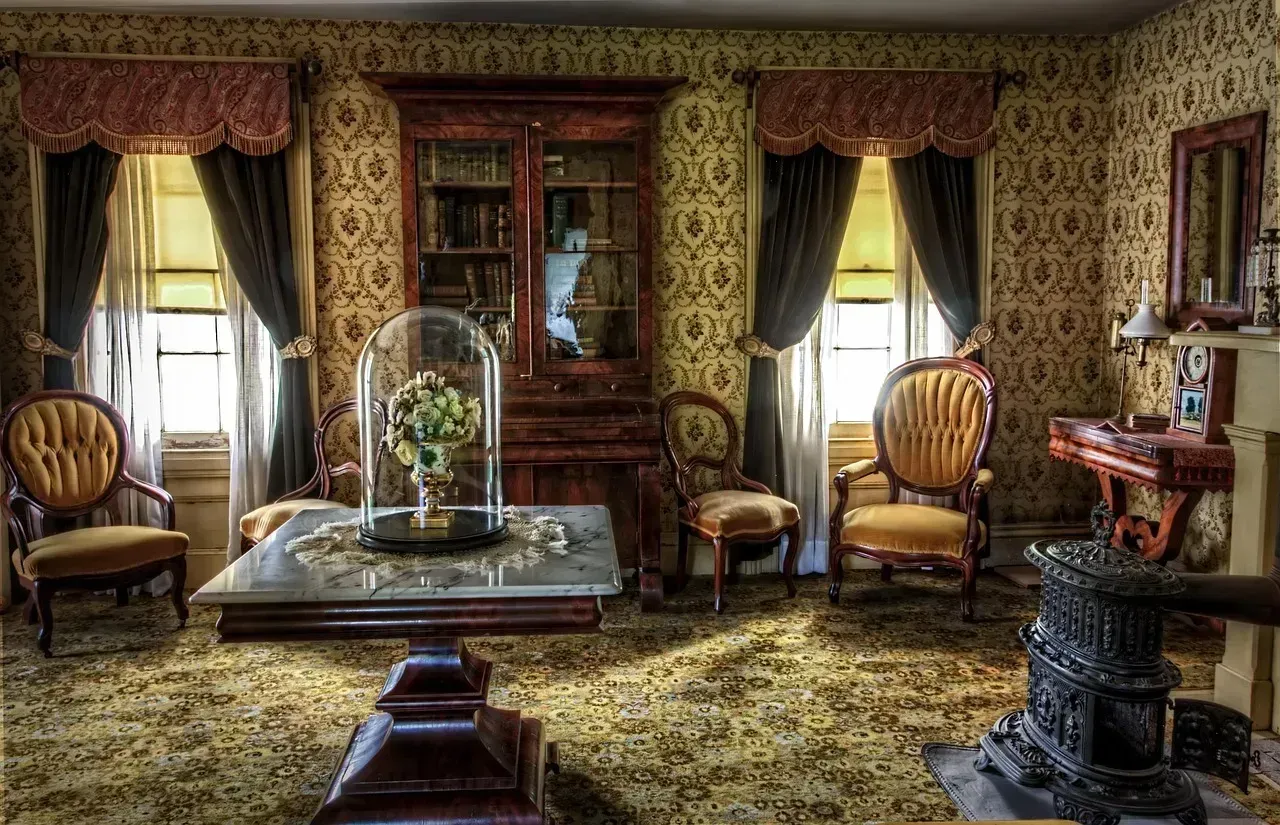
Victorian era furniture dropped 75 percent in the past 20 years. These ornate, heavily carved pieces once represented the pinnacle of craftsmanship and taste. Today they represent a moving problem. Victorian and Georgian furniture just aren’t as sought after anymore, and while mid-century modern furniture is still in demand, many antique pieces that once sold for a premium now struggle to find a home.
Victorian pieces are particularly difficult because they’re often massive, dark, and elaborately decorated in ways that clash with contemporary minimalist aesthetics. The market has simply moved on. What was once considered the height of elegance now reads as oppressive and outdated to most buyers.
Sewing Machines with Treadle Tables: Stitched Together with History
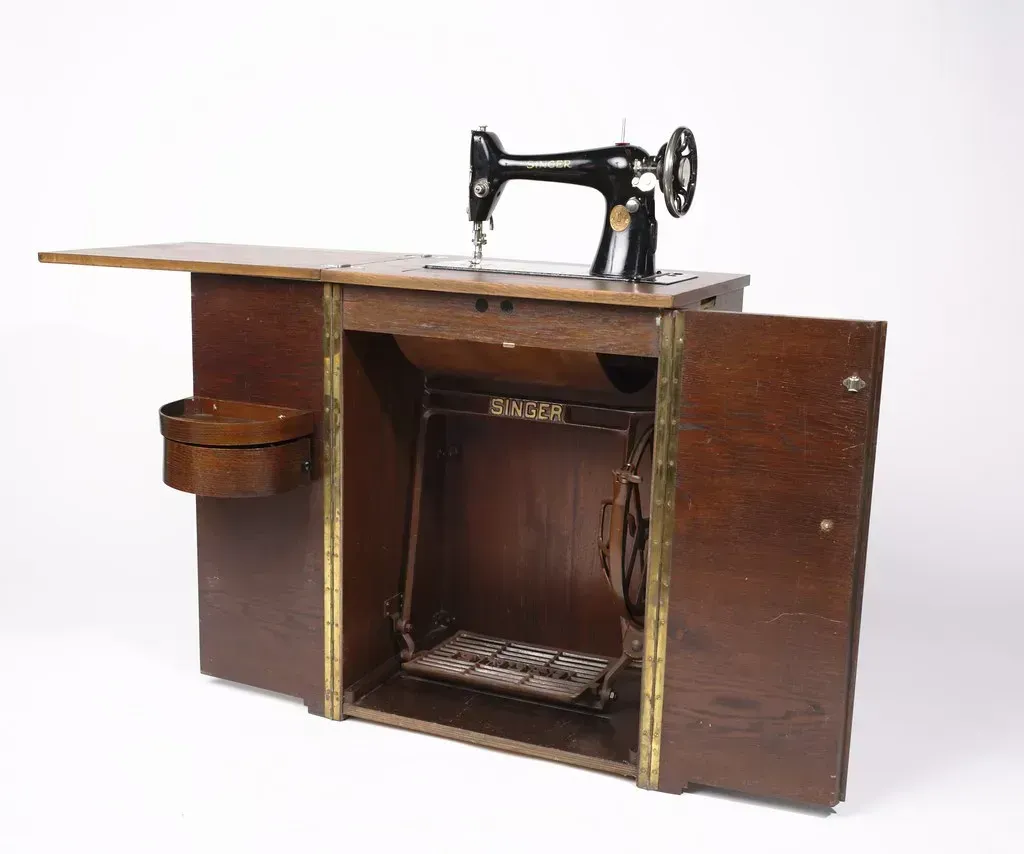
Old sewing machines with wooden treadle tables used to be the talk of the town, but today they’re hard to move, with demand for antique treadle machines dropping significantly. These beautiful pieces of functional furniture once held pride of place in homes. They represented both utility and craftsmanship.
Honestly, it’s somewhat tragic. The ironwork and wood on these machines is often stunning, but they’re heavy, take up considerable space, and modern sewing machines are simply more practical. Some vintage sewing machines still hold modest value on platforms like eBay, but the elaborate treadle tables themselves have become nearly worthless in many markets.
Large Antique Cabinets and Armoires: Too Big to Handle
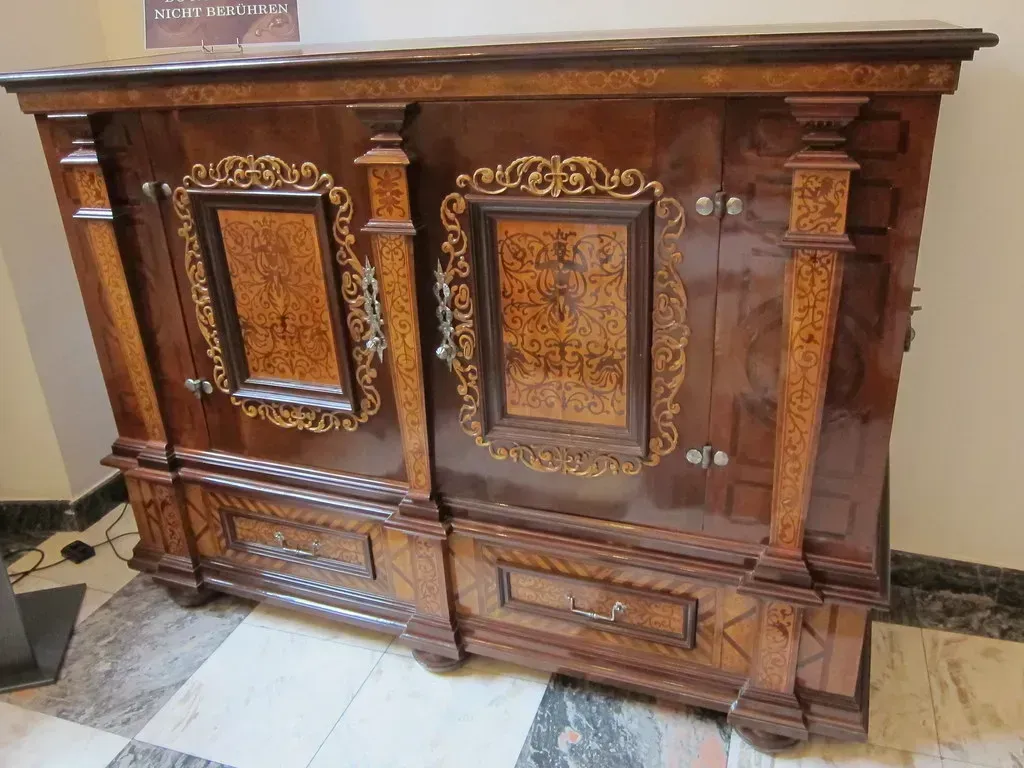
Many more people are buying open concept homes which don’t require as much furniture, and large antique cabinets, bookcases and china cabinets seem too large for today’s look and often don’t work well with open-concept homes. These pieces face multiple challenges simultaneously: changing architectural styles, smaller living spaces, and shifting aesthetic preferences.
A dealer would stock an antique armoire 30 years ago, but no one needs one of those things today because there’s a walk-in closet in every bedroom. Built-in storage has replaced freestanding furniture in most modern homes. The irony is that these pieces are often beautifully made with solid wood construction that would cost a fortune to reproduce today. Yet their size alone makes them undesirable, and many end up being given away or even discarded.
The antique market has fundamentally transformed in ways few predicted. What seemed like safe heirlooms turned out to be anything but. So what’s a person with inherited antiques supposed to do? If you love the pieces, keep them and use them regardless of market value. If you’re hoping to cash in, now you know the brutal truth: timing matters, and for these nine categories, the timing couldn’t be worse. Have you tried selling any family heirlooms lately? The results might surprise you.