5 Science Facts That Sound Fake but Are Actually True
Mantis Shrimp Can See Colors We Literally Have No Words For
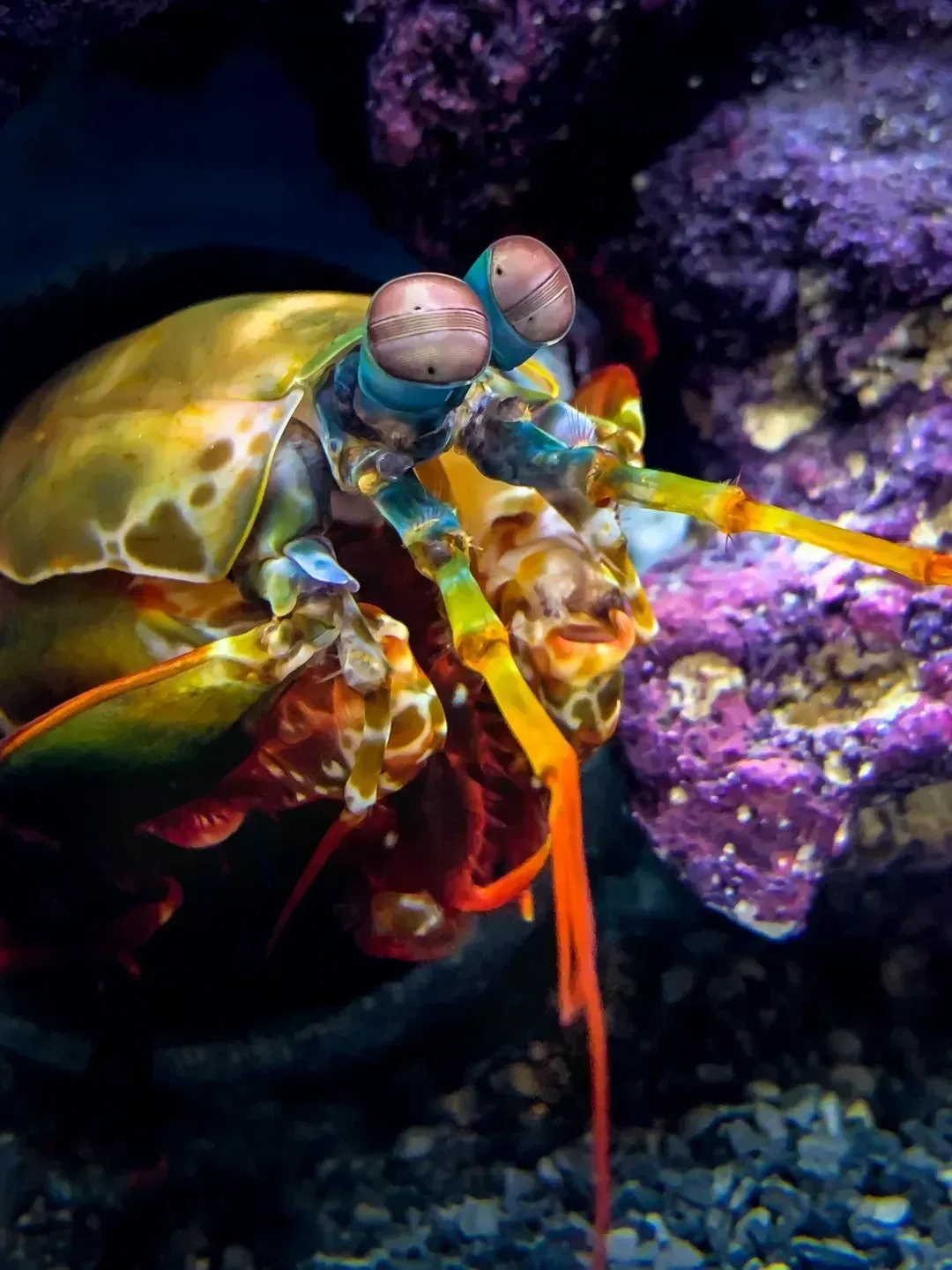
Mantis shrimp look like small, angry lobsters, yet their eyes are some of the wildest cameras nature has ever built. While humans rely on three kinds of color-sensitive cells in our eyes, mantis shrimp have around a dozen distinct color receptors and, in some species, up to roughly sixteen, including several that detect ultraviolet light and even polarized light that we can’t see at all. Recent work on species such as Odontodactylus brevirostris shows they can carry up to sixteen different photoreceptor pigments, and a 2024 overview of their vision notes they can spot UV and polarization patterns in ways no mammal can. At the same time, experiments from the University of Queensland and follow‑up studies found something almost comical: despite having all this hardware, mantis shrimp are actually worse than humans at telling very similar colors apart, likely because their vision is tuned for fast, snap decisions in the reef rather than subtle shade matching.
There Is A Jellyfish That Can Age In Reverse Instead Of Dying Of Old Age
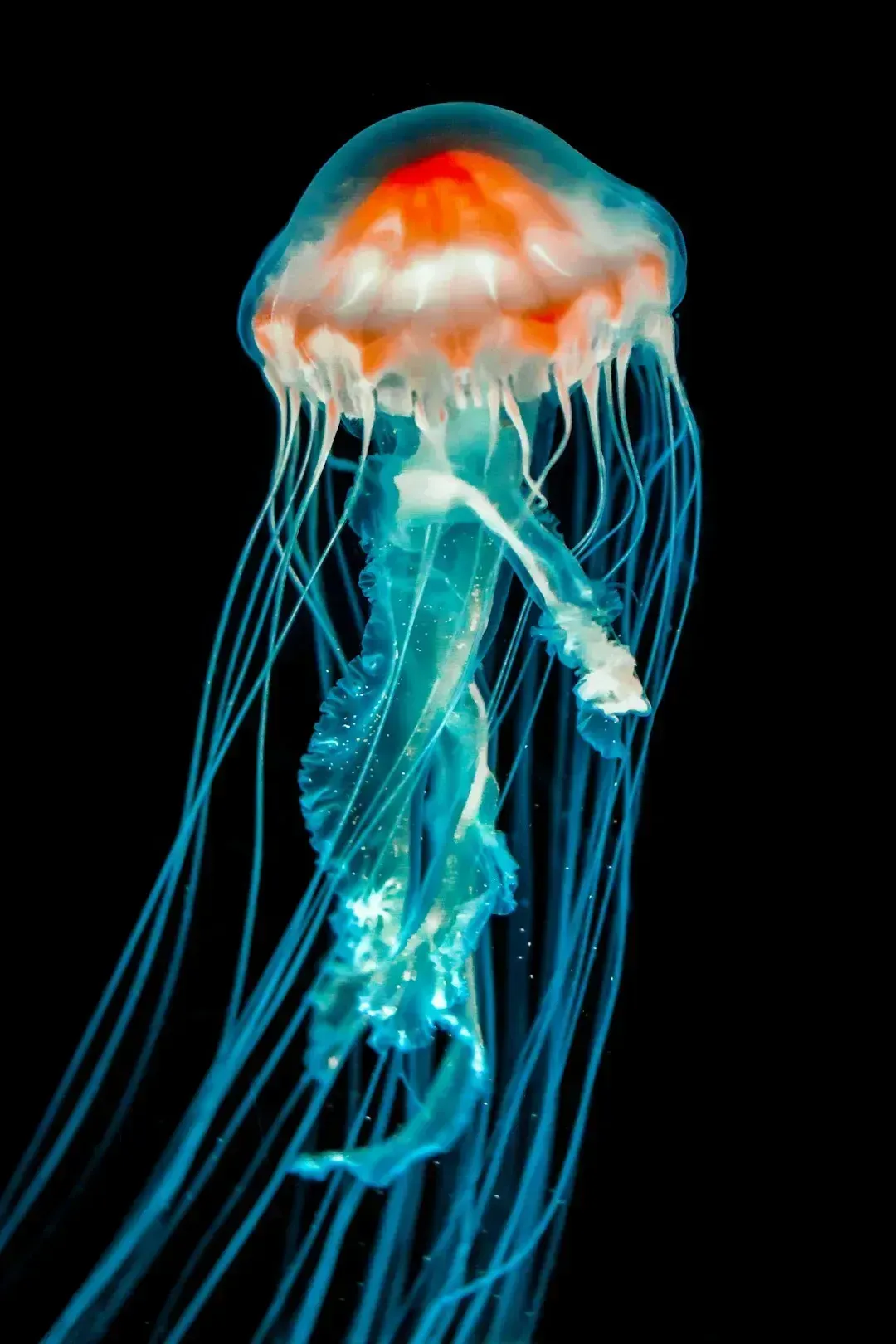
If someone told you there is an animal that can hit a biological reset button and grow young again, it would sound like a bad sci‑fi plot, but that is exactly what the tiny jellyfish Turritopsis dohrnii can do. Under normal conditions it lives like other jellyfish, starting as a larva, settling as a small polyp, and then growing into the familiar free‑swimming medusa. When hit by stress, starvation, or injury, researchers have documented that its adult body can revert all the way back to the polyp stage through a process called transdifferentiation, where specialized cells turn back into more primitive ones and then rebuild a youthful body. Studies summarized by major natural history museums and recent science reporting up to 2024 describe this loop as potentially repeatable over and over, meaning this species can, in theory, avoid death from old age and may only die from disease, predation, or accident rather than simple biological wear‑and‑tear.
Scientists Have Created A New Kind Of Ice That Is Solid At Room Temperature
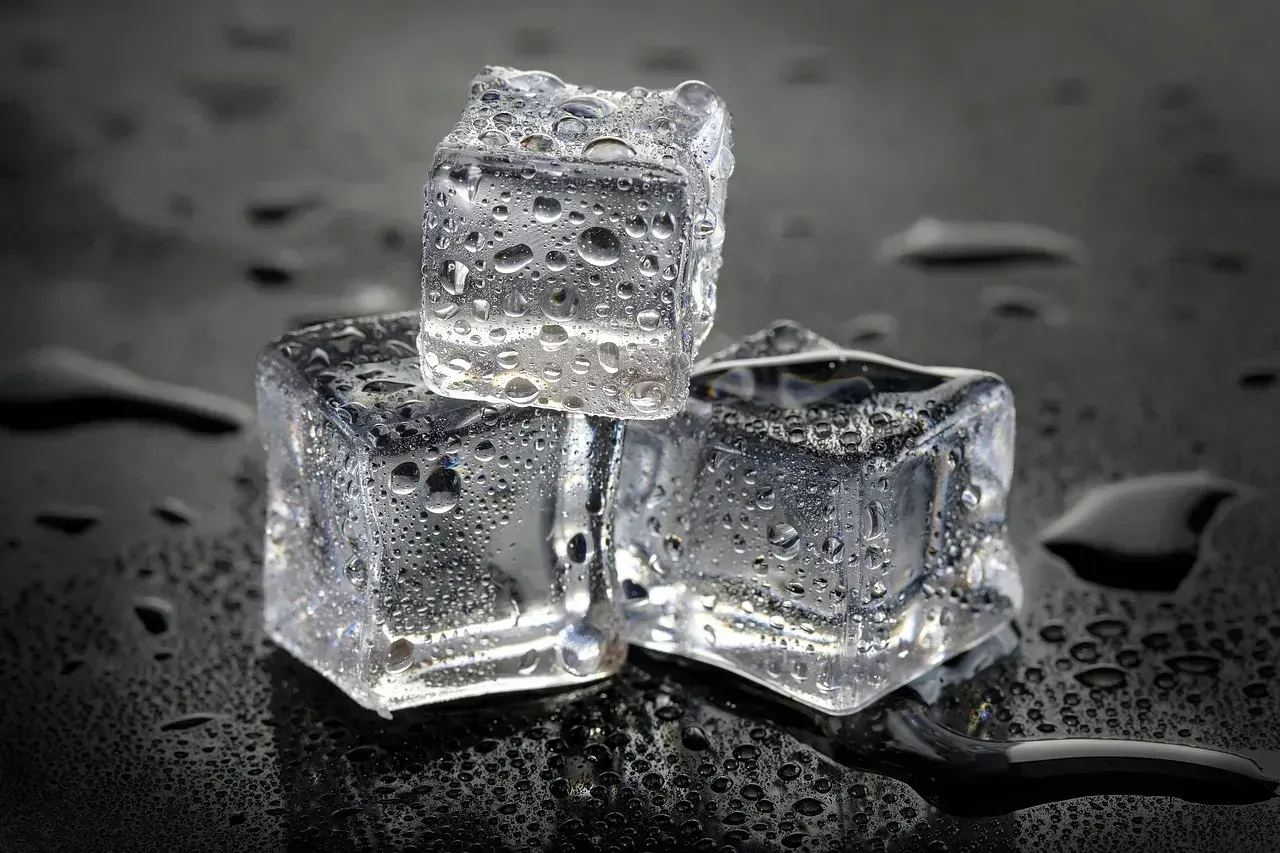
We grow up thinking ice only forms when water gets cold, but experiments in 2024 and 2025 have made that idea feel almost outdated. Using a device called a diamond anvil cell, researchers compress tiny drops of water between two gem‑quality diamonds until the pressure is tens of thousands of times higher than normal air pressure at Earth’s surface. In late 2025, a team working with the European X‑ray Free‑Electron Laser reported a never‑before‑seen phase of ice, now called ice XXI, that forms at room temperature when water is rapidly squeezed and released at pressures above about two gigapascals, roughly twenty thousand times atmospheric pressure. Ultrahigh‑speed X‑ray imaging showed the water flipping between liquid and solid on microsecond timescales and passing through this new crystal structure, and separate high‑pressure studies have also confirmed other exotic ice forms, including a hexagonal close‑packed phase stable above about two hundred gigapascals, hinting that the “simple” water in your glass hides an incredibly complicated secret life under extreme conditions.
Quantum Entanglement Has Already Linked Particles Over More Than A Thousand Kilometers
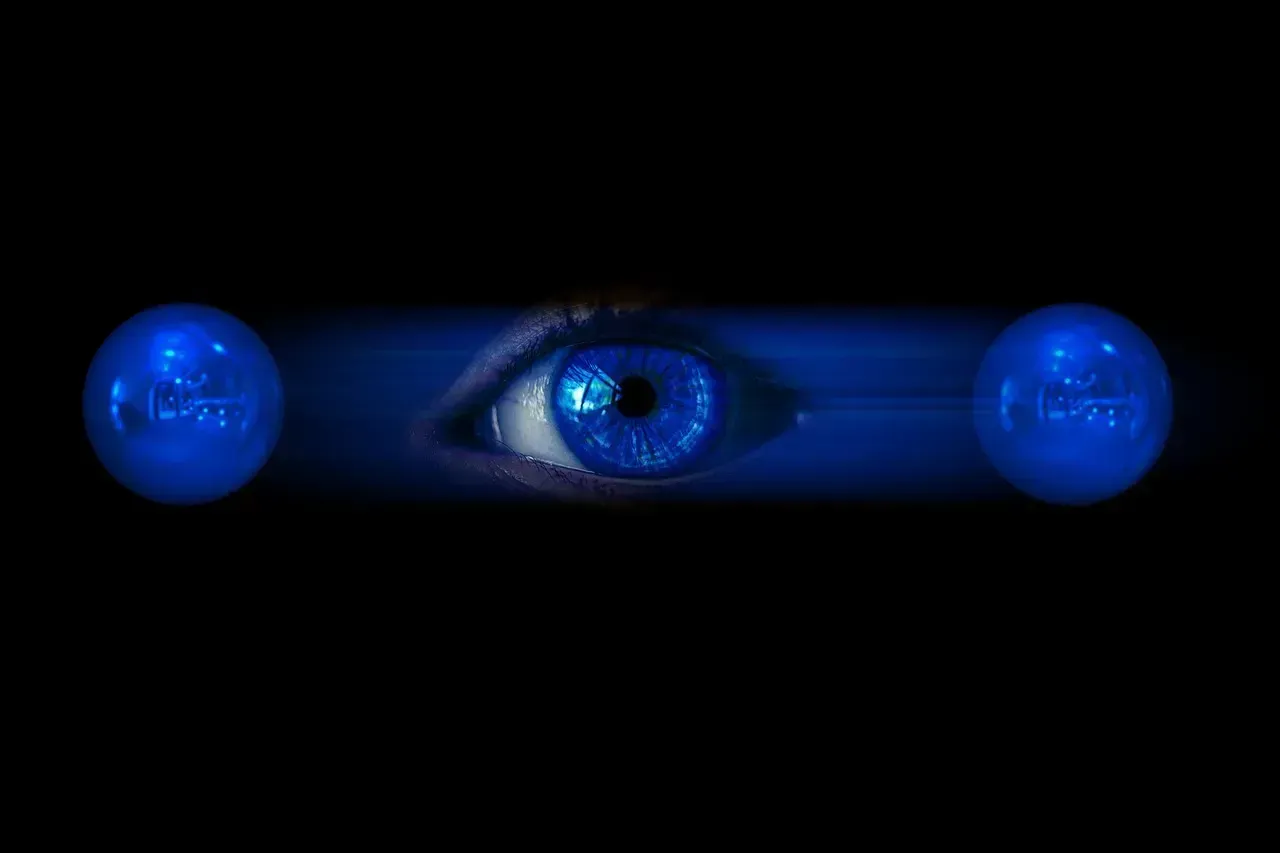
The claim that two particles can be “linked” so that measuring one instantly affects the other across huge distances sounds like pure pseudoscience, yet physicists have not only accepted it, they have engineered it into satellites. In 2017, a Chinese team used the quantum science satellite nicknamed Micius to distribute pairs of entangled photons to two ground stations separated by about one thousand two hundred kilometers, smashing previous distance records that had been stuck around a hundred kilometers in optical fibers or ground‑based free‑space links. Follow‑up work reported in leading physics journals through 2020 refined these satellite‑to‑ground experiments into practical quantum key distribution, showing that secure encryption keys could be shared using entanglement over distances that ordinary fiber links simply cannot handle. By 2023, theoretical studies went further, outlining networks of low‑Earth‑orbit satellites acting like a chain of optical lenses that could, in principle, support global quantum communication links on the order of twenty thousand kilometers, turning what once sounded like mystical “spooky action at a distance” into the backbone of a very real future technology.
Your Body Is Made Of More Human Cells Than Microbes, But The Microbes Still Dominate In Other Ways
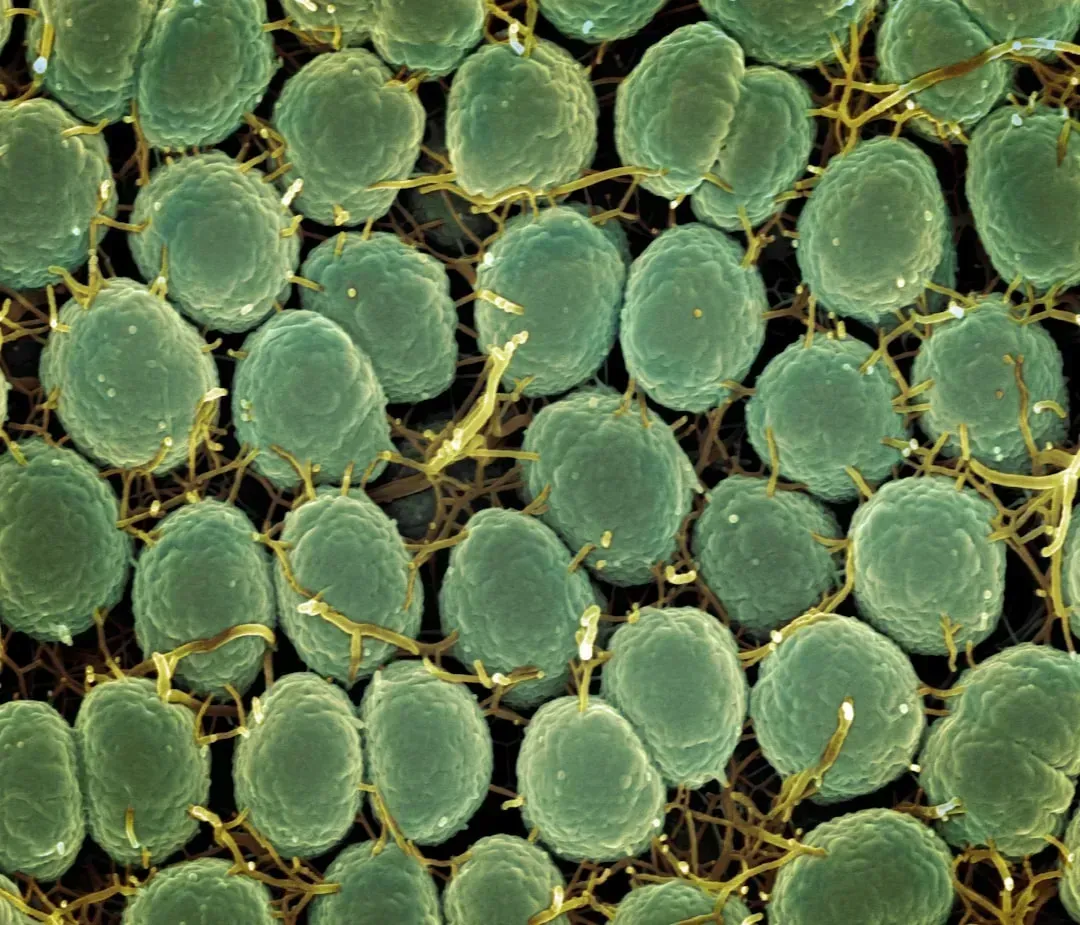
For years, people repeated the eye‑catching claim that your body has ten times more bacterial cells than human ones, which honestly sounds like something a friend would make up to win an argument. Over the past decade, and especially in updated analyses published since the mid‑2010s and revisited in later microbiome reviews, scientists have used better counting methods and more accurate size estimates to revise that ratio dramatically. The latest careful estimates suggest that a typical adult hosts on the order of thirty trillion human cells and something like thirty to forty trillion microbial cells, meaning the total numbers are actually quite similar, with maybe a slight edge to microbes or humans depending on body size and gut contents at a given moment. Even with that less dramatic ratio, the weird truth holds: the collective genes of your microbiome outnumber your own by at least an order of magnitude, and these bacteria, archaea, and fungi help digest food, train your immune system, and even influence mood‑related chemicals, so in a very real sense you are walking around as a fragile skyscraper built out of human tissue that completely depends on an invisible microbial city inside it.