5 Discontinued Old-School Beers Americans Used to Drink
There’s something about old-school American beers that brings back memories. Maybe your grandfather kept a six-pack in the garage fridge, or you remember those vintage cans from backyard barbecues. In fact, per a 2022 survey from Gallup, 35% of U.S. alcohol drinkers regularly opt for beer over alternatives like wine and spirits. These days, shelves are dominated by light beers and craft IPAs. However, between the 1960s and 1990s, a different set of brews ruled the American drinking scene.
The beers we’re looking at today have mostly vanished, fading into the mists of brewing history. Some were once massive names. Others were regional favorites that couldn’t keep up when the big guys came knocking. Let’s get real, these brews didn’t disappear because people stopped loving them overnight. It was usually bad business decisions, changing tastes, or the relentless consolidation that wiped out smaller players. Ready to take a trip down memory lane?
Schlitz: The Beer That Made Milwaukee Famous
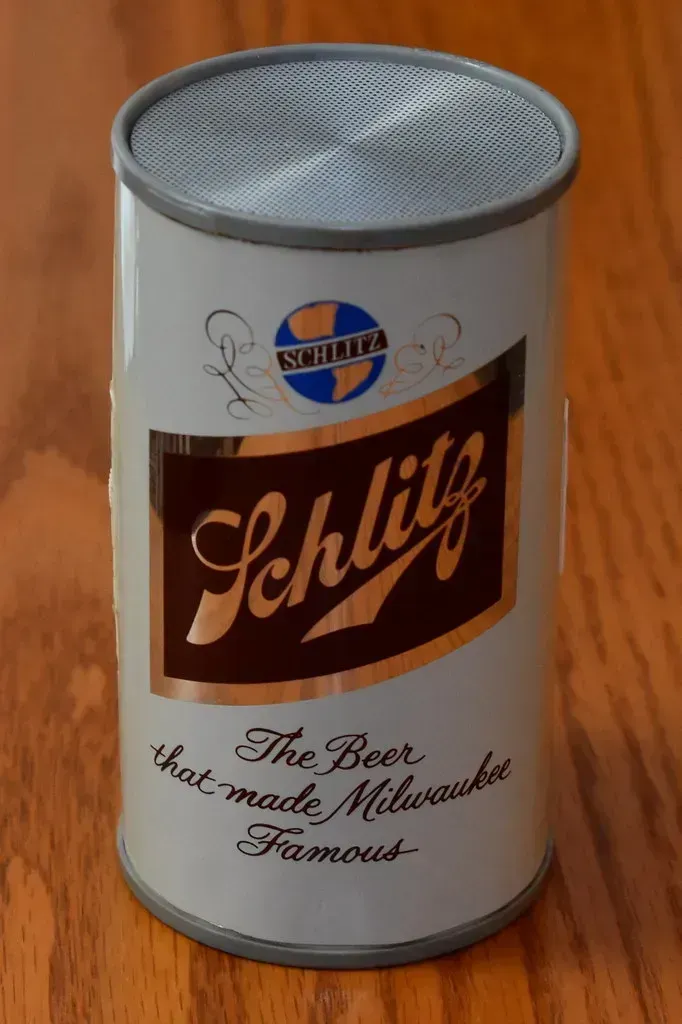
Founded in 1849, it was once the largest producer of beer in the United States. Schlitz literally became synonymous with Milwaukee beer culture, a heavyweight in American brewing. Schlitz first became the largest beer producer in the U.S. in 1902 and enjoyed that status at several points during the first half of the 20th century, exchanging the title with Anheuser-Busch multiple times during the 1950s. Honestly, it’s hard to believe how massive this brand once was. Then everything fell apart spectacularly.
So what went wrong? During the 1970s, in an attempt to cut production costs and keep up with growing demands, Schlitz’s owners decided to shorten the beer’s brewing time by implementing a process called “accelerated batch fermentation.” They also opted to replace its malted barley with a cheaper ingredient, corn syrup, and began experimenting with the use of a silica gel to prevent haze once the beer was chilled. Drinkers noticed immediately. In 1976, Schlitz recalled more than 10 million cans and bottles of beer, costing the company over $1.4 million in losses. In 2020, that’s the equivalent of $6.3 million. Then came that disastrous ad campaign where aggressive-looking dudes basically threatened viewers.
In 1982, Stroh Brewery bought Schlitz for $500 million. The brand still exists under Pabst today, but it’s a shadow of what it once was. Most Americans under fifty probably haven’t even tasted it.
Falstaff: The Shakespearean Brew
Falstaff, which was a slightly sweet, grainy, slightly bitter, generic-tasting lager, stood the test of time through the 20th century, becoming a national hit. By the 1960s, it was one of the biggest brewers in the whole of the U.S. Named after Shakespeare’s hard-drinking character, Falstaff beer had serious clout for decades. Production peaked in 1965 with 7,010,218 barrels brewed and then dropped 70 percent in the next 10 years. That’s not a slow decline. That’s a freefall.
The last Falstaff Brewery in St. Louis stopped making beer in 1977, and operations limped along – produced by contracted breweries – until 2005, per St. Louis Magazine. The brand got passed around like a hot potato, ending up with Pabst, which finally pulled the plug. Pabst, which owns the Falstaff brand, decided to stop selling the beer because of dwindling sales, said Allen Hwang, Pabst’s marketing director. Pabst only sold 1,468 barrels (a barrel equals 31 gallons) of Falstaff nationwide last year, and that figure was falling, he said. When your sales drop that low, it’s basically game over.
Chicago White Sox fans from the seventies might remember announcer Harry Caray shouting about needing an ice-cold Falstaff during games. Those days are long gone, though homebrewers still share Falstaff clone recipes online, keeping the spirit alive in basements and garages across the country.
Pete’s Wicked Ale: Craft Beer Pioneer
Pete’s Wicked Ale, produced by Pete’s Brewing Company, hit the market in the 1980s and was a major success. Americans appeared to revel in the new style of beer, because in the decades before, most beer on the market had been mass-produced lager. In fact, Pete’s Wicked Ale was part of a movement dubbed the American Craft Beer Revolution. This wasn’t your dad’s watery yellow lager. It was thick, dark, and packed with flavor. At one point, it was among the biggest names in the craft beer industry, alongside Boston Beer Company. Pete’s showed Americans that beer could be interesting.
Success didn’t last forever, though. After rolling out several more beers, Slosberg sold Pete’s to The Gambrinus Company in 1998. Just two years into its ownership, Gambrinus reformulated Pete’s Wicked Ale to give it a lighter taste. In 2011, Gambrinus sent a letter to distributors announcing that it would no longer make any form of Pete’s Wicked Ale, citing poor sales. When you mess with a beloved recipe, loyal fans tend to bail. It’s hard to say for sure, but maybe if Gambrinus had left well enough alone, Pete’s would still be around today. Instead, it became another cautionary tale about changing what people actually loved about a product.
Ballantine IPA: America’s Original India Pale Ale
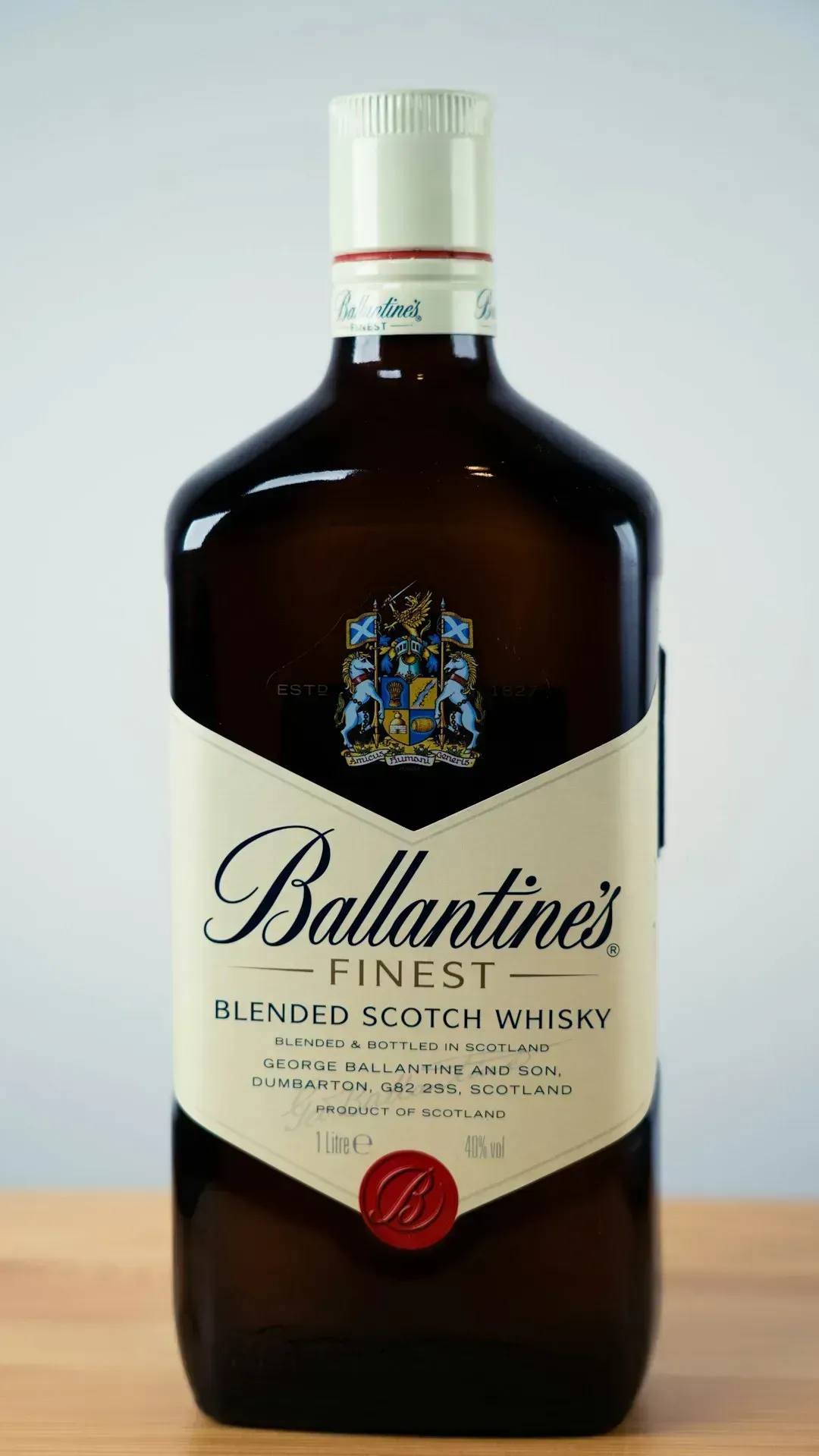
P. Ballantine & Sons Brewing Company is a beer brand that was founded in 1845 in Newark, New Jersey. At its peak in the mid-20th century, it was the third-largest brewer in the United States, trailing only Anheuser-Busch and Schlitz. Ballantine IPA has legendary status among beer historians. Legend has it that Ballantine was the first India pale ale (IPA) brewed in the United States. It was certainly the first made by the Peter Ballantine & Sons Brewing Company of Newark, New Jersey, dating back to 1878. This beer was complex, aged in oak barrels for a full year, and loaded with hop character that made it stand out in a sea of bland mass-market brews.
The brand started crumbling in the sixties. By 1965 the company started to lose money, so in 1969 Badenhausen and his partners sold the company to a group of investment bankers. Just three years later in 1972, with losses mounting in the neighborhood of $1 million per month, the investment company sold the brands and distribution network (but not the brewery) to Falstaff for $4 million and a $.50 royalty on each barrel sold. In 1974, the company was forced to declare bankruptcy. They stopped brewing the IPA in 1996, and gradually all of the beers were discontinued with the exception of the flagship Ballantine XXX Ale.
Pabst brought back Ballantine IPA in 2014, but beer purists argue it’s not the same. The original recipes were lost during all those ownership changes. Still, it’s nice seeing a piece of American brewing history get another shot.
Schaefer: The One Beer to Have When You’re Having More Than One
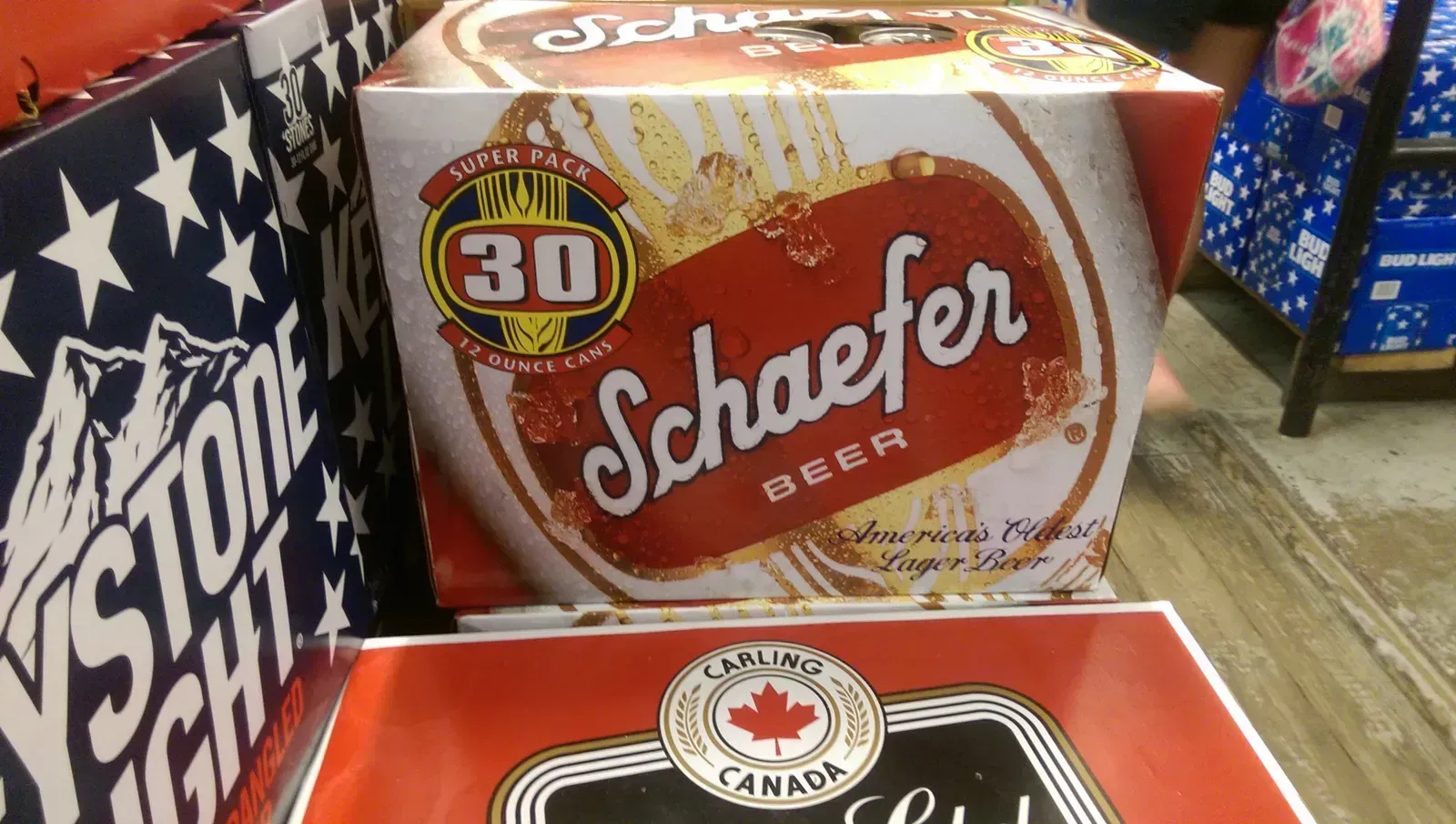
Schaefer Beer is a brand of American beer first produced in New York City during 1842 by the F. & M. Schaefer Brewing Company. That slogan is burned into the memories of anyone who watched TV in the seventies. In both the 1950 and 1970 rankings Schaefer Beer was one of the top selling beers in the US, ranking as high as fifth. Schaefer was everywhere, sponsoring the Brooklyn Dodgers and even getting its name on a football stadium.
Competition from national brands squeezed regional breweries like Schaefer until they couldn’t breathe. It was acquired by Stroh Brewing Company in 1981. When Stroh eventually collapsed, Pabst scooped up the brand rights. For decades, you could barely find Schaefer anywhere. This Fall, Pabst Brewing Company proudly returns the quintessential American lager, Schaefer, to New York City. Pabst revived the brand in 2020 with updated packaging and a modernized recipe, but it’s mostly available only in New York markets.
Resting on the name brand won’t mean much to drinkers if the product doesn’t deliver, particularly if that brand name hasn’t been used for over 40 years. While there’s a crowded market for beer, not a lot of companies make 3.8% ABV beers, and while that’s exceptionally light, sometimes that’s all you need. Whether this reboot succeeds or becomes just another nostalgia play remains to be seen. At least someone’s trying to keep these old names alive.