The Net Worth That Puts Retirees in the Top 5%, Based on New Data
Breaking Into the Elite Circle

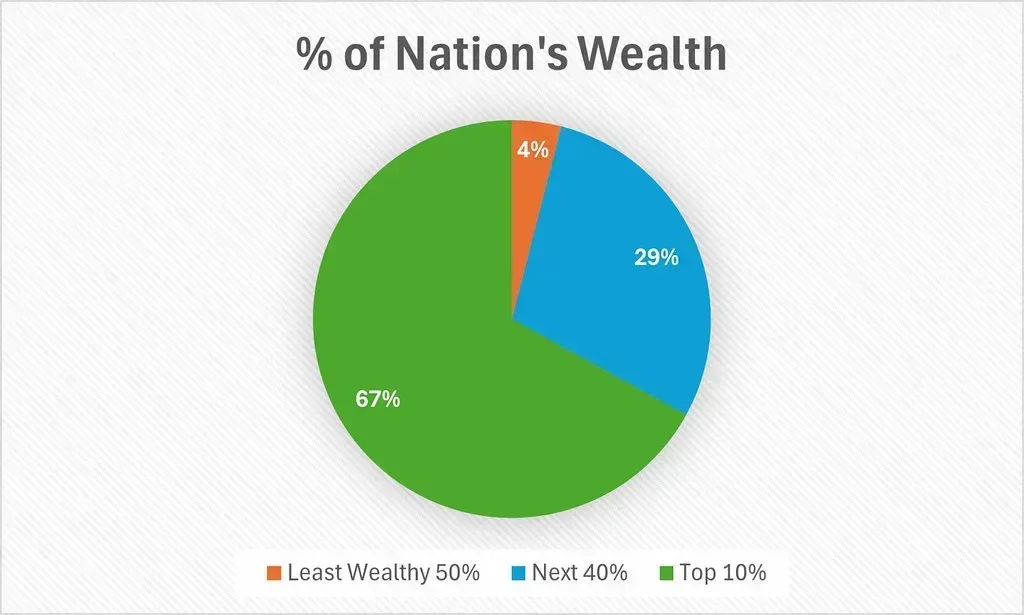
As of 2025, retirees in the top 5% typically have a net worth of $3 million or more. That threshold puts you in rarefied air, honestly. According to recent data from the Federal Reserve, a net worth of at least $3,795,000 places you among the coveted top 5% of U.S. households. Let’s be real, for most people working regular jobs their entire lives, hitting this number feels like climbing Everest. Yet thousands of retirees manage to reach this milestone through decades of disciplined saving, smart investing, and frankly, a bit of luck with timing.
The interesting thing is how this number has shifted over time. To be top 1% in 2023, a household needed a net worth of $13,666,778. The gap between the top 1% and the top 5% is massive, revealing just how concentrated wealth becomes at the very pinnacle.
The Reality Check: Median vs. Top Tier
According to the latest data from the Federal Reserve, the median net worth for Americans aged 65 to 74 was $409,900. For those 75 and older, it was $335,600. Notice something? That’s nowhere close to three million dollars. Most retirees are living with roughly one eighth of what the top 5% possess. For many people, that figure includes the value of what’s likely a paid-off home. Zillow puts the average U.S. home value at about $343,000.
Here’s the thing that surprised me when I first looked at this data: subtract home equity from that median number, and you’re often looking at retirement savings closer to sixty or seventy thousand dollars. That’s not exactly the golden years many folks imagined when they started their careers.
Where the Wealth Actually Comes From

Wealthy retirees aren’t just sitting on a pile of money. They’ve built multiple streams of income that continue to flow well into retirement. While Social Security might pay a max of $58,476 annually (if you’re lucky), top retirees are pulling in much more. Their income comes from investments, rental properties, pensions and sometimes businesses they’ve built or invested in.
The difference between comfortable and elite retirement status often boils down to investment portfolio diversity. In 2024, Social Security remained the most common source of retirement income, but 81 percent of retirees had one or more sources of private income. This included 56 percent of retirees with income from a pension; 50 percent with interest, dividends, or rental income; and 32 percent with labor income. Those multiple streams compound wealth significantly over decades.
The Income Factor: Earning Your Way to the Top

The average retiree earns around $75,000 annually, but the top 10% bring in significantly more. For those aged 65 to 69, the top 10% have an annual income of $200,000. They earn income from a combination of dividends, rental properties and strategic portfolios, which allows them to live comfortably without draining their principal savings. Income in retirement isn’t just about Social Security checks showing up every month.
It’s hard to say for sure, but roughly one third of top earners in their twenties also manage to crack the top 5% in net worth by retirement age. A high income isn’t absolutely necessary to propel you into the top 5% of households by net worth, but it can certainly help. Even if you’re earning a high income, it doesn’t mean you’ll find yourself among the wealthiest people in your age group. High income alone doesn’t guarantee wealth accumulation. Spending habits, investment choices, and debt management matter just as much, if not more.
The Path From Average to Elite

Americans have been growing their wealth. Between 2019 and 2022, median net worth surged 37%, according to the Federal Reserve’s 2023 Survey of Consumer Finances, which pointed to big changes in the economy during the 2020 pandemic, including more savings. The uptick was felt across generations, although adults under 35 saw the biggest boost: A massive 143% increase from $16,100 to $39,000. The 2020 pandemic created an unusual savings moment for many households.
Still, reaching that top 5% threshold requires more than just a few years of good saving. If you want to enter retirement with a nice amount of savings, start funding a retirement plan early in your career. If you contribute $300 a month over a 40-year period and your investments in your retirement plan generate an average annual 8% return, which is a bit less than the stock market’s average, you’ll end up with a nest egg worth about $933,000. Even that impressive nest egg falls short of the three-million mark by more than two million dollars.
What this tells us is reaching elite retiree status often requires combining aggressive retirement contributions with additional investment vehicles beyond workplace plans. Real estate appreciation, business ownership, stock portfolios outside retirement accounts, and inheritance all play significant roles for those who make it to the top tier.
The numbers don’t lie about what separates comfortable retirement from truly elite financial standing. Three million dollars might sound unattainable to many, yet understanding what it takes to reach that level offers valuable perspective on retirement planning at any wealth level. Are you closer to that top 5% than you thought, or does it feel like a distant dream?