I’m Retired and Wish I Hadn’t Taken Social Security at 65 – Here’s Why
The Permanent Reduction Nobody Warned Me About
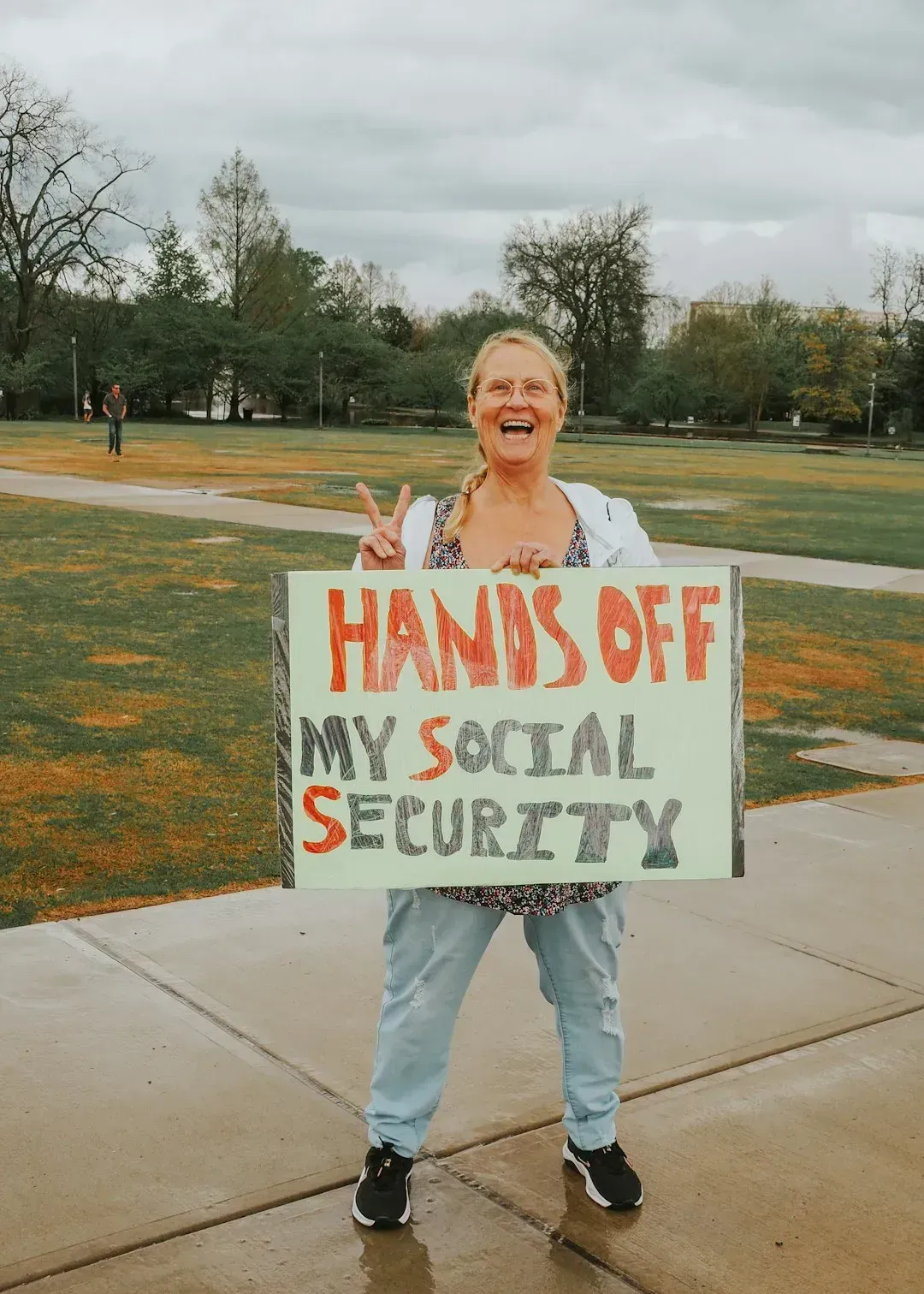
For most of Social Security’s history, full retirement age was 65, but it gradually increased to 67 due to changes Congress enacted in 1983. I thought 65 was still the magic number. Honestly, it sounded right because that’s when Medicare kicks in, and it felt natural to align everything together. What I didn’t fully grasp was that my full retirement age was actually 67, not 65.
Starting benefits early reduces your payment by a small percentage for each month before your full retirement age. Taking benefits at 65 instead of waiting just two more years cost me roughly ten percent of my monthly check for the rest of my life. That reduction felt negligible on paper, maybe a couple hundred dollars monthly. Yet over twenty years of retirement, that adds up to tens of thousands of dollars I left on the table.
The Delayed Retirement Credits I Missed Out On

Here’s the thing that keeps me up at night. Waiting to claim Social Security benefits until age 70 increases your monthly benefit by 8% a year. I could have grown my benefit significantly simply by holding off. Those delayed retirement credits accumulate every month after your full retirement age, right up until you hit 70.
The percentage increase is 8% per year for those born in 1943 or later. Think about it like compound interest on a guaranteed check that arrives every month until you die. I gave up that opportunity because I believed the earlier I claimed, the more money I’d collect overall. That calculation doesn’t hold up if you live into your eighties or beyond, which thankfully appears likely for me.
The Breakeven Age I Underestimated

If you live at least until age 78 years and 8 months, you’ll receive maximum benefits by waiting until age 67, and if you reach age 82 years and 6 months, waiting until age 70 maximizes lifetime benefits. I’m 78 now and in decent health. My doctor says there’s a good chance I’ll see 85 or even 90.
I thought I was being smart by taking my benefits early because I’d get more checks over time. What I failed to account for was longevity. My parents both lived well into their late eighties, and modern medicine keeps improving. The breakeven calculations I casually ran back then assumed I’d be lucky to reach 80. I was being pessimistic without realizing it, and that pessimism is now costing me real money every single month.
The Work Penalty That Caught Me Off Guard

I wasn’t fully retired when I claimed at 65. If you haven’t reached full retirement age, one dollar in benefits is deducted for every two dollars you earn above the annual earnings limit, which was $23,400 in 2025. I was still working part-time, earning a bit over that threshold because I enjoyed what I did and wanted the extra income.
Suddenly my Social Security checks started getting reduced. The earnings test felt like a penalty for staying productive and engaged. Once you hit full retirement age, benefits are no longer reduced no matter how much you earn, and the SSA recalculates your payments to include the deducted amounts. If I’d just waited two more years, I could have worked without any penalty whatsoever. Instead, I lost benefits temporarily that took years to recoup.
The Tax Surprise That Shrunk My Check Further
Up to 85% of your Social Security benefits are potentially taxable. Nobody really emphasizes this when you’re making the claiming decision. I had other retirement income from a modest pension and some IRA withdrawals, which pushed me into a bracket where a significant portion of my Social Security became taxable.
Taking benefits early meant I was drawing from multiple income sources simultaneously, which inflated my combined income and triggered higher taxation on my Social Security. Had I delayed Social Security and lived off savings for a few more years, I could have potentially reduced my overall tax burden and kept more of each benefit check. Tax planning around Social Security timing is something I completely overlooked, and it’s been an expensive lesson.
The Regret Statistics Are Real

Turns out I’m not alone in this feeling. Nearly one in five respondents regretted claiming Social Security retirement benefits too early, and older respondents were more likely to express this regret. There’s actual research backing up what I’m feeling. A 2022 study found that 90% of Americans would receive higher lifetime Social Security benefits by waiting until age 70 to collect.
The study found that women were 21% less regretful than men, while Blacks were 37% more regretful than whites about taking benefits too soon. Health also plays a role. Regret over claiming early rose by 37% among people in good health. I’m one of those people in good health who now realizes I shortchanged my future self by being impatient.
The Inflation Protection I Weakened

Social Security benefits receive annual cost-of-living adjustments. Since the first COLA in 1975, benefits have increased by an average of 3.7% per year, and the SSA increased benefits by 2.5% between 2024 and 2025. These adjustments are applied to your base benefit amount.
Here’s what stings: because I claimed early and locked in a permanently reduced base benefit, every COLA increase I receive is calculated on that smaller amount. If I’d waited and claimed a larger benefit at 67 or 70, each annual inflation adjustment would be applied to a much higher base. Over decades, this compounding effect becomes significant. My purchasing power erodes faster than it would have if I’d delayed and secured a higher starting point.
The Spousal Impact I Didn’t Consider

My spouse is five years younger than me and worked less over the years due to raising our kids. At full retirement age, you can take either 100% of your own retirement benefits or 50% of your spouse’s, whichever is higher. Because I claimed early and reduced my benefit, I also inadvertently reduced the spousal benefit my partner could eventually claim.
Even more concerning is what happens when I pass away. Survivor benefits are based on what I was receiving, and because I took a reduced benefit at 65, my spouse will inherit that reduced amount rather than the full or enhanced benefit I could have secured by waiting. It’s not just my retirement I compromised; it’s my spouse’s financial security too. That realization weighs heavily on me now.
The Health Assumption I Got Wrong

Let’s be real. I claimed at 65 partly because I wasn’t sure how long I’d live. Family history and a few minor health scares made me anxious about waiting. According to the SSA, average life expectancy for a 65-year-old is around 84 years for males and 87 for females, and married individuals tend to live even longer.
I underestimated both medical advances and my own resilience. Those health issues turned out to be manageable, and here I am over a decade later feeling pretty good. If you pass away shortly after receiving benefits, you will have received a smaller total amount, but if you live longer than average, you’ll receive a larger amount in total. I bet wrong on my longevity, and now I’m paying the price in reduced monthly income.
The Financial Flexibility I Sacrificed

As of August 2025, the average Social Security monthly check for retired workers was $2,008.31. If you retire at age 70 in 2025, your benefit would be $5,108 for maximum earners. The difference between claiming strategies can be substantial. I wasn’t a maximum earner, obviously, but the principle applies at every income level.
By claiming early, I locked myself into a smaller guaranteed income stream for life. That reduced my flexibility to handle unexpected expenses like home repairs, medical bills not covered by Medicare, or helping out my grandchildren. A larger monthly check would have given me breathing room and financial confidence. Instead, I find myself budgeting more tightly than I’d like and worrying about outliving my savings because my Social Security doesn’t stretch as far as it could have.
What would I tell someone facing this decision today? Wait if you possibly can. Run the numbers carefully, consider your health realistically, and think long-term. The peace of mind that comes with a larger, inflation-adjusted check is worth more than the immediate gratification of claiming early. I wish I’d understood that at 65.