12 Traditional American Dishes That Have Nearly Disappeared
Think you know American food? You might be surprised to discover just how many classic dishes from yesteryear have silently slipped away from our dinner tables. These weren’t trendy fusion experiments or fleeting fads. These were legitimate comfort foods that our grandparents and great-grandparents served with pride at family gatherings, church suppers, and weeknight dinners. Yet somewhere between the 1950s and now, they quietly faded into near obscurity. It’s honestly fascinating how something once so commonplace can become almost unrecognizable to younger generations. Let’s explore these vanishing American classics and understand what made them special before they disappear completely.
Scrapple: The Pennsylvania Dutch Breakfast Mystery
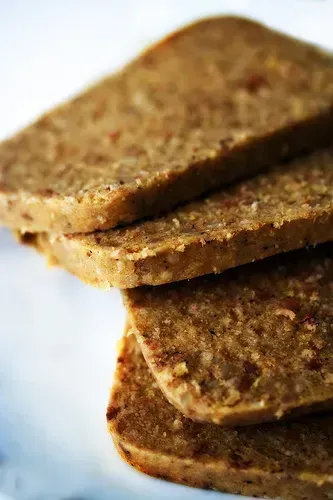
Scrapple remains primarily eaten in the southern Mid-Atlantic areas including Delaware, Maryland, South Jersey, Pennsylvania, and Virginia, where it’s considered an ethnic food of the Pennsylvania Dutch. The first recipes were created by German colonists who settled near Philadelphia and Chester County in the 17th and 18th centuries. This loaf of pork scraps mixed with cornmeal sounds unappetizing until you actually try it fried crispy.
Food historian Kara Mae Harris notes that scrapple is really one of those tastes or textures that’s specific to local culture and upbringing, keeping it regional. The dish has such a devoted following that Bridgeville, Delaware hosts an annual Apple Scrapple Festival. Still, outside its traditional territory, scrapple remains virtually unknown.
Goetta: Cincinnati’s Steel-Cut Secret
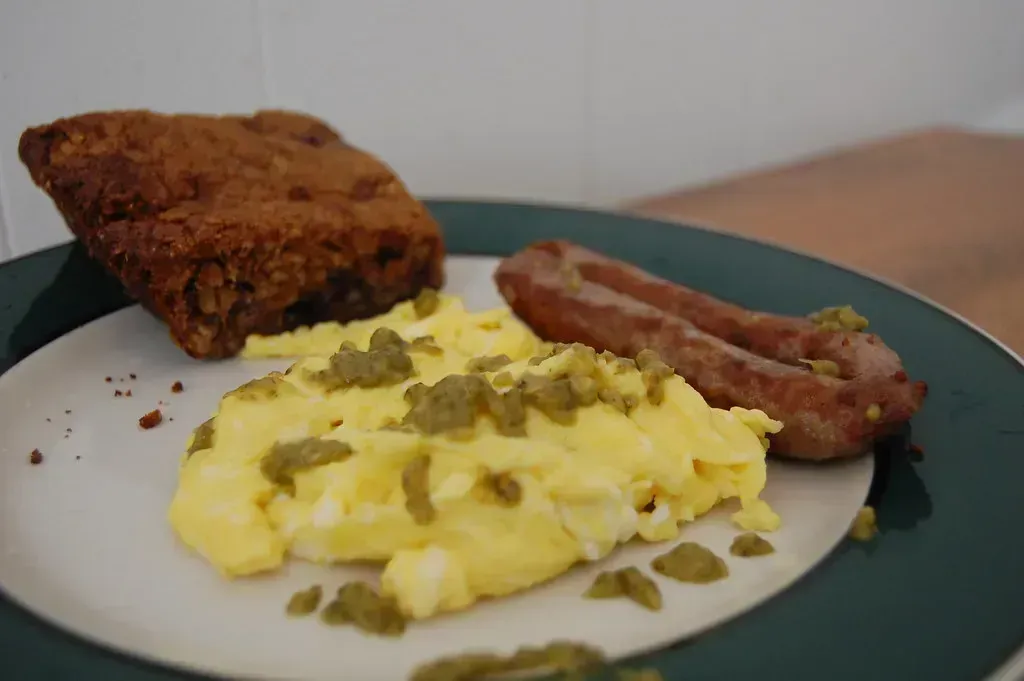
This sausage loaf blends ground pork and beef with steel-cut oats and spices, then gets sliced and fried until crisp, brought over by German immigrants in the 19th century as a frugal way to stretch meat. Glier’s, based in Cincinnati and considered the “goetta capital” of the world, has been making goetta since 1946. The city even celebrates with Goettafest, where vendors dream up creative new ways to serve this breakfast staple.
Unlike scrapple, goetta’s defining feature is those chewy, nutty oats. While locals passionately defend their preferred brand, this hearty breakfast food remains largely confined to the Greater Cincinnati area. Travel an hour in any direction and people look at you blankly when you mention it.
Chipped Beef on Toast: The Military’s SOS
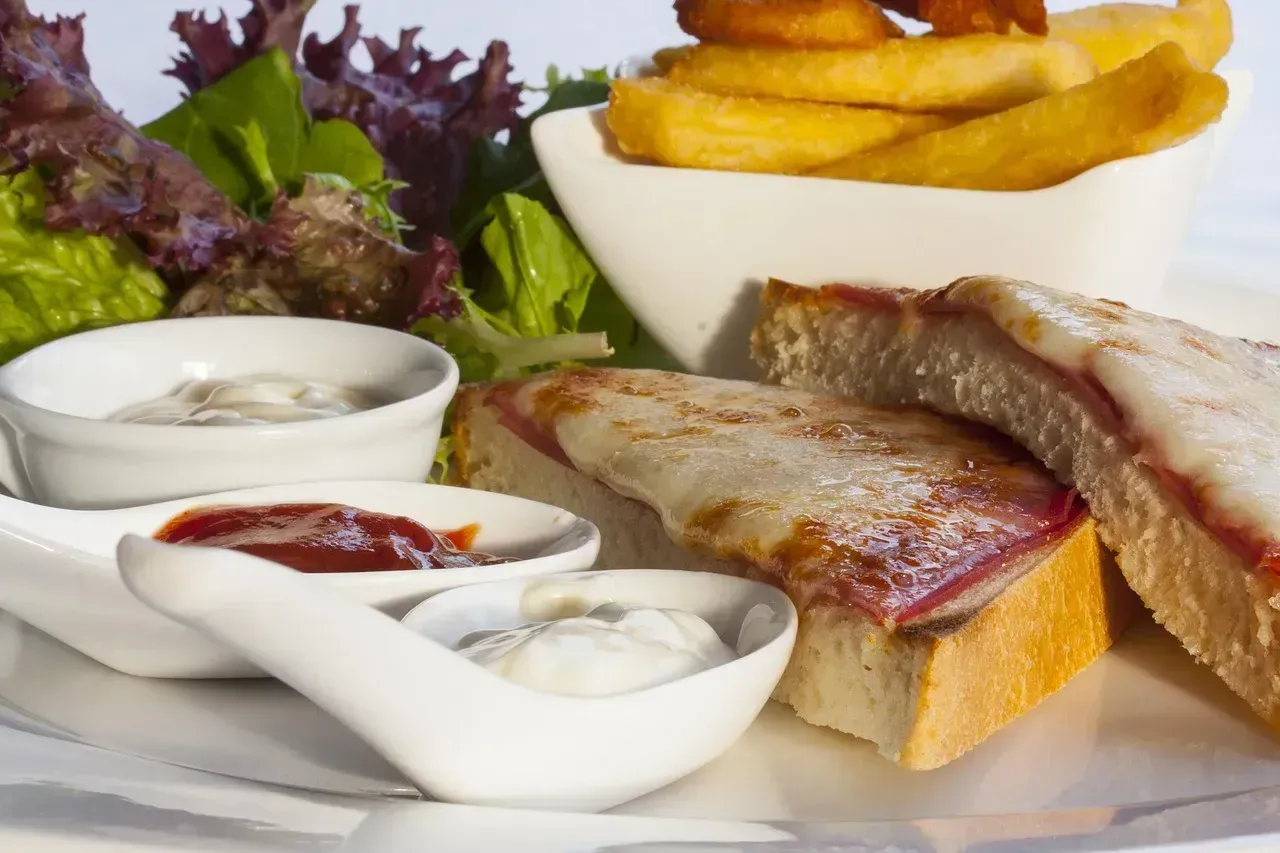
Ask any veteran about SOS and watch their face transform. In American military slang it’s commonly referred to as “Shit on a Shingle,” and from World War I through Vietnam, it was considered emblematic of the military experience. The dish first appears in the 1910 Manual for Army Cooks, with a recipe using 15 pounds chipped beef, flour, evaporated milk, parsley, pepper, and beef stock.
Creamed chipped beef is standard fare on many diner menus, especially in the Mid-Atlantic, but has become harder to find in chain restaurants that serve breakfast. Once home from the war, soldiers craved the recipe and shared it with their families, creating home recipes that got passed down. Today it’s almost exclusively a nostalgic dish, rarely appearing on restaurant menus outside of military towns.
Tomato Aspic: The Wobbly Wonder
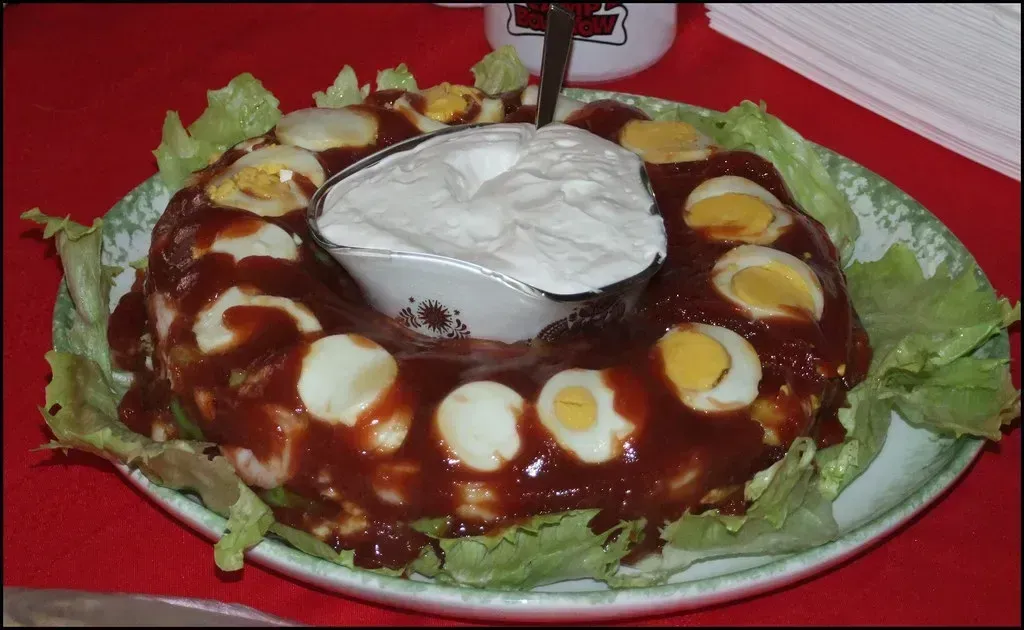
Few dishes better represent mid-century American cuisine than tomato aspic. In the 1890s, packaged gelatins gained commercial success for the first time in America, and by the 1920s, a third of salads published in cookbooks contained gelatin elements. In the 1950s, aspic recipes were all the rage. This savory gelatin mold flavored with tomato juice became a luncheon staple.
Victorians in Europe loved their savory gelatin dishes, but Americans didn’t fully embrace the trend until the early nineteen-hundreds, and by the late 1950s and early 1960s, tomato aspic paired with shrimp salad was something you would find at most gatherings. Nowadays the jiggly red mold strikes most people as bizarre rather than appetizing.
Liver and Onions: The Iron-Rich Castoff
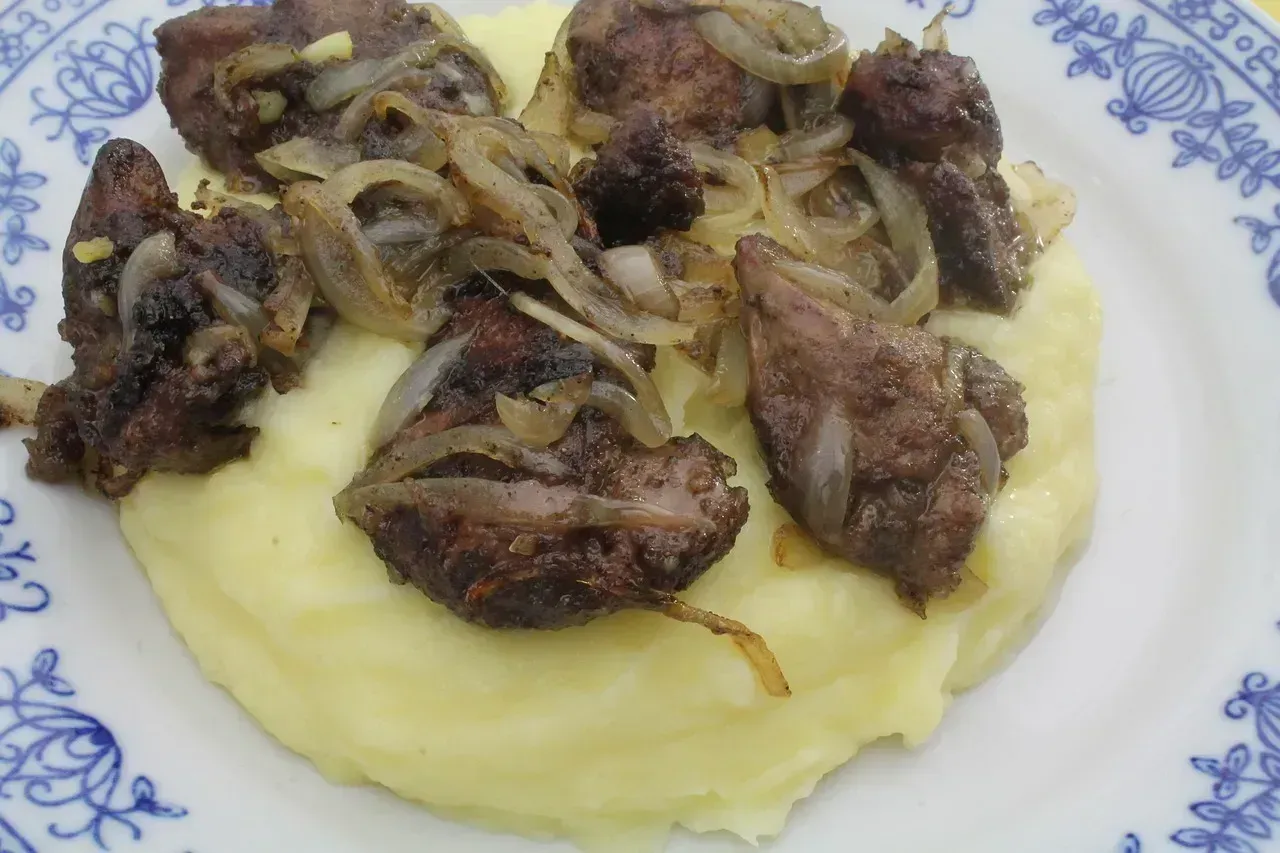
Once popular due to its low cost and high iron content, liver and onions faded as nutrition experts warned about high cholesterol and toxin accumulation in organ meats, with USDA surveys showing per capita liver consumption dropped significantly after the 1970s. Restaurants removed it from menus due to low demand among younger diners. The strong, distinctive flavor of cooked liver divides people sharply into love it or hate it camps.
Let’s be real, liver’s texture and taste take some getting used to. My grandmother served it weekly, insisting it was good for us. She wasn’t wrong about the nutrients, though modern nutrition science has complicated that picture. Finding liver and onions in restaurants today requires searching specifically for old-school diners that cater to an older clientele.
Ambrosia Salad: The Marshmallow Mishap
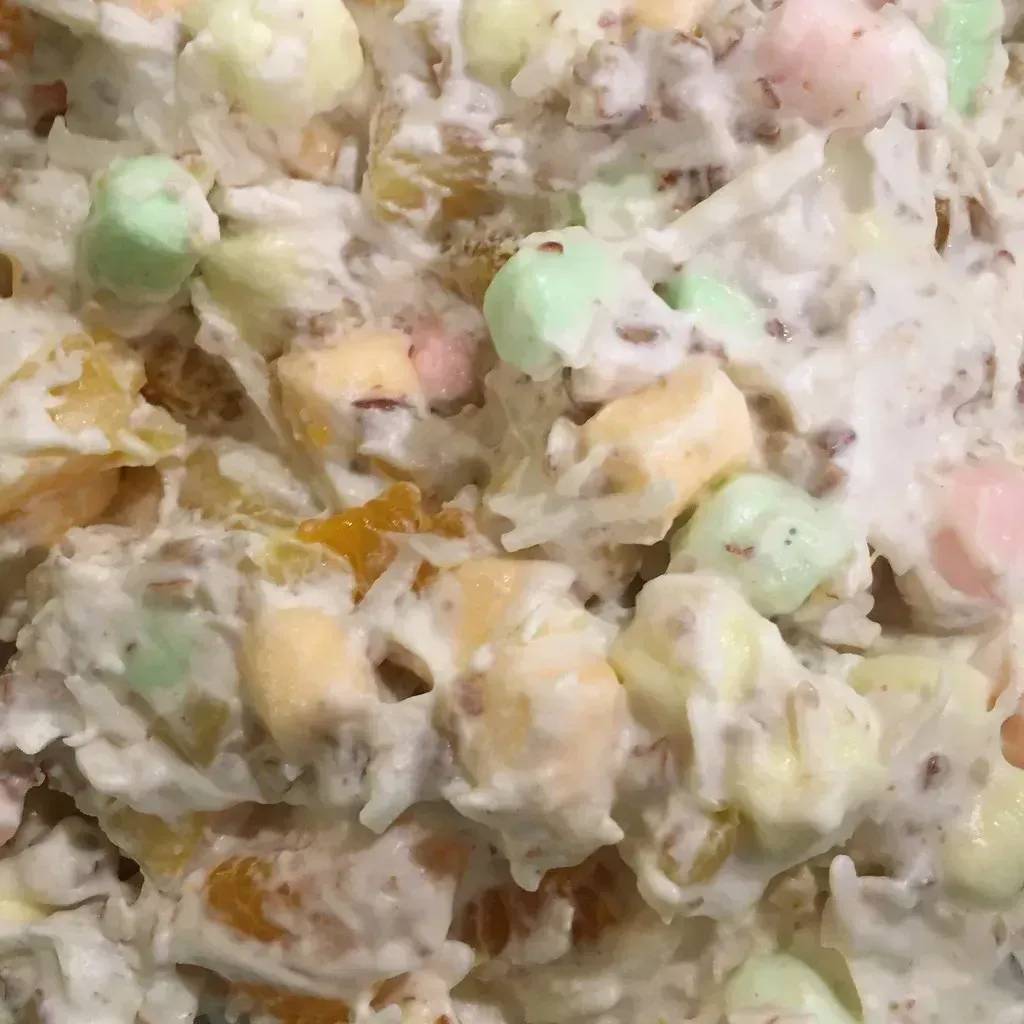
Ambrosia salad, a mix of canned fruit, marshmallows and sweetened cream, lost popularity as Americans reduced sugar intake. This ultra-sweet concoction was once a holiday table mainstay throughout the South and beyond. The combination of mandarin oranges, pineapple chunks, coconut, mini marshmallows, and whipped cream seems almost comically excessive by today’s health-conscious standards.
I’ll admit, there’s something nostalgic about ambrosia salad even if it’s essentially dessert masquerading as a side dish. While some Southern families stubbornly maintain the tradition, it’s increasingly viewed as a relic of a less nutrition-aware era. The over-the-top sweetness just doesn’t align with contemporary tastes.
Chicken à la King: The Creamy Has-Been
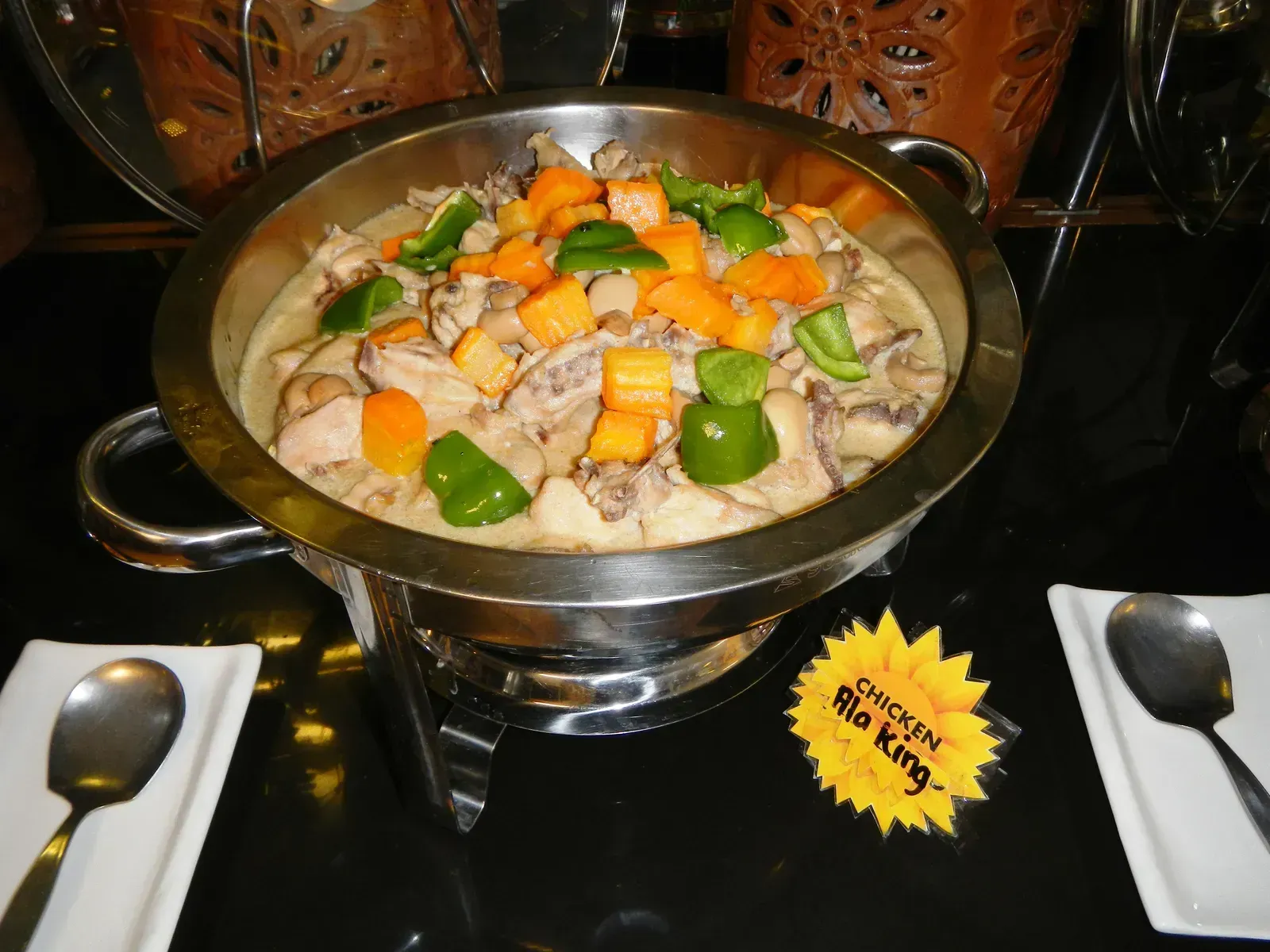
This dish of diced chicken in a cream sauce with mushrooms, pimentos, and green peppers served over rice, noodles, or in pastry shells was once ubiquitous in American restaurants. It represented sophisticated dining in the mid-20th century. Hotel restaurants and supper clubs proudly featured it on their menus. Then seemingly overnight, it vanished.
The decline of chicken à la king mirrors the broader shift away from heavy cream-based sauces in American cuisine. As dining trends moved toward lighter, fresher preparations, this rich dish fell out of favor. Occasionally you’ll spot it on a diner menu, but it’s become the culinary equivalent of a vintage car – interesting to look at but rarely used anymore.
Creamed Onions: The Holiday Side That Quit
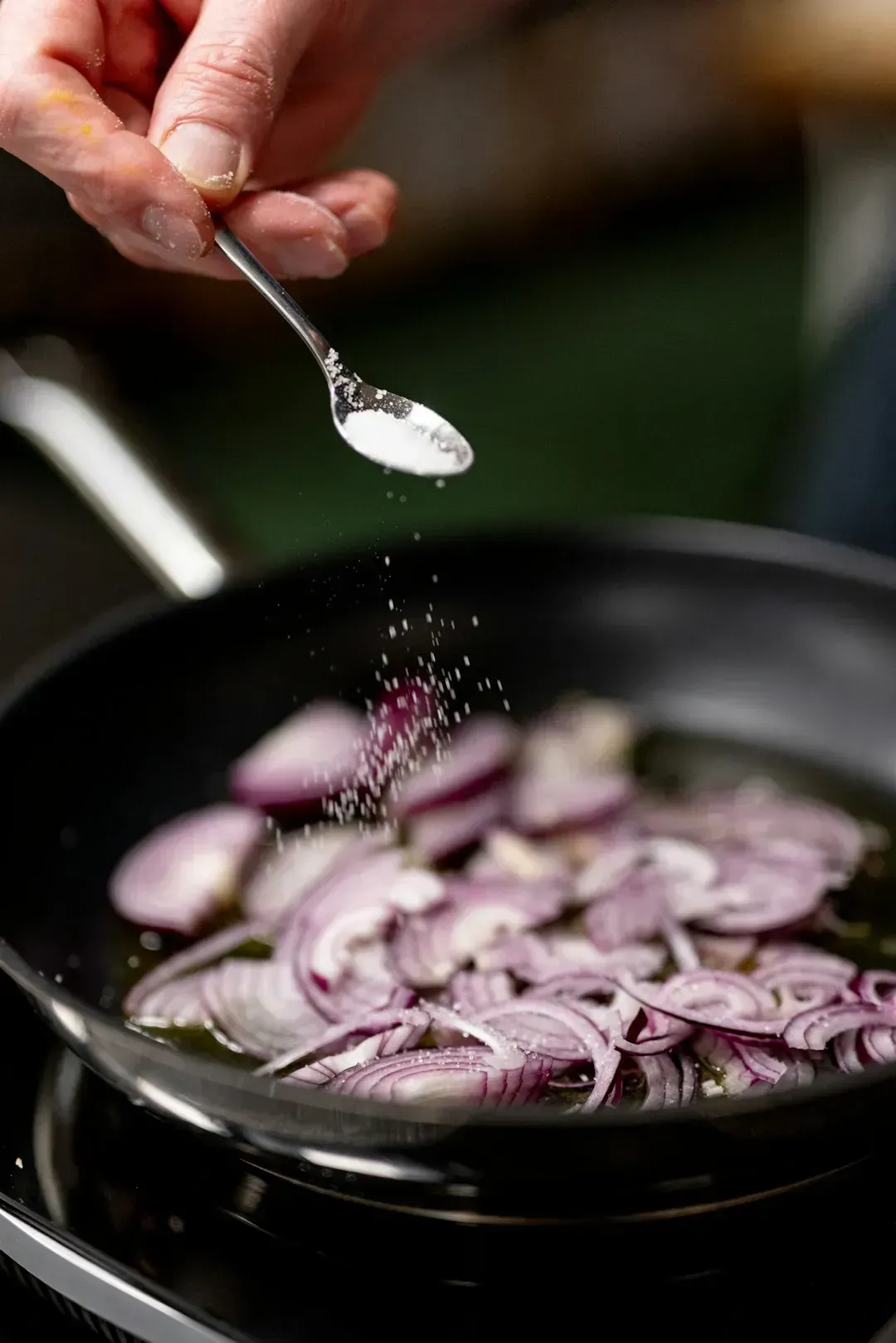
Once a staple of Christmas dinners across the Northeast and Midwest, creamed onions were traditionally served alongside roast beef or ham, but the dish fell out of favor because peeling pearl onions is labor-intensive and American tastes leaned away from boiled vegetables. This dish required genuine dedication to prepare properly.
Honestly, I understand why creamed onions disappeared. The amount of work involved in peeling dozens of tiny pearl onions for what amounts to a side dish nobody particularly craved seems excessive. As tastes shifted, entertaining grew more casual and time became a luxury, many classic sides quietly faded from Christmas menus. The cream-based preparation also fell victim to changing dietary preferences.
Mock Apple Pie: The Great Depression Deception

Mock apple pie, made with crackers instead of apples, became popular during the Great Depression when fresh fruit was expensive, but as reliable refrigeration and nationwide produce distribution improved, the dish became unnecessary and demand disappeared completely as real apples became inexpensive and widely available. This ingenious recipe fooled many people with its surprisingly convincing apple-like texture.
The fact that this dish existed at all speaks volumes about American ingenuity during hard times. Using Ritz crackers soaked in a sugary syrup, home cooks created something that tasted remarkably similar to actual apple pie. Once apples became affordable year-round, there was simply no reason to continue the charade.
Pickled Herring: The Forgotten Fish
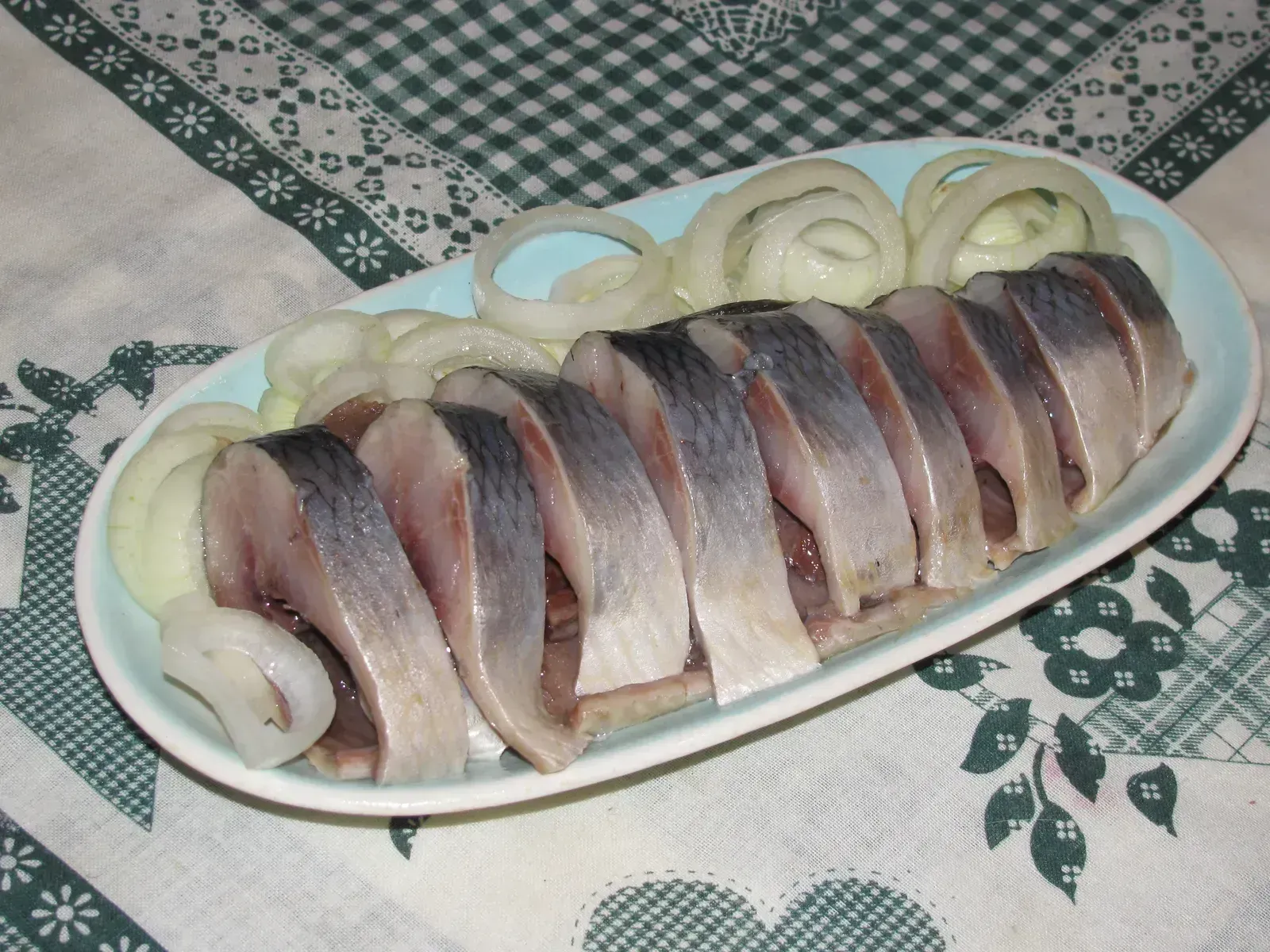
Originally a staple in Northern European countries given how easy it was to store and transport fish without it going bad, pickled herring became a staple in America due to European migrants who settled in the Midwest. This preserved fish, served with onions and cream, was once common at holiday gatherings and breakfast tables, particularly in communities with Scandinavian or German heritage.
The sharp, vinegary flavor and soft texture of pickled herring isn’t for everyone. As refrigeration made fresh fish more widely available, the need for preserved fish diminished. Younger generations raised on milder fish preparations find pickled herring’s intense flavor off-putting. You can still find it in specialty stores, particularly around holidays, though it’s becoming increasingly niche.
Spam and Pineapple Casserole: The Canned Concoction
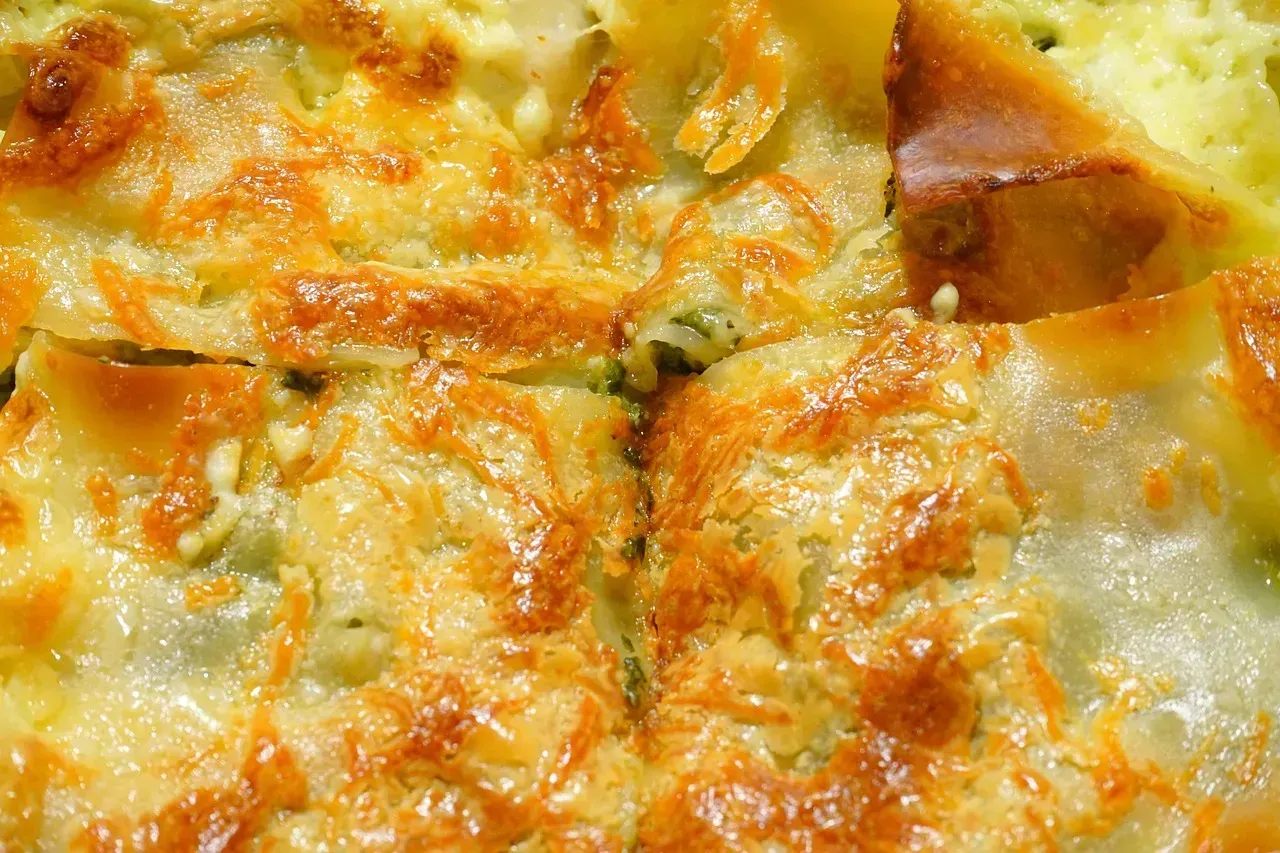
This mid-century casserole combined canned ham with syrup-soaked pineapple, but nutrition researchers point out that Spam contains high sodium and saturated fats, contributing to reduced household use as consumers shifted toward fresh proteins and reduced canned meat consumption. The dish epitomized convenience cooking in the 1950s and 60s.
Here’s the thing about this casserole – it was never really about taste. It was about speed and convenience during an era when women were managing households, raising children, and increasingly joining the workforce. The combination of sweet pineapple with salty processed meat strikes modern palates as bizarre. While Spam maintains cult status in Hawaii, mainland casseroles featuring it have largely disappeared.
Jellied Meat Aspics: The Showstopper Nobody Wanted
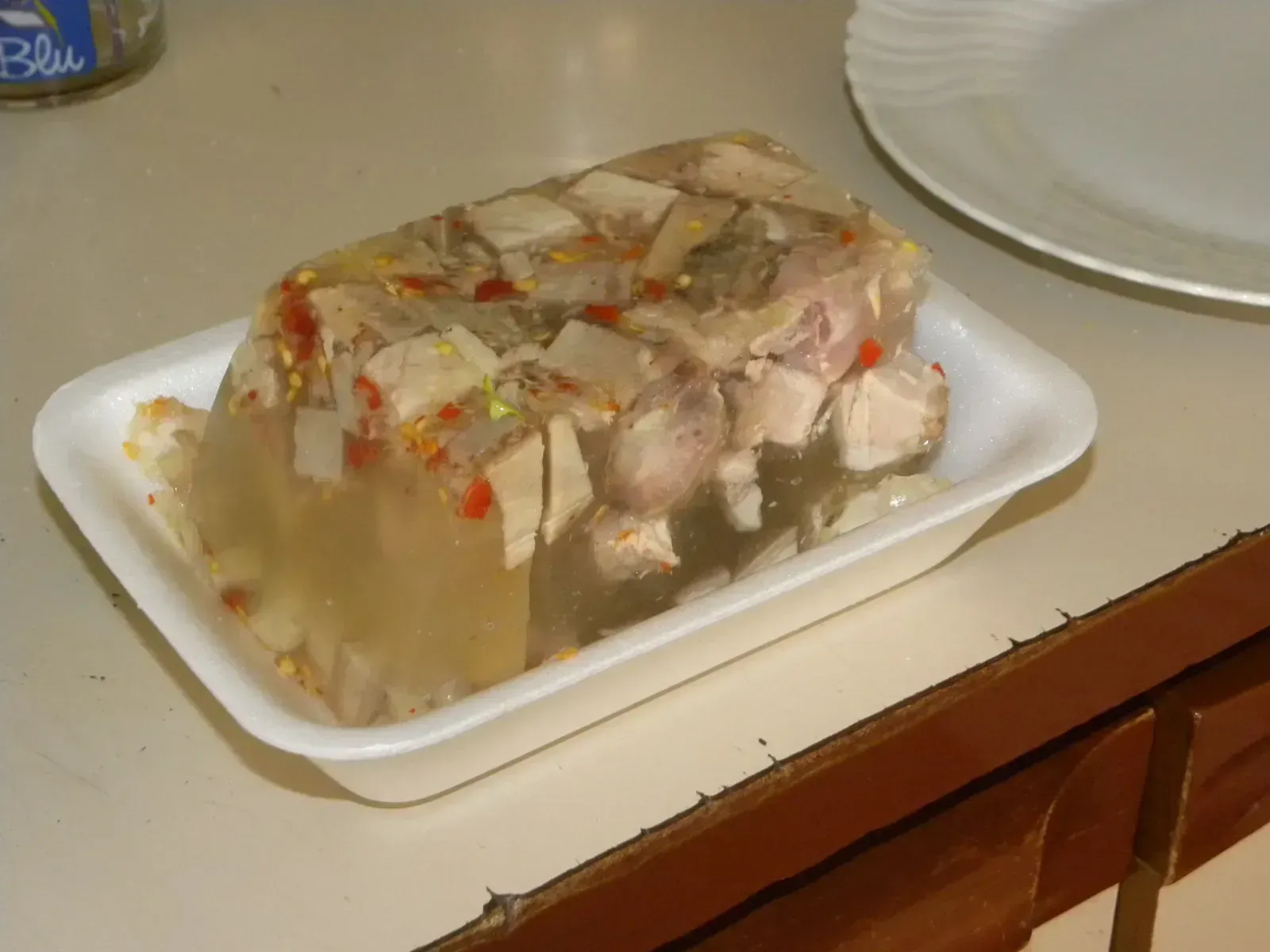
Aspic salads, made with gelatin encasing meats, vegetables or eggs, declined sharply by the 1980s, as food historians note the dish fell out of favor as Americans learned more about foodborne illness risks from improperly chilled gelatin molds, with modern research showing consumers overwhelmingly prefer fresh textures over gelatin-bound savory foods. These elaborate creations once demonstrated a cook’s sophistication and culinary skill.
By the 1950s, meat aspic was a popular dinner staple, and cooks showed off their aesthetic skills by creating inventive aspics. Think about that for a moment – food suspended in wobbly gelatin was considered the height of entertaining elegance. The lengthy preparation, combined with changing aesthetic preferences and food safety concerns, relegated meat aspics to culinary history. What do you think about these vanished dishes? Would you be brave enough to try recreating any of them?