10 Things You’re Legally Not Allowed to Bury in Your Yard (Yet People Still Do)
Most homeowners never think twice about their backyard as a burial site. Maybe it’s an old broken grill, some leftover construction scraps, or a beloved family pet. Seems harmless enough, right? After all, it’s your land.
Honestly, this mindset gets people into more trouble than you’d imagine. Federal, state, and local laws restrict what can legally be buried below your lawn, whether for public health, environmental protection, or land-use control. I know it sounds crazy, but burying the wrong item could land you with hefty fines, mandatory excavation orders, or even criminal charges. Let’s dive into what you absolutely shouldn’t be putting six feet under, even if your neighbors have been doing it for years.
1. Household Hazardous Chemicals
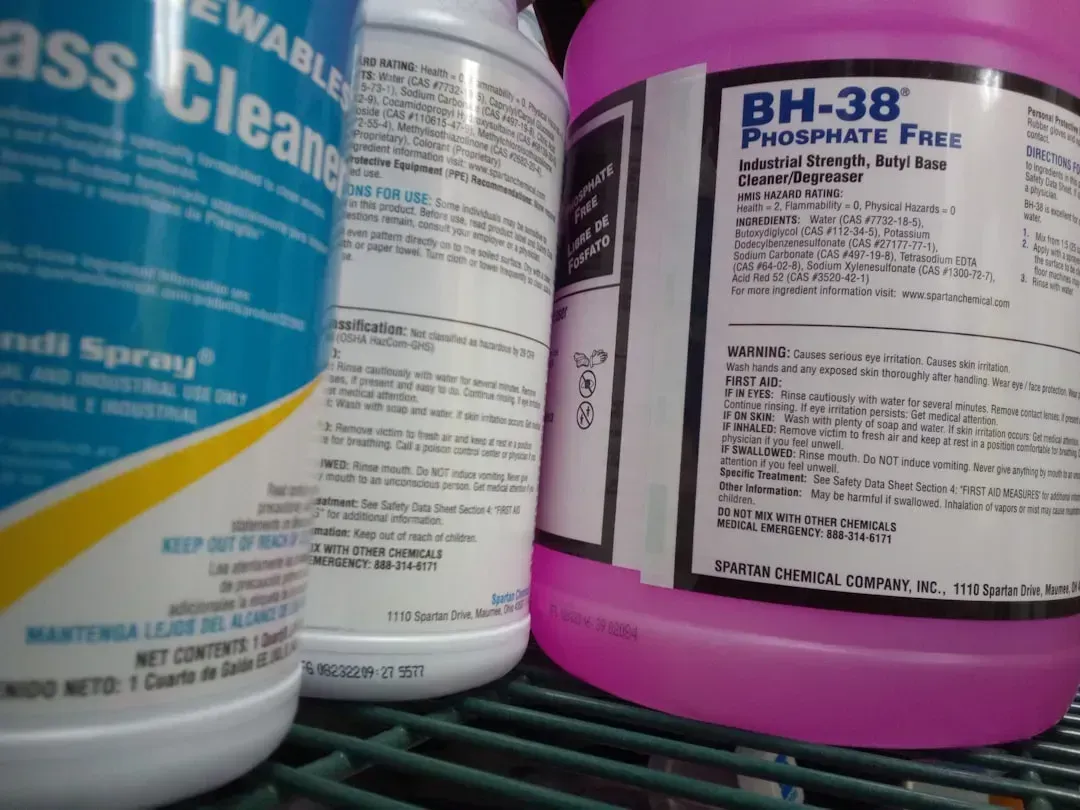
You cannot legally bury toxic home products like used paint thinner, motor oil, pesticides, or solvents in your backyard. Here’s the thing: these aren’t just everyday products once they’re spent. Under environmental regulations, many common household chemicals are classified as hazardous waste and must be taken to proper disposal facilities. Burying them risks soil contamination and groundwater pollution, putting both your property and nearby water sources in danger. Under the EPA’s Land Disposal Restrictions, untreated hazardous waste cannot be disposed of on land due to its high risk to soil and groundwater. Think about your well water or your neighbor’s drinking supply before you dig that hole.
2. Car Batteries and Electronics
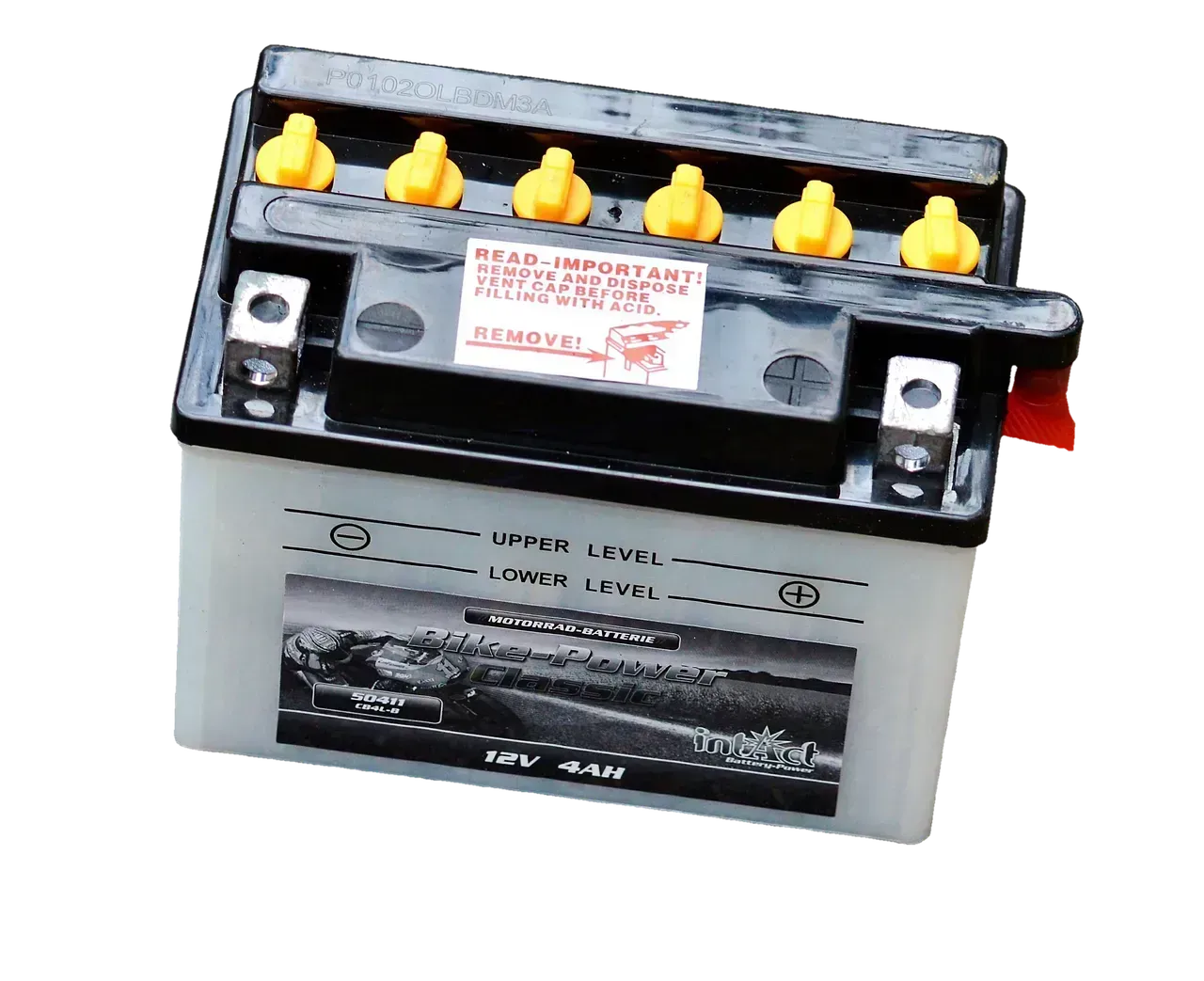
Lead-acid car batteries contain highly toxic heavy metals and acids, and burying them is forbidden in many jurisdictions. The same goes for old phones, laptops, and televisions. Electronic devices often contain hazardous metals like mercury, lead, and cadmium that are known to leach into soil and contaminate groundwater. In New York, the Electronic Equipment Recycling and Reuse Act mandates that manufacturers provide free and convenient recycling options for residents, and tossing e-waste in the trash or the backyard violates these laws and can result in fines. Hazardous waste, including batteries, electronics, or chemicals, is typically banned from backyard burial due to its potent potential for contaminating soil and groundwater.
3. Euthanized Pets
Losing a pet is heartbreaking, and burying them at home feels like a final act of love. Yet it’s not always safe or legal. If your pet was put down with barbiturates such as pentobarbital, burying their body may pose a poisoning risk, and veterinary experts warn that scavengers who dig up remains can be fatally exposed. When pets are put to sleep under veterinary care, their bodies flood with a drug called Sodium pentobarbital, which can stay in a decaying body for up to a year and pose an extreme risk to other pets or wildlife in the area, and if any other animal scavenges the remains, they can be comatose or dead within minutes. Texas requires pet burials to be at least 150 feet from water sources to protect water quality.
4. Human Remains Without Proper Permits
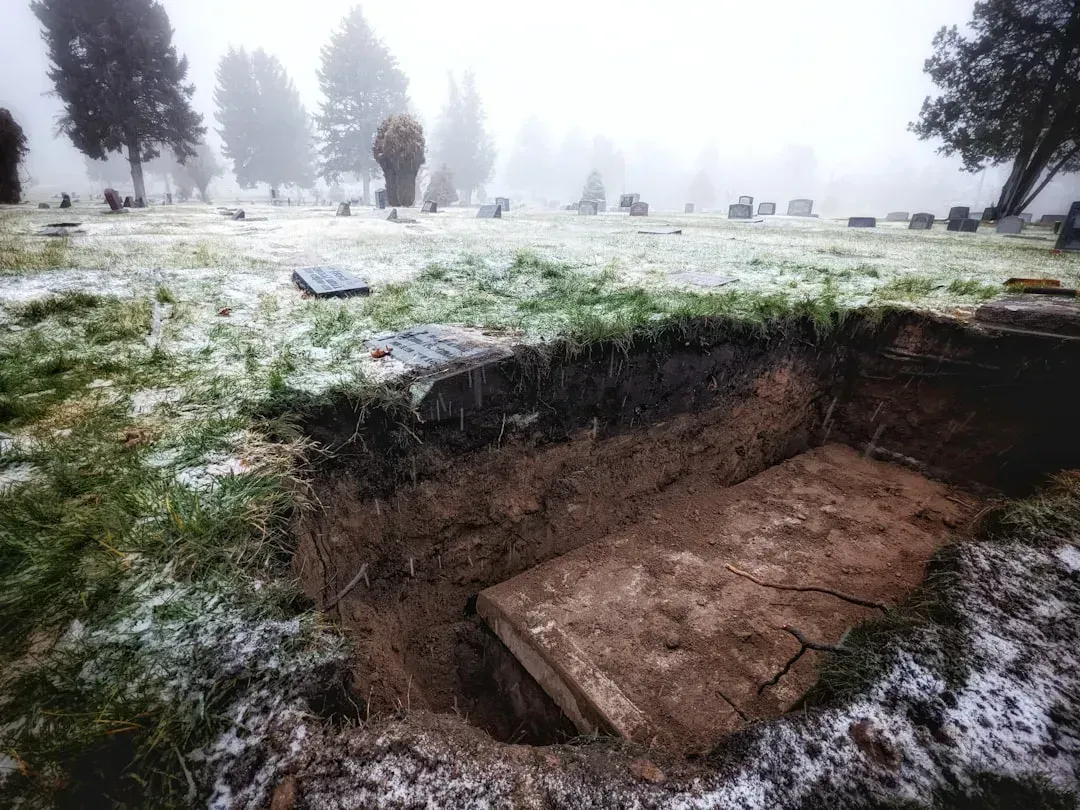
While laws vary, burying human remains or medical waste in residential yards often requires permits, zoning approvals, or may be completely prohibited in many municipalities. Home burial is legal on private property in all 50 states, though it requires permits and compliance with local health and zoning regulations, which can make it challenging in states like California, Indiana, Washington State, and the District of Columbia. Even if your state allows home burials, it’s wise to check with your local zoning board or planning commission, as some states and individual counties have rules about the minimum distance that a burial plot needs to be from bodies of water, electrical lines, other buildings and roads.
5. Prescription Medications

Burying prescription medications in your backyard isn’t just environmentally risky, it’s also against federal guidelines, as under the Resource Conservation and Recovery Act, open dumping of hazardous waste, including pharmaceuticals, is prohibited due to the high soil and groundwater contamination risk. Honestly, it seems like such a minor thing until you realize how many chemicals can seep into your yard. Instead of burying or flushing medications, the DEA’s Take-Back Program offers no questions asked drop-off sites at law enforcement offices and participating pharmacies, ensuring that medications, especially opioids and other high-risk drugs, are incinerated safely and in compliance with federal law. Most communities hold collection events several times a year.
6. Construction and Demolition Debris
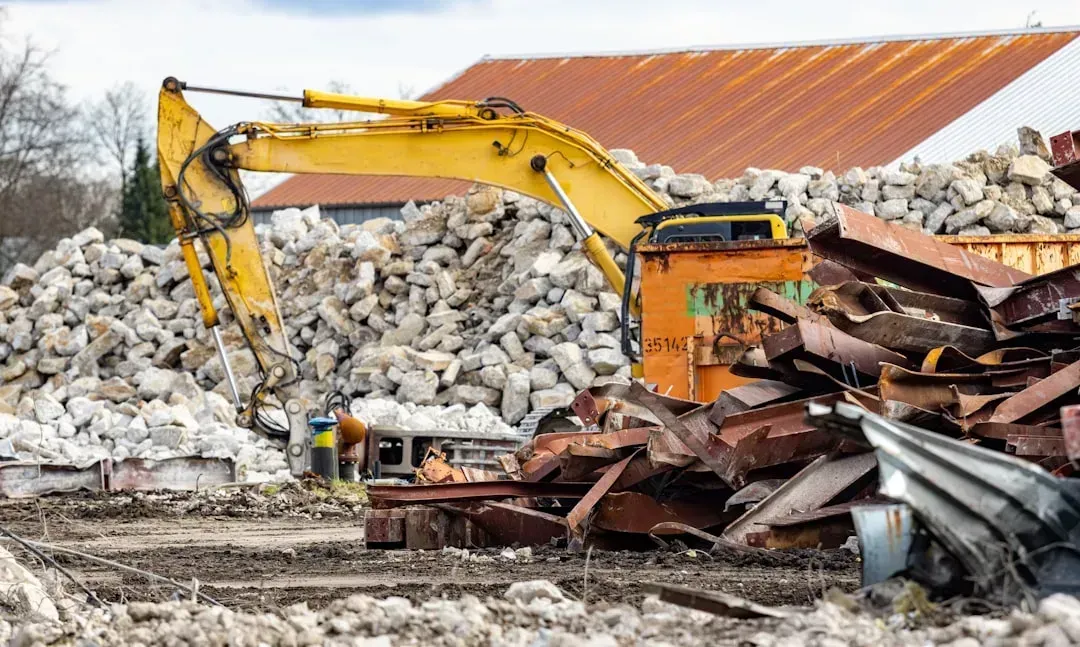
All debris from the demolition of any manmade structure must be disposed of at a licensed construction and demolition debris facility. Old pressure-treated lumber and painted wood are especially risky, and instead of burying them, you should use local recycling programs or construction waste services, as proper disposal protects your yard and your legal standing. Let’s be real: nobody wants to dig up treated wood twenty years from now when you’re replanting the garden. Those chemicals don’t break down like you’d hope, either.
7. Propane Tanks and Fuel Containers
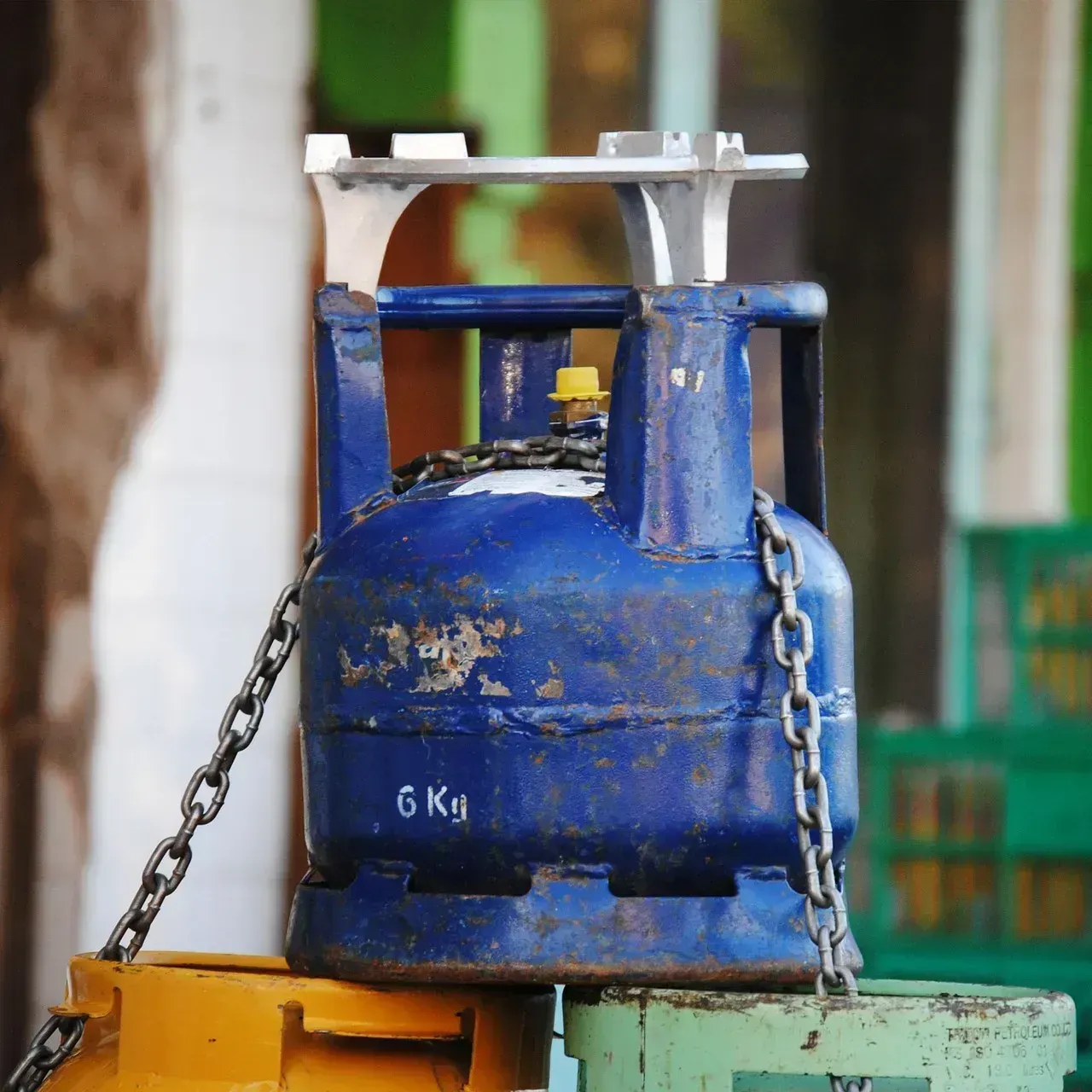
It’s unsafe and often illegal to install a propane tank designed for above ground use under the ground. This is why it is illegal to bury an above-ground propane tank. Installation of an underground tank must be done by a licensed professional, and it is actually illegal to DIY it. Backyard dumping of gasoline or motor oil is a dangerous and costly mistake, as just one quart of used oil can contaminate up to 250,000 gallons of water, and many states, like Texas and New York, penalize illegal dumping with fines up to fifty thousand dollars. Think about that number for a second.
8. Radioactive Materials
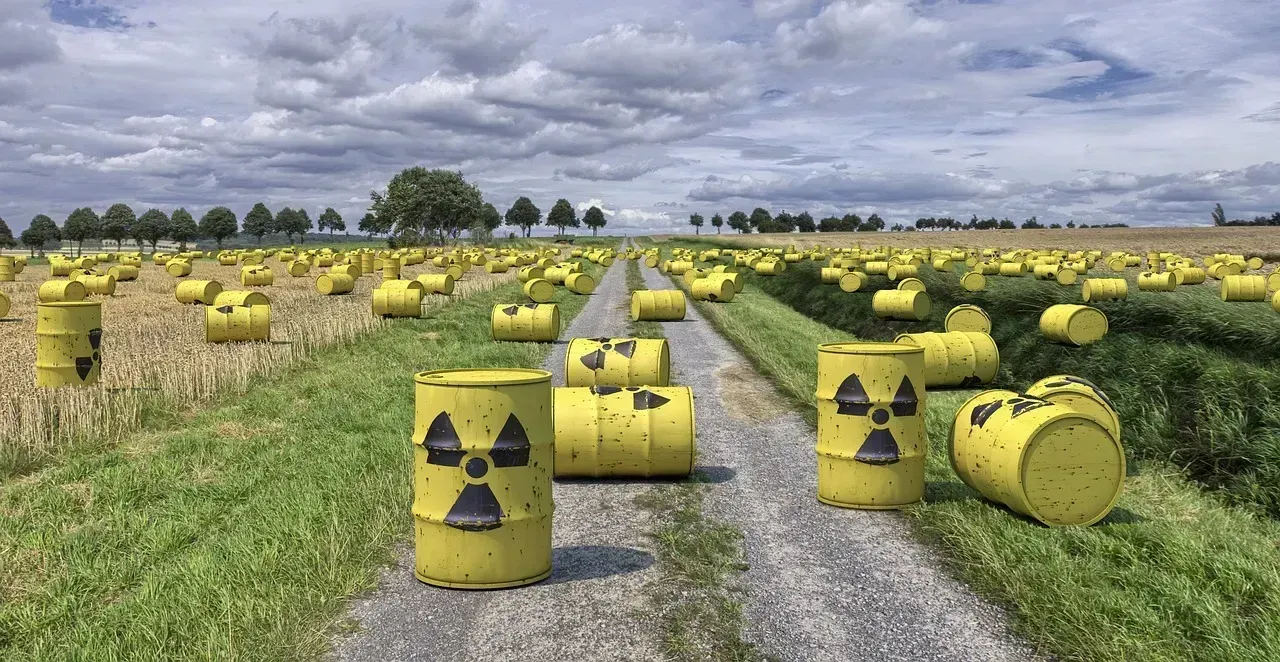
Items contaminated with radioactive isotopes, such as smoke detectors with ionizing elements or medical devices, fall under strict federal and state disposal rules. This includes certain old smoke detectors containing americium-241. I think most people don’t realize that these household items need specialized disposal. Throwing them in the trash is already illegal in many places, and burying them is even worse. Contact your local hazardous waste facility for guidance on proper disposal of any radioactive household items.
9. Treated Wood and Painted Materials
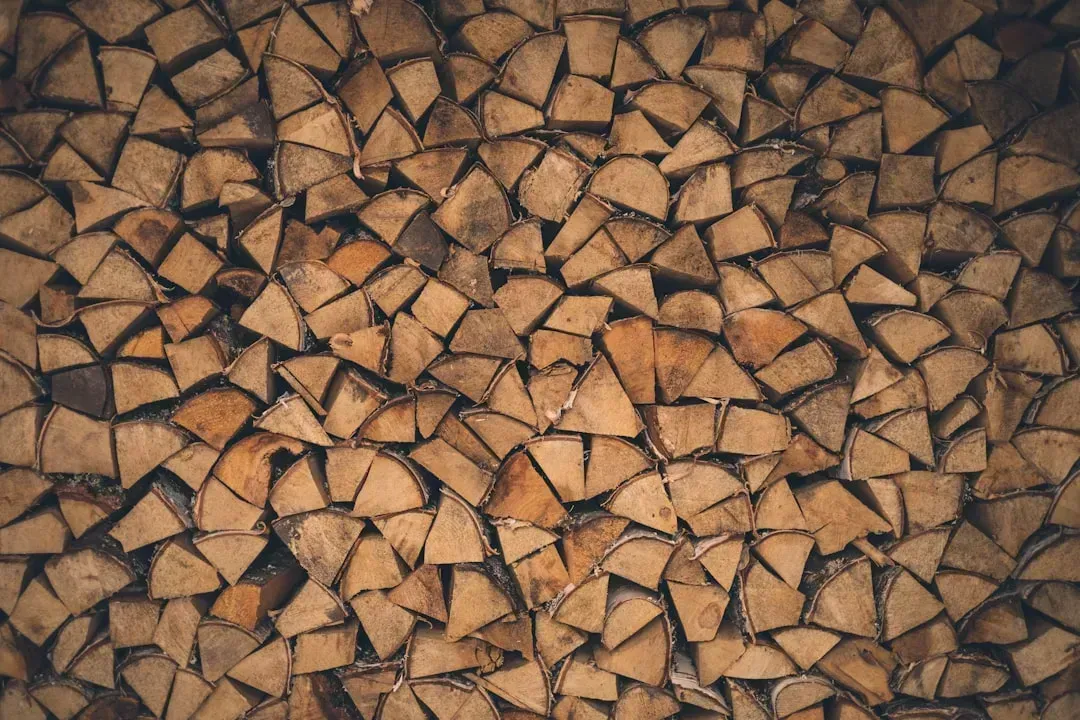
Pressure-treated lumber from old decks and fences contains arsenic and chromium compounds. Old pressure-treated lumber and painted wood are especially risky. Hazardous waste, including batteries, electronics, and chemicals, is typically banned from backyard burial due to its potent potential for contaminating soil and groundwater. Households often generate solid wastes that could technically be hazardous wastes, such as old solvents, paints, pesticides, fertilizer, and poisons, yet it would be impossible to regulate every house in the United States that occasionally throw away a can of paint thinner or a bottle of rat poison, so EPA developed the household waste exemption, under which wastes generated by normal household activities are exempt from the definition of hazardous waste. Still, it’s a bad idea health-wise to bury this stuff where kids or pets might dig.
10. Pet Remains in Prohibited Municipalities
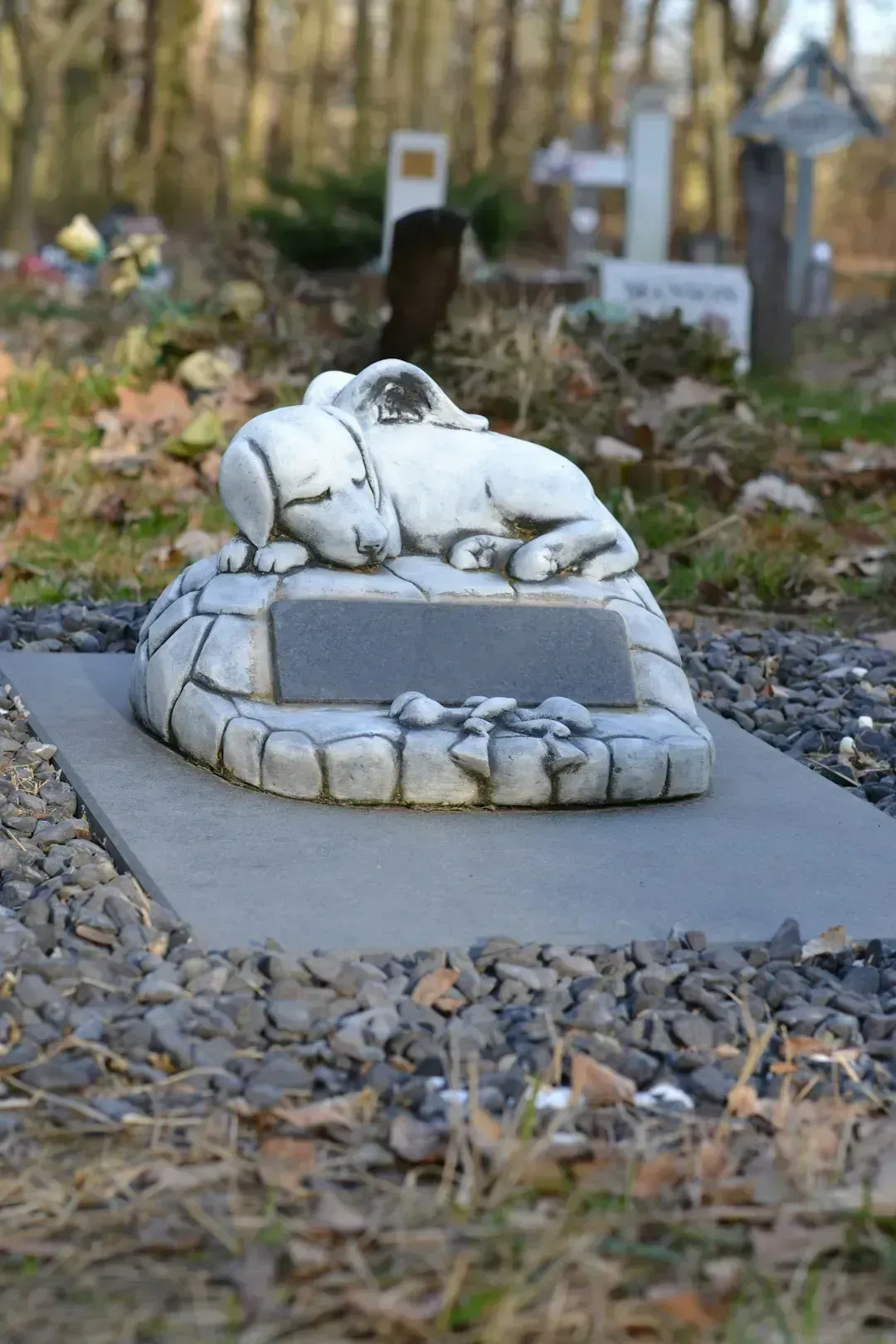
Some cities, like Los Angeles, ban backyard pet burials entirely: No person shall bury an animal or fowl in the City except in an established cemetery. California encourages biodegradable wrapping for pet burials to reduce environmental impact. States like Missouri and Washington now have exact distance rules for pet burial to help avoid problems with neighbors and protect the environment. In North Carolina, pets must be buried at least three feet deep and within 24 hours unless refrigerated, and in Pennsylvania, burial must be at least 100 feet from wells or water sources. Rules change constantly, and urban areas are cracking down harder than ever.
Your backyard might feel like your own private kingdom where anything goes. Reality check: it’s not. The Resource Conservation and Recovery Act, a federal law, regulates the management of hazardous waste, including its disposal, and burying hazardous waste in your yard could potentially violate RCRA and lead to severe penalties, including fines and legal action. Whether it’s expired paint cans, an old cell phone, or even your cherished pet, there are safer, legal ways to handle disposal that protect your family, your neighbors, and the environment. Next time you’re tempted to grab a shovel and make something disappear forever, ask yourself if it’s worth the potential consequences. Did you think all of these would be on the list?