12 Tourist Hotspots Where Visitors Say They Felt Unwelcome
Barcelona, Spain: Water Pistol Protests and Tourist Backlash
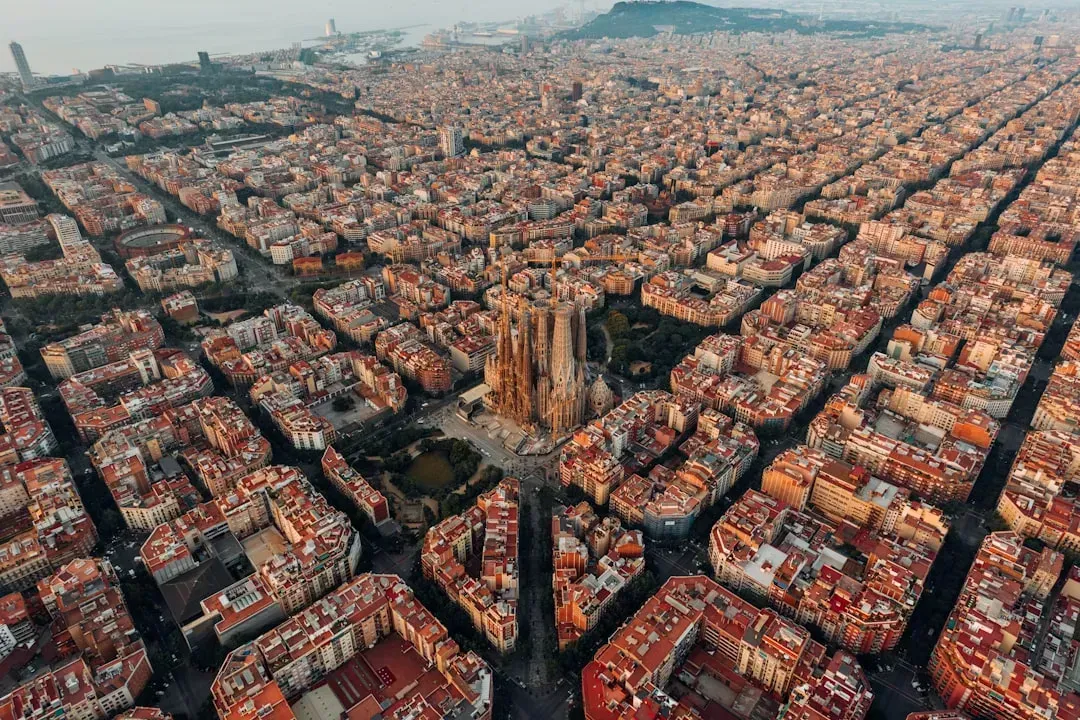
In summer 2024, locals in Barcelona took their frustrations to the streets with toy water pistols, squirting tourists at outdoor cafes as thousands chanted demands for visitors to go home. The scenes captured global attention. Over the course of 2024, 94 million tourists visited Spain, compared to its 48 million population, putting immense pressure on cities like Barcelona.
Over the past decade, rent rose by 68 percent and the cost of buying a house increased by 38 percent, making the city unliveable for locals. Between 2007 and 2019, some areas of the city experienced a 45% decrease in resident population, largely attributed to the influence of Airbnb causing investors to purchase apartments to use as short-term rentals. Though authorities have announced plans to eliminate short term rentals by 2028 and increased tourist taxes, 15.5 million tourists stayed overnight in Barcelona in 2024 – 100,000 less than in 2023, showing only a slight decrease despite the hostile atmosphere.
Venice, Italy: Pay to Enter the City of Canals
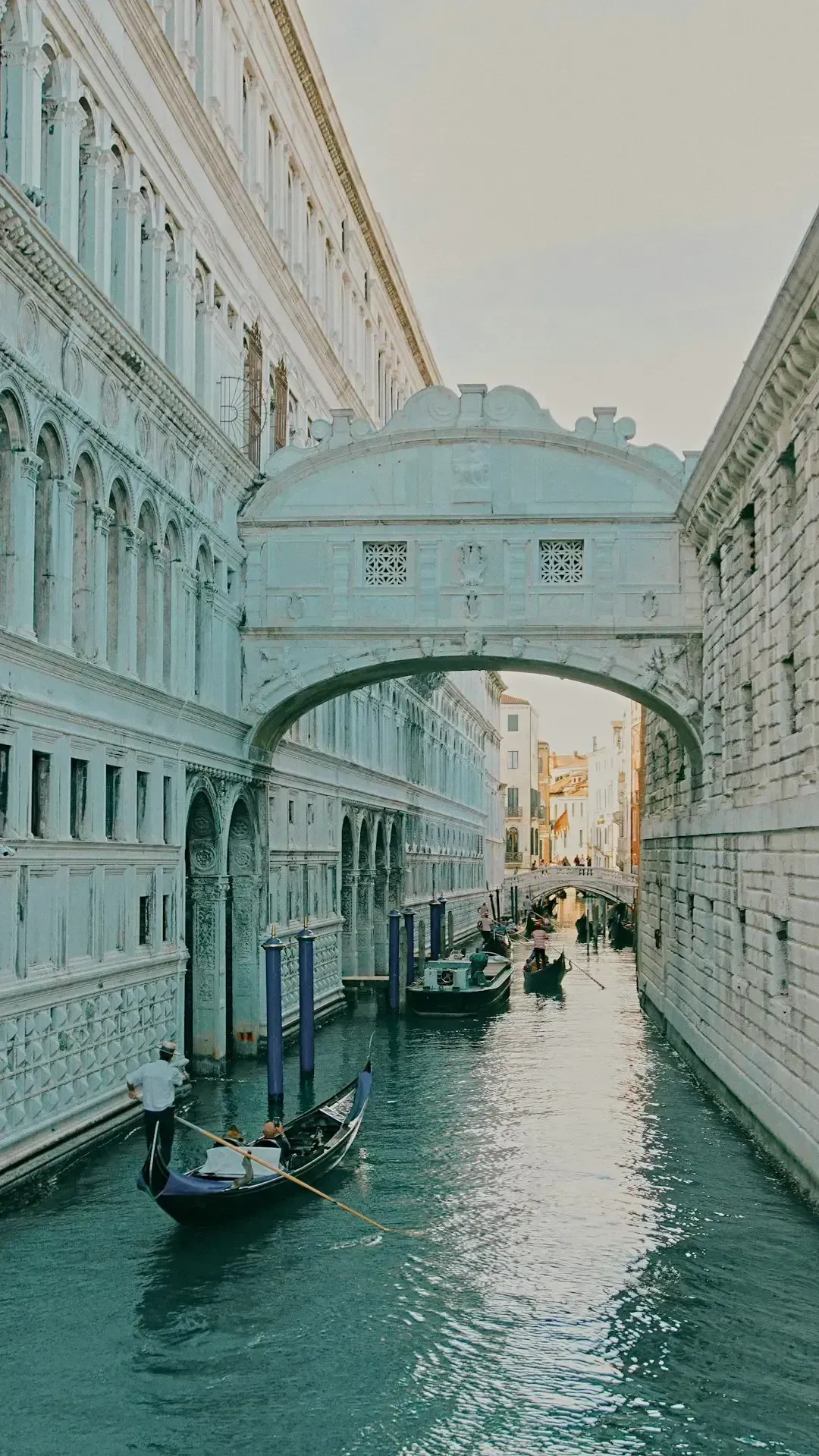
Venice’s highly controversial “Venice Access Fee” launched in 2024, charging day-trippers five euros. Think about that for a moment. You now need to pay just to walk through certain streets of a city. The Italian lagoon city increased the number of restricted days from 29 in 2024 to 54 in 2025, targeting peak travel periods in April, May, June, and July, and raised last-minute ticket prices to an eye-watering 10 euros.
Venice draws over 30 million visitors per year, the vast majority coming only for the day, with the city welcoming up to five times as many visitors per day during peak season as its 50,000 residents. Activists gathered outside the Santa Lucia train station to protest the entrance fee, saying that it did little to dissuade visitors from arriving on peak days, as envisioned. Local opposition remains fierce, with many feeling their city has become a museum rather than a living community.
Kyoto, Japan: Overwhelming Numbers Test Traditional Neighborhoods
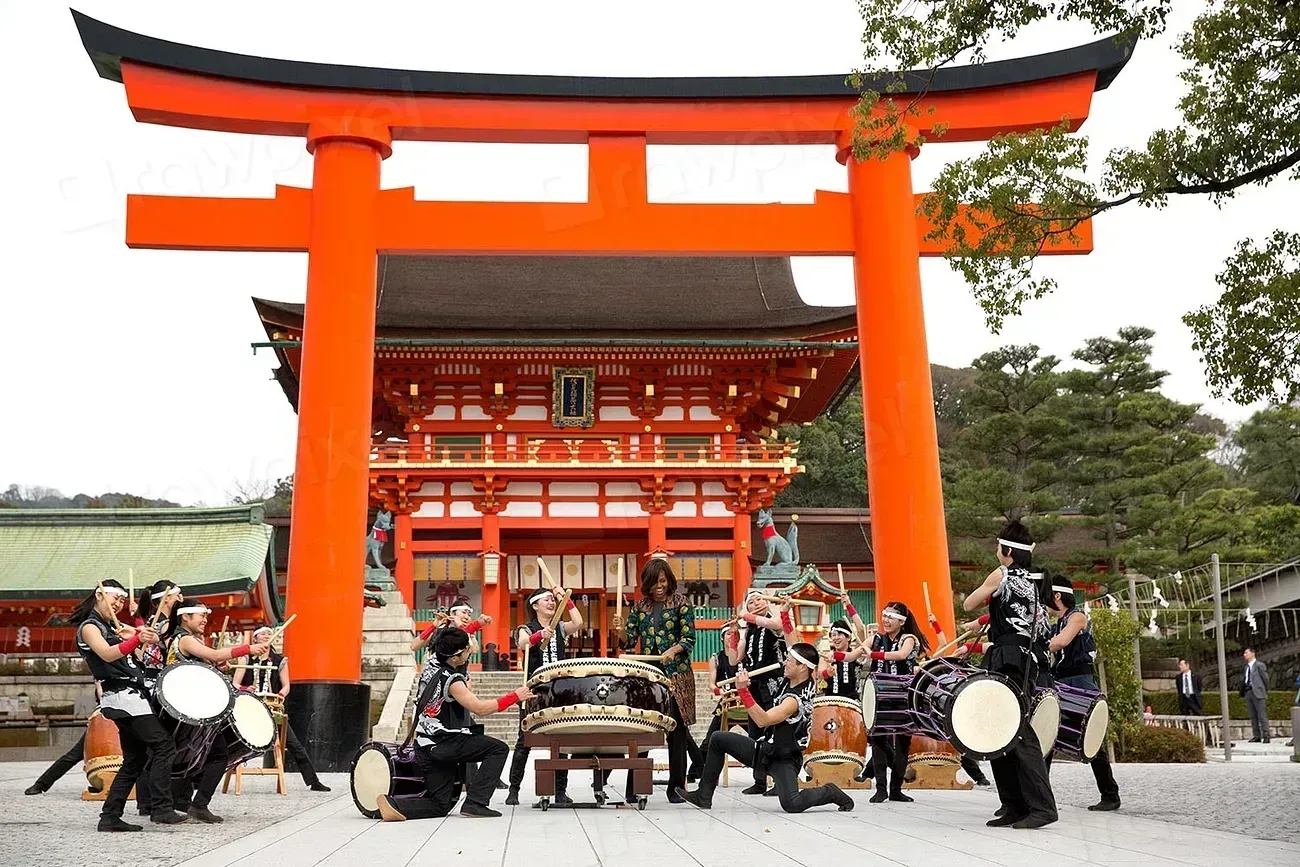
Koji Muramasa was elected as Kyoto’s new mayor after campaigning against overtourism, in a city with a resident population of about 1.5 million that saw more than 20 times that number – about 32 million – of tourists arriving last year. Let that sink in. Twenty times the local population flooding through ancient temples and narrow streets each year.
According to a survey examining congestion in residential and workplace areas, 59.7% of respondents reported that living in traditional neighborhoods has become unbearable for locals dealing with constant crowds seeking the perfect Instagram shot. Picture trying to get to work while dodging selfie sticks in your own neighborhood. Day after day. Kyoto banned tourists from entering private alleys in Gion after locals complained that the neighborhood was “not a theme park”.
Amsterdam, Netherlands: Stay Away Campaign Signals Shifting Attitudes
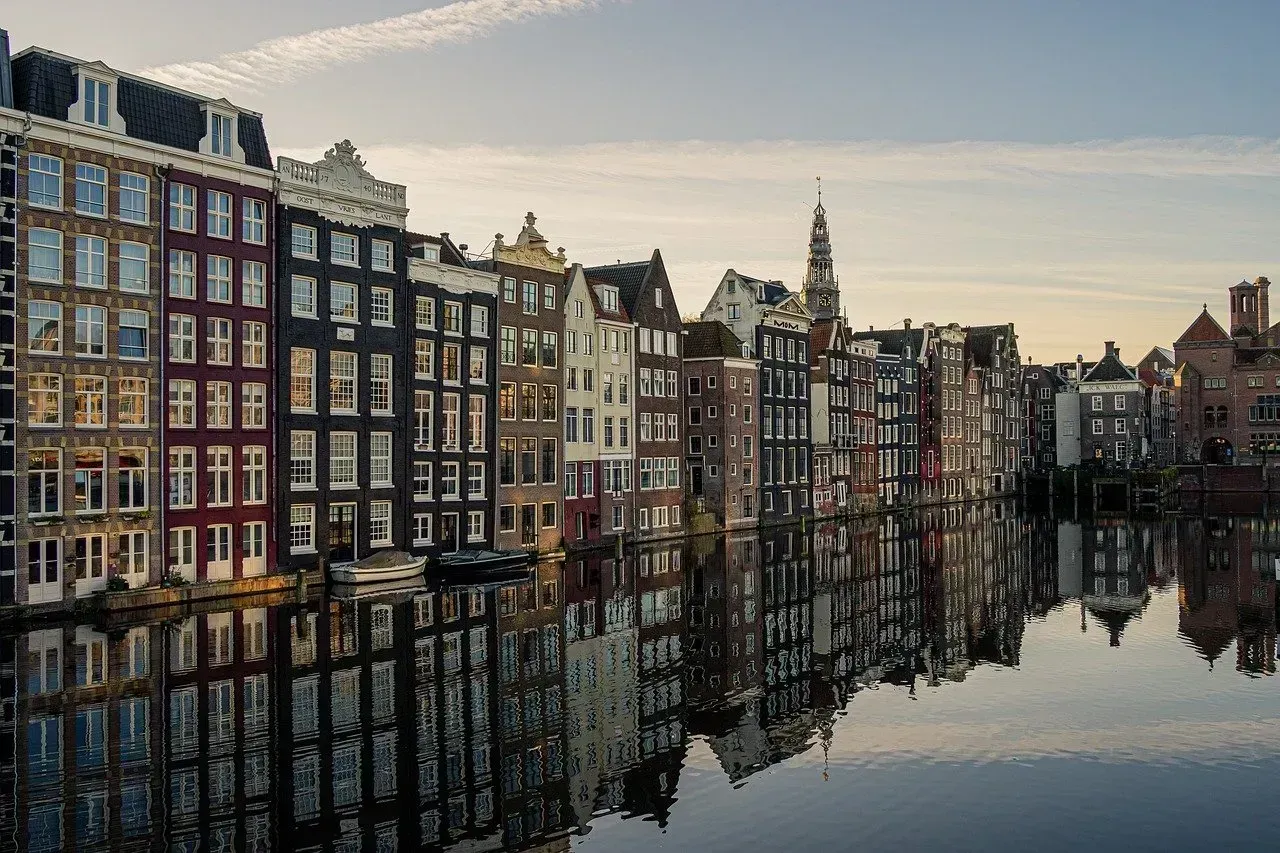
Amsterdam draws around 20 million tourists a year – many of whom are drawn by the city’s liberal drug laws and well-known ‘redlight district’. The city launched an unprecedented “Stay Away” campaign in 2023, directly telling certain tourists they weren’t wanted. The marketing campaign targeting young British tourists with a message to “stay away” if they are only coming for a “messy” weekend has not yielded significant results so far, according to Mayor Femke Halsema, though the campaign expanded to other EU countries in early 2024.
The city doubled down with an online quiz asking questions like “Would you like to explore the city with a spliff/joint in your hand?” and “What famous Dutch products would you like to try? Cocaine?” hoping to point out that many party activities are actually against the rules. It’s hard to say for sure, but this represents a remarkable shift. A major European capital essentially telling visitors to reconsider their trip.
Dubrovnik, Croatia: The Cruise Ship Bottleneck
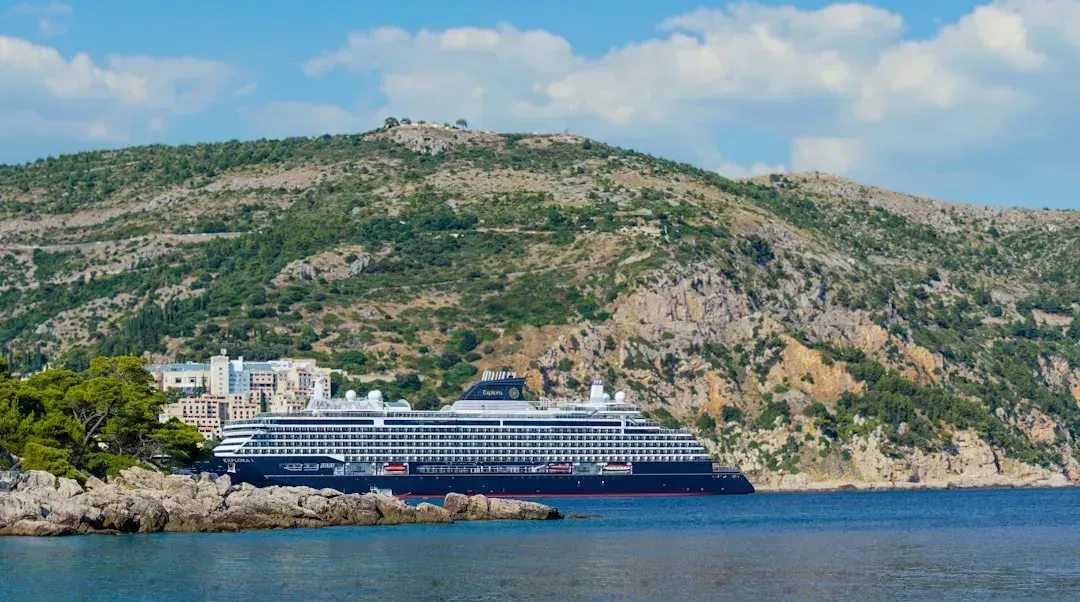
The city’s population is dwarfed by the 4 million annual visitors recorded in 2024, with residents complaining about cruise ships spewing out thousands of tourists a day, turning the Old Town into a bottleneck. The narrow medieval streets simply weren’t designed for modern mass tourism. Daily life has become a struggle, with noise, traffic, and skyrocketing prices driving some families away, though the city has acted by limiting ship arrivals and promoting off-season travel.
Tourists are now greeted with signs urging them to respect local life. The message is clear even if not openly hostile. Locals want their city back from the relentless wave of day trippers who arrive, snap photos at iconic filming locations, then leave without contributing much to the local economy.
Bali, Indonesia: Paradise Buried Under Development
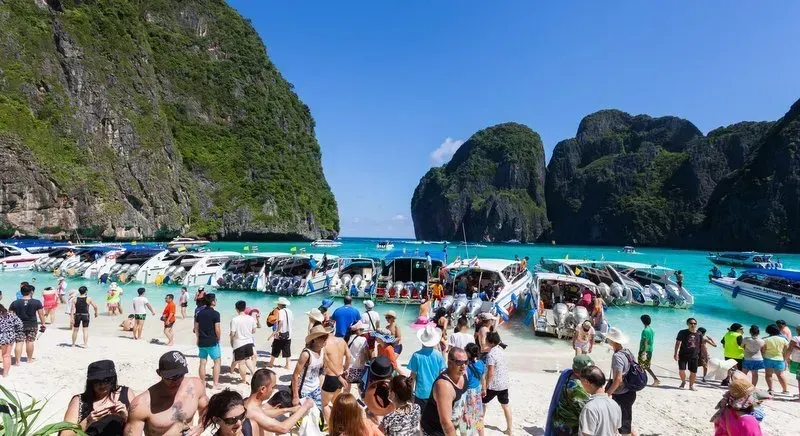
Bali saw approximately 6 million international visitors in 2024, sparking heavy backlash, with locals and grassroots activists protesting the disappearance of sacred paddy fields, illegal construction of resorts, and untreated plastic pollution on beaches. Honestly, the transformation has been heartbreaking for those who remember the island’s quieter days.
Once-pristine beaches like Kuta and Seminyak are now buried under piles of trash, with local waste management systems struggling to keep up, and the Bali Partnership estimates the island generates 1.6 million tons of waste annually, with plastic waste comprising nearly 303,000 tons. The government has responded with a $10 visitor levy, expanded eco-tourism initiatives, and bans on single-use plastics and tourist motorbike rentals, though many locals feel these measures came far too late.
Santorini, Greece: Buckling Under Its Own Beauty
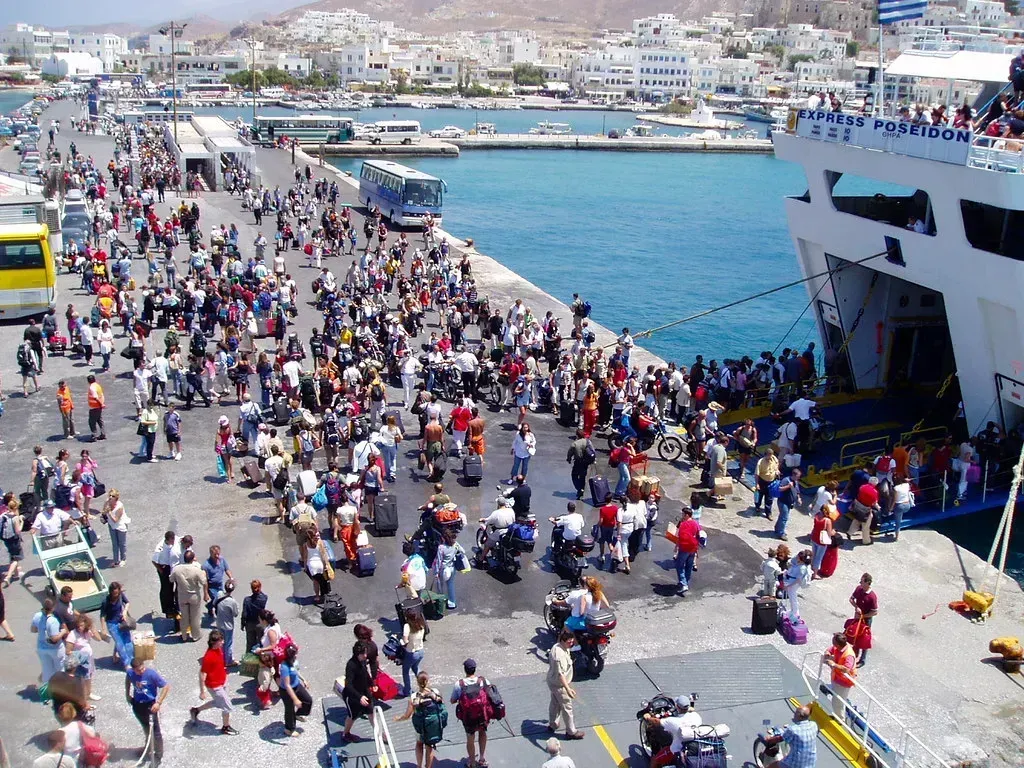
In 2024, more than 2 million tourists descended on the tiny island, overwhelming roads, water supplies, and even the famous sunsets, with locals growing weary of traffic jams and rising property prices. The picturesque whitewashed buildings have become a victim of their own Instagram fame. The influx has transformed sleepy villages into bustling hubs, with many feeling the authentic Greek charm is fading, as authorities now consider restrictions on cruise ship arrivals and encouraging tourists to visit lesser-known villages.
Water shortages have become a serious concern during peak season when the island’s infrastructure simply cannot handle the volume of visitors. Residents face daily struggles to maintain basic quality of life while catering to masses of tourists.
United States: Political Climate Creates Unease
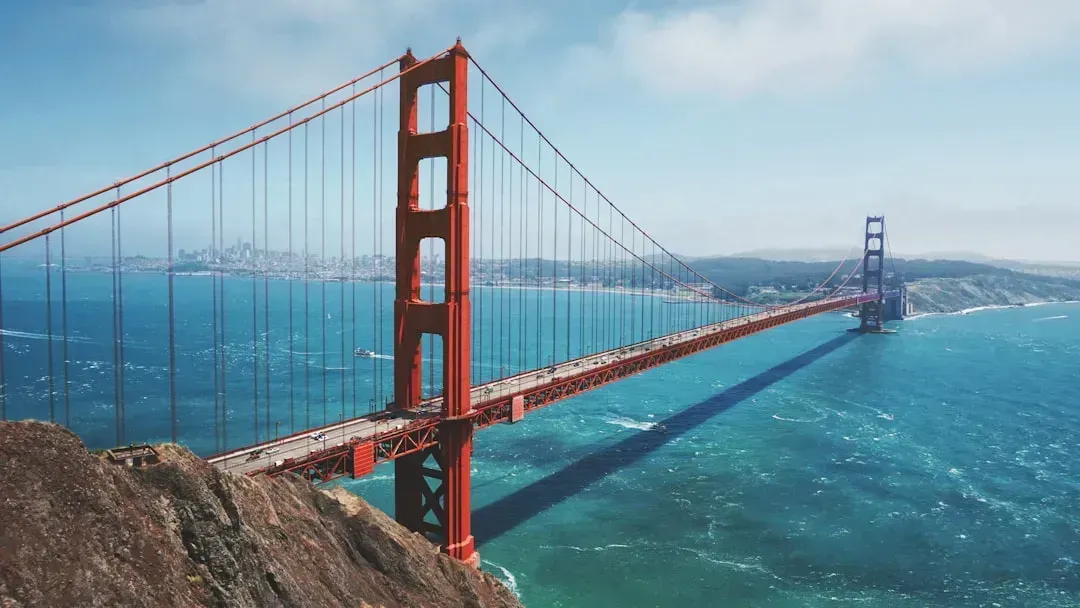
The World Travel & Tourism Council projected ahead of Memorial Day that the U.S. would be the only country among the 184 it studied where foreign visitor spending would fall in 2025, calling it “a clear indicator that the global appeal of the U.S. is slipping”. This is a dramatic reversal for a country that has long dominated global tourism.
Travel experts attribute this to a mix of rising travel costs driven by tariffs, as well as political narratives that many perceive as unwelcoming or hostile to certain communities, with international polling indicating that public opinion in several countries has turned sharply negative toward the US, with approval ratings for visiting the country now at their lowest point in nearly a decade, particularly among European populations. International competitors began pulling out of the world finals of the International Lindy Hop Championships, saying they felt unwelcome, with organizers considering whether to host the annual competition in another country until Trump’s presidency ends.
France: British Tourists Report Cold Shoulders
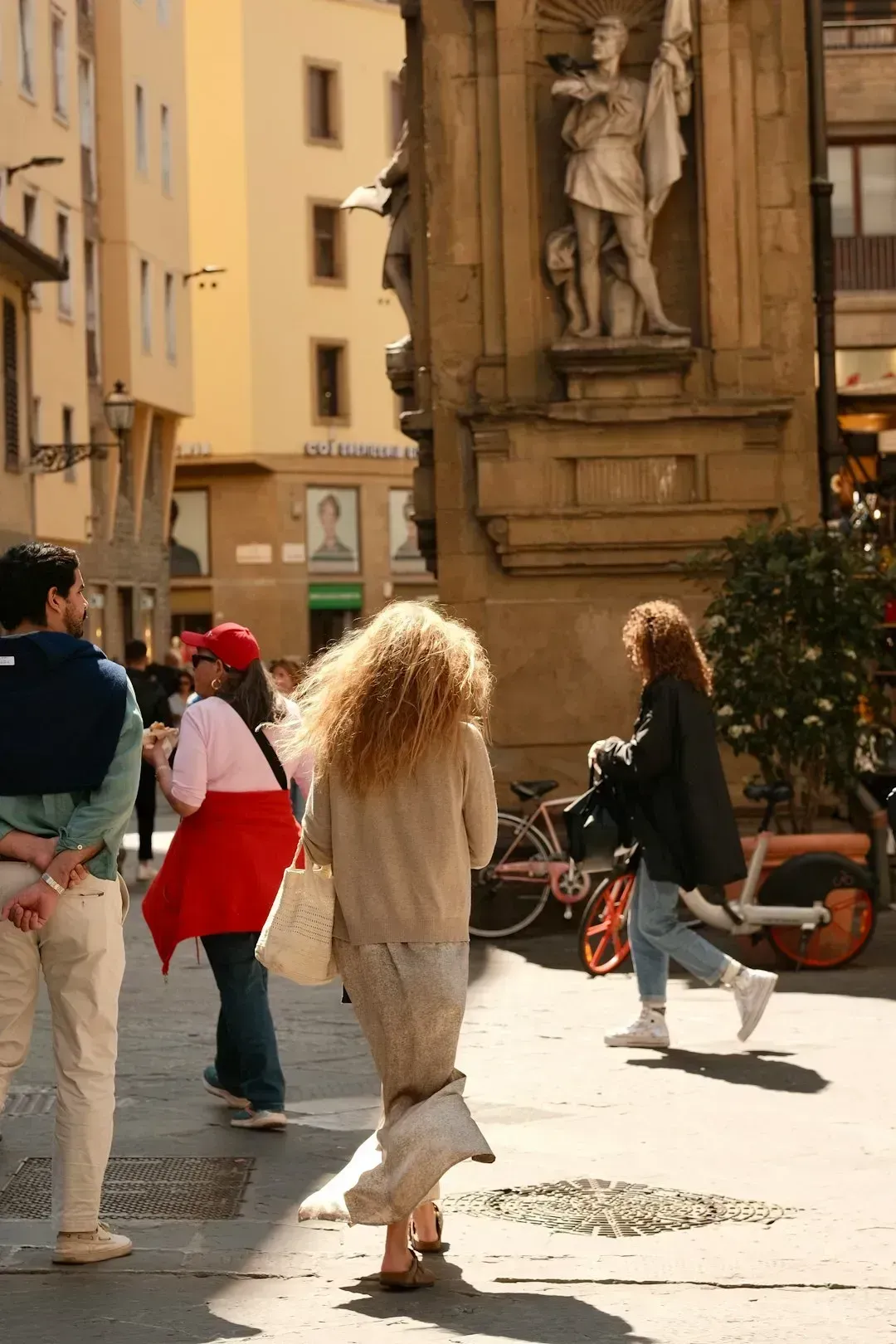
In Spain, nearly half of residents said there were “too many” foreign visitors in their local area; in France, 18 % reported similar concerns. From bustling Parisian cafés to the sun-drenched Riviera, an increasing number of British travellers are recounting experiences of cold shoulders and perceived hostility during holidays in France, with many voices on social media and travel forums claiming they felt unwelcome.
Academics call this Tourismphobia: cross-cultural frustration that sometimes manifests as unfriendliness or even hostility towards visitors, with the problem often not being nationality but volume. Still, the perception remains among British visitors that something has shifted in their welcome across the Channel.
Canary Islands, Spain: Residents at Breaking Point
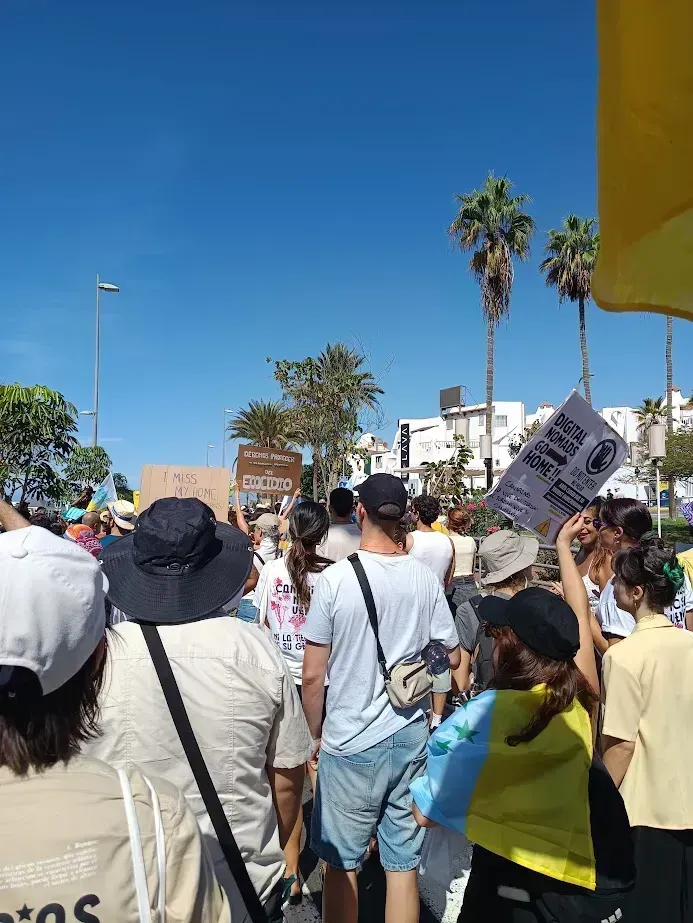
In April 2024, mass protests began in the Canary Islands, with residents calling for a temporary limit on tourism until legislation to combat the negative effects of overtourism could be introduced, with between 20,000 and 50,000 people across the islands taking part in coordinated protests. In the Canary Islands in 2023, a third of residents were at risk of poverty, creating a stark contrast with wealthy tourists arriving by the thousands.
Protestors asked for protection of natural resources, a limit on arriving flights and docking cruise ships, and to regulate non-resident accommodation, citing the escalating living costs, the overuse of resources and public spaces by tourists, and a loss of cultural identity as the island becomes touristified. Eleven members of a protest group went on hunger strike over large luxury accommodation developments on Tenerife, which they also said were illegal, with the group stating they were not against tourism, but of a model of tourism that allows unsustainable growth.
Mallorca, Spain: Locals Block Tour Buses
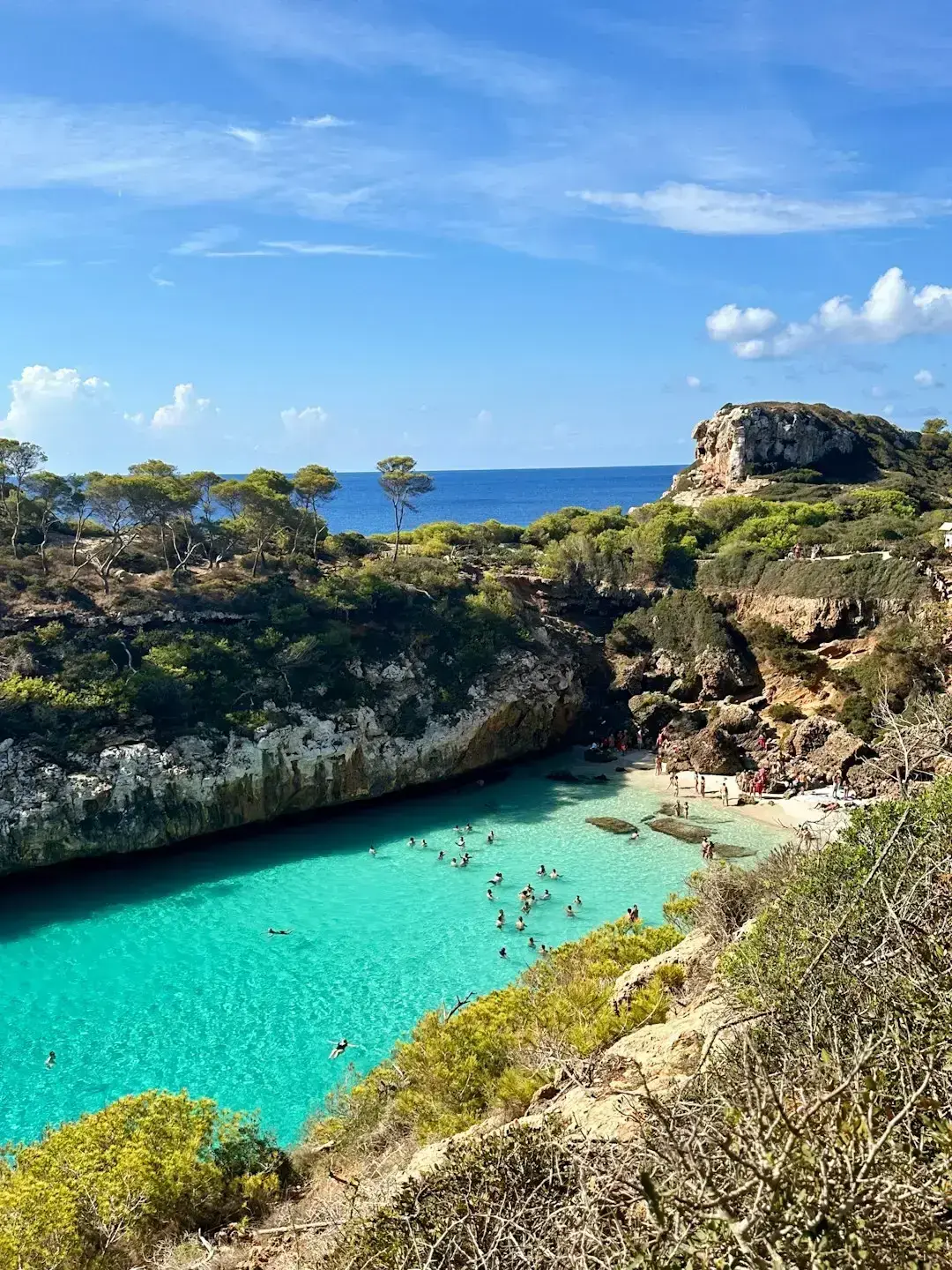
Unlucky tourists who boarded an ill-fated city tour bus to take in the sites of the Spanish island of Majorca endured a long delay when anti-tourism protestors stopped the bus, set off flares, and hung a banner on the side of it. On 26 May 2024, about 10,000 people protested in Palma de Mallorca, the capital of the island of Mallorca.
Protestors in Mallorca called on the government to prevent new residents from buying property and new tourist spots being opened, while in Menorca, residents complained that the island government was ignoring the local concerns even while promoting their streets to tourists, and on Ibiza there were specific concerns about the island becoming a party hot-spot. The frustration isn’t just about numbers. It’s about feeling like your home no longer belongs to you.
Kuwait: Deeply Unwelcoming Atmosphere for Visitors
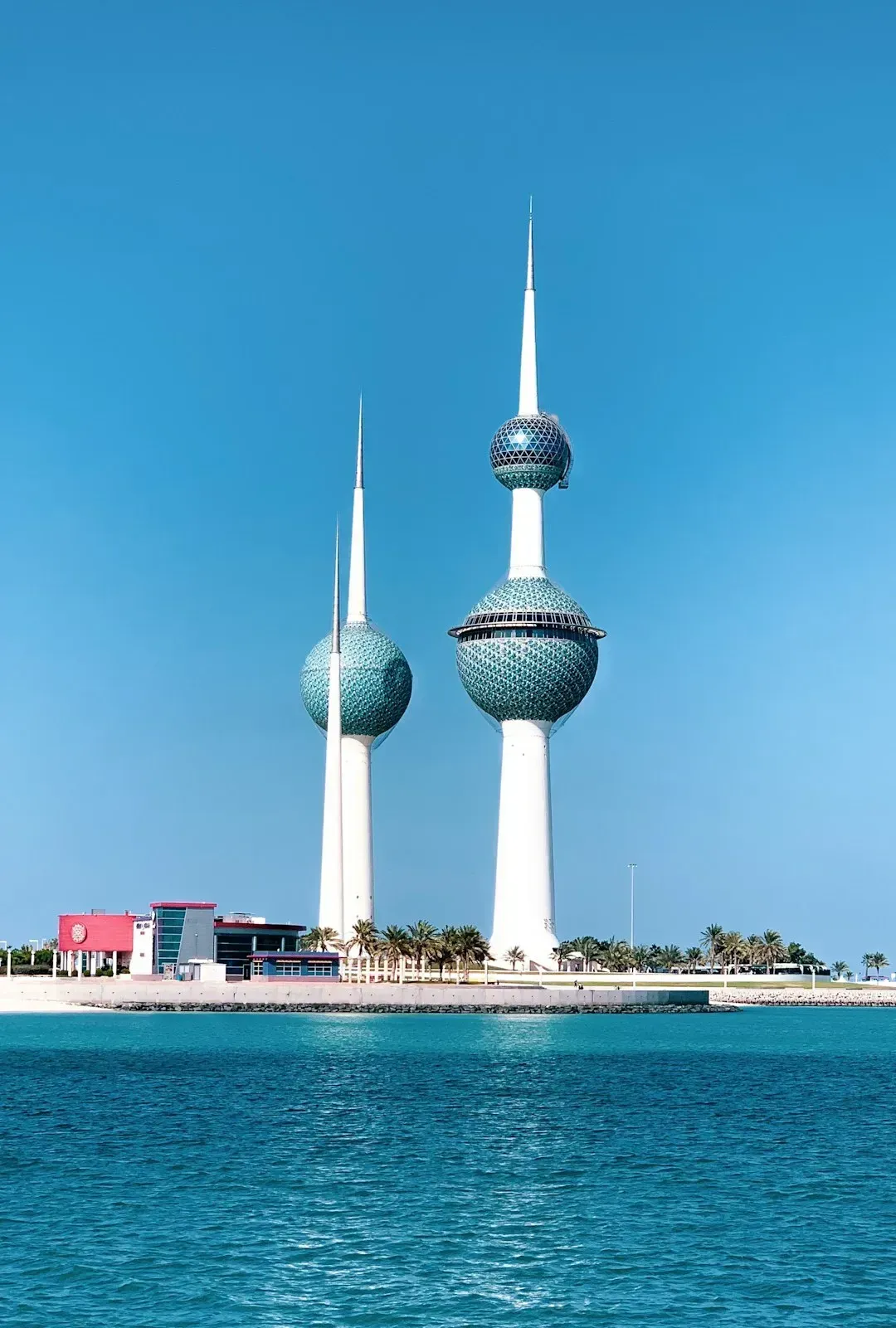
Kuwait consistently ranks among the lowest in global expat surveys, with significantly fewer expats satisfied with their social lives compared to the global average of 52%, with more than half of the respondents describing the locals as highly unwelcoming, as the oil-rich nation’s unwelcoming reputation stems from deep cultural barriers and limited social integration opportunities for foreigners.
The Kuwaiti government doesn’t encourage tourism, as the country already has a high number of foreign workers who make up 60% of the population, creating an environment where visitors often feel like they’re intruding rather than exploring. Unlike other destinations on this list where overtourism drives hostility, Kuwait simply doesn’t position itself as welcoming to outsiders in the first place. The message couldn’t be clearer if they tried.