I Retired – Then Overspent on These 3 Things and Had to Return to Work
Luxury Vehicles and Recreational Toys That Drain Your Retirement

Picture yourself on the first day of retirement, celebrating decades of hard work with that shiny new luxury car you always dreamed about. That feeling lasted about three months for me before reality set in. When having free cash flow is the most important thing, motor homes and cars depreciate, draining your nest egg faster than anticipated. The monthly payment seemed manageable during planning, yet combined with higher insurance premiums and maintenance costs for luxury vehicles, my budget quickly spiraled out of control.
In 2024, more retirees reported their spending is much higher than they can afford, up from 27% in 2022 and 17% in 2020. I became part of that statistic within six months of purchasing an RV and upgrading to a premium sedan. The initial thrill of ownership faded quickly when faced with storage fees, specialty maintenance, and the brutal truth that these assets lose value the moment you drive them off the lot.
Looking back, I should have rented that RV for weekend trips instead of buying one outright. In 2024, 68% of retirees with debt reported having credit card debt outstanding, and I contributed to that figure by financing toys I couldn’t truly afford on a fixed income. The decision to return to work stemmed directly from watching my carefully saved retirement funds evaporate on depreciating assets rather than appreciating investments.
Overly Generous Financial Help to Adult Children

Nothing feels better than helping your kids achieve their dreams, right? I thought paying off my daughter’s student loans and contributing to my son’s down payment would bring me joy without consequences. Instead, it became the second major financial mistake that forced me back into the workforce. Unless you are certain you have the money to spare, avoid giving large monetary gifts or loans after retirement, yet I ignored this wisdom in my eagerness to support my family.
The problem wasn’t the generosity itself but rather the timing and scale. Within eighteen months of retirement, I’d given away nearly one-third of my liquid assets to family members. My children were grateful, but they also had decades ahead to rebuild their finances. I didn’t have that luxury anymore. Your ability to earn more money is severely reduced in retirement, and your adult children are much better equipped than you to recover from financial difficulties.
More than half of workers plan to work in retirement, and many like me discovered this wasn’t entirely voluntary. The emotional burden of watching my savings dwindle while living on Social Security alone became unbearable. I realized too late that securing my own financial future should have taken priority over funding my children’s immediate wants, especially when they had alternative options like loans or delayed purchases.
Premium Home Renovations and Upgrades
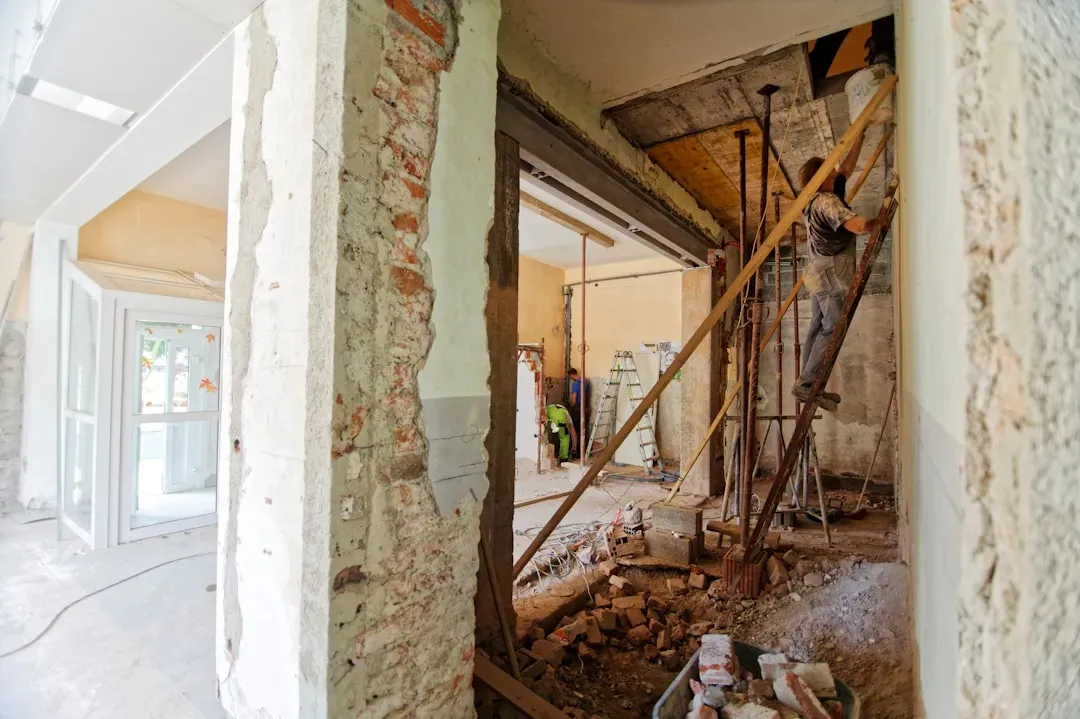
My dream kitchen renovation seemed perfect for retirement. After all, I’d finally have time to cook elaborate meals and entertain guests regularly. The project started modestly but quickly escalated into a complete home makeover costing three times my original budget. You’ll continue spending big on upkeep, maintenance, property taxes, homeowners insurance, and repairs that will eat into your retirement savings, creating a cascade of unexpected expenses I hadn’t properly calculated.
Here’s what nobody tells you about major home improvements in retirement. Each upgrade demands ongoing costs that compound over time. My new high-end appliances required specialized service contracts. The expanded outdoor living space needed seasonal maintenance I couldn’t physically handle myself, forcing me to hire landscapers. Property taxes increased based on the improved home value, and insurance premiums jumped accordingly.
Half of retirees said they saved less than what was needed for retirement given their economic circumstances, and my renovation spending guaranteed I joined that unfortunate majority. The irony wasn’t lost on me when I had to return to work to maintain the very home improvements I’d purchased to enjoy during retirement. The lesson came too late but remains clear: conscious spending differs dramatically from reckless spending, regardless of how much you think you’ve saved.