4 Historical Figures Who Lived With Unusual Phobias, Historians Reveal
Have you ever wondered if the great minds of history wrestled with the same peculiar fears that haunt ordinary people today? Recent scholarly research reveals a fascinating truth that shatters the myth of fearless historical giants. Even the most celebrated figures in human history lived with deeply personal phobias that shaped their daily routines, creative output, and public personas in ways we never imagined.
These discoveries shine new light on the human condition, proving that genius and fear often walk hand in hand throughout the corridors of time.
Salvador Dalí’s Crippling Fear of Grasshoppers
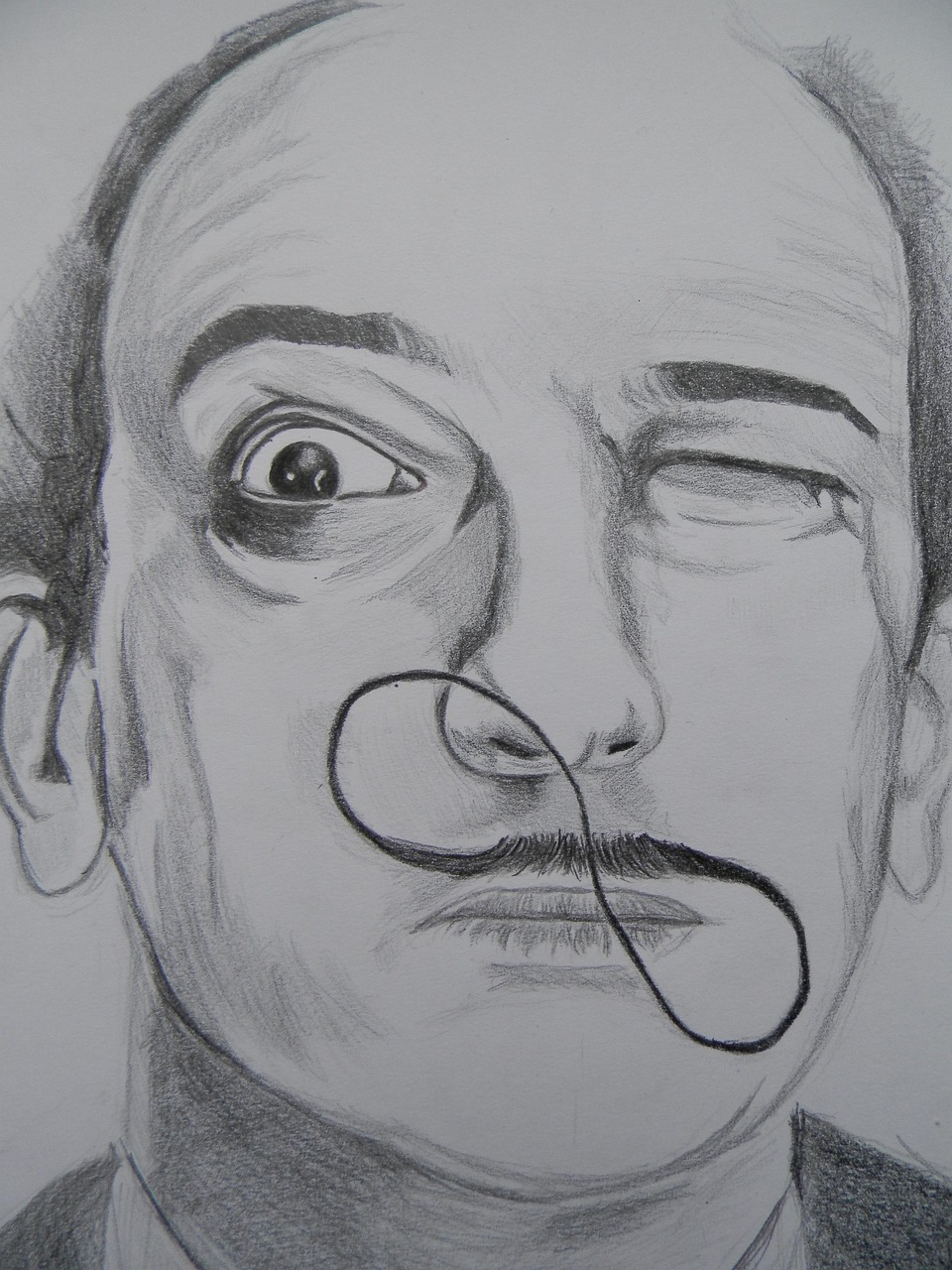
The surrealist master Salvador Dalí harbored one of history’s most documented and peculiar phobias. From an early age, Dali suffered from an acute phobia of grasshoppers. Even as an older man, just the sound of the insects was enough to make him tremble, as several of his contemporaries observed. After noticing that the tiny faces of grasshoppers resembled those of a scary-looking fish he had once caught, Dali was permanently disturbed by them. “I saw them everywhere, even where there were none: a grayish paper, suddenly seen, and looking to me like a grasshopper, would make me utter a shrill cry which delighted everyone …”
He wrote, “I am thirty-seven years old, and the fright which grasshoppers cause me has not diminished since my adolescence. I should say it has perhaps become still greater. Even today, if I were on the edge of a precipice and a large grasshopper sprang upon me and fastened itself to my face, I should prefer to fling myself over the edge rather than endure this frightful ‘thing.'” Art historians note that roughly 10% of Dali’s approximately 1,500 paintings feature insects, including 10 terrifying grasshoppers, 50 paintings filled with ants, and a host of others containing butterflies and flies. The artist transformed his terror into creative fuel, using grasshoppers as symbols of decay and destruction throughout his masterpieces.
Augustus Caesar’s Terror of Thunder and Darkness
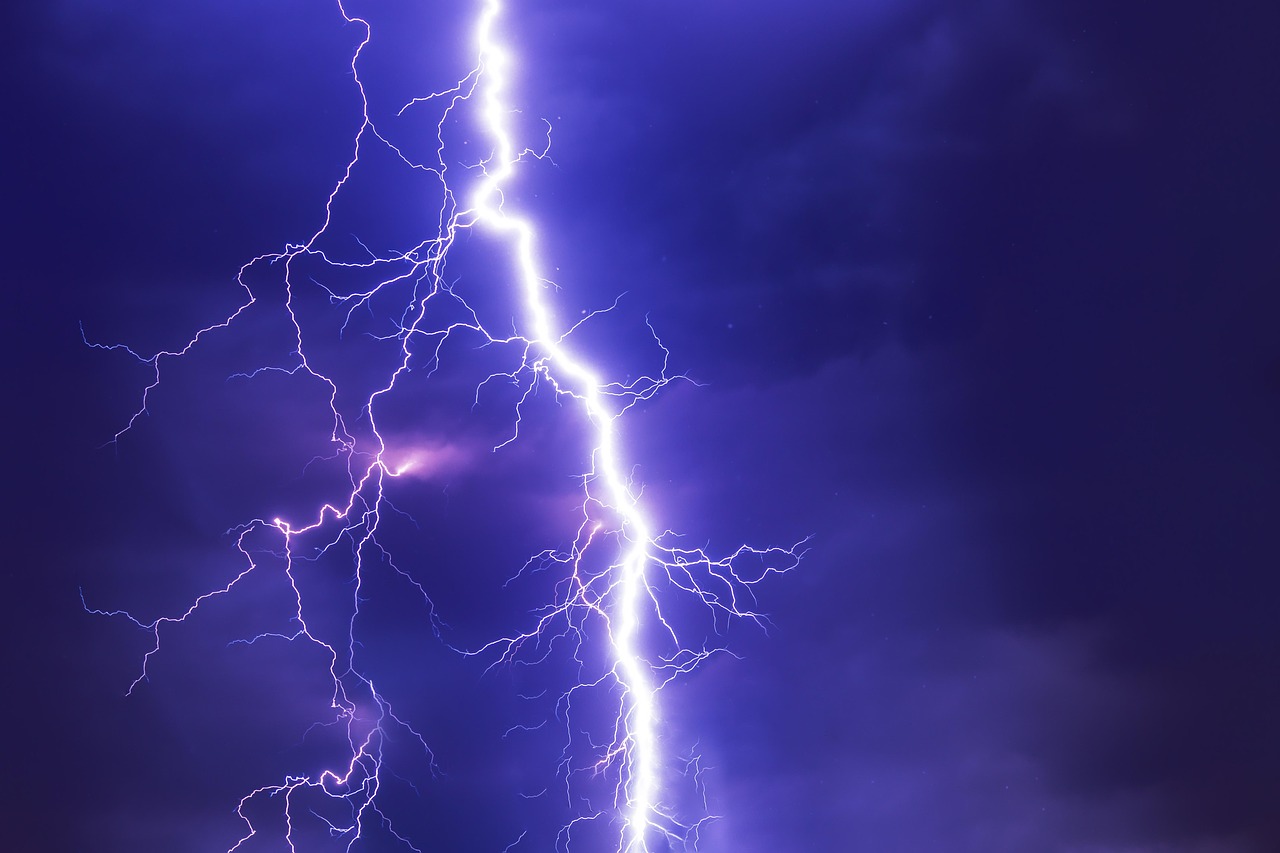
The mighty Roman Emperor who expanded the empire to unprecedented heights lived in constant fear of natural phenomena. According to Roman historian Suetonius, the founder of the Roman Empire was afraid of thunder and lightning. While sitting in a litter at night during the Cantabrian campaign, Augustus Caesar narrowly escaped a bolt of lightning that struck nearby, scorching the litter and killing a slave who was walking ahead with a torch. A fearful and superstitious Augustus quickly had the Temple of Jupiter the Thunderer built to appease the god, but his fear remained with him throughout his life.
Suetonius claims Augustus always carried a piece of seal skin as an amulet for protection. When threatening storms approached, he would take refuge in an underground vault. As well as his fear of storms, Augustus may also have been afraid of the dark. Again, it’s Suetonius who revealed this possible weakness of the great man. Whether or not it was a true phobia, Augustus did almost certainly hate being alone in the dark, and the fear is believed to have gotten worse over the years as his belief that the gods wanted to punish him kept growing. This powerful ruler who commanded legions across continents spent his nights cowering from shadows and seeking comfort in underground chambers.
Peter the Great’s Overwhelming Fear of Insects
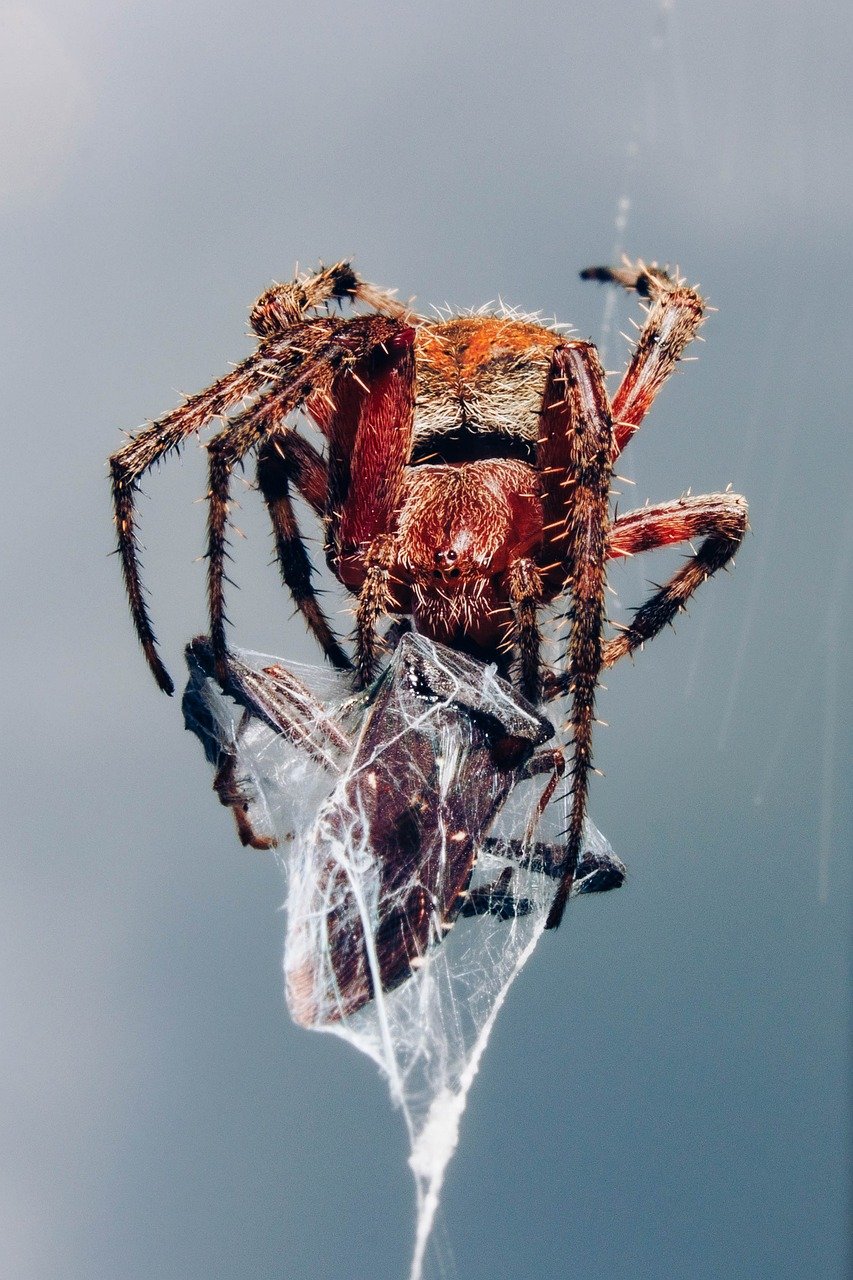
Peter the Great ruled over Russia for 43 years. He was a giant of a man and a powerful ruler. Above all, the Tsar was terrified of insects, and it was a fear he had to confront almost on a daily basis. The irony was particularly striking given his imposing physical presence and military conquests across Europe. Open spaces, bridge crossings, and cockroaches were all terrifying to the Russian tsar, Peter the Great.
Nobody knows where Peter’s great hatred for creepy-crawlies originated, whether it was from childhood trauma or started during the tour of Europe he undertook as a young man. This towering figure of Russian history, who modernized an entire nation and defeated the Swedish Empire, would reportedly flee at the sight of even the smallest bug. His courtiers learned to carefully inspect rooms before the Tsar entered, ensuring no insects could trigger his paralyzing fear.
Nikola Tesla’s Extreme Germaphobia and Obsessive Rituals
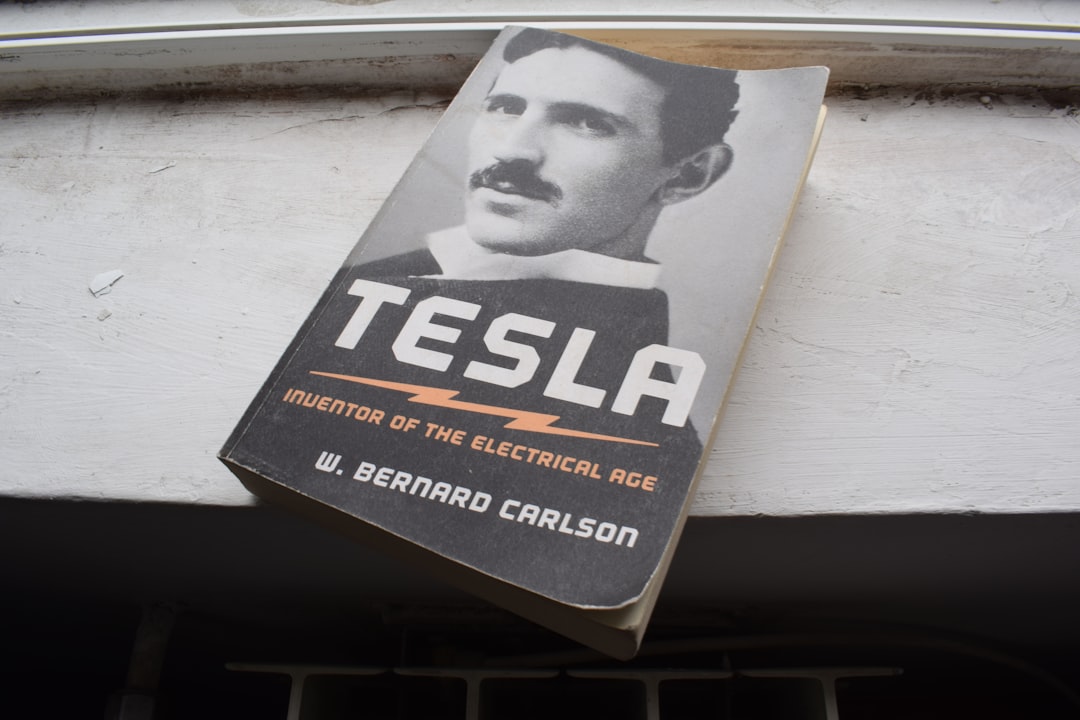
The brilliant inventor and electrical engineer Nikola Tesla was known for his eccentric behavior and germophobic tendencies. He had horrible germ phobia. He couldn’t stand the idea of touching human hair. I don’t like to use the term obsessive compulsive, but he was. He had a lot of restrictions keeping him away from actual humans. Prone to idiosyncratic behavior, Tesla’s fear of germs began after he observed through a microscope the many microscopic creatures found in normal drinking water. About the experience Tesla would later write to Robert Underwood Johnson: “If you would watch only for a few minutes the horrible creatures, hairy and ugly beyond anything you can conceive, tearing each other up with the juices diffusing throughout the water – you would never again drink a drop of unboiled or unsterilized water.”
Before eating he would use one of his required 18 napkins* to gently wipe the germs off of each piece of silverware, china and glassware. He commonly wore soft leather gloves and refused to shake hands with anyone. On the rare occasions that he was unable to avoid a handshake he would quickly excuse himself and rush off to the washroom to cleanse the offending germs off his hand. Tesla’s phobia of germs grew, and he did not want anyone to get within a few feet of him. The man whose inventions illuminate our modern world lived his final years in near-total isolation, terrorized by invisible threats that existed only in his brilliant but troubled mind.