9 Popular Foods You Should Never Refrigerate – Yet Many People Still Do
Walking through grocery stores, most of us follow a simple rule: if it’s cold there, it goes cold at home. But this logic can actually ruin some of your favorite foods. Cold storage is a necessity for many foods, but the chilly air of the fridge can have a negative effect on some healthy favorites. Keep these foods at their best by keeping them out of the fridge.
Many common household items lose flavor, texture, and even nutritional value when stored incorrectly. Fresh produce loses vitamins over time during refrigerated storage. Consumers’ assumption that fresh produce has much more nutritional value than frozen is incorrect. Let’s explore which popular foods deserve a spot on your counter, not in your refrigerator.
Potatoes Transform Into Dangerous Territory
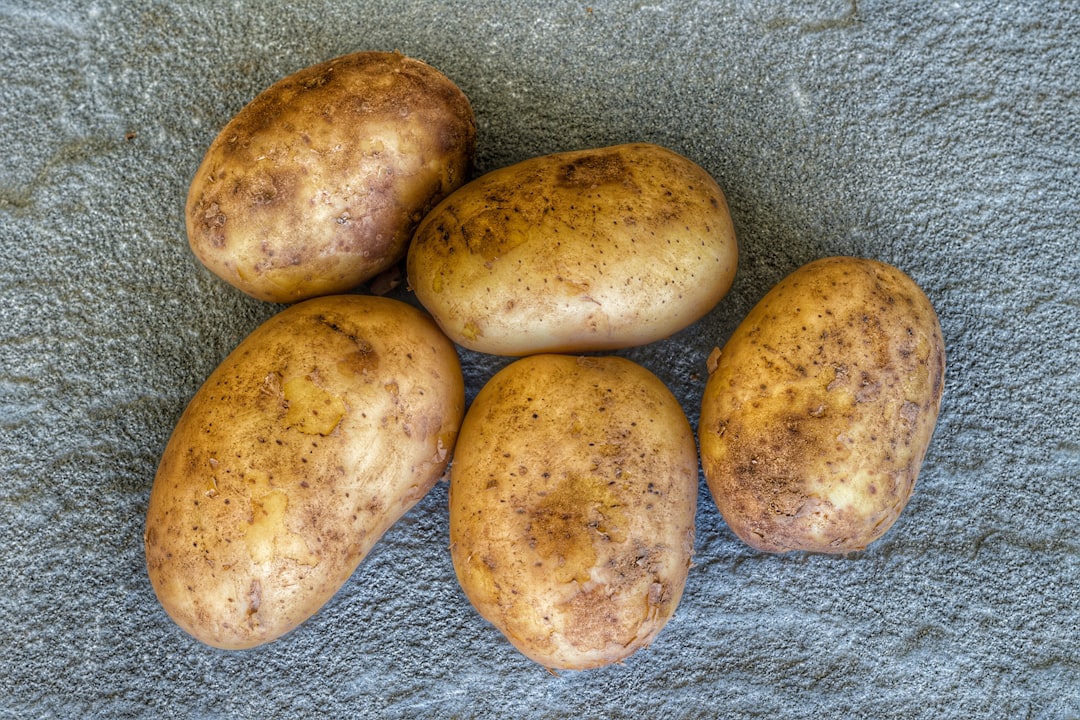
The fridge is much too cold for the potato, and a few different things can happen if you refrigerate raw potatoes. When the potato is too cold, it begins converting starches into sugars; this leads to discoloration of the potato’s exterior as well as a notably off-putting texture. This isn’t just about taste. Some research indicates that storing potatoes in a refrigerator also leads to the release of acrylamide during the cooking process. This chemical is known to the Food and Drug Administration to cause cancer in lab animals.
Recent research from 2024 reveals the science behind this dangerous transformation. Cold-induced sweetening is responsible for the formation of acrylamide, a compound produced during cooking at high temperatures. Acrylamide is considered a carcinogenic and has attracted much attention from both consumers and regulators. Therefore, store potatoes outside the refrigerator, preferably in a dark, cool place, such as a closet or a pantry, to prevent sprouting.
Tomatoes Lose Their Summer Magic
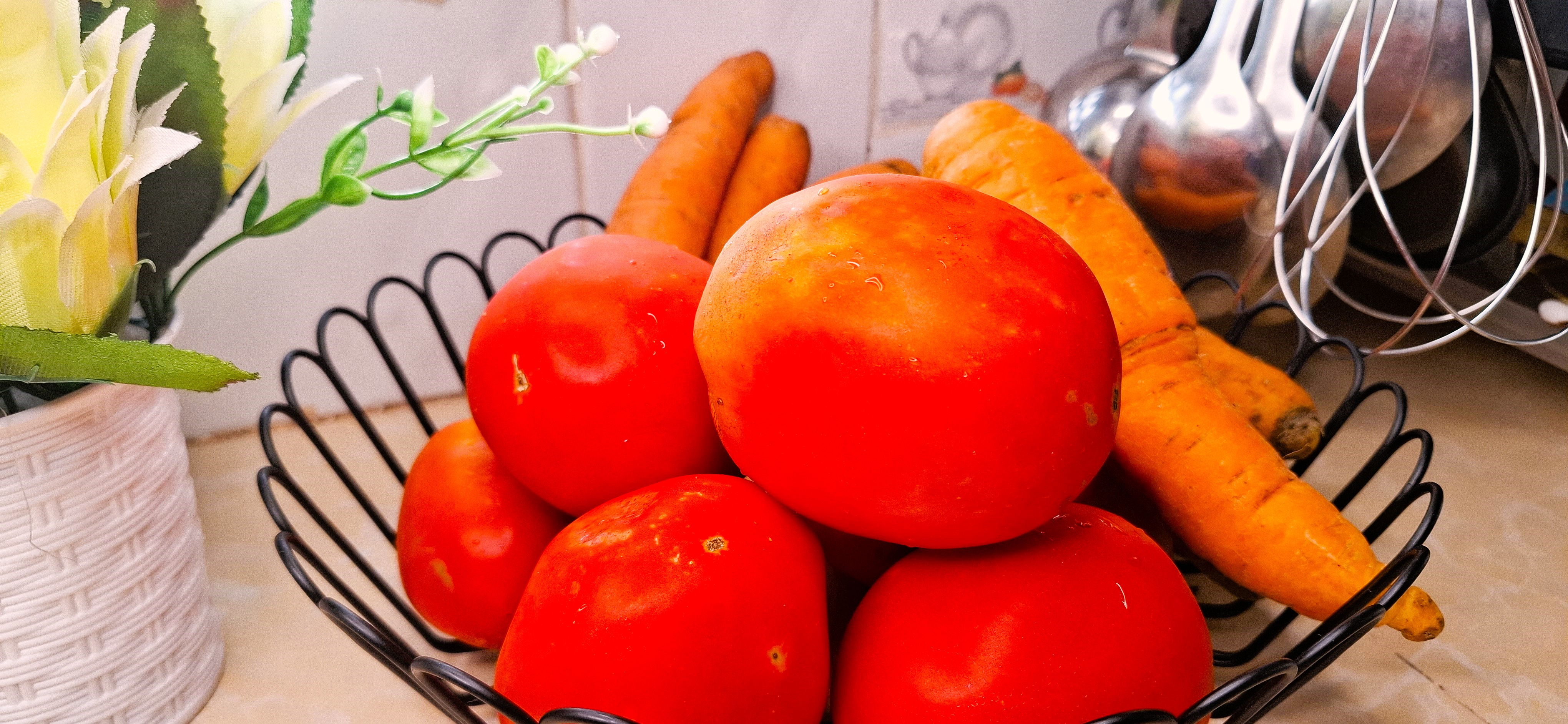
Keep your tomatoes juicy, tasty and ready for your next Tomato and Ricotta Pizza by storing them at room temperature rather than in the fridge. The science backs this up completely. The countertop, not the fridge, is the best spot for this summertime bit of goodness. The cold temps in a fridge mess with the deliciousness of their texture.
Keeping tomatoes in the refrigerator affects their taste. Store your tomatoes in a cool, dry place to help them retain their freshness and juiciness. Tomatoes stored outside are also flavorful. The cold essentially stops the ripening process that creates those complex flavors we love in a perfect tomato.
Honey Crystallizes Into Rocky Chunks
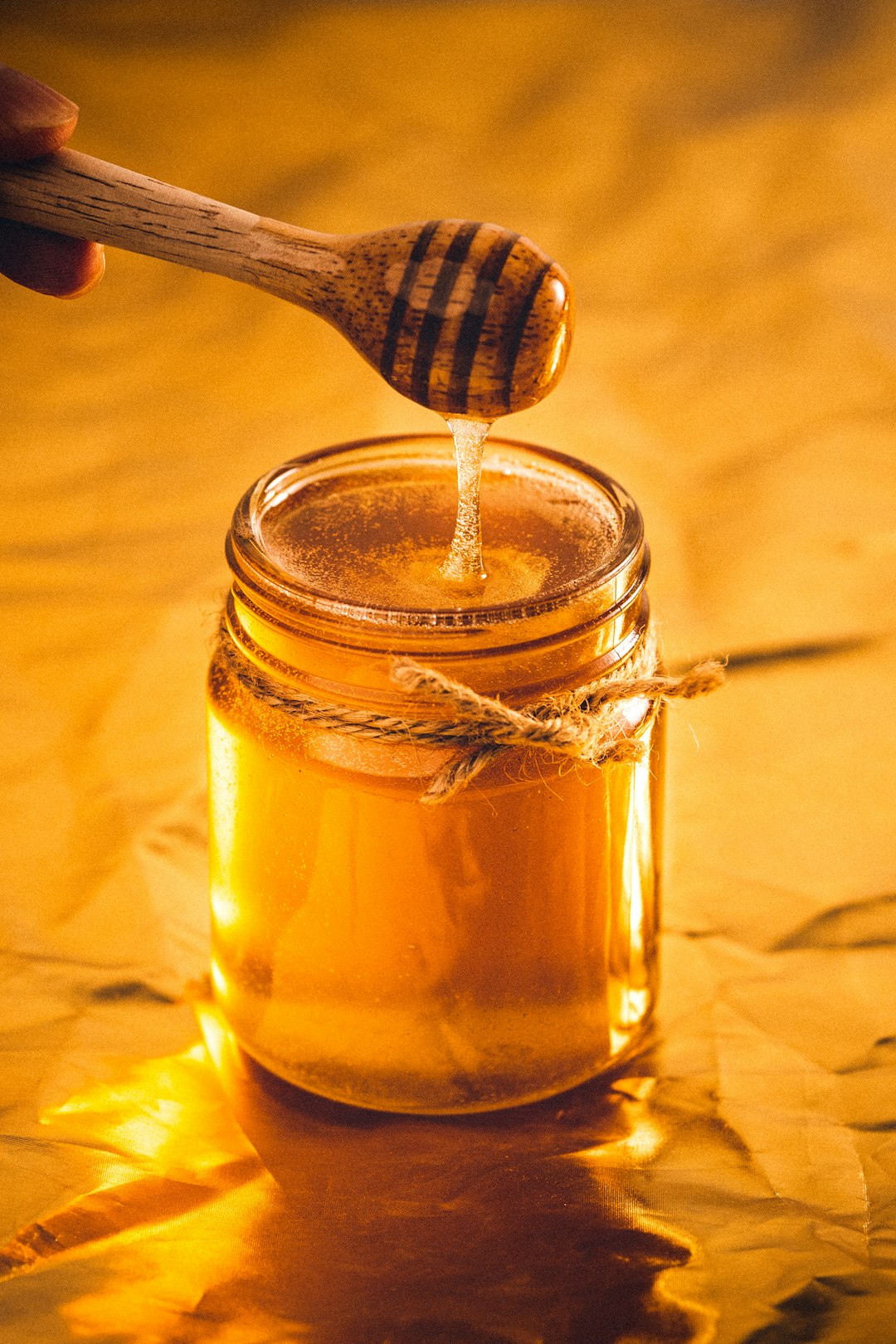
This sticky, sweet stuff should not go in the fridge. Honey is known to seize up and crystallize in cold temperatures. Room-temperature is the ideal temperature level for this sweetener. Honey has natural preservatives that make refrigeration completely unnecessary.
Honey that’s stored in an airtight container won’t turn on you, no matter where you keep it – though it has an indefinite shelf life when stored properly, according to the FoodKeeper app. The transformation from smooth liquid to hard crystals happens quickly in cold environments, making your honey practically unusable until it warms back up.
Bread Becomes Stale Lightning Fast
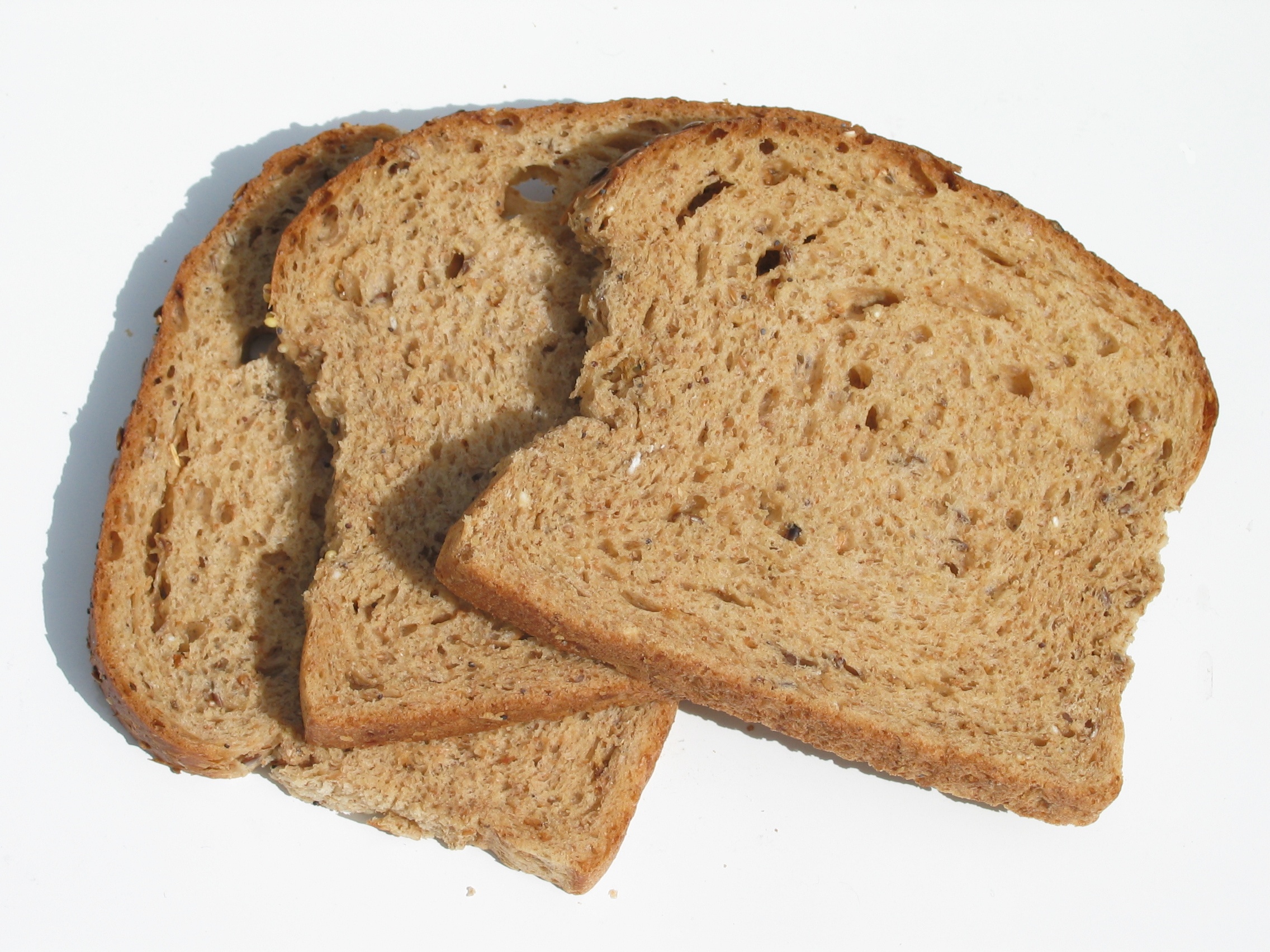
Although keeping bread in the fridge keeps mold at bay, it also dries out the loaf. Instead, store extra bread in the freezer and bring to room temperature when you are ready to eat them. If you go through bread a lot, it’s best to keep it out on the counter.
Keeping bread in the fridge will protect it from mold for longer periods of time, but this may be at the expense of taste, Greene says. “Refrigerated bread gets dried out and is not as tasty,” she says. According to the USDA, bread can be stored at room temperature for two to four days, but it will last seven to 14 days in the refrigerator. The trade-off simply isn’t worth it for most households.
Whole Melons Lose Antioxidant Superpowers
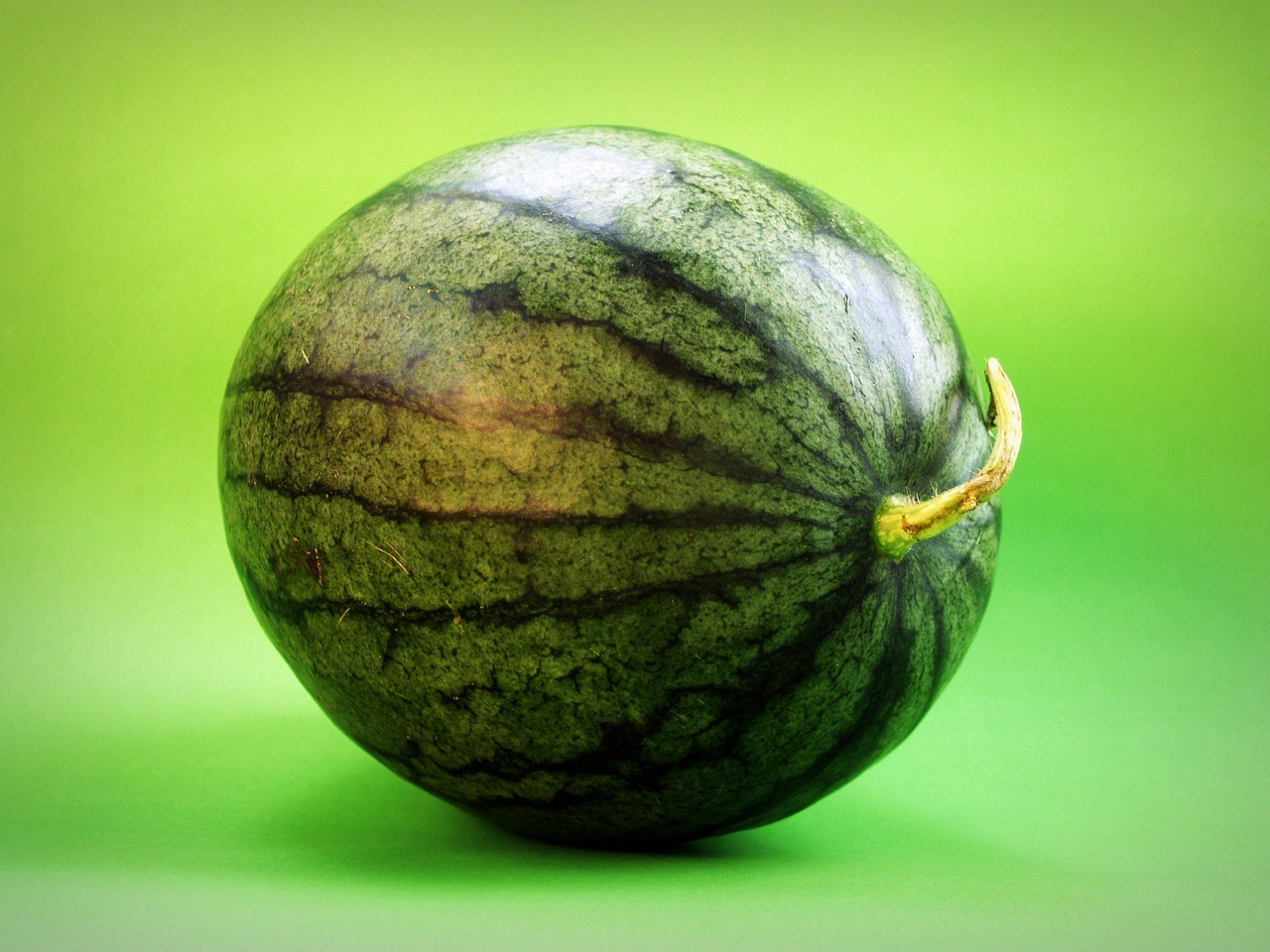
The fridge can cut the number of antioxidants in half. A USDA study found that watermelons at room temperature develop nearly double the levels of compounds like beta-carotene (which promotes healthy skin and eyesight) than do refrigerated melons. Cool air stunts the antioxidant growth that occurs after harvest.
Keep whole melons like watermelon, cantaloupe and honeydew on the counter for best flavor. USDA research found that storage at room temp might even help keep the antioxidants more intact. Once they’re cut, store them in the refrigerator for three to four days. This finding shocked nutritionists when it was first published, completely changing professional recommendations.
Bananas Turn Into Brown Mush
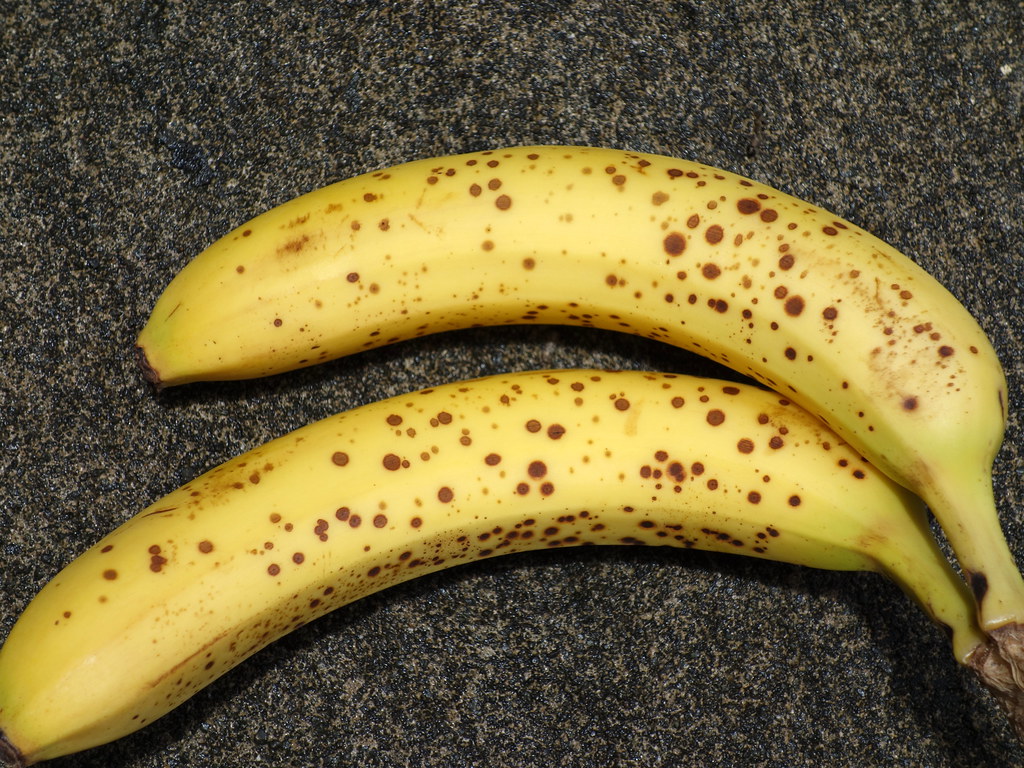
Bananas are grown in the tropics, which is far different from an average refrigerator’s climate. It is one clear fruit that should never touch the hallowed drawers of a home fridge. Many things can happen if you refrigerate bananas, and very few of them are good. Warm, damp conditions will cause the bananas to ripen rapidly.
Store unripe bananas in a dry, cool place at room temperature to help them ripen. Refrigeration slows down the ripening process and turns the peel black and brown. Once ripe, you can freeze pieces of bananas to use later in your smoothies.
Cooking Oils Solidify Into Butter-Like Blocks
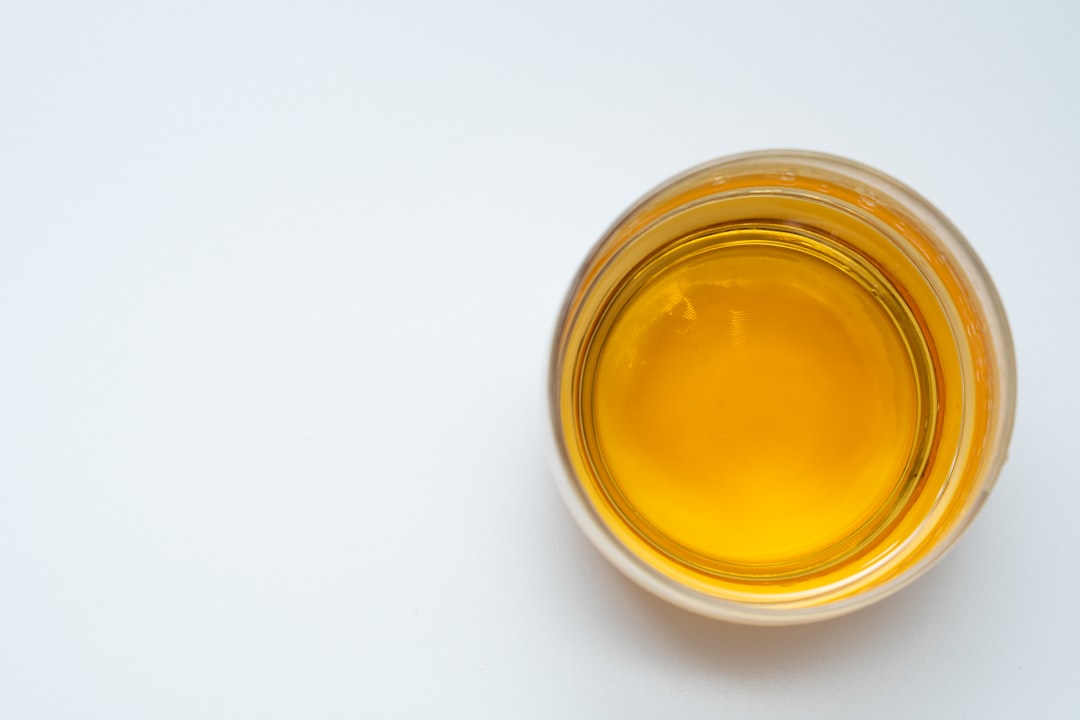
This cooking oil should go in a cool, dark place. Keeping it in the fridge can create a harder, more butter-like consistency. Olive oil particularly suffers from this treatment. Cooking oils like avocado or olive oil should not be kept in a refrigerator, as the cold temperature can solidify or thicken them. Solidification also affects the flavor and texture of the oils. Store your cooking oil in a cool and dark place, like a pantry or kitchen cabinet.
This solidification makes measuring and pouring nearly impossible. The oils need to warm back to room temperature before they become usable again, which defeats the purpose of refrigeration entirely.
Coffee Absorbs Everything Around It
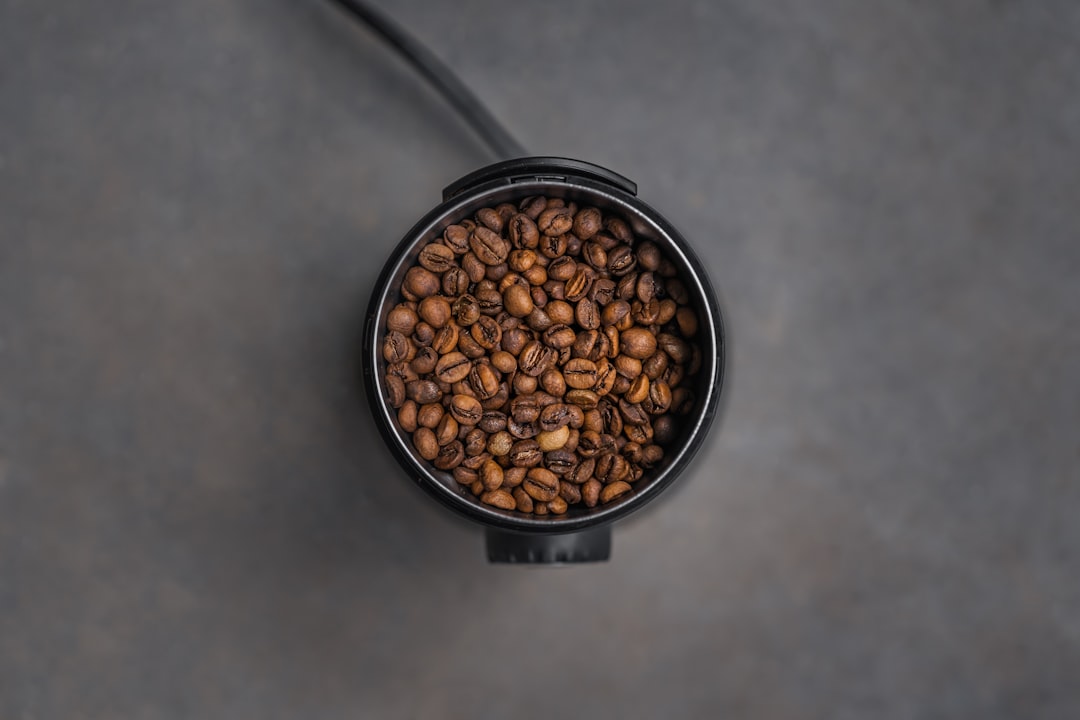
Stored in the fridge, your coffee is more likely to pick up other flavors around it. Instead, keep it in a sealed container, in the pantry away from sunlight. Coffee beans and grounds are incredibly porous, acting like flavor sponges in your refrigerator.
Store coffee grounds and beans in a sealed container in the pantry, rather than in the fridge, to preserve their flavor. Professional coffee roasters unanimously agree that refrigeration destroys the complex flavor profiles they work so hard to develop during the roasting process.
Hot Sauce Loses Its Fire
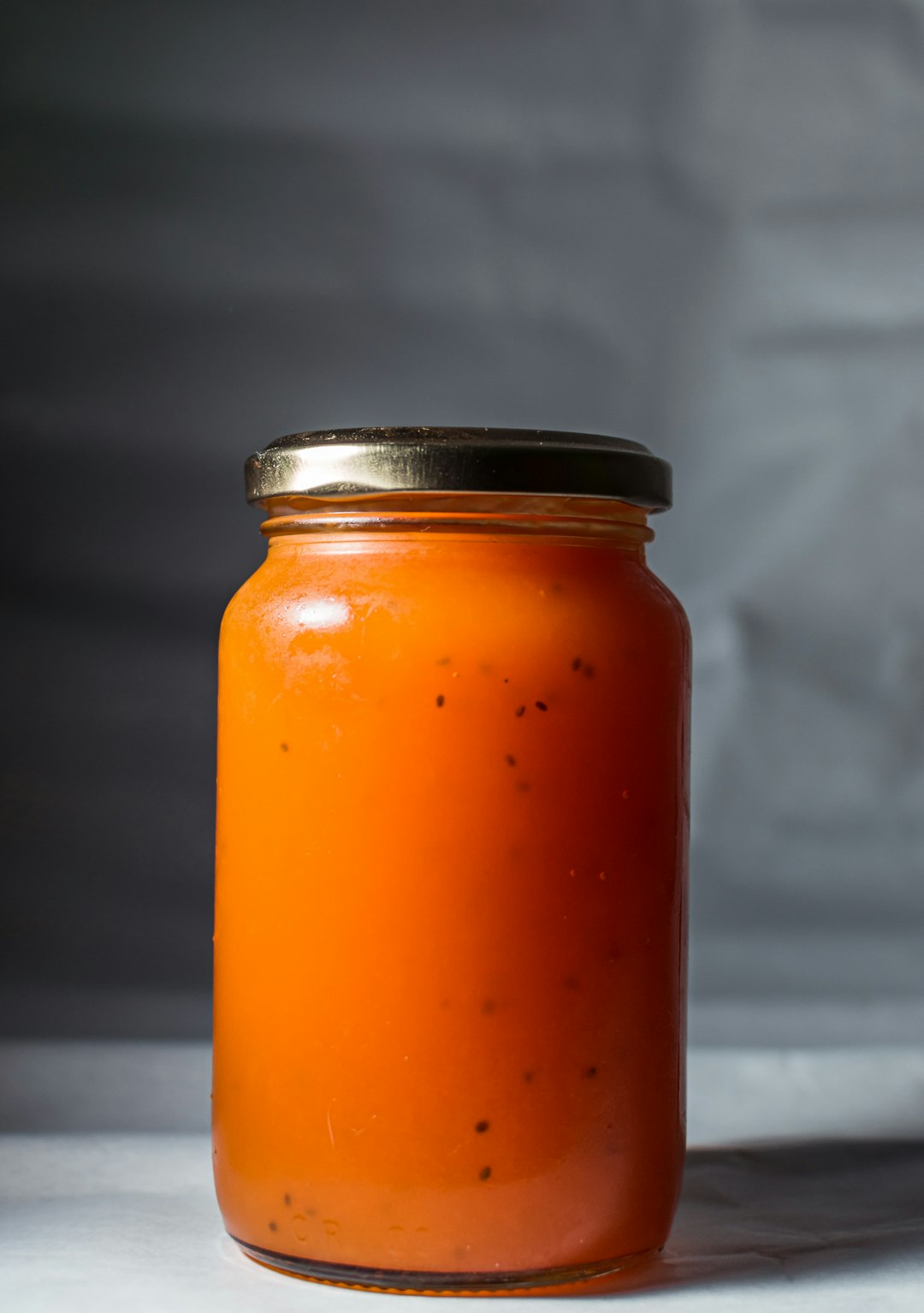
The vinegar and preservatives in store-bought hot sauce keep it from going bad in the pantry. In the fridge, the spicy peppers might lose some of their heat. This might seem counterintuitive, but the science is solid.
For optimal flavor and spiciness, store hot sauce in your pantry, not the fridge. Check packaging instructions for any specific recommendations. Most commercial hot sauces are designed to be shelf-stable, with preservation methods that actually work better at room temperature than in cold storage.
Understanding proper food storage isn’t just about following rules. It’s about maximizing flavor, nutrition, and safety while minimizing waste. A recent study, which has been reviewed by the Committee on the Toxicity of Chemicals in Food, Consumer Products and the Environment (COT), has shown that home storage of potatoes in the fridge doesn’t materially increase acrylamide forming potential when compared to storage in a cool, dark place. However, the texture and taste issues remain significant concerns.
What surprises you most about these storage revelations? Have you been making any of these common mistakes in your own kitchen?