What You Should Do With Your Pennies Now That Minting Has Ended
The final penny rolled off the production line at the Philadelphia Mint on November 12, 2025, marking the end of more than 230 years of continuous minting. While penny production has ceased for general circulation, these copper coins remain legal tender and can still be used for transactions. With an estimated 250 billion pennies still in circulation, the question now is what should you actually do with the ones sitting in your jar at home or jingling in your pocket? Here’s what you need to know to make smart decisions about your pennies.
Cash Them In at Your Bank or Credit Union

Let’s be real, those jars of pennies taking up space aren’t doing anyone any good. Banks and credit unions across the US are experiencing penny shortages because they can’t order pennies like they used to, making your stockpile actually valuable to financial institutions right now. Most banks will accept rolled coins from account holders, though some may charge a small fee if you bring in loose change. Coin counting machines at banks can make the process quick, though you might want to call ahead since not all branches have them anymore.
Hunt for Pre-1982 Copper Pennies
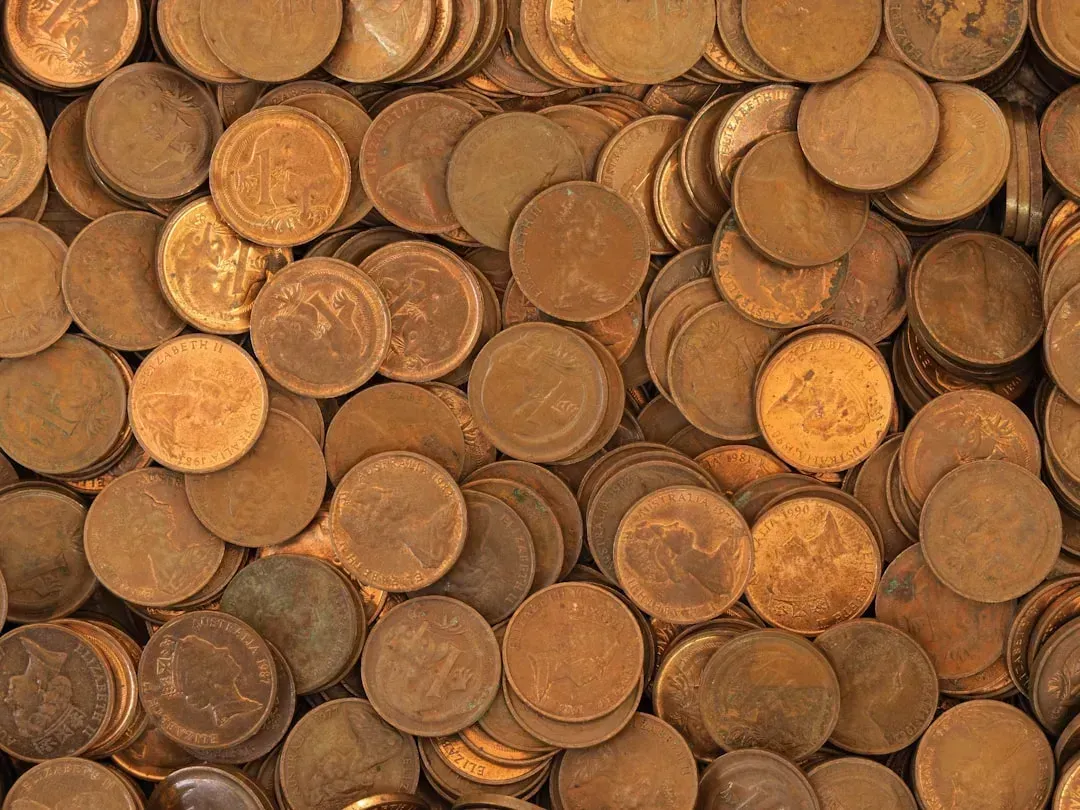
Pennies from 1982 and earlier were made of copper, while those minted after 1982 feature zinc with copper plating. This distinction matters because copper pennies have intrinsic metal value. As of early 2025, the melt value of a single copper penny is typically between two and three cents, more than double the coin’s face value. The catch? Melting, treating, or exporting pennies and nickels remains prohibited under federal regulations with limited exceptions. Still, collectors and investors often save these older pennies for their higher metal content, and they trade hands in the numismatic community for above face value.
Search for Rare and Error Coins
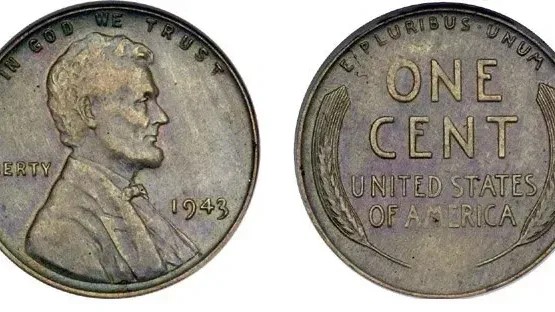
Here’s the thing: some pennies are worth serious money. The 1943 copper penny, produced mistakenly during World War II when pennies should have been made of steel, is valued at over two million dollars in uncirculated condition. The 1969-S doubled die penny, with fewer than 100 examples known to exist, is the second most valuable modern Lincoln cent and the undisputed king of doubled die pennies. Even common date pennies in exceptional condition can command hundreds of dollars. Minting errors like double dies or coins struck on wrong metal blanks can significantly increase a penny’s value.
Keep 2025 Pennies as Historic Collectibles
Coin experts note that 2025 pennies are being collected wildly right now as people want to get the last year of penny production. Should you hoard them? Honestly, probably not in massive quantities. Most 2025 pennies will likely not become more valuable than face value despite being the last ever produced, similar to how 1976 bicentennial quarters are still worth just 25 cents. That said, keeping a few mint condition 2025 pennies as historic keepsakes makes sense. Proof 2025-S pennies are already selling for hundreds of dollars as collectors scramble to own a piece of history.
Use Them for Educational Purposes
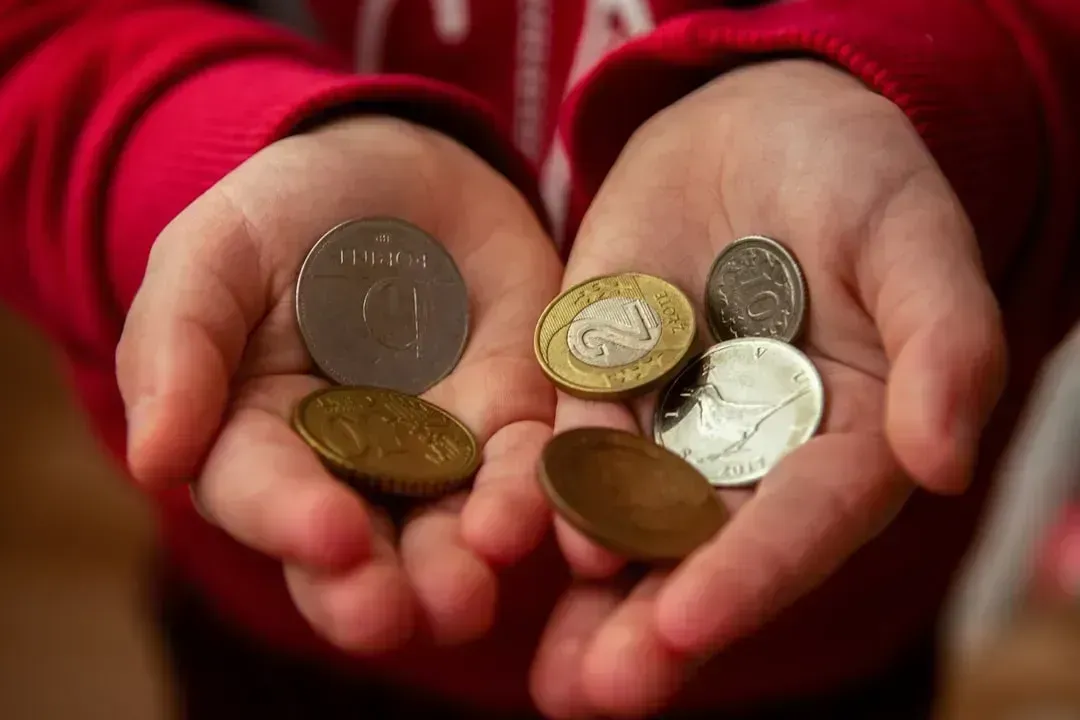
Pennies are great teaching tools for young kids just learning about money, helping them understand coin values and practice counting, or starting a simple savings challenge using a penny jar while discussing the history of currency and how money changes over time. There’s something tangible about physical money that digital banking just can’t replicate. Letting children handle, sort, and count pennies builds mathematical skills and financial literacy in ways that abstract concepts never could. The end of penny production makes this an even more poignant teaching moment about economic decisions and government policy.
Get Creative with Crafts and DIY Projects
Before tossing or cashing them in, consider putting pennies to artistic use, such as making a penny floor or tabletop with glue and sealant, or creating wall art, mosaics, or jewelry using pennies, especially those with meaningful dates. Pinterest is full of stunning penny projects that transform these copper coins into conversation pieces. Penny backsplashes in kitchens have become trendy, and some people have even covered entire tables or bar tops with pennies sealed under epoxy resin. The patina and varying colors of older pennies add character that’s hard to replicate with other materials.
Donate Them to Charity
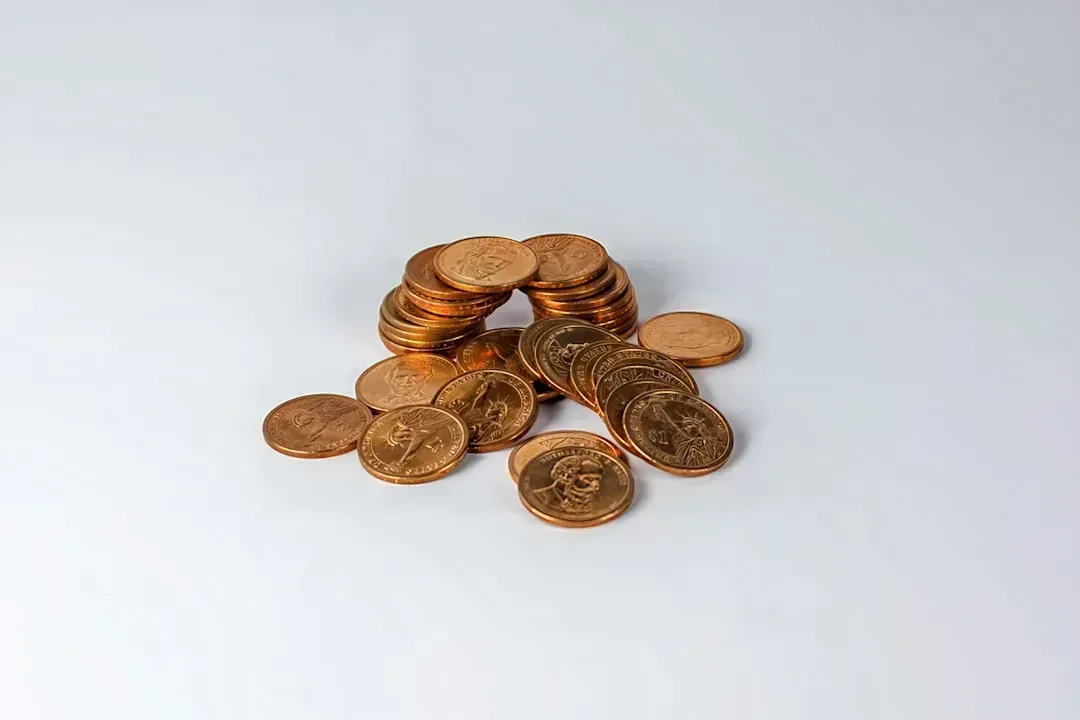
Many charitable organizations gladly accept penny donations, and some even run specific penny drive campaigns. Coinstar machines at grocery stores often have a no-fee option if you choose to donate your coins to select charities instead of getting cash back. Some retailers experiencing penny shortages have reported rounding down transactions to benefit customers, costing them millions of dollars, so your pennies actually have practical value right now. Schools, churches, and community organizations frequently organize penny collection drives where thousands of pennies can add up to meaningful contributions.
Spend Them While You Still Can
More than 100 of the 165 Federal Reserve coin distribution sites across the country are already without pennies, and retailers are being forced to round down when customers pay with cash. Some retail stores are no longer accepting pennies and are rounding up or down to the nickel without enabling legislation they say they need to remain compliant. If you have pennies you don’t want to save or cash in, now might be your last chance to actually spend them in transactions before more businesses stop accepting them altogether. Self-checkout machines at many stores still accept pennies, making them easier to use than dealing with a cashier.
Get Them Professionally Graded If You Think You Have Something Special
It’s hard to tell exactly how much your pennies are worth without an appraisal, and you might own a penny that is the same year, mint, and design as one worth thousands of dollars but won’t know for sure until an appraiser looks at it, as appraisers can tell you precisely how much your pennies are worth. Having valuable coins authenticated and graded by reputable services like PCGS or NGC maximizes their market value. Professional grading typically costs between fifteen and thirty dollars per coin, so it only makes sense if you genuinely believe you have something rare. Look for obvious signs like unusual doubling, off-center strikes, or wrong metal compositions before spending money on grading.
Understand What Not to Do
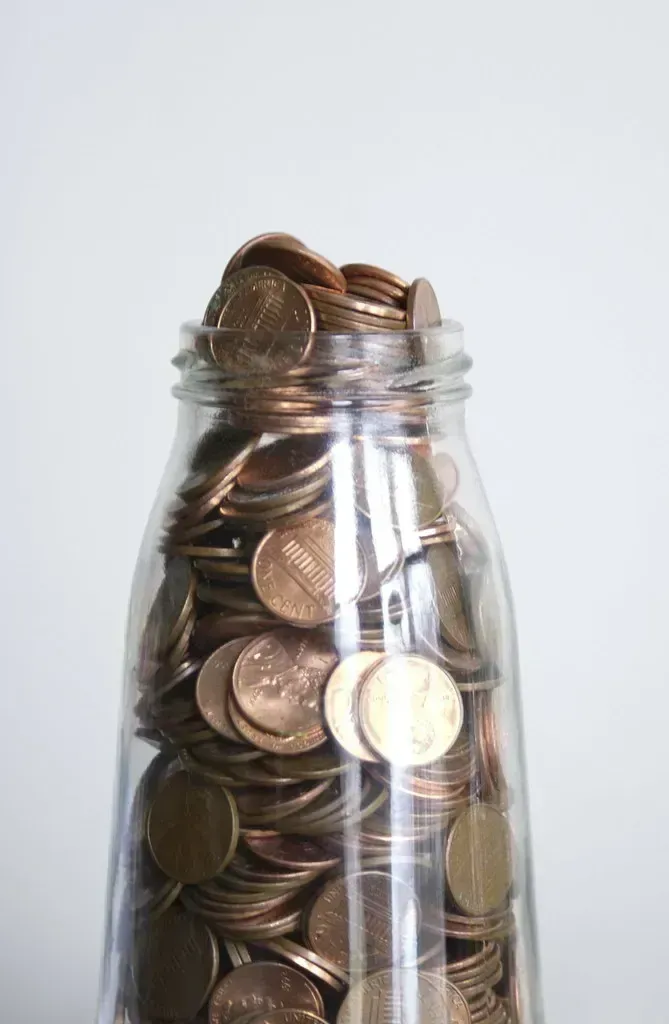
Experts say people do not have to feel compelled to hold onto their pennies, noting that just hoarding them holds no practical value unless they’re rare, and that people with buckets and jars full of pennies will probably think they’re worth even more now, but they’re going to be worth the same as what they were yesterday. Don’t fall into the trap of thinking every penny is suddenly a treasure. Most circulated pennies from common years are still worth exactly one cent, regardless of production ending. Pennies often drop out of circulation and are stored in jars at home, contributing to the need for the Mint to produce more pennies than all other coins, accounting for nearly 58 percent of all coin production in 2024.
The end of penny production marks a genuine shift in American currency history. Whether you cash yours in, hunt for valuable dates, or turn them into kitchen backsplash art, now’s the time to decide what to do with those copper coins collecting dust. What will you do with yours?
Consider Trading or Selling in Bulk Online
You might be surprised to learn there’s actually a thriving online market for pennies sold in bulk, especially on platforms like eBay, Facebook Marketplace, and specialized coin forums. People are buying rolls and bags of pennies for all sorts of reasons – some are coin roll hunters looking for treasures, others need them for art projects, and some businesses still prefer cash transactions with exact change. Right now, you can sometimes get slightly more than face value if you’re willing to ship them, particularly if you’ve already sorted out wheat pennies or pre-1982 copper ones. The key is understanding shipping costs, since pennies are heavy and expensive to mail, so selling locally often makes more sense unless you’ve got a substantial collection. One woman in Ohio recently sold 40 pounds of pennies for $85 on Facebook Marketplace – that’s about $72 worth of pennies, meaning she pocketed an extra $13 just for someone else’s convenience. It’s not going to make you rich, but it beats letting them sit in your closet, and it’s definitely easier than rolling hundreds of coins yourself for the bank.