10 Items Experts Say Shouldn’t Be Kept in a Tool Shed or Garage
Your garage or tool shed seems like the perfect catchall for everything that doesn’t fit in your home. Let’s be real, most of us treat these spaces like dumping grounds for anything we’re not sure where to put. Here’s the thing though: storing the wrong items out there can lead to serious problems, from fire hazards to ruined belongings. What might seem harmless could turn into a costly mistake or even a safety nightmare. Experts across multiple fields consistently warn against keeping certain things in these fluctuating environments, and knowing what doesn’t belong can save you money, heartache, and maybe even prevent disaster. Ready to find out what’s hiding in your garage that shouldn’t be there?
Propane Tanks
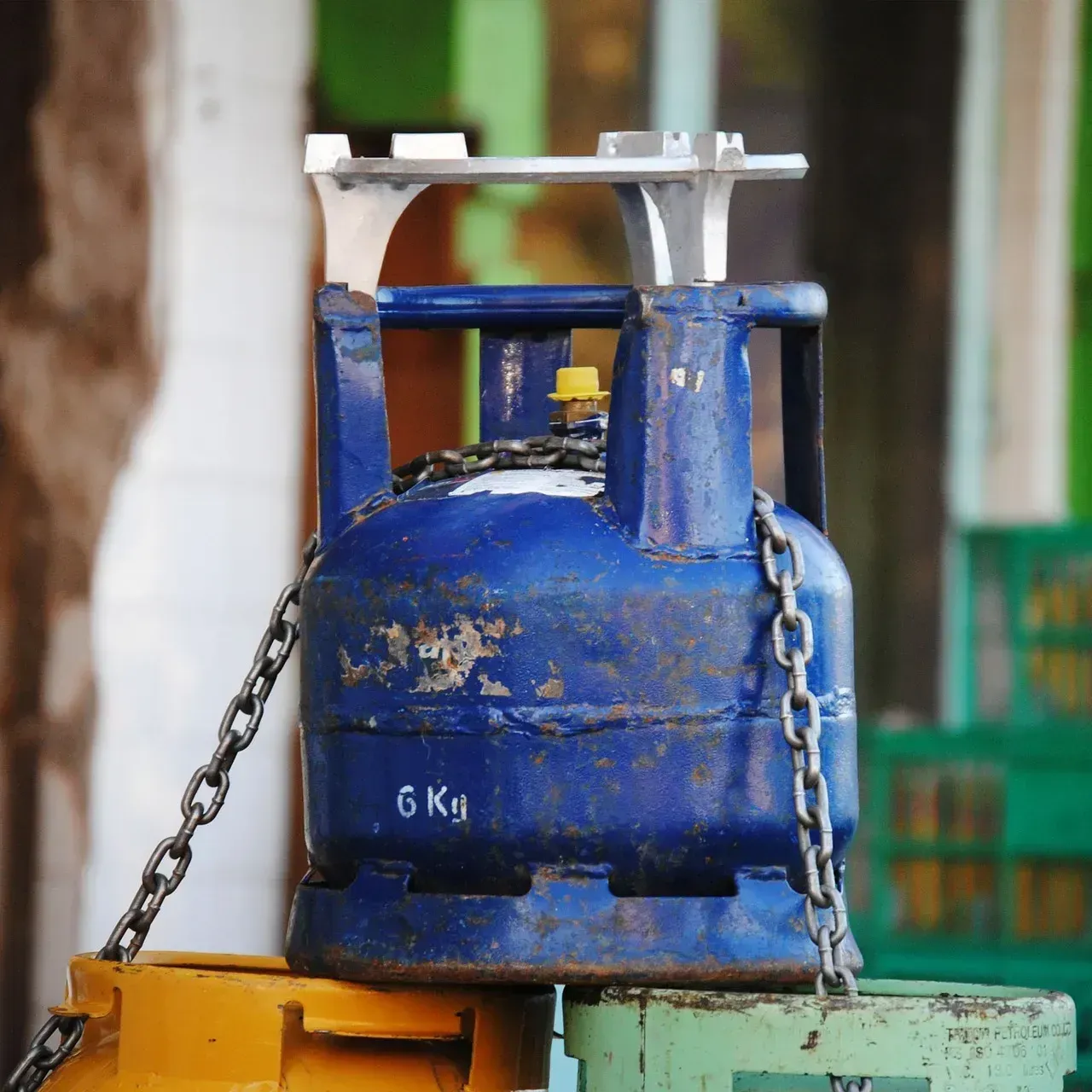
Propane tanks might seem like logical items for a detached shed since they’re away from the main house, yet this creates significant fire hazards as even small leaks or sparks can ignite propane and lead to dangerous fires or explosions. According to safety guidelines, you should never store propane tanks indoors or in enclosed areas such as basements, garages, dock boxes, or sheds. Storage experts including AmeriGas explicitly warn that storing propane tanks indoors is not only highly unsafe but also illegal. The reality is propane is highly flammable, meaning that if you store a tank in your garage and it develops even the smallest leak, something as simple as starting your car or lawn mower could spark a fire requiring professional fire damage restoration.
Paint and Other Flammable Liquids
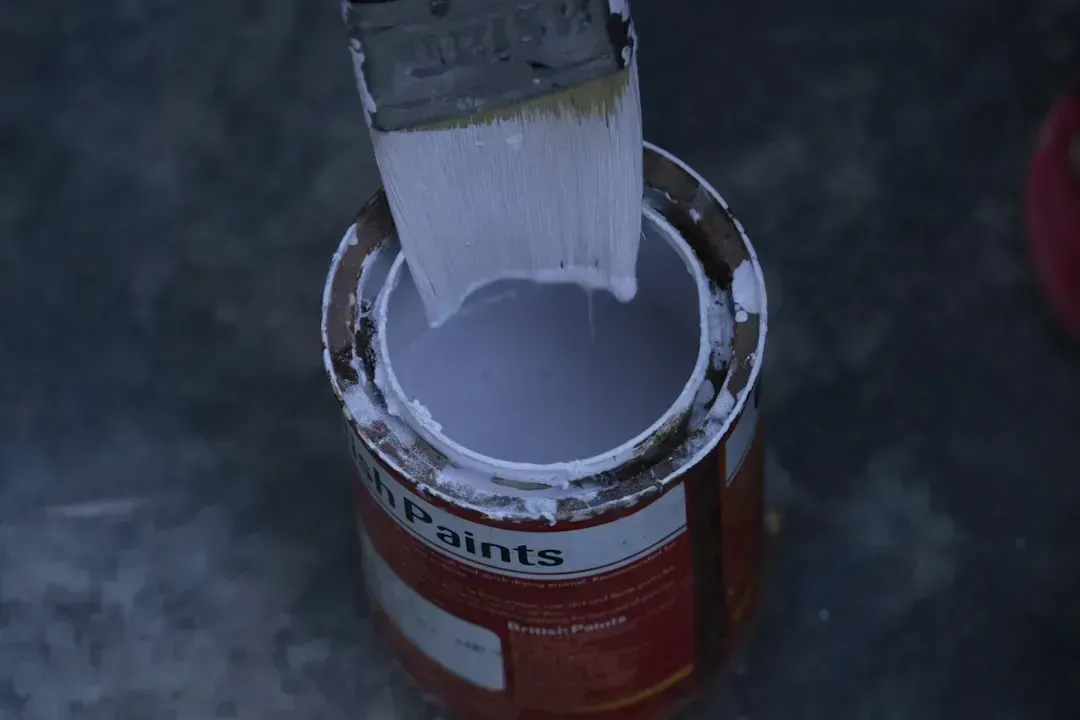
Water-based paints freeze when temperatures drop below 0°C, while oil-based paints thicken considerably, which can ruin the paint and make it nearly impossible to use without compromising quality. Experts note that most paint kept in garages becomes virtually useless if stored there for extended periods, as both freezing temperatures and hot temperatures cause many paint types to separate and curdle. Freezing temperatures do permanent damage to paint emulsion, causing it to become ropey, stringy, or clumpy with a consistency resembling cottage cheese or gritty sandy water. Products like paint, solvents, and gasoline are flammable and require careful storage to prevent fire risks.
Electronics and Devices
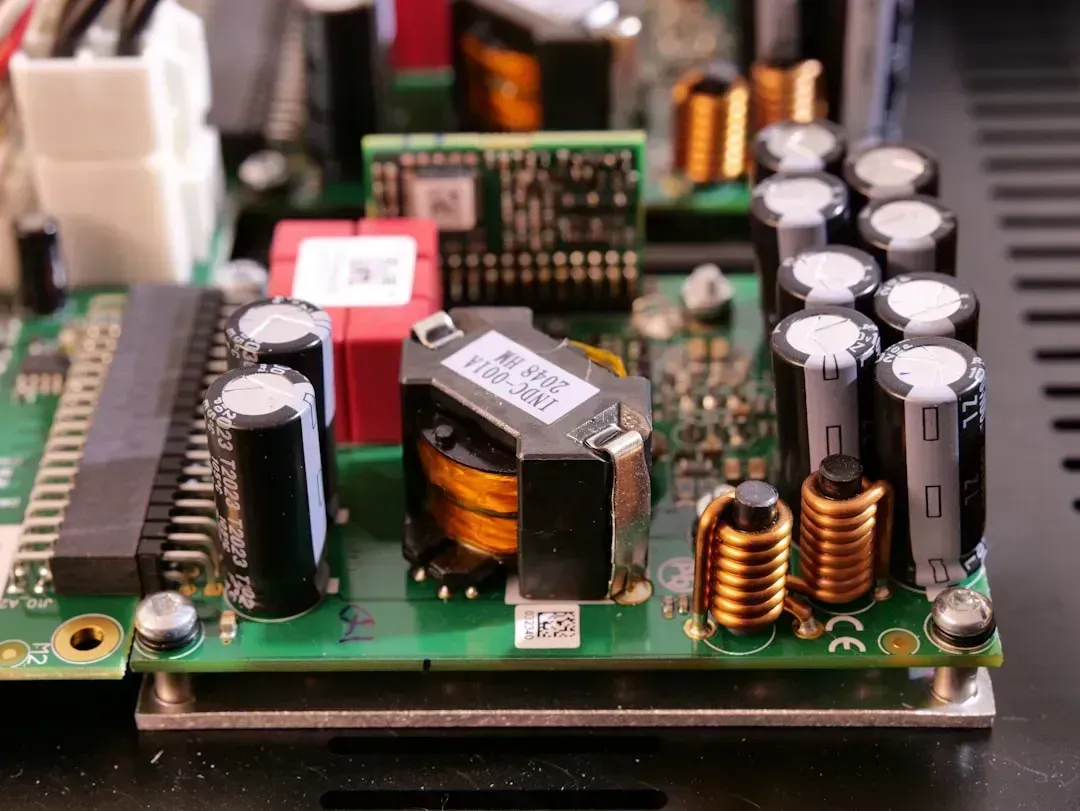
Research shows that condensation poses severe threats to electronics because water molecules are attracted to electrical circuits inside devices, with resulting failures usually being catastrophic and difficult to identify humidity as the root cause. Moisture promotes oxidation of metal contacts and connections on assemblies, leading to deteriorated electrical conductivity, while electrochemical migration affects reliability and lifespan of electronic components. Honestly, most people don’t realize that humidity wreaks havoc even without visible water damage. Maintaining garage humidity between 30 to 50 percent prevents condensation on metal surfaces, as levels above 50 percent risk mold growth that can damage tools, electronics, and stored items.
Important Documents and Photographs

Important documents like social security cards, passports, birth certificates, and marriage certificates should be stored in waterproof and fireproof safes, and keeping this safe in your home office or bedroom is much more secure than placing it in a backyard shed where it’s more vulnerable to damage and theft. Documents stored in sheds are susceptible to moisture which can ruin paper materials and make them unreadable and unusable, plus a home office provides easier access when you need these important documents quickly. Heat, cold, moisture, and pests can damage paper and photos, with books curling, photos fading, and pests using paper for nests or food. I know it sounds crazy, but I’ve seen people lose decades worth of family photos because they didn’t think twice about tossing boxes in the garage during a move.
Canned Food and Pet Food
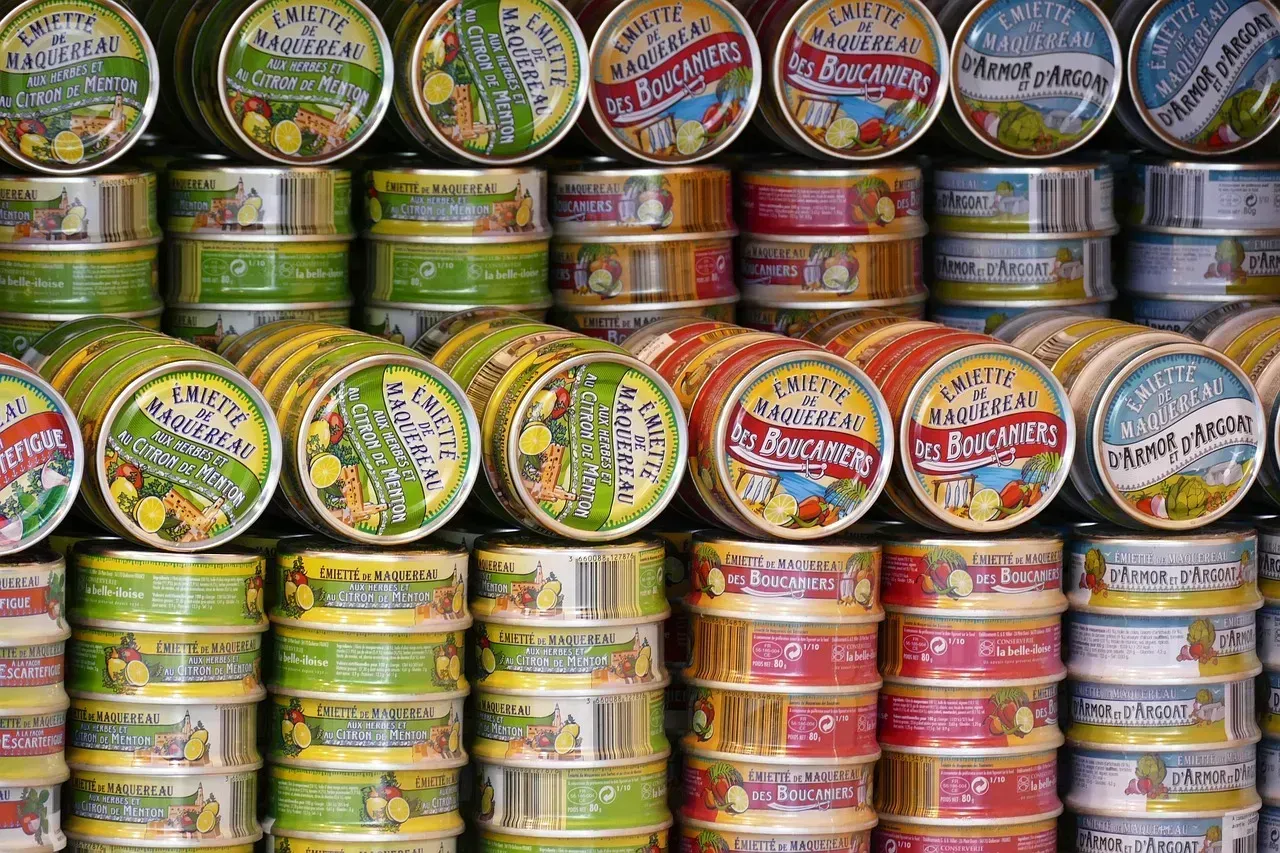
Garages might seem like convenient pantry extensions, yet storing canned foods there leads to spoilage and health risks as high temperatures above 75 degrees Fahrenheit cause canned foods to lose nutrients and spoil more quickly, while humidity can rust can lids potentially contaminating food inside. Exposure to humidity and both hot and cold temperatures significantly shortens shelf life of these items, with high temperatures causing canned goods to spoil or become rancid, and canned foods that freeze and thaw repeatedly over winter becoming inedible over time. Any food including pet food and birdseed attracts pests to sheds, encouraging them to break in despite chemically-treated wood pest prevention measures.
Clothing, Fabrics, and Sleeping Bags

People who use garages to store seasonal clothes, rugs, blankets, or sleeping bags should reconsider because some pests like moths are attracted to material and can cause significant damage before you notice them. In garages, clothing and bedding may soak up fumes and dust and can be at risk of insect or pest damage. Storing clothes in garages isn’t the best idea because they attract moths and soak up fumes and dust. The last thing you want is to pull out your winter coat in November only to discover moths have turned it into Swiss cheese, right?
Wooden Furniture
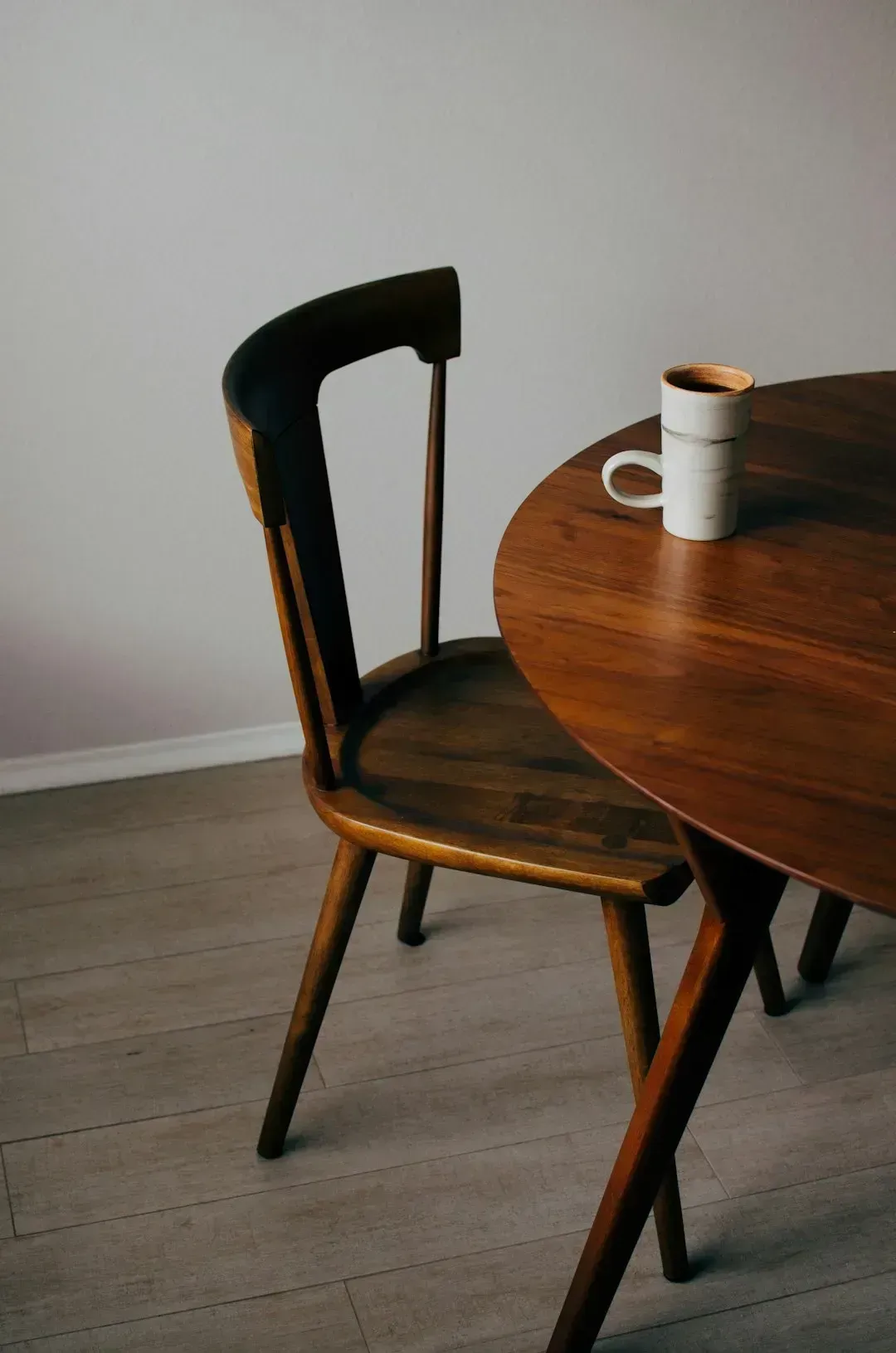
Solid wood furniture and items with leather or fabric upholstery shouldn’t be stored in outdoor sheds because while it might seem convenient, the climate inside sheds can cause significant damage as heat and humidity cause wood to warp, compromising structural integrity and appearance. Over time warping leads to joints becoming loose, making furniture unstable and unsafe to use. Storage experts recommend that wooden furniture be stored in temperature-controlled environments which keep humidity levels stable and slow down the drying-out process of woods. Temperature swings are absolutely brutal on wood furniture, which is why you often see old pieces left in sheds literally falling apart at the seams.
Wine and Alcoholic Beverages

Wine should never be stored in garages because temperature fluctuations alter wine’s composition and taste, leading to oxidation and over-fermentation that can render even the finest wines unpalatable. Changes in temperature and humidity levels can alter the taste of alcoholic beverages and even turn wine into vinegar, while metal cans may rust if there’s too much moisture, possibly changing taste and safety of beverages. Instead of risking your collection, find a cool dark place inside your house where temperatures remain relatively stable year-round.
Cardboard Boxes
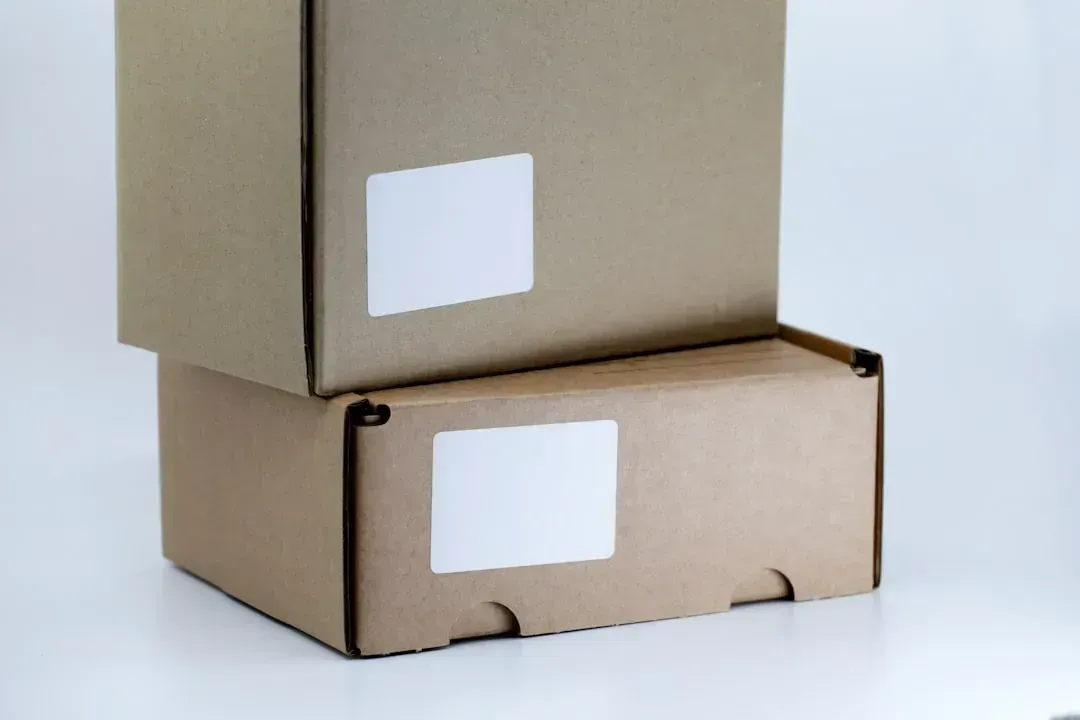
It’s tempting to stash cardboard boxes from moves in garages, yet it’s not worth it because pests such as cockroaches, spiders, and mites love corrugated cardboard boxes, leaving garages vulnerable to infestations. Instead of cardboard boxes, use waterproof, pest-proof plastic bins to store items. Plastic storage bins can help protect items and are more resistant to changing temperatures and moisture levels. Switching to plastic bins might cost a bit upfront, though honestly it’s cheaper than dealing with a full-blown pest infestation.
Refrigerators and Freezers
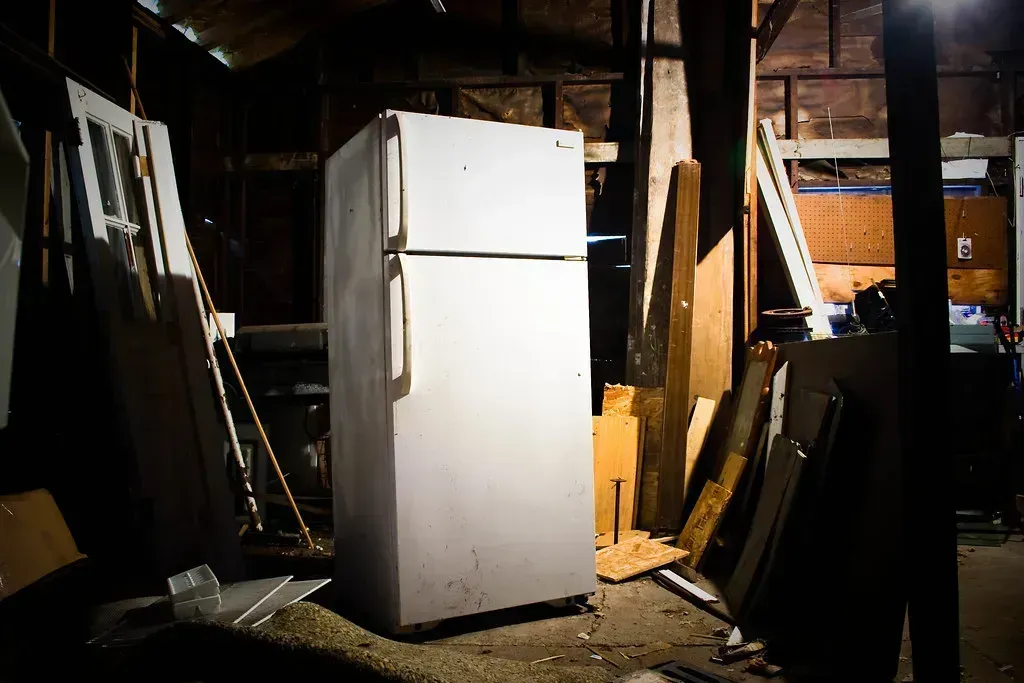
If you have a second fridge or chest freezer running in your garage, you might want to consider putting it in a climate-controlled location because extreme heat or cold environments cause these appliances to work overtime to keep contents at right temperature, and even with newer energy-efficient appliances you might notice extra costs on utility bills. If the fridge or freezer in your garage is really old, your wallet will definitely feel the effects of running it, as it’s estimated that a fridge manufactured before 1990 could cost between $250 to $300 a year to operate in garages. That’s a shocking amount of wasted energy just because of temperature extremes.
Storage isn’t just about finding empty space for your stuff. What you keep in your garage or tool shed genuinely matters for safety, preservation, and avoiding unnecessary expenses. Many of these items seem harmless sitting out there until something goes wrong. Taking a weekend afternoon to relocate the wrong items from your shed or garage to more appropriate spots inside your home could prevent disasters and save you serious money down the road. What surprised you most on this list? Did you find any of these items currently lurking in your own garage?