10 Things You’ll Always See in Homes of People Raised With Old-School Manners
Walk into certain homes and you just know. There’s something different about them, something you can’t quite put your finger on at first. The atmosphere feels intentional, welcoming, almost like stepping into a different era where people cared deeply about how spaces made others feel. These aren’t showrooms or museums; they’re lived-in spaces that reveal their owners were raised with a particular set of values. Let’s explore what makes these homes stand out.
A Properly Set Dining Table That’s Actually Used
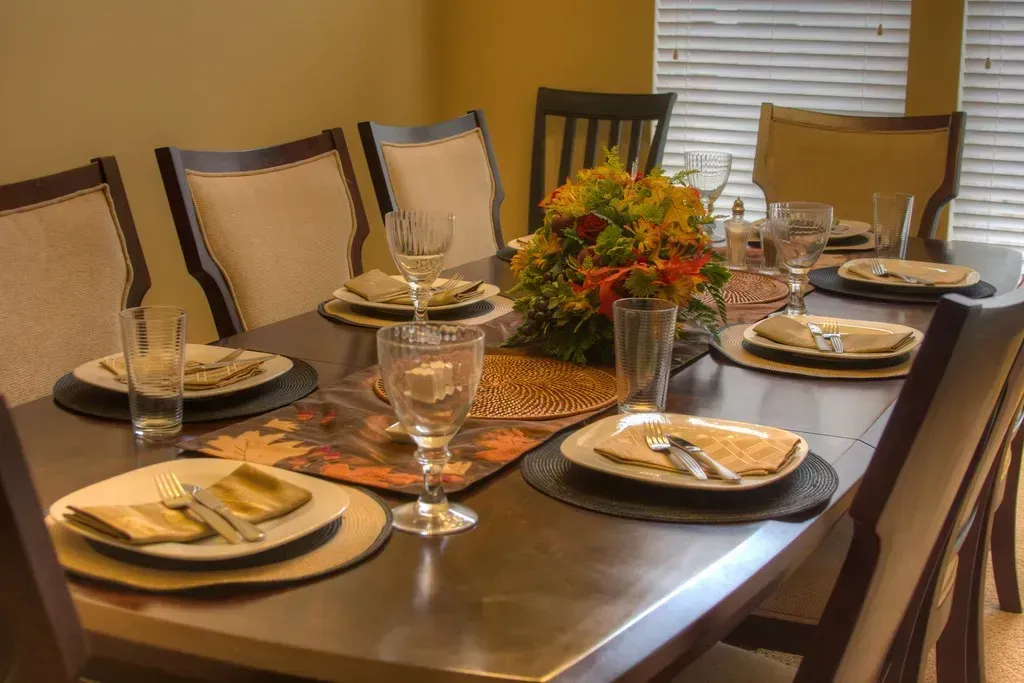
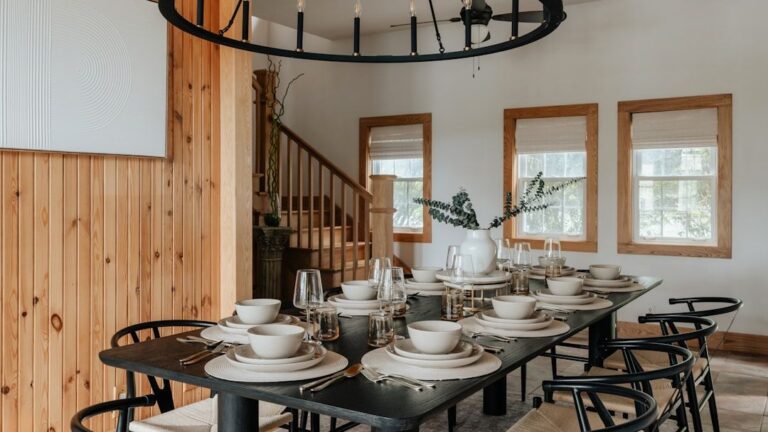
Here’s the thing: people raised with traditional manners don’t just own nice dishware. They use it. The basic rule is that utensils are placed in the order of use, from the outside in, with forks to the left of the plate and knives and spoons to the right. You’ll often find a formal dining area in these homes where the table isn’t just decorative furniture gathering dust.
These folks know that a formal table setting can include 15 or more pieces and creates purpose, artistry, precision and symmetry for special occasions. Even for everyday meals, there’s an attention to detail. The napkins are cloth, not paper. The silverware matches. It’s not about being fancy; it’s about showing respect for the meal and the people sharing it.
Setting a table needn’t be tricky, and the best tables are those that don’t try to reinvent the wheel, making guests feel welcome and that hosting them is not an imposition. That’s the philosophy here. Dinner isn’t just fuel; it’s an event worth preparing for properly.
Handwritten Thank-You Notes and Quality Stationery

In a world dominated by texts and emails, these homes always have a stash of quality stationery tucked away somewhere. A handwritten thank-you note is the gold standard of appreciation when a gift is not opened in front of the giver, demonstrating effort and thoughtfulness. You’ll spot thank-you cards on the desk or kitchen counter, waiting to be mailed.
When students ask if thank-you notes are outdated, the reality is that sending a handwritten note in the digital age immediately cuts through inbox clutter. People raised with old-school manners understand this power. Wedding gifts always warranted a thank-you card, even in 2025, because people traveled, took time off work, and invested in gifts.
Let’s be real: most of us dash off a quick text these days. Yet there’s something undeniably special about receiving actual mail that isn’t a bill. These individuals know that and make the effort, even when it’s inconvenient.
A Dedicated Guest Room or Guest-Ready Space
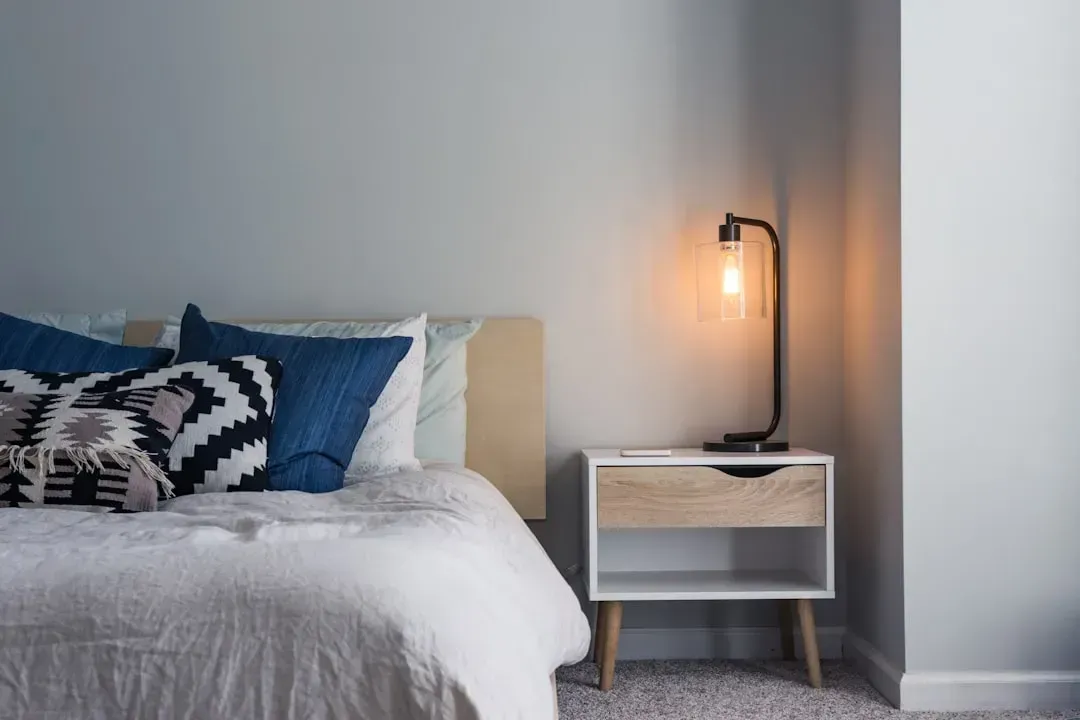
Even if it’s small, homes of the mannerly always have a space prepared for visitors. It’s not just a room with a bed thrown in; it’s thoughtfully arranged. Fresh linens are stored nearby, the closet has extra hangers, and there’s usually a carafe of water or mints on the nightstand.
This reflects the old-school value of hospitality. Guests shouldn’t feel like an imposition; they should feel anticipated and welcomed. The attention extends beyond the bedroom too. There are clean towels set out, toiletries available if needed, and often a small notepad with the WiFi password written in elegant handwriting.
It’s hard to say for sure, but I think this practice stems from a time when visiting relatives might stay for weeks, not just a weekend. The habit stuck because it’s genuinely thoughtful. Your friends who text “just crash wherever” probably weren’t raised the same way.
Real, Framed Art and Family Photographs
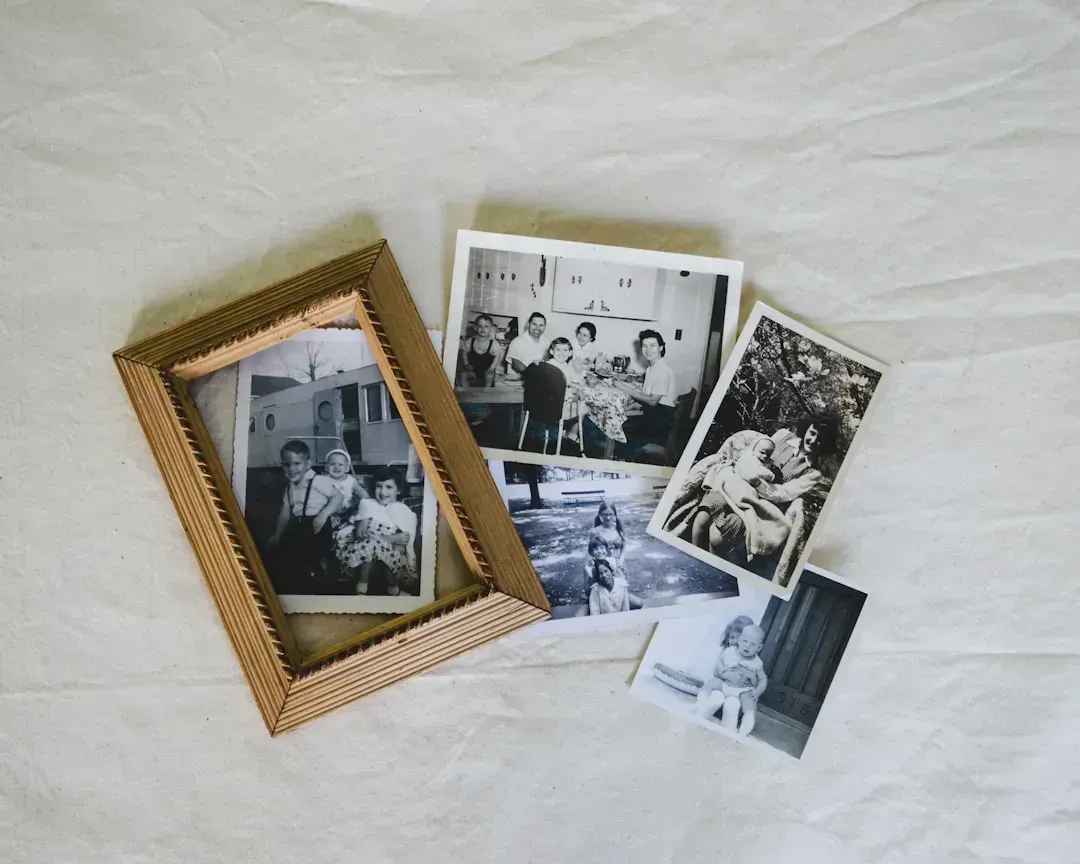
You won’t find bare walls or generic prints bought in bulk from big-box stores here. People raised with traditional manners curate their walls carefully. Family photographs are displayed in actual frames – not just taped up or stuck with magnets – and often arranged in a gallery wall or on a piano.
In 2024, interior design boldly embraced global aesthetics, blending cultures to craft story-rich spaces where homes became unique sanctuaries mirroring the worldly travels of their inhabitants. These homes often reflect this philosophy, with art collected from travels or passed down through generations.
The key difference? Everything has meaning. Each piece tells a story or commemorates someone important. There’s a respect for preserving memories and displaying them properly, not just stuffing photos in a drawer or leaving them on a phone forever.
Fresh Flowers or Living Plants

Walk into these homes and you’ll often find fresh flowers on the dining table or entryway console. Not fake silk arrangements, but real blooms that require care and regular replacement. It’s a small gesture that says, “I put effort into making this space pleasant.”
Living plants are abundant too, often well-maintained and healthy. There’s a connection here to caring for living things and bringing nature indoors that reflects older values of home stewardship. The plants aren’t Instagram props; they’re long-term residents that get watered, pruned, and occasionally repotted.
This practice might seem minor, but it’s telling. It shows someone values beauty and is willing to put in regular effort to maintain it. No one with dead plants gathering dust in the corner learned their manners from a traditional household.
Books Displayed and Actually Read
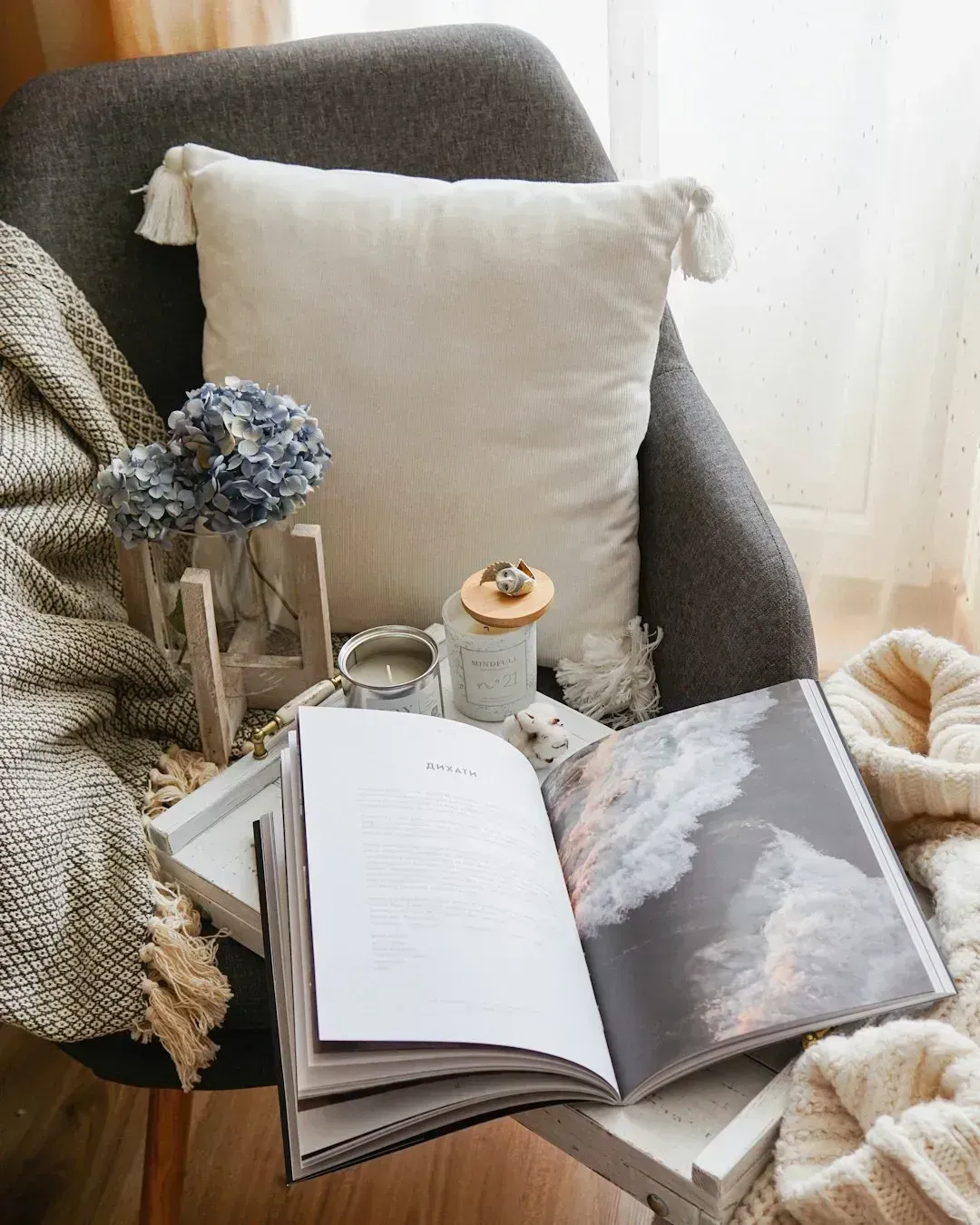
The homes of the well-mannered almost always feature substantial book collections. But here’s what distinguishes them: the books show signs of being read. Spines are creased, bookmarks peek out, and they’re organized in a way that suggests the owner actually knows what’s on the shelves.
In 2025, the trend toward ‘bookshelf wealth’ and decorating with meaning celebrated living with what you loved rather than following fleeting fads. People raised with old-school manners have been doing this forever. Their books aren’t just décor; they’re companions and reference materials.
You might find classic literature alongside cookbooks, history volumes, and perhaps some well-worn poetry collections. There’s often a reading chair positioned near good light. These are people who value knowledge and make time for it, a value clearly instilled early in life.
Proper Glassware for Different Beverages

Open the cabinets in these homes and you’ll find they own multiple types of glasses: water glasses, wine glasses (both red and white), champagne flutes, and perhaps even proper teacups with saucers. Most formal tables include a water glass and glasses for both white and red wine, plus champagne flutes for toasts.
This isn’t about being pretentious. It’s about understanding that different beverages are traditionally served in specific vessels for both practical and aesthetic reasons. Someone raised with manners learned early that details matter and that showing respect through proper presentation is important.
Sure, you can drink everything from a coffee mug or plastic cup. These folks know that. Yet they choose not to, especially when company comes over. The extra effort isn’t wasted on them.
A Coat Closet or Designated Spot for Guests’ Belongings
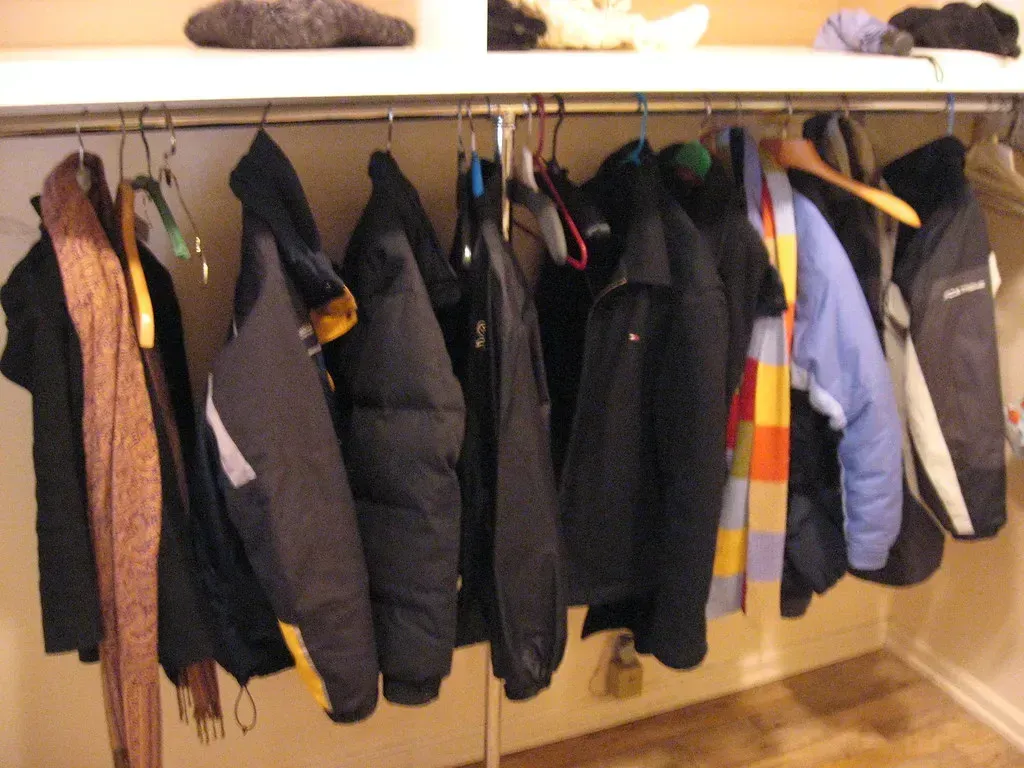
People with traditional upbringing never let guests awkwardly hold their coats or wonder where to put their bags. In a private residence, the hostess should suggest where to leave a purse; purses should not be brought to the table. There’s always a designated space near the entrance: a coat rack, hall closet with proper hangers, or at minimum a bench with hooks.
This small but crucial detail reflects the core principle of making others comfortable. Guests shouldn’t have to ask where to put their things or feel they’re creating clutter. The thoughtful host has already solved this problem before anyone arrives.
Honestly, visiting homes where you end up piling coats on a bed or leaving everything in your car feels disorganized by comparison. Those raised with manners learned that hospitality starts the moment someone walks through your door.
Cloth Napkins Instead of Paper Ones
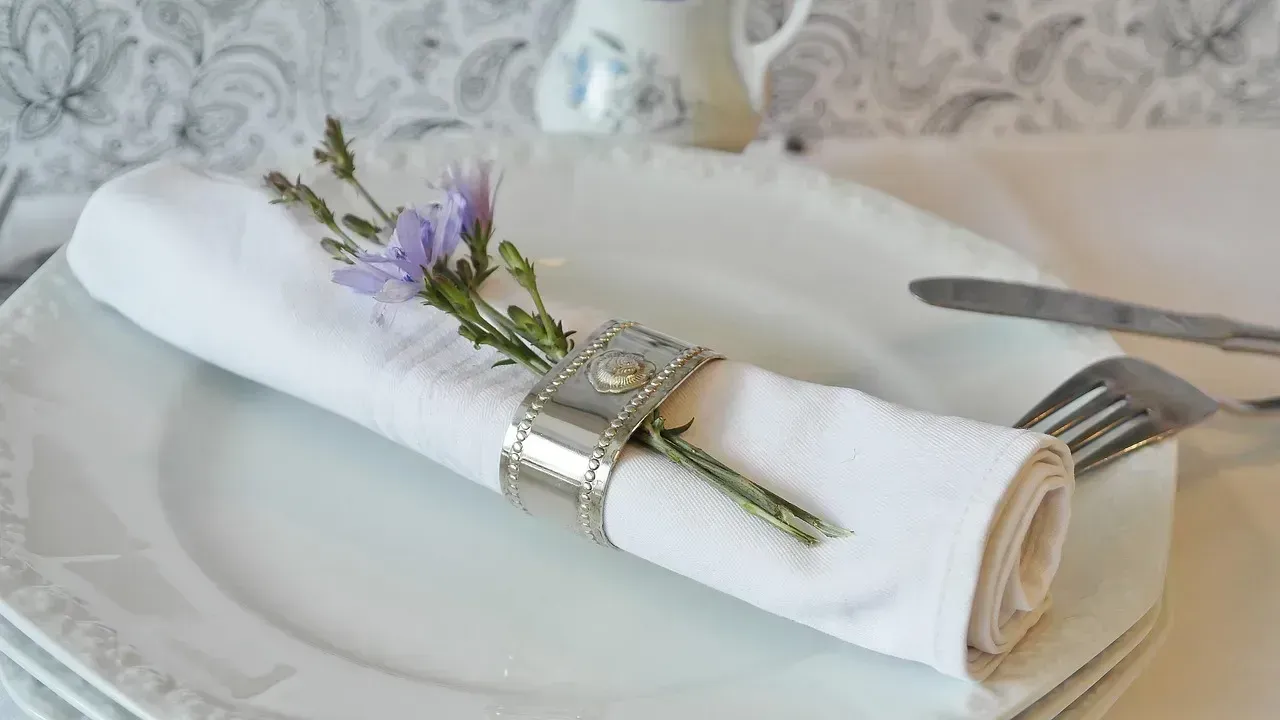
This is a dead giveaway. Homes of the traditionally raised stock cloth napkins, often with napkin rings, and use them regularly. Napkins are placed to the left of the setting or folded in the center, while napkin rings can add a decorative touch but technically aren’t correct for formal dining as they were originally hygiene tools for reusing napkins.
Paper napkins might make an appearance at casual outdoor meals, but for any meal at the dining table, it’s cloth all the way. These need to be washed and ironed, which means extra work. That doesn’t deter people who learned early that some standards are worth maintaining.
It might sound old-fashioned, but there’s something undeniably civilized about using cloth napkins. It slows things down just slightly, adds an element of grace to everyday life, and honors the ritual of shared meals.
Personal Touches That Honor Tradition
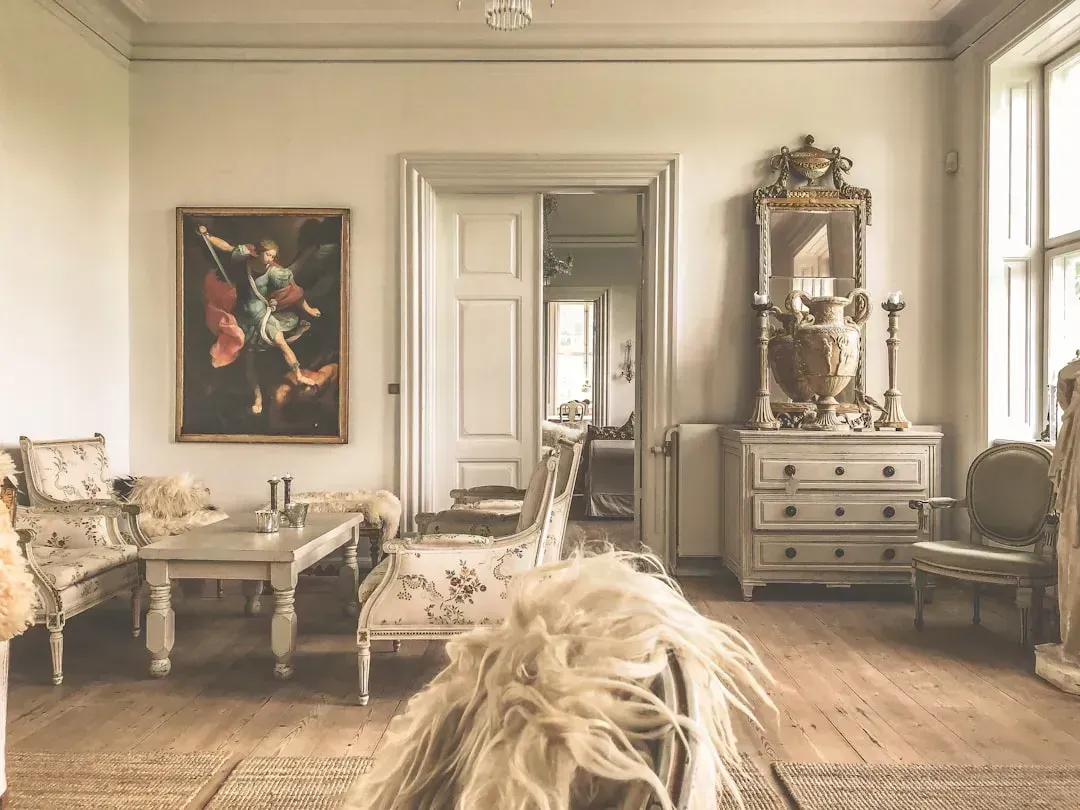
Finally, homes of people raised with old-school manners always contain personal touches that connect them to family traditions. This might be grandmother’s china displayed in a hutch, a vintage serving platter that comes out for holidays, or silver pieces that require regular polishing but are used anyway.
Traditional designers love incorporating antiques, and the idea of thrifting storied pieces that have history is spreading and regaining popularity, offering a bonus for those who love to bring strong feelings when creating their designs. People with traditional upbringing have been doing this naturally for generations. They don’t need a trend to tell them heirlooms matter.
In 2025, there’s a nostalgic return to thoughtfully designed, separate living rooms that prioritize entertaining and aesthetic enjoyment, with designers referencing the 1930s and predicting a return to formal living rooms. For those raised with manners, this isn’t a new trend – it’s how they’ve always lived. Their homes don’t chase fashion; they maintain standards that have proven timeless.
These spaces feel cohesive not because everything matches perfectly, but because everything has purpose and history. There’s a story behind the objects, and the owners actually know those stories. That’s perhaps the biggest difference of all.