Before You Spend It: Why $1 Bill Pattern Notes Are Fetching Huge Money
The Serial Number Lottery Hidden in Your Wallet
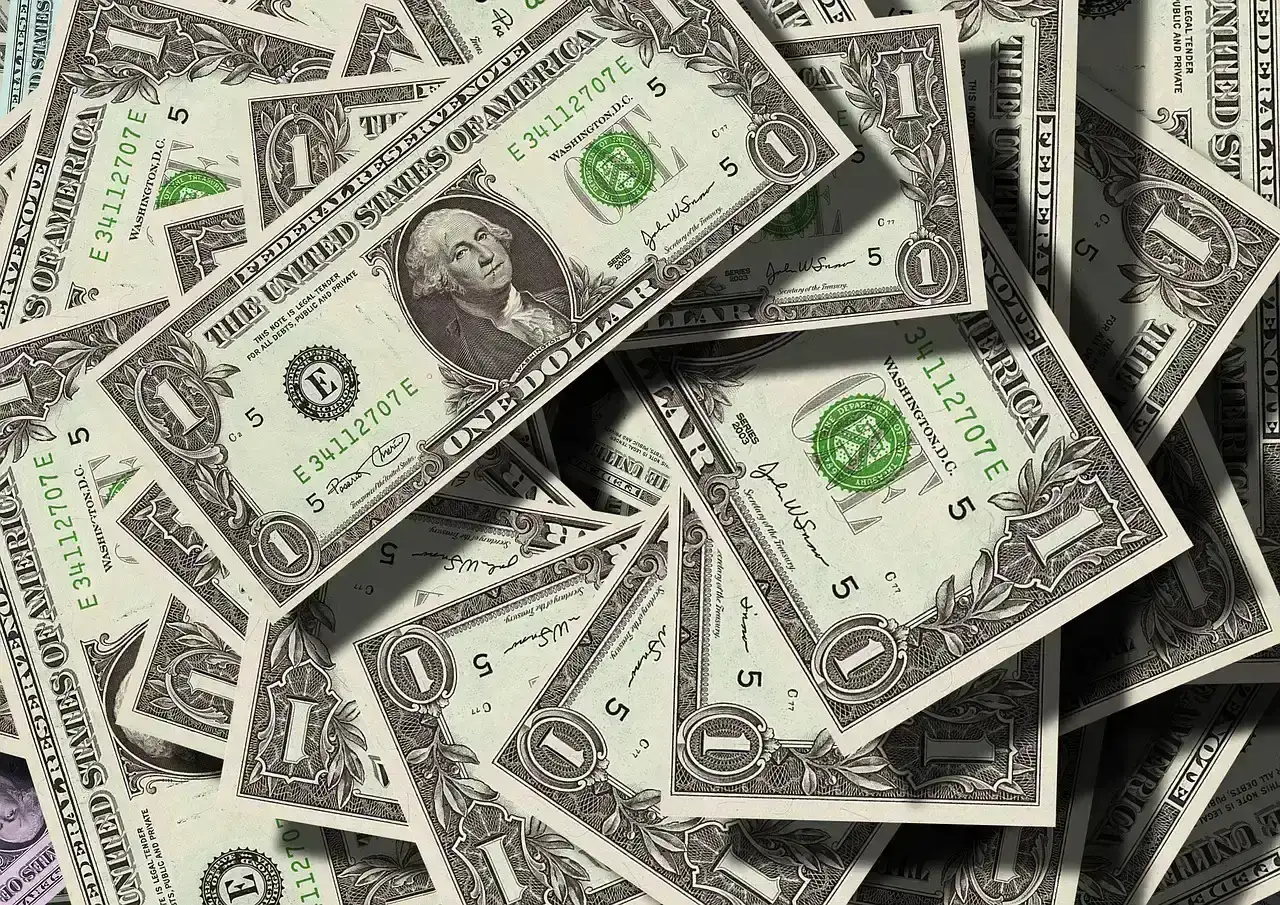
Here’s the thing: you probably toss dollar bills around without a second glance. Most people do. Yet somewhere in that crumpled stack of singles in your wallet, you might be holding hundreds or even thousands of dollars without realizing it. It’s not magic, it’s serial numbers.
What started as a routine look through a wallet ended with a life-changing discovery for one U.S. homeowner in 2025, when a seemingly ordinary $1 bill turned out to be an ultra-rare note with a serial number pattern so unique that it fetched thousands of dollars at auction. The serial number printed on your bill is not just an administrative detail. In certain patterns, these eight-digit codes become collectible treasures, sought after by a passionate community willing to pay serious money. So before you hand that next dollar to the cashier, take a closer look at those green numbers.
Solid Serial Numbers: The Holy Grail of Currency Collecting
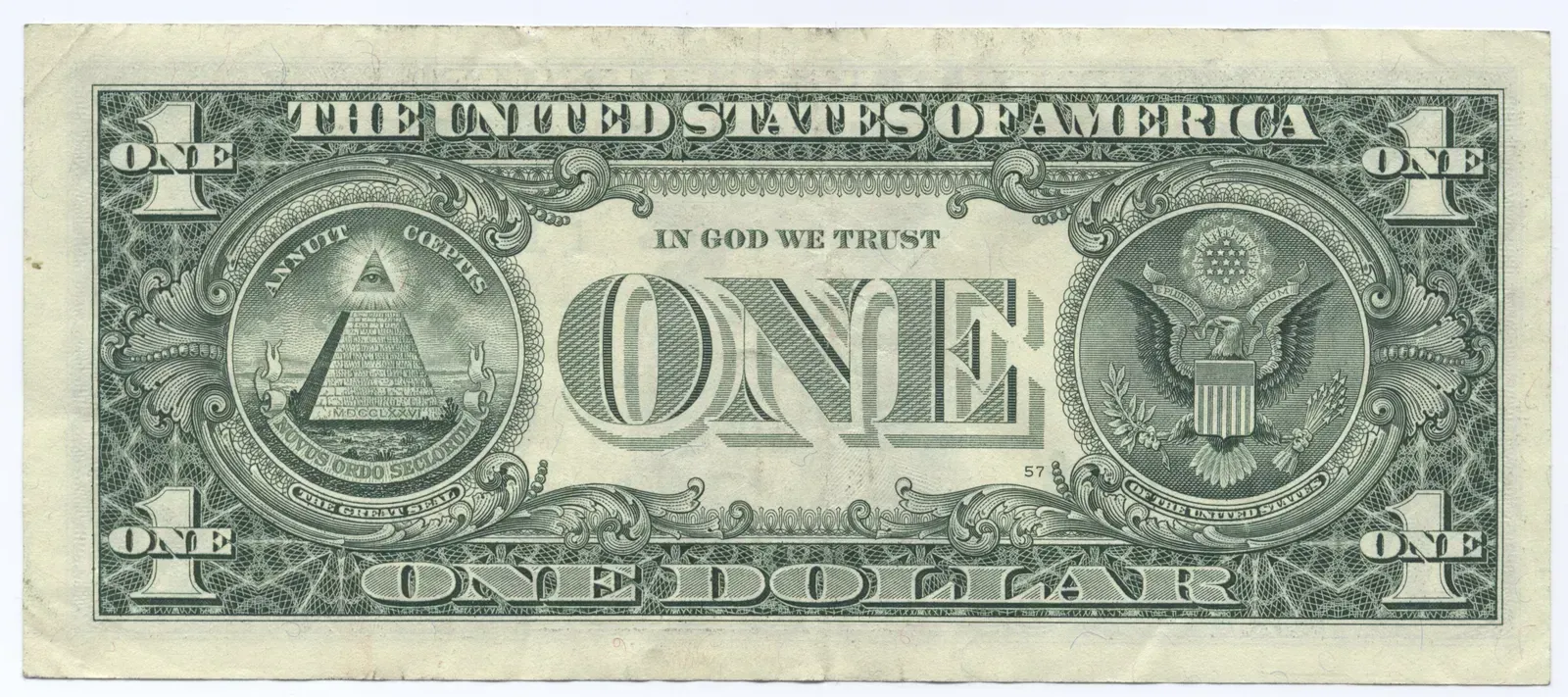
A solid serial number is one where every digit is the same, and only about one out of every 11 million notes is a solid. Think 55555555 or 88888888. These bills can be worth far more than face value. They can be worth $500 or more, and some super-rare ones are listed on eBay for thousands of dollars!
Honestly, finding a solid is like winning a miniature lottery. Solid serial numbers consisting of 9’s, 8’s, 7’s and 6’s are the most valuable, and bills with 9s only are rare and mostly appear in older series. Paper bills with solid serial numbers have, in the past, sold for up to several thousand dollars. The rarity stems from the sheer improbability: you would need to check roughly over ten million notes to spot one.
Ladder and Radar Notes Worth Hundreds or More
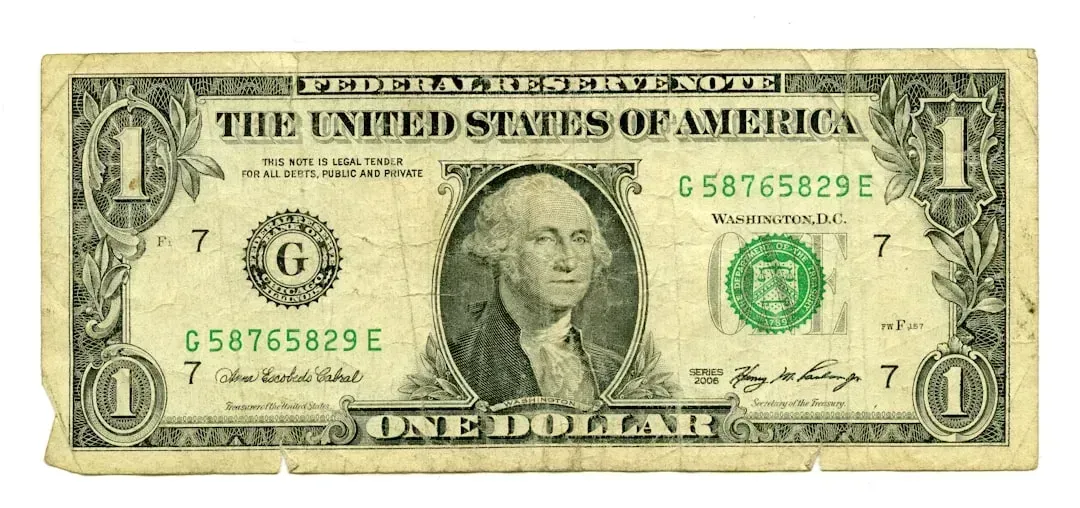
Each digit in ladder serial numbers is one number higher or lower than the previous digit, such as 01234567 or 98765432. These patterns are mesmerizing and incredibly rare. The chances of finding one of these bills is 1 in 50 million or more, depending on the type, with ladder numbers being the rarest.
Radar serial numbers are the same forward as backwards, named because the word “r-a-d-a-r” is spelled the same forward and back, such as 12533521 or 49366394. Auction prices run the gamut from about $25 to $50 for a typical basic Crisp Uncirculated $1 Radar Note of the contemporary period to more than $500 for a late 20th-century $100 Radar Note. What’s wild is that these notes read identically in either direction, creating a symmetry collectors adore.
Low Serial Numbers Command Premium Prices
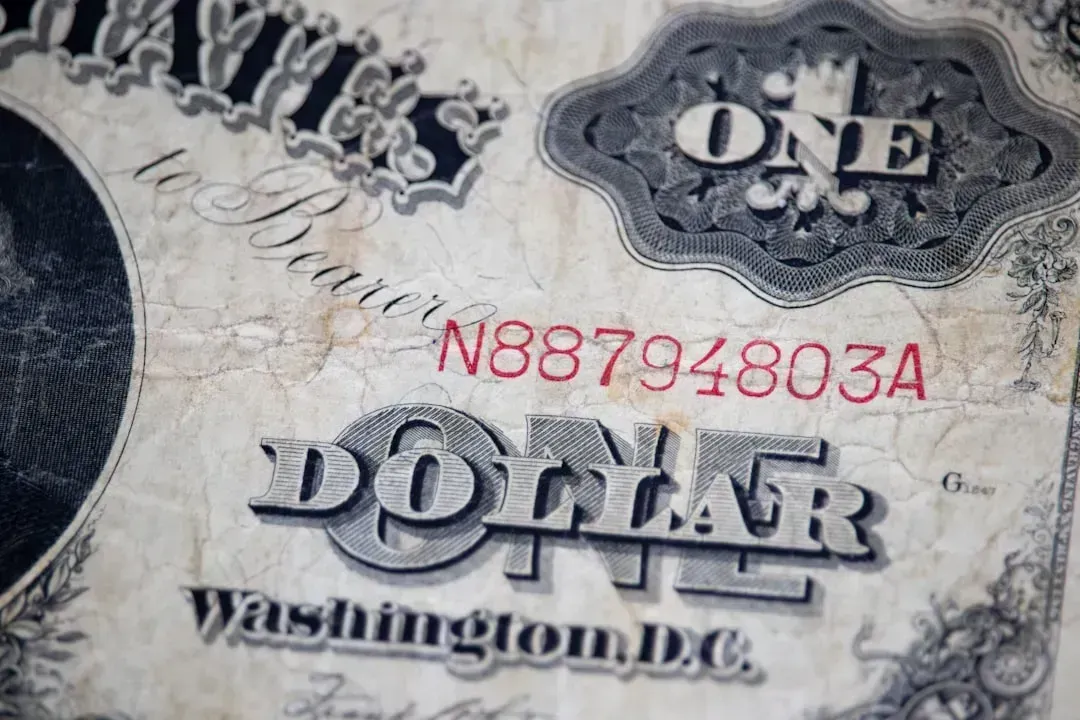
Serial numbers that start with five or more zeros are fancy, meaning 00000001 through 00000999, with the more leading zeros the better. Serial numbers 00000001 through 00000009 might be worth around $700 to $4000, with the highest value being serial number 1, as some collectors are willing to pay a few thousand dollars to have it in their collection.
In 2024, vending operator Calvin Westfall found G00000001I in his Georgia soda machine – the #1 bill from the 2013 Series G run, and though circulated, experts valued it at $10,000+, with uncirculated versions hitting $15,000. Let’s be real: most of us would’ve just spent it on a bag of chips. That’s exactly why these discoveries still happen. People simply don’t check.
Repeaters, Binaries, and the Duplicated Serial Number Error
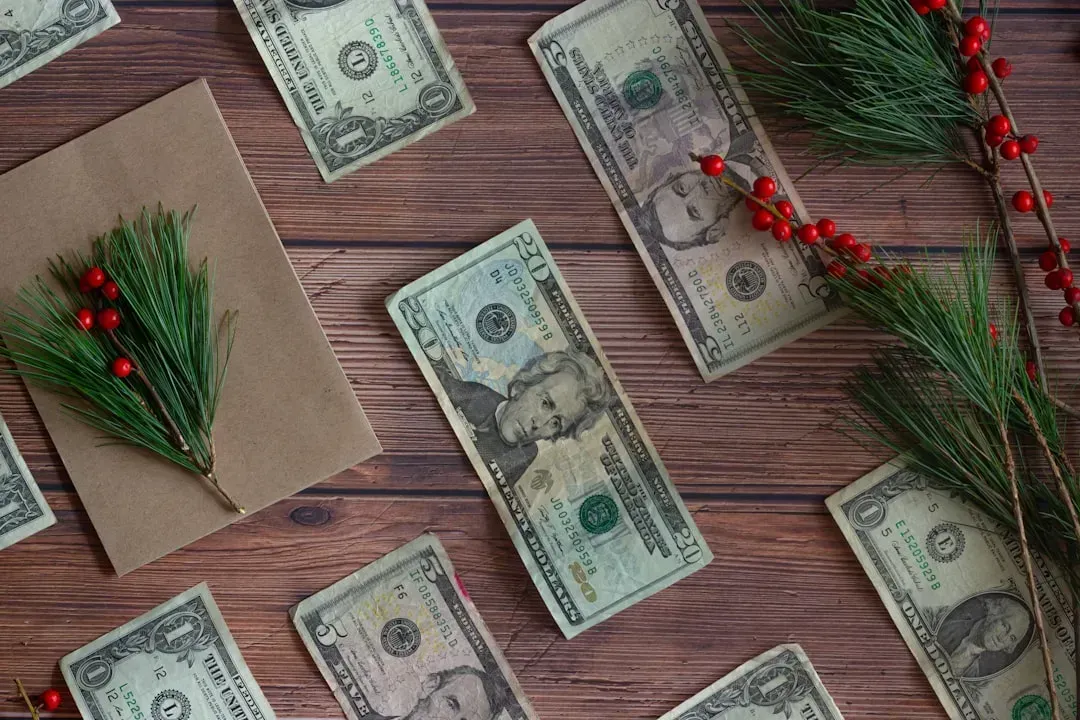
Examples of repeater serial numbers are 83428342 or 67546754, and such a serial number can be worth as much as $25 to $50. A super repeater is when the first two digits are repeated four times, such as 12121212 or 32323232, and these are worth $80 to $120 added to the face value. Binaries use only two unique digits in the entire sequence, creating visual patterns that stand out immediately.
Between 2014 and 2016, around 6.4 million one-dollar bills were printed that could be worth up to $150,000, as a printing error caused two batches from Washington D.C. in 2014 and Fort Worth in 2016 to be printed with the exact same serial number. Matching pairs of these bills could be worth anywhere from several thousand dollars, and only a handful of pairs have been found, though there are still millions of pairs out there. Finding even one half of a matching pair is thrilling. Did you expect something printed just a decade ago to be worth a small fortune? Neither did most people holding them.