Hotel Workers Share 5 Subtle Mistakes Guests Make at Check-In
There is something almost theatrical about the hotel check-in moment. You walk up to the desk, bags in hand, maybe jet-lagged, maybe buzzing with excitement. The front desk agent smiles. You smile back. Simple enough, right?
Except, behind that friendly exchange, a whole lot can quietly go wrong. Hotel workers see it play out dozens of times a day. Guests make the same small, easily avoidable missteps, most of them without even realizing it. Some cost them upgrades. Some slow down the entire line. A few could even affect their whole stay.
Curious what those mistakes actually are? Let’s get into it.
Mistake #1: Showing Up Without ID or Payment Ready
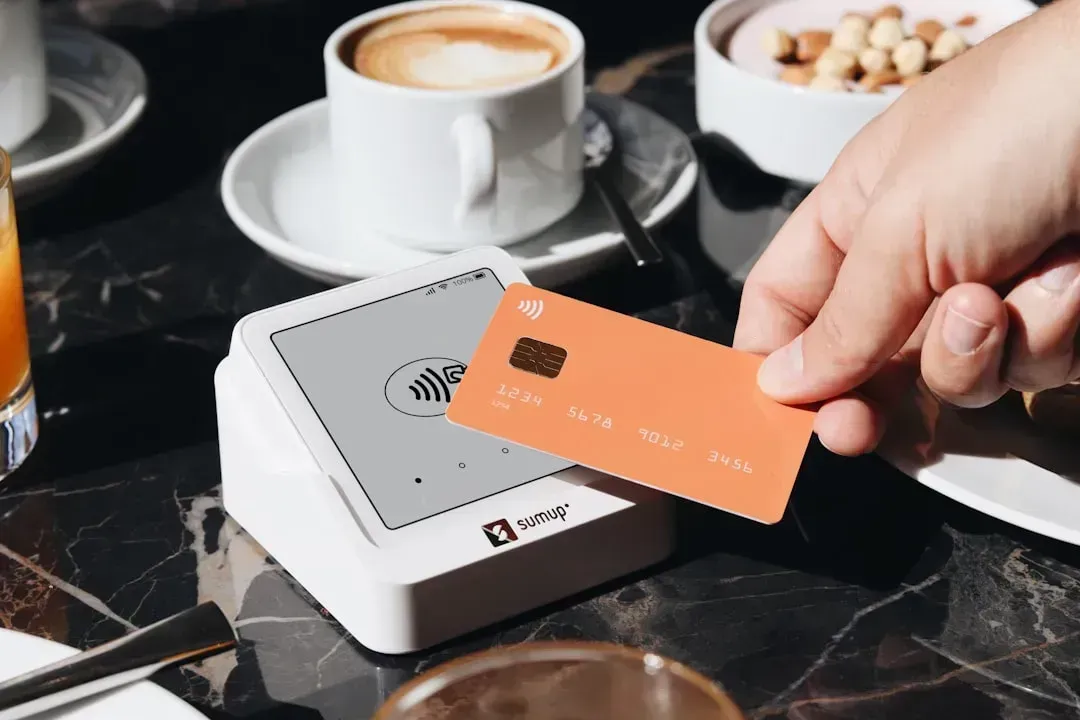
Let’s be real, this one sounds almost too obvious, yet it happens constantly. Guests arrive at the front desk and then spend three minutes digging through bags, wallets, and jacket pockets looking for their passport or credit card. It is a small thing, but it holds up everyone behind them in line and creates friction right from the start.
Hotels require specific information at check-in, including guest name and contact details for records, a credit card for prepayment or to place a hold for incidentals, and valid identification to comply with state, local, or government requirements. These are not optional extras. They are the baseline, every single time.
Manual data entry already comes with a risk of human error, especially when there’s a line of guests pressuring the team to work quickly. Small mistakes at this stage can create headaches later, from bounced emails in marketing campaigns to mismatched records. When guests arrive unprepared, that risk multiplies. Having your ID and payment method in hand before you even reach the desk is genuinely one of the simplest things you can do to start your stay on the right foot.
Mistake #2: Booking Through a Third-Party and Expecting Full Loyalty Benefits
Here’s the thing that a surprising number of travelers still get wrong. They book through an online travel agency like Expedia or Booking.com, then walk up to the front desk and ask for an upgrade or a loyalty perk as if they booked directly. It genuinely does not work that way.
This is one of those moves that hurts your chances before you even unpack your bags. Almost universally, guests only earn loyalty points and elite status benefits, including upgrades, when they book directly with the hotel chain. Think of it like showing up to a family dinner as someone’s plus-one. You’re welcome, of course, but you are not getting the best seat at the table.
From the front desk perspective, if a hotel is going to give an upgrade at all, it goes to a guest perceived as loyal, or one who may bring future business. In order of priority, hotels give upgrades to repeat guests and loyalty program members first. Booking directly is one of the best ways to improve your chances of receiving a free upgrade. The data backs this view strongly. Research from Kalibri Labs found that between roughly two in five and three in five hotel room bookings came from loyalty members. Hotels take that relationship seriously, and guests who skip it are quietly leaving perks on the table every time.
Mistake #3: Arriving During Peak Check-In Hours and Expecting Instant Room Access

Honestly, this one frustrates hotel workers more than almost anything else. A guest arrives at 11 a.m., and when they’re told their room isn’t ready, they’re visibly annoyed, sometimes even demanding. The thing is, standard check-in time exists for a very specific operational reason.
Guest arrivals fluctuate throughout the year, with summer months accounting for well over a third of annual check-ins. This peak season brings great revenue but also real operational challenges. Staff are managing dozens of rooms simultaneously, coordinating with housekeeping, and working against a tight clock. Expecting an early room on a busy Saturday morning is genuinely unrealistic in most cases.
You are actually more likely to get an upgrade if you check in later in the day, because after around 4 p.m., the hotel is more likely to know what rooms they actually have available. There is a certain irony there. Arriving at odd hours or later in the afternoon can work in your favor. According to the AHLA’s 2025 Report, roughly more than a third of guests consider quick and easy check-in a key driver of a positive guest experience. That cuts both ways. Hotels want it to be smooth, too. Working with their timing rather than against it makes everything better for everyone.
Mistake #4: Not Mentioning Special Requests at the Right Moment
This one is subtle, and I think it catches a lot of well-intentioned guests off guard. They arrive at the desk, get their key card, and then as they’re walking away they casually mention that they’d prefer a high floor, a quiet room, or a room away from the elevator. That timing is almost always too late to act on efficiently.
Whether guests book online or by phone, the front desk staff should collect the necessary information to process payment, assign rooms, and coordinate a seamless check-in. Room assignments often happen before you even arrive, based on the details attached to your reservation. Tacking on preferences mid-conversation puts the agent in the difficult spot of having to undo what was already set up.
For returning guests, hotels can leverage the property management system to store guest profiles, allowing them to pre-fill information before arrival. This cuts down on time spent manually entering data and creates a more personalized check-in experience. Returning guests will appreciate both the ease and the personal touch. The lesson here is simple. Communicate special requests when you book, or at least via pre-arrival email. The front desk team genuinely wants to accommodate you. Giving them enough time to actually do so is the part guests so often skip.
Mistake #5: Ignoring the Loyalty Program Sign-Up Opportunity

It sounds like a small thing, but skipping a hotel loyalty program enrollment at check-in is one of the most quietly costly habits a frequent traveler can have. Many guests wave it off as “just another loyalty card” without realizing the perks that activate immediately upon joining.
A striking majority of guests are looking for immediate benefits rather than waiting for their points to build up. Hoteliers can design loyalty programs to meet these expectations when they know their guests and what will satisfy them. Many programs now front-load the rewards. Benefits for higher tiers include a dedicated check-in line, late checkout upon request, access to hotel club lounges, complimentary parking, and enhanced room upgrades including standard suites.
Loyal clients tend to stay noticeably longer and spend meaningfully more than infrequent travelers. Between roughly a third and the majority of hotel revenue comes from loyalty members. Hotels know this, which is exactly why their staff are trained to mention the program at check-in. It is not a formality. Hilton’s 2024 Trends Report indicates that roughly three in five travelers consistently book with one brand or credit card to maximize benefits, with more than two thirds of Millennials prioritizing their loyalty programs when planning travel. Dismissing the sign-up entirely means leaving real, tangible value behind.