I Moved to Florida to Retire – and Regretted It: 8 Reasons I Ended Up Leaving
Florida. The Sunshine State. For decades it was basically the universal punchline for where American retirees go to live out their golden years. Warm winters, no state income tax, beach sunsets on demand. It sounds perfect on paper, and honestly, I thought so too.
So I packed up my life and moved. What followed was a slow, expensive, sometimes genuinely frightening education in what Florida retirement actually looks like versus what the brochures promise. I’m not alone in that story. A growing wave of retirees are quietly reversing course, and the data makes it very clear why.
Here’s what pushed me out.
1. Home Insurance Became a Financial Horror Show

Nothing prepared me for what insurance in Florida would actually cost. Insurify projected Florida’s average annual home insurance premiums would rise another 9% in 2025, reaching a staggering average of $15,460 annually. Let that sink in. That’s more than most people’s monthly Social Security checks, gone before you’ve even bought groceries.
Multiple major carriers have either gone insolvent or completely withdrawn from Florida. Since 2022, over 20 insurance companies have stopped writing new policies in the state, leaving fewer options for consumers. You end up stuck with whoever will take you, often at prices that make no rational sense for a fixed retirement income.
Roughly seven out of ten Florida homeowners have experienced rising insurance costs or coverage changes, such as their insurer dropping them, a 2024 Redfin survey found. Seven out of ten. That’s not a fringe problem. That’s the reality for the overwhelming majority of people living there.
Retirees who move to Florida are often shocked to discover that deductibles for hurricane insurance often range from 2% to 5%, and sometimes as much as 10%, of the policy coverage, rather than the fixed dollar amount they were accustomed to up north. That means on a $400,000 home, your hurricane deductible alone could land somewhere between $8,000 and $40,000 out of pocket.
2. The Hurricane Threat Is Not Just Seasonal Anxiety – It’s a Real Annual Crisis
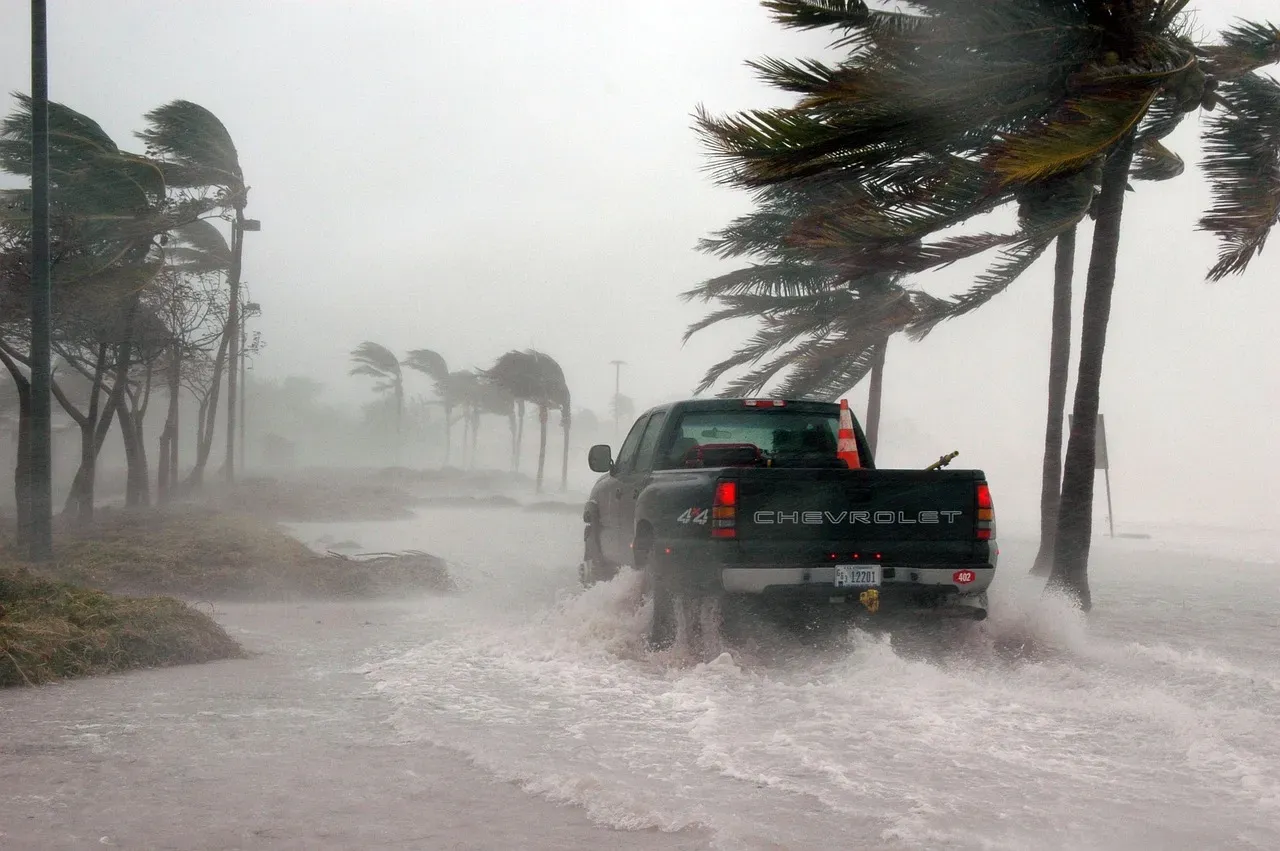
Florida is no stranger to natural disasters, with hurricanes, flooding, and torrential rain hitting the peninsula regularly. The state’s coastal positioning between the Gulf of Mexico and the Atlantic Ocean, along with its long, thin shape, makes it uniquely susceptible to adverse weather. I knew this going in. What I didn’t fully grasp was how consuming that knowledge becomes when you actually live there.
The National Centers for Environmental Information report that the state was hit with 94 disaster events between 1980 and 2024. In September 2024, Hurricane Helene hammered Florida and the Southeast, killing more than 230 people, making it the deadliest hurricane to strike the U.S. since Hurricane Maria in 2017. Some estimates put the total economic damage at close to $200 billion.
Between 2020 and 2024 alone, the state experienced 34 separate billion-dollar disasters. These unforeseen expenses can place significant stress, not to mention costs, on seniors in Florida. Thirty-four billion-dollar disasters in five years. Think about living through that calendar.
A noticeable uptick in outbound moves was tied to the 2024 and 2025 hurricane seasons, when repeated storms, evacuations, and rebuilding costs forced homeowners to confront how fragile their plans could be. Retirees who had once shrugged off storm season as the price of paradise now see it as an annual stress test they no longer want to endure, especially as they age. Honestly, that’s exactly how I felt.
3. The “No Income Tax” Promise Doesn’t Tell the Full Story

Let’s be real, the no-state-income-tax thing is genuinely appealing. No tax on Social Security, pensions, or retirement income sounds like a dream for anyone on a fixed income. But here’s the thing: that headline benefit is real, while quietly, other costs chip away at everything you saved.
Don’t confuse “no state income tax” with “no taxes at all.” The combined state and local sales tax averages 7.00% in Florida, according to the Tax Foundation. That’s higher than the combined rates retirees from states such as Michigan, Pennsylvania, Massachusetts and New Jersey are accustomed to paying. For a retiree spending heavily on goods and services daily, that difference adds up faster than you’d expect.
Property taxes have surged roughly 60% over the past five years, rising alongside skyrocketing home values in popular retirement areas. The state also charges a 6% sales tax on most purchases, with some local areas pushing this higher. These taxes affect daily expenses from groceries to restaurant meals, creating a higher cost of living than many retirees anticipate.
There’s also the matter of grocery costs. Grocery prices in Florida experienced a notable increase, with a 4.3% rise between March 2024 and March 2025. When insurance, property taxes, and groceries all climb at once, that income tax break starts to feel like a single umbrella in a thunderstorm.
4. The Healthcare System Is Surprisingly Weak for a State Full of Retirees

You’d assume a state where more than one in four residents is aged 65 or older would have top-tier healthcare infrastructure. You’d be wrong. A 2025 WalletHub study ranked Florida at No. 42 in the entire country, firmly among the bottom ten worst healthcare systems nationwide. For retirees, healthcare isn’t optional. It’s the whole ballgame.
Florida’s healthcare system consistently ranks low compared to other states in several crucial areas, including successful outcomes, accessibility, and affordability. Accessibility is the one that stings the most in practice. Getting specialist appointments, finding physicians accepting new Medicare patients, navigating wait times – none of it works as smoothly as it should.
Long-term care in Florida, which Medicare tends not to cover, can reach anywhere from $63,000 to over $130,000 per year, depending on how much attention is required, according to 2024 data from Genworth. That is a number that can quietly erase a lifetime of savings in just a handful of years.
Hospitals and clinics see higher patient volumes and longer wait times. Emergency services and social programs serve more residents without matching funding increases. When you’re older and your health is the thing you care about most, this isn’t a minor inconvenience. It’s a dealbreaker.
5. Housing Costs Exploded and Priced Out the Very People Florida Was Supposed to Welcome
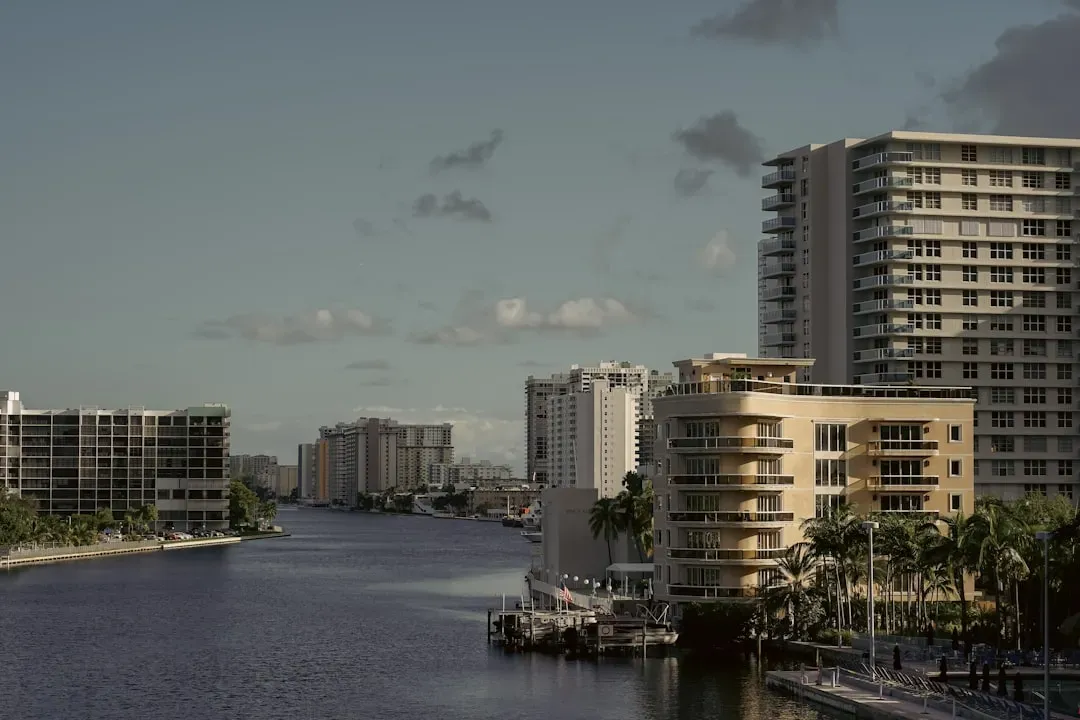
Once considered the ideal place to live out one’s golden years, Florida is quickly losing favor with retirement-aged folks. Remote workers and the wealthy are flocking to the state and driving up home prices, leaving those on a fixed income feeling the pinch. In just half a decade, the median price of a single-family house in Florida rose $150,000, or 60%. That kind of appreciation is great if you bought early. It’s devastating if you’re buying now.
In July 2024, the median sale price was $409,700. Compare that to the national picture, and Florida no longer looks like the bargain retirement haven it once was. As of late 2025, Zillow places the average home in the state at around $377,000, which is slightly above Zillow’s U.S. average home value of $363,932.
Many Florida retirement communities charge monthly HOA fees to maintain shared spaces like pools and gardens. What catches retirees off guard are the special assessments that can appear without warning. I know people who received five-figure HOA bills they had absolutely no budget for. Florida hosts approximately 50,100 HOAs, the second highest in the nation. About 64% of property owners deal with these associations, and monthly fees average $230, adding roughly $2,760 to annual housing costs before any special assessments hit.
6. The Heat and Humidity Are a Genuine Health Risk, Not Just a Discomfort
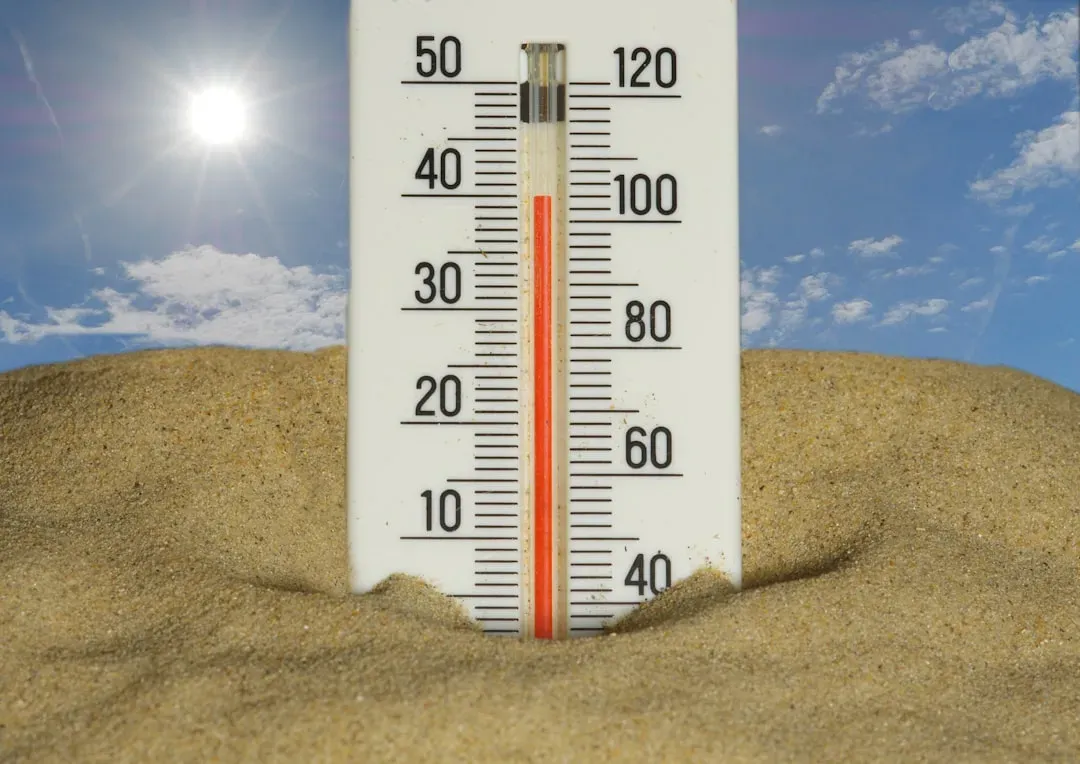
People say Florida’s heat is manageable. Spend one August there in your late sixties and see if you still feel that way. Extreme heat is one of the leading weather-related causes of death in the U.S., and Florida is particularly vulnerable due to its long summers and high humidity. These conditions can overwhelm the body’s cooling system, leading to heat-related illnesses like heat exhaustion and heat stroke, especially for vulnerable populations such as the elderly.
If humidity is 60%, for instance, and the temperature reads 90 degrees, it’s actually going to feel like 100. Now imagine that persisting for six months straight. Extreme heat disproportionately harms vulnerable populations such as the elderly and those without reliable access to air conditioning. It’s not just uncomfortable. It’s medically dangerous for many retirees.
The elderly may struggle to adjust to heat and often miss signs of dehydration. Combine that with the kind of extreme humidity Florida delivers from roughly May through October, and you have a situation where retirees are often trapped indoors for months at a stretch, barely able to enjoy the outdoor lifestyle they moved there for in the first place.
7. Traffic Congestion and Overcrowding Ate Up Quality of Life
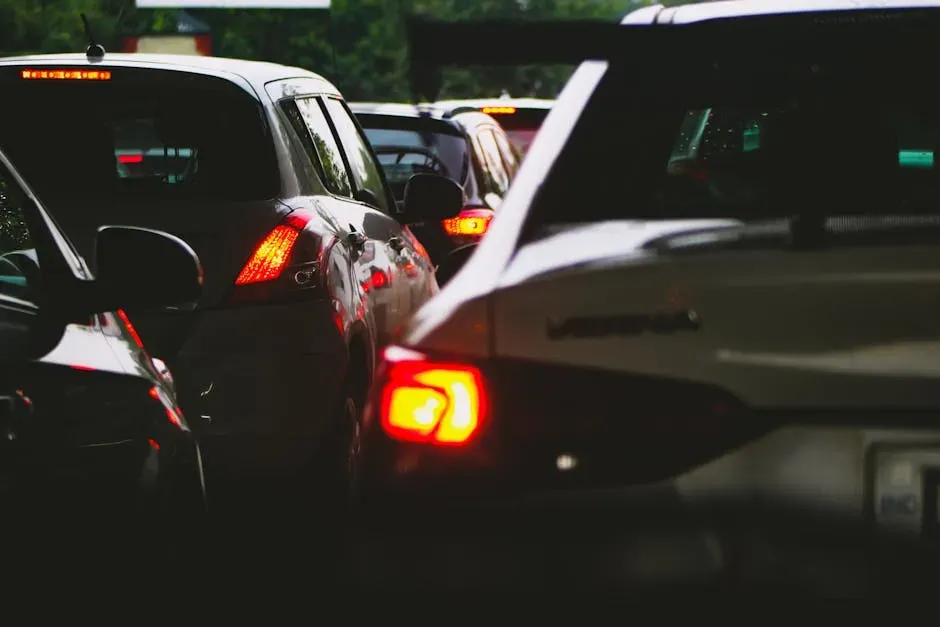
Here’s something nobody mentions in the retirement fantasy: the roads. Florida’s population has grown at a staggering pace, and the roads simply cannot keep up. Florida recorded the second-highest population increase nationwide, adding 467,347 residents between 2023 and 2024. Every single one of those people needs to drive somewhere.
In 2024, Tampa drivers lost 34 hours to congestion, costing the city $800 million. Miami fared worse, with drivers wasting 74 hours annually at a cost of $1,325 each, totaling $3.4 billion in lost productivity statewide. These are not minor inconveniences. They are daily quality-of-life drains that grind people down.
Florida’s massive population of 23 million makes it the third-largest state in the country. While Florida has buses, trains, and other forms of public transit, the system sizes aren’t always in line with the number of Floridians in an area. Tampa’s public transportation system, for instance, often ranks among the worst in usage and coverage when compared to other significant metro areas.
Florida’s deficient transit systems leave retirees paying for costly maintenance, rising fuel costs, and expensive vehicles. I know it sounds like a small thing compared to hurricanes and healthcare, but there’s something exhausting about being utterly car-dependent well into your seventies with zero walkable alternatives.
8. Consumer Fraud Targets Retirees at an Alarming Rate
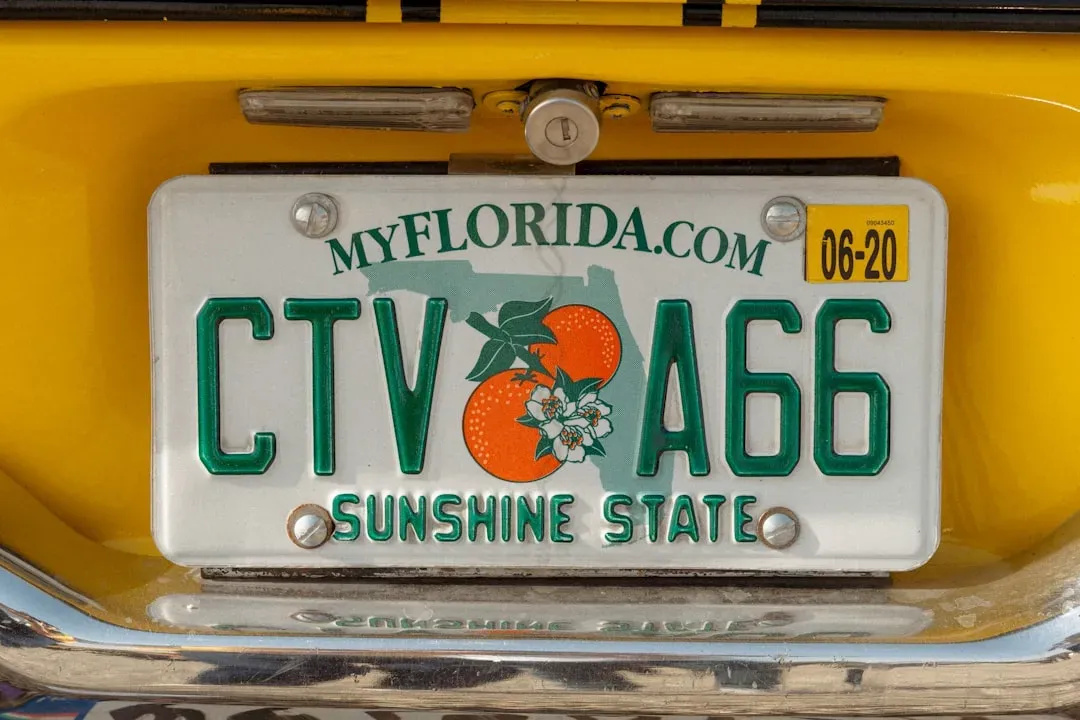
I genuinely didn’t see this one coming. Florida has a reputation for being quirky, colorful, and occasionally chaotic. What I didn’t fully appreciate was that it also carries an alarming fraud problem, and retirees are squarely in the crosshairs. The Federal Trade Commission published data ranking Florida No. 1 with respect to consumer fraud. A total of 474,314 reports were filed in the state in 2024, representing 2,163 reports per 100,000 people. Number one in the entire country.
The most common fraud categories included credit bureau-related issues, identity theft, and imposter scams. The top identity theft type was credit card fraud, accounting for roughly half of all identity theft reports. Retirees, often managing significant assets and sometimes less familiar with digital scam tactics, are a primary target group for these schemes.
It’s hard to say for sure just how much financial damage fraud inflicts on individual retirees each year, but Florida’s top ranking is consistent across multiple reporting cycles. There are multiple reasons some retirees are less drawn to Florida these days. Once a strong point, the state’s cost of living is on the rise as an increasing number of remote workers settle there. Climate change and the dangers of natural disasters are a factor, as are related spikes in insurance costs. Add fraud on top of all of that, and the picture becomes genuinely hard to defend.
The retirement dream I chased to Florida didn’t disappear. It just turned out to exist somewhere else. The Sunshine State still has genuine appeal for certain people under certain circumstances, but the realities of skyrocketing insurance, a weakened healthcare system, dangerous summer heat, relentless traffic, and rampant fraud are not small asterisks. They are the headline. If you’re considering Florida for retirement, go in with your eyes fully open and your numbers fully checked. What would you have done differently if you’d known all this before signing the lease?