A Step-by-Step Guide to Refreshing Your Workspace
There’s a moment most of us recognize: you sit down at your desk, take a slow look around, and feel a quiet sense of dread. Papers everywhere. A tangle of cables that rivals a bird’s nest. That one mug you keep promising to return to the kitchen. has slowly, sneakily, turned against you.
The good news? A thoughtful workspace refresh doesn’t require a renovation budget or a designer. It requires intent, a little time, and knowing where to start. Whether you work from home, in a corporate office, or somewhere in between, what follows is a practical, research-backed guide that walks you through every meaningful step. Let’s dive in.
Why Actually Matters More Than You Think
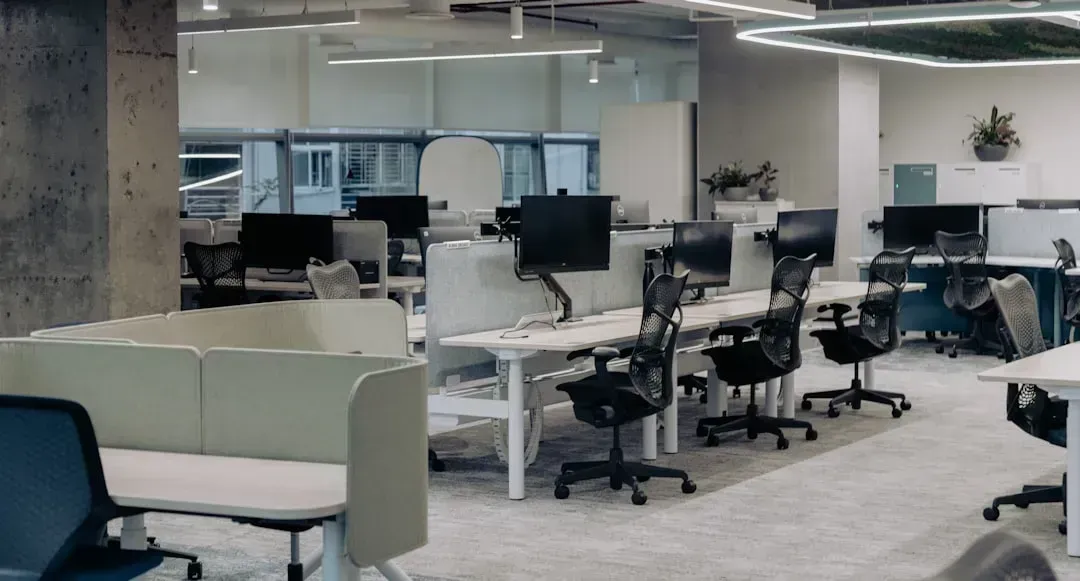
Research from the University of Exeter found that employees who have control over the design and layout of their workspace are not only happier and healthier but also up to 32 percent more productive. That’s a staggering number for something as seemingly simple as rearranging a few things on a desk. Honestly, if a pill offered that kind of boost, everyone would be taking it.
A report from workspace design firm Unispace found that the vast majority of employees – roughly eight in ten – find office spaces distracting and uncomfortable. However, nearly half say the desk is still the most important workplace zone, and a large-scale survey of over 5,000 employees across 14 markets found that while nearly all believe the office will still be needed, three quarters say noise and distraction hinder their performance. The message is clear: the space itself carries enormous weight. Refreshing it is not a luxury – it’s a performance decision.
Start with a Full Declutter Before Anything Else
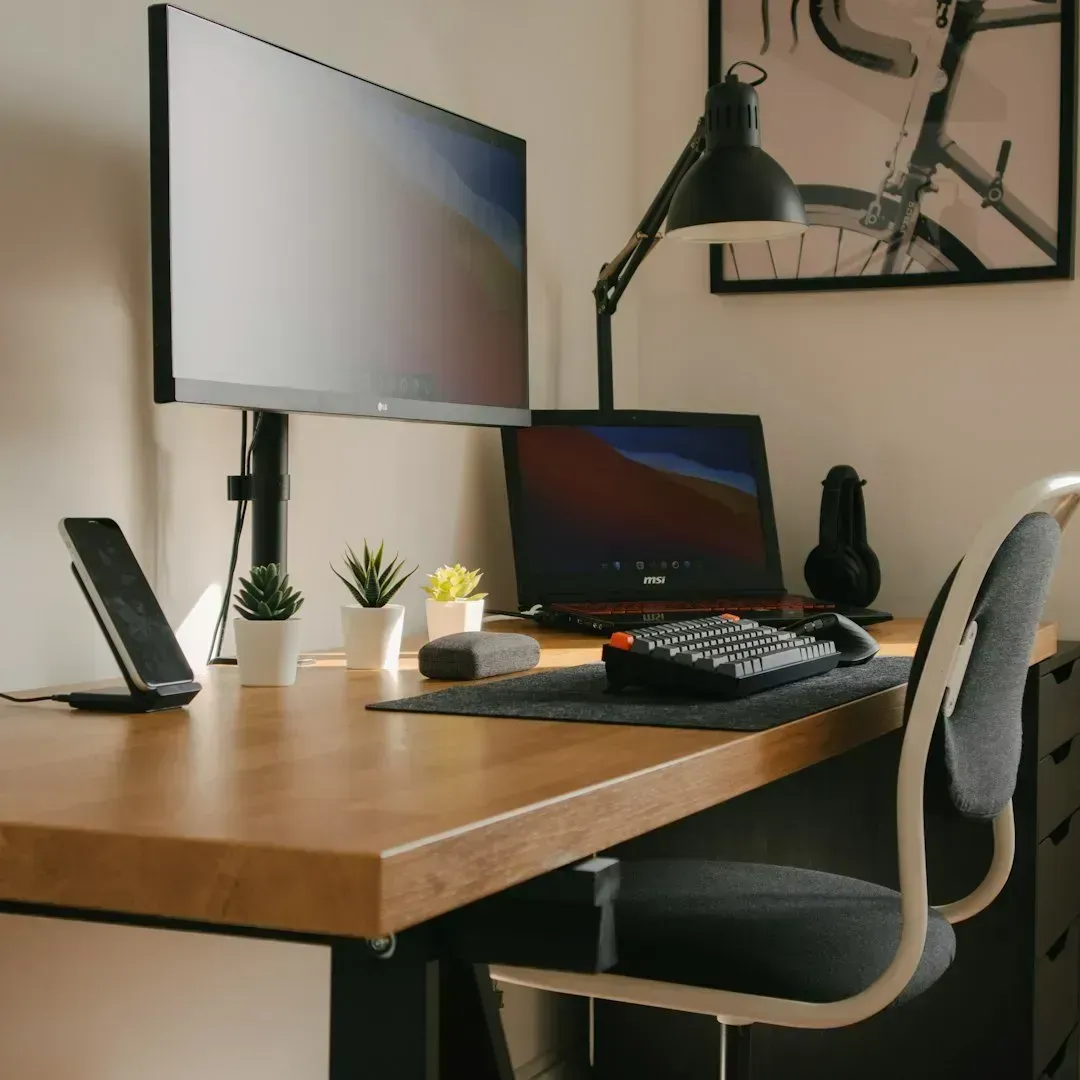
Research from Princeton University found that our environment can positively or negatively impact our ability to complete tasks and our overall mental health. If the physical space around us feels scattered, our mental space tends to feel the same. A study by the University of Connecticut found that by removing or controlling clutter, we can directly reduce the stress that stems from the mess, helping us feel happier, less anxious, and more confident. Think of clutter as a slow leak in your mental energy tank – you don’t notice it until the tank is empty.
Studies have shown that environments perceived as cluttered trigger the release of stress hormones such as cortisol, contributing to increased anxiety levels. Clutter also serves as a constant reminder of unfinished tasks, which reduces overall life satisfaction. The place to start is simple: remove everything from your desk surface. Then only put back what genuinely earns its spot. Be ruthless. That decorative stapler you never use? Gone.
Tackle Your Cable Chaos Once and for All
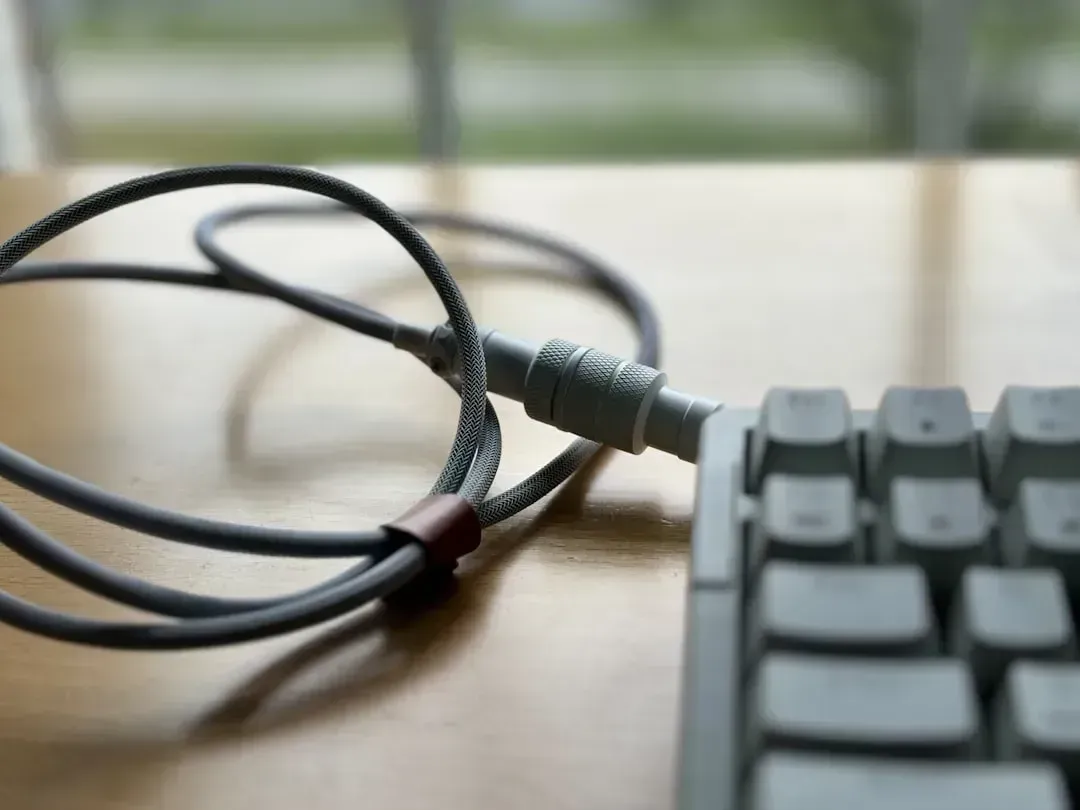
A cluttered workspace full of tangled wires can disrupt productivity, create safety hazards, and make even the simplest tasks frustrating. Proper under-desk cable management is essential for maintaining an organized and efficient home office. This is one of those things that people endlessly postpone – and then wonder why their desk always looks chaotic no matter what they do.
Selecting wireless devices wherever possible is the most direct method to reduce desktop clutter. Wireless keyboards, mice, and even headphones can significantly cut down on the number of cables competing for space. For cables that remain, managing them with under-desk trays, adhesive clips, or Velcro straps can help prevent tangling, while cable sleeves or raceways can keep wires neatly bundled. It takes an afternoon. The visual calm it creates lasts for months.
Get Your Lighting Right – It’s Non-Negotiable
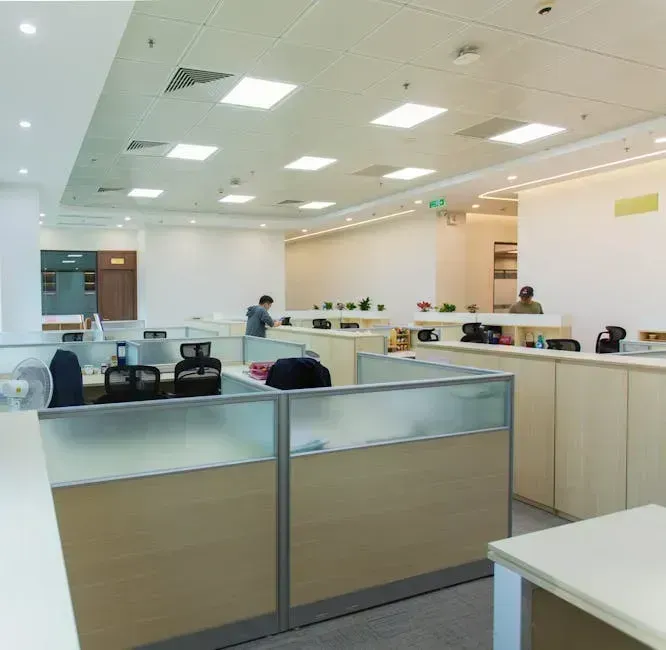
Natural daylight reduces eye strain by 51 percent and headaches by 63 percent among office workers, according to the Ergonomics International Journal. That alone should make positioning your desk near a window a top priority. Light is one of the most underestimated variables in workspace comfort, and most people simply accept whatever overhead fluorescent situation they were handed.
Thoughtfully designed lighting solutions boost workplace productivity by 6 percent while enhancing creative output by up to 15 percent, according to Human Spaces research. These gains stem from lighting systems that respond to natural circadian rhythms, adjusting color temperature and intensity throughout the day. If natural light isn’t accessible, consider using LED lights that mimic natural tones for reduced eye strain and enhanced concentration. A decent desk lamp is one of the best investments you can make.
Embrace Biophilic Design – Bring the Outside In

Biophilic design, which integrates natural light, plants, and natural materials, has proven health and performance benefits. One global study found that offices using biophilic elements see around 15 percent higher well-being, notably higher productivity, and 35 percent fewer absences. Employees in these spaces also take fewer sick days. A plant or two on your desk is not just an Instagram prop – it is, in a literal sense, a productivity tool.
Outdoor workspaces and internal gardens became essential elements for boosting both mood and productivity in 2025. Employee well-being is a top priority in modern office design, responding to rising burnout rates that affect a significant portion of workers across multiple countries. Even if you’re working from a spare bedroom or a studio apartment, adding a potted plant, a small water feature, or a nature-inspired desk mat can shift the energy of a space noticeably.
Upgrade Your Ergonomics for Long-Term Comfort
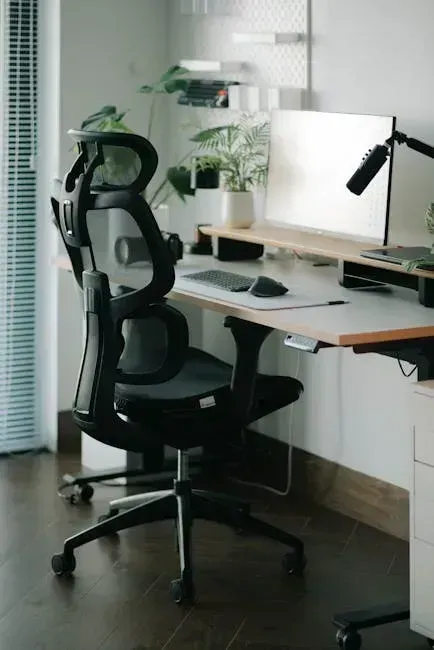
Height-adjustable desks, ergonomic chairs, and customizable lighting systems allow individuals to create their ideal, health-supportive work environments. Lighting controls allow adjustments to brightness and color temperature, while noise-cancelling headphones and sound masking systems help manage the acoustic environment. Let’s be real – most people spend more time sitting at their desk than sleeping in their bed, yet they agonize far more over the mattress than the chair.
Ergonomics should not be overlooked even in small office designs. Investing in ergonomic furniture promotes comfort and efficiency by supporting natural body positions. Adjustable chairs, standing desks, and screen risers can improve posture and prevent strain, catering to both seated and standing work styles. Posture problems are quiet but costly, creeping up on you in the form of back pain, fatigue, and reduced concentration. Fix the setup before your body asks you to.
Personalize Your Space with Intention
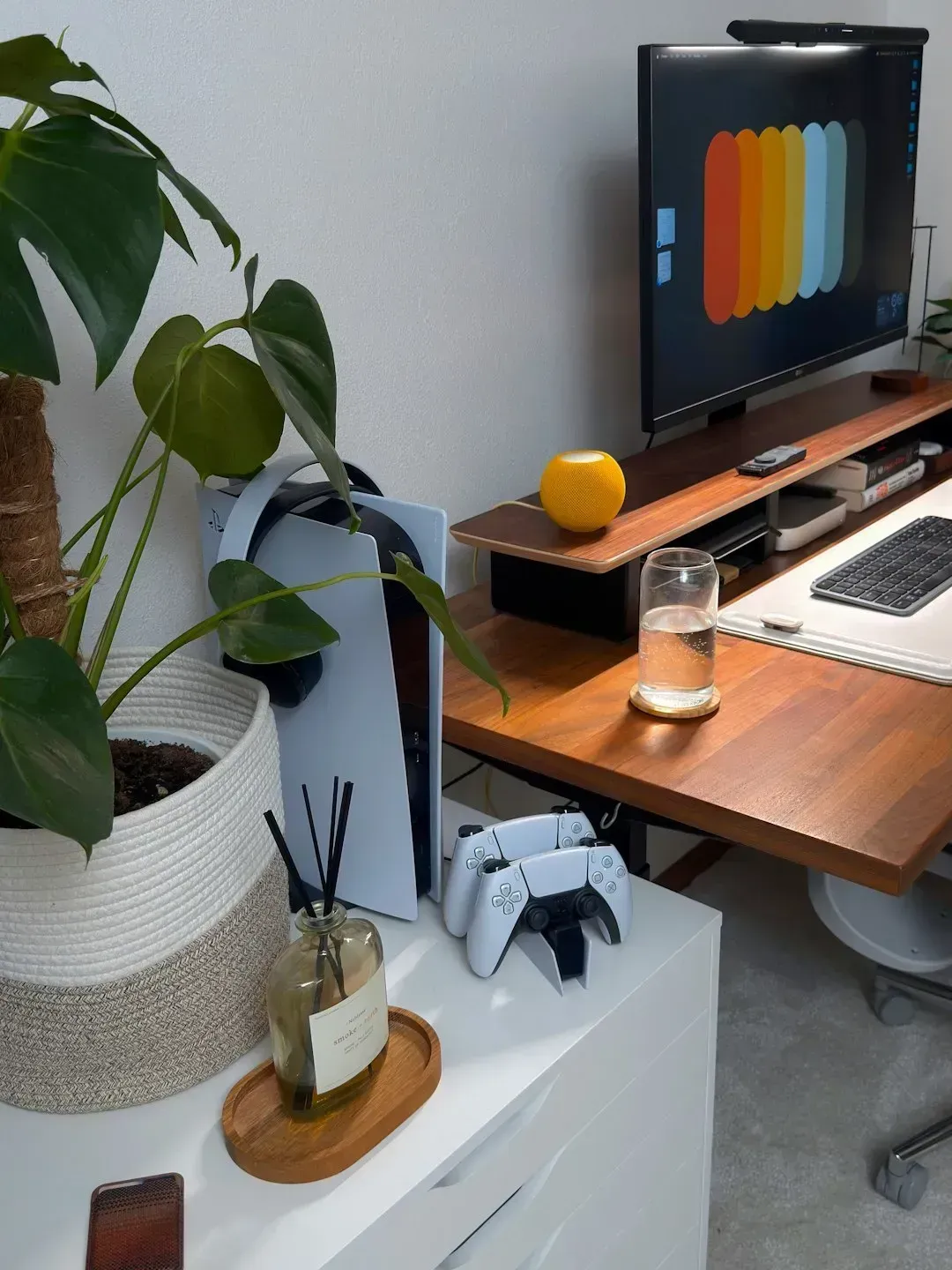
Results from the University of Exeter study consistently showed that the more control people had over their office spaces, the happier and more motivated they were in their jobs. They felt physically more comfortable at work, identified more with their employers, and felt more positive about their jobs in general. Personalization is not decoration for its own sake – it’s a signal to your brain that this is your space, one you belong in.
Gensler’s research found that four types of spaces are essential to help workers do their best work: spaces for creative group work, individual spaces, spaces to reflect and restore, and areas to refresh and recharge. Organizations must consider how space design can accommodate various work styles, adapting environments to suit individual needs and helping people personalize temperature, lighting, and even desk configurations. Even in a shared office, small touches – a favourite mug, a framed photo, a meaningful object – can make a desk feel genuinely yours.
Establish a Digital Organization System Alongside the Physical

The National Association of Professional Organisations finds paper clutter to be the number one issue that adds to stress and frustration in the workplace. According to this research, people spend around 4.3 hours per week rummaging through papers alone. That’s essentially half a working day – gone. A workspace refresh that only addresses physical clutter while ignoring your digital environment is only doing half the job.
The connection between decluttering and mental health lies in how it reduces external stimuli, minimizes stress, and restores a sense of order. By clearing the physical environment, individuals free up mental energy that can be redirected toward creative, productive, and positive pursuits. Apply the same logic to your desktop, downloads folder, and email inbox. Triage your files, delete what’s outdated, and create a folder system you’ll actually use. It sounds boring, but it’s genuinely freeing.
Manage Noise and Distraction Strategically

After surveying over 5,000 employees from 14 different markets, one study found that while nearly all believe the office will still be needed, three quarters say noise and distraction in the workplace hinder their performance. Noise is one of the most underestimated performance drains in any workspace. People often assume they can push through it. They usually can’t – not without a cost.
Creating a range of environments matters – from quiet, low-stimulation spaces to open collaboration zones. Elements like adjustable lighting, clear signage, and acoustic zoning are simple but powerful tools. At home, acoustic panels, thick rugs, or even a well-placed bookshelf can meaningfully absorb sound and create a calmer environment. In a shared office, noise-cancelling headphones remain one of the most effective and affordable solutions available.
Build a Maintenance Routine to Keep It All Going
Decluttering is not a one-time fix but a practice. Life naturally brings in new possessions and challenges, and maintaining a clutter-free space requires consistent effort. However, once the habit is formed, it becomes less about cleaning and more about cultivating a lifestyle that prioritizes mental well-being. Think of it like physical fitness – a single gym session doesn’t maintain your health. The habit does.
Decluttering isn’t a one-time event; it’s an ongoing practice. Setting aside a little time each week to tidy up and reassess your space makes an enormous difference. The more regularly you do this, the easier it becomes to maintain a clean and calm environment. A simple five-minute end-of-day reset – clearing the surface, closing tabs, archiving files – is all it takes to keep the momentum going. Your future self, sitting down fresh the next morning, will absolutely thank you.
A refreshed workspace is not just about aesthetics. It’s about giving yourself a genuine, tangible edge – mentally, physically, and creatively. The research backs it up at every step. What part of are you most ready to tackle first?